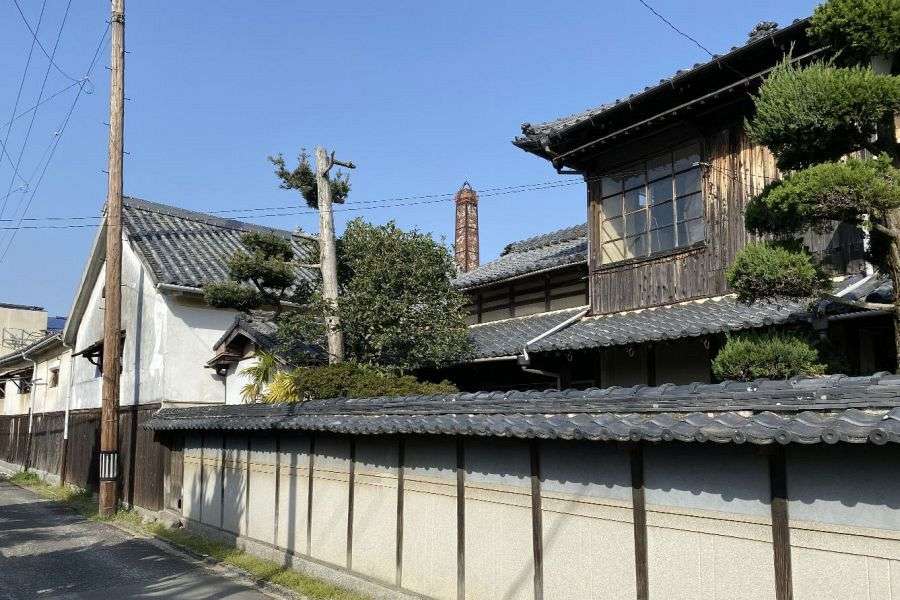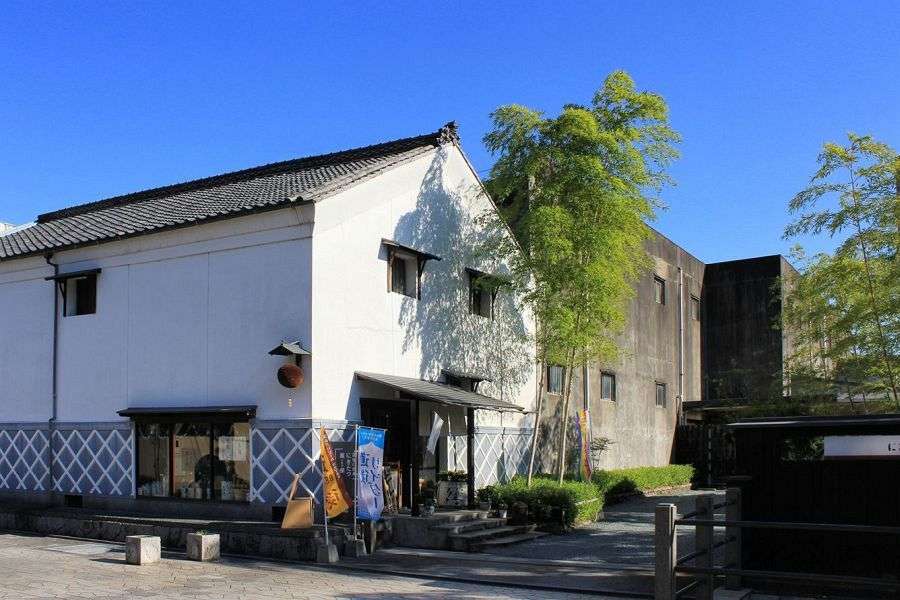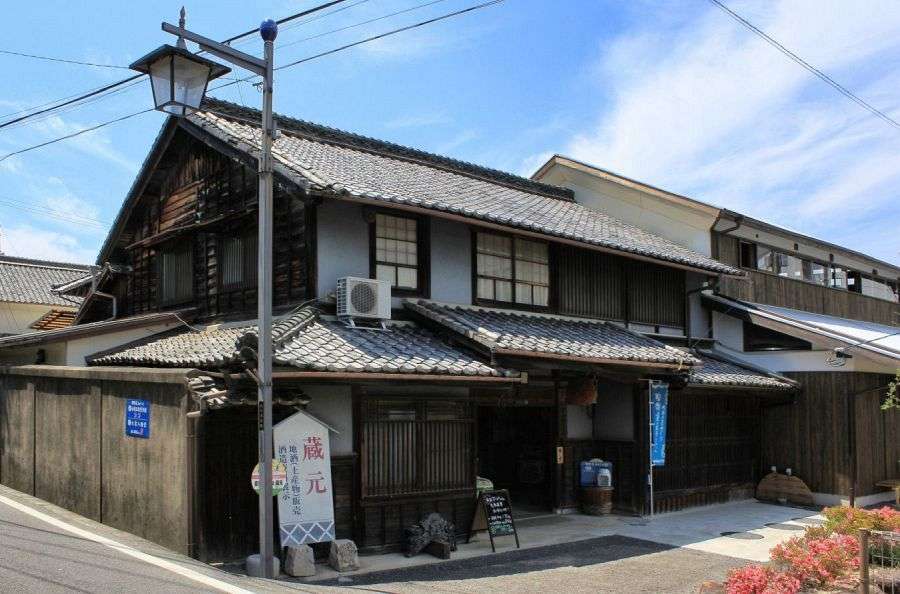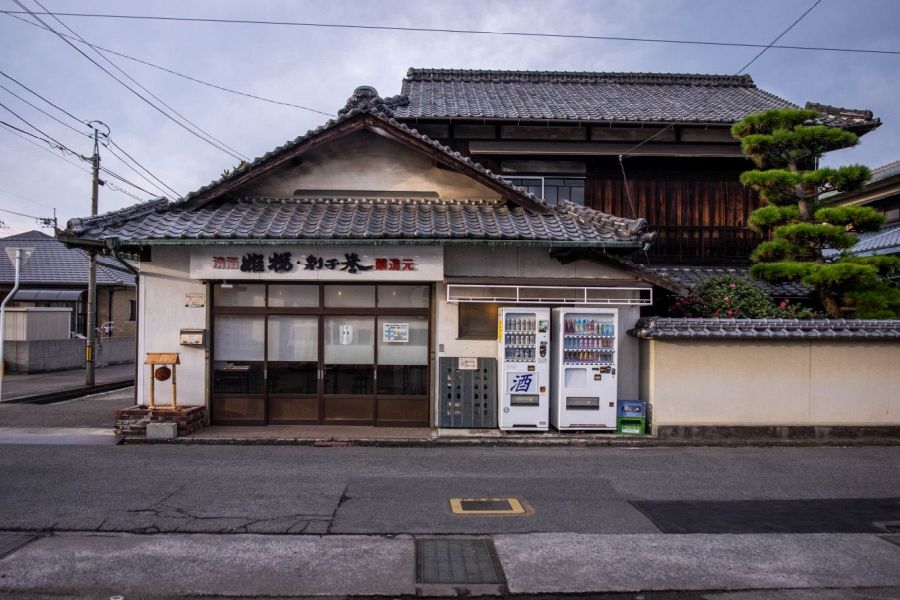
Shikoku Sake
Shikoku is divided into four prefectures, which despite their close proximity, experienced different historical circumstances throughout the ages. This has influenced the character of their people and their culinary preferences. The sake brewed in each prefecture is regarded as being significantly different, and trying the varied sake in each region is one of the joys of visiting Shikoku. Here we have a look at each prefecture.

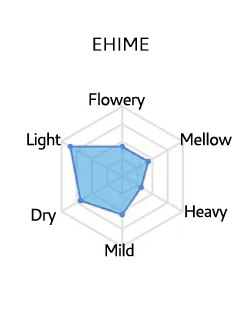
Ehime Prefecture occupies the north-western quarter of Shikoku. Ehime has a large number of breweries, divided into three regions, each with a different flavour profile. The abundant groundwater produced by the Shikoku Mountains and the seafood available in all seasons from the Seto Inland Sea and the Uwakai Sea are important factors in the development of Ehime’s sake. Its agreeable sweetness and richness suit the simplicity of the white fish of the Seto Inland Sea and the mountain fare of southern Shikoku.
Ehime sake flavour profile
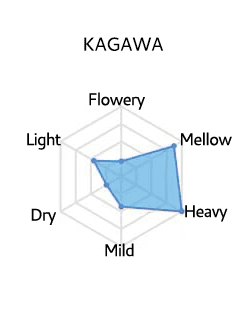
Kagawa Prefecture forms the north-eastern corner of Shikoku. Kagawa is Japan’s smallest prefecture with very few breweries, but it has one of Shikoku’s biggest producers. The food culture of Kagawa features the riches of the sea and of the Sanuki Mountains, which provide quantities of pure water ideal for making sake. Kagawa’s sake perfectly complements the udon and chicken for which the prefecture is known.
Kagawa sake flavour profile
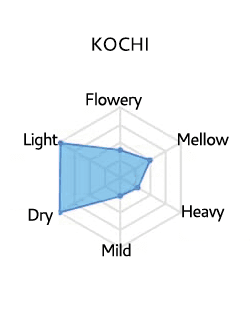
Kōchi Prefecture occupies the whole southern half of Shikoku facing the Pacific Ocean. Kōchi is the prefecture with the largest alcohol consumption in Japan, and it has a unique culture of communal drinking and cooperative sake production. Cold winters are beneficial for brewing sake, but since it’s located in a warm region of Japan, from olden times Kōchi’s brewers have developed methods suited to their locale. Sake in Kōchi is typically dry complementing the rich seafood of the Pacific coast, but recently Kōchi’s brewers have been experimenting with more floral, amino-rich sake, while paying respect to tradition with a dry finish.
Kōchi sake flavour profile
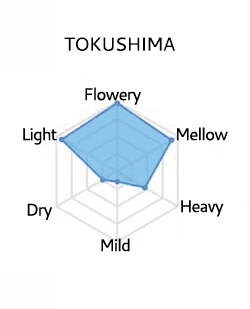
Tokushima Prefecture occupies a large part of eastern Shikoku. Tokushima produces rich, mellow sake using water flowing from the Shikoku Mountains and the Sanuki Mountains.
The prefecture is geographically varied – a major rift valley crosses its territory from west to east with the Yoshino River flowing along its bottom and joining the sea at the city of Tokushima. Sake rice is grown on the plains and slopes bordering this great river. The difference between the daytime and night-time temperature is great, and the terraced rice fields benefit from strong sunshine and fresh breezes.
Small, often family-run breweries produce sake that complements the foods of the valleys in the prefecture’s mountainous interior and the abundant seafood of its long coastline.
Kōchi sake flavour profile
Shikoku Breweries
Saitō Brewery Co., Ltd.
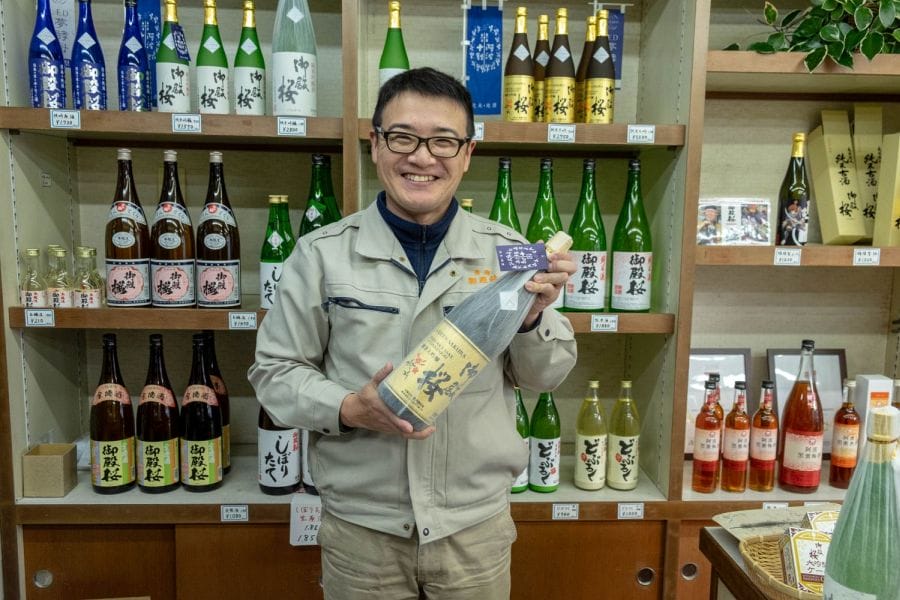
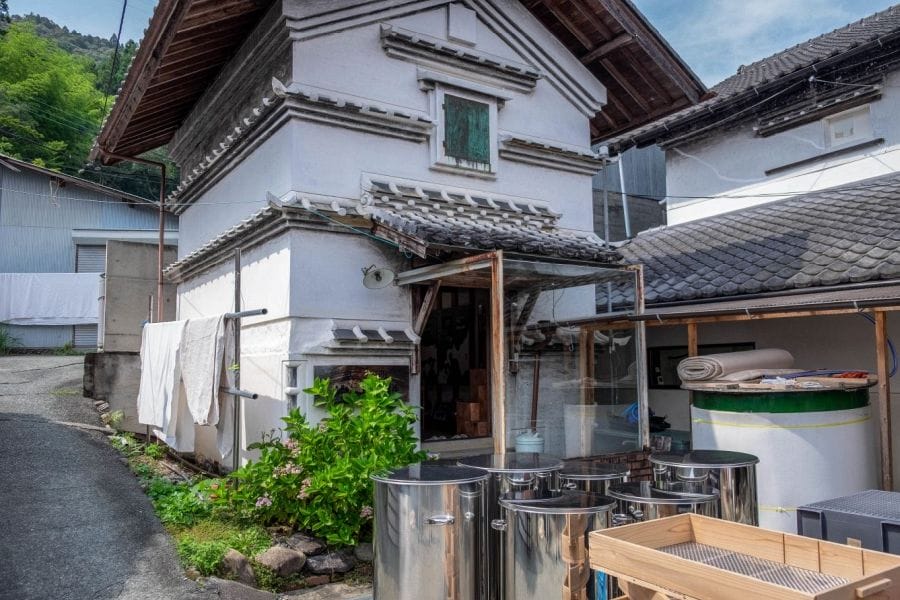
The three-person team of Saito Brewery brews Gotensakura sake in their attractive brewery in Tokushima city.Nisshin Shurui Brewery
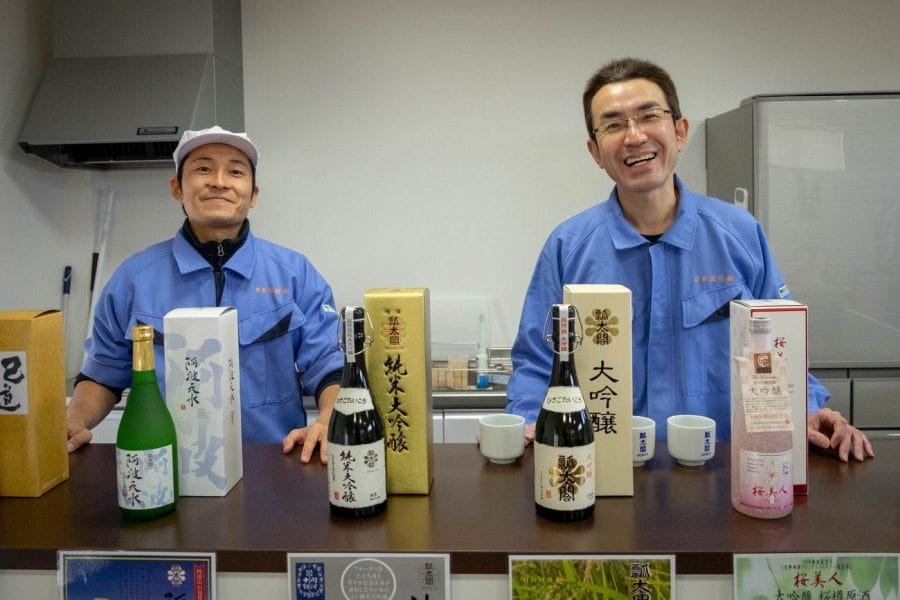
Nisshin Shurui is a diversified alcoholic beverage producer located in Itano, a farming town next to the Yoshino river.Nakawa Shōten Brewery
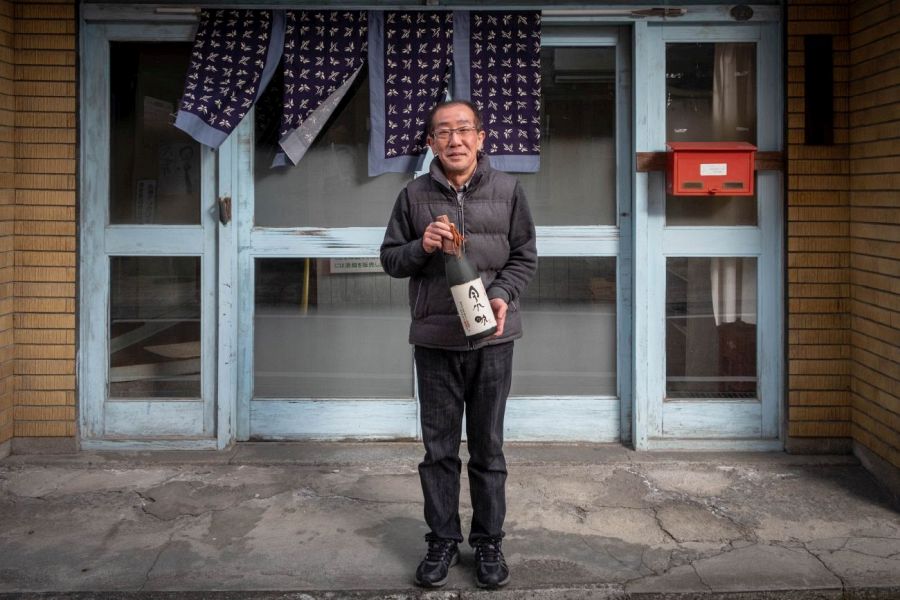
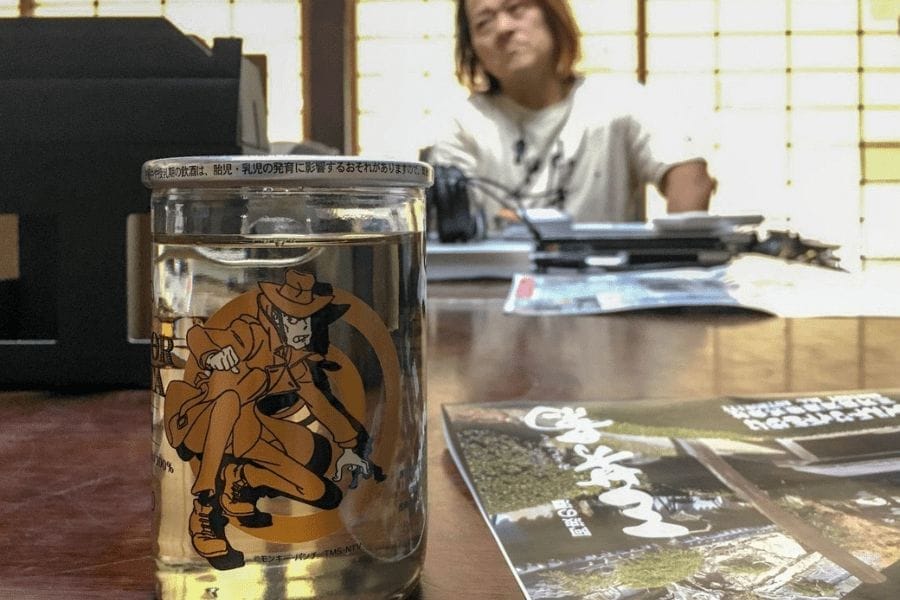
A traditional brewery in Ikeda making sake to suit a wide range of tastes.