
Visiting Miyajima
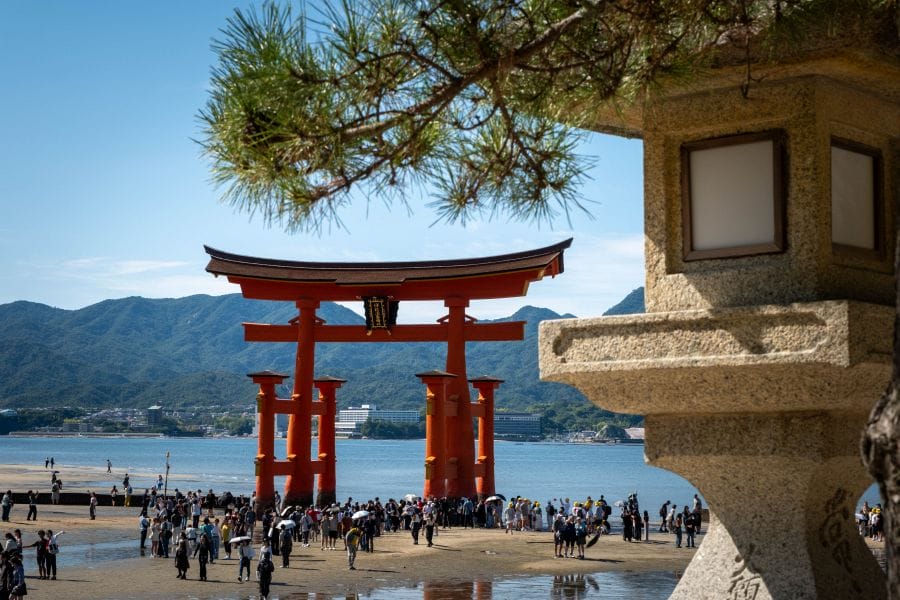
Miyajima is a beautiful sacred island near Hiroshima with an iconic torii in the sea.
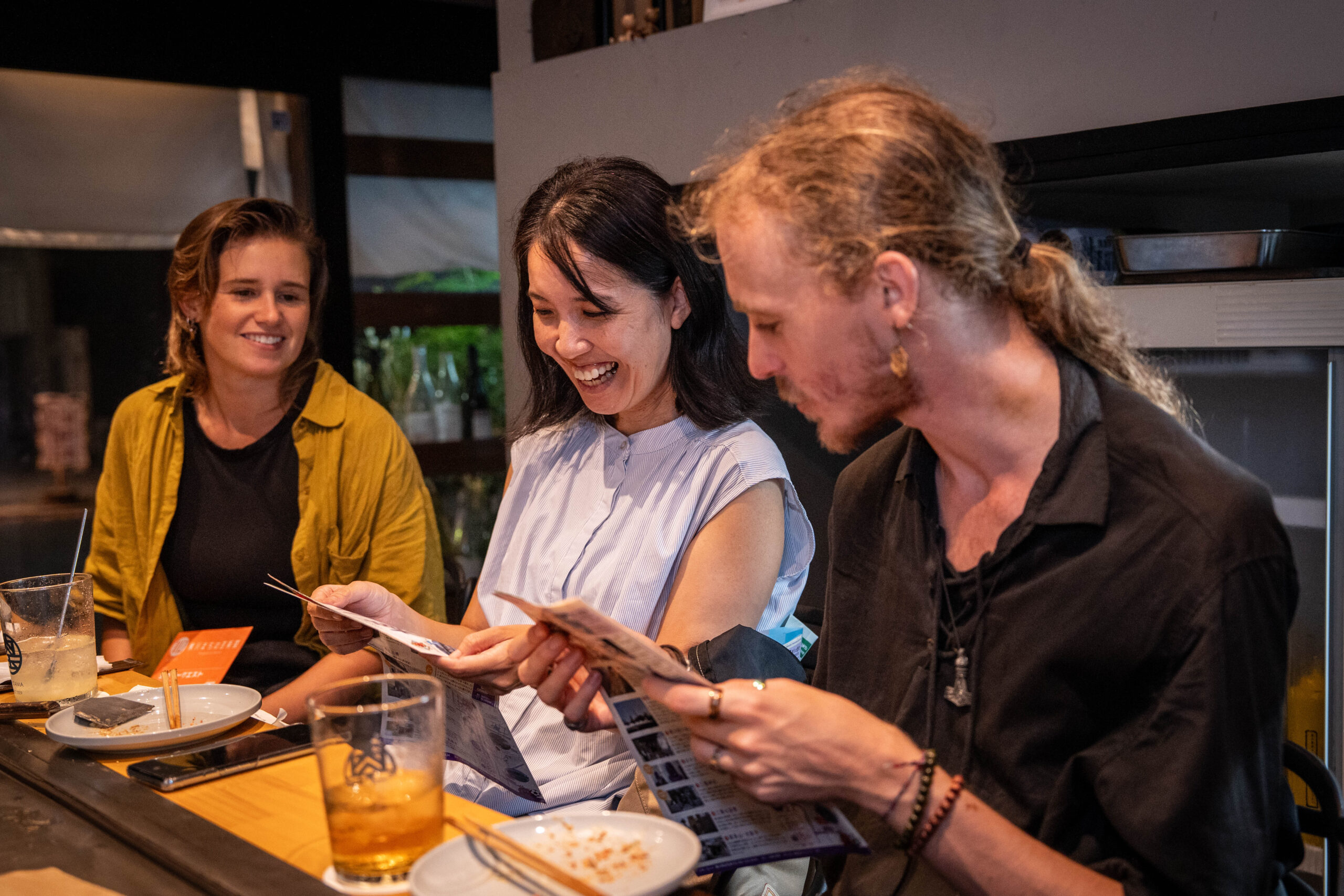
Miyajima, with its iconic torii gate in the sea, is one of Japan’s best-known tourist attractions. Located on Japan’s so-called Golden Route for first time visitors — Tokyo, Kyoto, Osaka, Hiroshima — most people who only come to Japan once will visit Miyajima. It’s often included in a one-day package, combined with Hiroshima Peace Park, so many visitors only ever spend half a day on the island. We recommend taking a different approach, enjoying everything that Miyajima offers at a slower pace. A stay on the island is essential to enjoy the tranquil scenery at dusk and in the early morning without the crowds of day-return visitors. Japan Adventurer knows the best places to stay and eat on Miyajima, and our local guides will make sure that you don’t miss anything.
Miyajima is the name commonly used, meaning “island of the shrine”, but officially it’s called Itsukushima. The island rises steeply from the sea. It has a dramatic profile with several mountain peaks. The highest, Mt. Misen, is topped with rocky outcrops. This awe-inspiring appearance is probably why Miyajima became a place of worship.
Most visitors will go to Miyajima from Hiroshima or Iwakuni. Trains stop at Miyajimaguchi Station, a short walk from the ferry, which takes about ten minutes to reach the island. Ferries between 9:10 and 16:10 take a small detour to sail right in front of Itsukushima Shrine and its torii, providing an excellent opportunity to take impressive photos. To get to Miyajima quickly from Hiroshima Port, you can use the express ferry that takes about forty-five minutes.
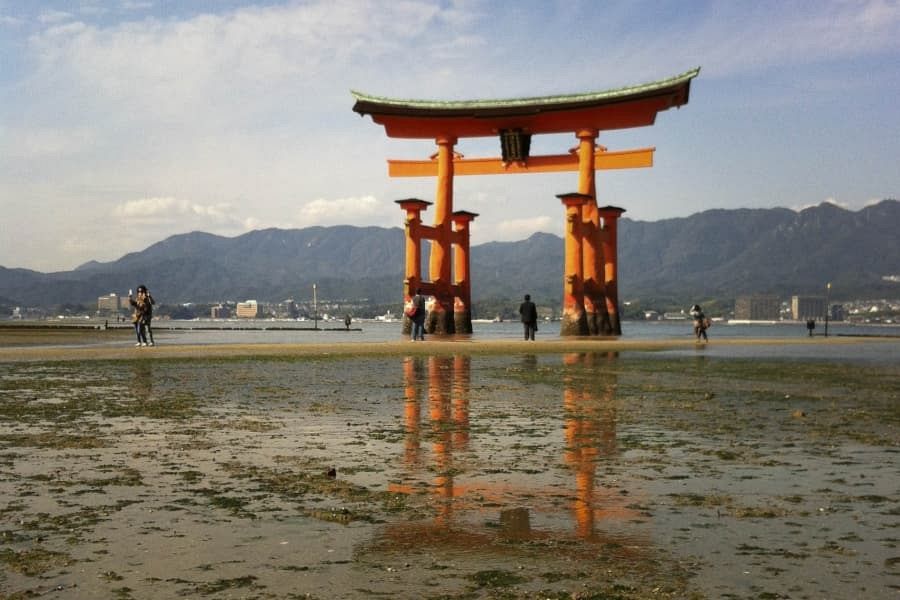
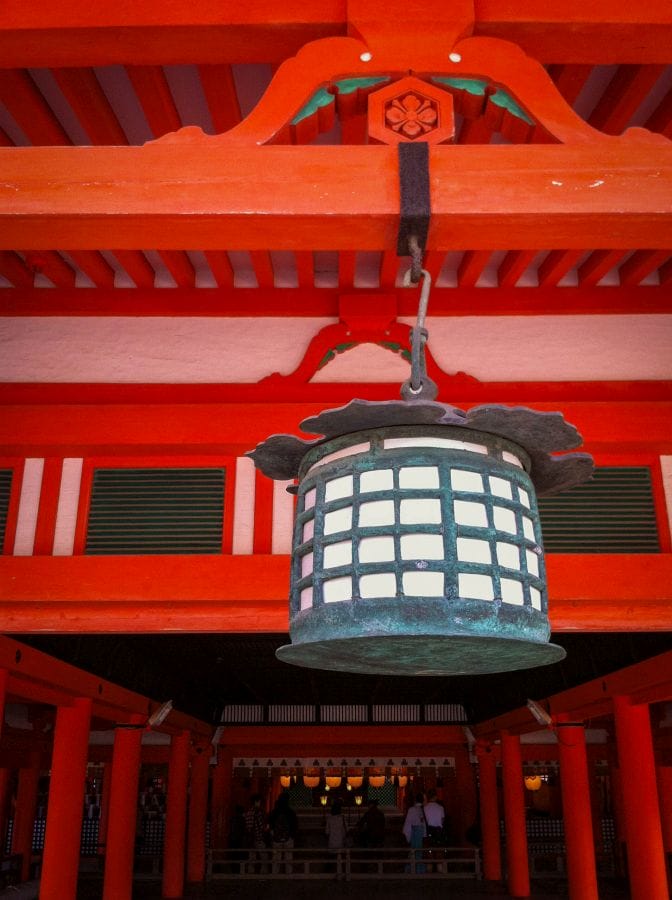
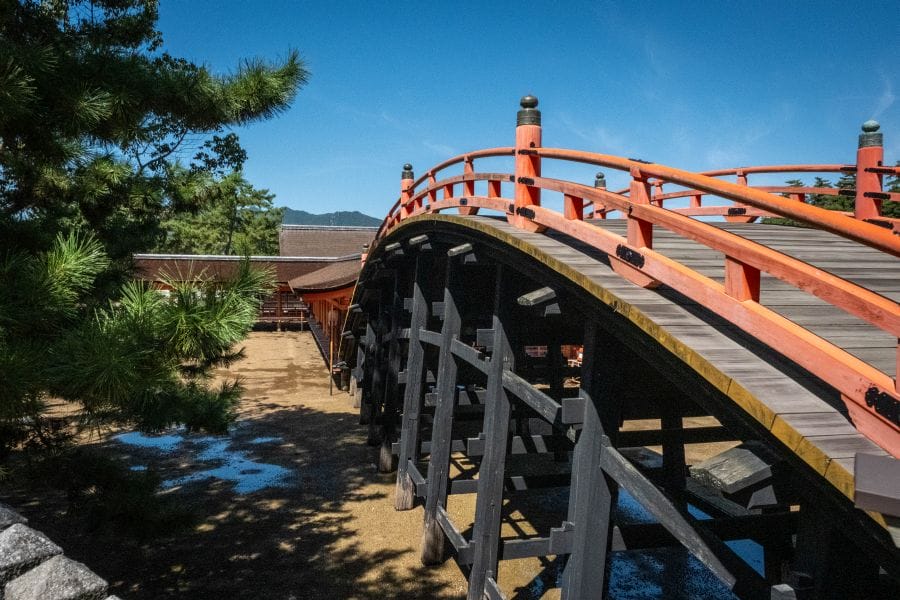
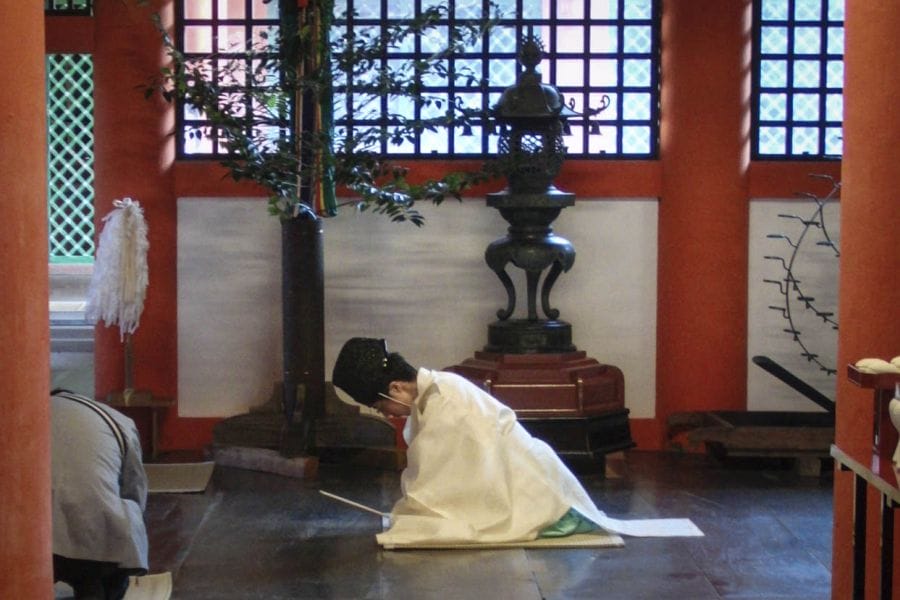
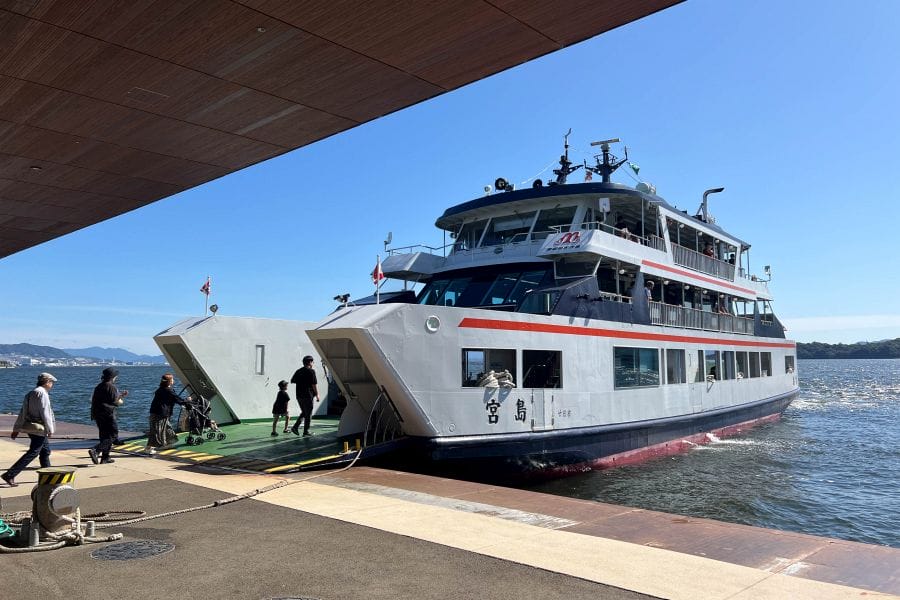
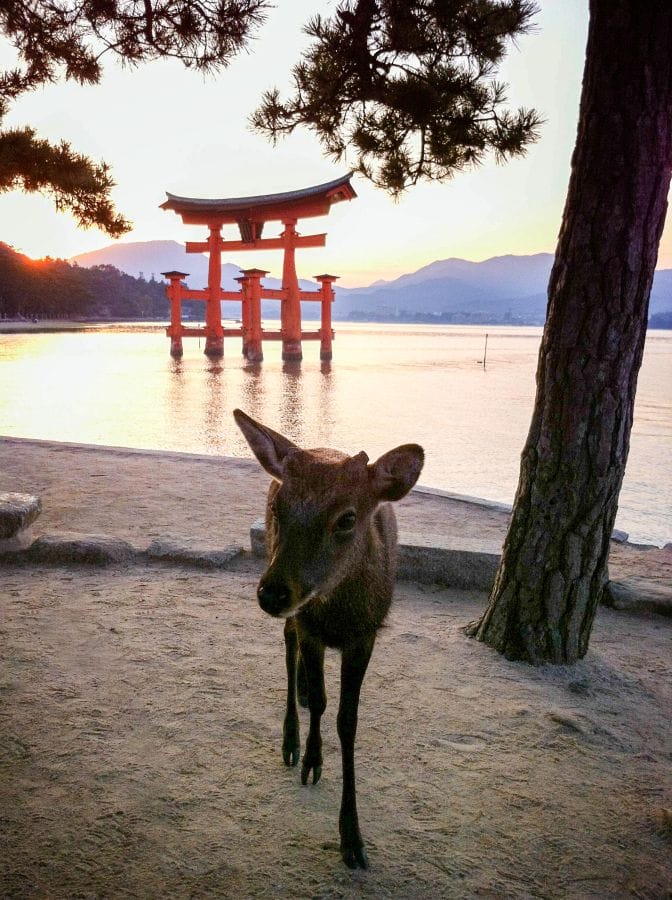
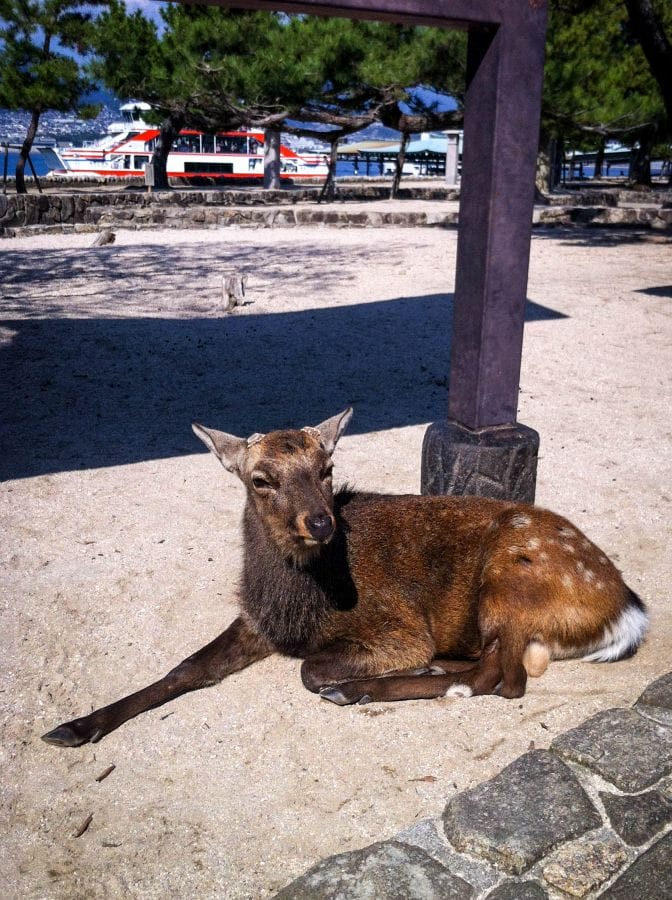
When you get off the ferry, there’s a large plaza, typically with a few deer wandering about or lounging in the shade of the trees. Welcome to Miyajima! This first encounter with the deer is rather exciting. The main settlement is clustered around the ferry terminal and Itsukushima Shrine, with paths leading inland toward Mount Misen and north toward quieter districts. Most sites are accessible on foot, though the cable car provides an alternative route up Mount Misen.
Itsukushima Shrine is the first place to visit. Its appearance varies greatly according to the state of the tide. At high tide the complex seems to float; at low tide the mudflats allow closer access to the ōtorii gate. If you spend a day or more on the island, you can experience the shrine at high and low tide. The shrine’s present form was established in the 12th century under the patronage of Taira no Kiyomori, a military dictator of the Heian period. You can walk through the covered corridors linking the main hall, prayer halls, and Nō stage, and stroll out to the torii at low tide.
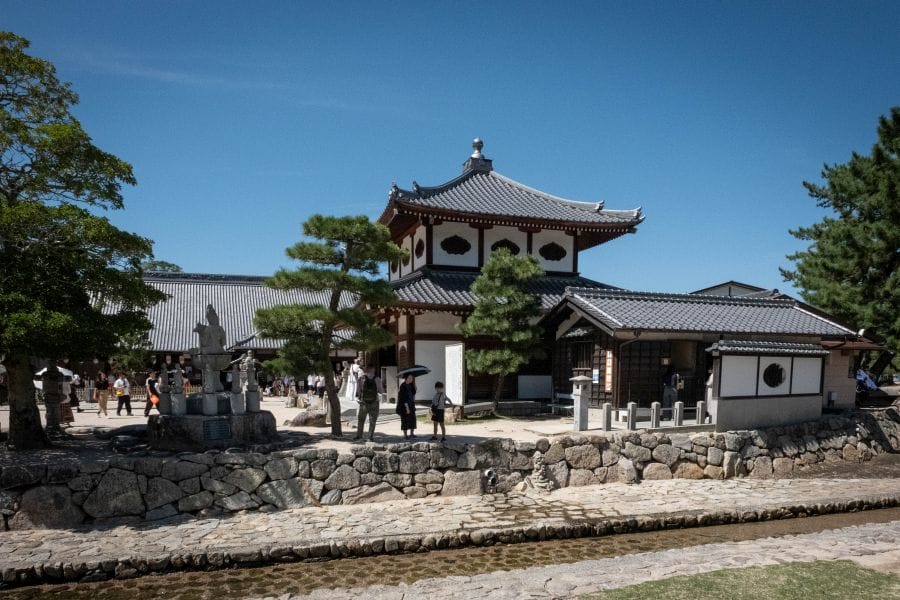
Overlooking Itsukushima Shrine from atop a small hill is Senjōkaku and its massive red pagoda. The elevated position of Senjōkaku offers views over Itsukushima Shrine and the bay, making it an essential stop. On a hot day, it’s nice to sit in its cool interior gazing out over the island. This huge temple was commissioned by Toyotomi Hideyoshi, another military dictator, in 1587. It was intended as a hall for chanting sutras for the dead in Hideyoshi’s wars in Japan and Korea, but it was left unfinished after his death. The expansive interior, with exposed beams and wooden flooring, remains largely empty. Its wooden floor has been repaired numerous times, in some places with playful shapes. Nearby, the Five-Storied Pagoda, dating to 1407, has decorative elements combining Japanese and Chinese influences.

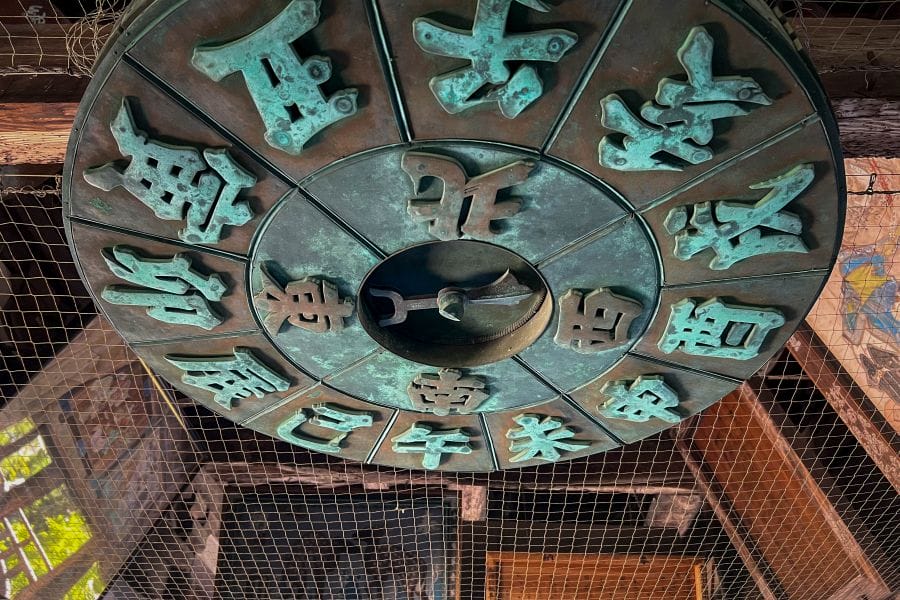
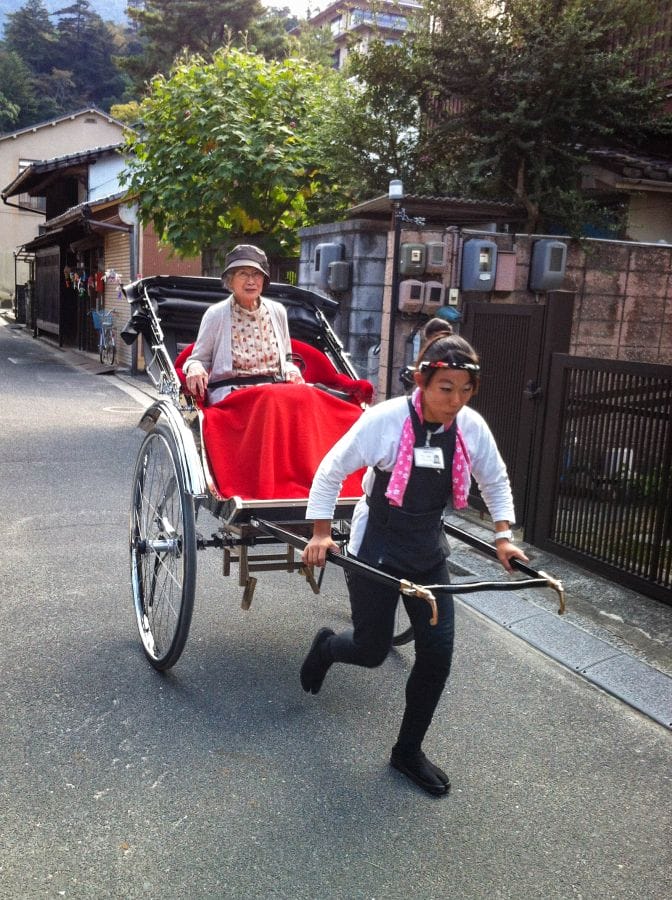
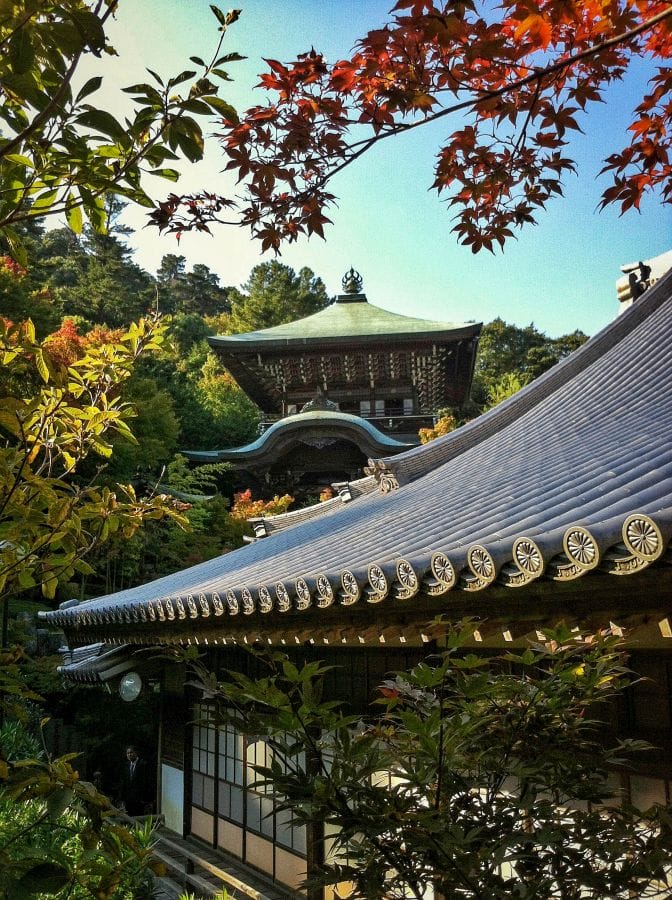
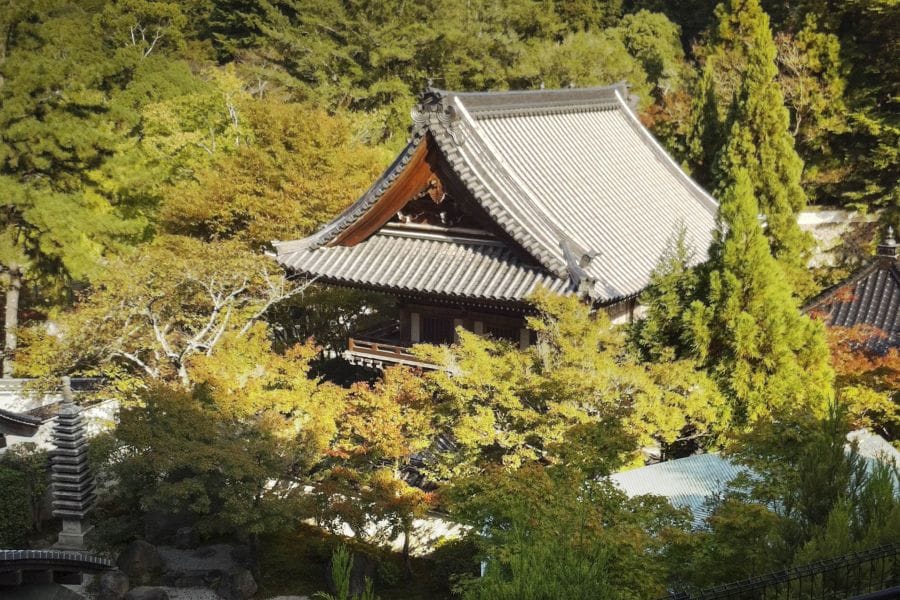
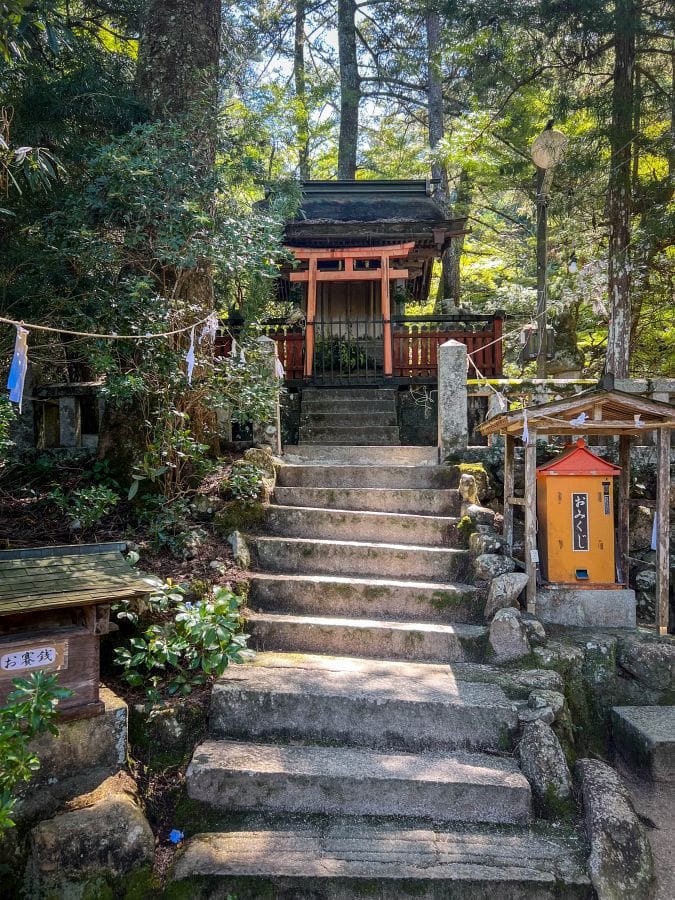
From Senjōkaku, paths lead toward Omoto Park or Daishō-in Temple. Omoto Park is a wooded area at the foot of Mt. Misen, dotted with small shrines and sacred groves associated with older forms of Shinto worship tied to natural features. This area is quieter than the central shrine precinct and shopping area. The Yamamura-jaya restaurant festooned with wisteria is a nice option for lunch or a snack. In spring, cherry blossoms and wisteria bloom in the park, and in autumn, the foliage of the maples and other trees present a riot of colour.
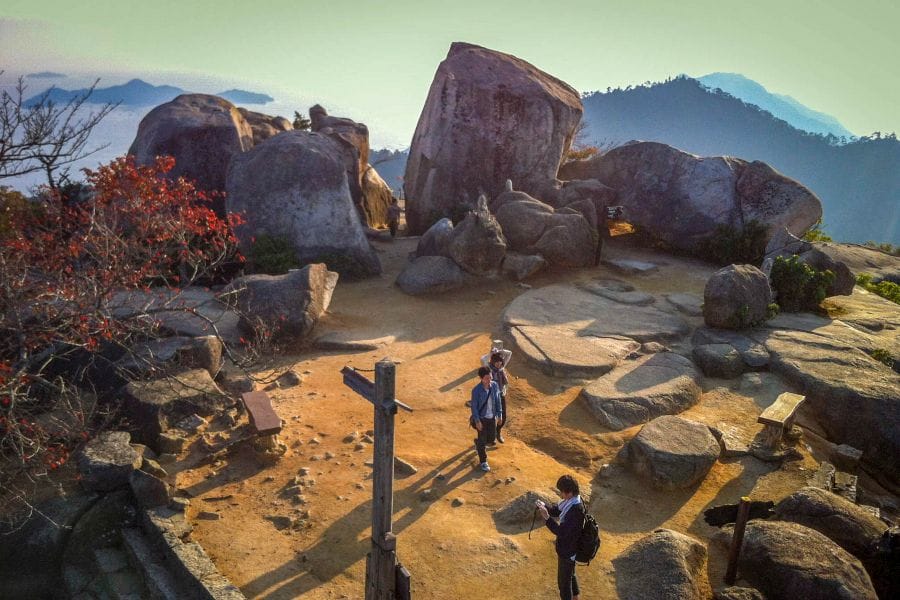
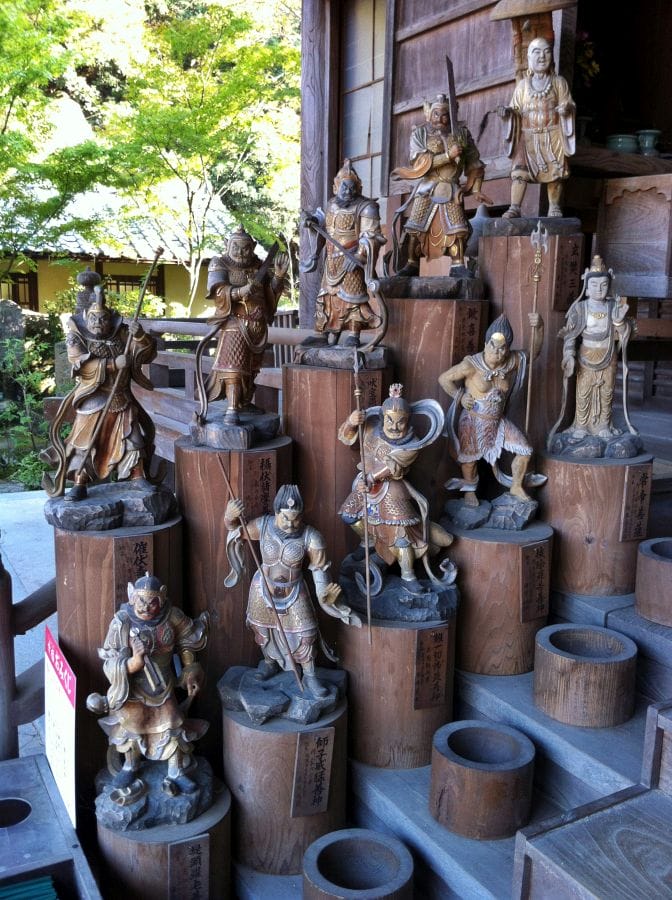
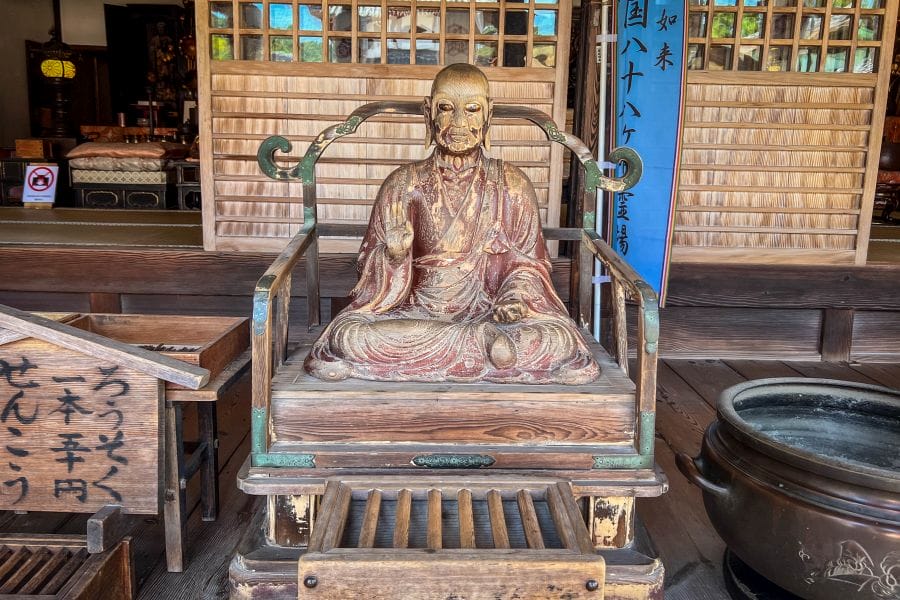
Daishō-in at the foot of Mount Misen, represents the Buddhist heritage of Miyajima. It was founded in the 9th century, allegedly by Kūkai, and the temple served as the head temple for Shingon Buddhism in western Japan. The grounds contain a variety of halls, along with ritual features such as rows of spinning prayer wheels. Being less immediately accessible, Daishō-in is less crowded than Itsukushima Shrine. It’s also a good starting point for the main hiking trail to Mount Misen. There are three hiking trails up Mt. Misen — the Momijidani, Omoto, and Daishō-in routes. The latter is regarded as the easiest and most attractive. It takes 1.5 to 2 hours to reach the top. If you opt to use the cable car (or ‘ropeway’ in Jinglish), you’ll still need to walk about a kilometre from the station to the summit. On clear days, the summit provides views across the Seto Inland Sea and toward Hiroshima city. You can scramble up onto the massive boulders atop the mountain for an even better view.
The town near the ferry terminal features Edo- and Meiji-period architecture. Shops produce local crafts such as wooden rice scoops (shamoji), originally made by Buddhist monks, and confections such as maple-leaf-shaped cakes (momiji manjū). The free-roaming deer mingle with the throngs of excited visitors in this pleasant tourist trap. All manner of Japanesque souvenirs are available, many unrelated to Miyajima.
A short distance from the town to the east is another world of warfare and strife. The broad sands of Tsutsumigaura Beach is where Mōri Motonari landed during the Battle of Miyajima in 1555 before defeating the much larger forces of Sue Harukata. Also on the northeastern side of Miyajima is Takanosu gun battery, built in 1897 in the Meiji period to defend against ships attacking the military city of Hiroshima. Six 9 cm rapid-fire guns were installed, with a searchlight and power plant. You can still see the remains of the battery today.
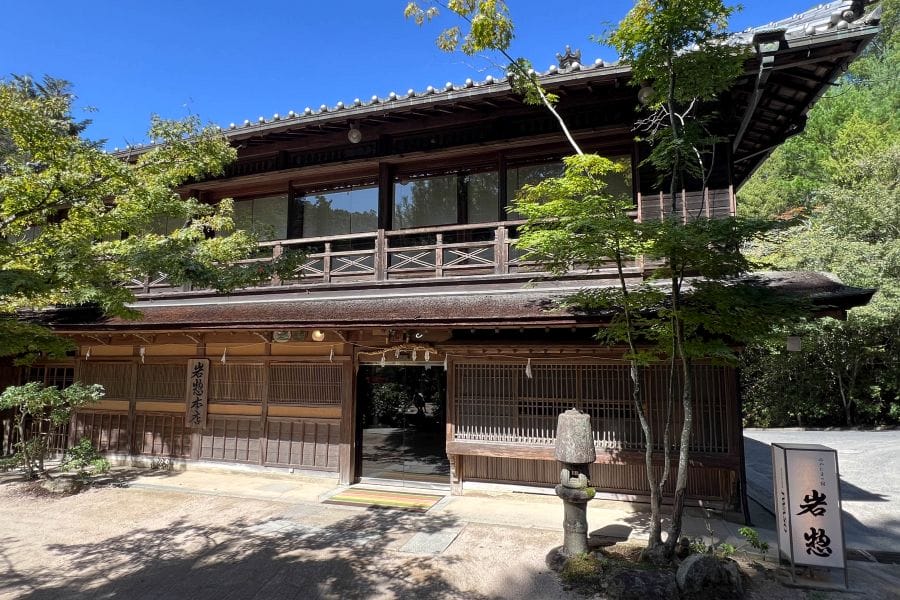
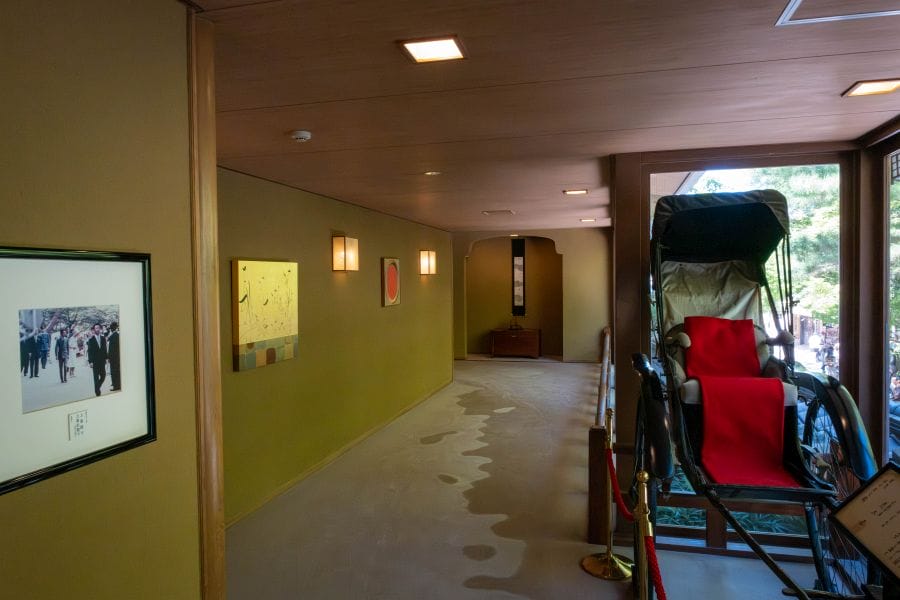
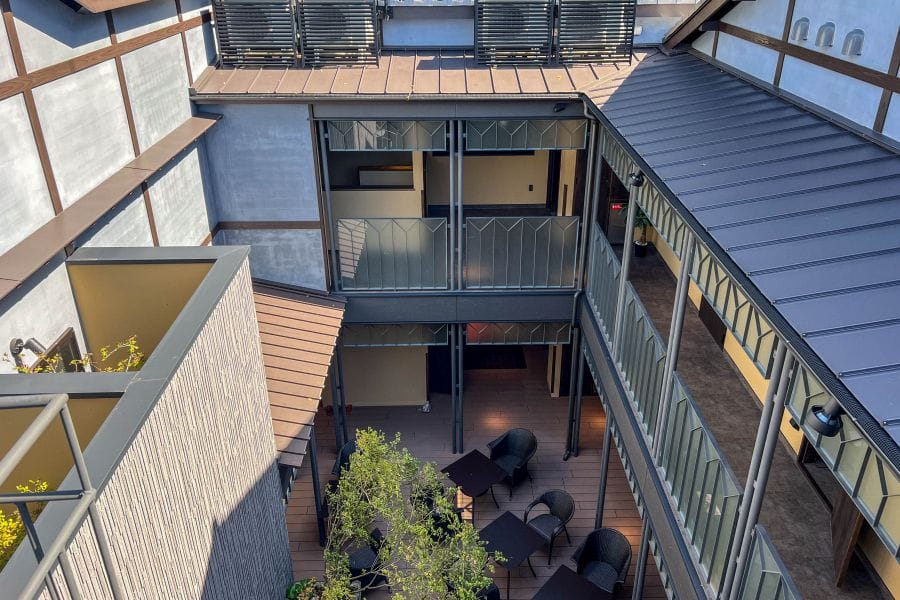
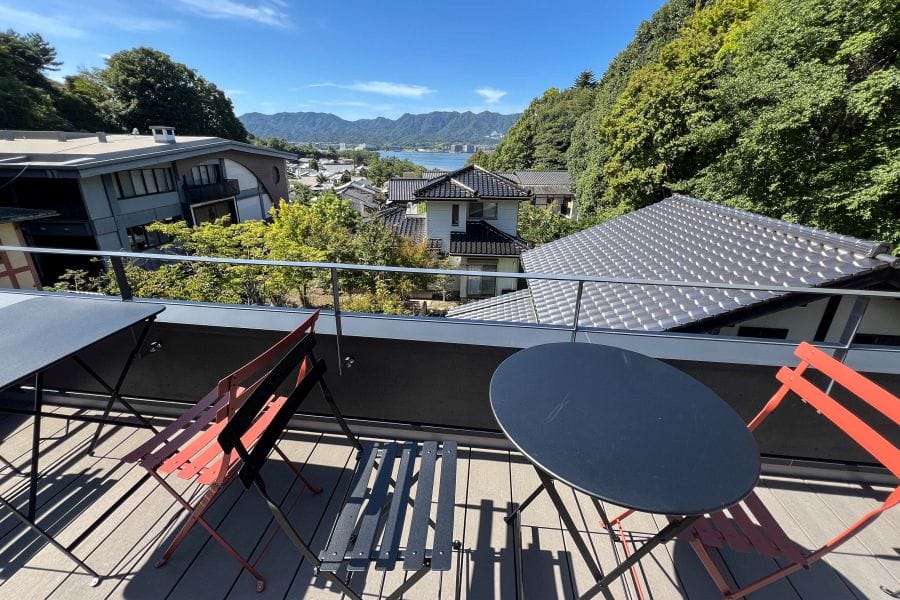
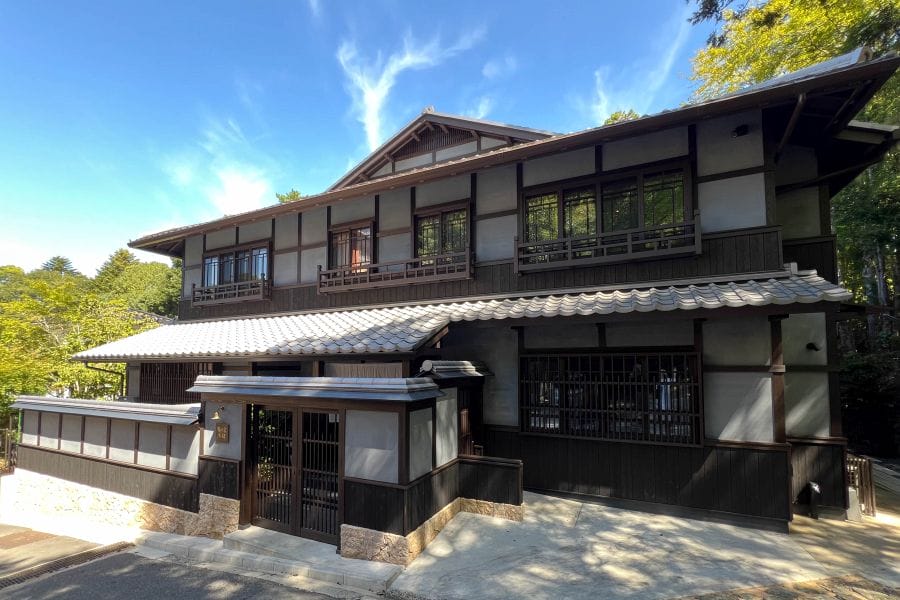
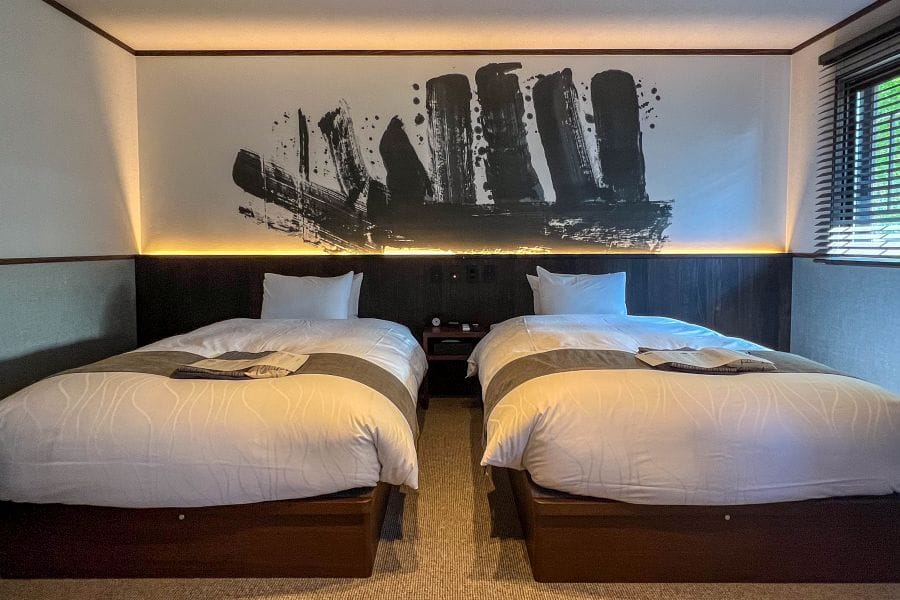
There are many nice places to stay on Miyajima from traditional ryokan dating from last century, to modern hotels built recently. Since the building regulations on Miyajima are strict, even the new hotels blend into the old townscape. With accommodation on the island and a companiable local guide, Miyajima becomes a charming destination worth a couple of days’ relaxed exploration.