Cormorant Fishing in Miyoshi
Miyoshi preserves the ancient art of fishing with cormorants.
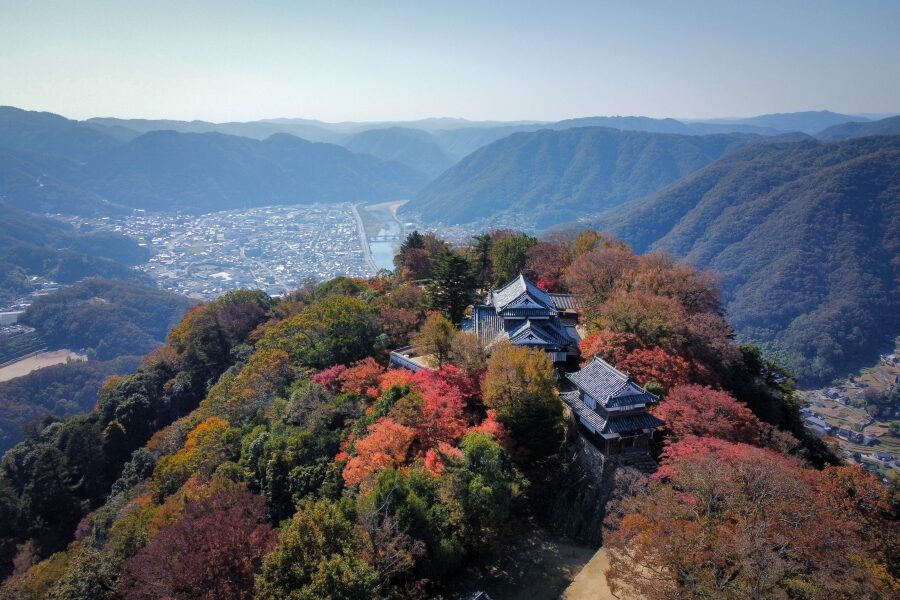
Fishing with the help of trained waterfowl has been practiced across Asia for centuries. In Japan, this ancient method—known as ukai—uses cormorants to catch fish, and it’s been preserved in a few locations around the country. One of these is Miyoshi, a historic castle town in the heart of Hiroshima Prefecture, where cormorant fishing continues as both a living tradition and a cultural attraction.
From livelihood to living heritage
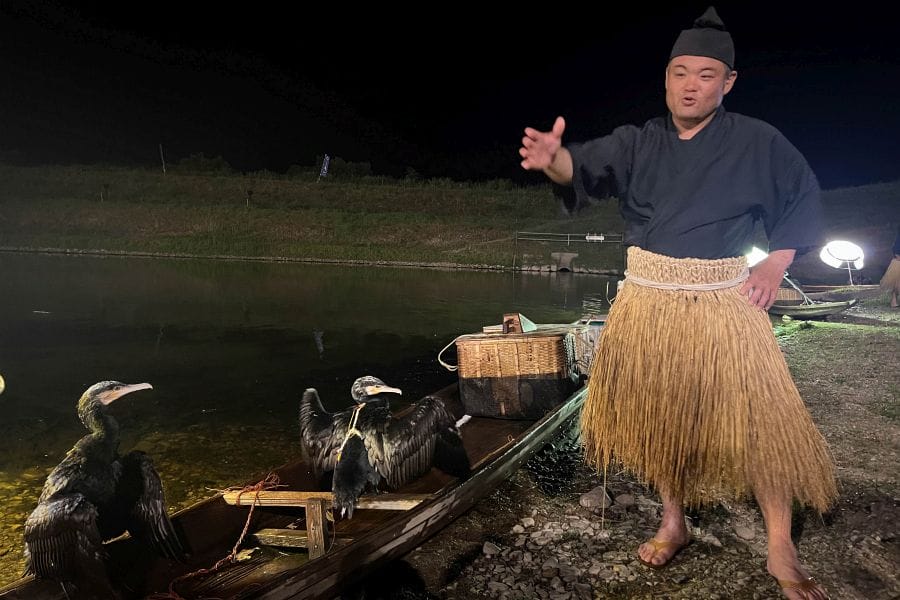
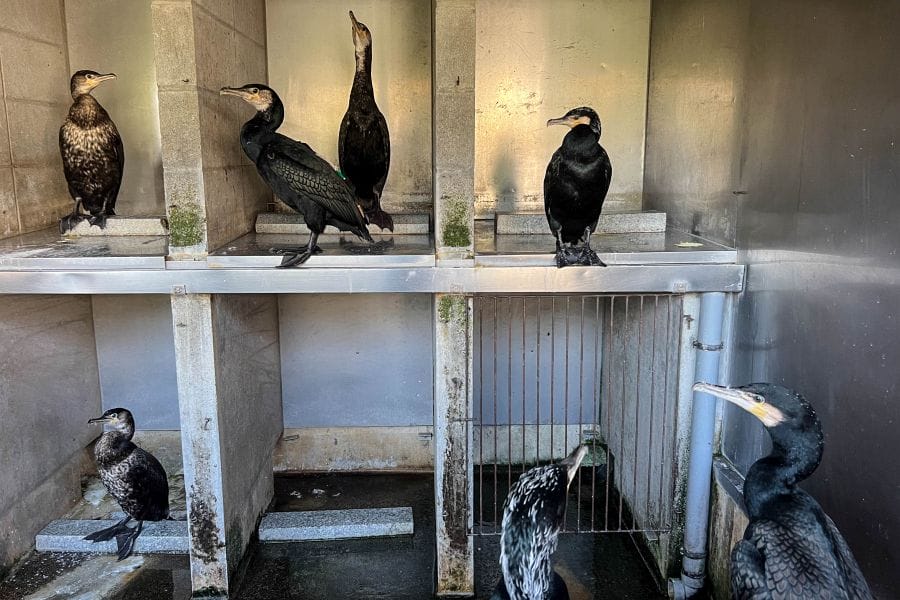
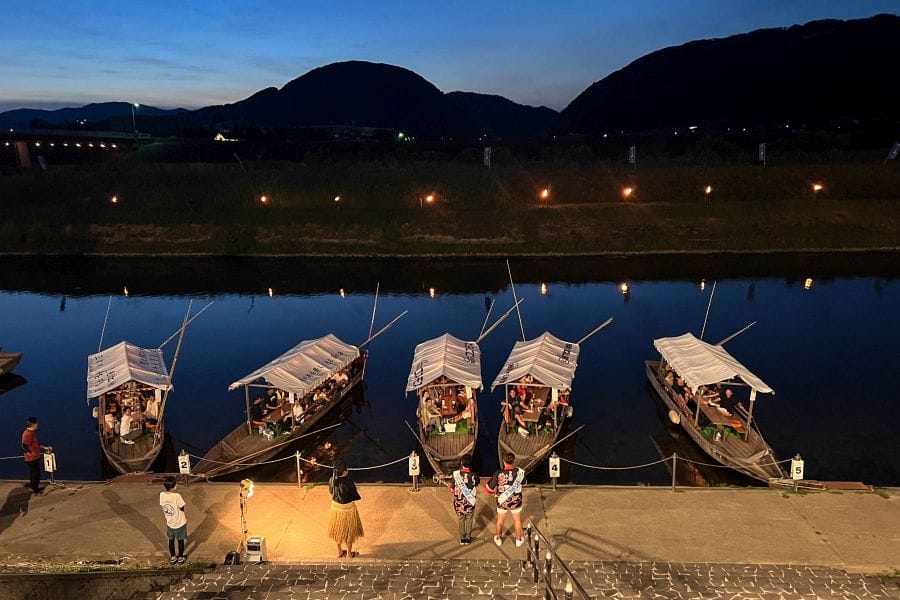
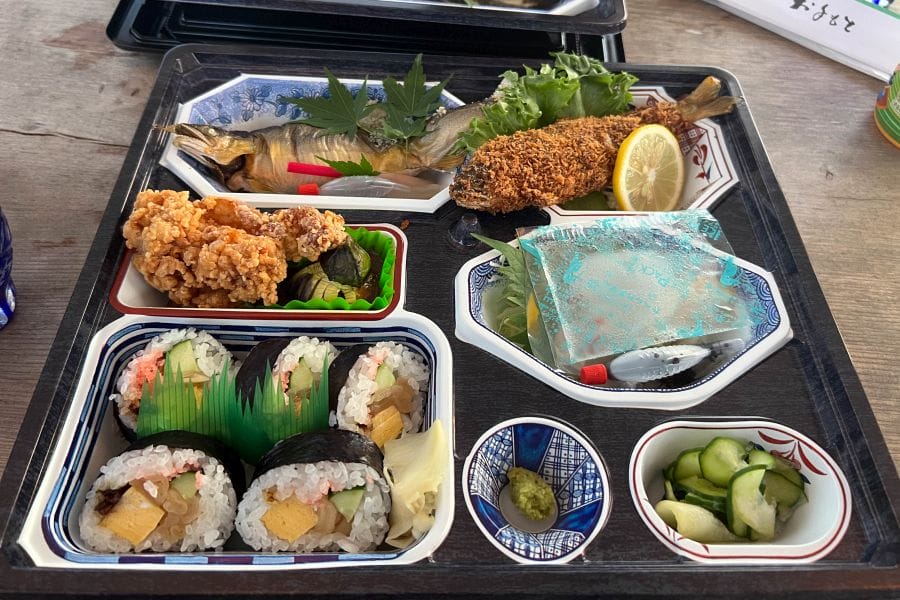
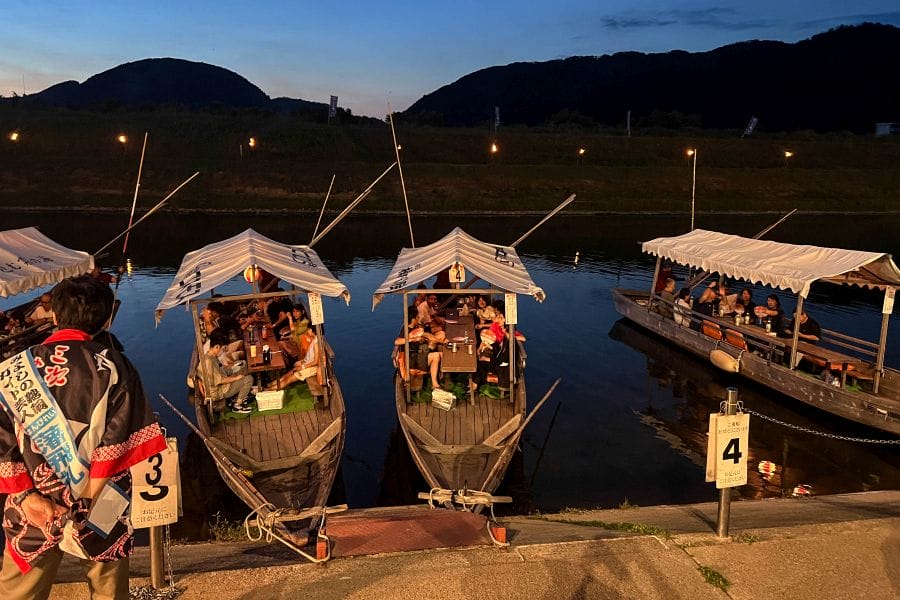
In the past, cormorant fishing played an important economic role in Miyoshi. Until as recently as 1985, it was a practical way to catch ayu (sweetfish) and other river fish for food and trade. Today, it has evolved into a distinctive feature of the town’s tourism industry. You can visit the shelters where the cormorants live and learn about their care and habits from a master fisherman, or ushō. In the evening, boats take to the river, where you can watch the remarkable teamwork between the ushō and their birds, preceded by a dinner featuring local dishes and Miyoshi sake.
History of ukai in Japan
Cormorant fishing has long held a special place in Japanese culture. While originally a common method for catching fish, its graceful choreography of light, water, and movement soon captivated the upper classes. By the Heian period (794–1185), watching cormorant fishing had become a popular pastime among aristocrats and warlords. Notably, Oda Nobunaga used ukai as a form of hospitality. In 1568, he built a new boat and staged a fishing display to entertain a messenger from Takeda Shingen, even sending the freshly caught fish as a gift. Later, Tokugawa Ieyasu also enjoyed ukai performances after the Siege of Osaka in 1615. The prestige of the practice elevated the status of cormorant masters, who were eventually granted the right to travel freely along Japan’s rivers and present ayu to the shogunate.
The art and technique of ukai
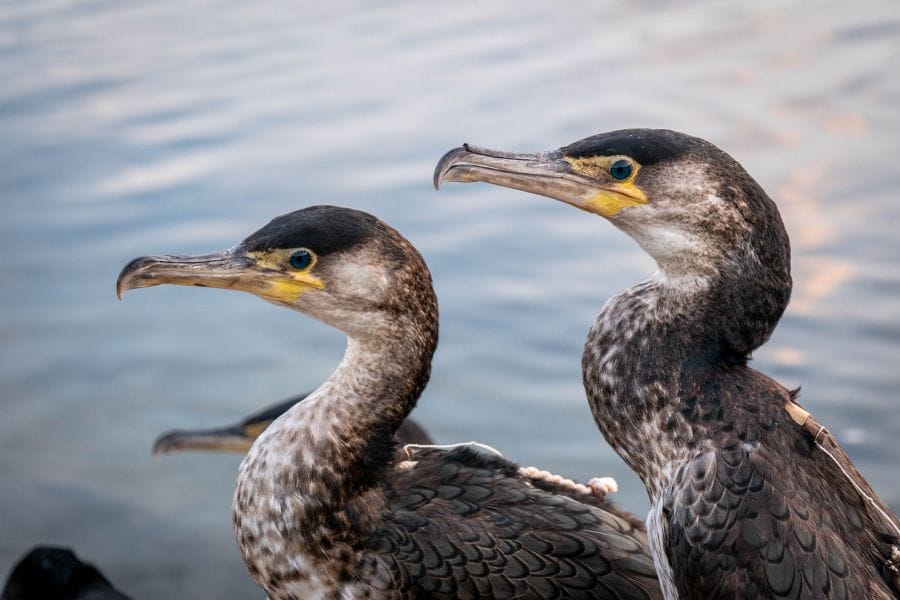
To control the birds, the ushō ties a loose snare around the base of each cormorant’s throat. This prevents the bird from swallowing larger fish, which are then retrieved by the fisherman once the cormorant returns to the boat. The birds are guided with both hands and feet, a skill requiring years of training and deep understanding of the animals’ behaviour.
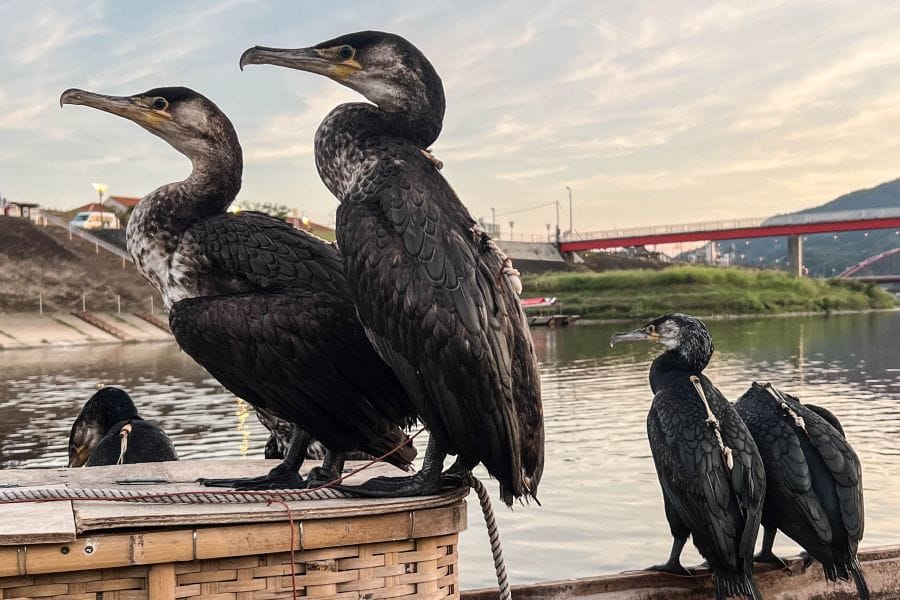
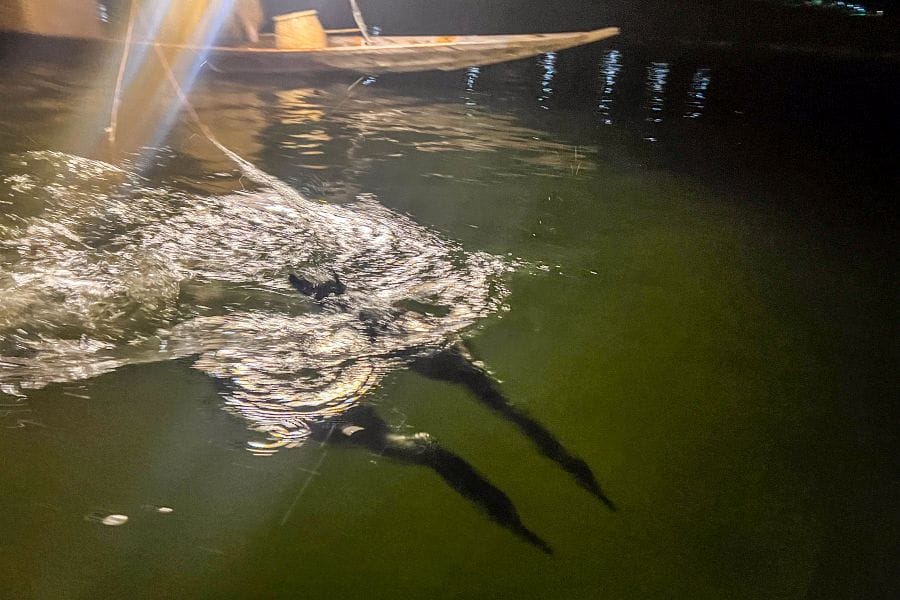
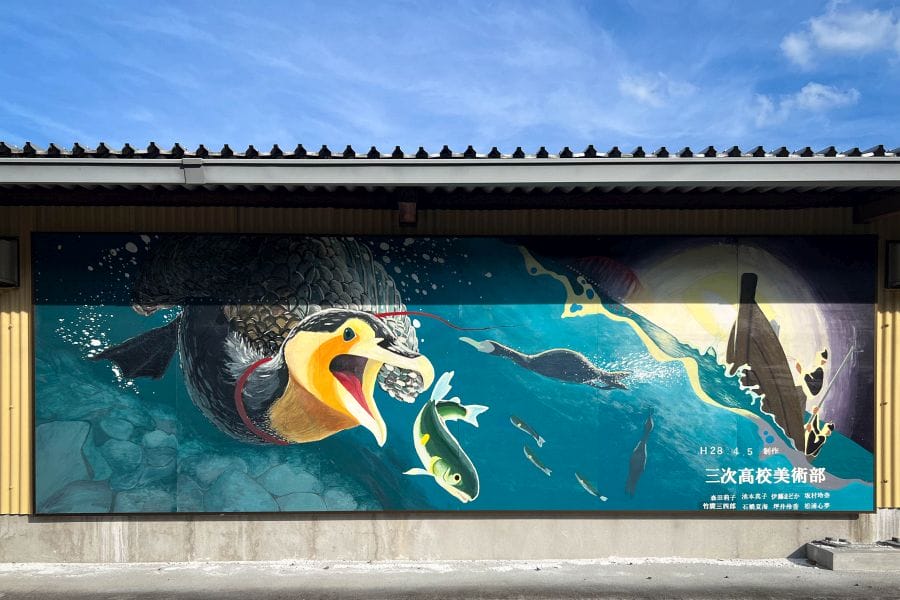
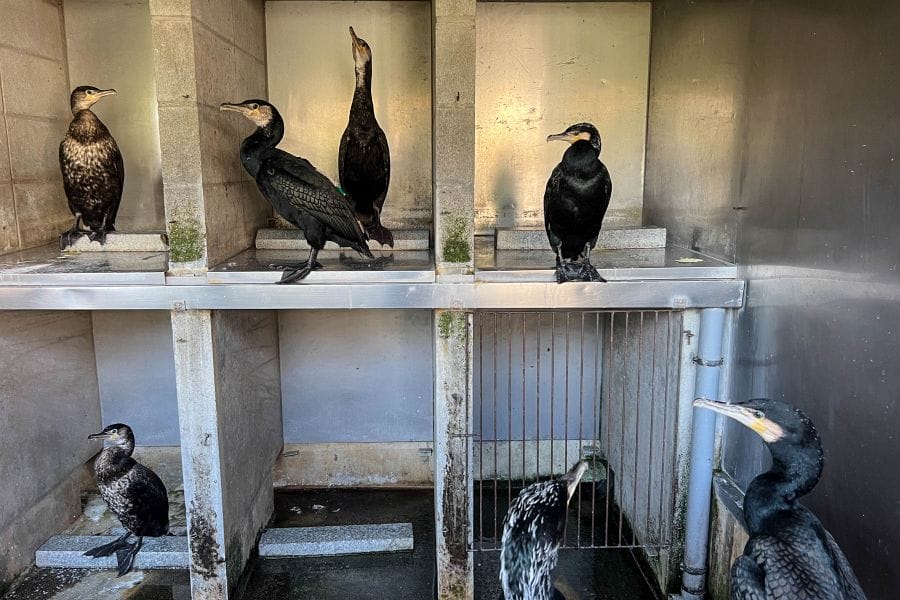
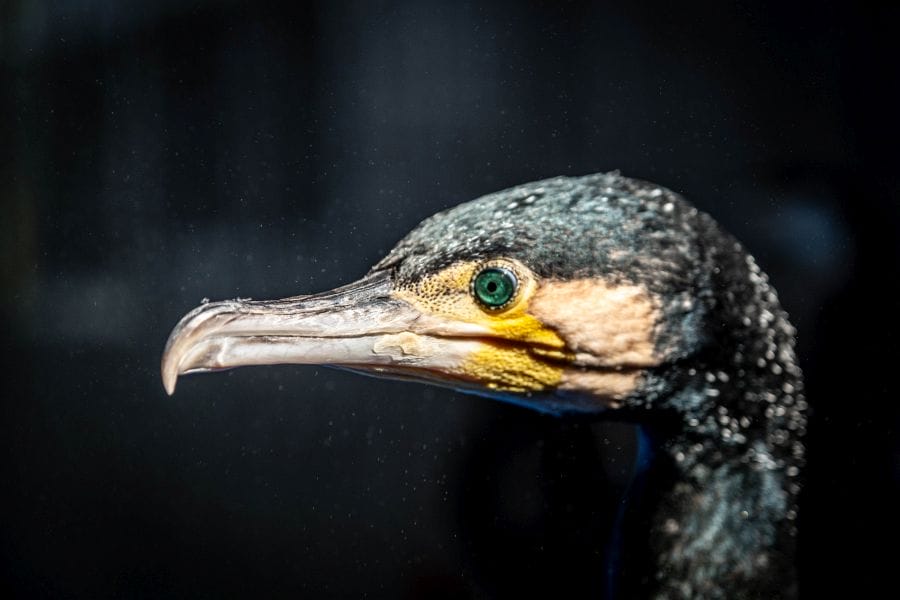
Each master in Miyoshi works with their own team of cormorants—typically river species rather than the more docile sea cormorants. The birds, originally caught in Ibaraki by professional handlers, can live up to fifteen years in human care, much longer than in the wild. Interestingly, they naturally form “buddy” pairs with birds of a similar age within their team, cooperating during the hunt, and watching each other’s back.
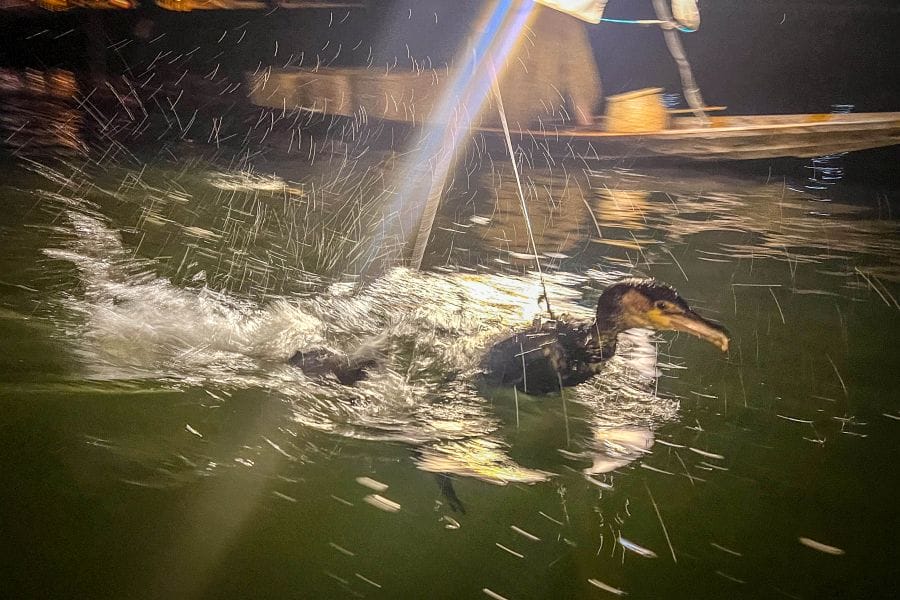
Unlike other waterfowl, cormorants appear to be semi-submerged when they swim. This is because their feathers absorb water, a trait that helps them dive efficiently. This also explains cormorants’ distinctive habit of spreading their wings to dry.
Caring for the birds
Miyoshi’s ukai practitioners are deeply committed to the health and welfare of their birds. The town has only one veterinarian familiar with cormorant care, who often consults experts in other regions. When a cormorant dies, its body is now donated for scientific study to improve understanding of the species’ health—replacing the older custom of burial in a dedicated grave. An Ukai Summit is held every two years, where cormorant masters from across Japan gather to share knowledge and preserve this unique cultural practice.
A night on the river
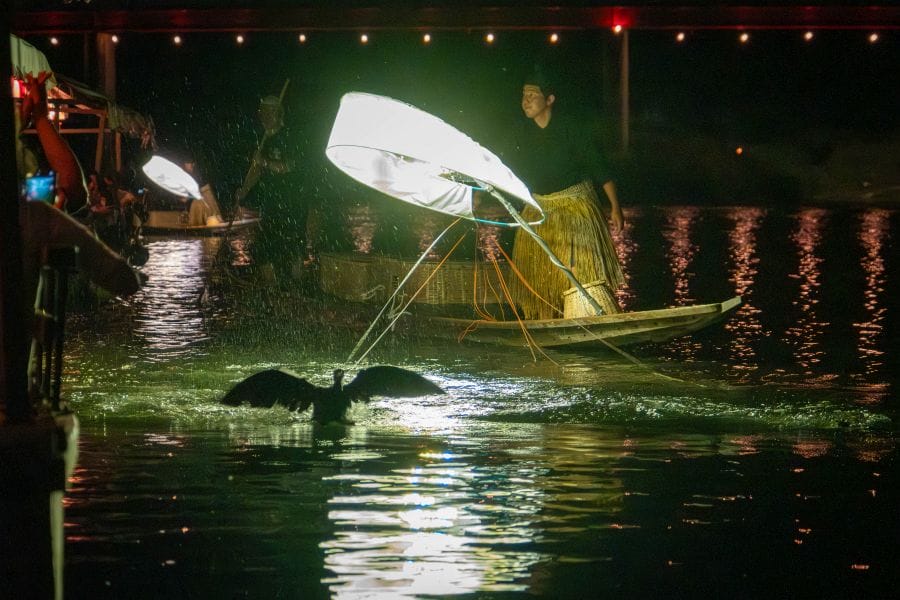
During the summer fishing season, the scene on the River in Miyoshi is unforgettable. Big lanterns cast their light from the boats as ushō guide their cormorants through the dark water. Contrary to popular belief, the light doesn’t attract fish—it actually disturbs resting fish, prompting them to swim making them easier to catch.
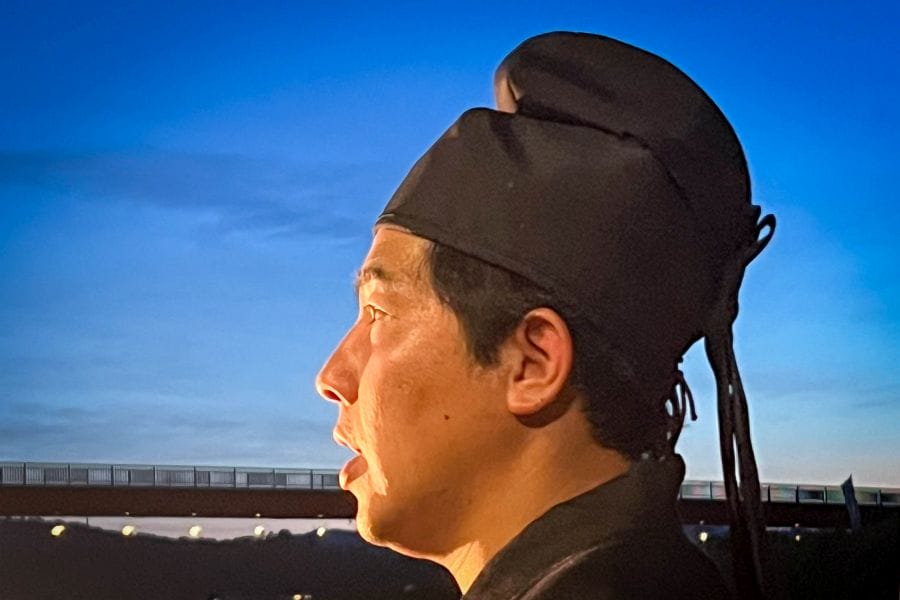
Among Miyoshi’s current ushō is one of Japan’s youngest, a 37-year-old who continues the lineage of this demanding craft. Alongside his peers, he upholds a centuries-old tradition that blends skill, cooperation, and respect for nature.