Navy Curry
The tasty tucker that keeps the Japanese navy afloat.
Whatever time of day you arrive at Kure Port, almost as soon as you step off the ferry, the tempting aroma of curry comes a’wafting, setting the tummy a’rumbling. Why is this?
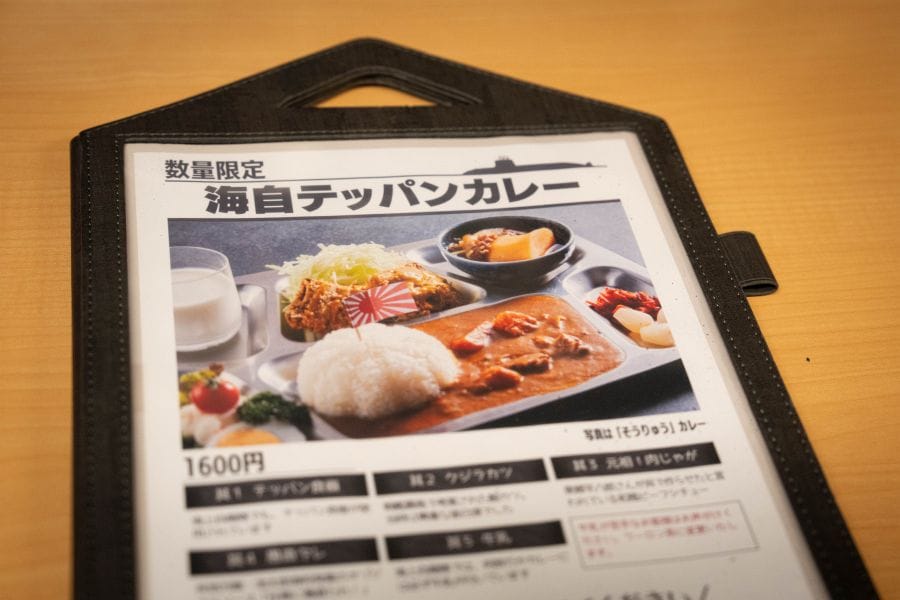
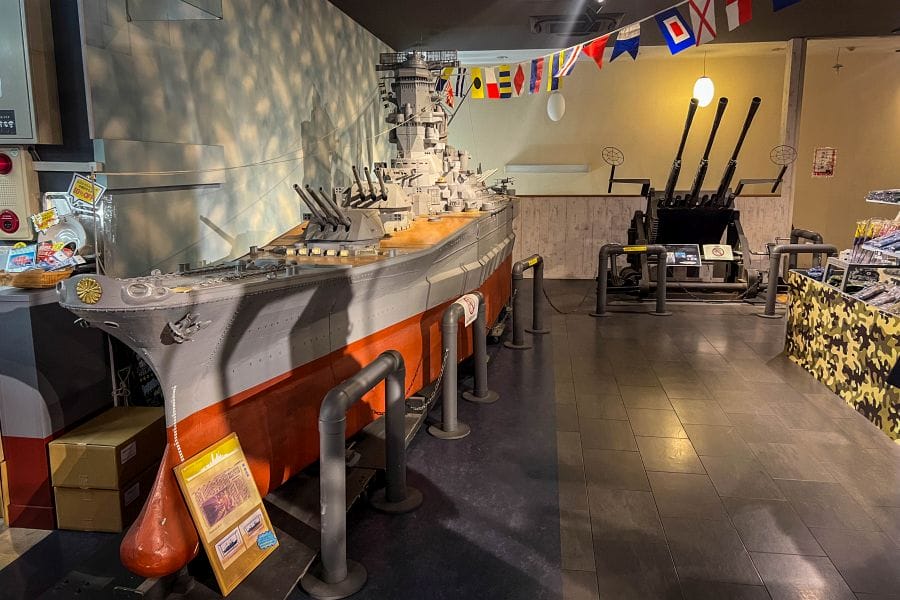
What you’re scenting there is ‘navy curry’ or kaigun karei. Kure is situated southeast of Hiroshima city. Since the Meiji era, it has served as a base for the Imperial Japanese Navy (IJN) and its successor, the Japan Maritime Self-Defence Force (JMSDF). They both had a tradition of eating curry.
The various branches of Japan’s military were heavily influenced by the militaries of 19th century European powers, and what became the Imperial Japanese Navy was trained largely the British Royal Navy. At that time, India was a colony of Britain, and the British had been eating curry for at least a century.
It’s theorised that curry became popular in Japan because the Imperial Navy, modelled on the Royal Navy, adopted it for its ship’s mess. However, Takamori Naofumi, a former JMSDF officer and naval culinary researcher, avers that although Japanese military manuals from the 1880s include instructions for making curry, curry didn’t become common in the Japanese Navy until the 1920s, during the Shōwa period. He suggests that rather than curry spreading from the Japanese military to the civilian sector, it was adopted by the military thanks to civilian habits.
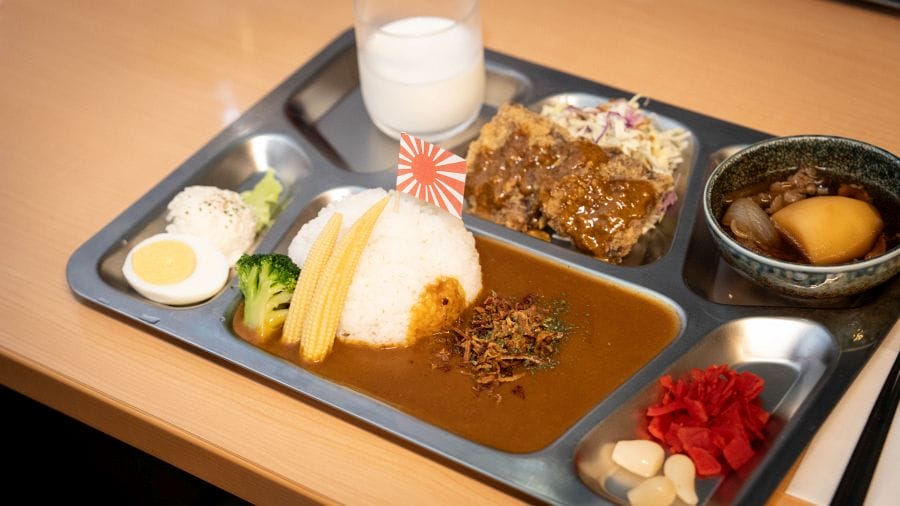
The 1888 cookbook Navy Cooking Methods describes a curry of beef or chicken meat, potatoes, onions, carrots, rice and curry roux, and a chutney of pickled vegetables. The vegetables in the curry helped to prevent the malnutrition condition beriberi, hitherto rampant among soldiers and civilians alike. Not only is curry nutritious, it’s easy to cook in vast quantities. Today, the JMSDF serves curry every Friday, allegedly to help its crews keep track of time with the reminder that curry day is Friday. And vice versa. Each ship has its own variants based essentially on the 1888 recipe, with the addition of salad and a glass of milk.
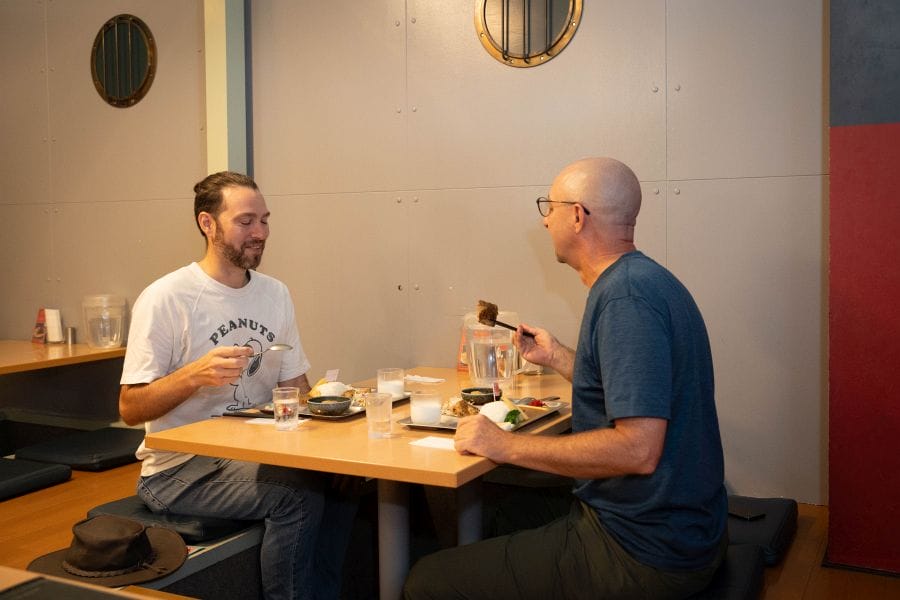
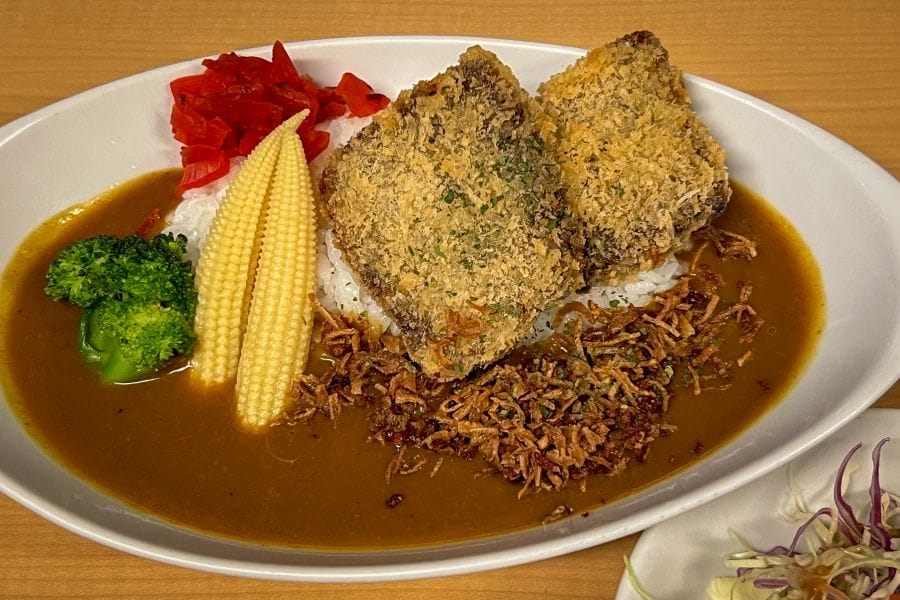
The Friday curry served on JMSDF ships has inspired local restaurants in Kure to offer their own versions, sometimes based on recipes provided by actual naval personnel. The High Collar Shokudō in the mall near the port specialises in navy curry. It serves a delicious, unusually piquant version, with the option of a side of whale cutlet.
So when you next visit Kure, do plug yourself into this military historical culinary heritage and indulge in Kure kaigun karei (try saying that quickly three times). You won’t even have to wait until Friday.