Dejima
Dejima is a historic trading post in Nagasaki Bay that served as Japan’s sole official point of direct contact with the Western world for more than two centuries. Originally constructed as an artificial island in the early Edo period, Dejima played a central role in the controlled exchange of goods, knowledge, and culture between Japan and Europe during the long period of national seclusion.
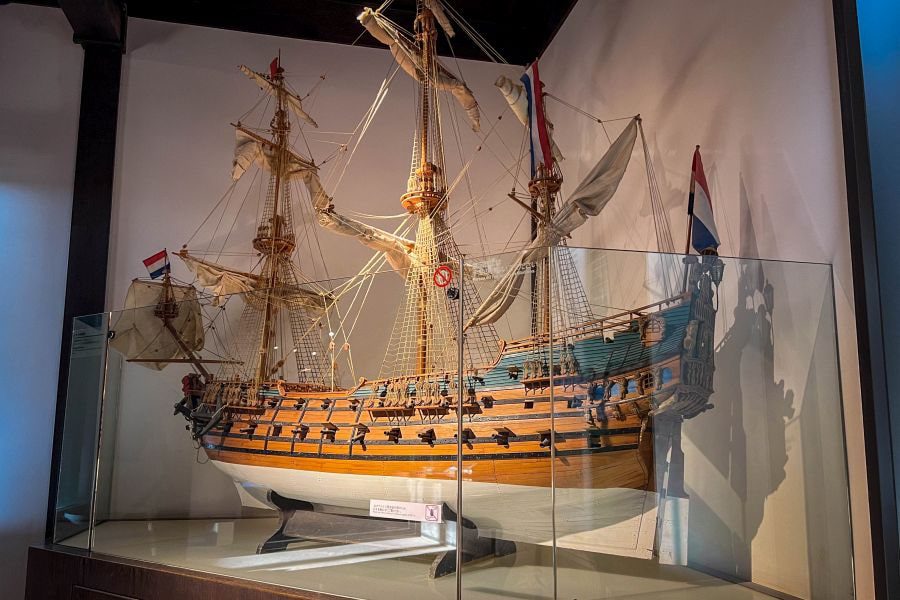
Dejima was built in 1634–1636 to house Portuguese merchants, but shortly after its completion the Portuguese were expelled from Japan due to concerns over Christian missionary activity. In 1641, the Dutch East India Company (VOC) was ordered to move from Hirado to Dejima, and the island became the exclusive residence and trading base for Dutch merchants. From that point until the mid-19th century, Dejima functioned under strict surveillance by the Tokugawa shogunate.
The people who lived on Dejima were called factors because that was the standard English word for a resident commercial agent in early modern global trade. The term comes from the Latin facere (“to do”), and in the 17th–18th centuries a factor meant someone who acted on behalf of a distant company, buying, selling, keeping accounts, and negotiating locally. They were not independent traders but salaried representatives of a monopoly trading firm. They places they worked were known as factories.
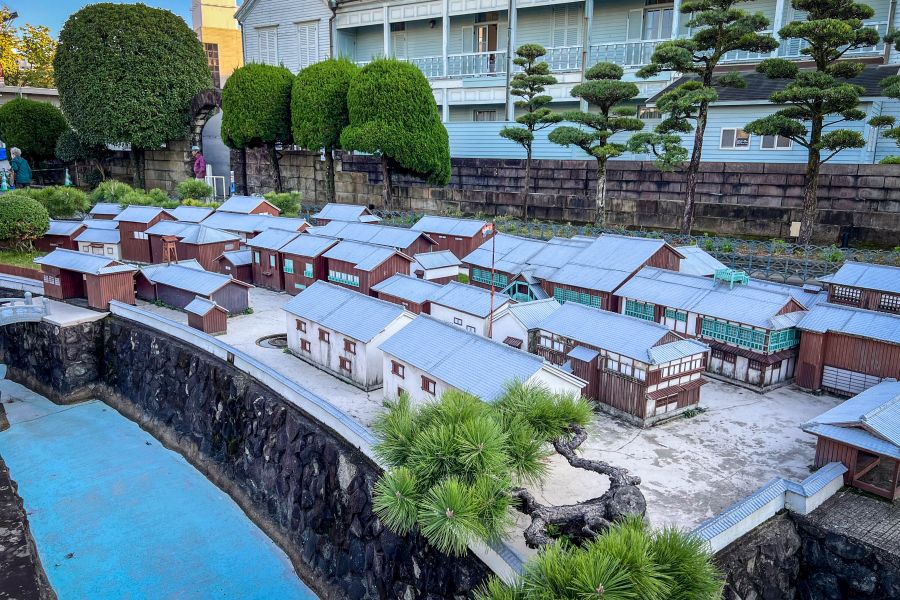
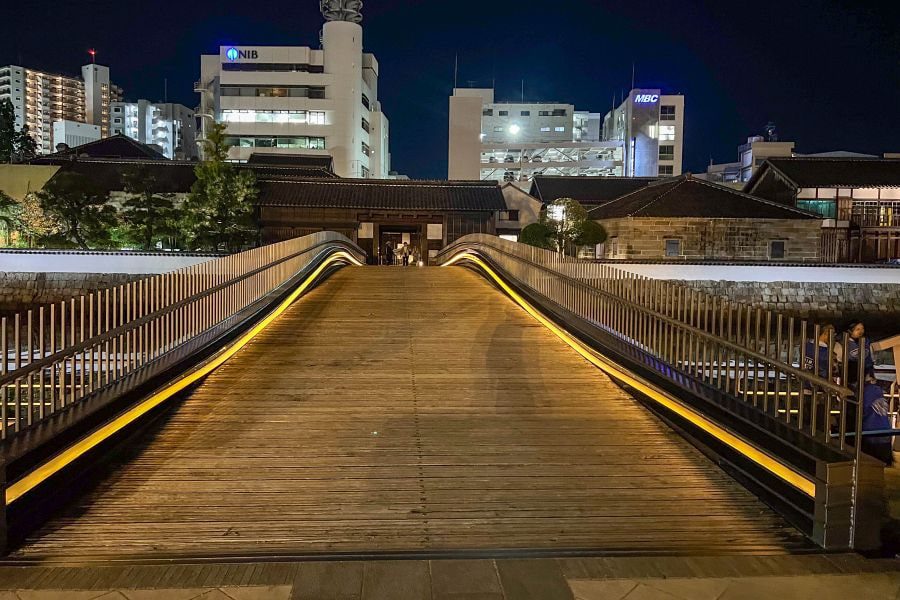
The “Dutch Factory” Dejima was tiny, about 120 by 75 m. It was surrounded by water and walls, and was connected to Nagasaki by a single guarded bridge. The factors were forbidden to leave without official permission. Armed Japanese guards controlled the gate day and night. Even looking out at the city was restricted at times. The VOC recruited not only Dutch from the Netherlands, but also Germans, Flemings, and Scandinavians. They lived in long wooden dormitories, warehouses, and offices, and their daily life consisted of checking cargo, inspecting copper, silver, and camphor, recording prices, writing reports for Batavia (Jakarta), and keeping meticulous logs for the shogunate. In addition, they were required to perform elaborate rituals of submission, bowing deeply to Japanese magistrates, participating in formal audiences, and making annual journeys to Edo to pay respects to the Shōgun. These journeys were long, expensive, and humiliating, but refusing was impossible.
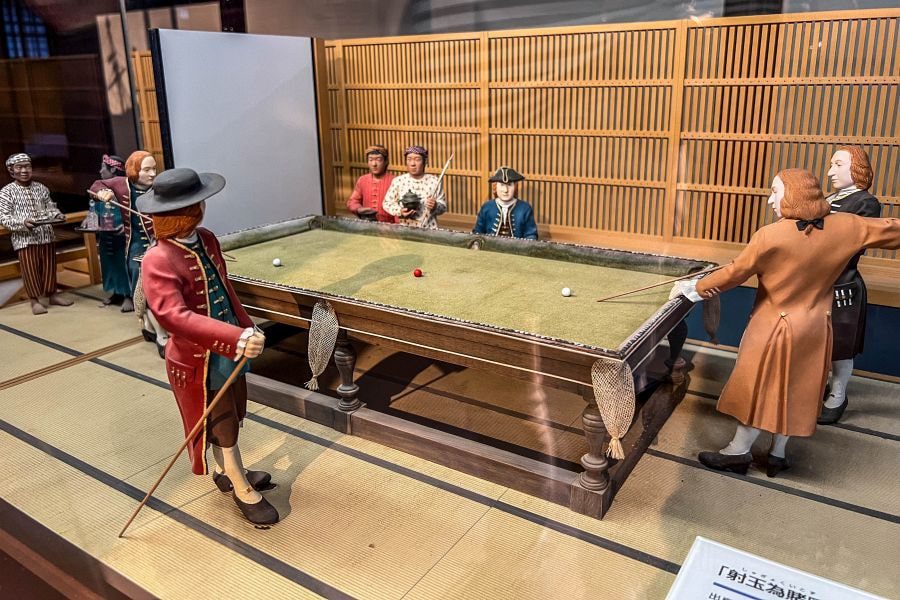
Dejima was an all-male European enclave. No wives or families were allowed, and many men stayed for years. They coped through drinking, writing letters and journals, studying Japanese, and collecting Japanese books, plants, or artworks. Some formed friendships with Japanese interpreters and physicians. Some also had semi-official relationships with Japanese courtesans from the Maruyama district, arranged through intermediaries, but these were tightly controlled and temporary. Mental health problems were common, and records describe depression and alcoholism. Men would beg to be transferred away. Some factors died on Dejima and were buried in Nagasaki.
Although interaction was tightly regulated, Dejima nonetheless became a crucial conduit for Western goods, scientific instruments, books, and medical knowledge. This flow of information, known as Dutch learning (rangaku), had a lasting influence on Japanese science and medicine.
Following the opening of Japan to broader foreign trade in the 1850s, Dejima lost its special status. The surrounding bay was gradually reclaimed, and the island became absorbed into the urban fabric of Nagasaki.
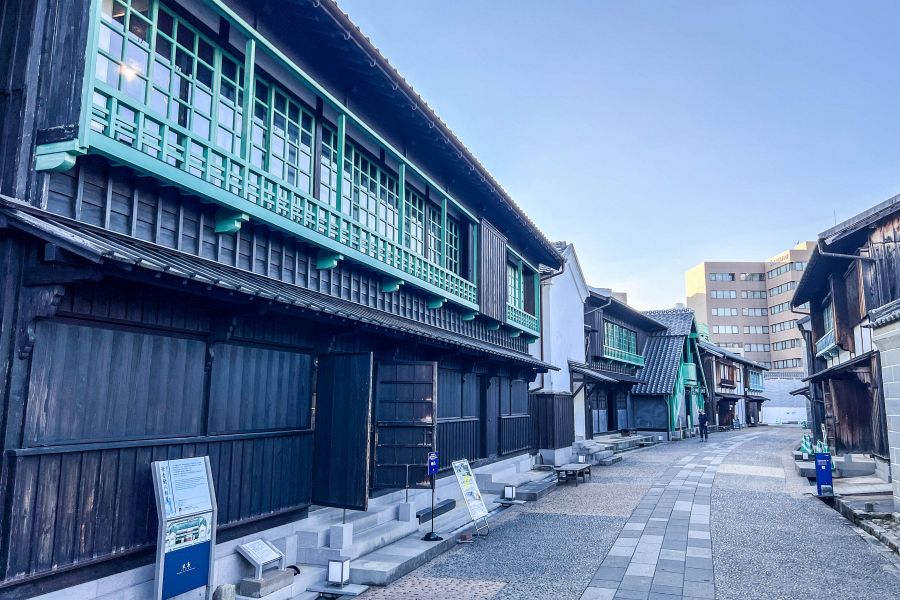
In recent decades, Dejima has undergone extensive historical restoration based on maps, drawings, and written records from the Edo period. The goal has been to recreate the appearance and function of the trading post as it existed during its peak in the 18th and early 19th centuries. The restored site consists of a cluster of wooden buildings arranged around courtyards, enclosed by walls that emphasize its former isolation.
Chief Factor’s Residence
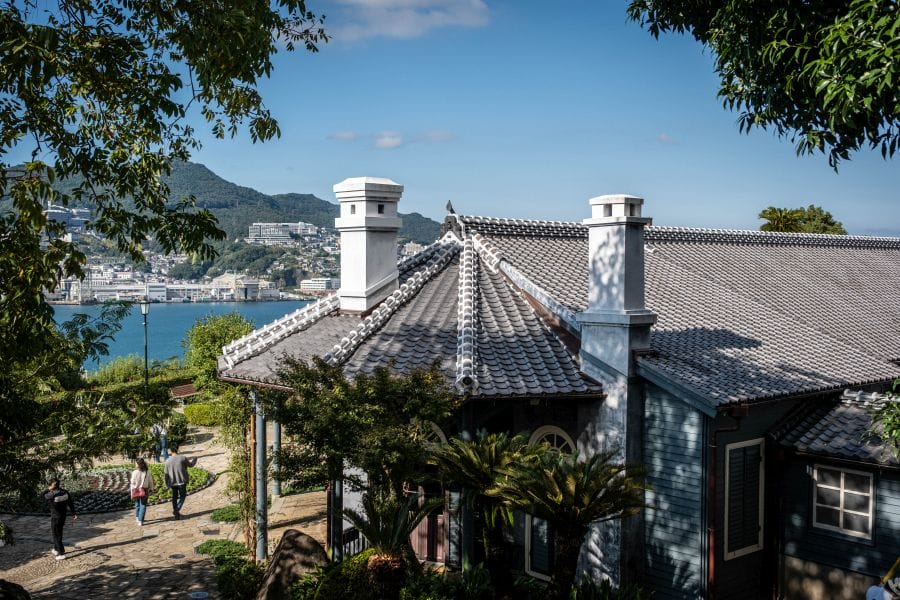
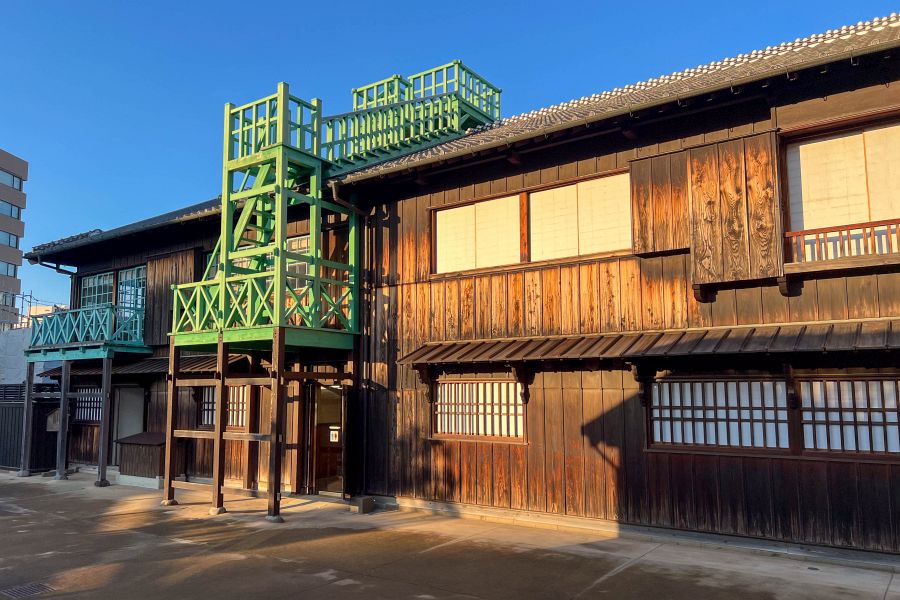
The residence of the opperhoofd (chief Dutch factor) was the most prominent building on Dejima. It served as both a living space and an administrative center. The interior reflects a blend of European and Japanese elements, with Western-style furniture adapted to Japanese construction techniques.
Warehouse Complexes
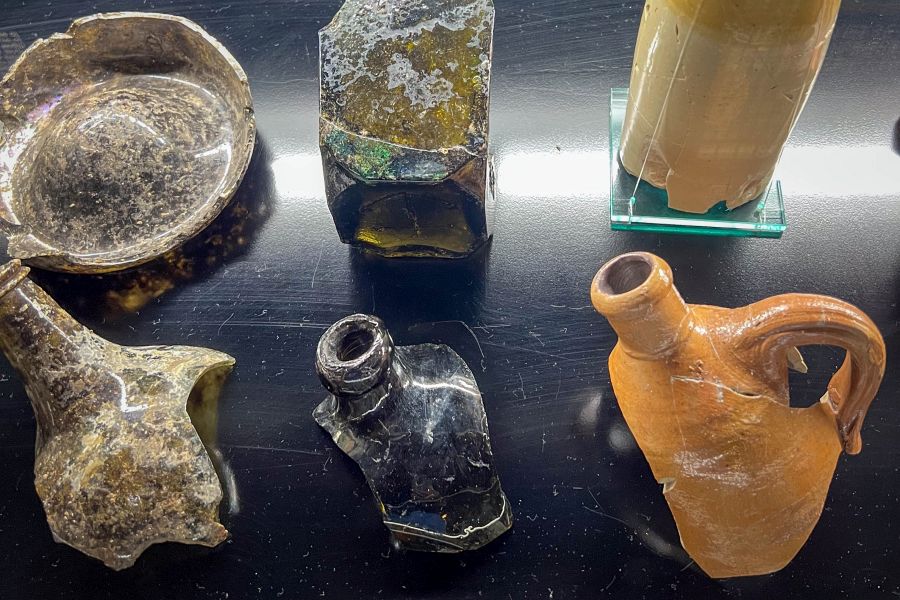
Several warehouses were used to store imported goods such as sugar, textiles, glassware, and scientific instruments, as well as Japanese exports including copper, silver, and porcelain. These buildings illustrate the commercial purpose of Dejima and the scale of trade conducted there.
Kapitan’s Office
Administrative affairs, including trade negotiations and record-keeping, were handled in office buildings located near the central courtyard. These spaces highlight the bureaucratic nature of Dutch–Japanese relations under the shogunate.
Living Quarters for Staff
Smaller residences housed Dutch merchants, clerks, and servants. The simple layout and shared facilities reflect the confined and regulated lifestyle imposed on Dejima’s inhabitants.
Kitchen and Dining Facilities
Kitchens were equipped to prepare both European-style meals and food adapted to Japanese ingredients. These buildings provide insight into daily life and cultural exchange at a practical level.
Japanese Guardhouses and Offices
Buildings used by Japanese officials and guards were located near the bridge connecting Dejima to the mainland. These structures underscore the constant supervision under which the Dutch operated.
Dejima represents a unique experiment in controlled international exchange. While physically small and heavily regulated, it enabled the transfer of knowledge that influenced Japan’s modernization in fields such as medicine, astronomy, cartography, and engineering. Today, the restored buildings and layout offer a detailed picture of life at the intersection of isolation and global contact, making Dejima one of Nagasaki’s most historically significant sites. The buildings and other exhibits are highly evocative and are sure to leave a lasting impression.
Information
Name in Japanese: 出島
Pronunciation: de-jeema
Address: 6-1 Dejimamachi, Nagasaki, 850-0862