Nakashima River Stone Bridges
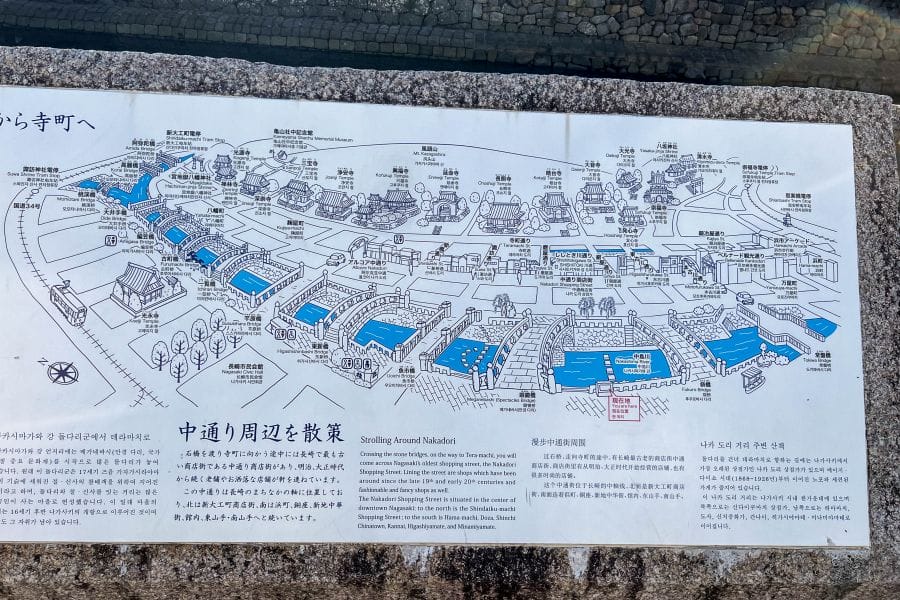
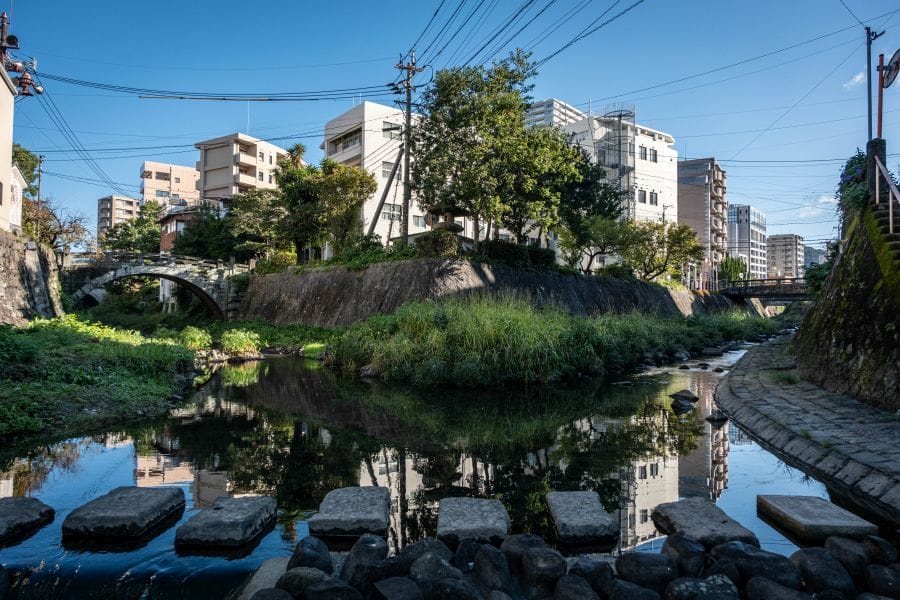
The Nakashima River runs through the center of Nagasaki City, and along its course are a series of stone bridges that form one of the most distinctive urban landscapes in Japan. These bridges, built primarily during the Edo period, reflect the city’s long connections with Chinese engineering traditions and its role as an international trading port.
The construction of stone bridges in Nagasaki began in the early 17th century, at a time when most bridges elsewhere in Japan were made of wood. The technology and design principles were introduced largely by Chinese residents and monks, who were active in the city’s temples and merchant communities. Stone bridges were better suited to Nagasaki’s heavy rains and frequent flooding, as they were more durable and less prone to being washed away.
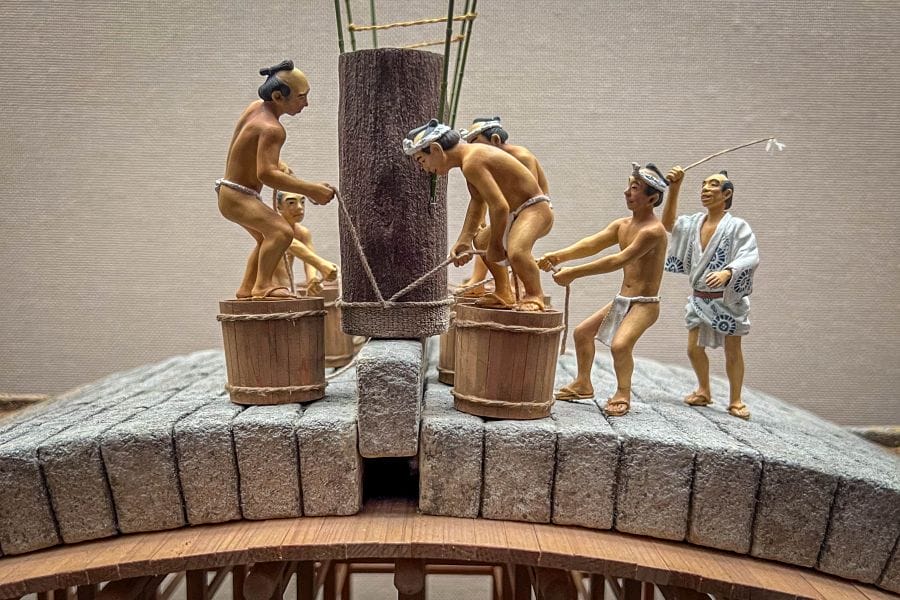
By the mid-Edo period, Nagasaki had developed a network of arched stone bridges across the Nakashima River, linking the commercial districts, temples, and residential areas of the city. Many of these bridges were maintained and rebuilt over the centuries, forming an important part of the city’s infrastructure. In the Kyūshū National Museum in Dazaifu, there’s a nice diorama of workers setting the keystone in a bridge arch.
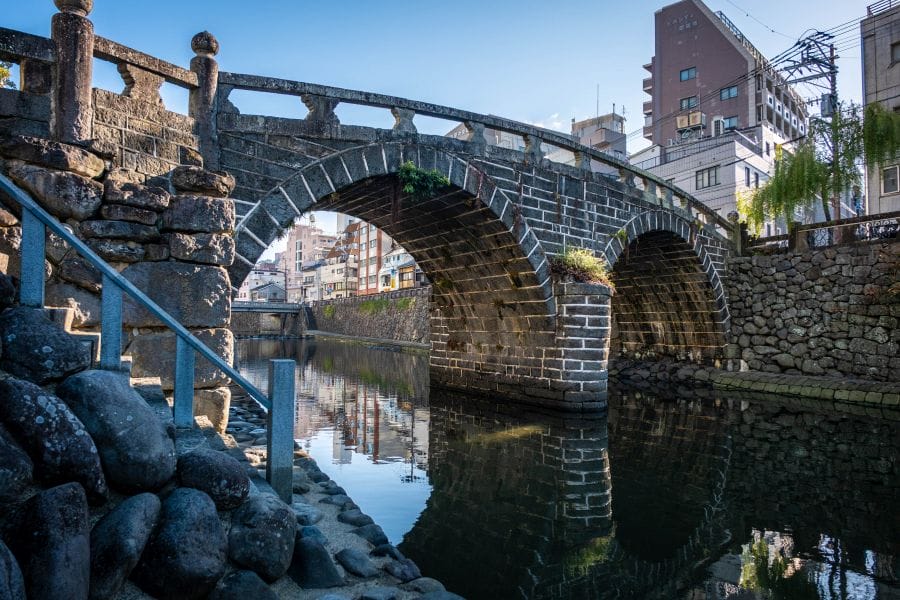
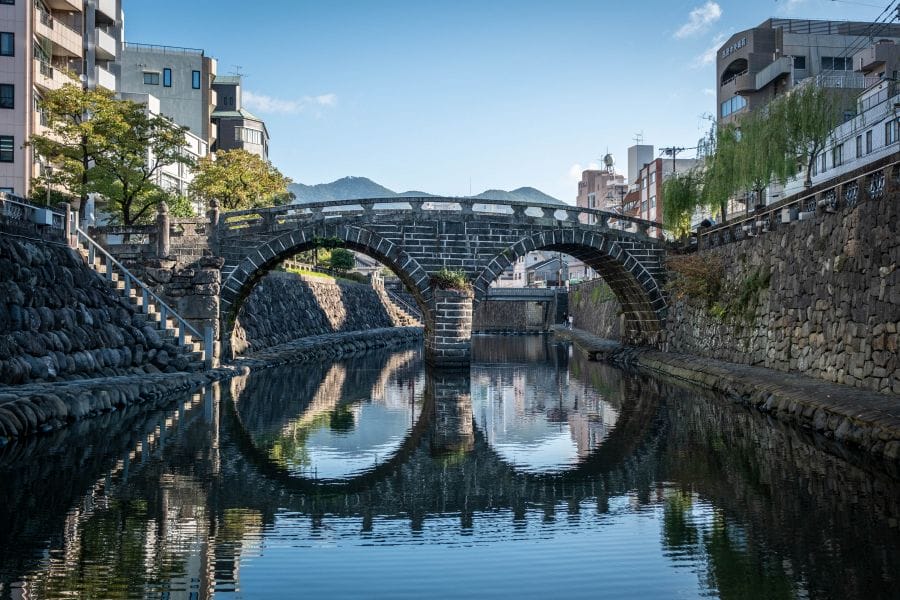
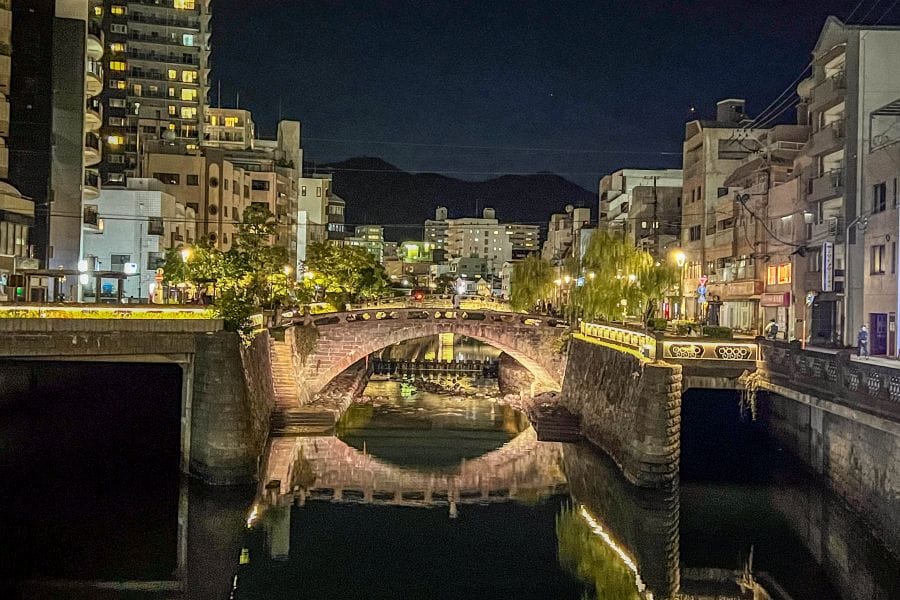
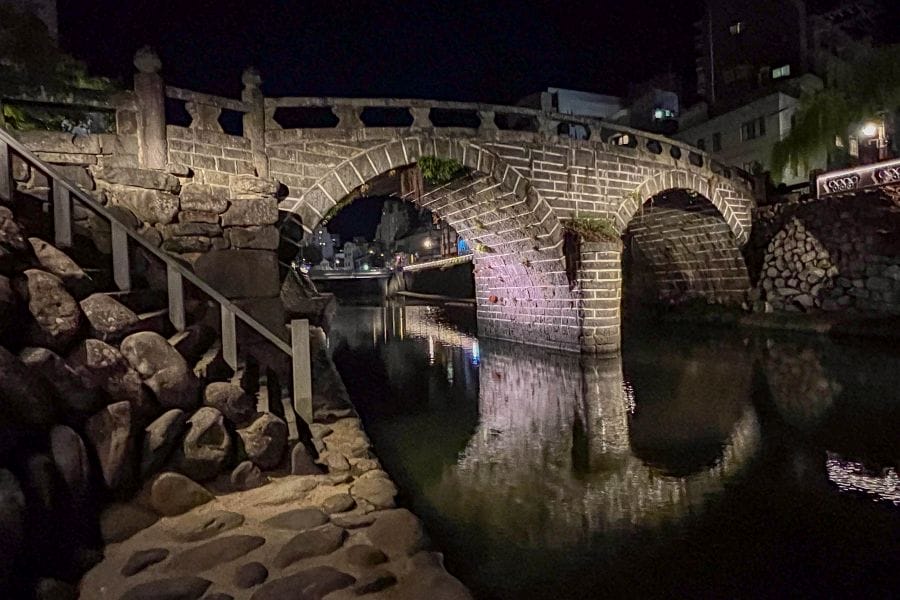
The most famous of the river’s bridges is Megane Bridge, built in 1634 by the Chinese monk Mokusunyōjo. Its name, meaning “spectacles bridge”, comes from the reflection of its twin stone arches in the water, which together resemble a pair of eyeglasses.
Megane Bridge is one of the oldest surviving stone arch bridges in Japan. Despite damage from floods over the centuries, it’s been carefully restored and remains a symbol of Nagasaki. The stone embankments and steps around the bridge are also part of the historic river landscape.
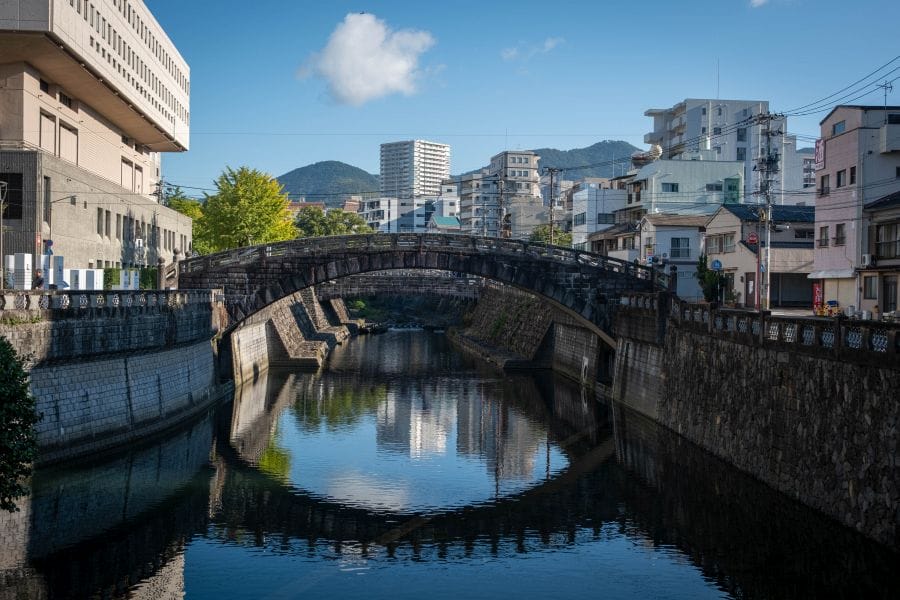
Fukuro Bridge is located downstream from Megane Bridge and is another well-preserved Edo-period stone bridge. Its single, graceful arch and relatively narrow deck reflect the scale of pedestrian traffic in early Nagasaki. The bridge’s name is traditionally associated with good fortune, adding a layer of cultural meaning to its practical role.
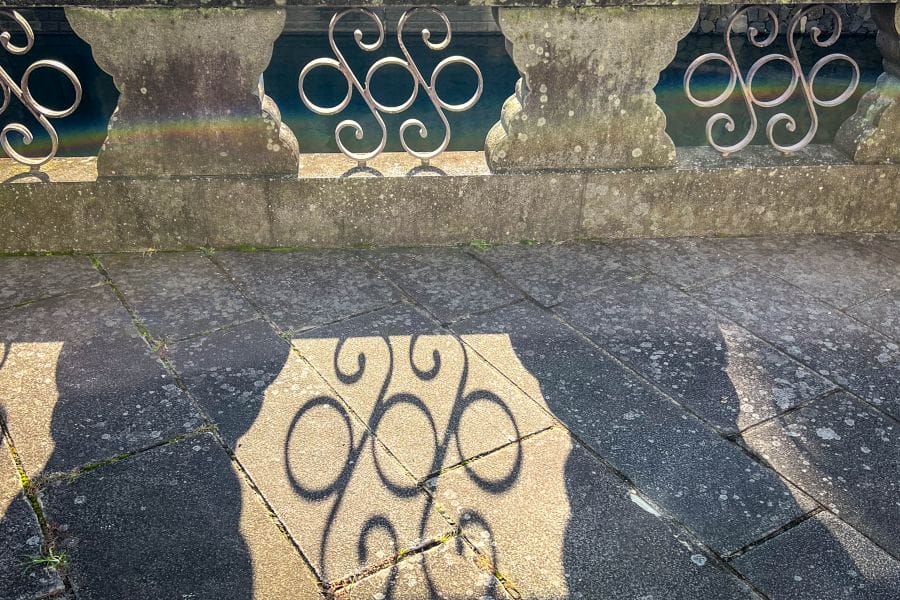
Matsugae Bridge is notable for its broader span and for the decorative stonework along its sides. It was historically an important crossing point between merchant districts, and its size suggests the volume of people and goods that once moved through this part of the city.
In addition to the older stone arches, the Nakashima River includes later bridges such as Shin-Ōhashi, which reflects modern engineering but continues the tradition of integrating bridges into the city’s urban design. Together with smaller stone bridges and river embankments, these crossings show the continuous adaptation of the river to Nagasaki’s changing needs.
Information
Name in Japanese: 眼鏡橋
Pronunciation: me-ga-nei ba-shee
Address: Uonomachi, Nagasaki, 850-0874