Nishizaka Hill Martyrdom Heritage
Nishizaka Hill is the most important site in Nagasaki associated with the persecution and execution of Christians in Japan. Located north of the city center near Nagasaki Station, the hill overlooks the harbour and has long been used as a public place of execution. It is best known as the site where the Twenty-Six Martyrs of Japan were crucified in 1597, an event that became a defining episode in the history of Japanese Christianity.
Christianity was introduced to Japan in the mid-16th century, and Nagasaki quickly became its main center of growth. As the new religion spread, it began to attract suspicion from political authorities, who feared foreign influence and divided loyalties. In 1597, Toyotomi Hideyoshi ordered the execution of a group of missionaries and Japanese Christians as a warning against the further spread of Christianity.
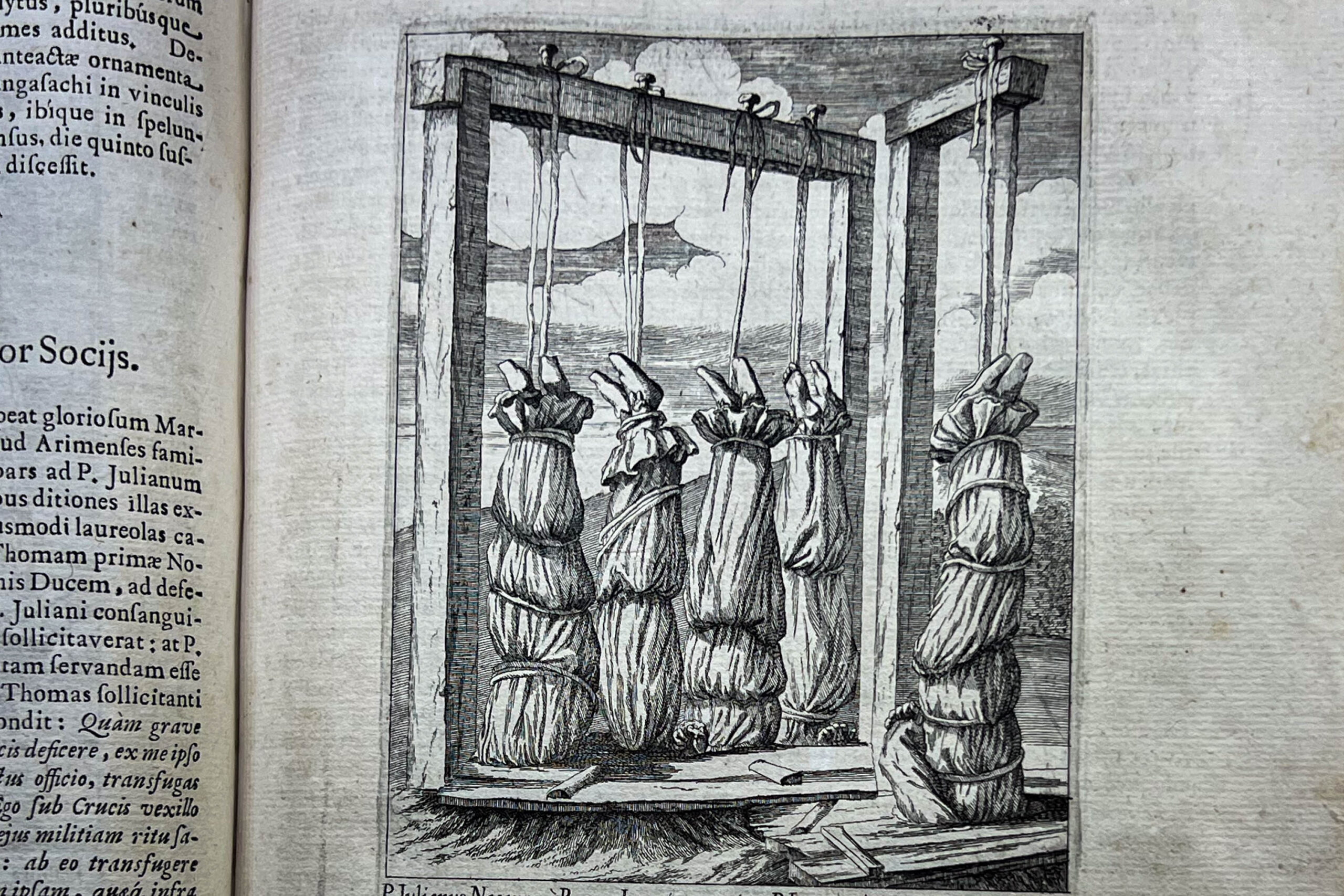
The victims were marched from Kyōto to Nagasaki and publicly crucified on Nishizaka Hill. The group included six European missionaries and twenty Japanese believers, among them priests, catechists, and lay followers. Their execution marked the first major mass martyrdom of Christians in Japan and set a precedent for the severe persecutions that followed under the Tokugawa shogunate.
The exact location of the executions is preserved at the top of Nishizaka Hill. The area was chosen because it was highly visible from the city and harbour, allowing the executions to serve as a public deterrent. The hill continued to be used for executions during the early 17th century, as persecution of Christians intensified.
Monument to the Twenty-Six Martyrs
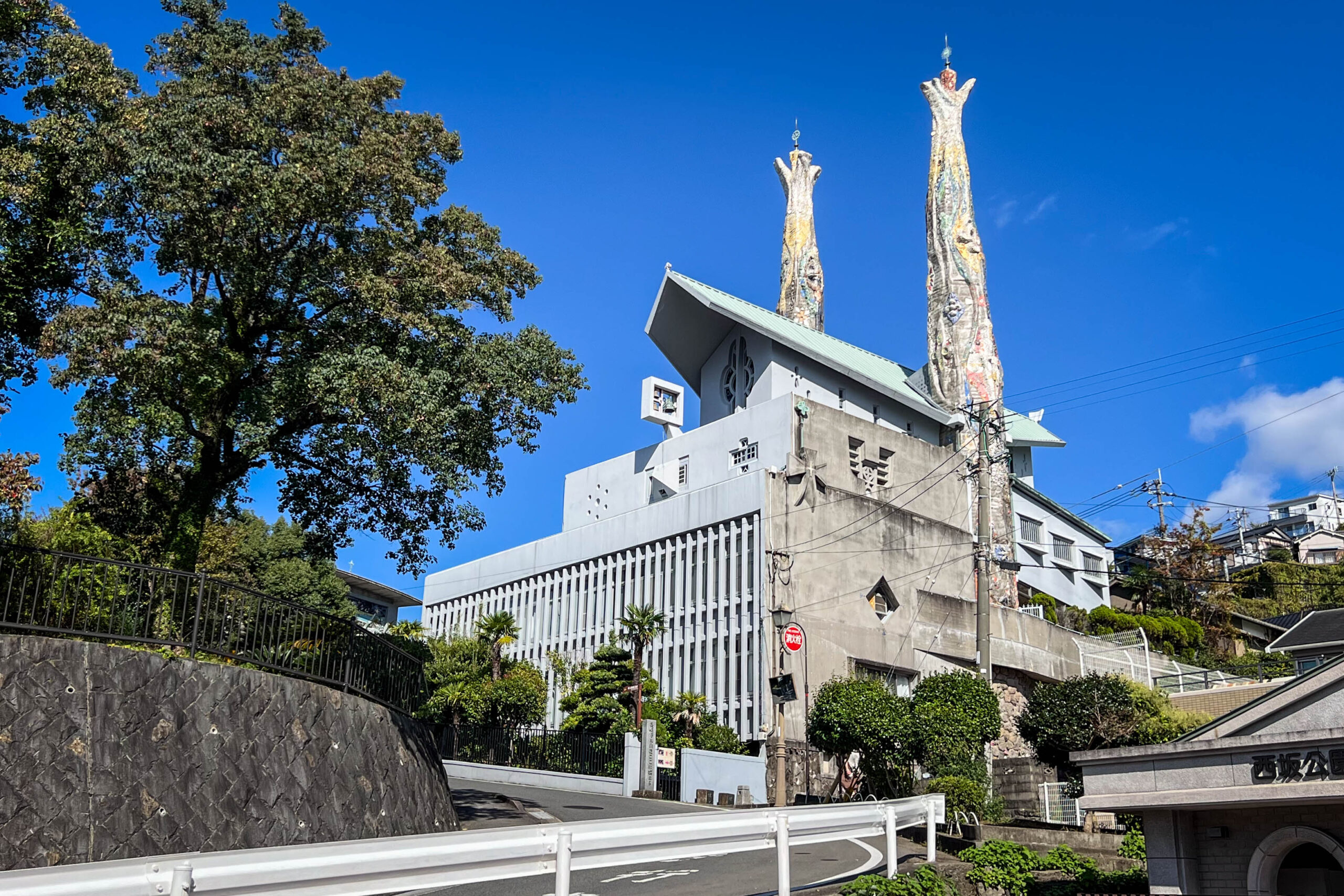
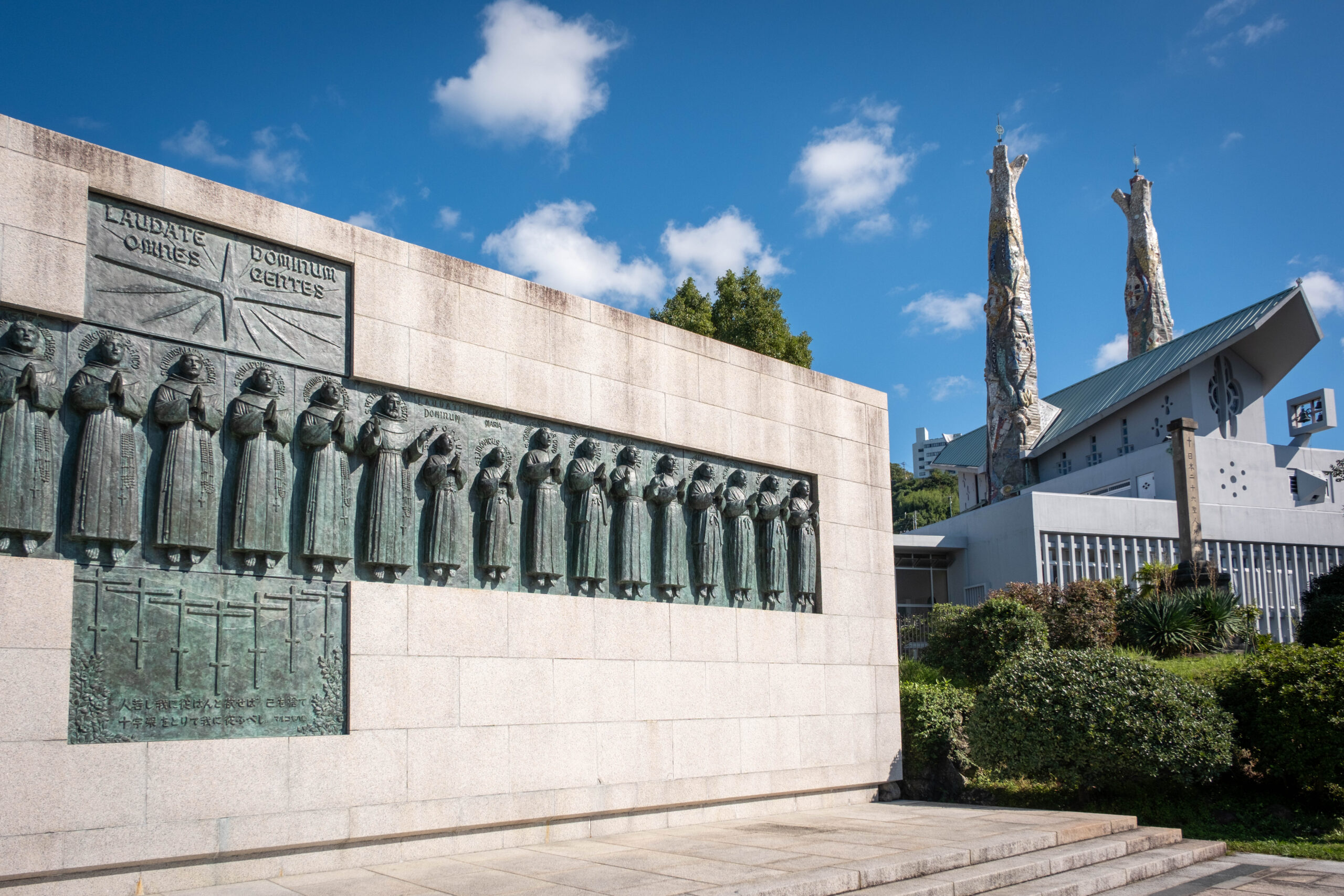
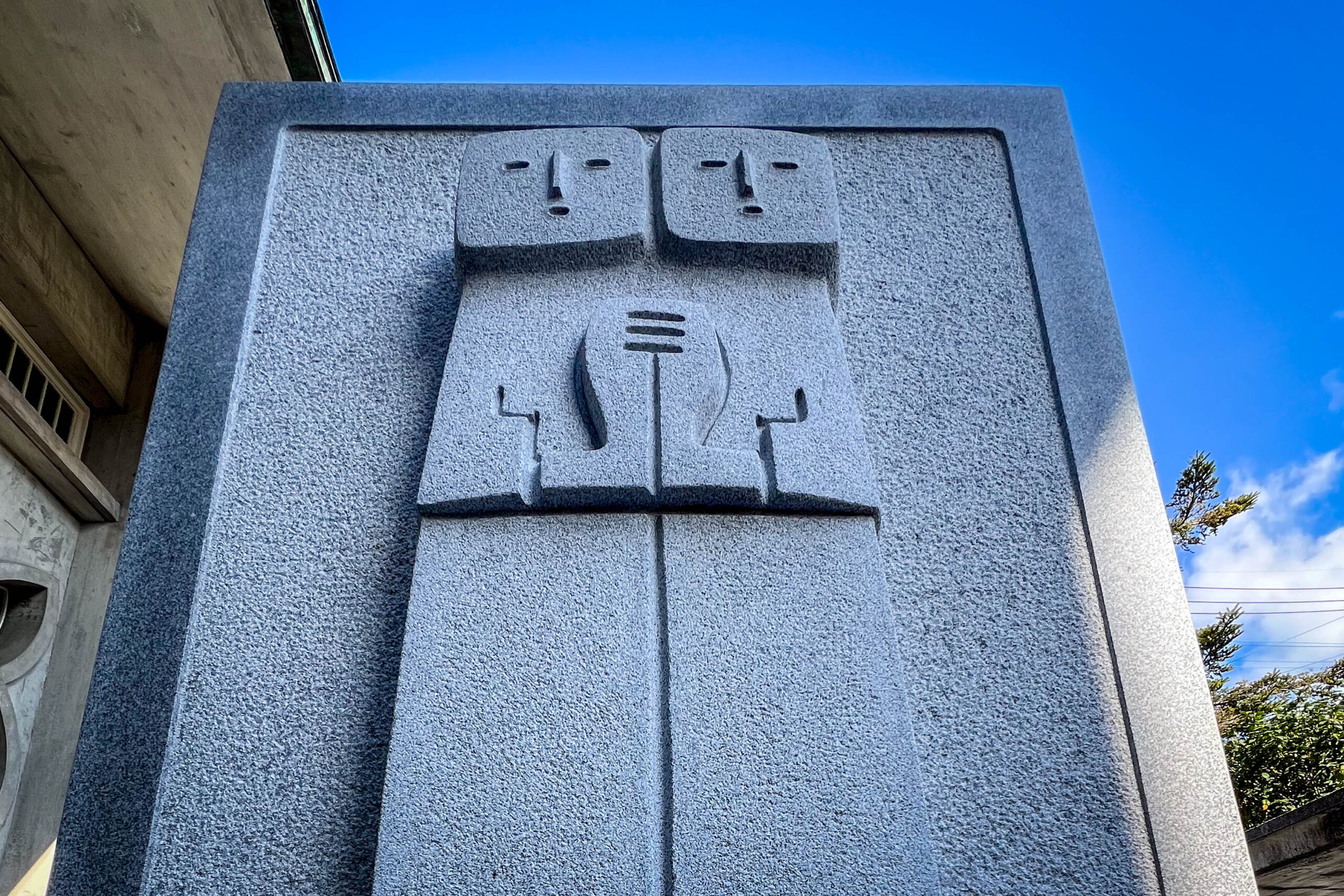
The most prominent feature on Nishizaka Hill today is the Monument to the Twenty-Six Martyrs, a large sculptural memorial depicting the victims in solemn, upright poses. Each figure represents one of the executed Christians, arranged in a line facing the city. The monument was erected in 1962 and stands on or near the traditional site of the crucifixions.
Twenty-Six Martyrs Museum
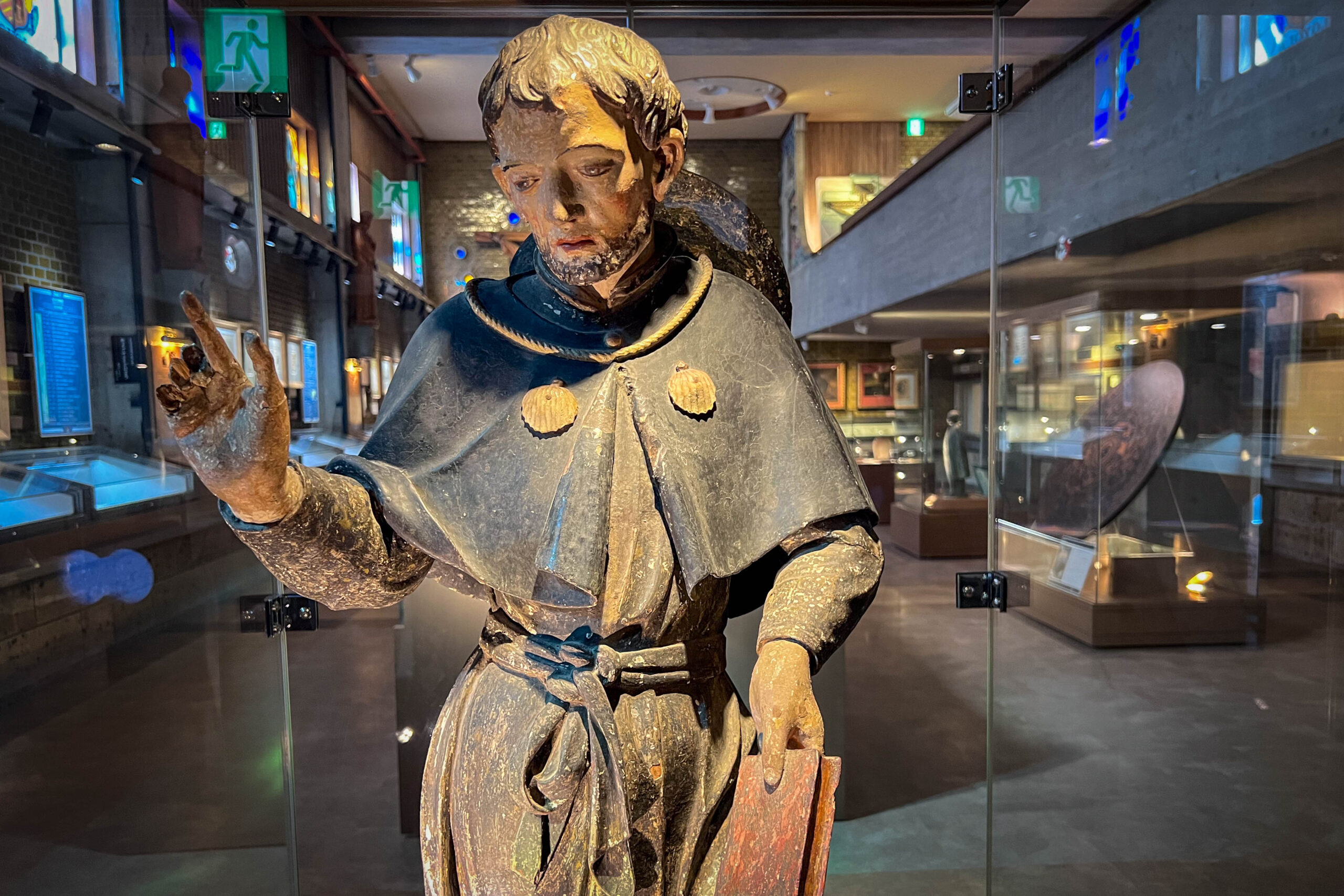
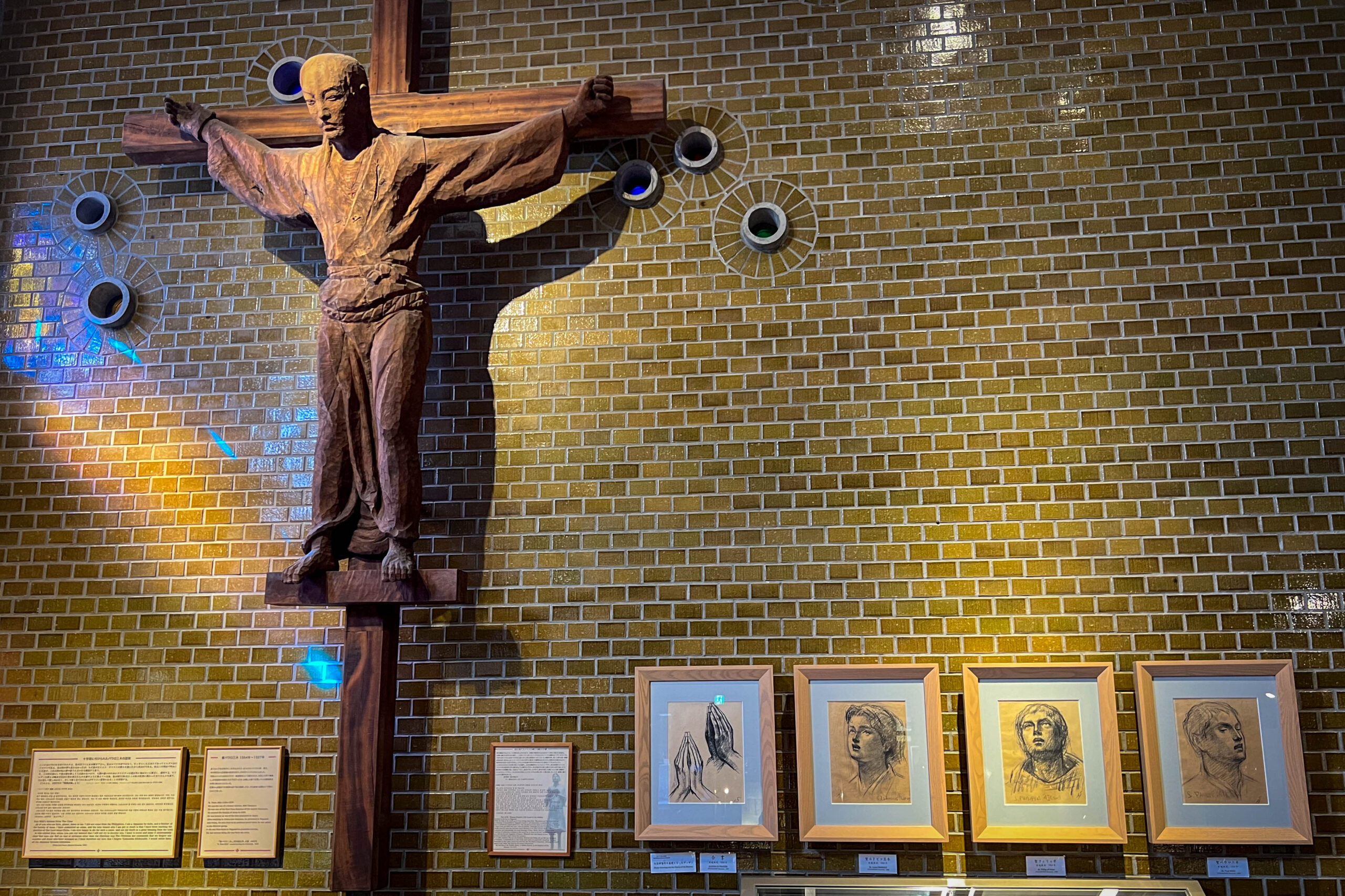
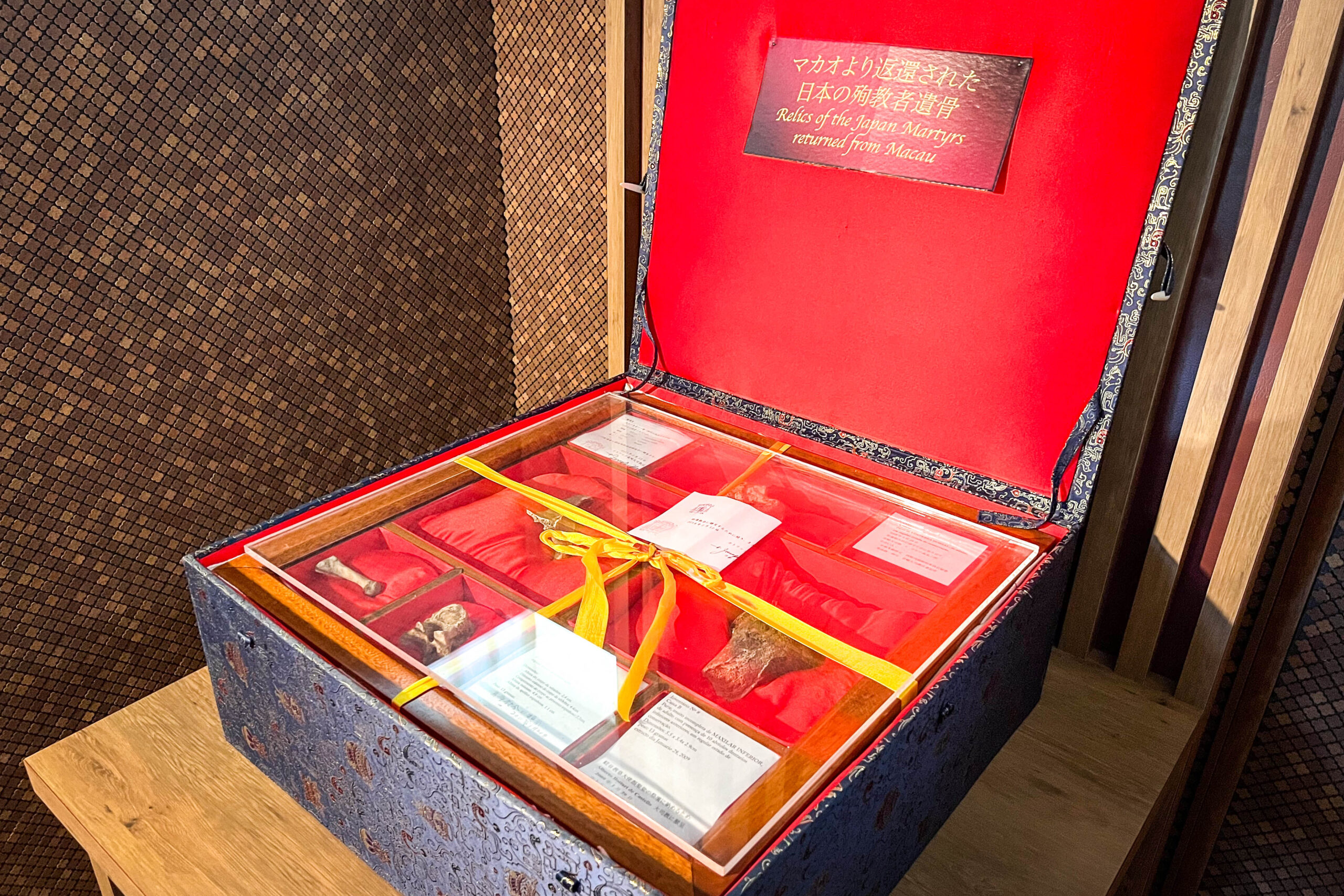
Adjacent to the monument is the Twenty-Six Martyrs Museum, which provides historical context for the events that took place on the hill. The museum includes exhibits on the arrival of Christianity in Japan, the lives of the martyrs, and the policies that led to their execution. Artifacts, documents, and reproductions of early Christian imagery help explain how the faith took root and why it was later suppressed. The exhibits include bones of the Christian martyrs.
The museum also covers later waves of persecution in Nagasaki, placing the events of 1597 within a broader historical framework.
Nishizaka Hill stands as a central memorial to the early history of Christianity in Japan and to the violence that accompanied its suppression. The hill, monument, and museum together form a concentrated record of one of the most important episodes in Nagasaki’s religious history, linking the city’s role as a gateway for foreign ideas with the harsh measures taken to control them.
Information
Name in Japanese: 西崎公園
Pronunciation: nishee-zaka koh-en
Address: 4-2400 Nishizakamachi, Nagasaki, 850-0051