Higashi Chaya
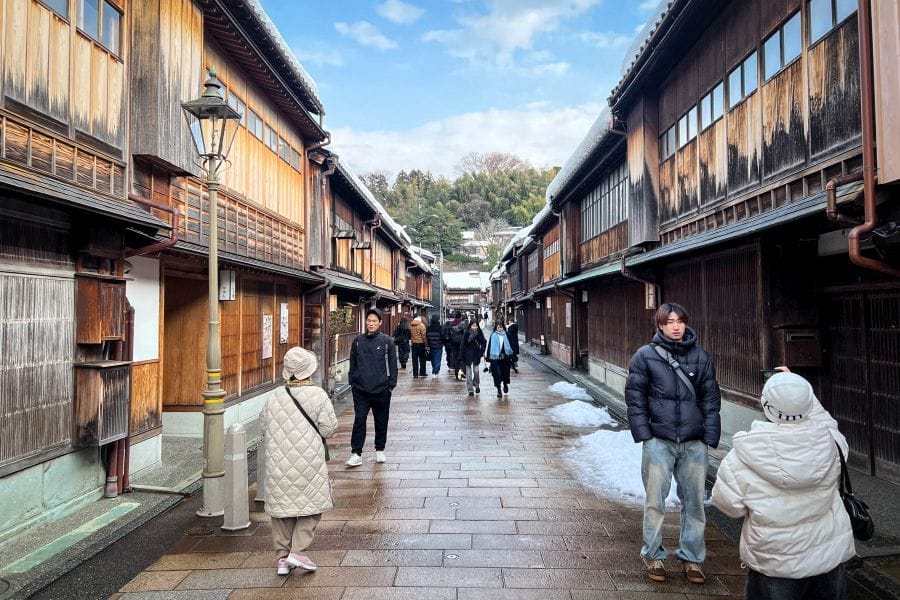
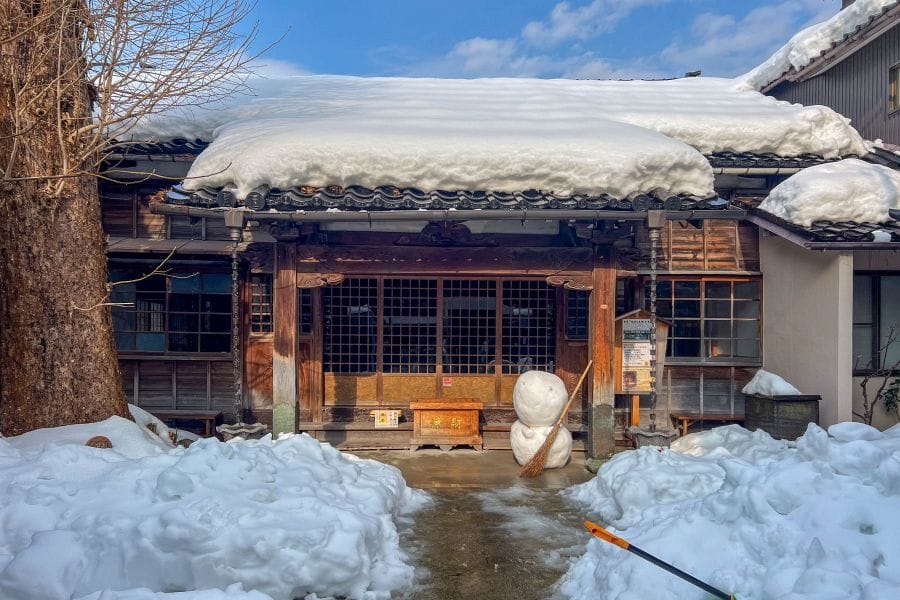
Higashi Chaya District is Kanazawa’s most famous historic teahouse quarter. It was established in 1820 when the ruling Kaga Domain consolidated scattered entertainment houses into a designated area on the eastern side of the city, creating a structured space where wealthy merchants and nobility could be entertained by geisha — known locally as geigi — who performed dance, music and other refined arts. The district is one of three traditional chaya areas in Kanazawa preserving its Edo-period streetscape of wooden façades, latticed screens and gently cobbled lanes.
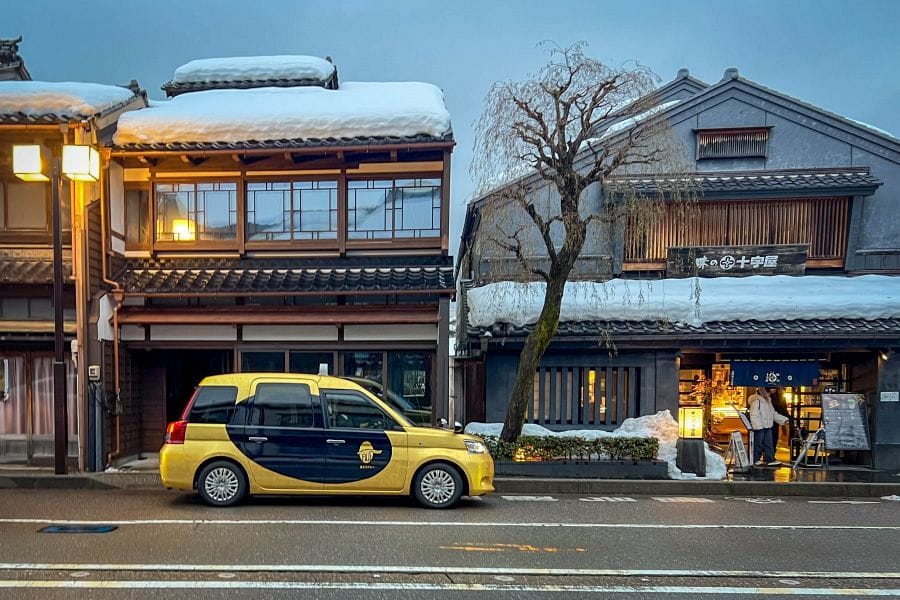
During the Edo period teahouses were social hubs where guests could be served sake and entertained in private parlours on the second floor. The distinctive architecture, with its latticed wood on the ground floor and second-floor guest rooms, was not only aesthetically striking but also reflected the unique legal status of teahouses at the time, as two-storey structures were generally restricted. Many of the buildings facing the main street are original or restored in traditional style, giving a vivid sense of the district’s historic ambience.
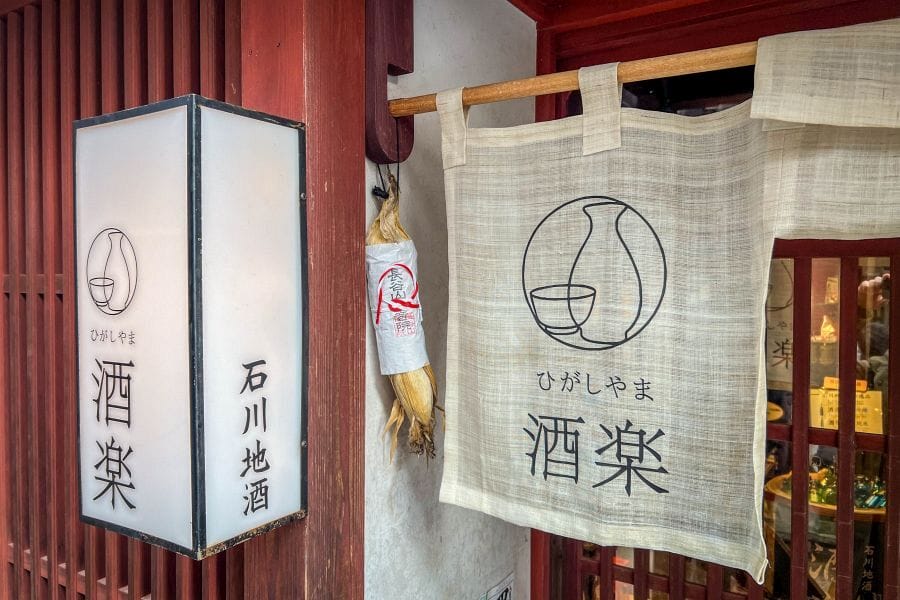
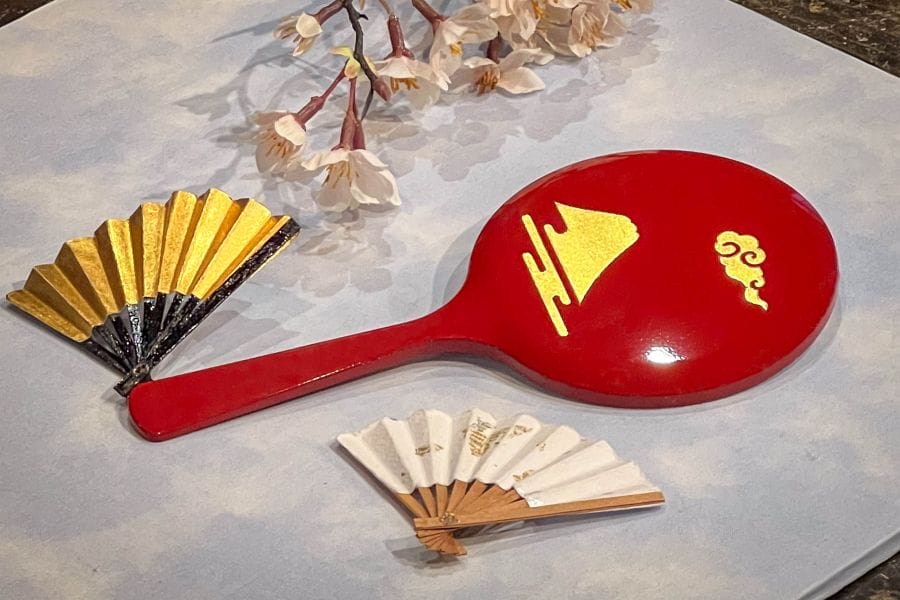
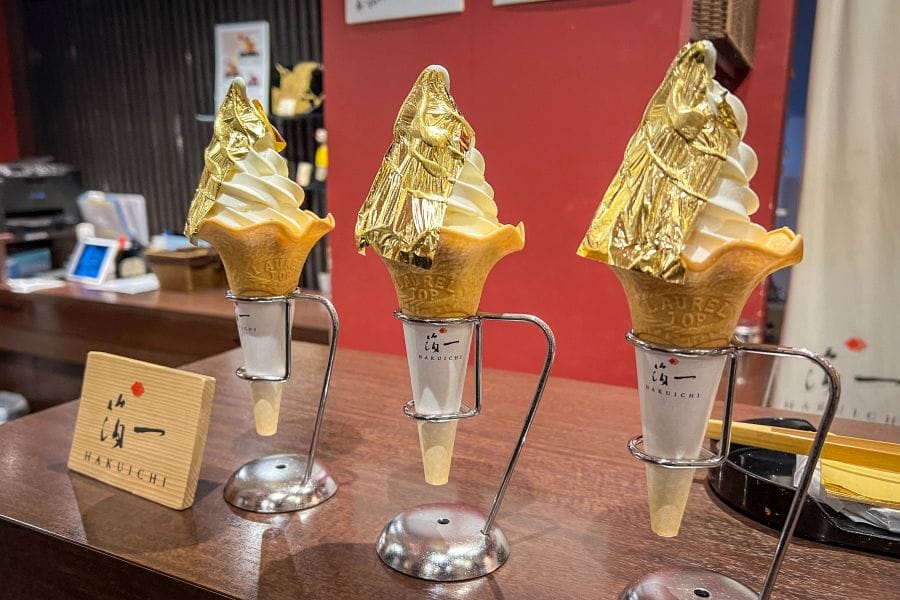
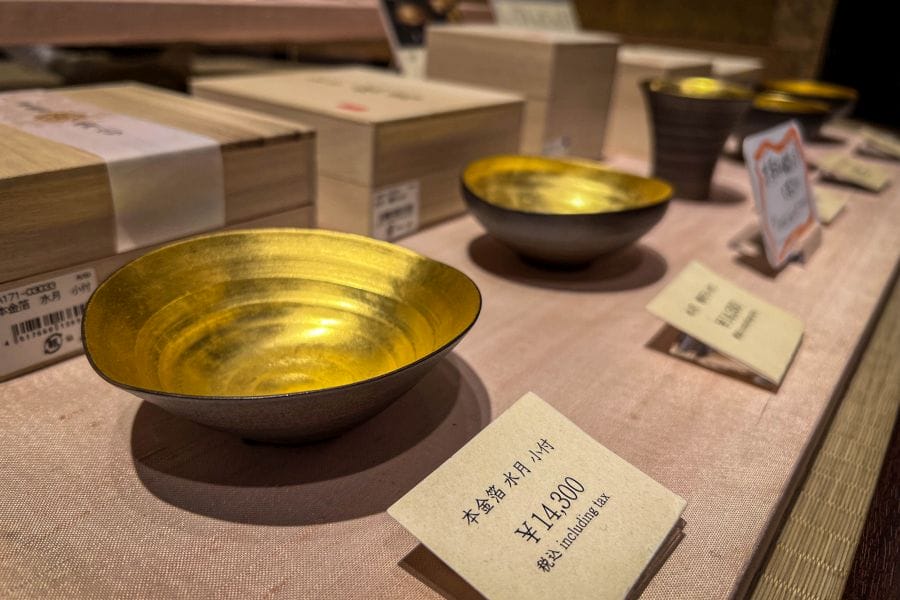
In the present day the core of Higashi Chaya District has a mixture of uses that reflect both preservation and adaptation. Several old teahouse buildings have been repurposed as cafés, craft shops, confectionery boutiques and restaurants, many specialising in local goods such as wagashi (traditional sweets), gold-leaf merchandise and matcha tea. Gold leaf is a signature craft of Kanazawa, and shops in the district, including outlets of the well-known Hakuichi brand, sell gold-leaf cosmetics, edible gold leaf, and related souvenirs. The Hakuichi Higashiyama Store occupies a building whose décor evokes traditional Higashi Chaya ambience, combining lattice design with a multi-storey interior. It’s notable as the birthplace of the gold-leaf soft ice cream that has become a must-eat local treat. It should be noted that gold doesn’t taste of anything, but the rich milky soft-serve is delicious, and gold leaf on your lips makes an Instagrammable moment. Hakuichi offers a range of craft and skincare products alongside sweets. In an annex building, you can try your hand at adding gold leaf to one of several items of practical use, which make attractive souvenirs.
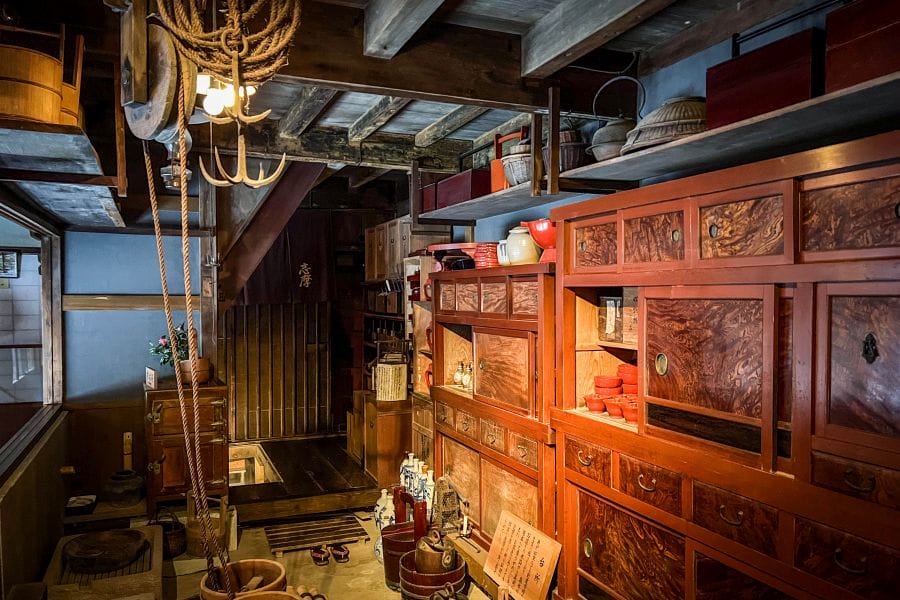
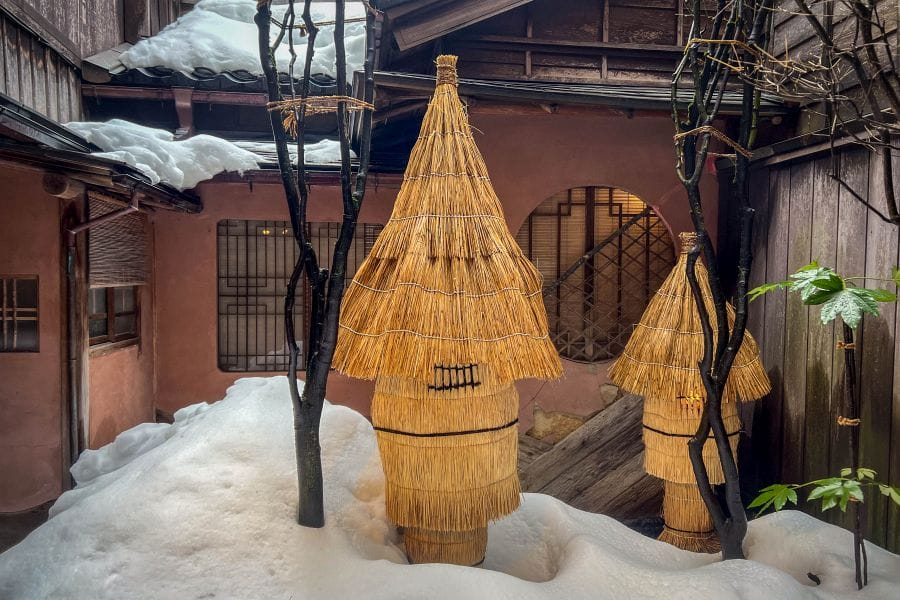
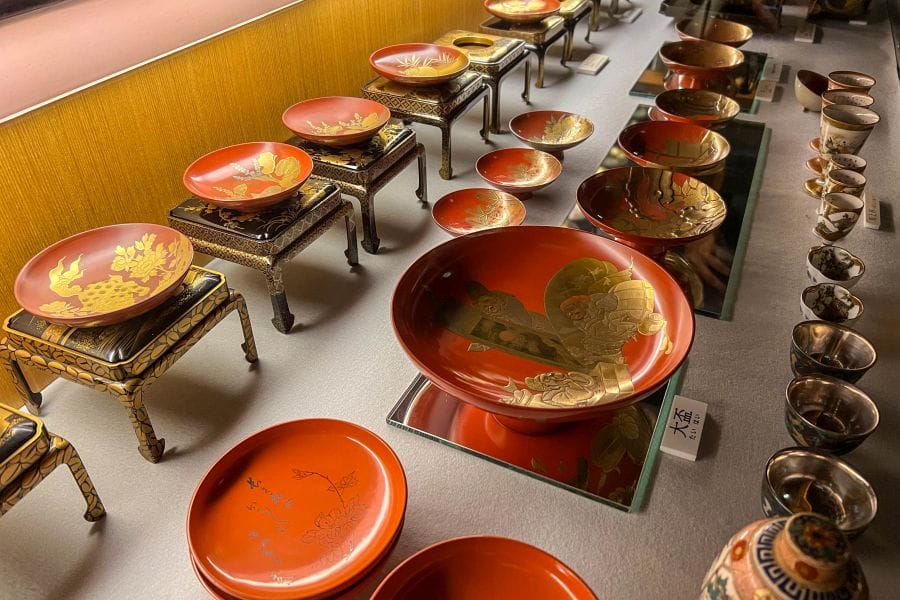
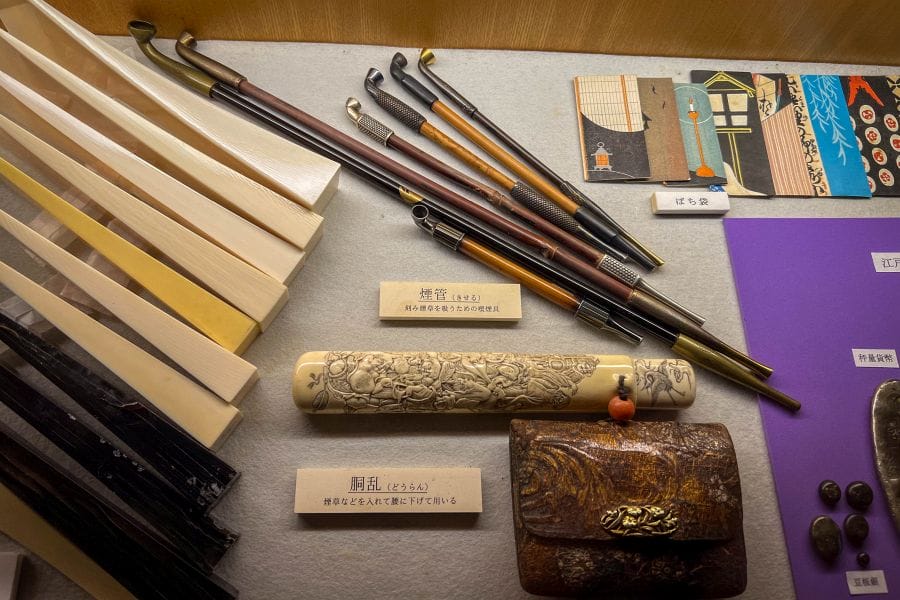
Among the historic teahouses in the district, Ochaya Shima (Shima Geisha House) is one of the most important. Built in 1820 and designated an Important Cultural Property, it functioned in its time as a working teahouse where geiko entertained guests. Today it’s a museum that preserves the original interior layout and features, including the upstairs guest rooms, a geisha dressing area, a small internal garden, and a large kitchen. There are displays of traditional tools of the trade such as shamisen and biwa instruments. The interiors, with lacquered wood and elegant furnishings, remain much as they were in the Edo period. There’s the option to enjoy a cup of matcha green tea with a sweet in an authentic setting.
Another teahouse of note is Kaikaro, which also dates from the Edo period and remains a functioning chaya. Unlike Shima, Kaikaro opens to the public during the day for tours that include tea service, while private entertainment with geiko continues by invitation only in the evenings. Both Kaikaro and Shima offer opportunities to understand how geisha culture intersected with elite social life in historical Kanazawa, even though direct access to traditional geiko entertainment remains exclusive outside formal events.
Much of the activity around cafés and shops occurs during daylight hours. The main street is quieter in the early evening, when lighting of the traditional façades at dusk enhances the historic atmosphere.
Information
Name in Japanese: 東茶屋街
Pronunciation: higashee cha-ya-gai
Address: 1 Chome Higashiyama, Kanazawa, Ishikawa 920-0831