Kanazawa Castle
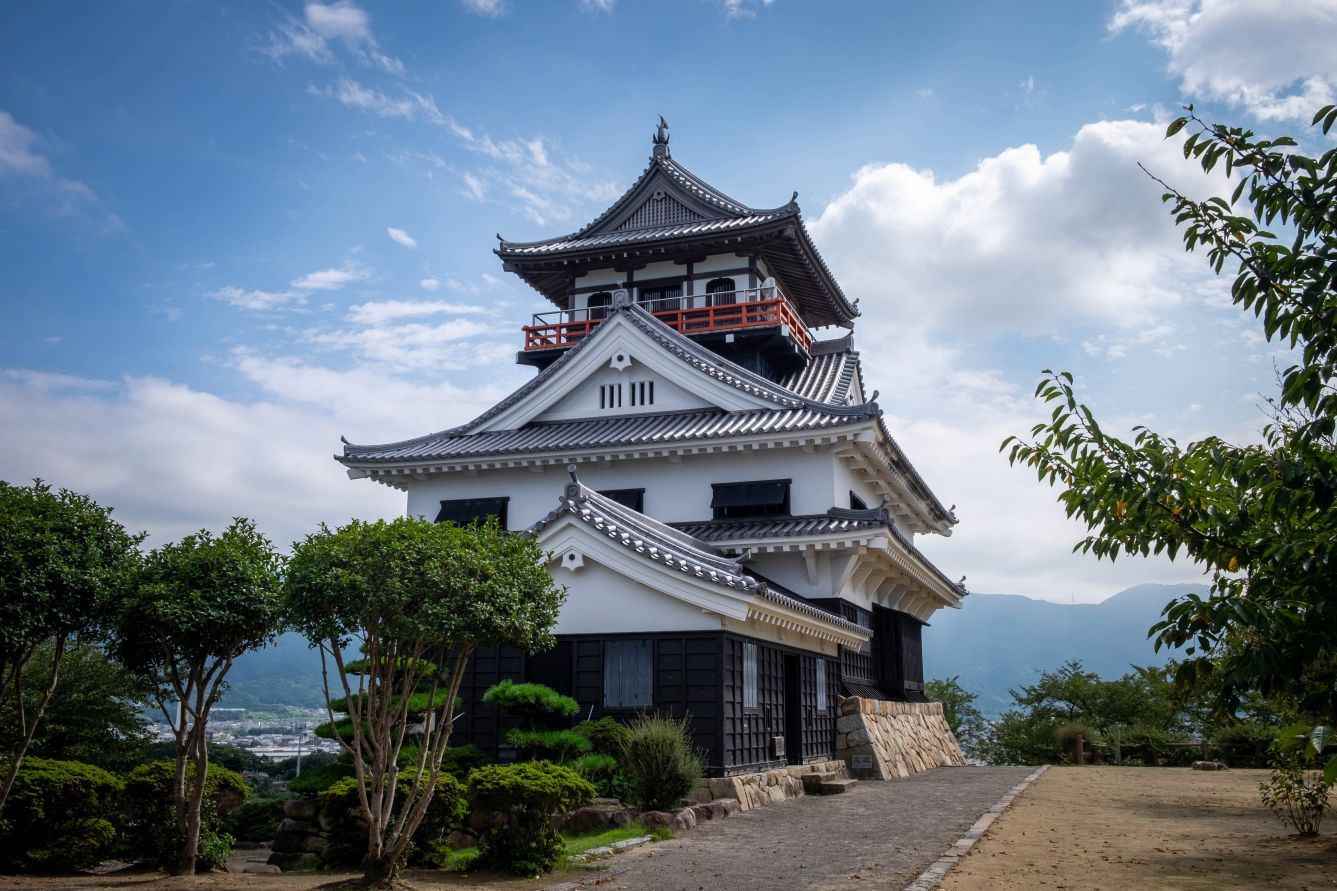
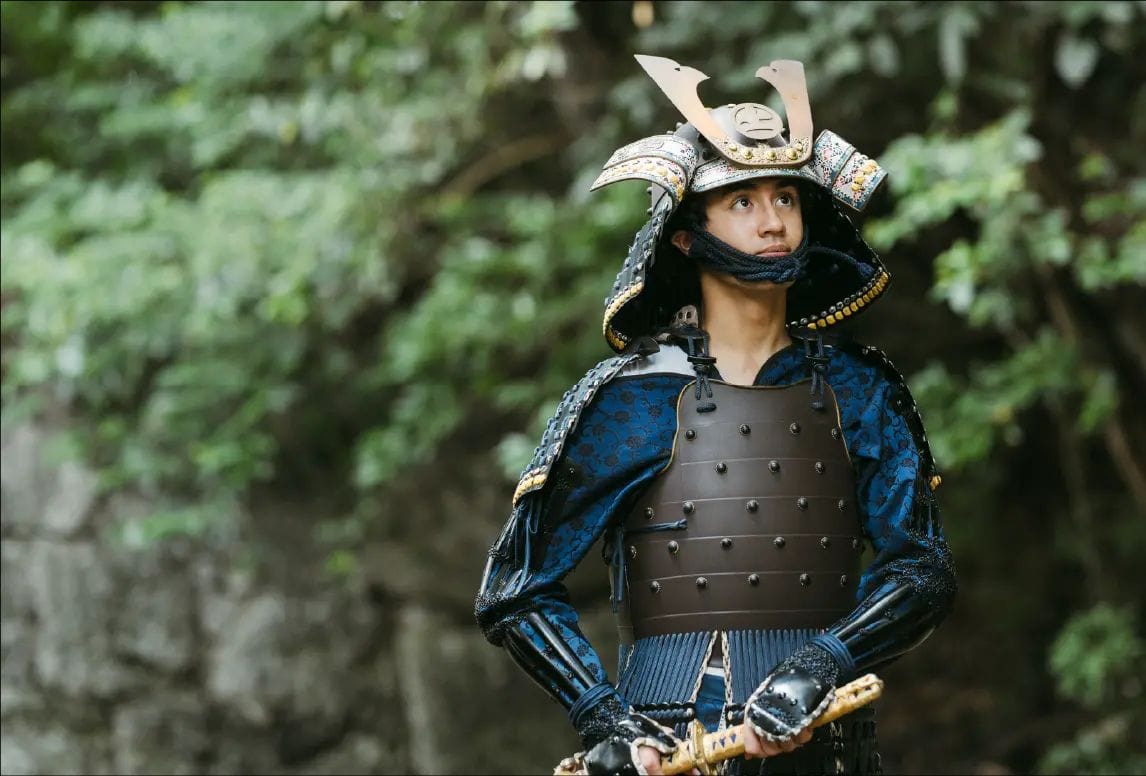
Kanazawa Castle is a major historical site that formed the political and administrative centre of the Kaga Domain under the Maeda clan from the late sixteenth century until the Meiji Restoration. The Maeda were second only to the Tokugawa shoguns in wealth, and their relative political stability allowed them to invest heavily in urban planning, infrastructure and culture rather than military expansion. The castle was originally constructed in 1583, but it suffered repeated damage from fires, leading to continual rebuilding and modification over time. Although the castle once had a keep atop a low hill, it burned down and wasn’t replaced. Today, the area where the keep once stood is forested, and noisy crows nest there at dusk.
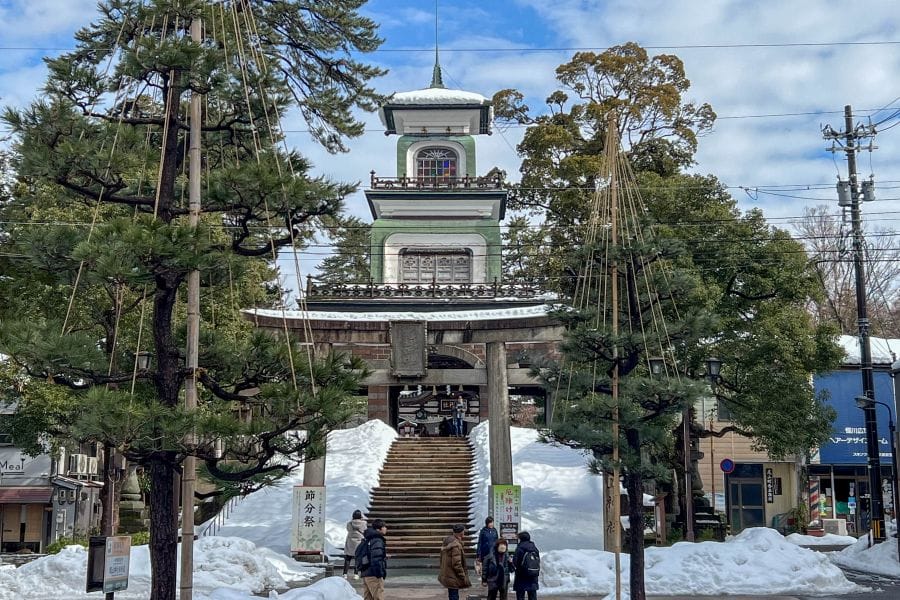
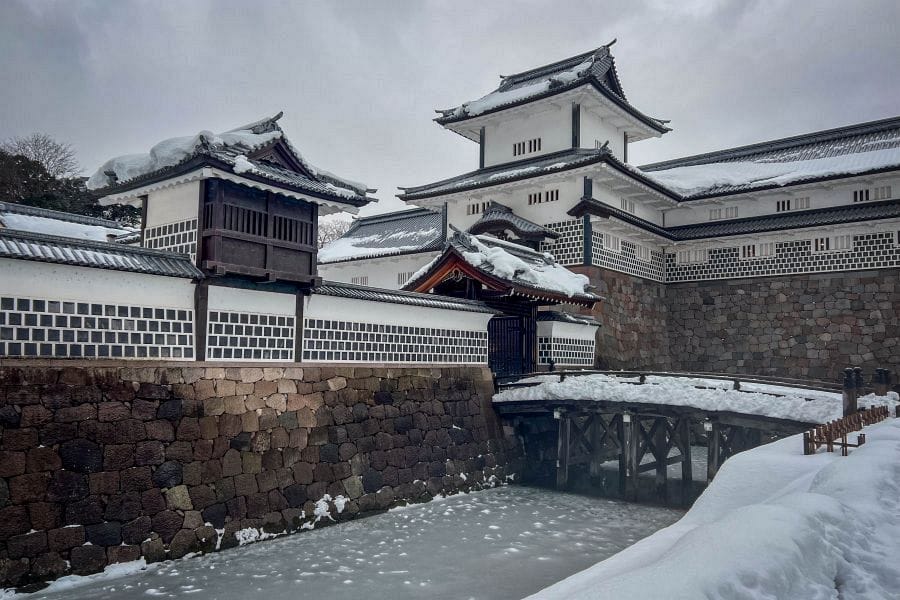
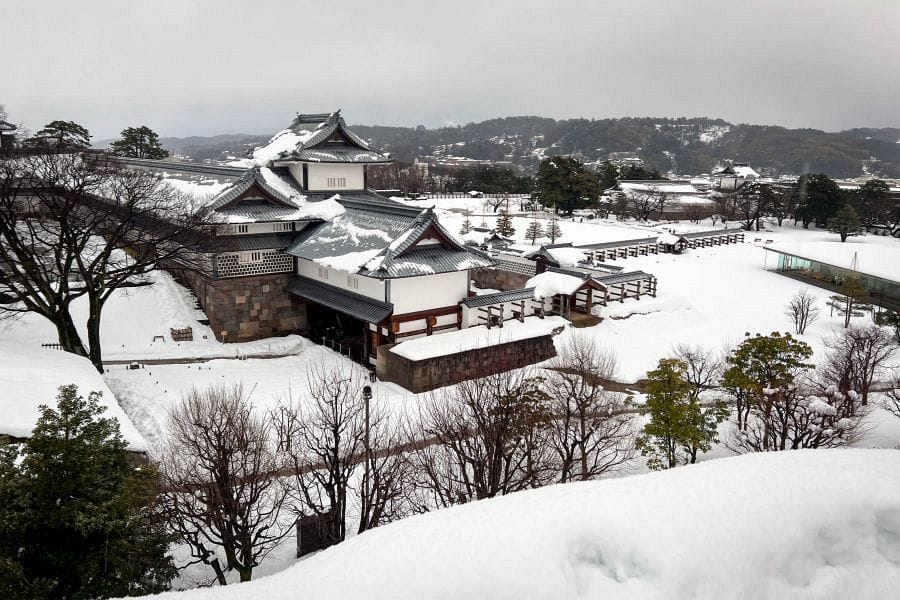
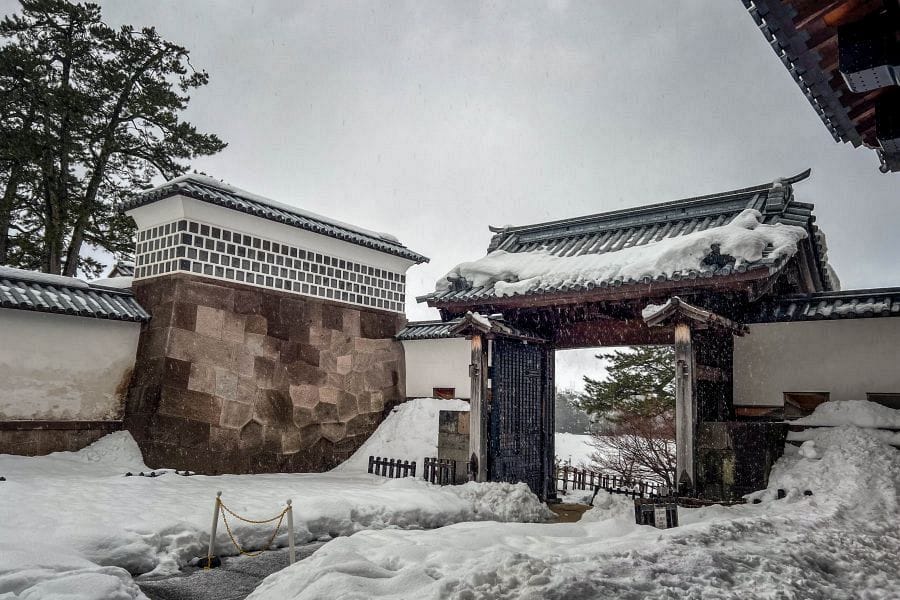
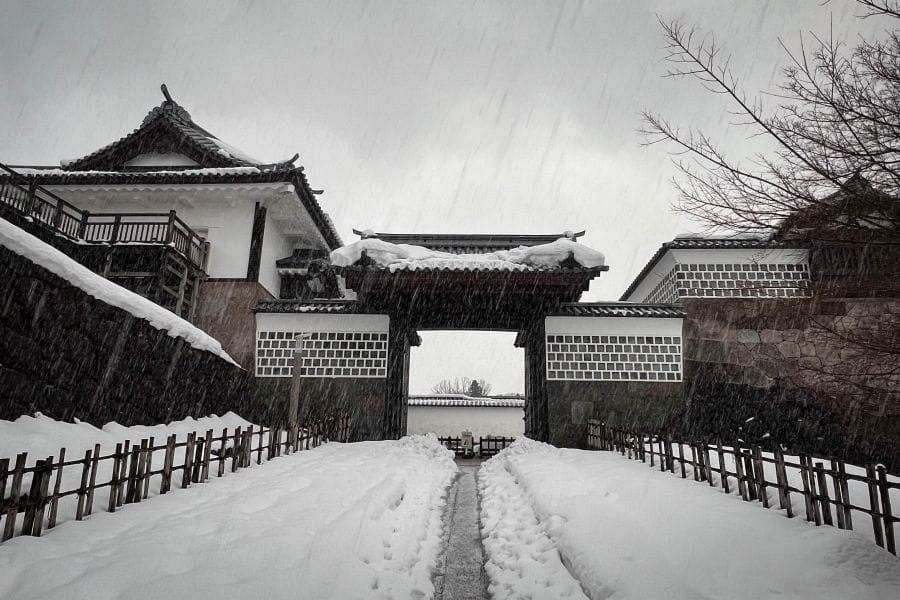
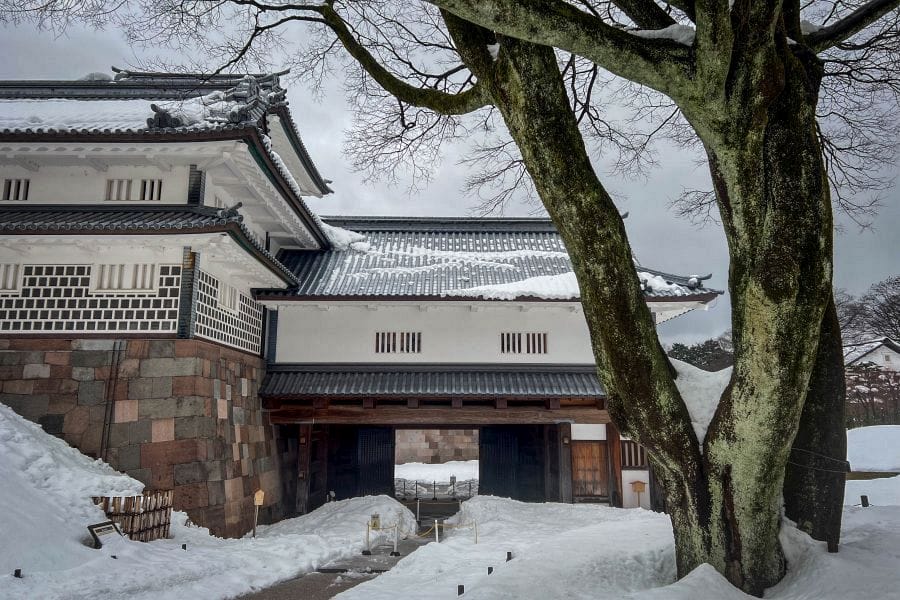
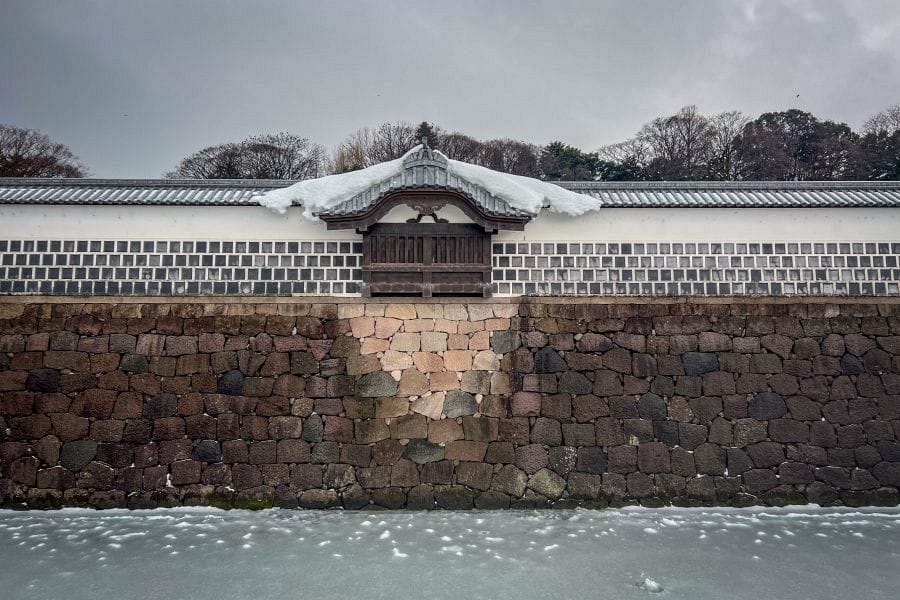
The most striking features of Kanazawa Castle are the extensive stone walls, which employ multiple construction styles reflecting different historical periods. In some places, roughly piled walls abut sections of highly dressed stonework. Some stones are marked with symbols denoting the vassals who supplied the stones. The walls were engineered to deter attackers while also stabilising the structures above them. Moats and gates were arranged to control movement and visibility, forcing indirect approaches that increased defensive advantage. The Ishikawa Gate remains one of the few original buildings and demonstrates typical defensive elements such as thick earthen walls, narrow openings and elevated guard positions.
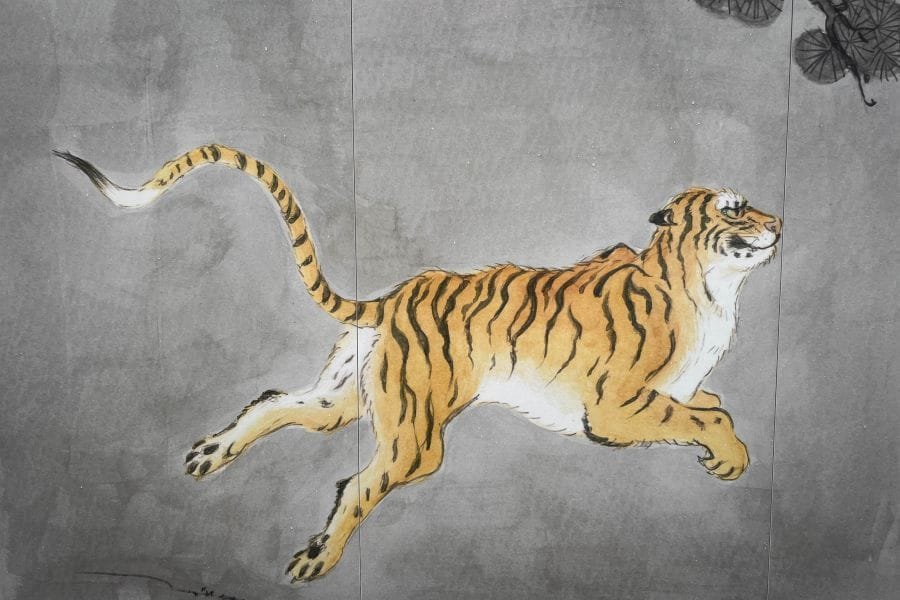
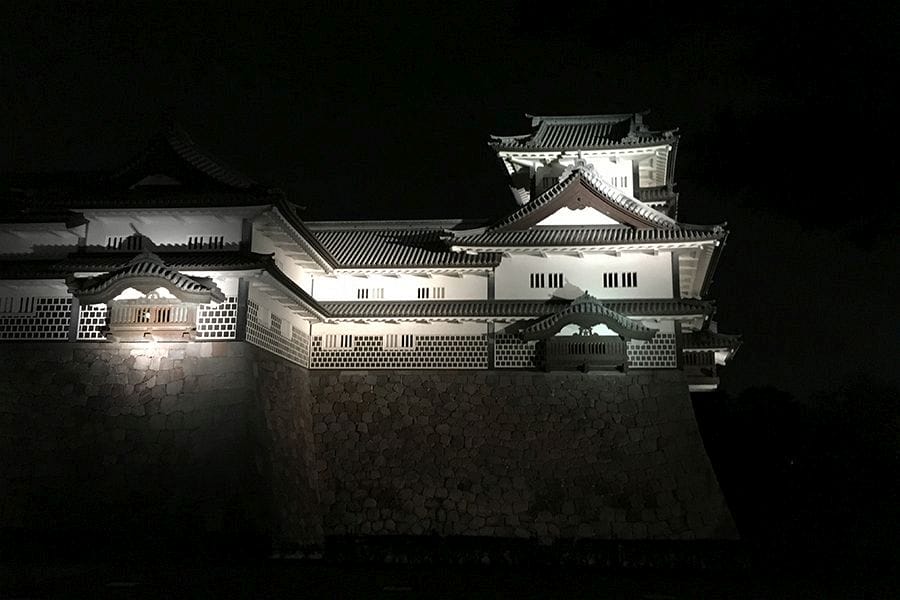
Recent reconstructions within the castle grounds have focused on accuracy, using traditional carpentry techniques and materials based on historical records and archaeological evidence. Interior spaces in the reconstructed storehouses and turrets reveal how goods, weapons and documents were stored and managed. A new palace is being constructed, complete with painted tigers.
The castle’s relationship with the surrounding city is also significant, as samurai districts, merchant areas and cultural institutions were laid out according to the castle’s needs. Today, the open nature of the grounds allows you to appreciate the scale of the site and its role in shaping Kanazawa’s urban and cultural development.
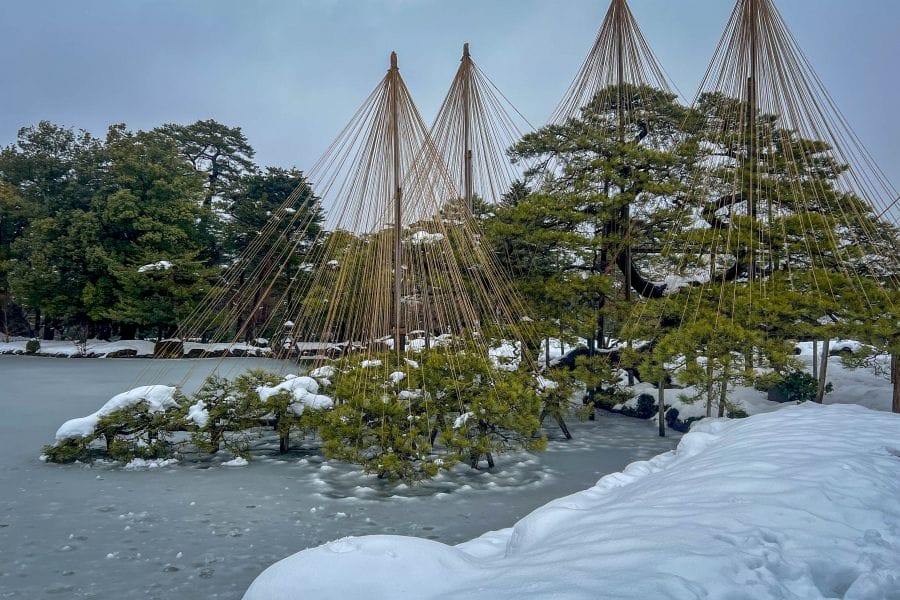
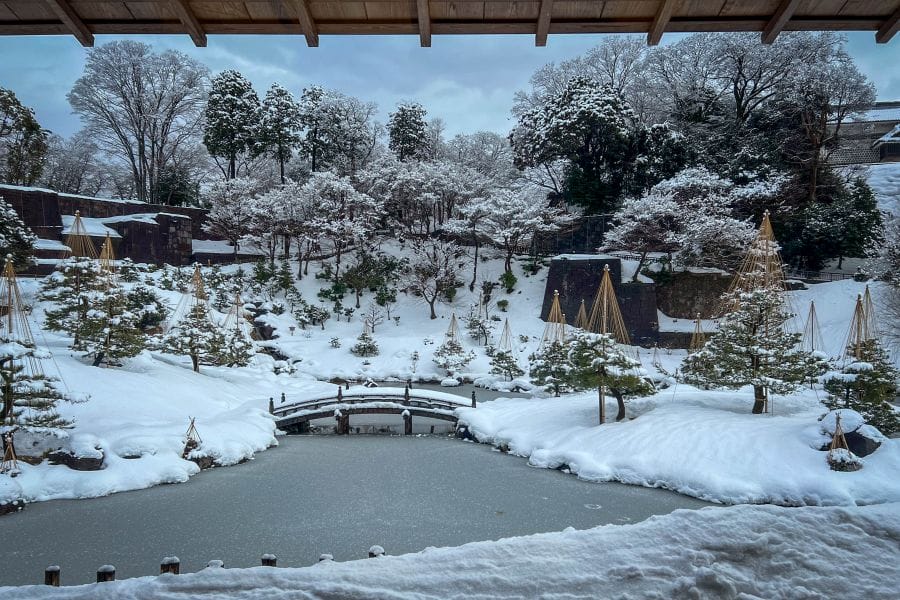
Nearby Kenroku-en Garden was originally a park for the recreation of the lords of Kanazawa Castle. The garden is accessed by a bridge over a gorge separating the two. Another garden, the Gyokusen-inmaru Garden, lies within the castle grounds, just inside the Nezumita Gate. The garden was commissioned in 1634 by Maeda Toshitsune, the third lord of the Kaga Domain, and named after the wife of the second lord. It was reconstructed in 2015 to mirror its appearance at the end of the Edo period. It’s overlooked by the Gyokusen-an teahouse, where you can have matcha and sweets.
Information
Name in Japanese: 金沢城
Pronunciation: kana-zawa-joh
Address: 1-1 Marunouchi, Kanazawa, Ishikawa 920-0937