Yunokuni no Mori
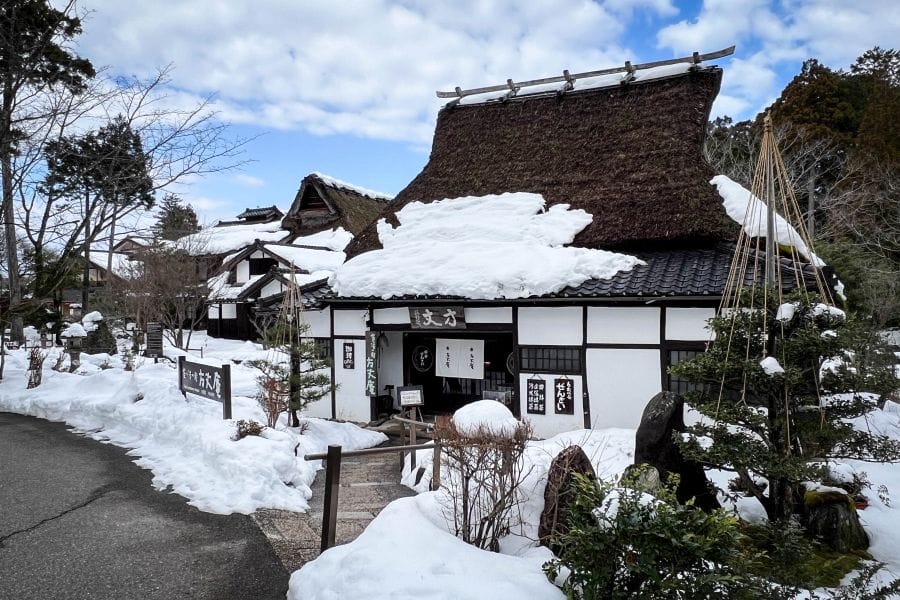
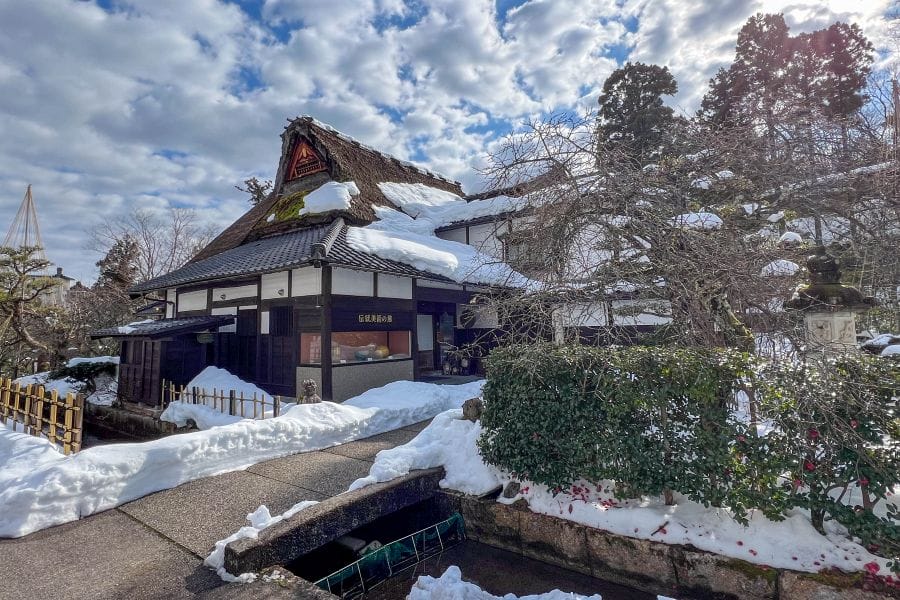
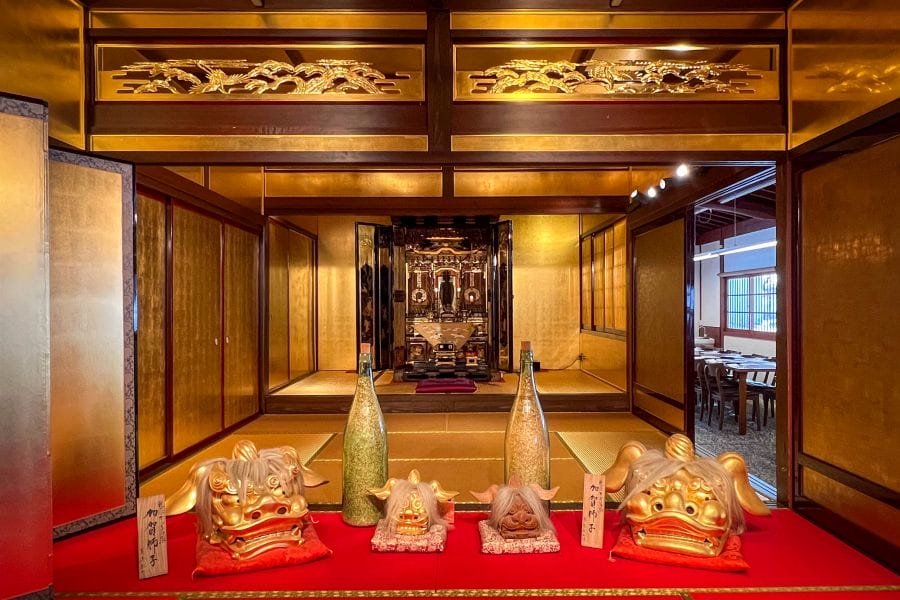
Yunokuni no Mori is an extensive craft village situated in a forest on the outskirts of Komatsu. The site comprises over a dozen traditional thatched-roof farmhouses, known as kominka, which were relocated here from across the Hokuriku region to preserve their architectural heritage. These structures feature the heavy timber frames and steep, thatched roofs necessary to support the weight of the area’s thick winter snow. The layout follows a series of gravel paths that connect different workshops, each dedicated to a specific regional craft.
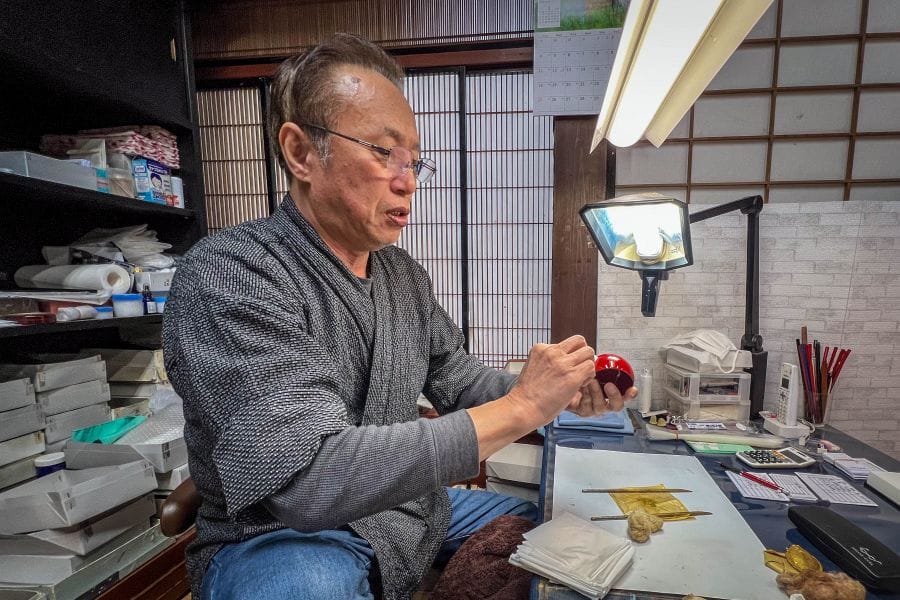
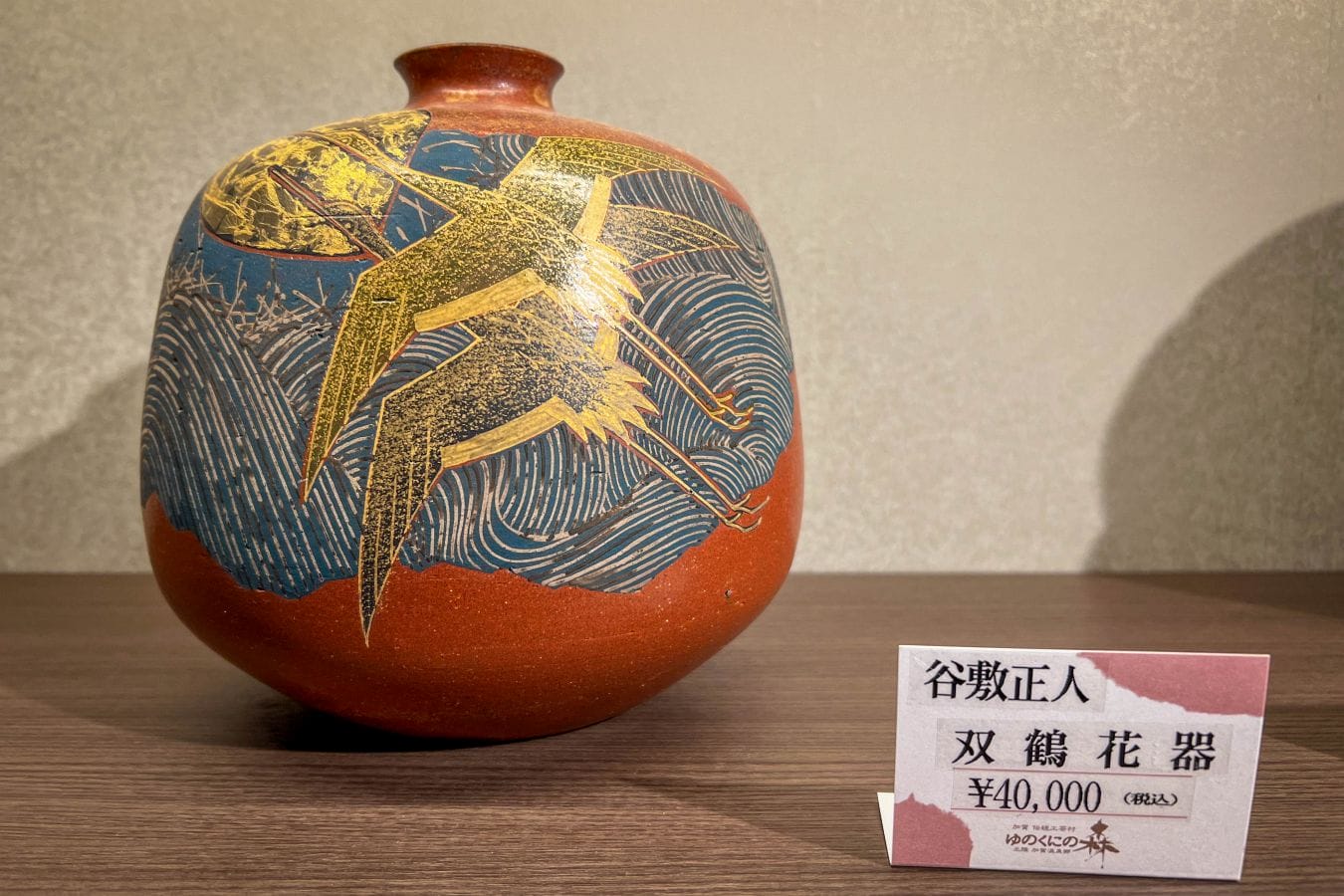
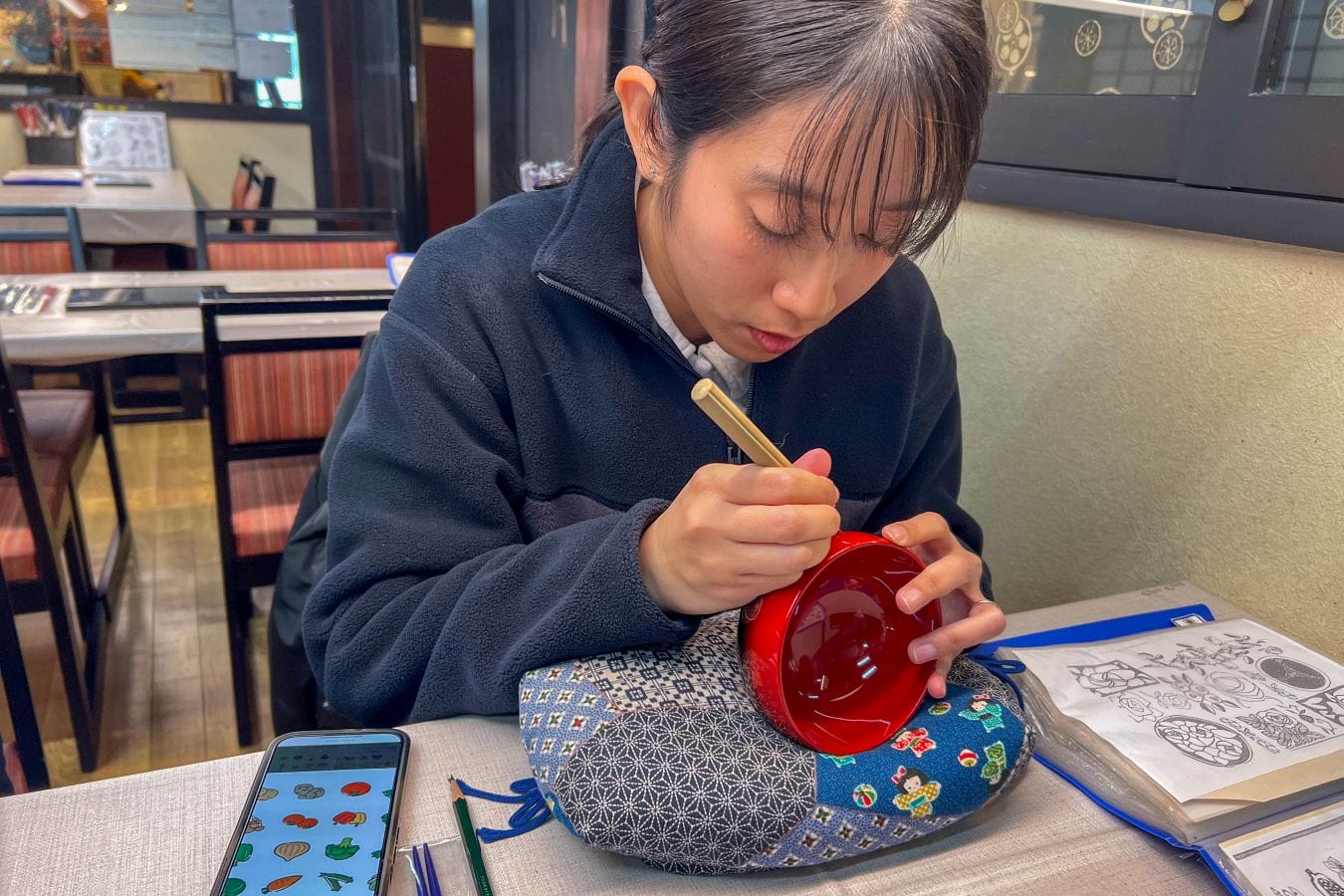
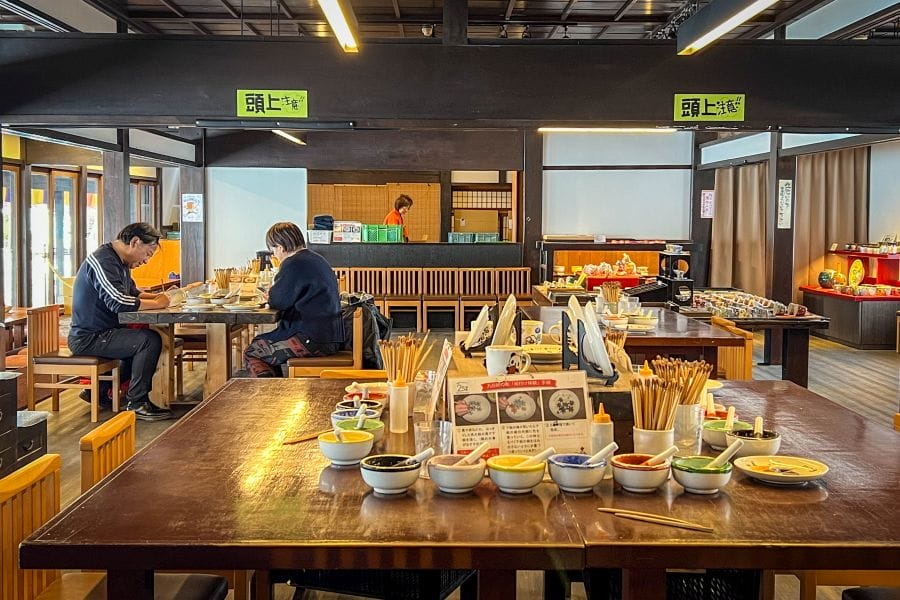
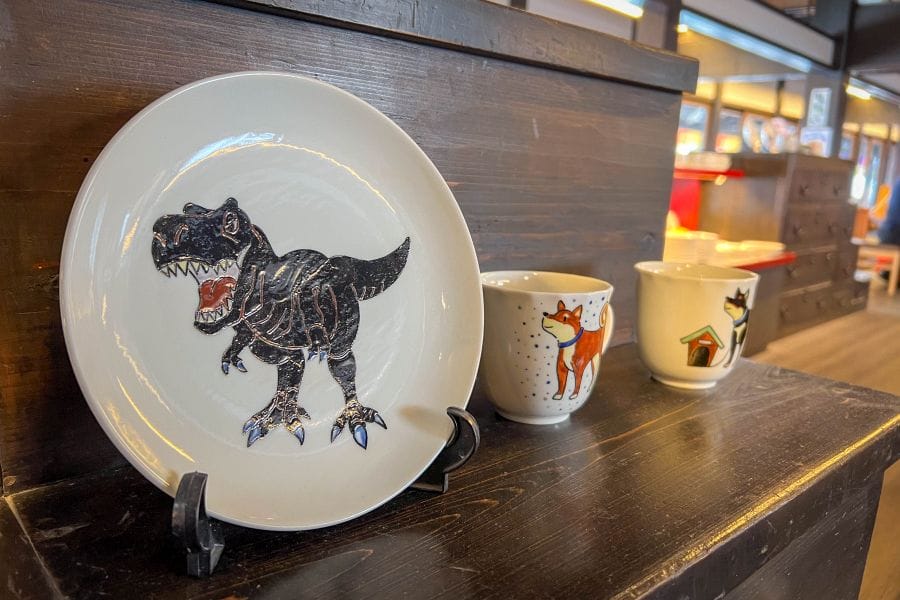
The site is divided into specific zones where you can observe or participate in over 50 different activities. At the Kaga Yūzen house, you can try silk dyeing using the traditional “pasteproof” method. The Gold Leaf house allows you to apply 0.0001 mm thick sheets of gold to lacquerware or ceramics. In the Kutani pottery section, you can shape clay on a wheel or paint over-glaze designs. Other workshops include glass blowing, copper-plate engraving, and traditional washi paper making. The water used in the paper-making process is drawn from local springs and its specific mineral content helps bind the vegetable fibres in a way that creates a more durable texture than mass-produced paper. Each building operates as a standalone studio where you can experience the smell of charcoal fires and raw materials.
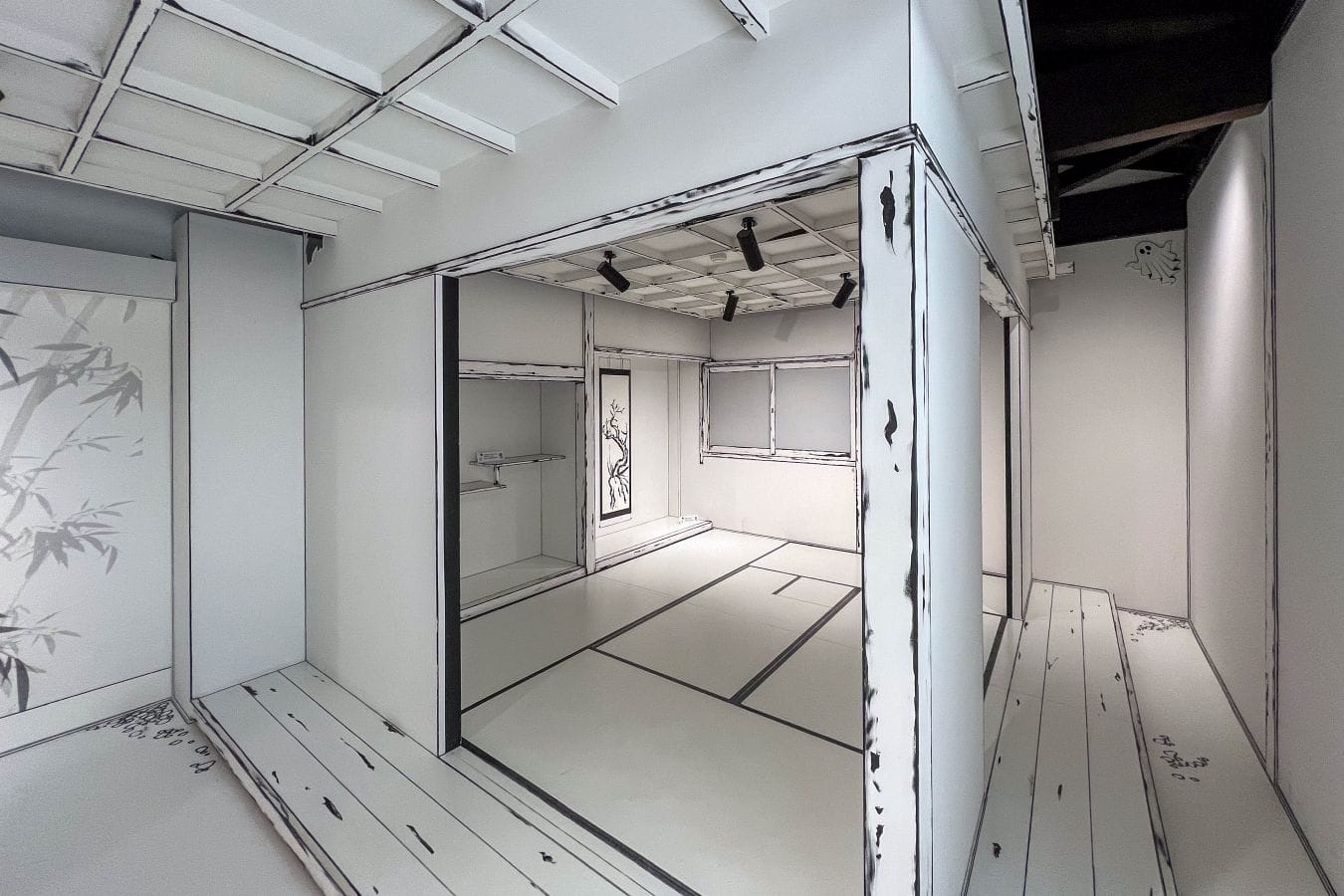
On a more contemporary note, you can also try making one of the wax food samples that appear in Japanese restaurant windows. As a unique souvenir, you can take home your own handcrafted wax sushi on a Kutani-ware saucer. There are also spaces designed to allow you to take highly Instagrammable selfies.
In the days of the Kaga Domain these crafts were state-protected industries. During the Edo period, the ruling Maeda clan diverted their massive rice wealth into artisan workshops to avoid appearing as a military threat to the Shōgun. This historical quirk turned the surrounding area into a dense cluster of craft expertise.
The village serves as a practical site for preserving the culture of nearby Awazu Onsen, which has operated for 1,300 years. The crafts practiced here, such as the production of high-end washi paper and lacquerware, were originally developed to supply the luxury needs of the hot spring inns.
Information
Name in Japanese: ゆのくにの森
Pronunciation: yunokoonee no mori
Address: Na-3-3 Awazu Onsen, Komatsu, Ishikawa 923-0393