Fukuoka Yatai
Fukuoka’s yatai outdoor food stalls are an experience not to be missed.
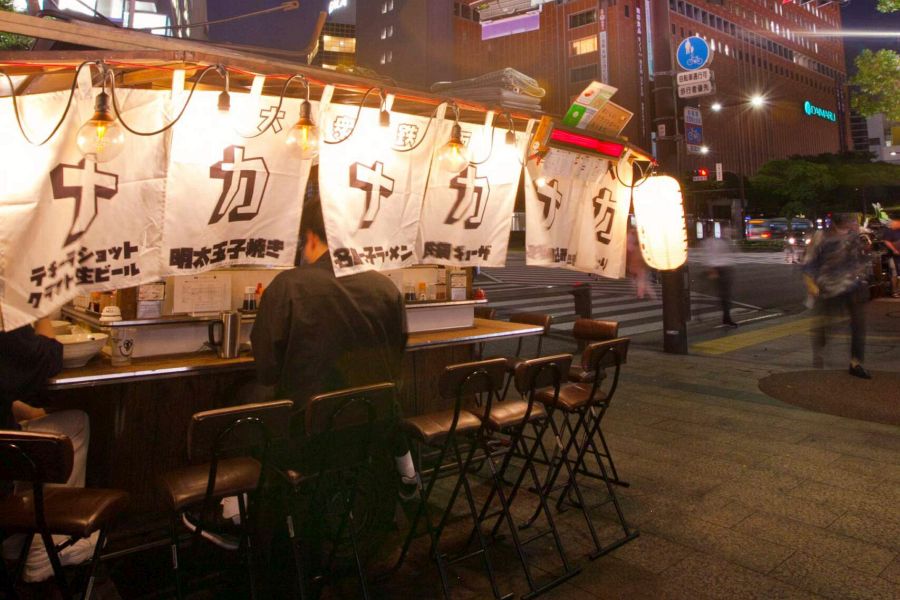
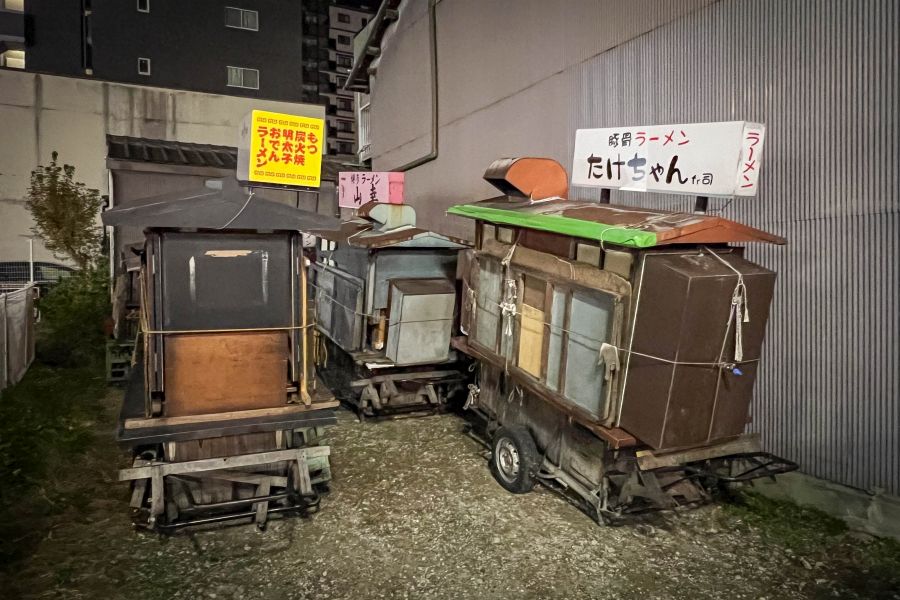
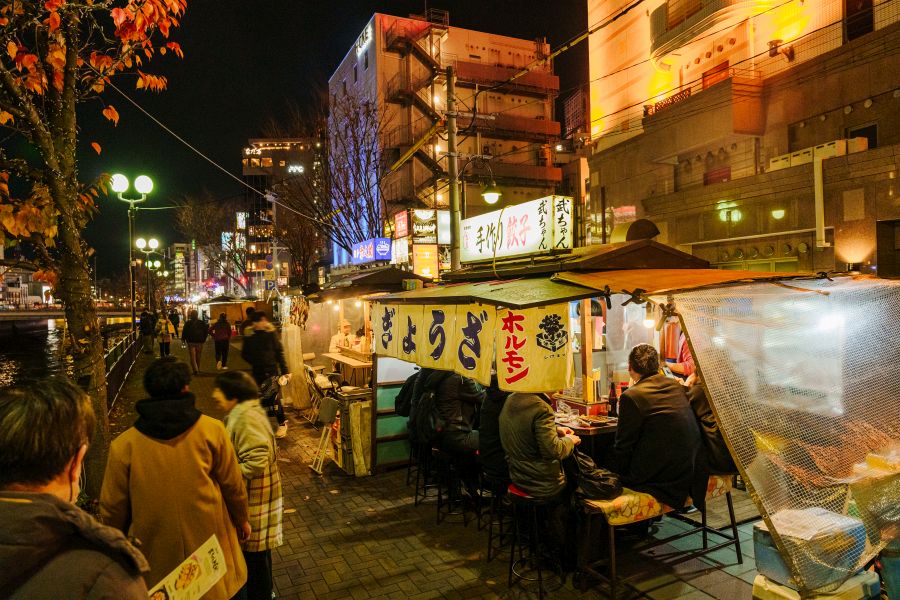
Fukuoka remains the only city in Japan where open-air food stalls, known as yatai, are preserved as a widespread part of the urban infrastructure. In other cities such as Kure, yatai are concentrated in one specific area. While similar structures were once common across the country after the Second World War, strict sanitation and road-use regulations in the 1960s led to their disappearance elsewhere. In Fukuoka, the local association fought to maintain them, resulting in a regulated system where approximately 100 stalls operate tonight across the city. Each evening around 18:00, these wooden structures are towed by hand or small vehicles to designated spots, where operators assemble them into compact kitchens and counters. By 02:00, the stalls must be completely dismantled, leaving the pavements clear for the morning commute.
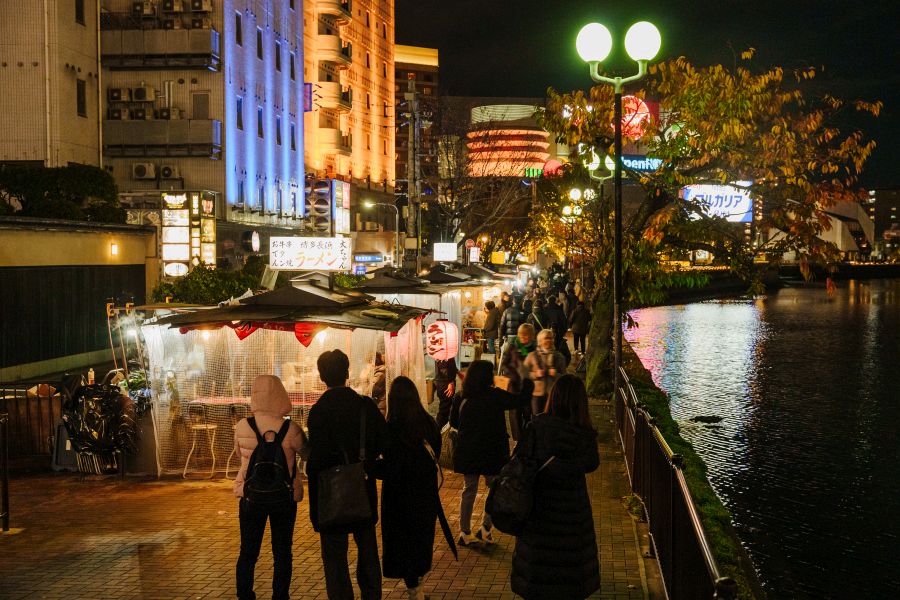
The stalls are concentrated in three primary districts, Nakasu, Tenjin, and Nagahama. The Nakasu area occupies the southern tip of the island between the Naka and Hakata rivers, where the stalls stand in a line along the water. Tenjin’s stalls are distributed across the business district’s main thoroughfares, often situated outside department stores or bank entrances. Nagahama, located near the city’s central wholesale fish market, recently underwent a revival after years of decline. It is historically the birthplace of the city’s specific style of thin-noodle pork broth soup, designed to be served quickly to busy market workers. While Nakasu attracts a significant number of travellers, Tenjin and Nagahama tend to see a higher ratio of local office workers. There’s a convenient paper map available at hotels and information desks.
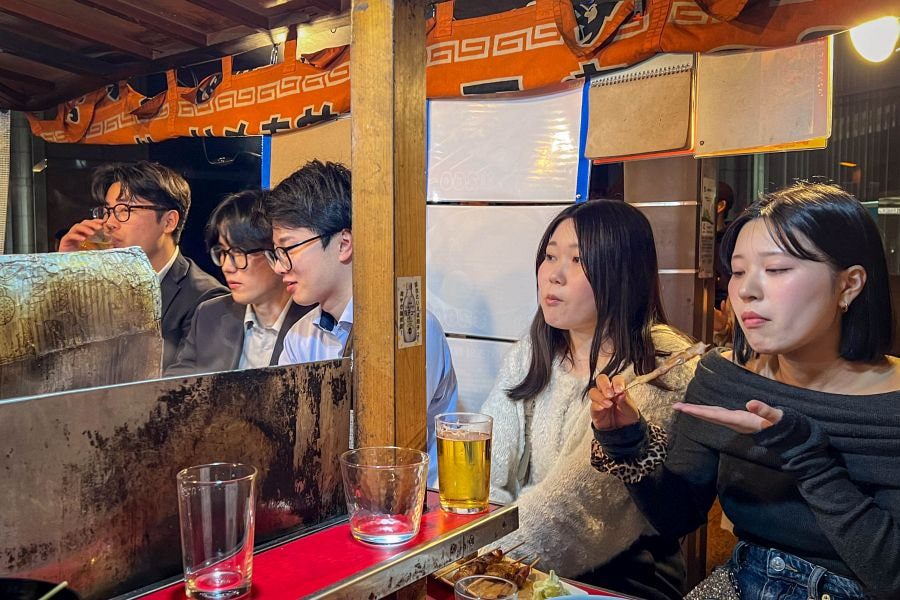
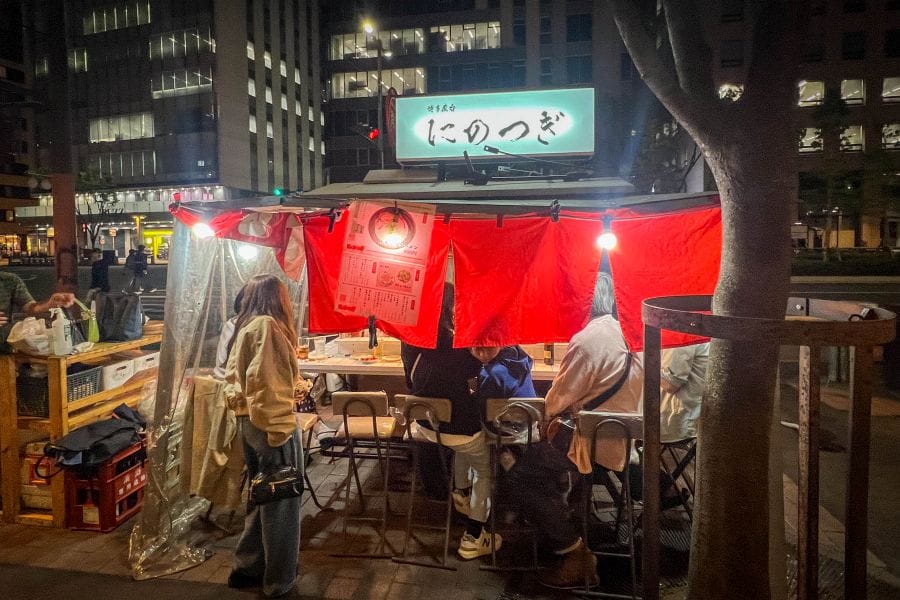
The architecture of a yatai is a feat of spatial efficiency, typically measuring roughly three metres by two and a half metres. Within this footprint, the operator manages a boiling vat for soup, a charcoal or gas grill, and refrigeration for fresh ingredients. Seating is limited to approximately eight to ten people on narrow wooden stools or benches. Because space is restricted, it’s customary to keep your belongings on your lap or at your feet. Most stalls display their daily offerings on the counter, often including skewers of pork belly, chicken, and vegetables, as well as seasonal seafood.
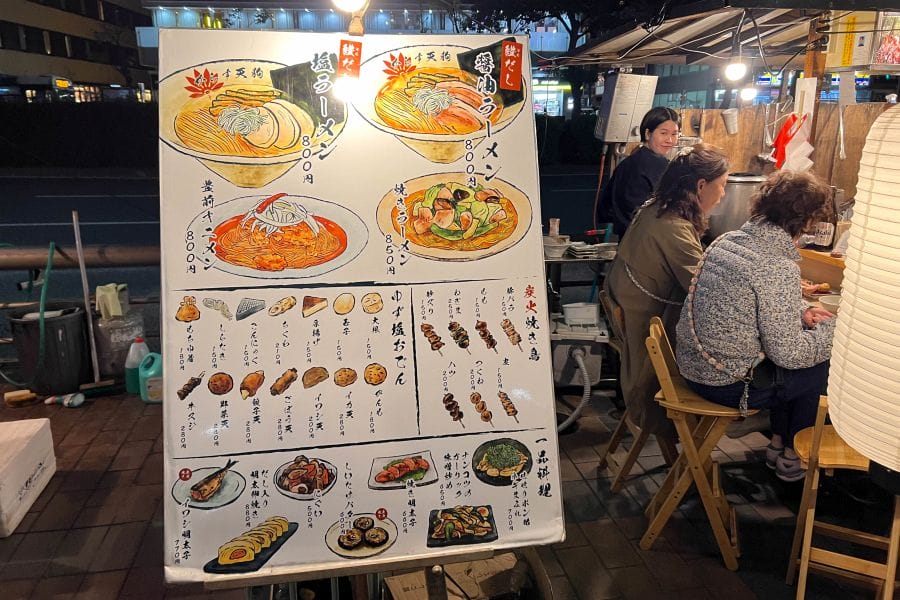
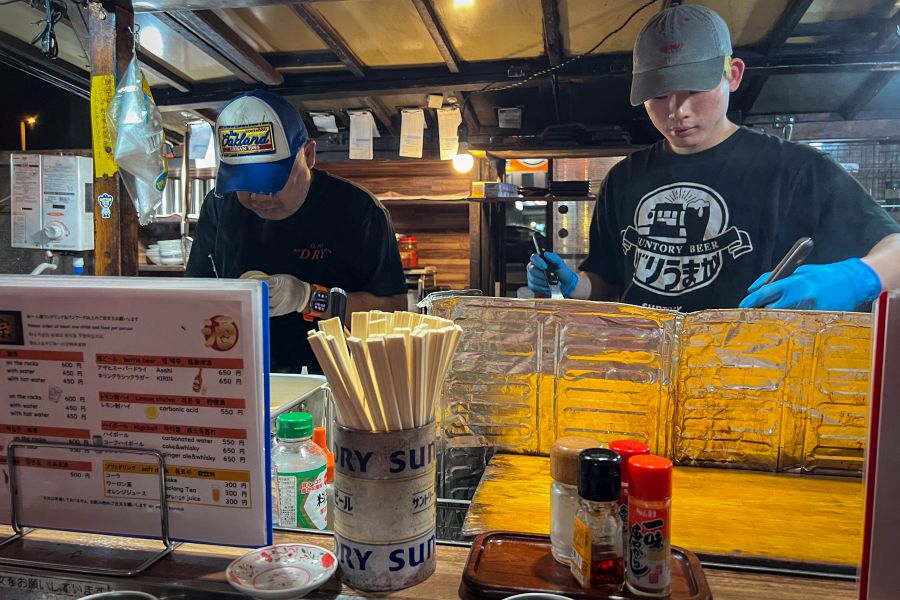
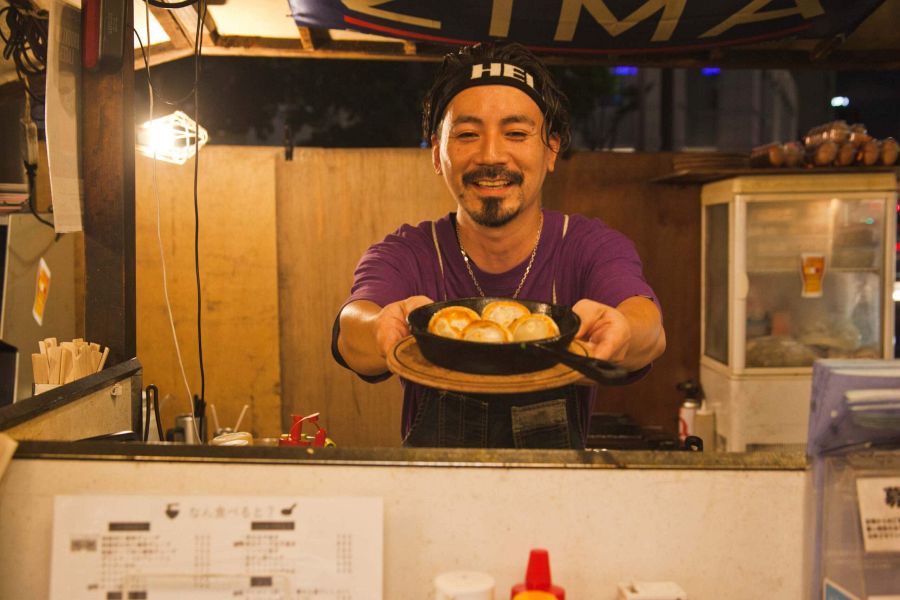
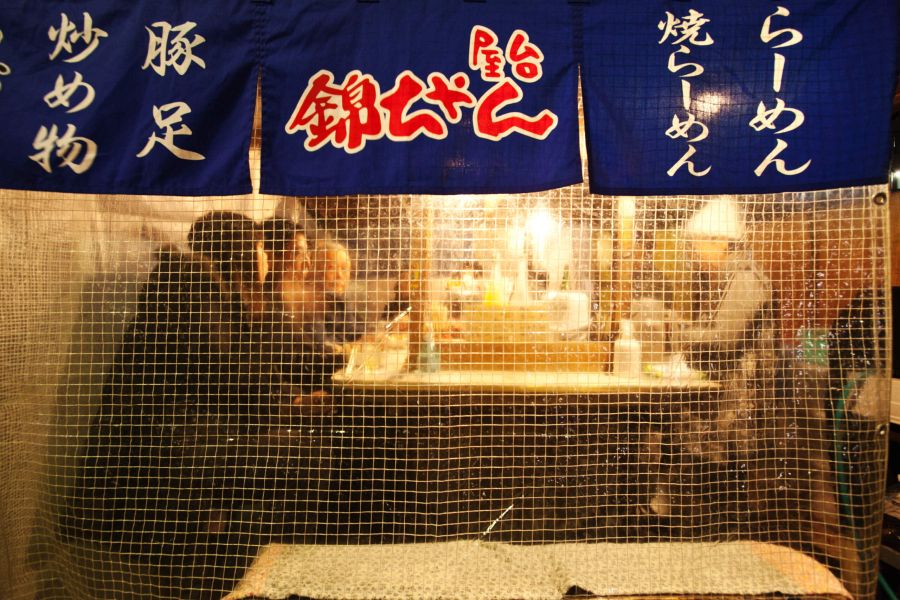
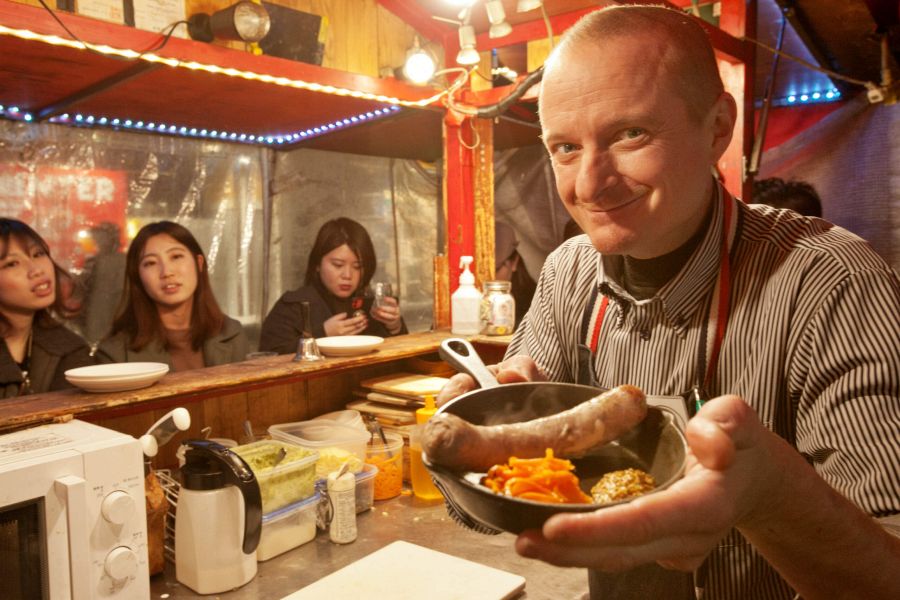

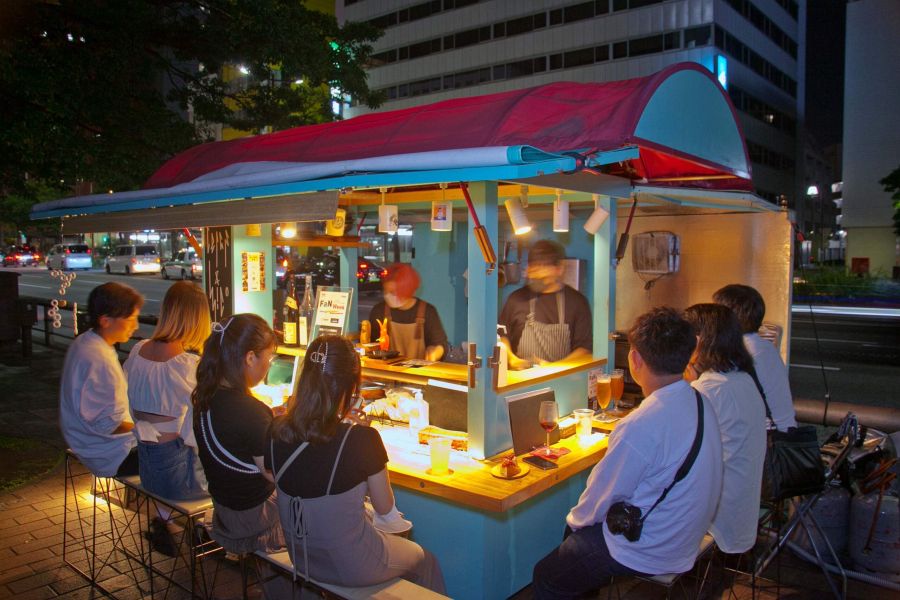
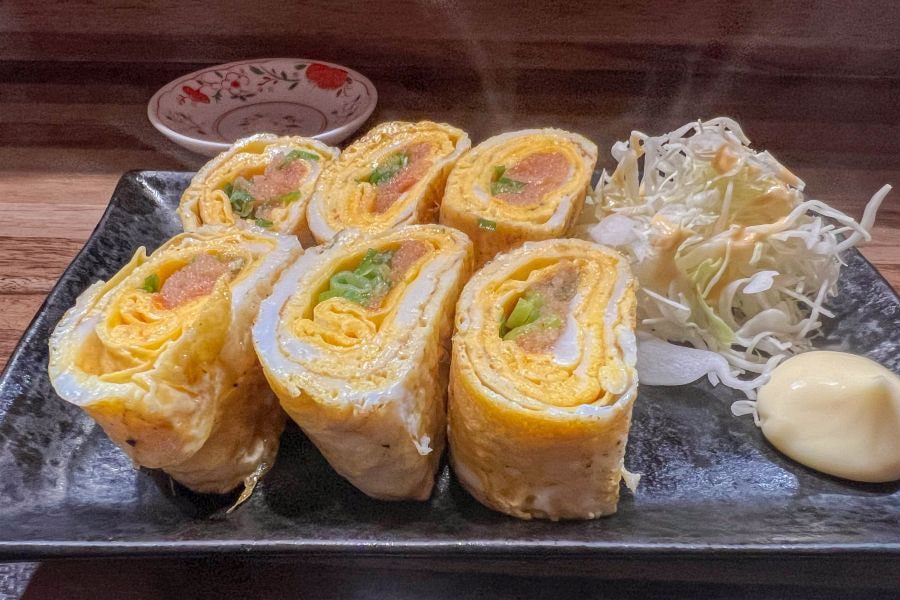
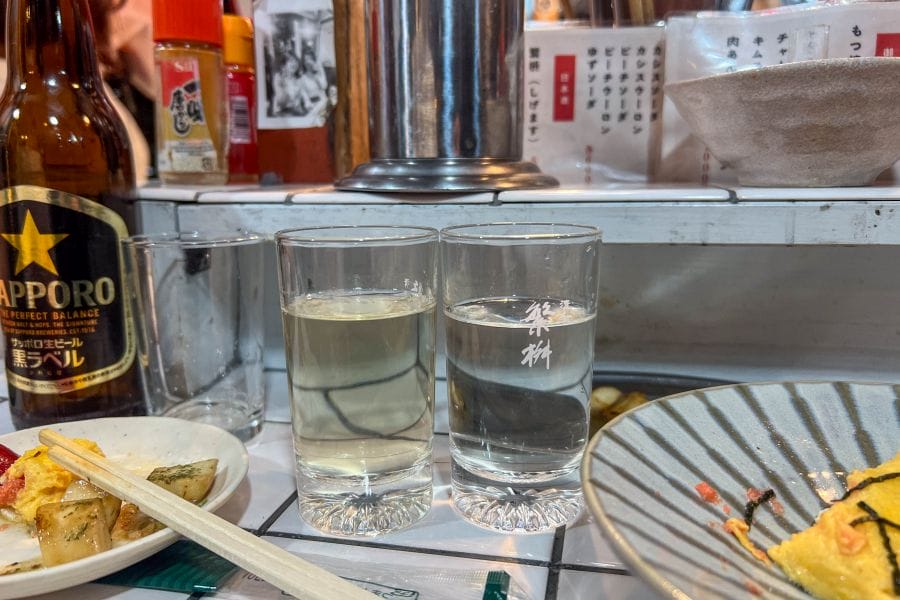
While menus vary, certain staples are synonymous with the Fukuoka experience. Tonkotsu ramen, featuring a heavy broth made from simmered pork bones, is the standard conclusion to a meal. A more specific local creation is yaki-ramen, where the noodles and pork broth are reduced on a flat iron grill until the liquid becomes a thick, savoury glaze. Another frequent sight is mentai tamagoyaki, a rolled omelette filled with spicy pollock roe, a celebrated regional delicacy. Many stalls also serve oden, various ingredients such as daikon radish, boiled eggs, and fish cakes simmered in a light soy-based stock, which provides a reliable option during the colder winter months.
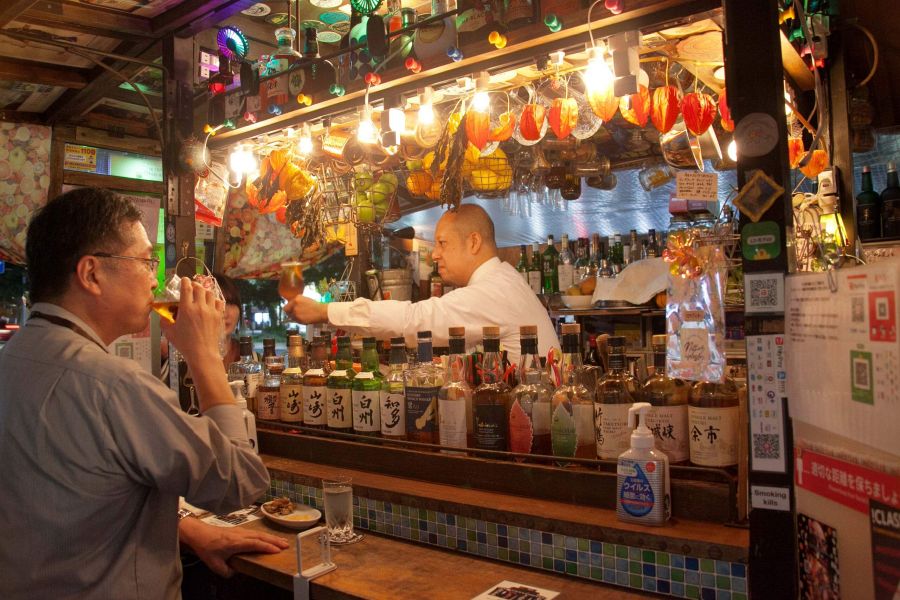
Operating a stall requires a specific municipal license, and in recent years, the city has opened these to new applicants through a competitive bidding process to ensure the culture continues. This has introduced a modern variety to the food on offer, with some stalls now specialising in French and Italian, gyōza, or even cocktails. One stall specialises in gibier, boar and venison, contributing to the rural economy by turning the meat of nuisance animals into marketable food. Regardless of the menu, customer etiquette remains consistent. It’s expected that every person in a group orders at least one drink and one food item. During peak hours, it’s polite to finish your meal and vacate your seat within an hour to allow others waiting in line to sit.
Hygiene and payment follow specific local norms. Stalls are equipped with running water and undergo regular inspections, but most don’t serve raw fish such as sashimi due to safety regulations. Almost everything is grilled, boiled, or fried. While more stalls are adopting electronic payments, carrying cash is still advisable as many operators prefer it for speed. Prices are generally posted on the curtains or menus, but if you’re unsure, it’s acceptable to ask for the price before ordering. Eating at yatai isn’t particularly cheap — expect to pay as much as you would at an indoor restaurant.
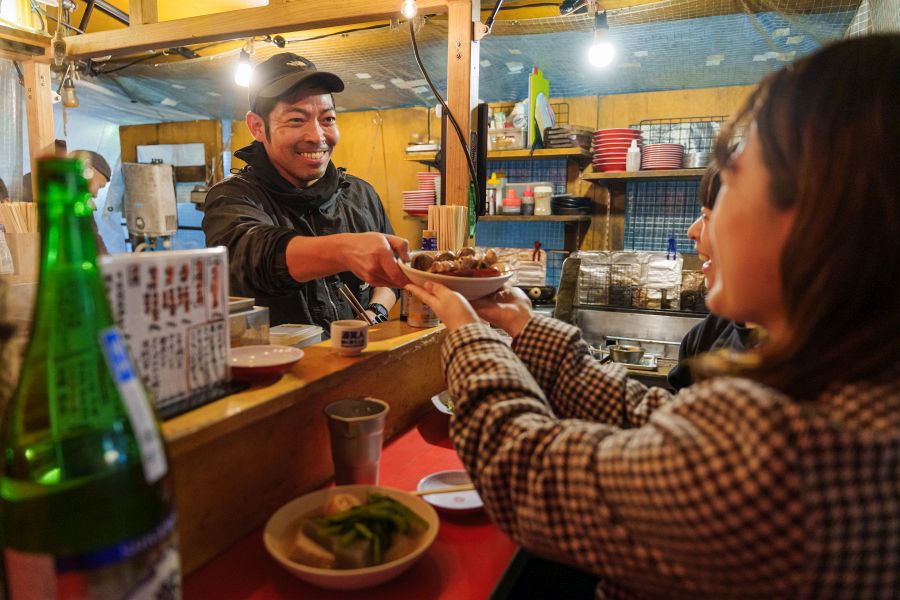
You may question the logic of squeezing yourself into a cramped booth, exposed to heat and cold, and the noise of the traffic. But half way through the first drink, the outside world miraculously vanishes, and there you are cocooned in a little culinary heaven. The environment is naturally social, and the proximity to the chef and other diners often leads to conversation, even if you don’t speak the same language.