No-Bōru Museum
The No-Bōru Museum is dedicated to the history of baseball as it’s been played in Matsuyama. It’s located in two small rooms on either side of the ground level entrance to Botchan Stadium in Matsuyama Central Park.
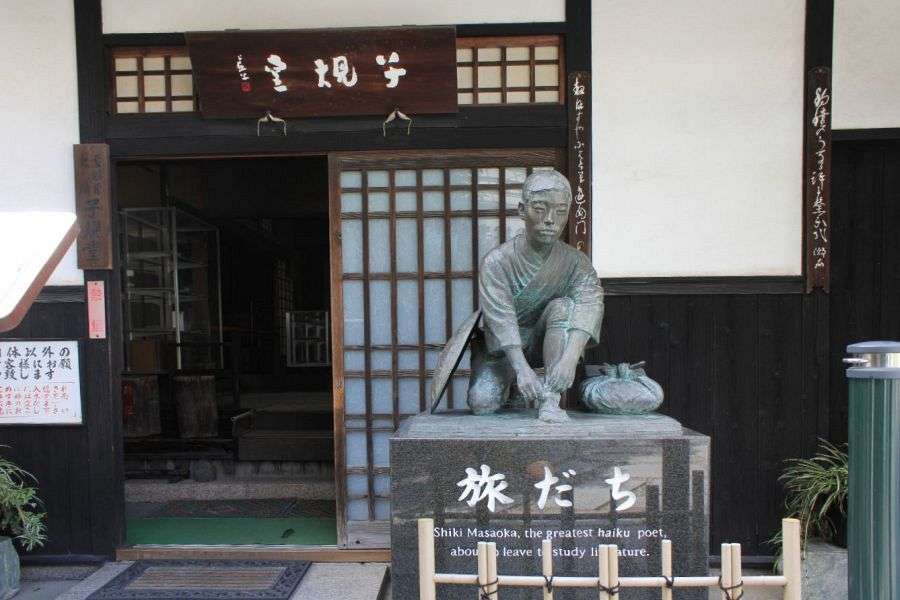
Though it’s housed within a modern sports venue, its name stems from a nineteenth-century wordplay by the haiku poet Masaoka Shiki, who was born in Matsuyama and helped pioneer baseball in Japan. Shiki took his childhood name, Noboru, and rendered it phonetically using the kanji characters for “field” (野, no) and “ball” (球, bōru), adopting “No-bōru” as both a pen name and a humorous pun on his own identity. That combination of characters was later adopted as the standard Japanese word for baseball (yakyū), linking the museum’s title directly to the linguistic origins of Japanese sport.
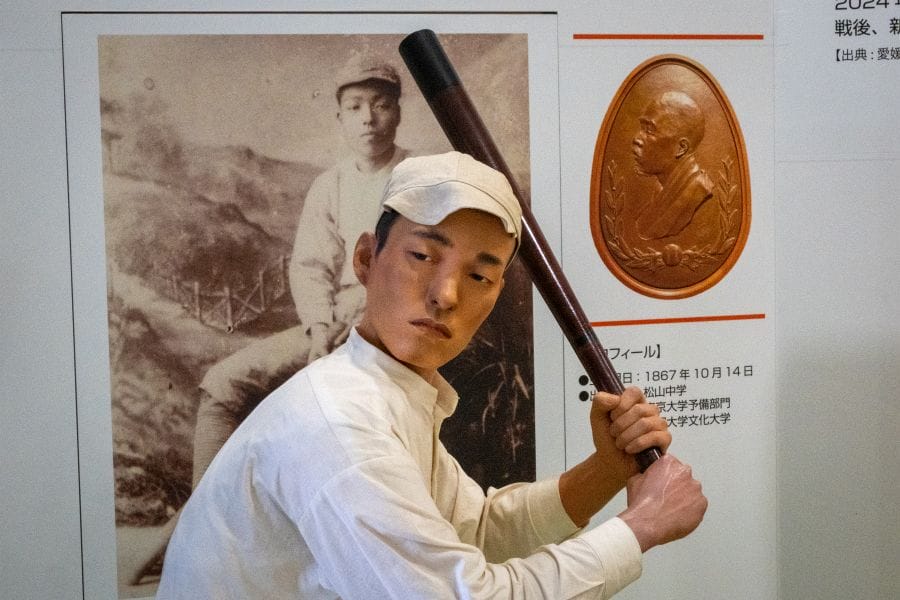
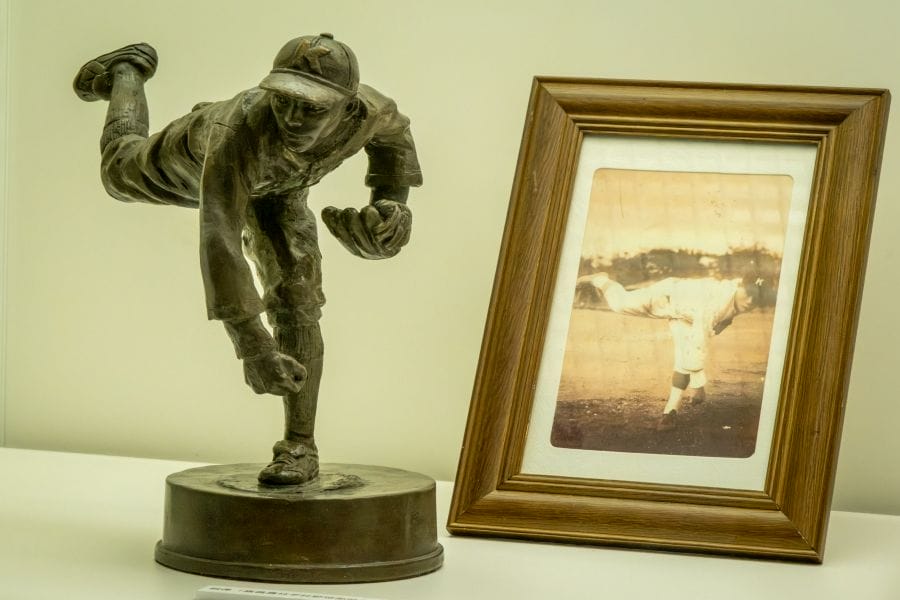
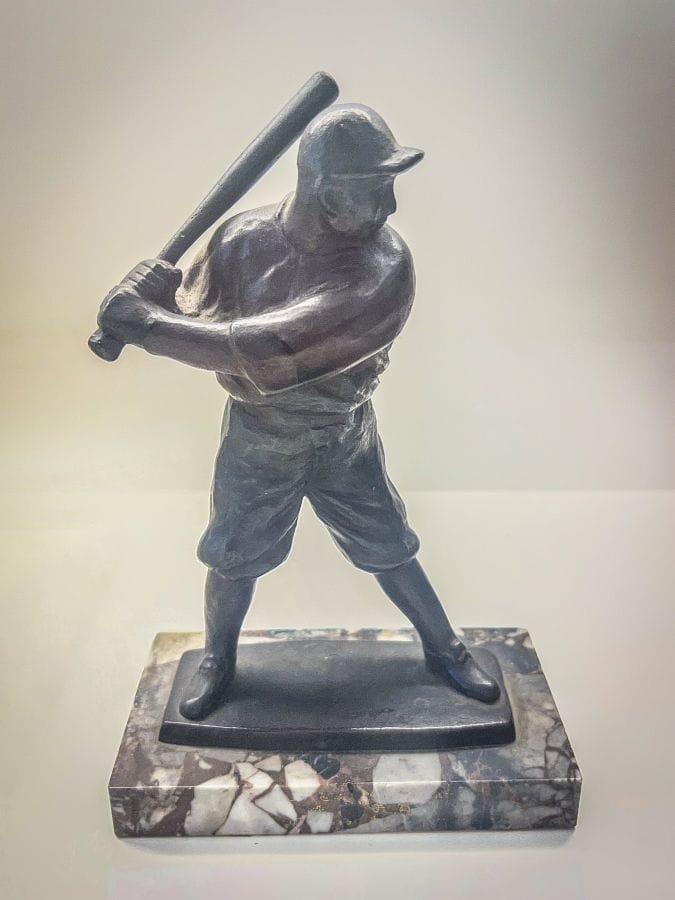
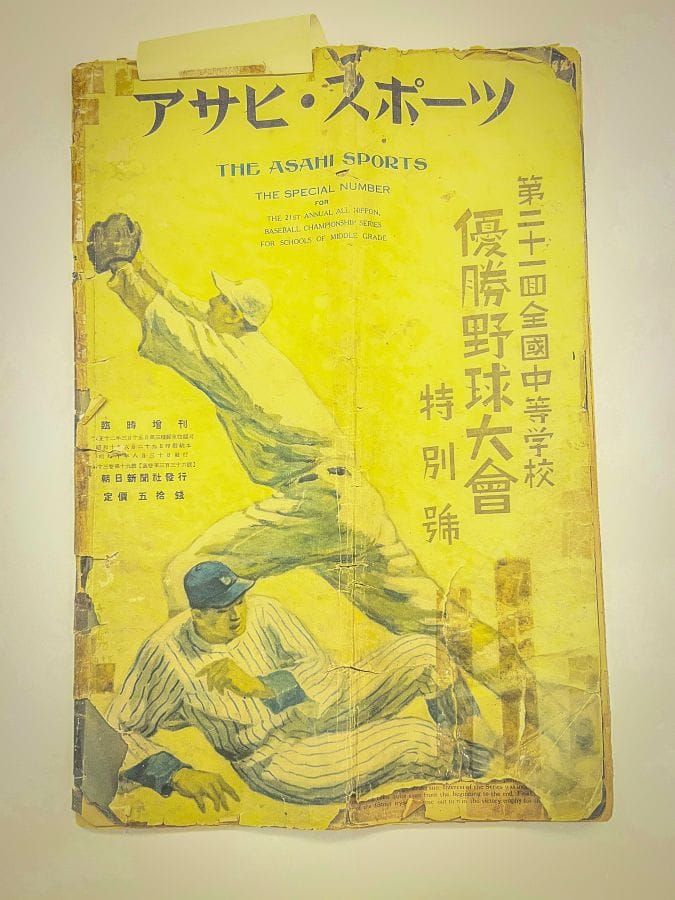
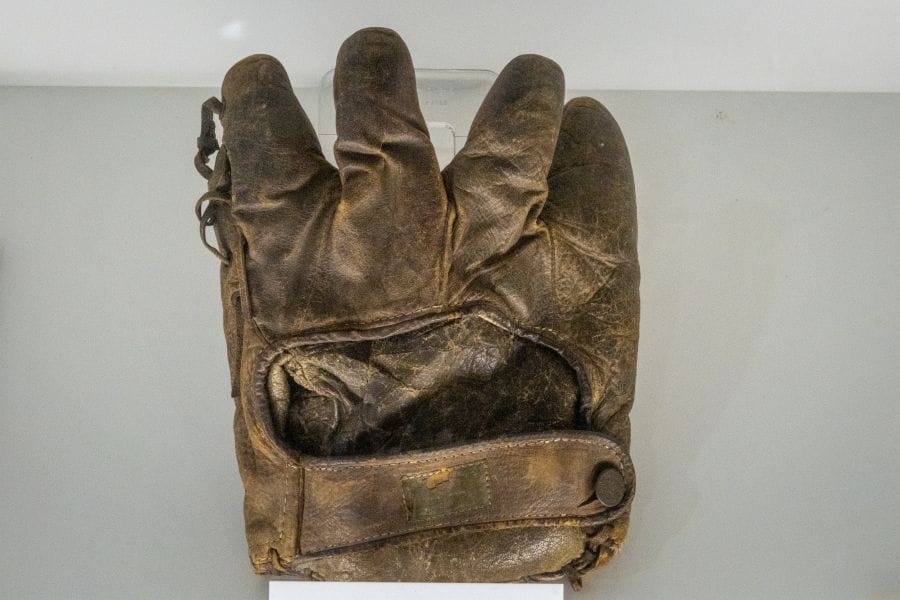
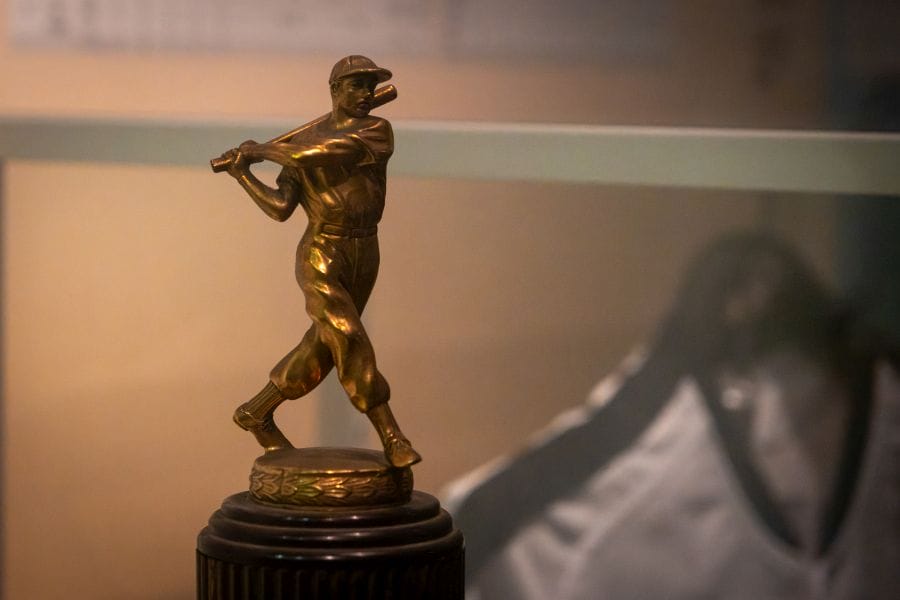
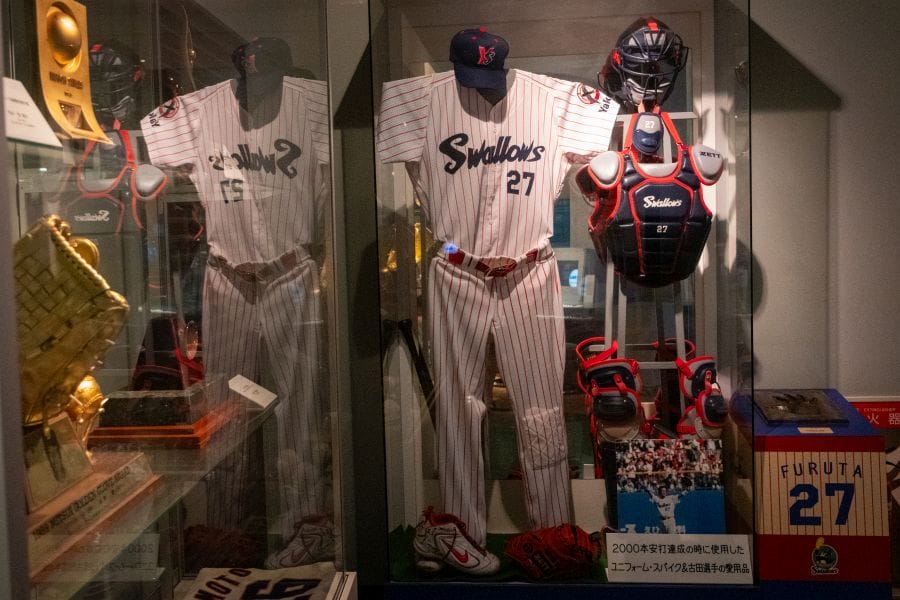
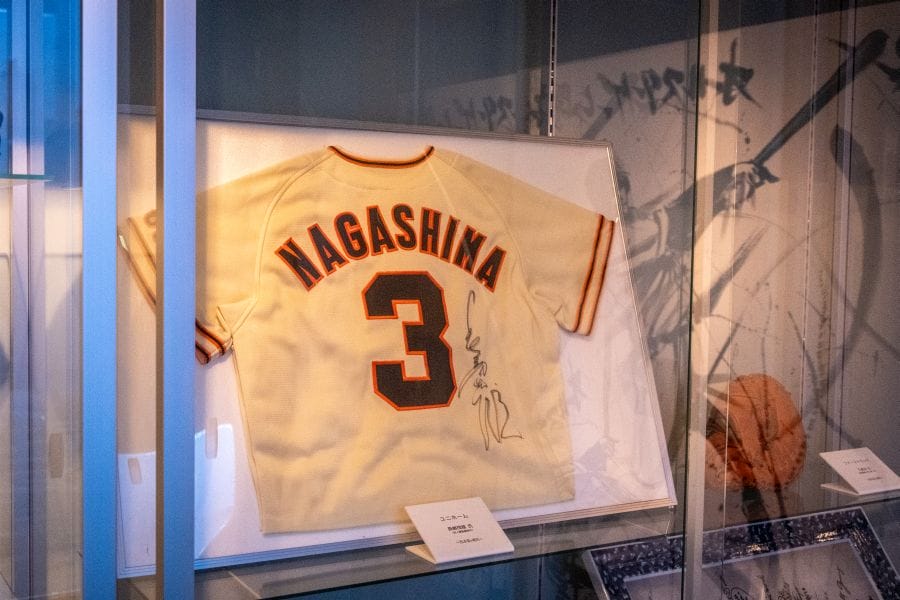
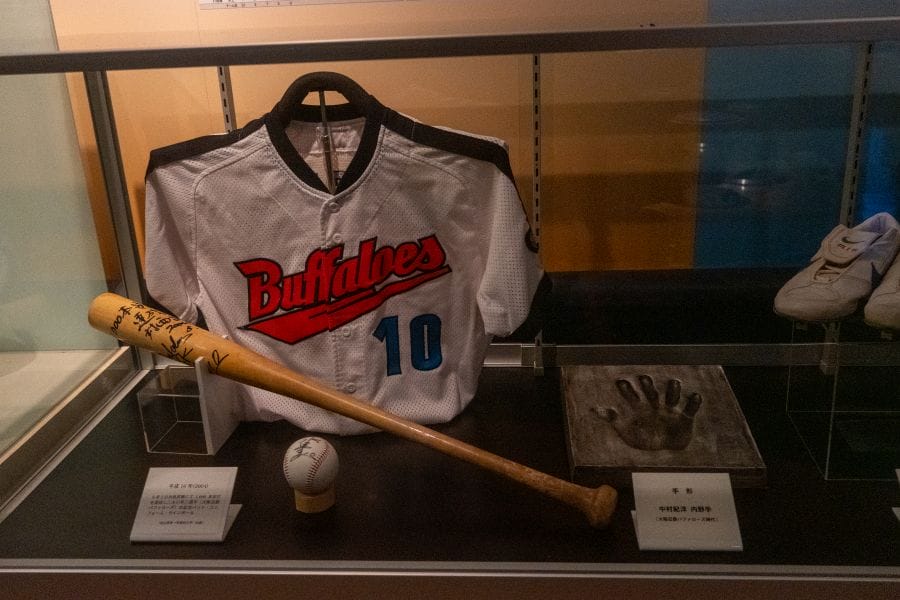
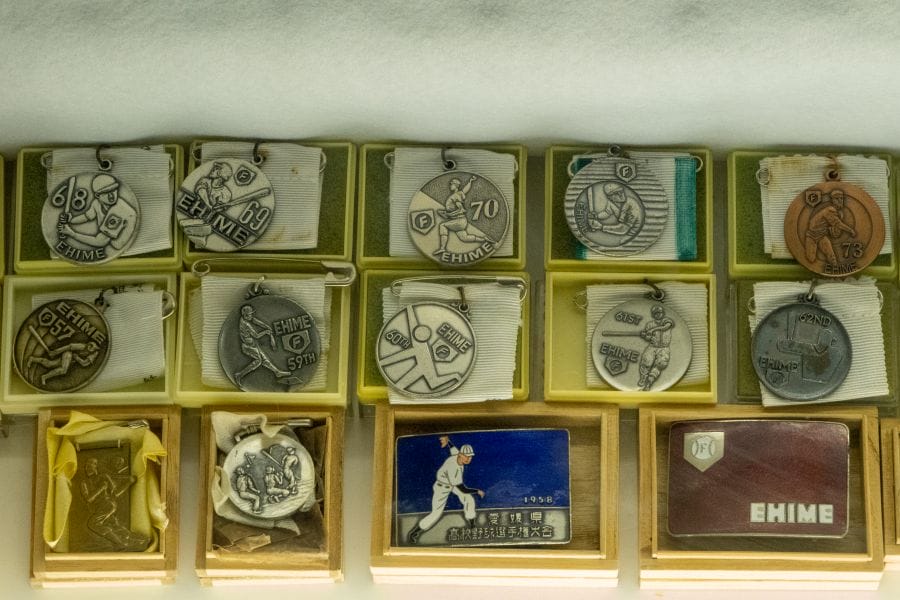
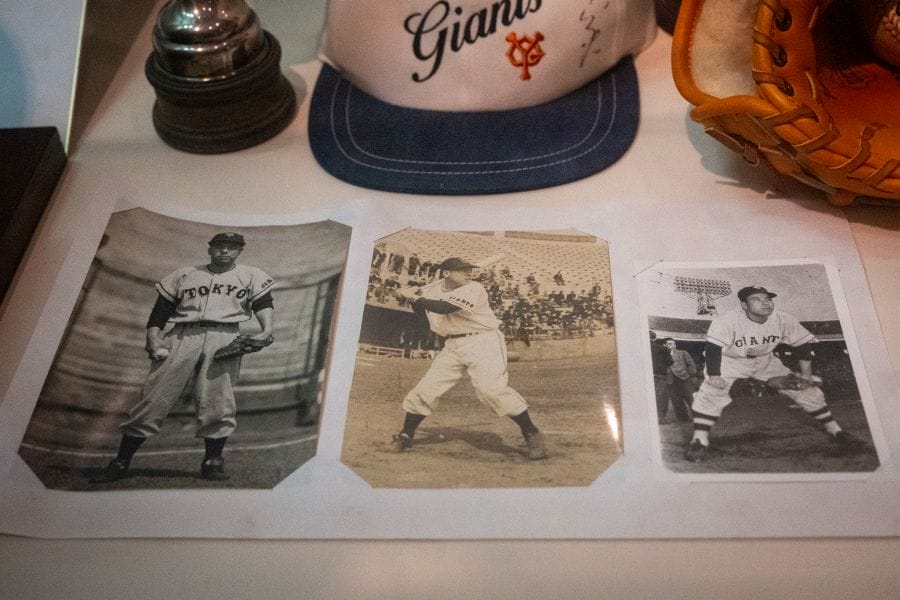
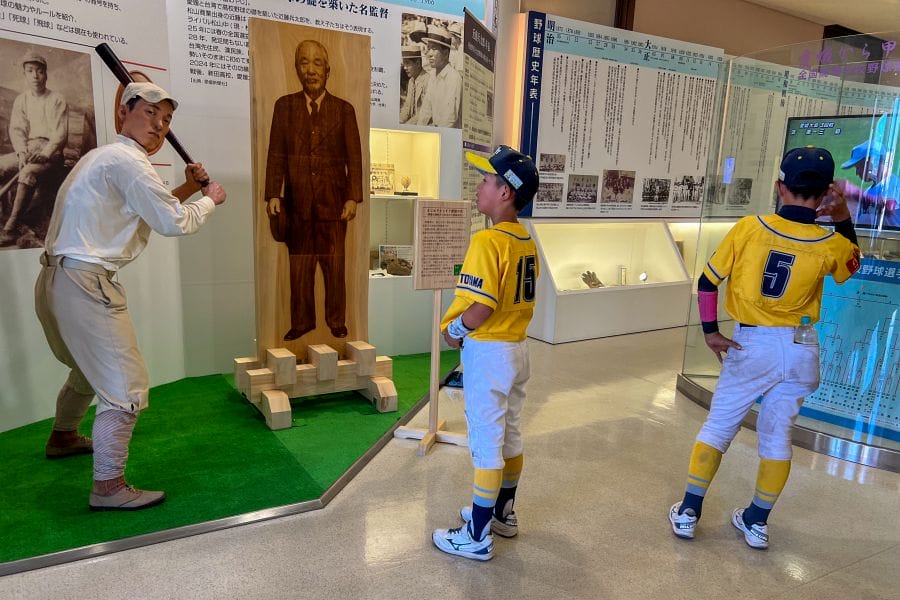
The exhibits are divided into two wings covering professional and amateur ranks. Inside the professional section, glass cabinets store equipment used by notable Japanese athletes, including a glove worn by Ichirō Suzuki and handprints cast by former Major League hitter Hideki Matsui and others. They have big hands. Interactive stations sit adjacent to these artefacts, allowing you to test your dynamic visual acuity and reaction speeds, or complete baseball trivia through touch-screen consoles. A short distance across the entrance plaza, the amateur section documents Ehime Prefecture’s high school baseball history, displaying archival photographs, trophy collections, and vintage uniforms from national tournaments dating back to the late nineteenth century. A life-sized effigy of Shiki brandishing his bat stands just inside the entrance to this section, making many visitors jump in alarm.
Ehime Prefecture’s reputation as a baseball stronghold traces back to Shiki’s return from Tōkyō during his university years in the 1880s, when he brought equipment and rulebooks home. As a catcher, Shiki’s enthusiasm for the game prompted him to translate various English terms—such as “batter”, “runner”, “fly ball”, and “shortstop”—into literary Japanese equivalents. The gallery explains how regional secondary schools built upon this early momentum to become national powers, claiming multiple championships at Kōshien Stadium throughout the twentieth century. Panels and media displays trace this competitive timeline alongside Matsuyama’s history of hosting professional All-Star games. The museum operates on weekends and public holidays within the primary entrance hall of the thirty-thousand-seat stadium, named after Natsume Sōseki’s famous 1906 novel Botchan. Entry is free. Bold ink-wash illustrations by local artist Shigemoto Hidekichi line the interior walls, capturing high school ballplayers in high-contrast movement. Additional displays outline the construction of the stadium complex itself, which serves as the home field for the Ehime Mandarin Pirates independent league club.
Information
Name in Japanese: 松山市野球歴史資料館 の・ボールミュージアム
Pronunciation: yakyoo rekishee shiryokan no-bohru myoojee-amu
Address: 625-1 Ichitsubo-nishimachi, Matsuyama, Ehime 790-0948