Yawatahama
Yawatahama is a port town in the lee of Japan’s longest peninsula, the Sadamisaki Peninsula that extends out of the western side of Shikoku, into the sea known as Uwakai. This is the sea that lies between Shikoku and Kyūshū. Yawatahama serves as one of the ports linking these two southern islands.
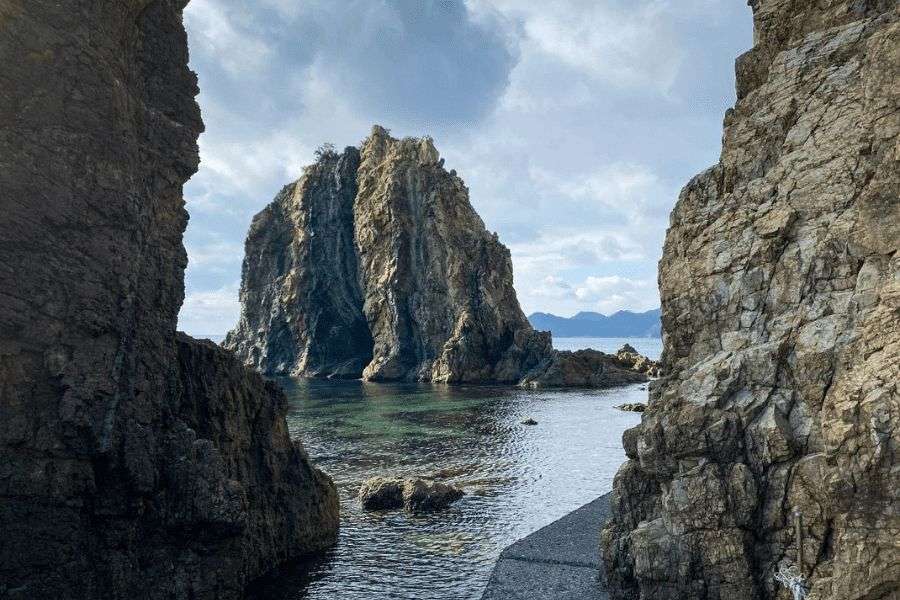
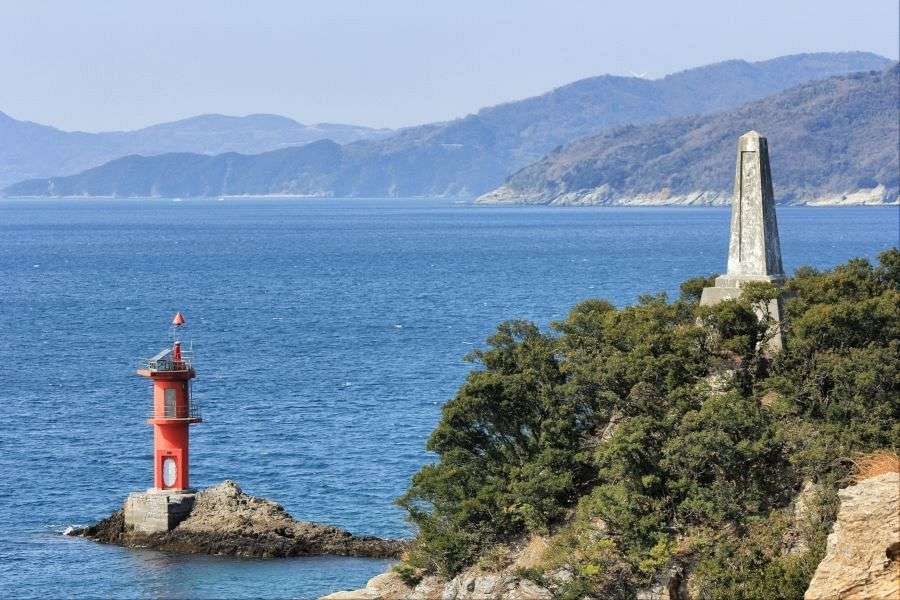
It’s an area of striking natural beauty. Sadamisaki Peninsula to the north rises steeply from the sea, terraced with tangerine fields. Immediately to the south is another peninsula, Cape Suwazaki. This finger of land is heavily wooded with a path through beautiful, wind-blown trees. At its tip is a rocky promontory with a pretty lighthouse and obelisk.
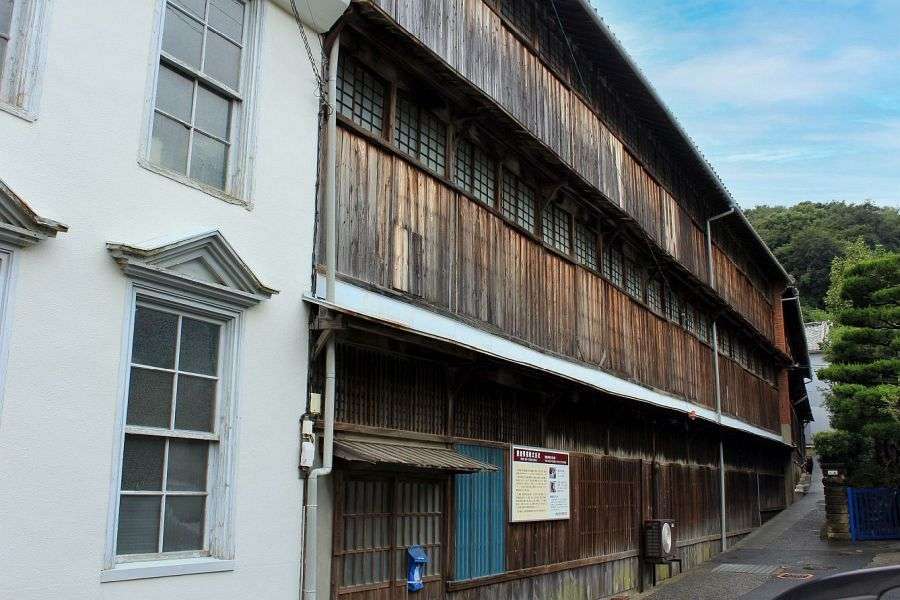
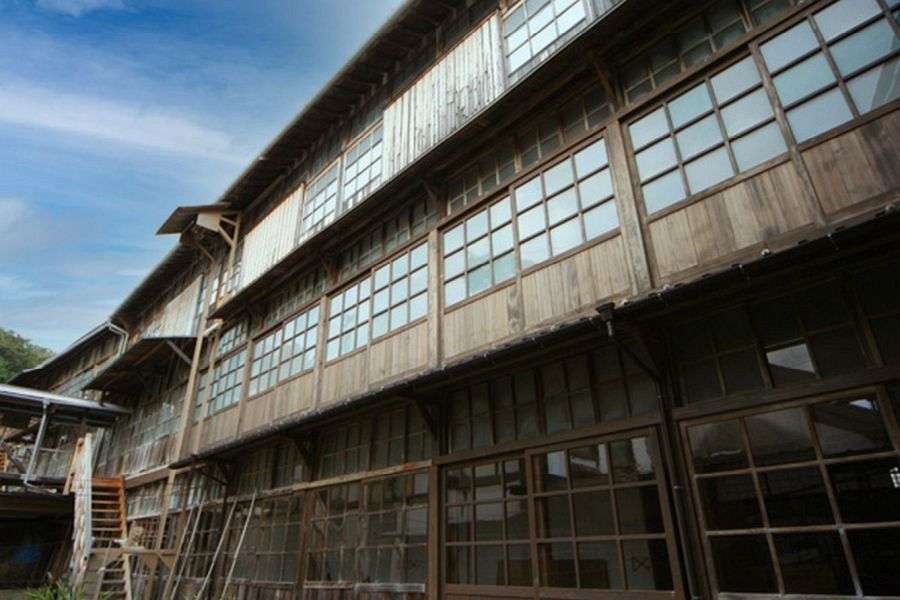
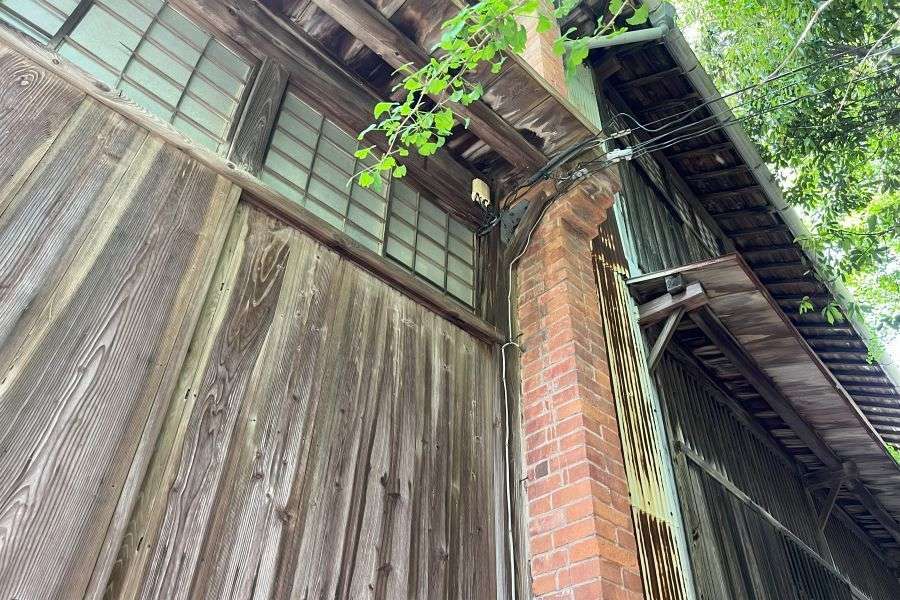
Yawatahama is really two separate places, the original port city and the nearby town of Hōnai which merged with Yawatahama recently. They’re separated by a mountain road and a tunnel, but both districts are worth visiting. Hōnai has streets of traditional buildings including a still-active sake brewery, and samurai dwellings.
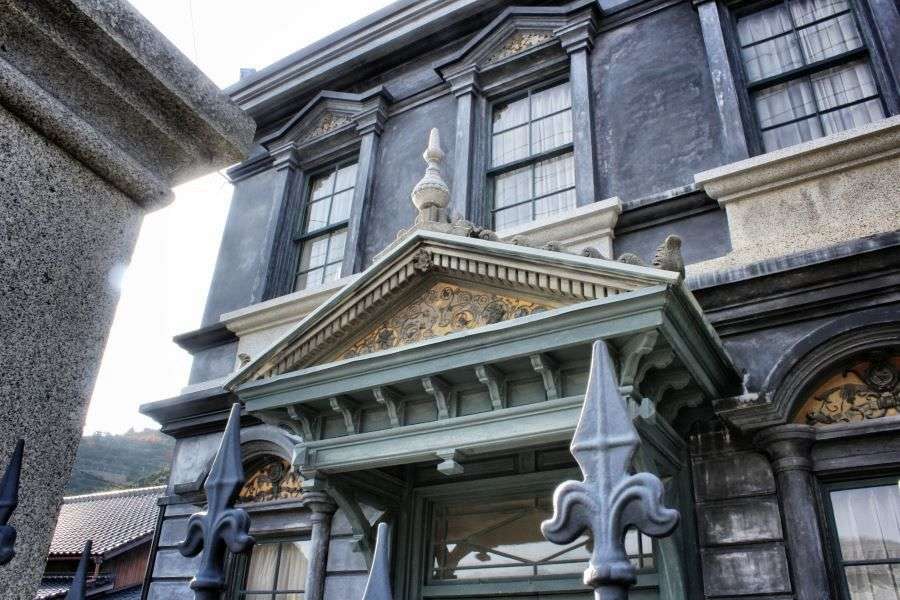
Yawatahama and Hōnai have an interesting history. In the Meiji period, Yawatahama welcomed many European engineers and other experts as advisers. The Shiraishi Watarō Yōkan, a guesthouse in a supposedly English style where foreigners were entertained, still exists in Hōnai. Such was the vigour of Yawatahama’s industry that it was referred to as the “Manchester of Shikoku”, which also gives some indication of how international it was many years ago. As Ehime’s leading industrial centre, the first bank in Ehime opened in Yawatahama in 1878, and in 1889, it became the first city in Shikoku to use electric lights.
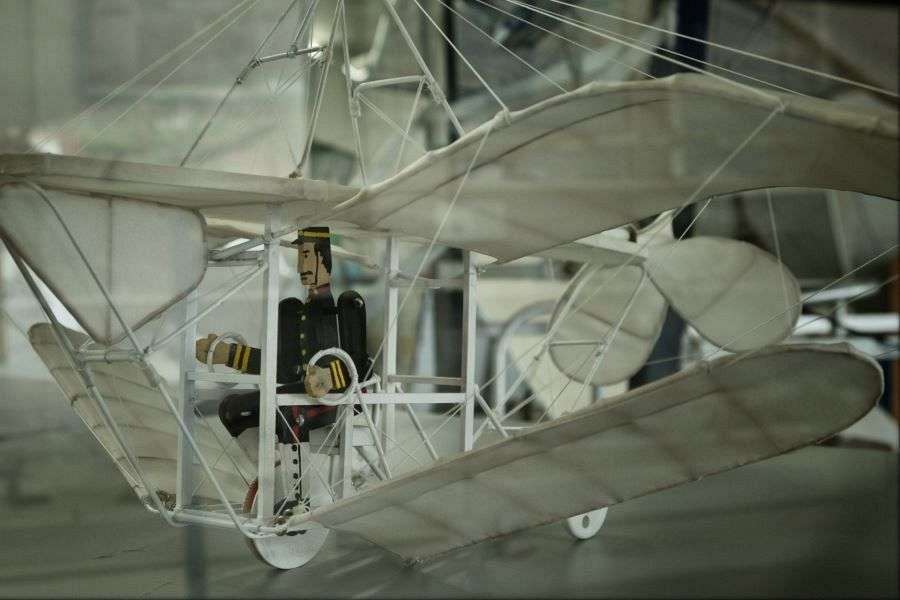
The city was also home to aircraft pioneer Ninomiya Chūhachi whose aeroplane designs were rejected by the Japanese military, thereby ceding the first flight to the Wright brothers. The sumo yokozuna Maedayama hailed from Yawatahama, as well as a celebrated early physician and a haiku poet.
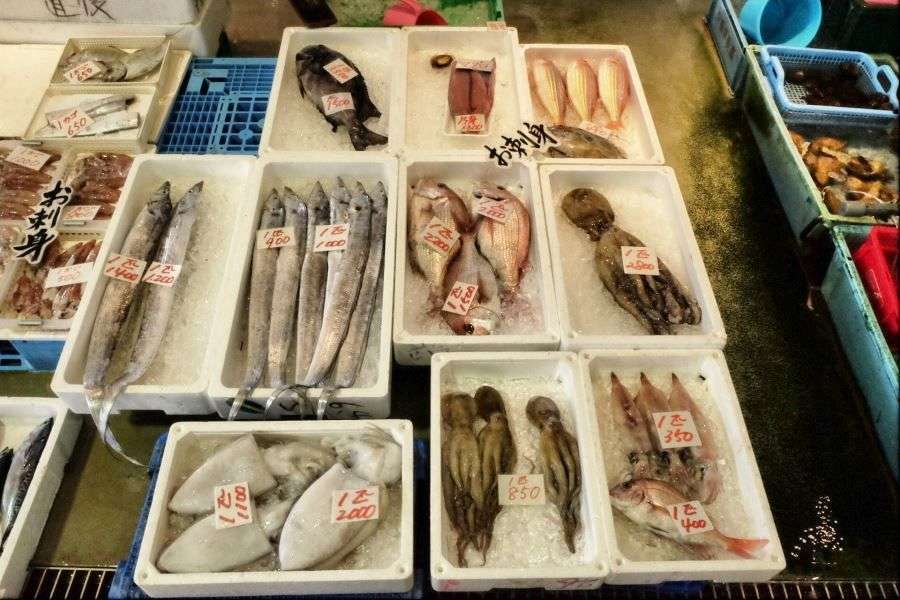
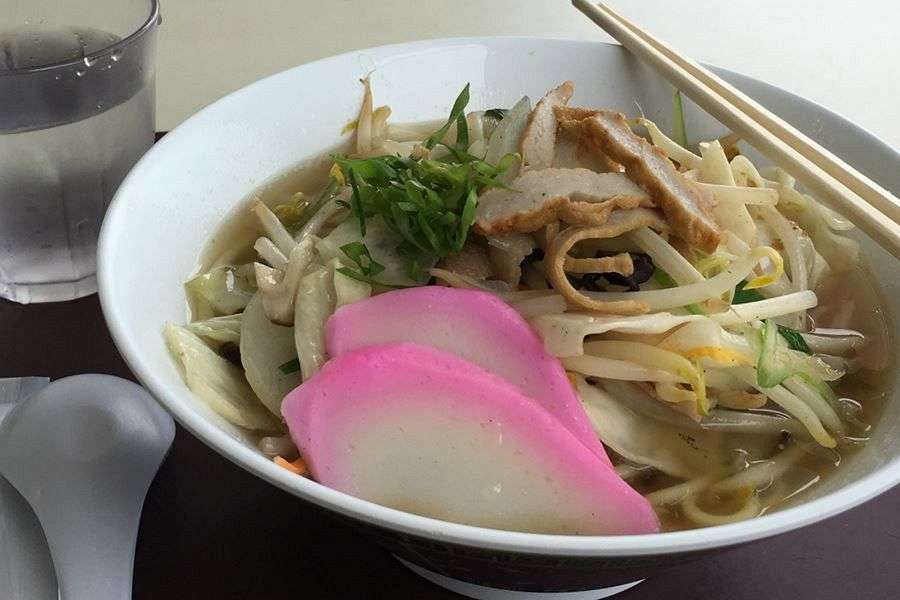
Yawatahama has a good natural harbour which allowed the city to prosper from fishing. The city recently completed a new fish and produce market. It’s a great place to see the local seafood before it’s turned into Japanese cuisine. In addition to fresh fish, Yawatahama also specializes in fish products including kamaboko made from pureed white fish, and jakoten, a deep-fried patty made of pureed whole fish. These products are often used in chanpon, the simple kind of ramen that Yawatahama has chosen as its signature meal. If you want to try your hand at fishing, there’s the Sea Road where you can catch farmed and open water fish.
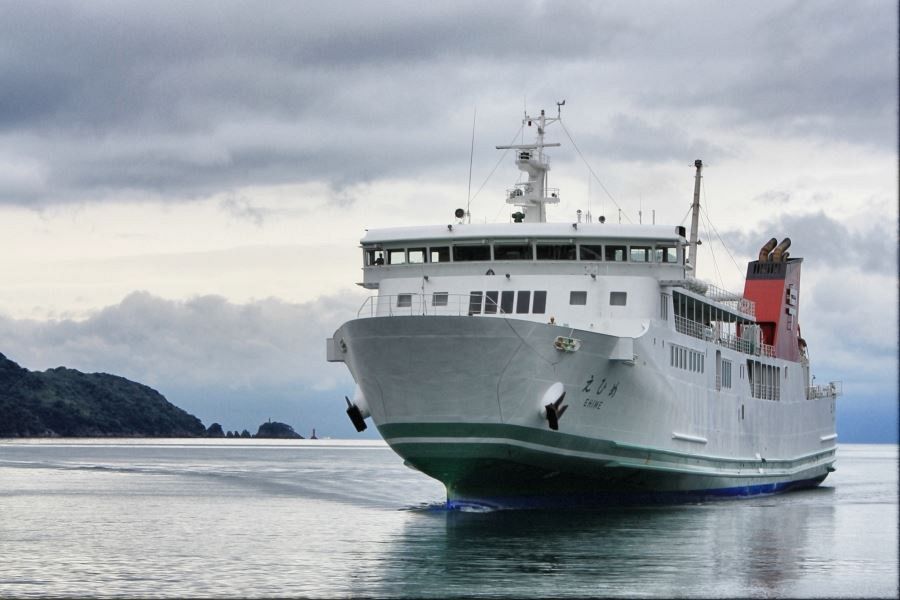
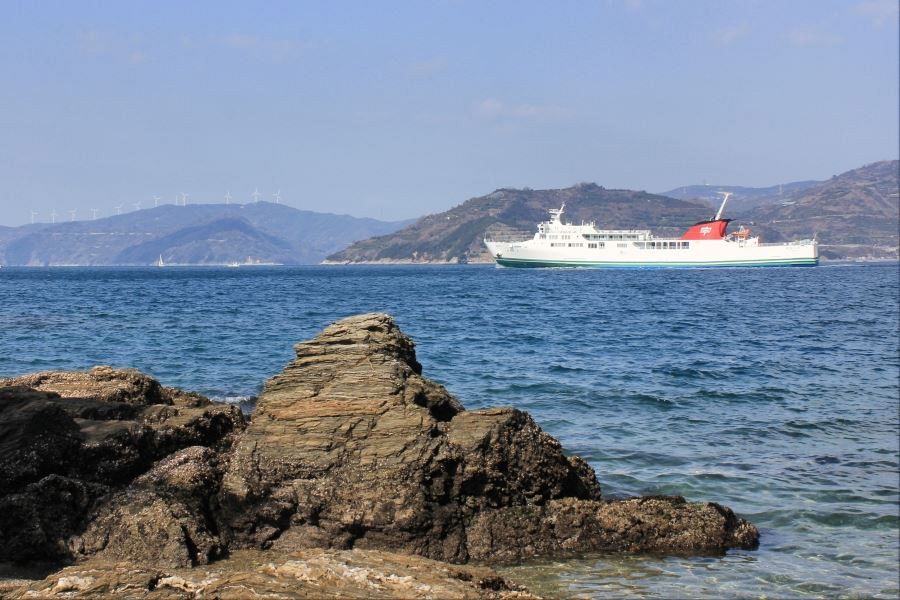
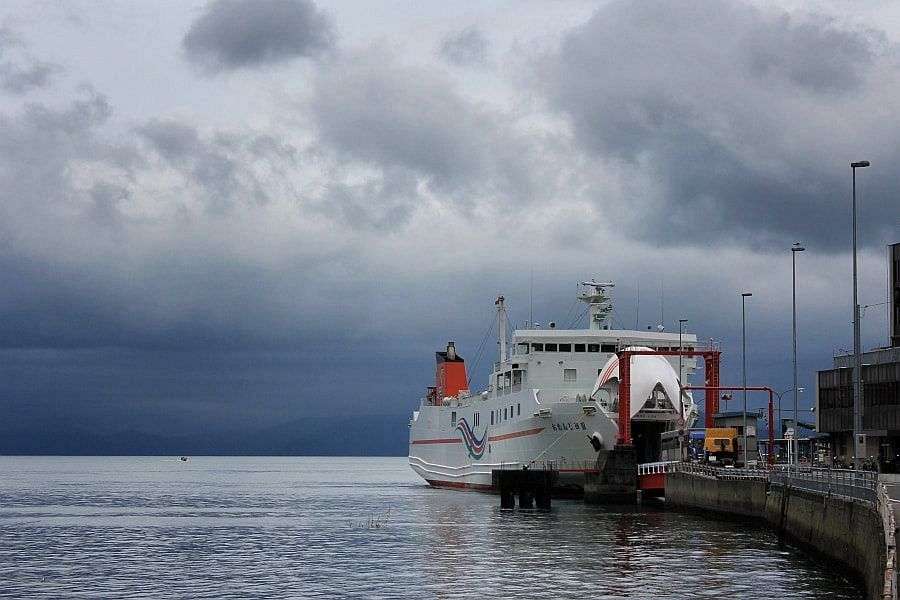
The harbour also has a ferry terminal, with frequent car and passenger ferries to Beppu and Usuki in Ōita Prefecture on Kyūshū. Uwajima-Unyu Ferries sails to both Beppu and Usuki, while Orange Ferry sails to Usuki. Near the ferry terminal, you can see ospreys diving into the river to catch fish.
Information
Name in Japanese: 八幡浜
Pronunciation: yawatahama
Address: Yawatahama, Ehime