Tokushima Prefecture
Shikoku
Region
Tokushima
Prefectural Capital
824,100
Population
Tokushima Awaodori
Airport
Awa Province
Feudal name
Temples 1 to 23
Shikoku pilgrimage temples
Anan, Awa, Mima, Miyoshi, Naruto, Tokushima, Yoshinogawa
Main cities
Introduction
Where vibrant Culture, stunning nature and thrilling adventures meet.
Tokushima Prefecture, on Shikoku’s eastern coast, marks the start of the famous Shikoku Pilgrimage and offers natural wonders like the world’s largest tidal whirlpools and emerald mountains. Celebrated for its lively Awa Odori dance festival and rich traditions, Tokushima blends striking landscapes with unique culture and local craftsmanship.
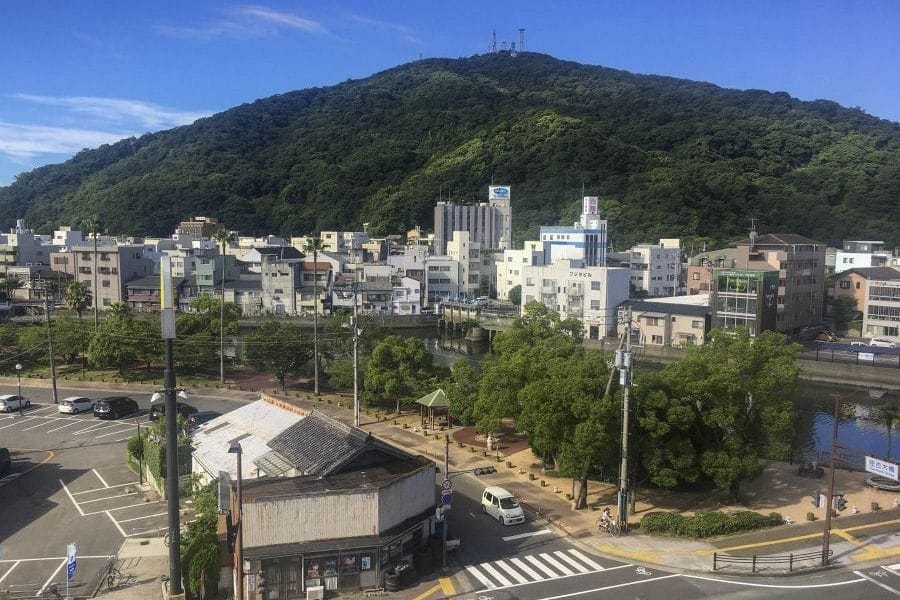
Tokushima Prefecture is located on the eastern central side of Shikoku, facing Okayama Prefecture across the Kii Channel. It can be reached from Honshu by road via the Akashi Channel Bridge, by ferry from Wakayama and by air. The prefectural capital of Tokushima is Tokushima City.
As part of the Ohenro Shikoku Pilgrimage, Tokushima is the first prefecture that pilgrims visit. Each of the prefectures has been assigned a symbolic phase — Tokushima represents the idea of Awakening.
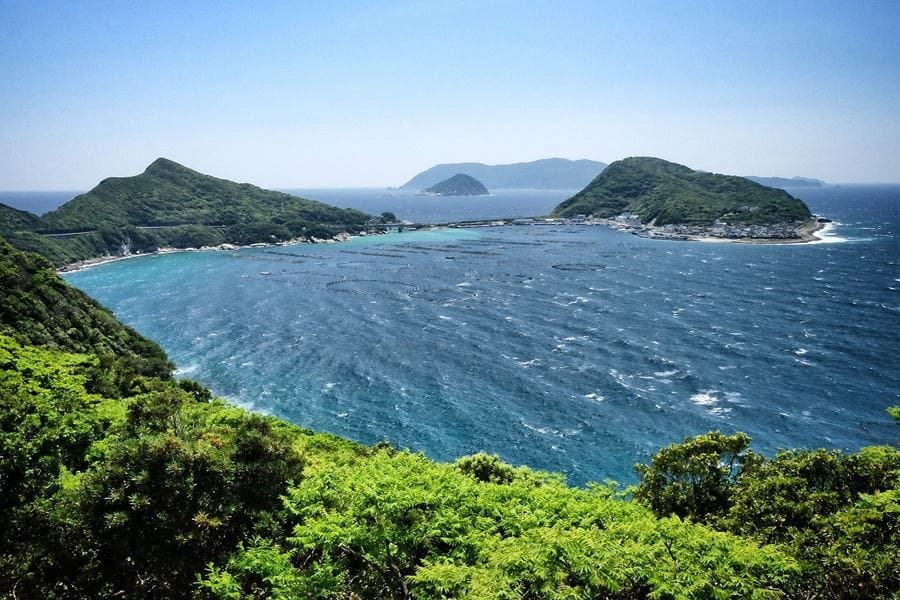
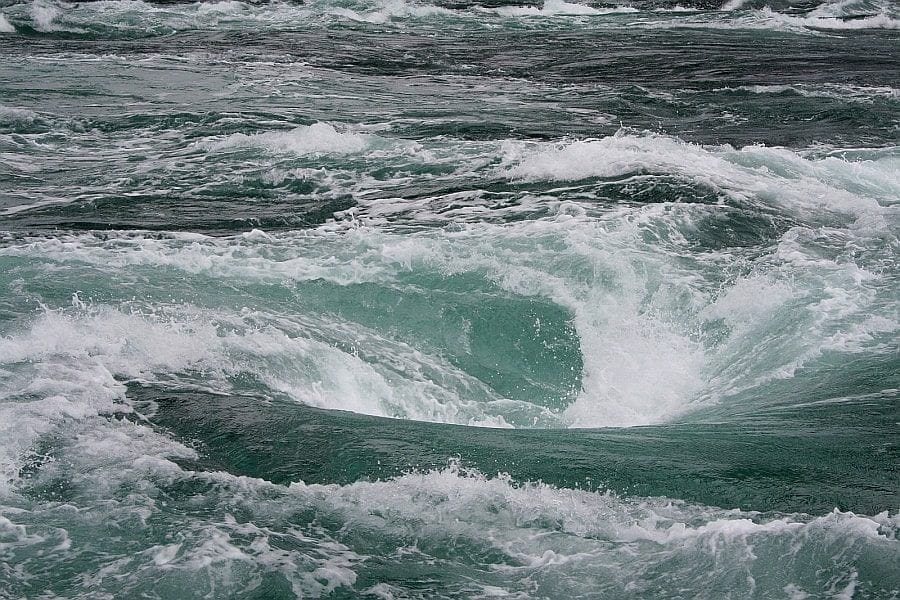
The Seto Inland Sea is connected to the Pacific by the Kii Channel, home to the world’s largest tidal whirlpools. These are best seen from the Tokushima side of the Naruto Strait.
Japan’s largest festival of traditional dance, the Awa Odori, is held in Tokushima city and other parts of the prefecture during Obon (12 to 15 August). The characteristic dances of the men and women are known as the “fools’ dance”.
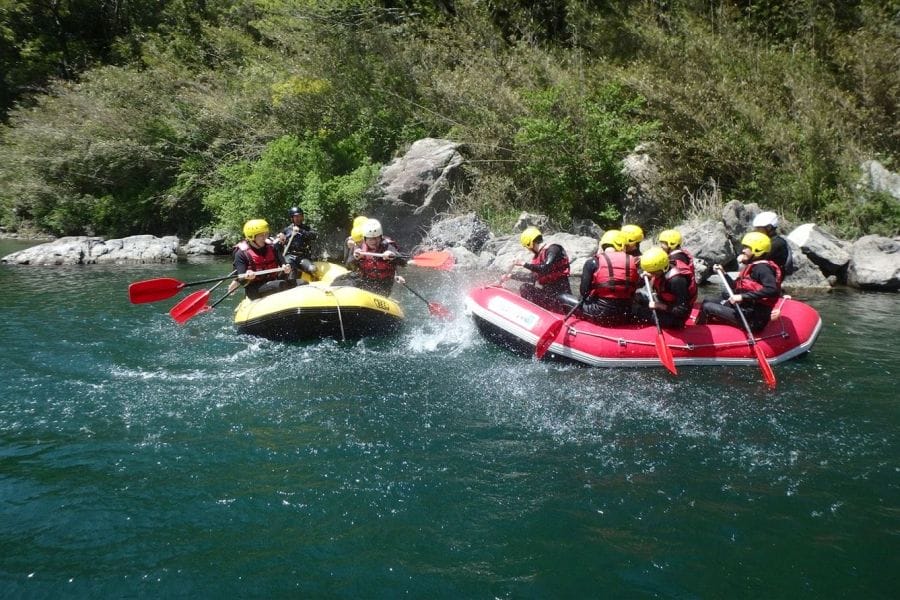
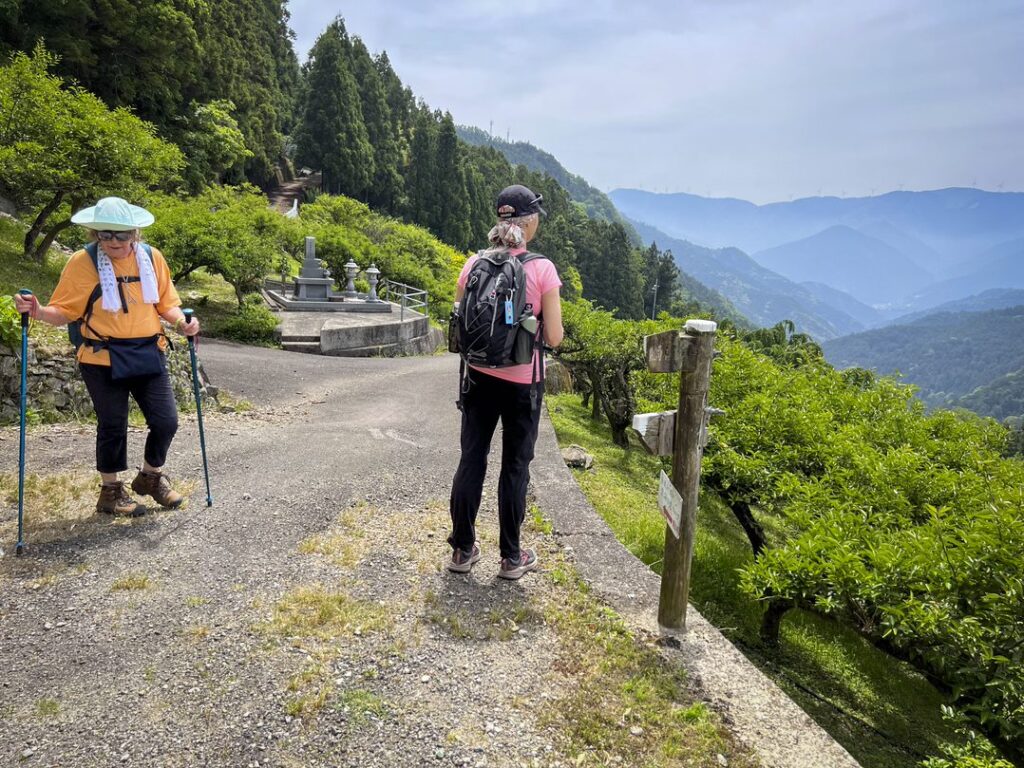
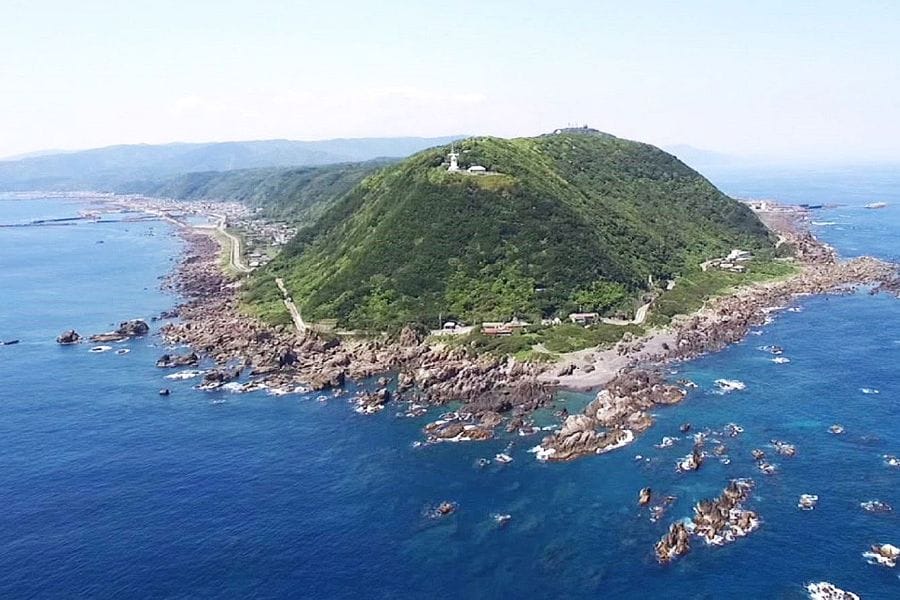

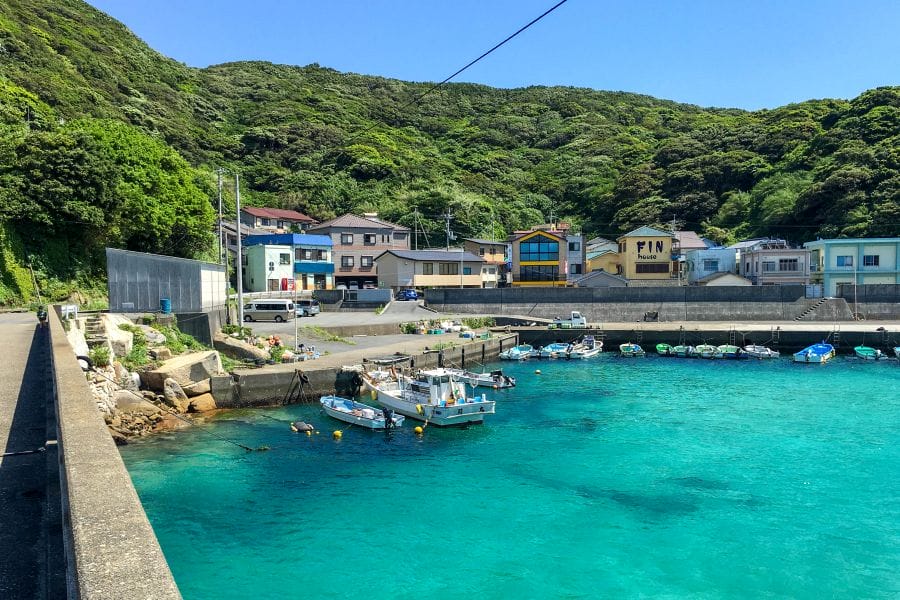
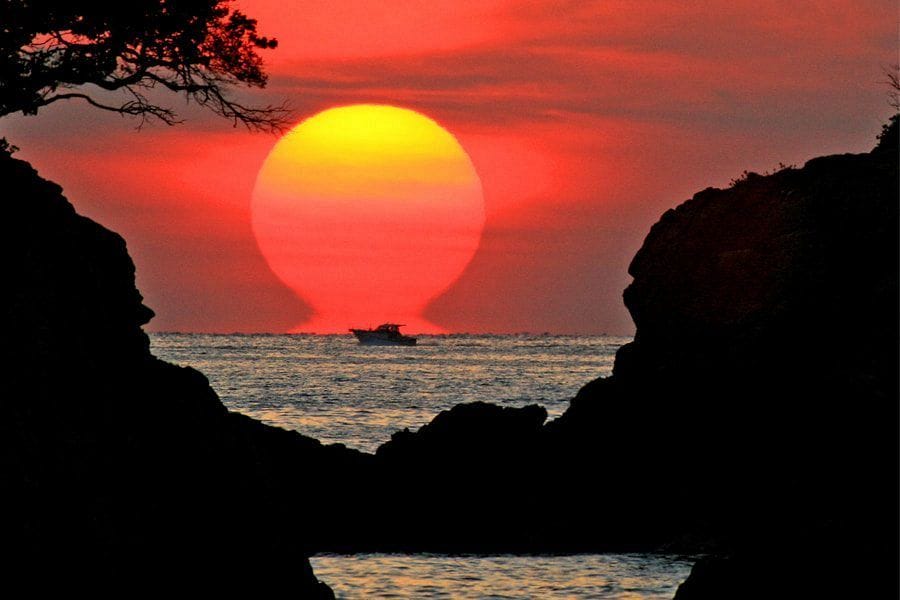
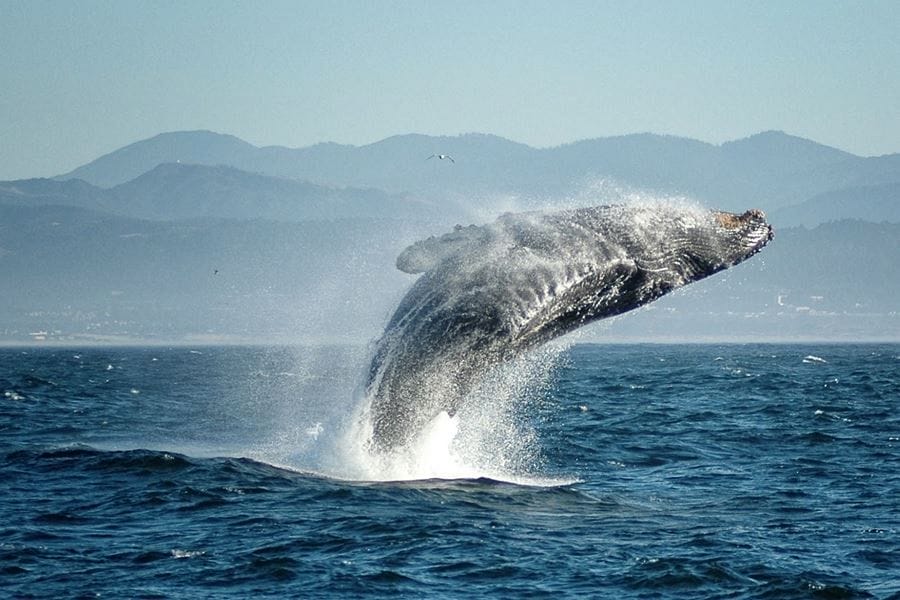
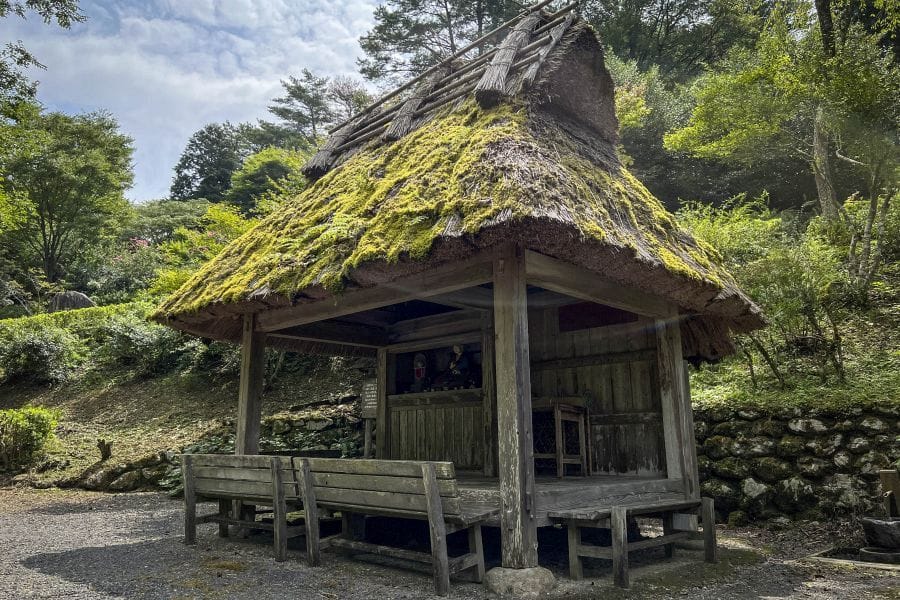
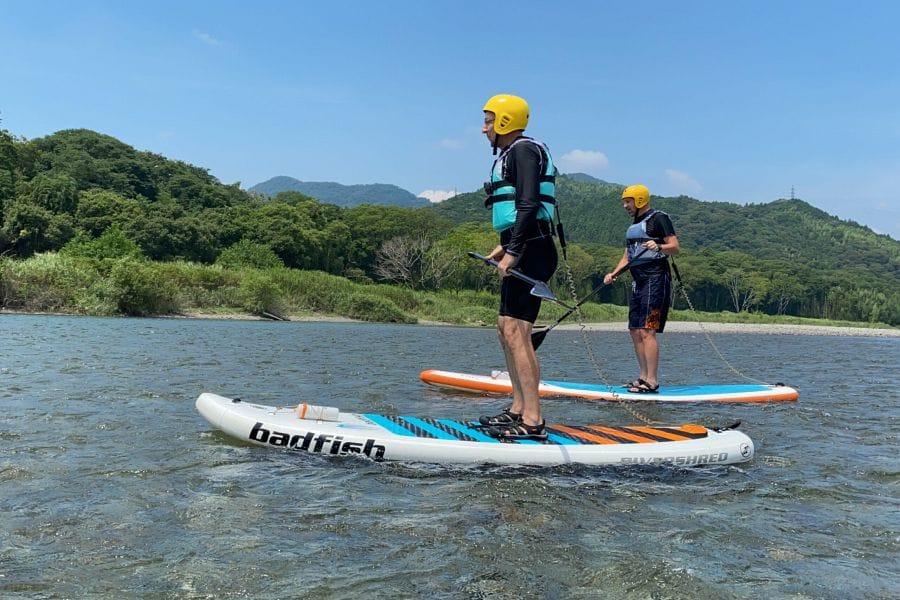
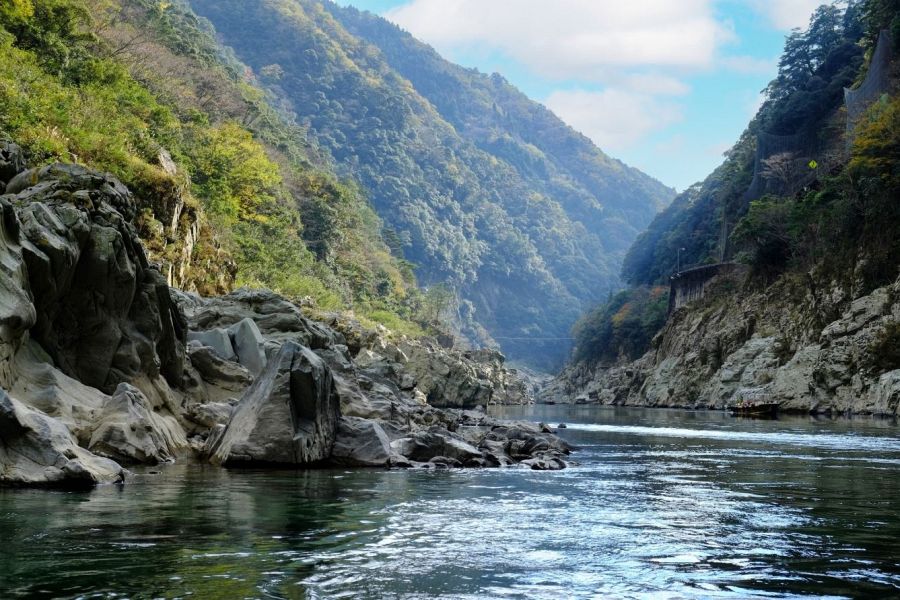
The interior of Tokushima is mountainous. The Iya Valley with its vine bridges was the refuge of the defeated rulers of Japan after their overthrow some 900 years ago. Mt. Tsurugi is a pristine wilderness, perfect for hiking. The dynamic Yoshino River offer Japan’s best whitewater rafting. As of 2012, nine percent of the total land area of the prefecture was designated as Natural Parks.
Indigo dye used to be a mainstay of Tokushima’s industry, and you can try your hand at dying gift items at the various local craft museums.
Besides its seafood and Tokushima ramen, the prefecture is known for its Naruto sweet potatoes, lotus roots and strawberries. The citrus fruit sudachi is used to garnish fish, and as a flavouring in shochu mixes.
Best of Kōchi
Explore iconic natural phenomena, historic sites, and cultural treasures, from the swirling Naruto whirlpools and scenic Iya Valley to the exhilarating Awa Odori festival and hands-on indigo dye workshops.
Iya Valley
The Iya Valley is known for its dramatic mountain valleys, suspension bridges made of vines, and scenic onsen.Iya Valley Vine Bridge
A bridge of vines over the scenic Iya River.Naruto whirlpools
Famous tidal whirlpools in the Naruto Strait, a channel between Naruto in Tokushima and Awaji Island.


Our Kōchi Tours
Experience Tokushima firsthand with our specially curated tours. More options are available in the Multiday Tour section. Dates are flexible, and prices reflect the sample itineraries shown. Customizations are welcome, just ask for a quote.
Contact Us