
kitamaebune merchant Ships
Operating between Ōsaka and Hokkaidō the kitamaebune merchant fleet amassed huge wealth by buying and selling local goods at every stop.
Operating between Ōsaka and Hokkaidō from the eighteenth to late nineteenth century, the kitamaebune merchant fleet amassed huge wealth by buying and selling local goods at every stop. Sheltered ports like Mitarai provided critical refuge from violent currents, leaving behind stone quays, merchant mansions, and maritime trade routes that shaped modern Japanese food and regional infrastructure.
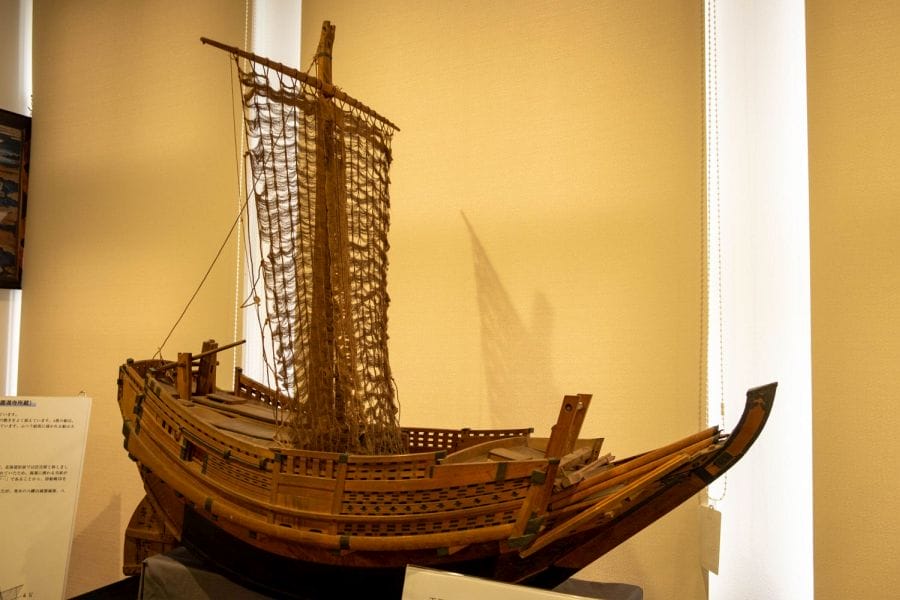
The merchant fleet known as the kitamaebune—or northern-bound ships—transformed Japan’s domestic economy from the mid-eighteenth century through the late nineteenth century. These single-masted wooden vessels worked the western maritime circuit, linking the commercial warehouses of Ōsaka to the frontier trading posts of Hokkaidō by way of the Seto Inland Sea and the Sea of Japan. What set them apart from ordinary freight carriers was their operating structure; they weren’t transport hauliers working for a fixed carriage fee. Instead, the captains functioned as independent speculators who purchased whole cargoes out of pocket at wholesale rates in one port, sailed them hundreds of kilometres, and sold them wherever supplies were scarce. Because price disparities between the urban south and the remote north were enormous, a single commodity run could yield extraordinary returns. If a master completed just one round-trip voyage across a sailing season without disaster, he’d regularly clear enough profit to finance the construction of an entirely new replacement ship.
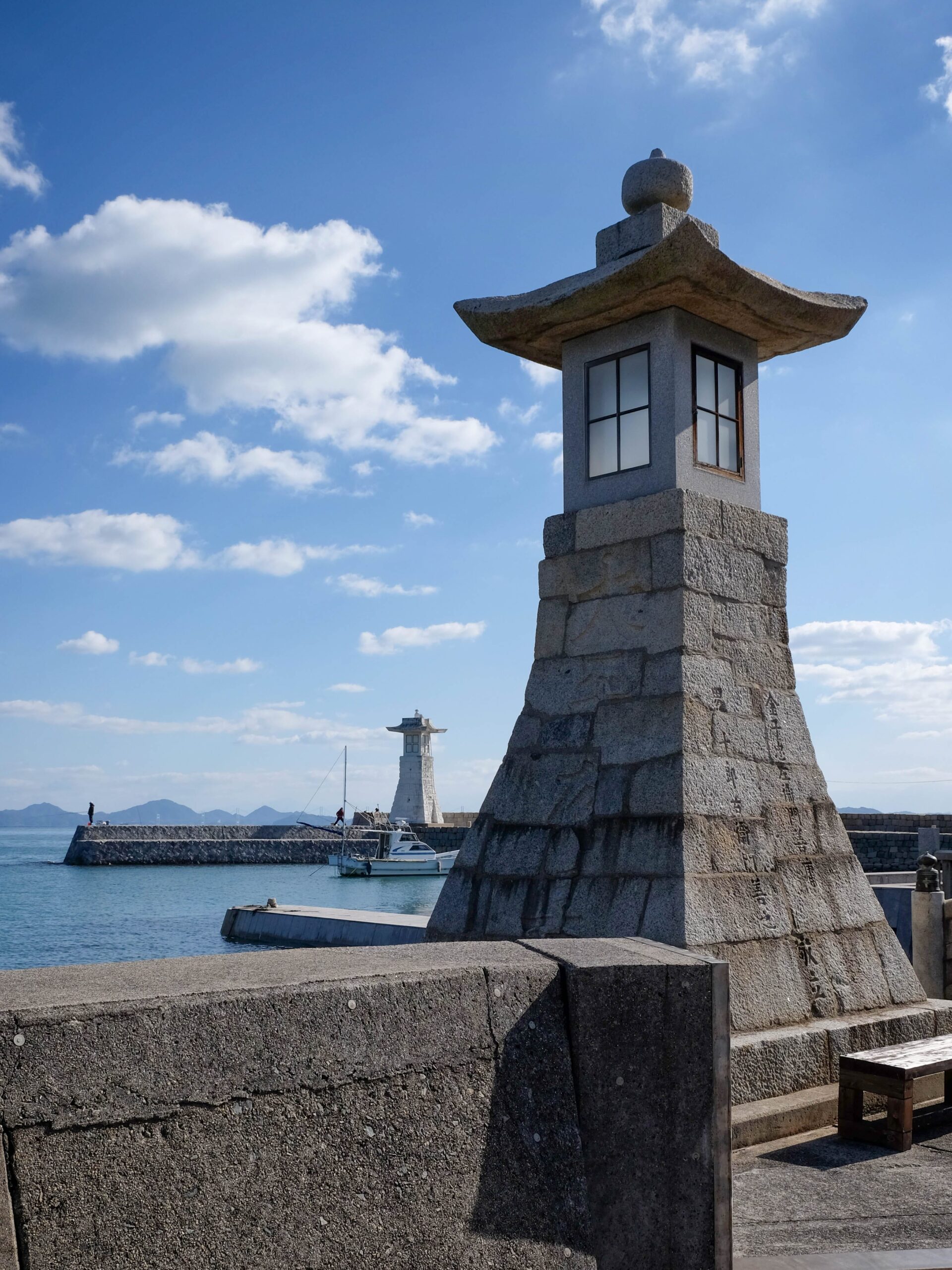
The goods carried in their holds fundamentally altered agriculture and diet across the country. Southbound voyages from Hokkaidō brought vast quantities of dried herring fertiliser and pressed fish cakes, rich in nitrogen. Farmers across western Japan bought this fertiliser in bulk to drive record harvests in their cotton fields and rice paddies, feeding the rapid urban growth of the era. The fleet also transported dried kelp in such quantities that it laid the foundation for the soup stocks that still define cooking in Ōsaka and Kyōto. Northbound, captains packed their holds with polished rice, salt, refined sugar, cotton textiles, and iron tools. Because vessels leaving the Inland Sea rode high in the water before assembling their full cargo, crews loaded blocks of quarried Inland Sea granite into their bilges as stabilising ballast against coastal swells. When they reached northern harbours in Tōhoku and Hokkaidō, they didn’t discard the rock; they unloaded and sold the dressed stone to municipal authorities to construct breakwaters, paved slipways, and shrine lanterns that remain intact today.
Navigating this circuit required specialised coastal havens because the ships carried a single large square sail engineered to run before the wind, leaving them unable to sail close to the wind or force their way through fierce channel tides. The port of Mitarai, situated at the eastern tip of Ōsaki Shimojima in Hiroshima Prefecture, served as one of the most vital anchorages on the Inland Sea. Tidal races through the neighbouring Kurushima Strait run at up to ten knots, creating turbulent water that forced crews to drop anchor and wait for turning tides and favourable breezes. Mitarai provided a deep-water basin protected on three sides by island topography, allowing dozens of heavy merchant craft to wait in safety. The town grew to handle their prolonged stops, constructing stepped stone quays that allowed stevedores to load and unload cargo across a four-metre tidal range. Feudal authorities from regional domains, including Chōshū, Uwajima, and Kishū, built permanent trading agencies along the waterfront to sell local commodities directly to passing captains, while large timber teahouses entertained the stranded crews through weeks of contrary weather.
Beyond Mitarai, the trade route relied on an interconnected chain of deep-water harbours and river estuaries. At the western mouth of the Inland Sea, Shimonoseki controlled the passage into the Sea of Japan, operating as a mandatory staging port where captains took on fresh provisions, repaired rigging, and bought shipping intelligence from licensed maritime agencies. Further north along the coast, Ogi on Sado Island offered a sheltered harbour for crews seeking refuge from the sudden gales that sweep the northern sea. On the northern mainland coast, the port of Sakata in Yamagata Prefecture served as the shipping terminal for the grain yields of the fertile Shōnai Plain. River craft brought bags of rice down the Mogami River directly to waterfront storehouses, where stevedores transferred the grain into the ocean-going fleet. The merchant dynasties based in Sakata, led by the Honma family, amassed such colossal fortunes from trading this grain that they underwrote the debts of entire feudal domains, built sprawling fireproof storehouses, and planted coastal pine forests to stop drifting sand from choking the river entrance.
The vast wealth accumulated along the sea route didn’t remain in Ōsaka or Hokkaidō, but concentrated in the home ports of the vessel owners along the Hokuriku coast. In settlements like Hashidate and Kuroshima in Ishikawa Prefecture, shipmasters invested their shipping fortunes into formidable residential compounds. You can walk through neighbourhoods lined with stone walls and timber palisades built from weathered ship timbers, coated with red iron-oxide preservative. The houses feature heavy sliding gates, exposed keyaki-wood pillars, and roofs laid with dark, iron-glazed ceramic tiles engineered to withstand freezing gales and corrosive sea spray. Inside, owners fitted their guest halls with fine cedar panelling, gilded screens, and lacquered cabinetry that rivalled the palaces of domain lords. At northern terminals such as Matsumae and Esashi in Hokkaidō, local trading houses constructed thick, stone-clad storehouses along the quayside to hold the valuable sea harvests and timber through the winter freeze.
Ship construction advanced significantly in the late eighteenth century when the weaver Matsuemon of Takasago invented an exceptionally tight, two-ply cotton canvas sail. This durable cloth replaced fragile woven-straw sails, enabling captains to sail closer to the wind and cut weeks from their voyages. Yet the economic foundation of the trade evaporated quickly in the Meiji era. The completion of the national telegraph network in the 1870s allowed regional market prices to be transmitted across Japan within minutes, ending the regional price discrepancies that made speculative cargo runs profitable. Simultaneously, the development of steamship services and the national railway network offered fixed, year-round transport that didn’t depend on coastal tides or wind directions. While the wooden fleet had ceased operations by the early twentieth century, you can still observe its impact in the stone piers of Mitarai, the granite fortifications of northern ports, and the culinary traditions that link the northern seas to the kitchens of western Japan.
Japan Adventurer’s tours visit many of the attractive ports and harbours along the Seto Inland Sea and Japan Sea coast once visited by the kitamaebune, where you can still feel the romance of this once crucial endeavour.