Shintō Shrines vs. Buddhist Temples
When visiting Japan, it’s common to come across both Shintō shrines and Buddhist temples—two distinct but often coexisting pillars of Japanese spirituality. Though they may look similar at a glance, shrines and temples serve different purposes and reflect different beliefs. Understanding the differences between shrines and temples adds depth to your visit.
On our tours you visit both temples and shrines. On our Shikoku Pilgrimage tours, you’ll visit many, and this handy guide will allow you to tell them apart and understand what each represents.
Religious background
Shintō Shrines (jinja):
Shrines belong to Shintō, Japan’s indigenous religion that focuses on nature spirits known as kami. It has no founder, sacred texts, or central authority.
Buddhist temples (tera):
Temples are a part of Buddhism, which was introduced to Japan from China and Korea in the 6th century. Buddhism is a spiritual path based on the teachings of the historical Buddha.
Entrance markers
Shrine:
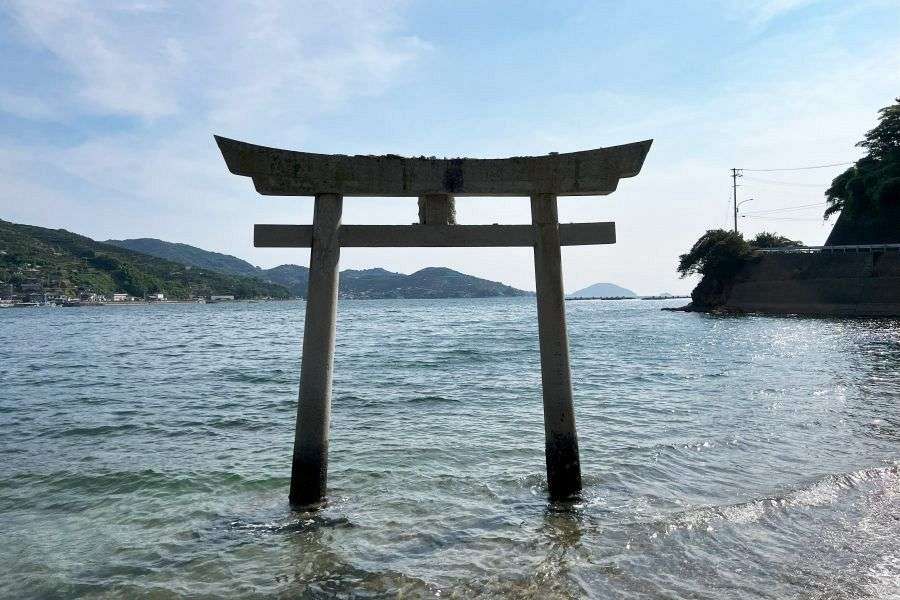
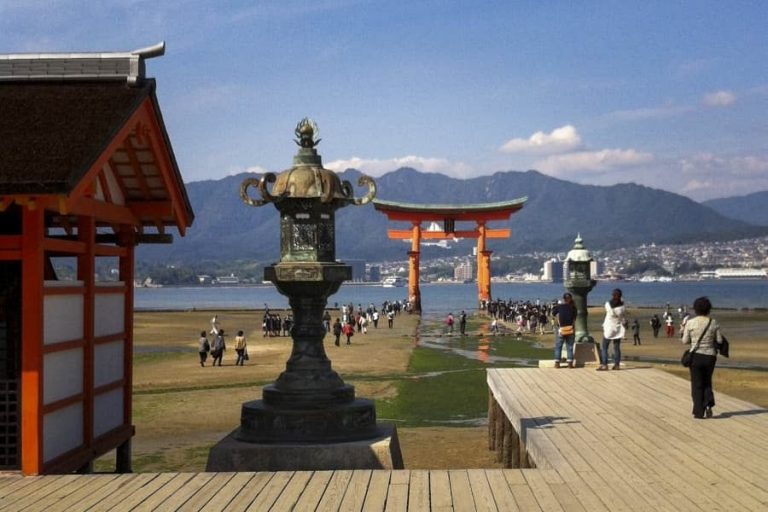
Look for a symbolic gate (torii), painted red or unpainted wood or stone. It marks the entrance to sacred ground.
Temple:
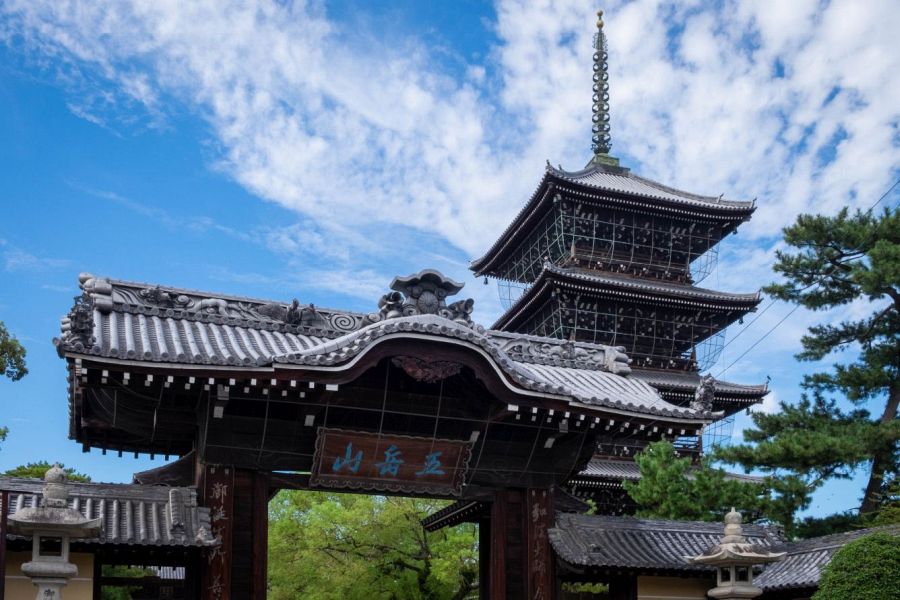
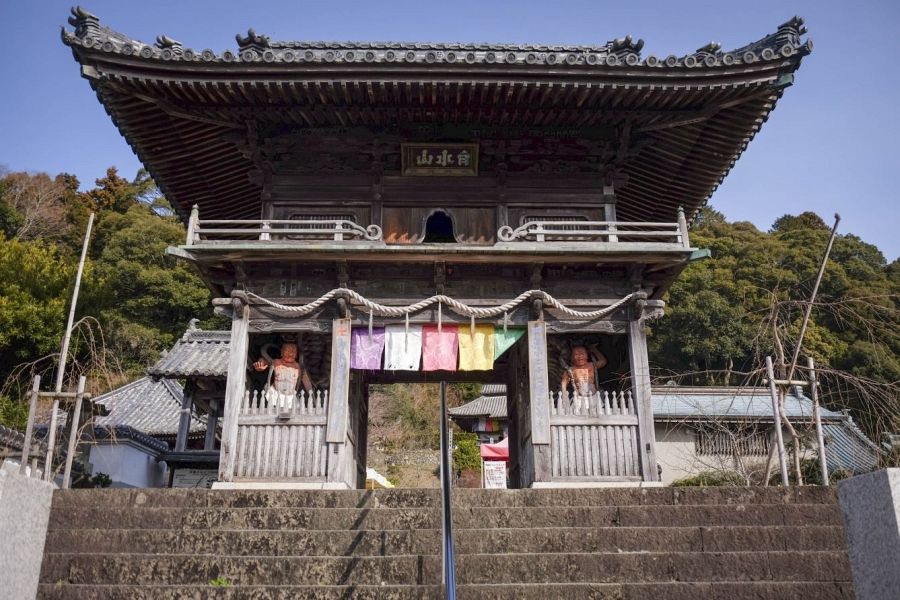
Temples often have substantial gates (sanmon), roofed structures made of wood or stone.
Deities and figures
Shrine:
Shrines enshrine nature deities or ancestral spirits (kami). These are unseen and represented symbolically.
Temple:
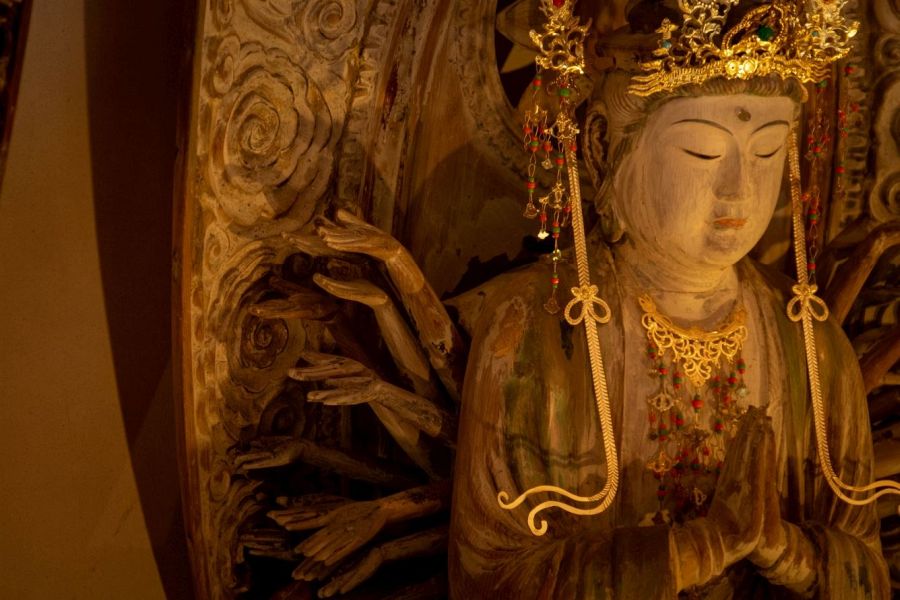
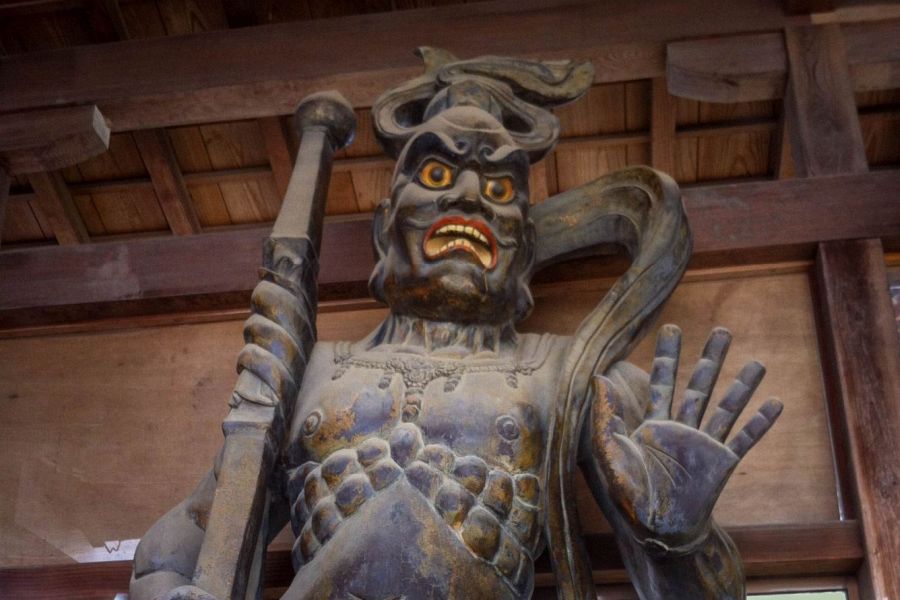
Temples enshrine Buddhas, bodhisattvas, and other figures. These are typically represented as statues inside the main hall and around the precincts.
Architecture
Shrine:
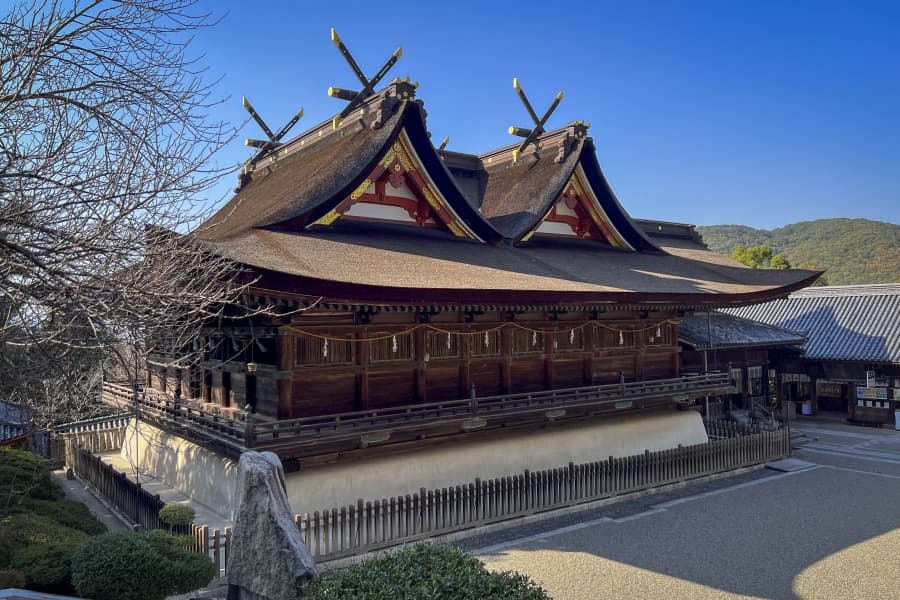
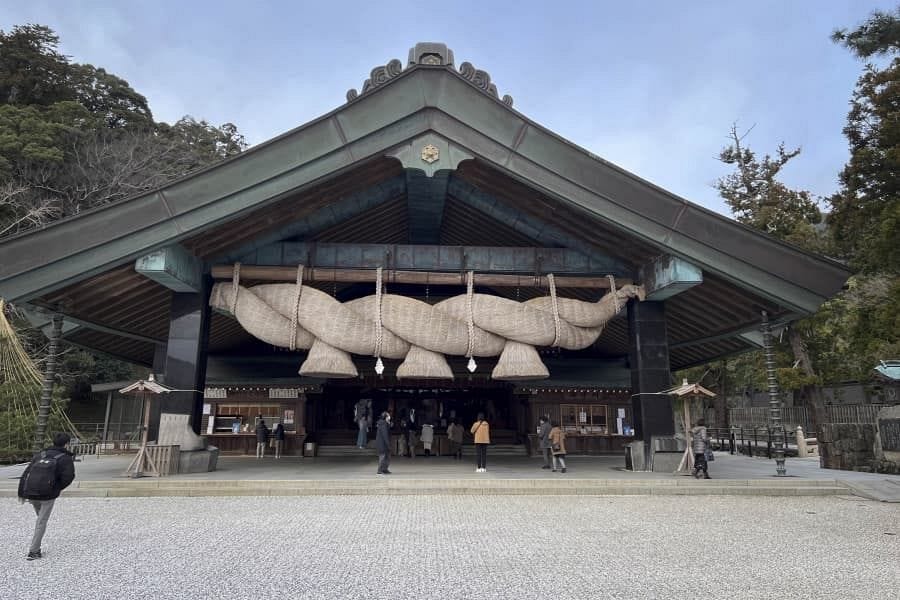
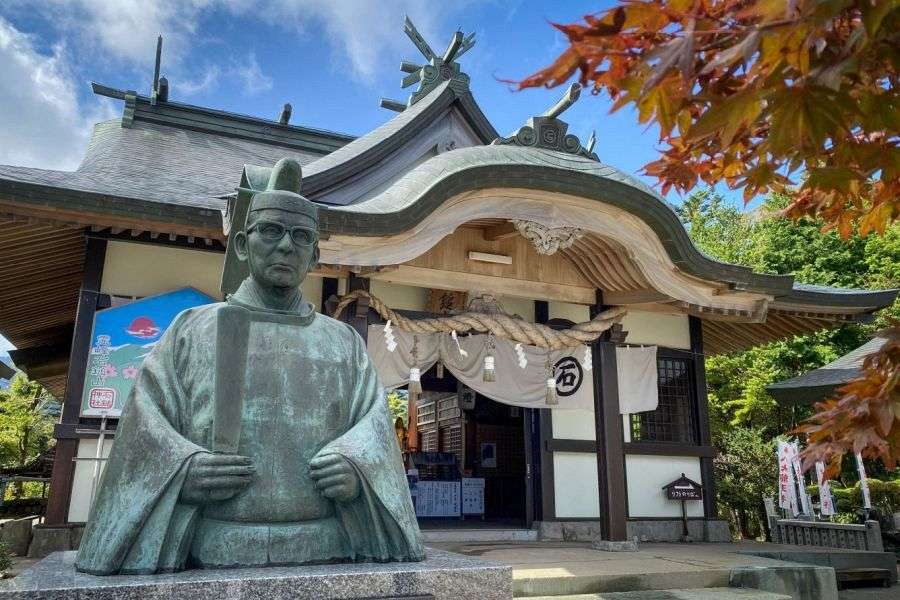
Shrines are typically wooden structures with sloping roofs. Common elements include a symbolic gate (torii), and a worship hall (haiden) with a small, higher main sanctuary (honden) behind it. The roofs may have extended gable ends and log-like structures on the roof ridge. A straw rope (shimenawa), often hung with zig-zag strips of paper, marks sacred areas.
Temple:
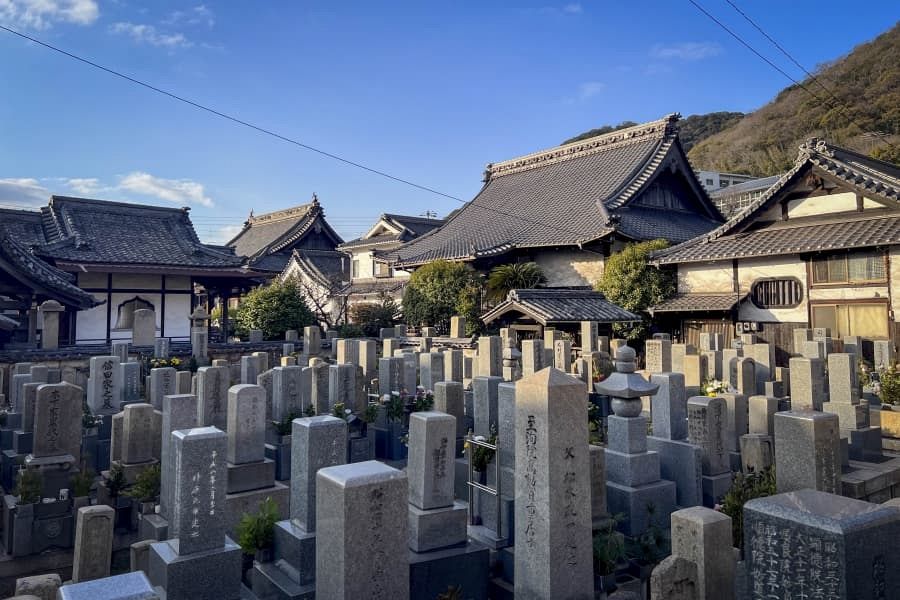
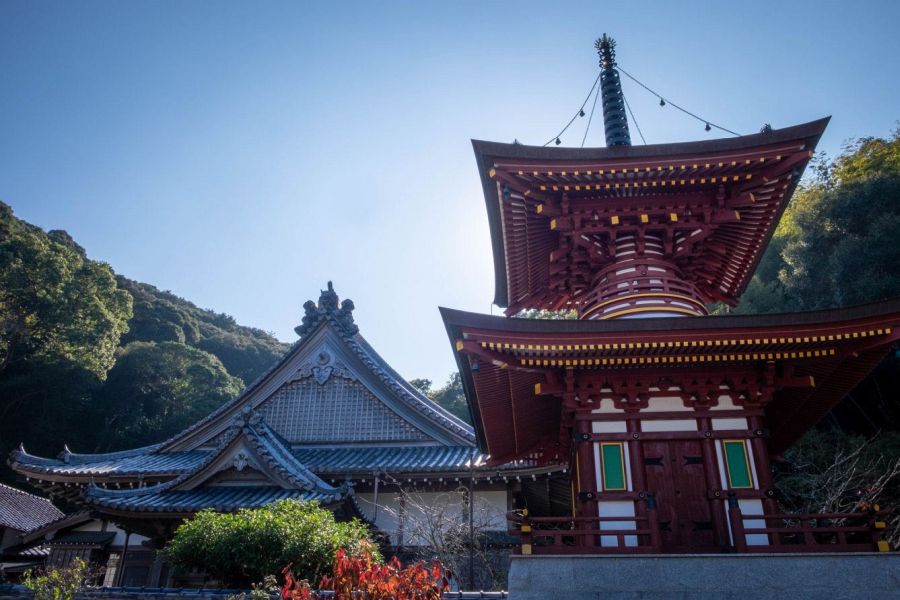
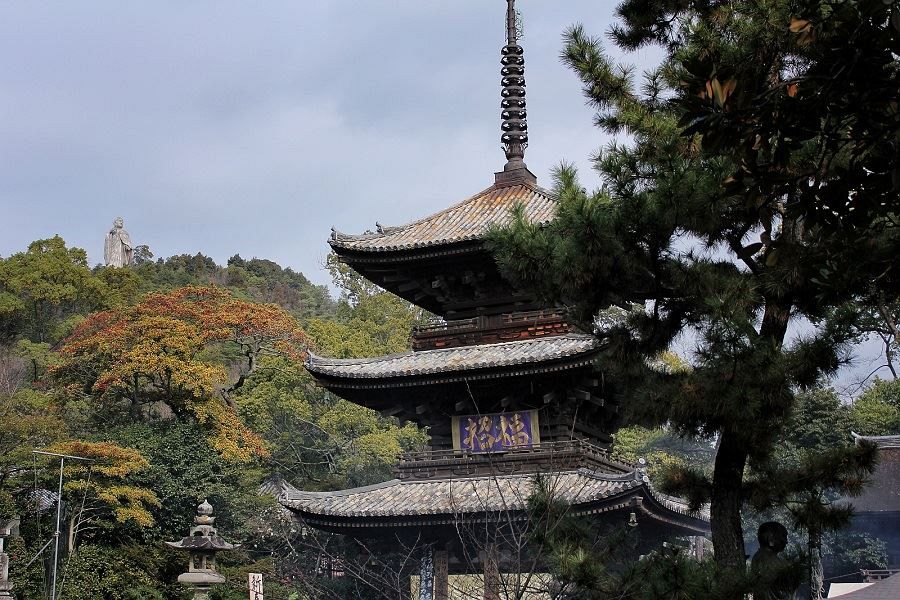
Temples typically have a large wooden gate and a main hall (hondō) with a high tiled roof. They usually have a belfry and a cemetery. Larger temples may have a pagoda.
Rituals and practices
Shrine:
- Wash hands and mouth at a purification basin (temizuya).
- Bow twice, clap twice, and bow once again before praying.
- Often visited for events like New Year’s (hatsumōde) and children’s day (shichi-go-san).
Temple:
- Bow and sometimes burn incense.
- Prayers are often silent or involve chanting sutras.
- Temples are common for funerals and ancestral worship.
Symbols
Shrine:
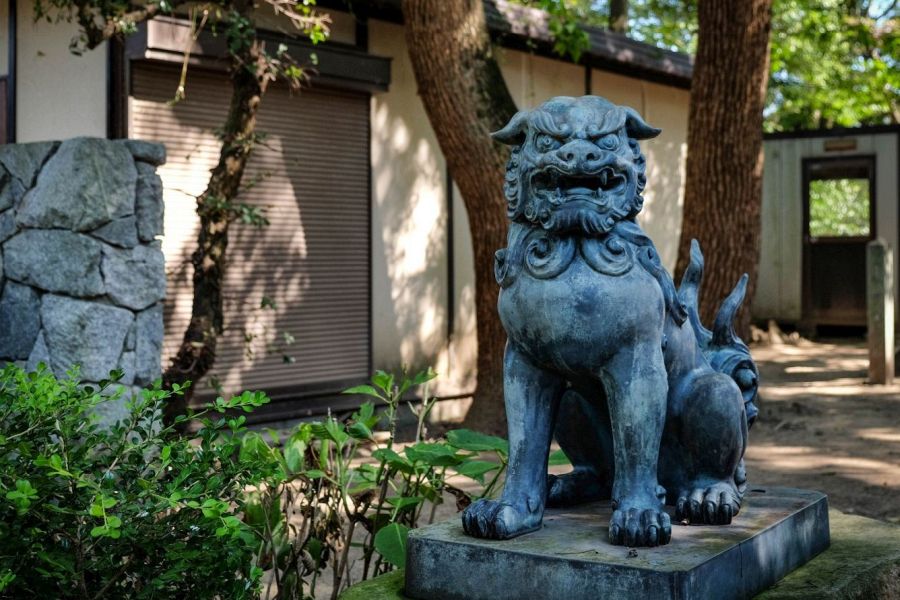
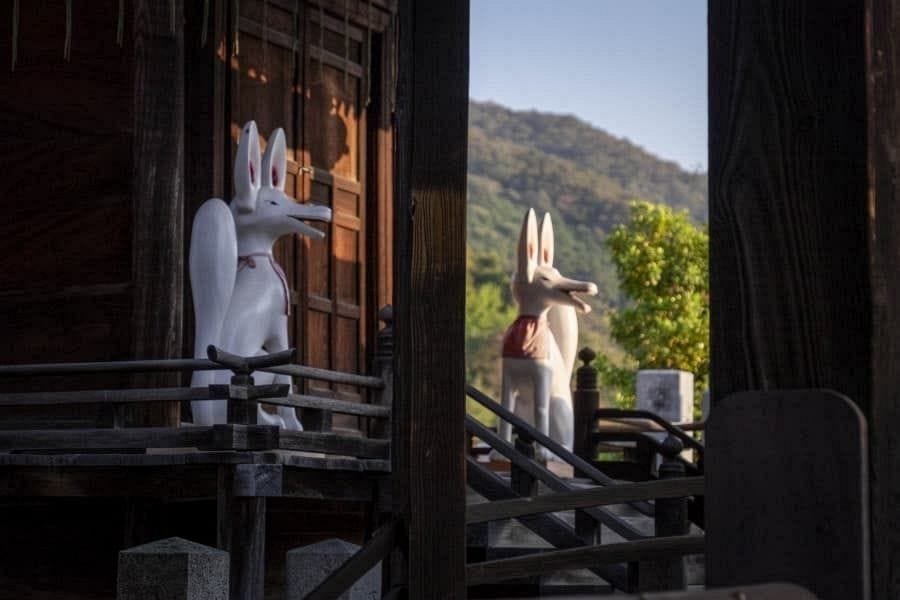
Shrines often features symbols like lion-dogs, foxes (Inari shrines), mirrors, and sacred ropes. Shrines sometimes have military relics within their precincts.
Temple:
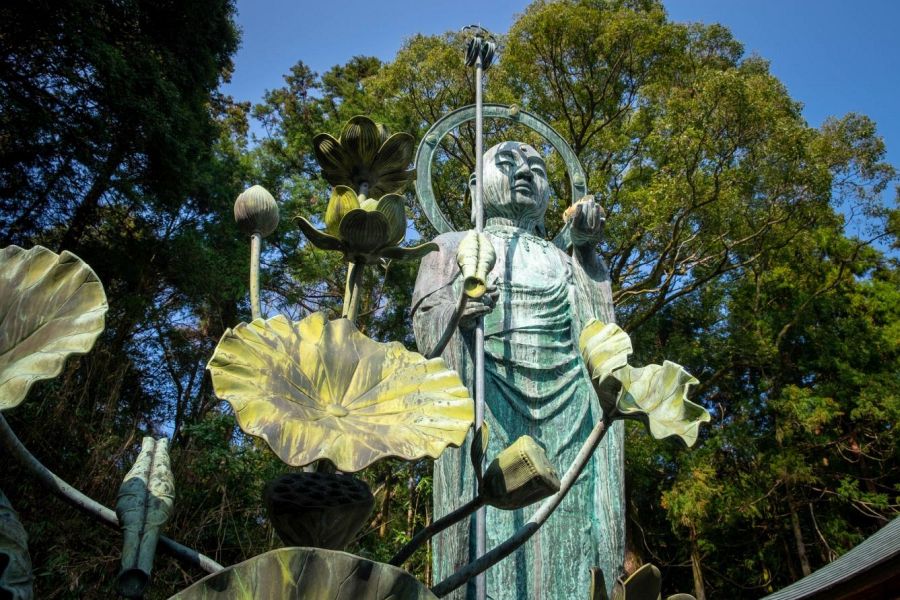
Common symbols include swastikas, lotus flowers, wheels (dharmachakra), and guardian statues like Niō, Jizō, and Kannon.
Priests and monks
Shrine:
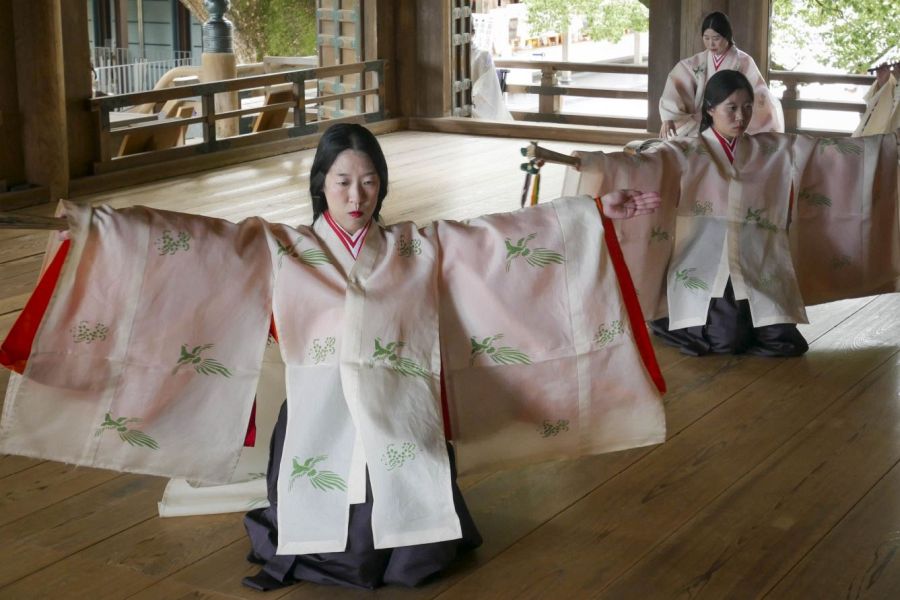
Staffed by Shintō priests (kannushi), who conduct rituals and maintain the grounds. They wear white robes and black hats. They don’t shave their heads.
Temple:
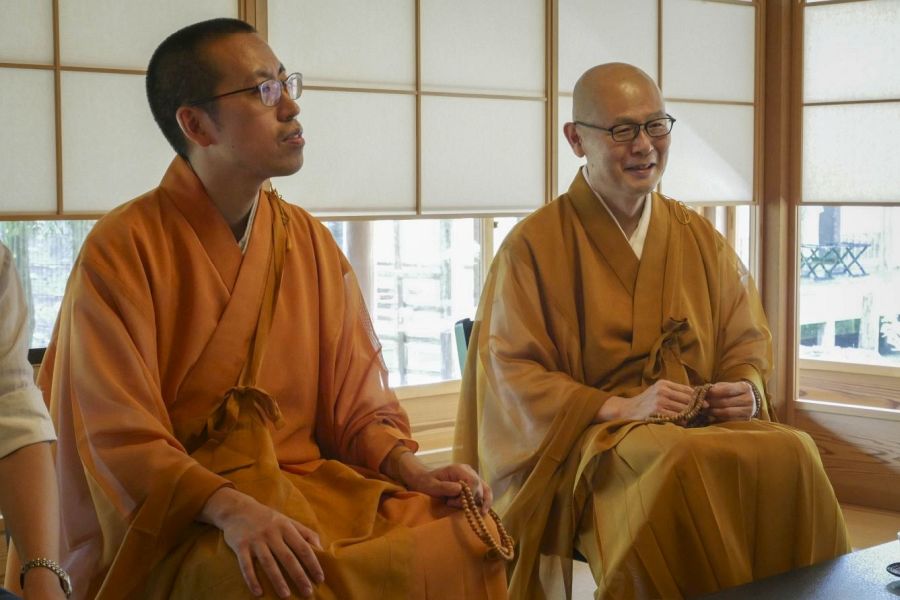
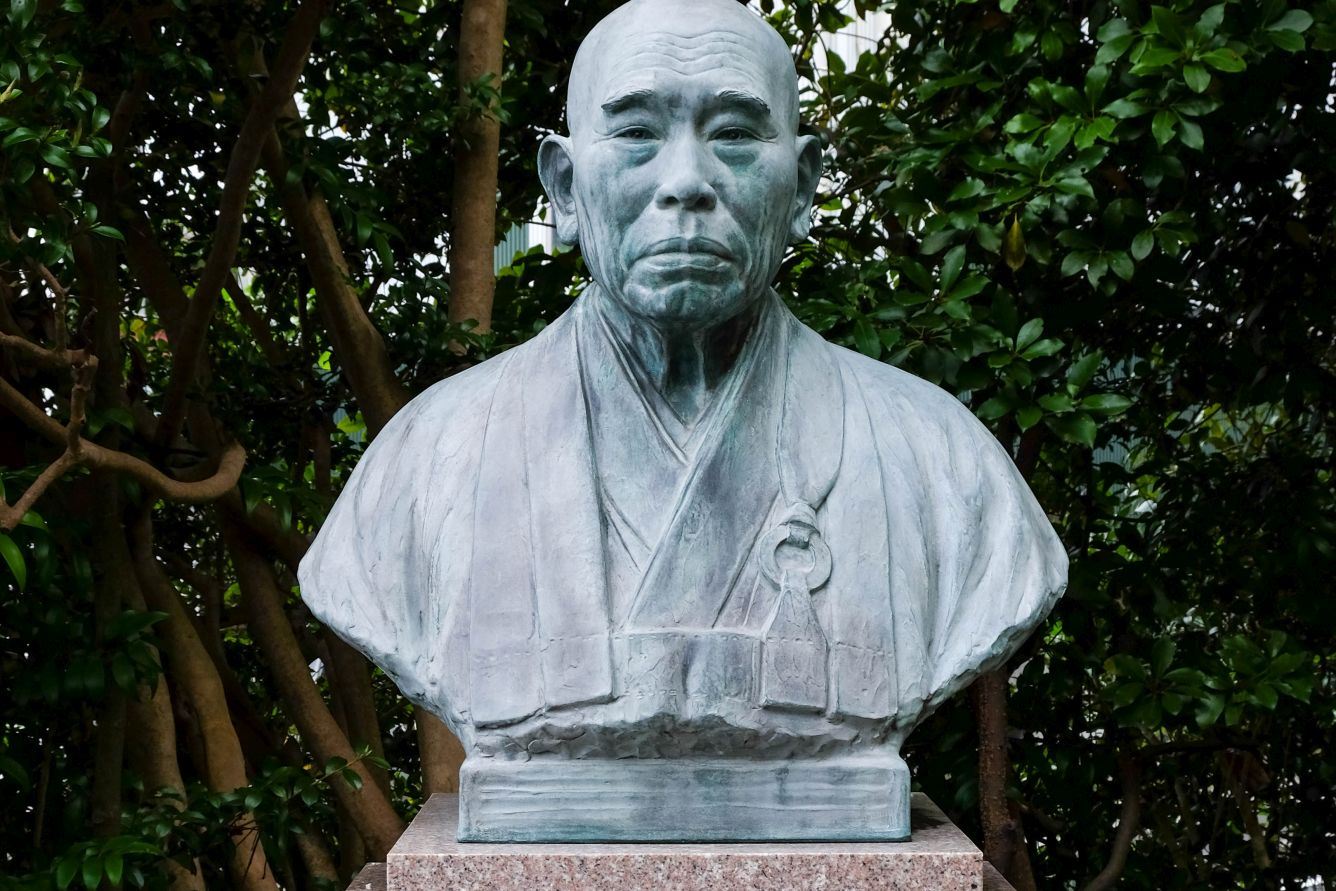
Temples are operated by Buddhist monks (oshō), who may live on the premises. They often wear robes in muted colours like brown or grey. They typically shave their heads.
Common names
Shrines often include words like:
- jinja (e.g., Meiji Jinja)
- taisha
- miya
Temples usually have the suffix:
- dera (e.g., Kiyomizu-dera)
- ji (e.g., Sensō-ji)
- in (e.g., Oku-no-in)
Functions in daily life
Shrine:
Shrines are associated with life events—birth, marriage, and seasonal festivals.
Temple:
Temples are more linked to death and the afterlife—funerals, memorials, and ancestor worship.