Suigun of the Inland Sea
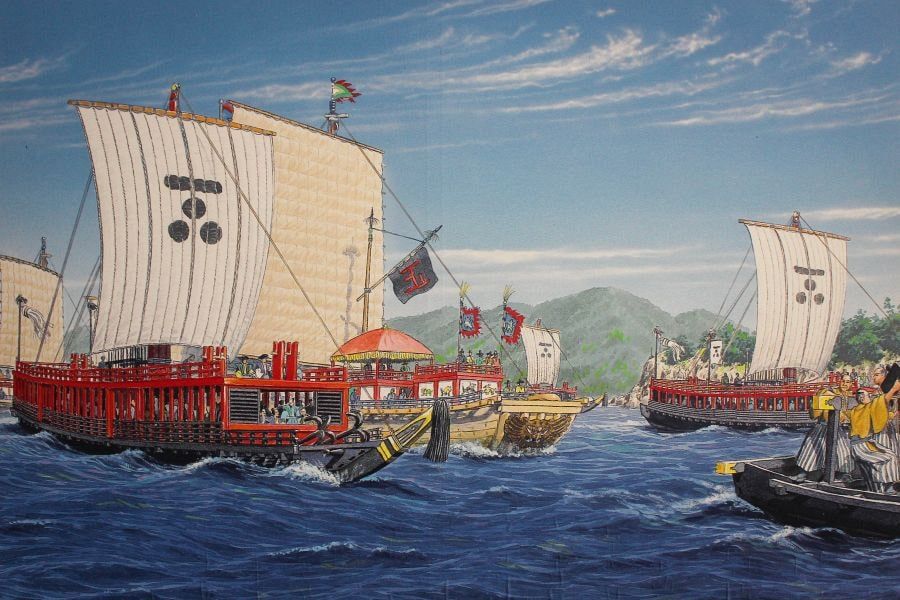
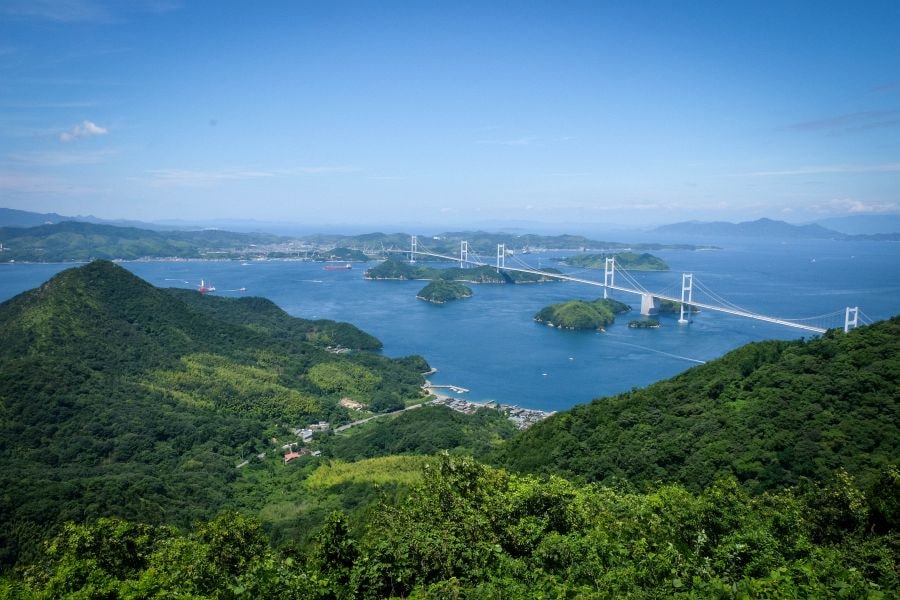
The Suigun were maritime clans that dominated the Inland Sea during the Warring States period.
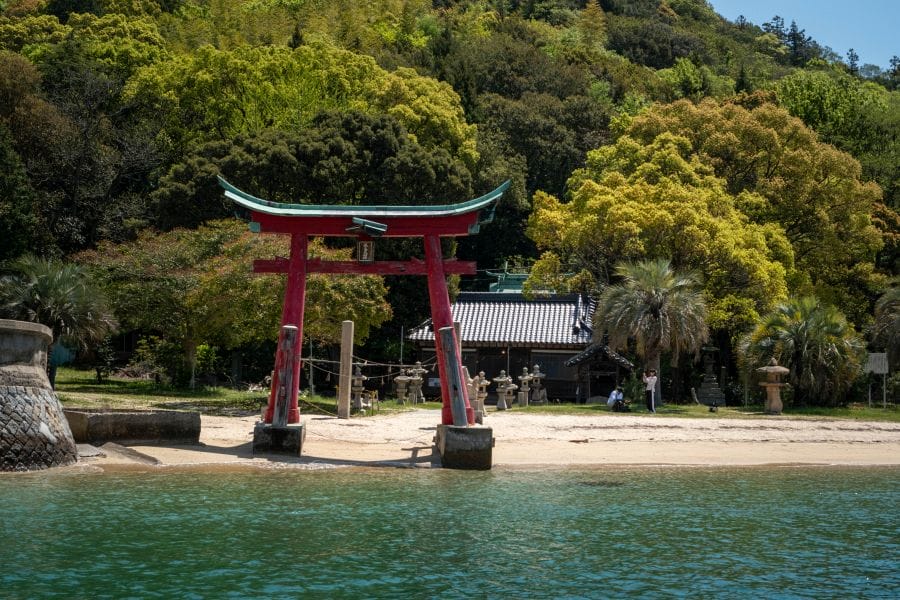
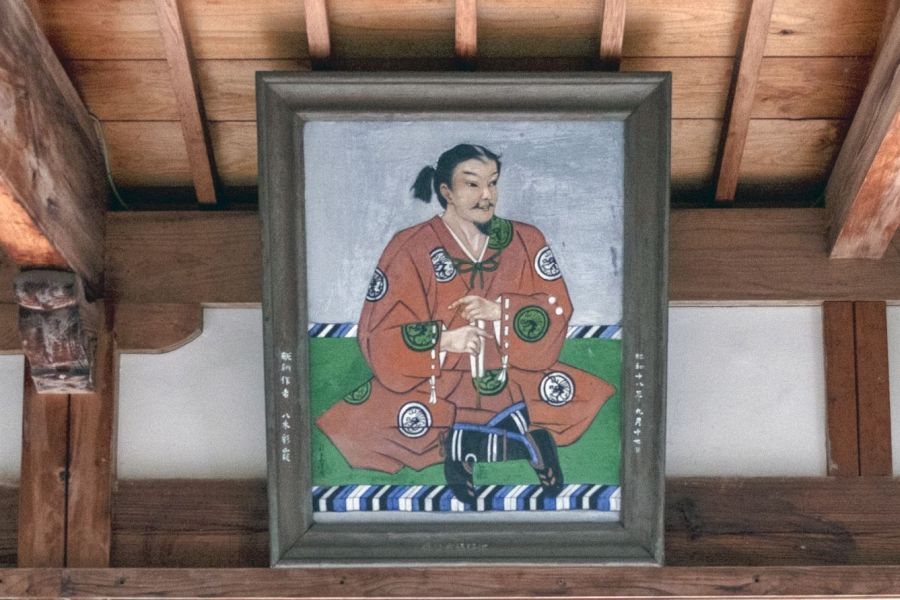
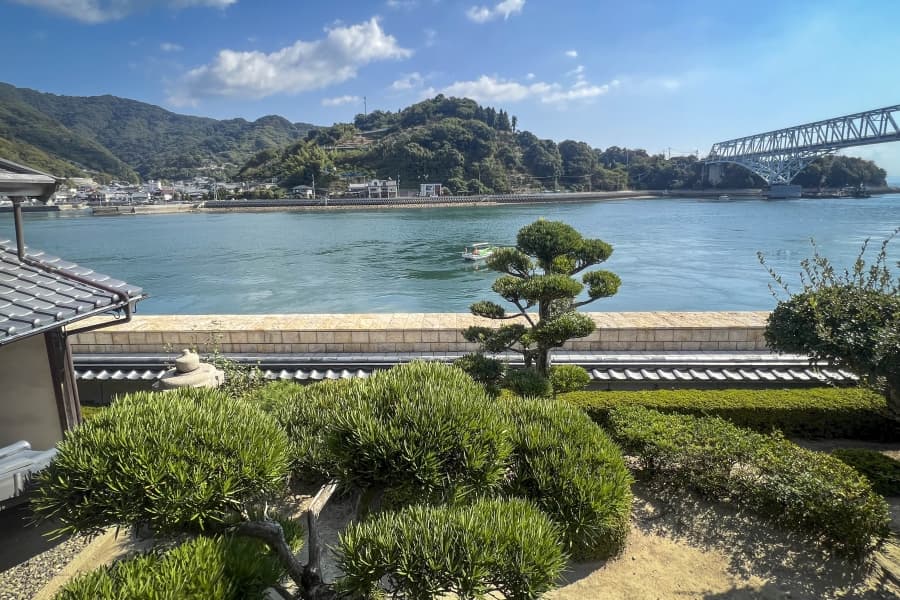
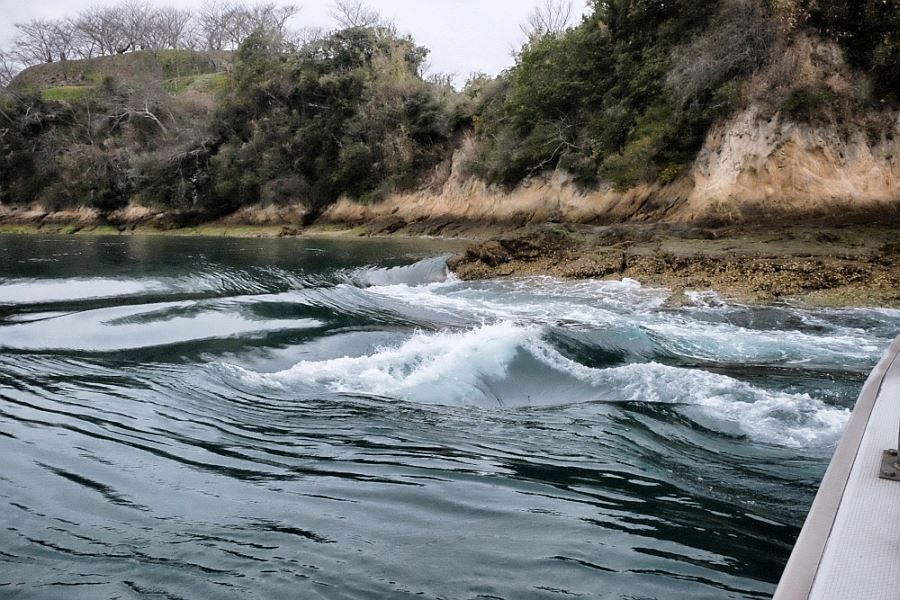
The islands scattered across the Seto Inland Sea once belonged to the Murakami Suigun, a sophisticated maritime power that controlled these waters from the 14th to the 16th centuries. While often described as pirates in Western texts, contemporary Japanese records from the Muromachi period define them as a maritime clan system that provided pilotage, protection, and naval logistics. They operated from three primary island bases — Noshima, Kurushima, and Innoshima. Unlike the stereotypical image of lawless marauders, the Murakami families enforced a strict toll system, issuing wooden passes and flags to merchant ships to guarantee safe passage through the treacherous, fast-moving currents that reach speeds of up to 10 knots in the narrow straits. The Murakami also read the documents kept on passing ships, giving them a strategic overview of events in the world at large.
Before the Murakami rose to dominance, the Kōno clan of Iyo Province served as the primary maritime authority in the region. Based at Yuzuki Castle in modern-day Matsuyama, the Kōno claimed descent from the Emperor and maintained a fleet that provided the foundation for naval warfare in the Inland Sea. During the Mongol invasions of the 13th century, Kōno Michiari gained renown for his daring boarding tactics, which involved lowering the masts of his ships to create bridges onto the larger Mongol vessels. The Kōno and Murakami families were often intertwined through marriage and military alliances, with the Murakami effectively serving as the Kōno clan’s maritime arm before eventually eclipsing their patrons in both autonomy and influence.
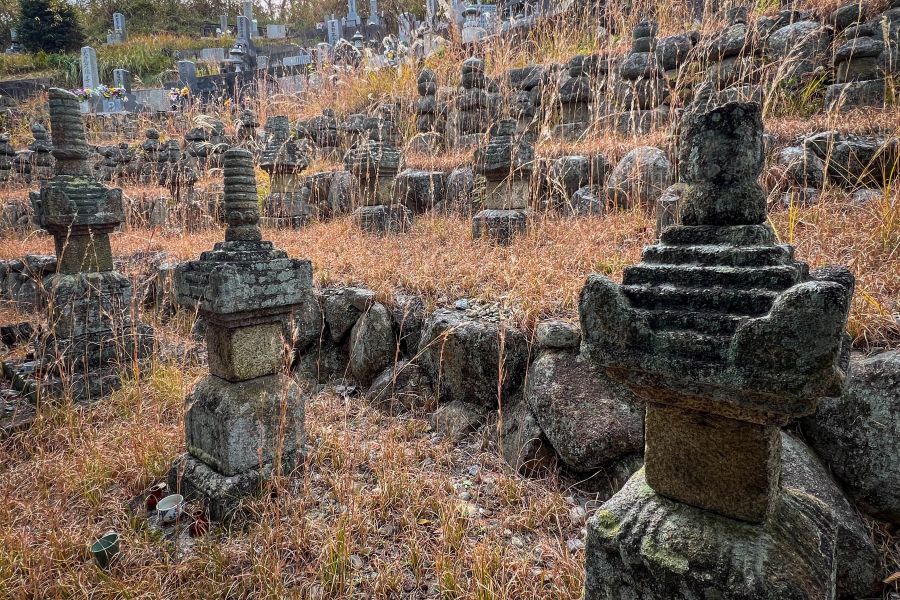
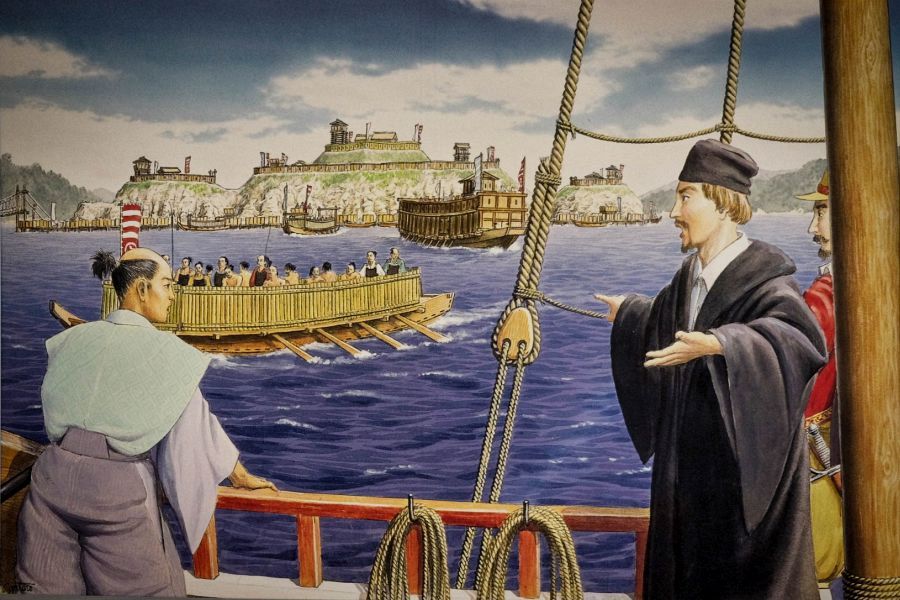
By the mid-16th century, the Inland Sea became a conduit for new ideas, including the arrival of Jesuit missionaries. While the Murakami are largely remembered for their patronage of Zen Buddhism and Shintō, there was a brief but significant Christian presence within the fleet. Records from the Society of Jesus indicate that some high-ranking members of the Murakami and their vassals were baptised, viewing Christianity as a means to secure trade advantages with Portuguese merchants. You can find traces of this influence in the “Christian tombs” on the islands of the Geiyo archipelago, where stone monuments lack traditional Buddhist engravings and instead feature minimalist designs that historians link to the hidden Christian practice before the nationwide ban.
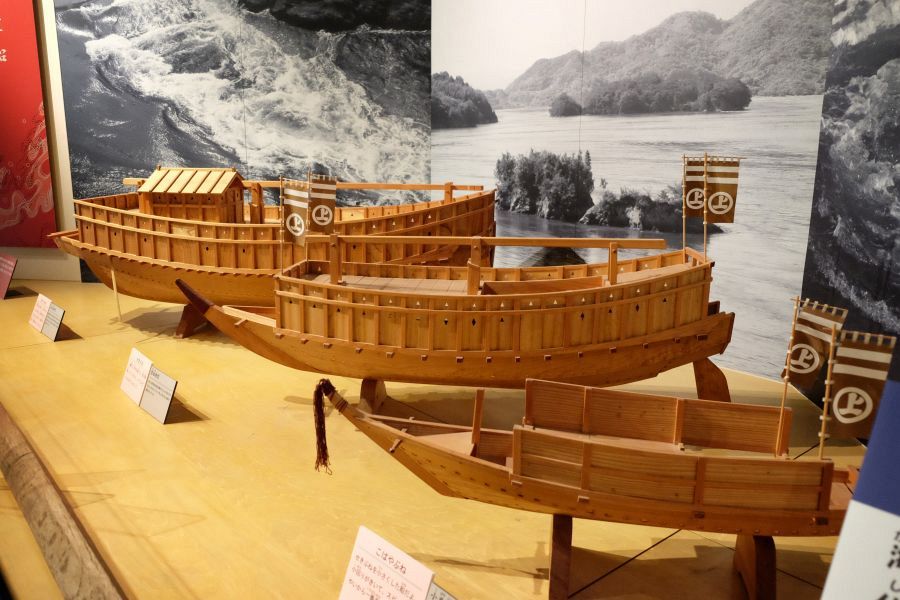
The Kurushima Murakami used the natural topography of small, rocky outcrops to build fortresses. These were improved through the creation of artificial reefs designed to manipulate the currents to the advantage of the Suigun. On the tiny fortress island of Noshima, you can see holes drilled directly into the coastal reefs, which served as sockets for wooden pillars to support jetties and defensive palisades. This architectural technique allowed the clan to moor a fleet of small, highly manoeuvrable vessels called kohaya. These boats, powered by up to seven oars and a sail, relied on speed and the crew’s intimate knowledge of the shifting tides to outmanoeuvre larger vessels in the narrow channels. Today, Noshima is uninhabited, but it was once crowded with seaborne warriors, with the sea current providing the primary defence against intruders.
At the Murakami Suigun Museum on Ōshima, the exhibits move beyond naval warfare to show the clan’s involvement in tea ceremonies and poetry. Excavations at the Noshima castle site unearthed high-quality celadon and white porcelain imported from China’s Ming dynasty, alongside fragments of tea bowls and lacquerware. This suggests the leaders participated in the high culture of the Japanese mainland. The museum displays hōrokudama, early ceramic grenades filled with gunpowder, which the Suigun launched using hand-held catapults to ignite the sails of opposing ships. These weapons were a staple of their tactical repertoire, combined with the use of grappling hooks and specialised boarding axes.
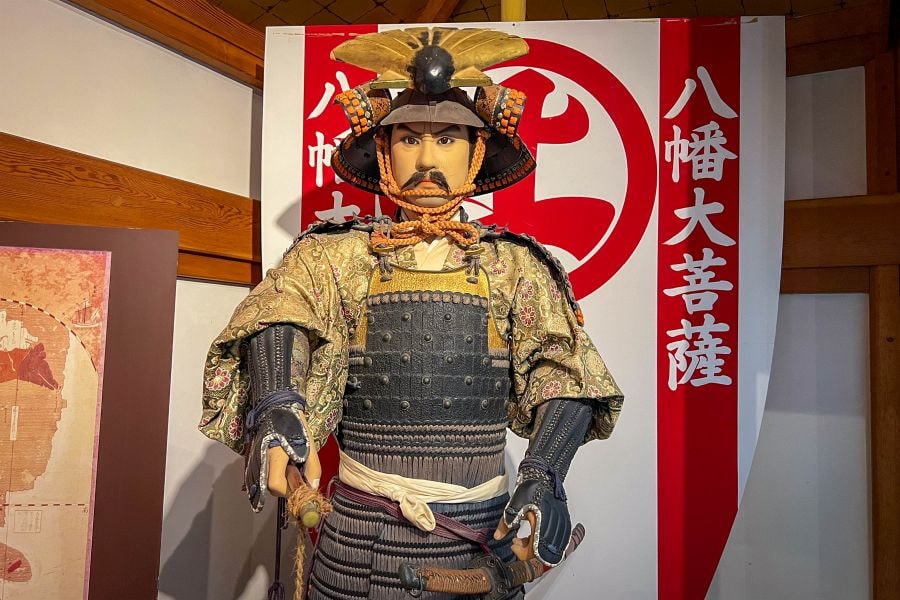
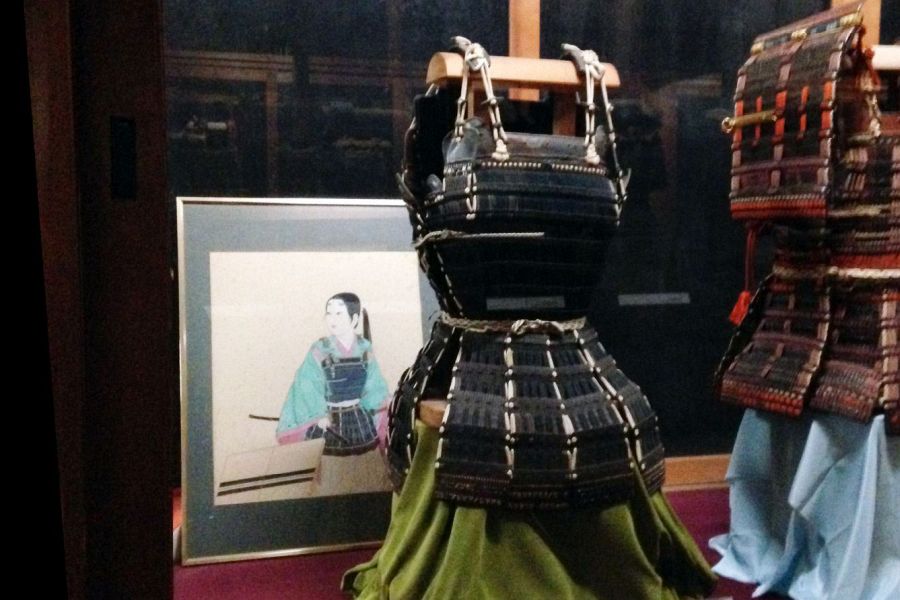
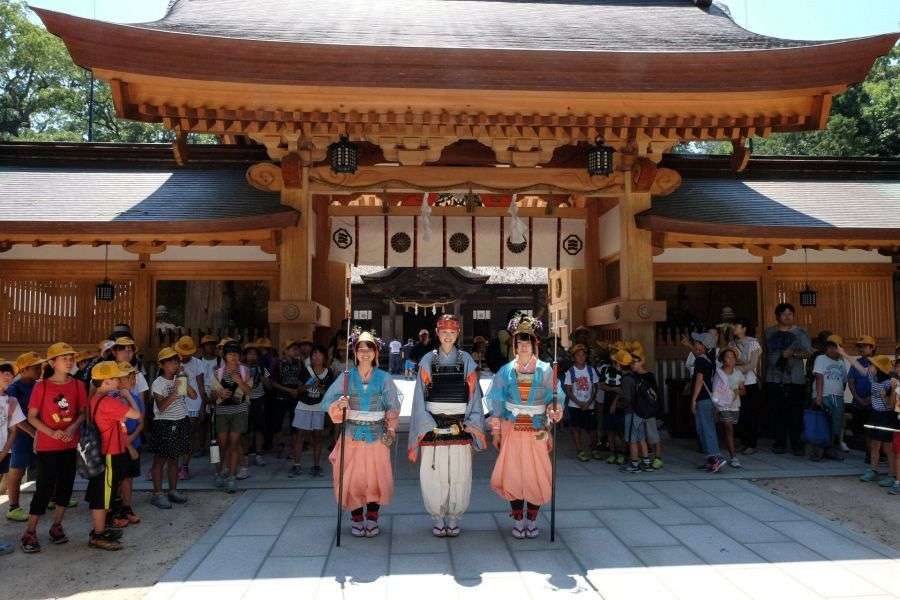
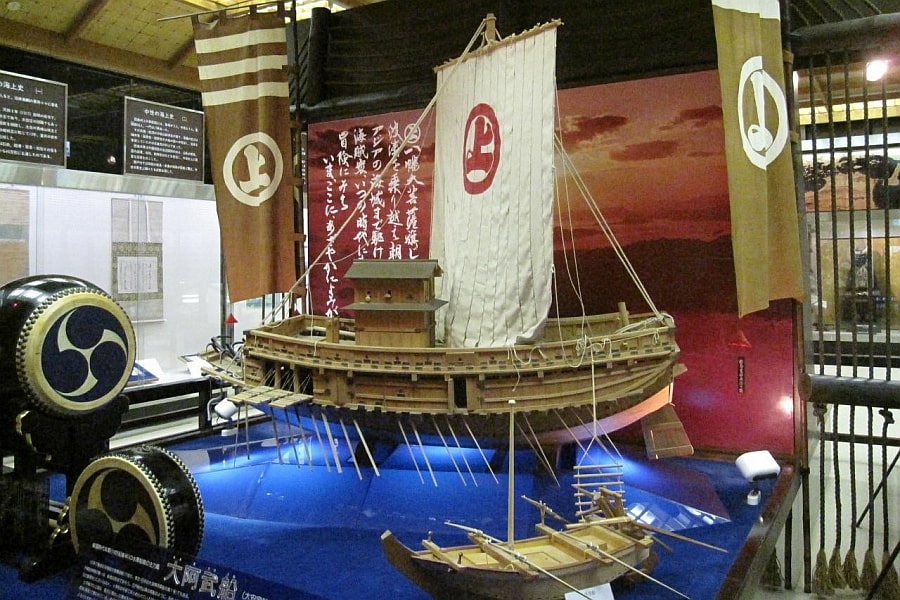
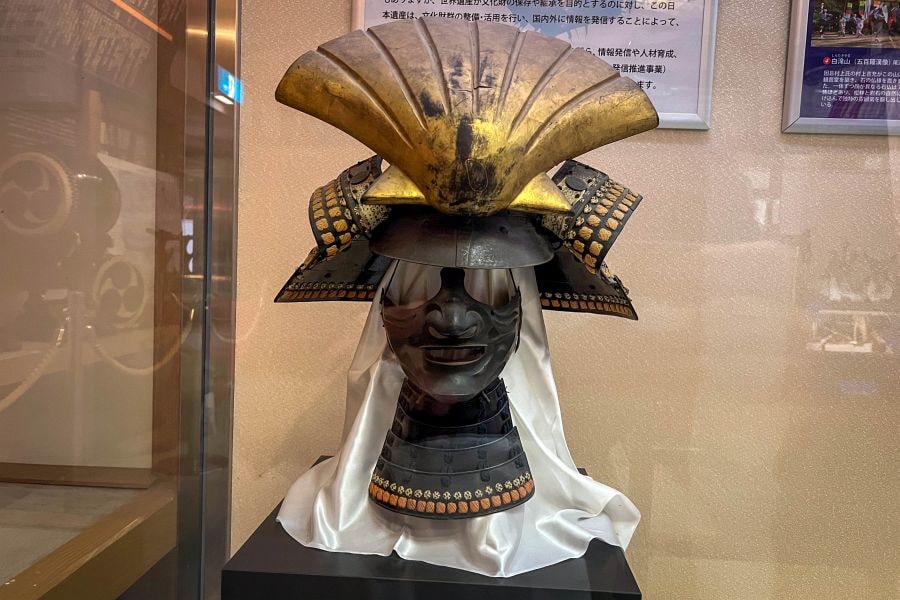
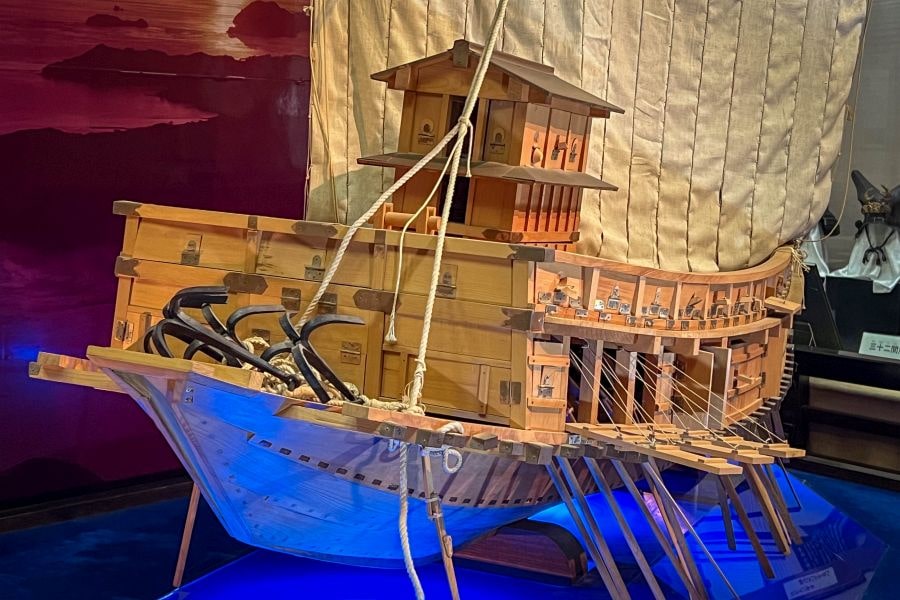
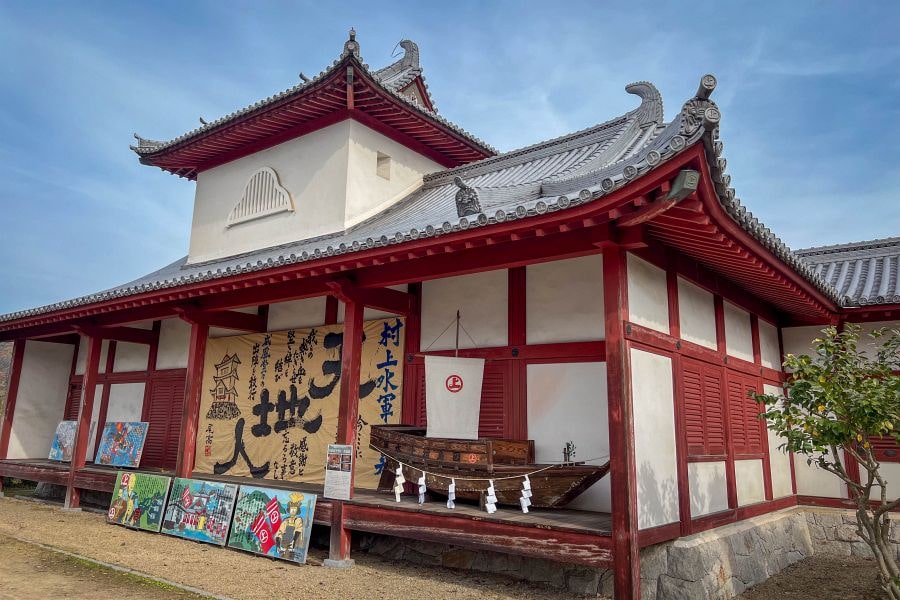
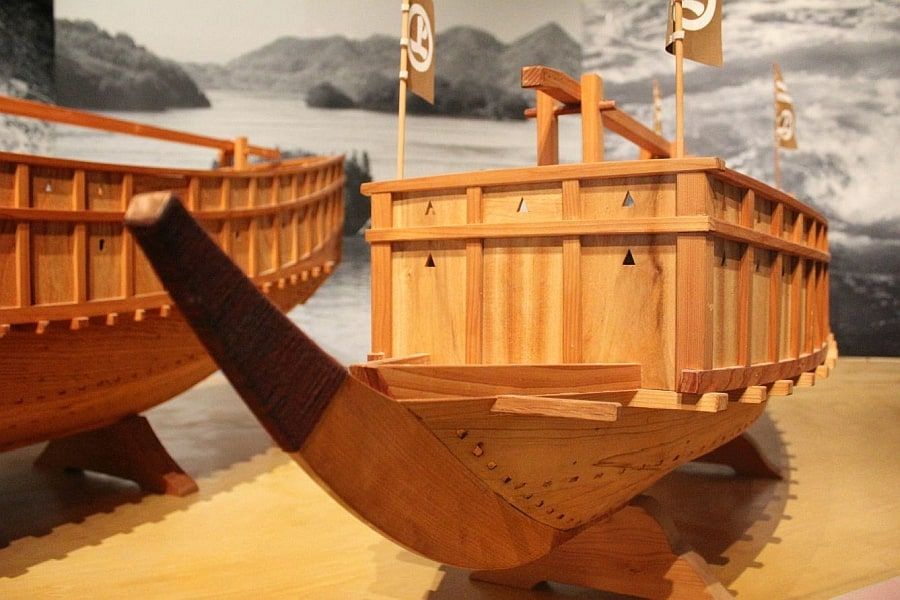
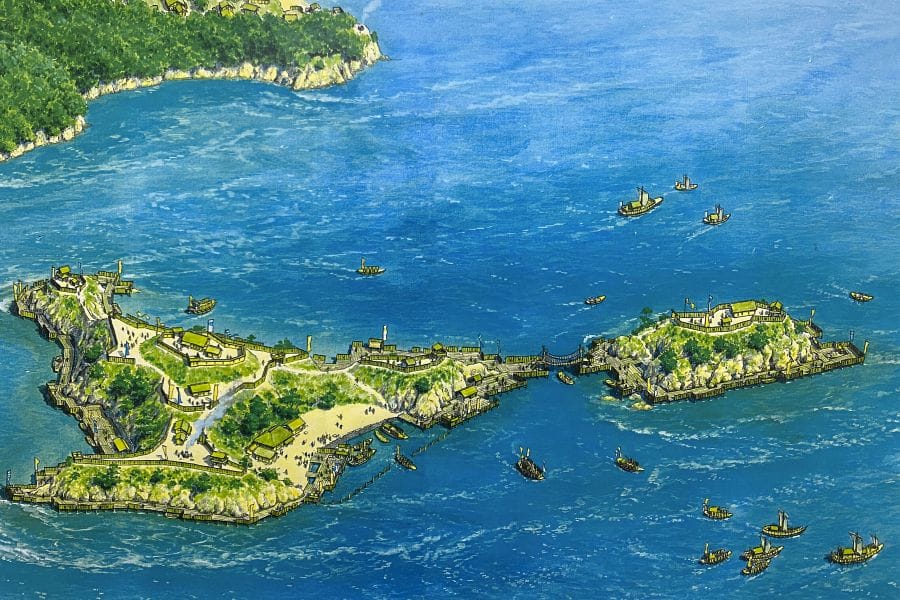
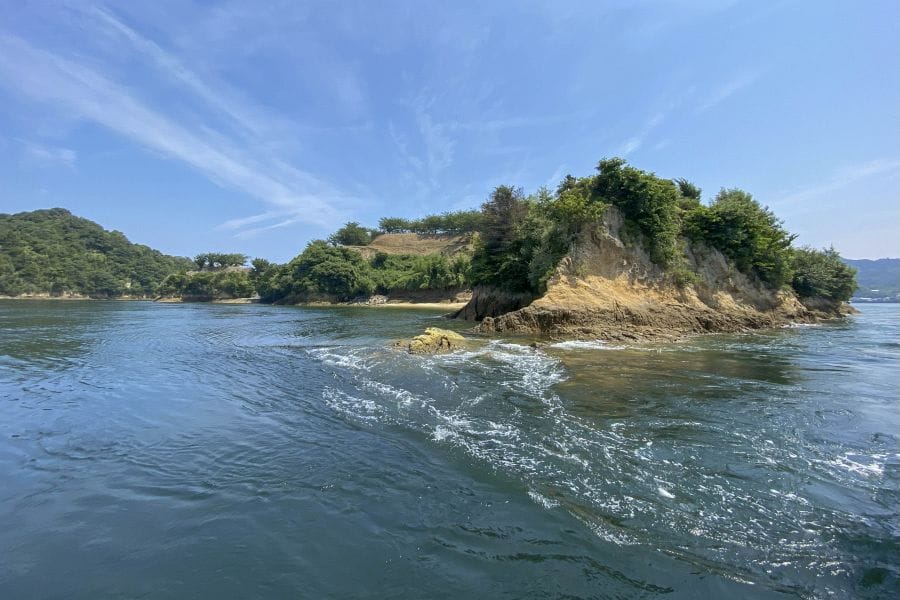
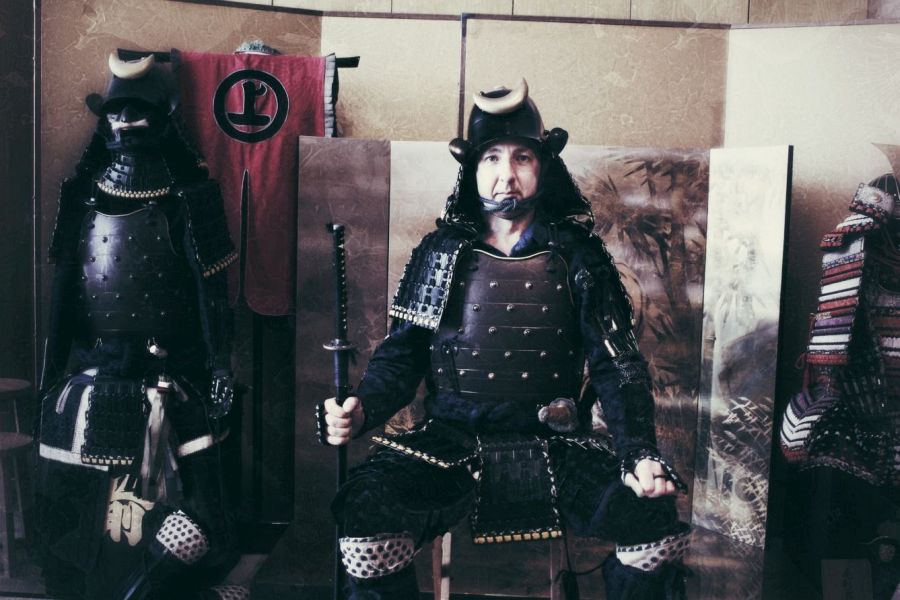
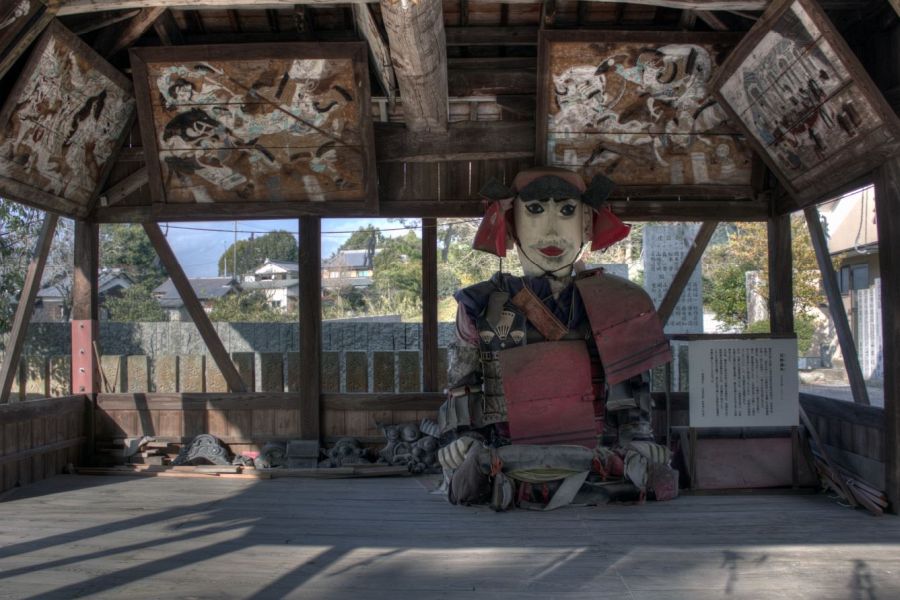
Before major battles, the Suigun of the Inland Sea would visit Ōyamazumi Shrine on Ōmishima to pray for victory. When the gods blessed them with a good outcome, they would dedicate their weapons and armour at the shrine. Today its Treasure House holds a vast collection of evocative historic militaria.
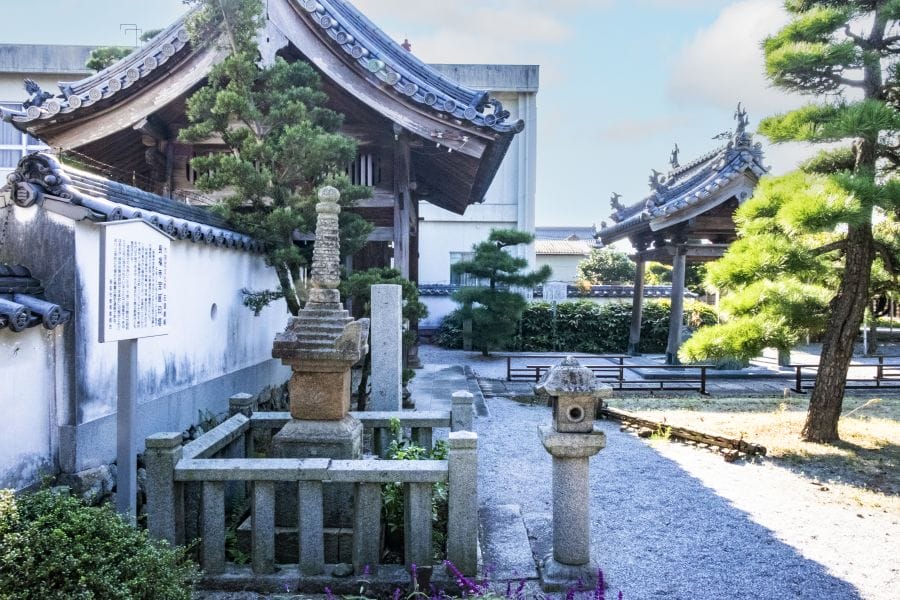
The legacy of these maritime clans persists in annual Suigun races, where teams row traditional wooden boats through the same channels the Murakami once guarded. These events maintain the rowing techniques documented in the clan’s historical tactical manuals. Throughout the islands, the stone stupas and graves of the sailors are found in local cemeteries, often situated on hillsides overlooking the water.
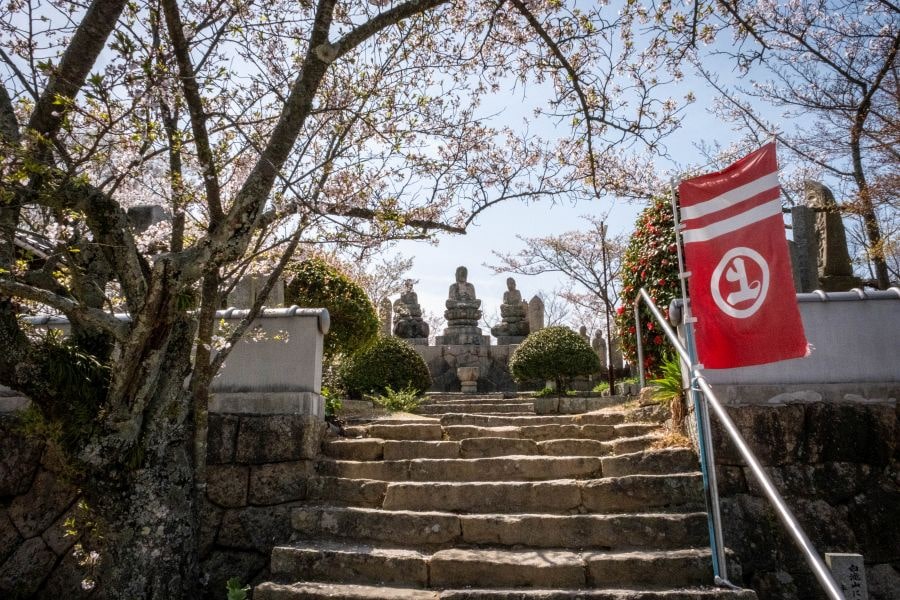
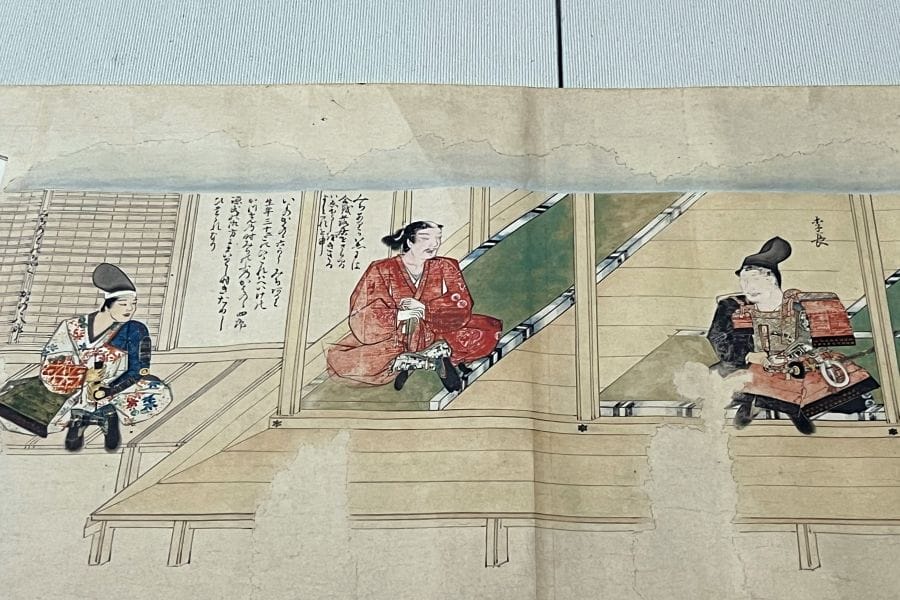
On the Shimanami Kaidō, the Innoshima Murakami Suigun Castle houses original armour and family scrolls that detail the complex alliances formed with the Mōri clan, which eventually led to their participation in the Battle of Kizugawaguchi, one of the largest naval engagements of the Warring States period. It has a rare collection of Suigun armour, which was lighter and more flexible than the heavy plating used by land-based samurai, allowing for mobility if a warrior fell overboard. Nearby, Konren-ji Temple serves as the family cemetery for the Innoshima Murakami.
Today, the surnames Murakami and Kōno are found at the highest levels of national government, as well as in the higher paying professions, reflecting the intellectual rigour born of mastering the navigational and political challenges of life around the Inland Sea.