Visiting the Naval Academy
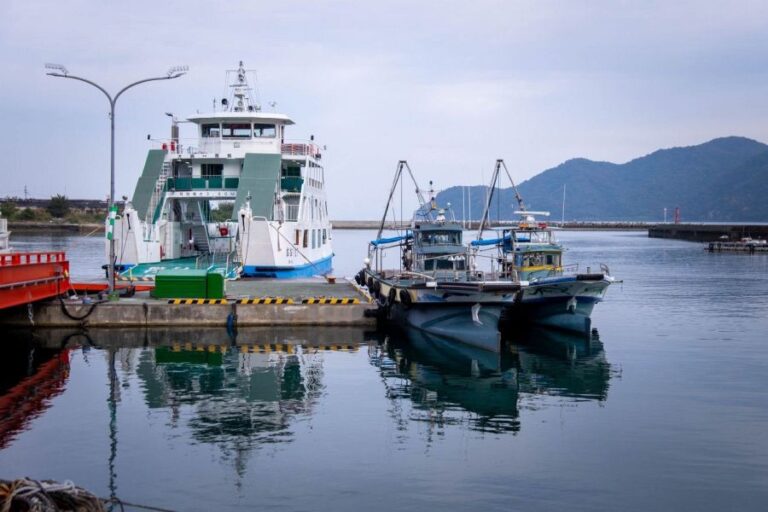
Etajima is a large, irregularly shaped island in Hiroshima Bay off the city of Kure. The island itself encloses a big bay, making it an ideal place for training Japan’s sailors. The fascinating Naval Academy on Etajima is open to the public on official tours. You can get to the academy with a short ferry and bus ride from Kure port.
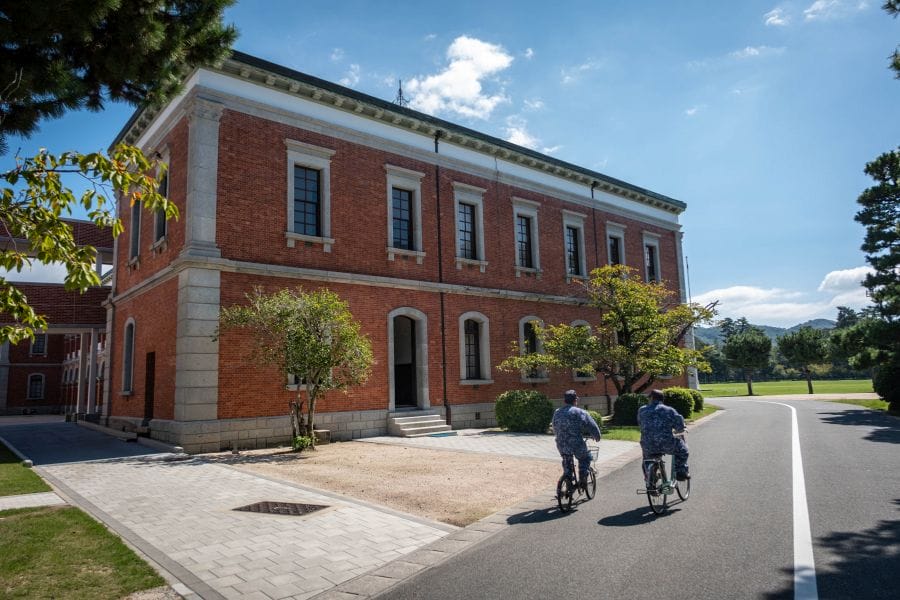
The Naval Academy is an active Japan Marine Self-Defense Force (JMSDF) training establishment. It’s a quiet, ordered place where the history of the Imperial Japanese Navy and the modern maritime force overlap. The official tour follows a set route that includes the visitor reception and exhibition area, the ceremonial auditorium, the parade ground and drill square, the outside of the former student halls and dormitories, and the Naval History Museum. As you make your way around the campus, phalanxes of cadets jog past, and non-coms get around on bicycles.
The atmosphere is more reserved than at most tourist sites, and visitors are treated as guests rather than sightseers. At the gate, you’re required to show identification and are given a badge. Visitors dressed inappropriately for a military training facility, specifically those wearing shorts or sandals, are declined entry.
The tour starts and ends at the visitor reception building, where you watch a brief video explaining the role of the JMSDF. The guide asks that you stay with her and encourages you to take photographs, except inside the Naval History Museum, out of respect for those commemorated there.
The Auditorium
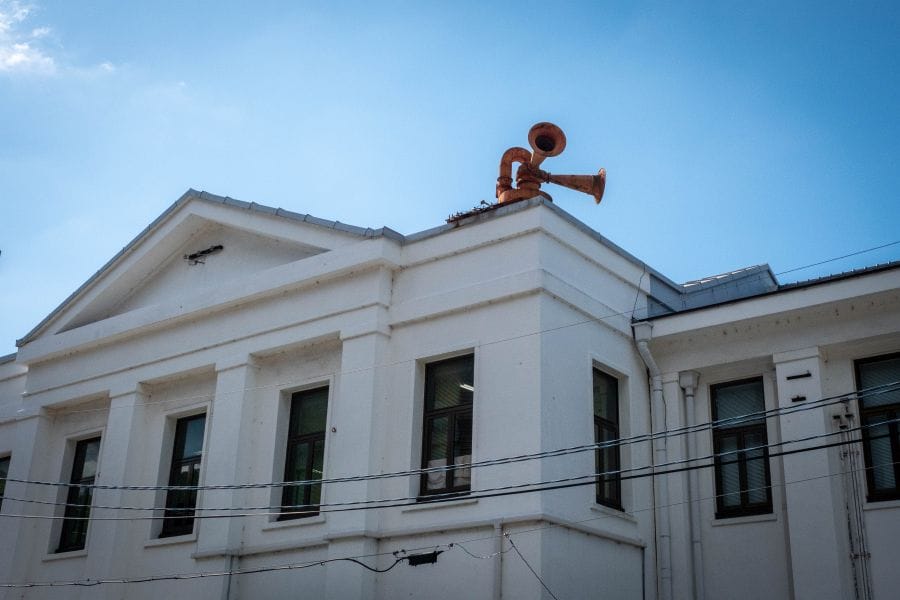
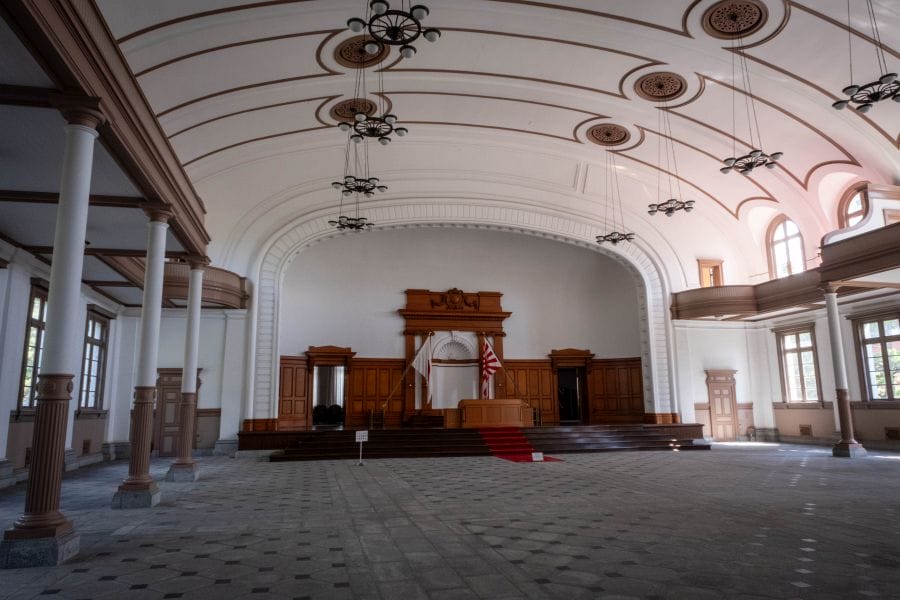
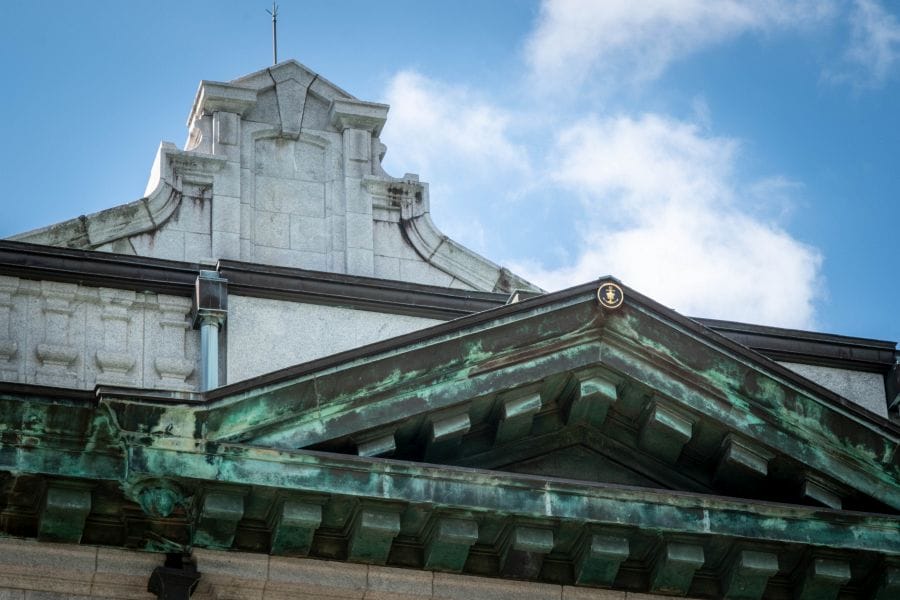
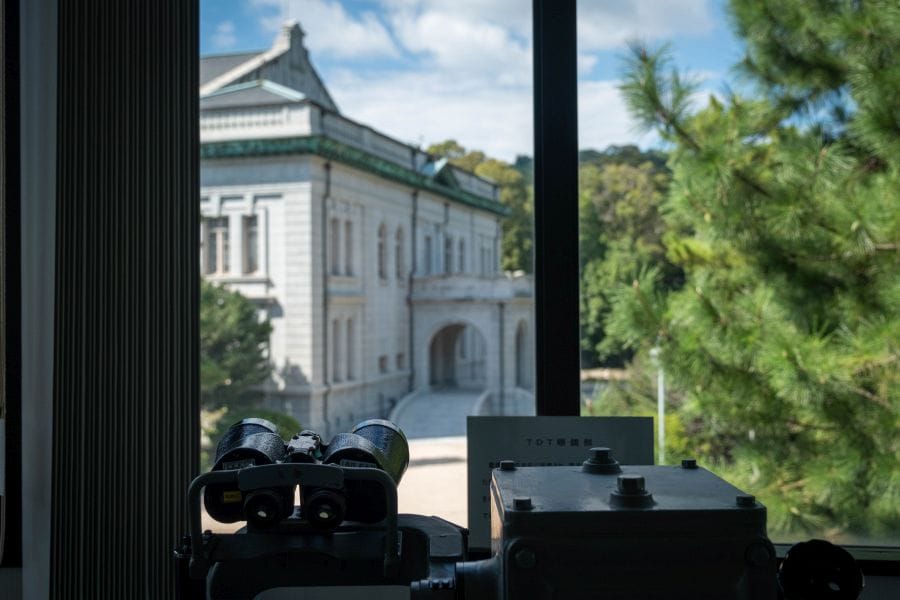
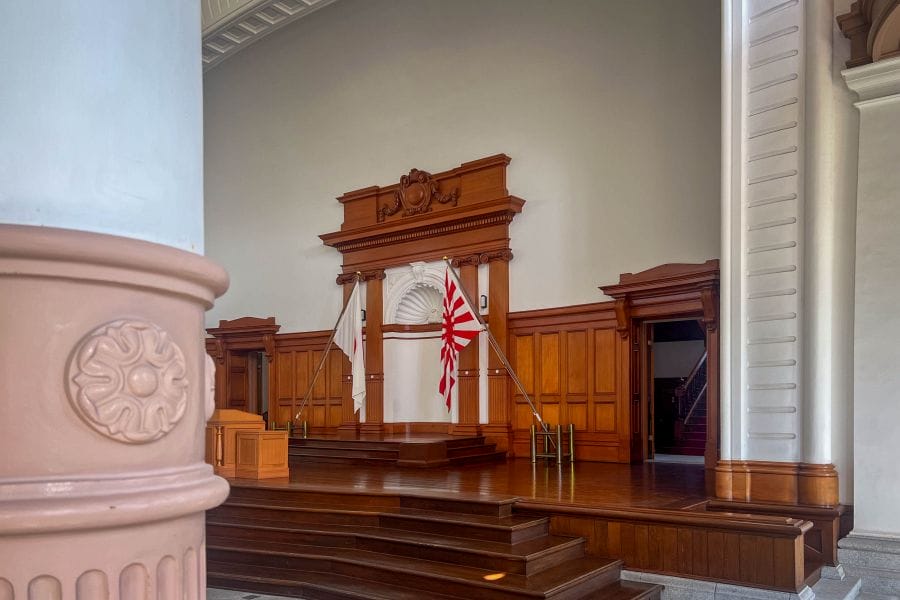
The Auditorium is one of the most impressive buildings on the campus. It was designed to hold large gatherings — graduation ceremonies, speeches by naval officers, and visits from the Emperor. The building, made in 1917 of granite and brick, with a classical façade and tall arched entrances, was designed to seat two thousand cadets.
Inside, the hall opens into a high domed space with a broad wooden stage at the front. The ceiling has beautifully crafted plasterwork, and some of the chandeliers are shaped like ship’s wheels.
The Main Academy
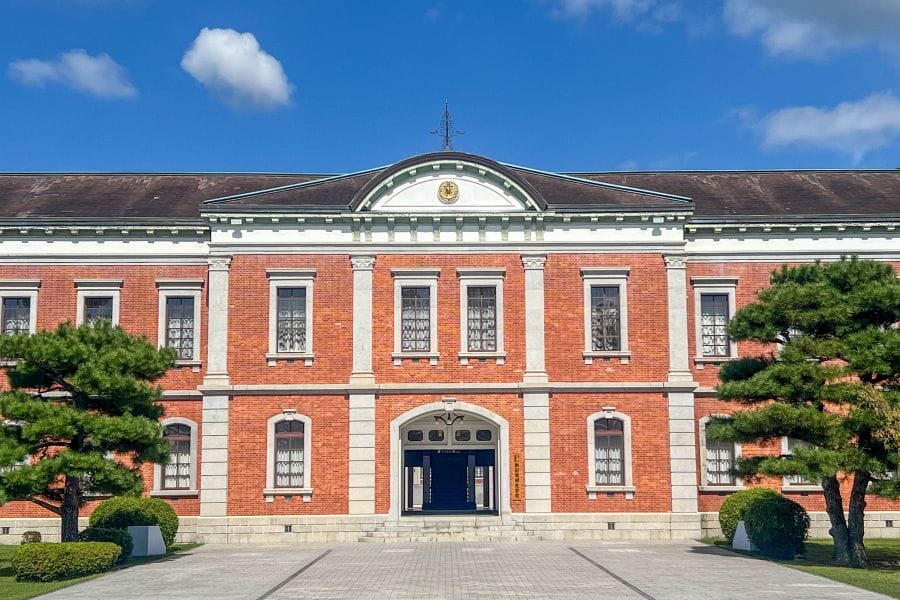
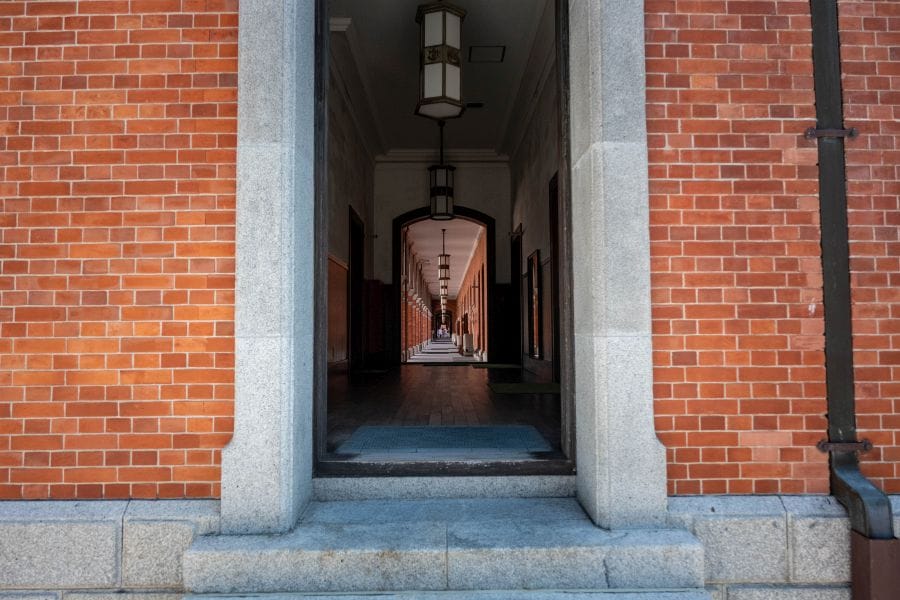
From here, you’re led past a dusty parade ground bordered by the red-brick main school building, first completed in the late 19th century. Its European-style arches, corridors and symmetrical façade reflect the Meiji-era push to modernise the navy along Western lines. The building is still in use and is not open to the public, but you can peep through the side door and see men and women in smart uniforms walking down its elegant cloister. Across the sports ground, there’s a massive gun turret from the 1930s era battleship Mutsu.
Naval History Museum
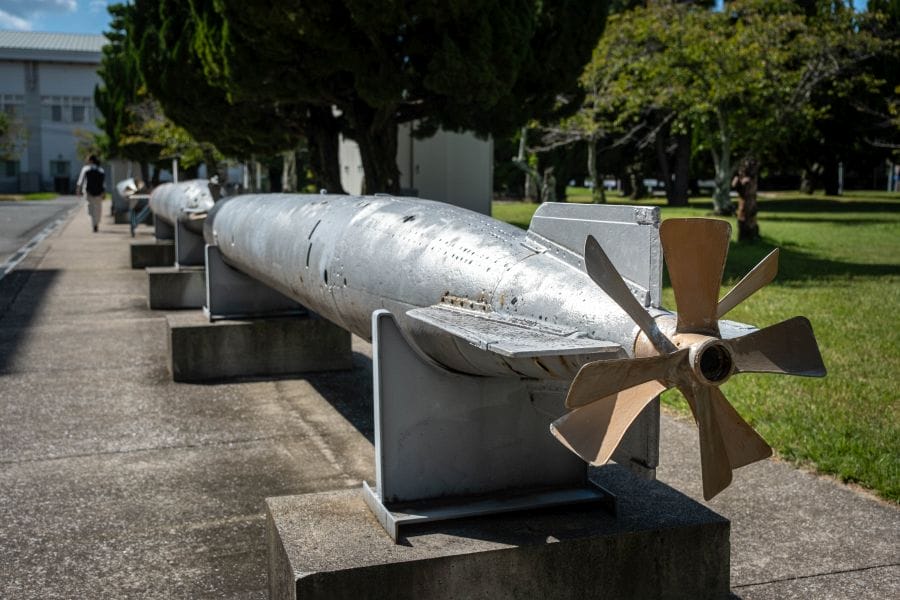
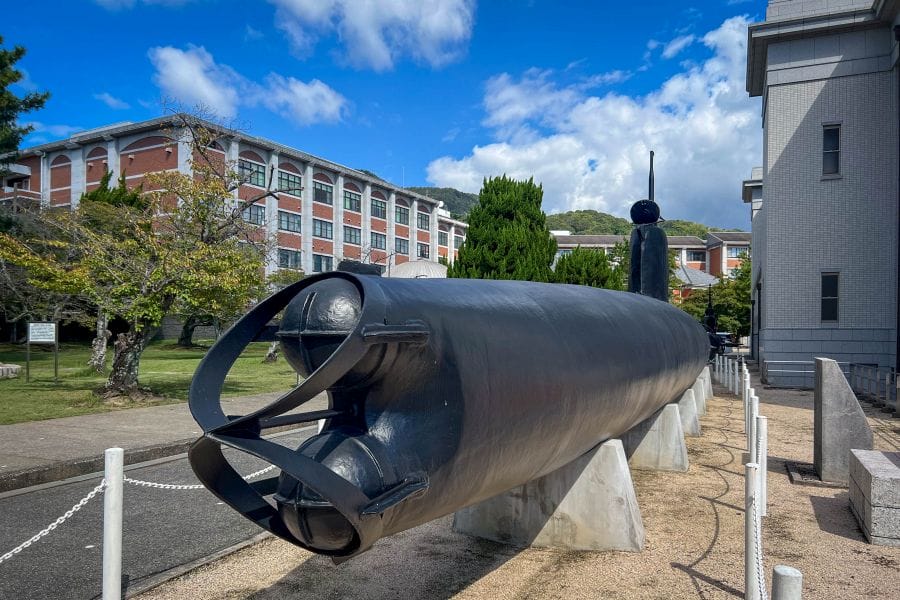
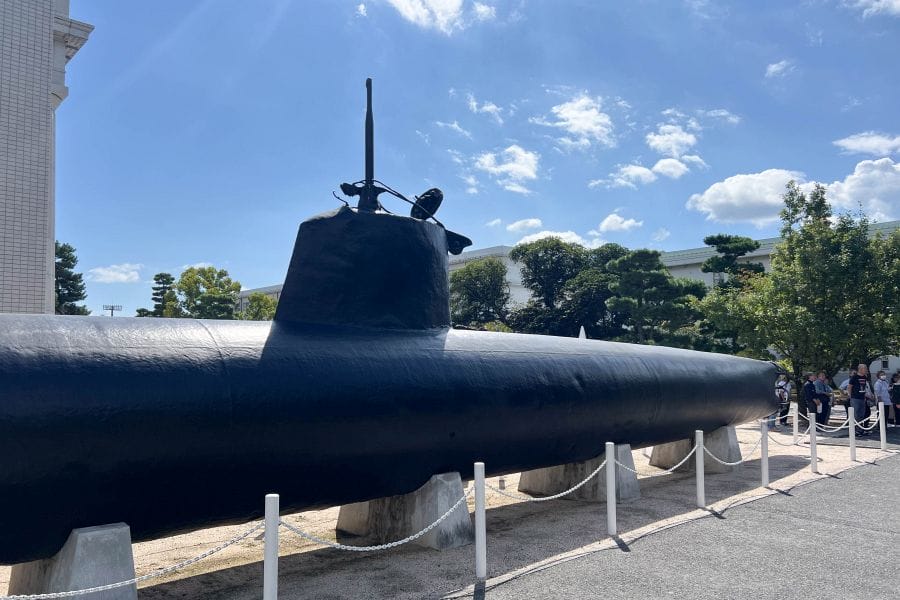
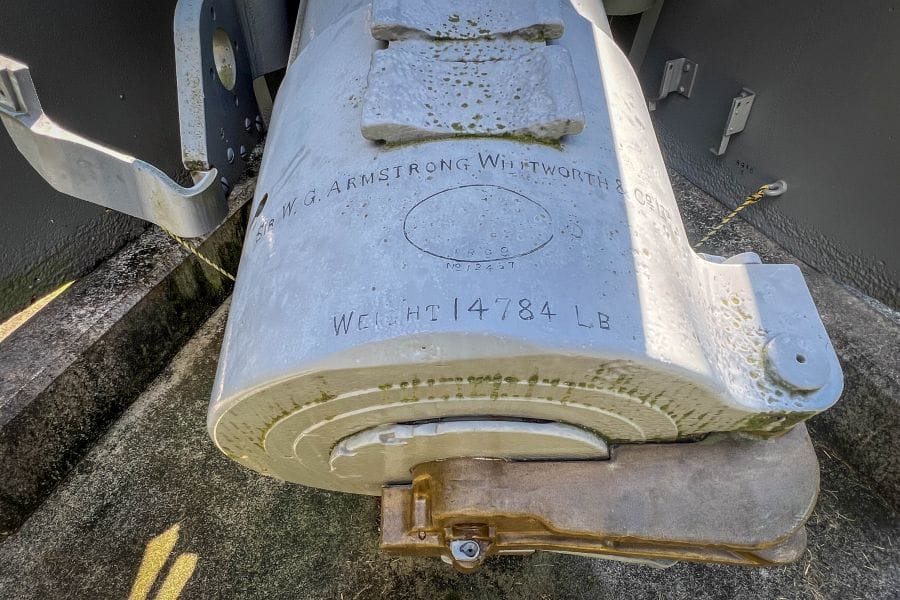
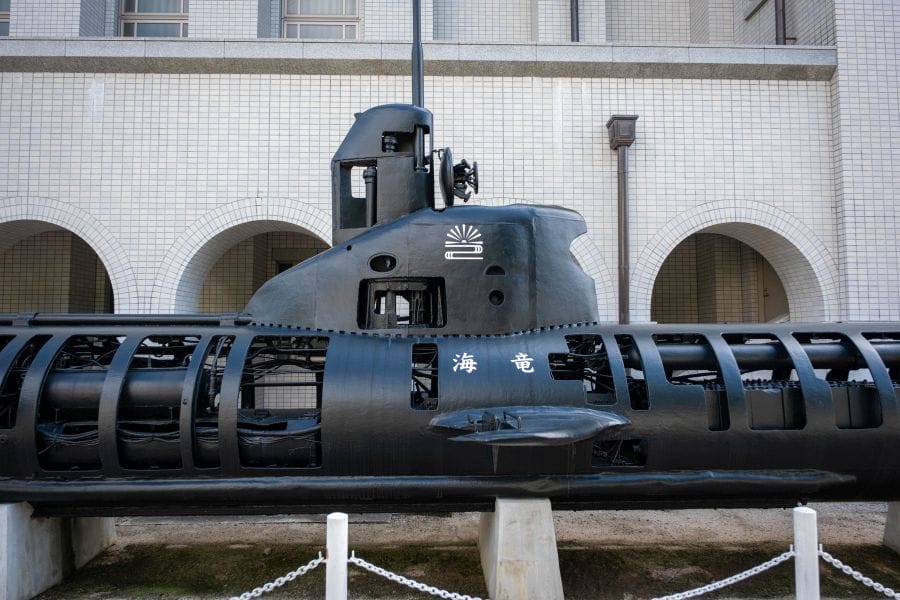
Beyond the Academy past rows of plain barracks stands the Naval History Museum, an austere Doric temple built in 1936 with public donations. Outside, there’s a minisub used at Pearl Harbor, a smaller submarine for suicide missions, an Armstrong gun, and various torpedoes. There’s also a shell from the Yamato, the world’s biggest battleship.
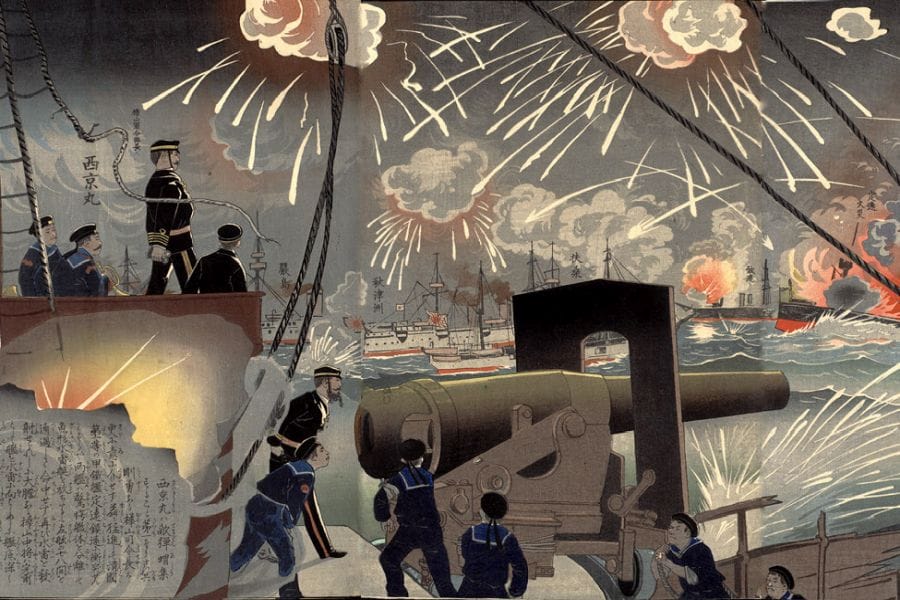
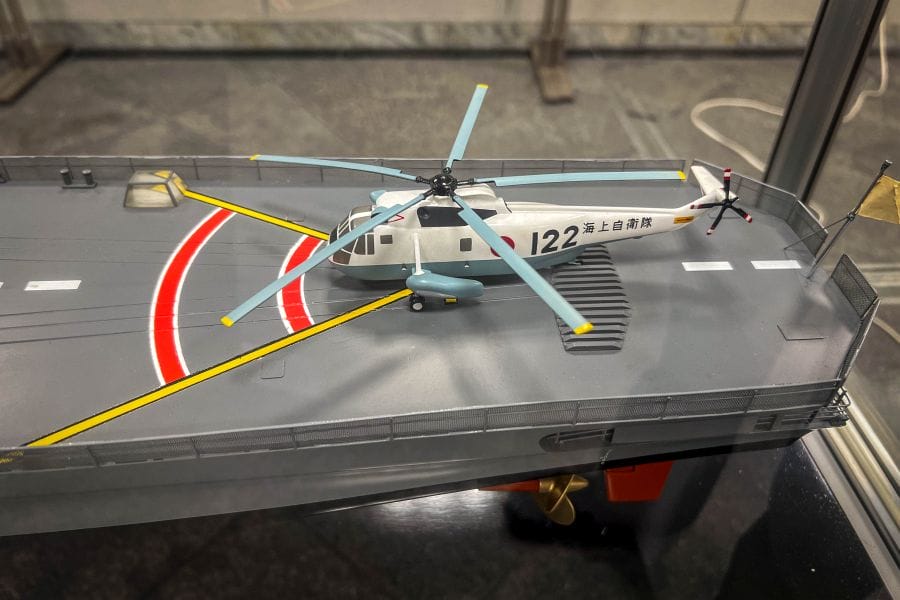
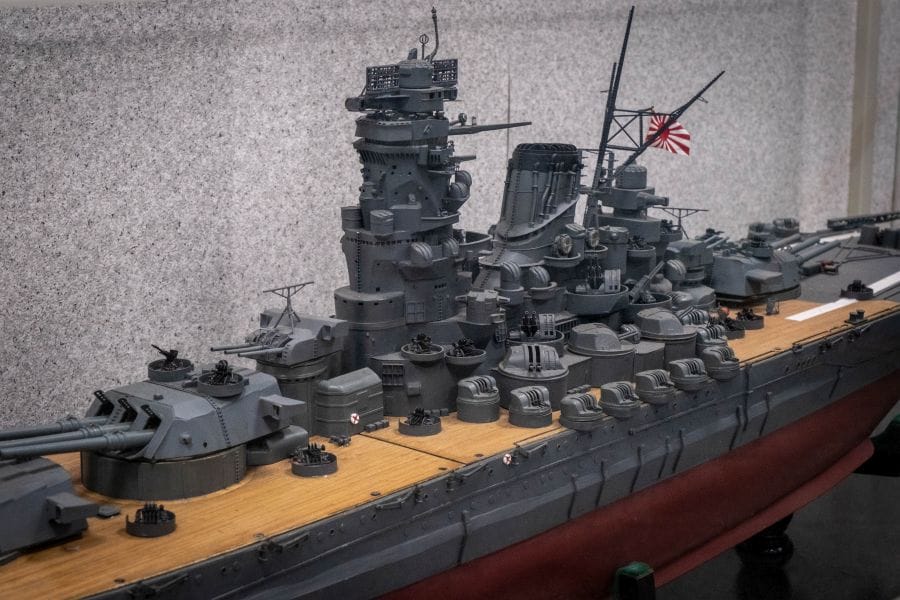
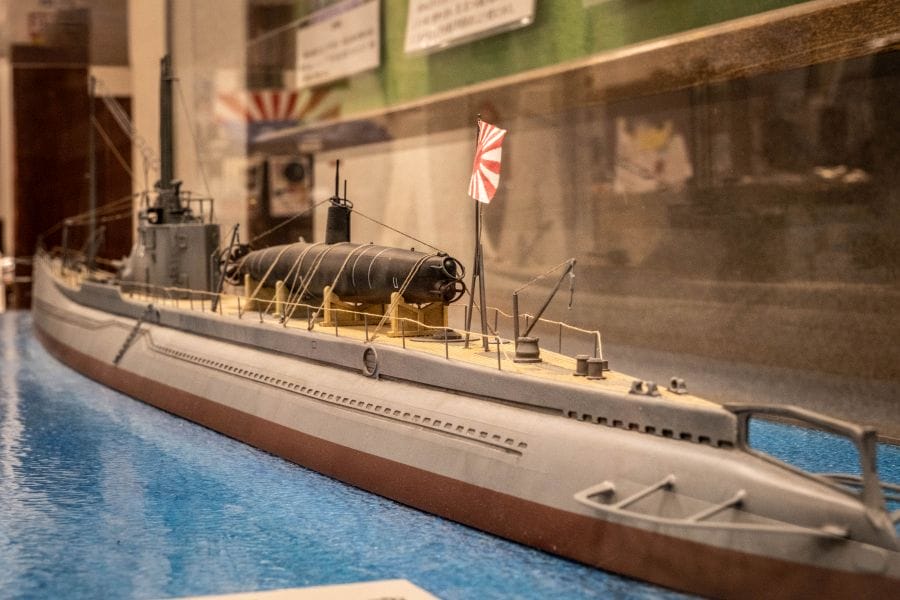
Inside, you first pass through a shrine housing artifacts of naval heroes Tōgō Heihachirō, Horatio Nelson, John Paul Jones, and Yamamoto Isoroku. The museum exhibits trace the development of the Japanese navy from the Meiji period through the Second World War. There are ship models, charts, navigation instruments, uniforms, training materials, personal tools used by cadets and officers, and some fine oil paintings. One room is dedicated to the kamikaze, with a photo, letters, and personal effects of one special attack pilot from each of Japan’s forty-seven prefectures.
Each exhibit has a simple English label, but the explanations are only in Japanese.
Visitor Centre
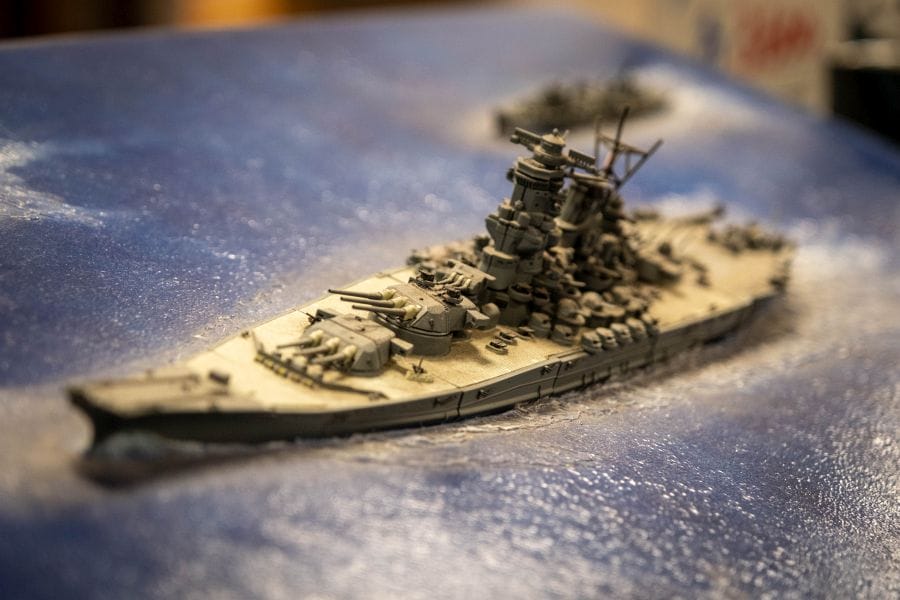
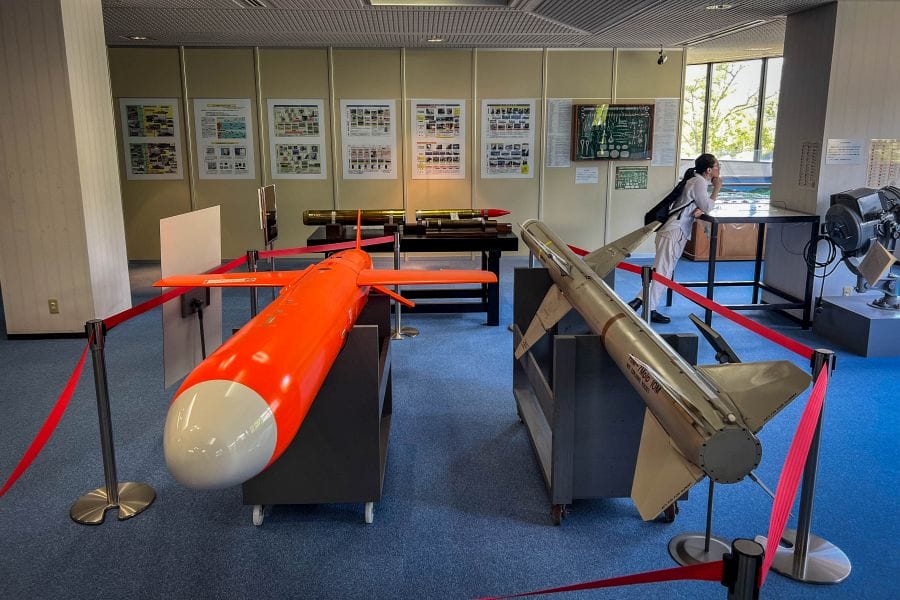
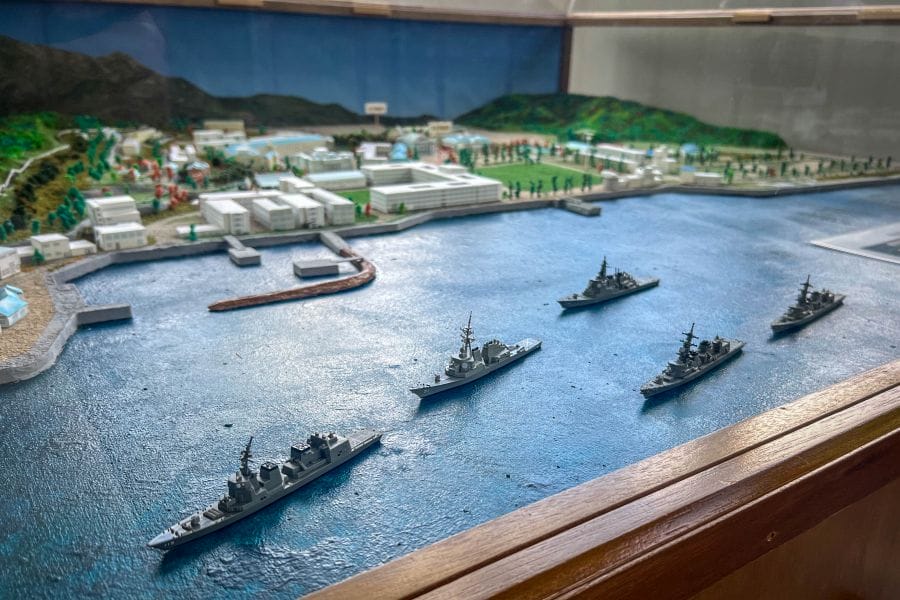
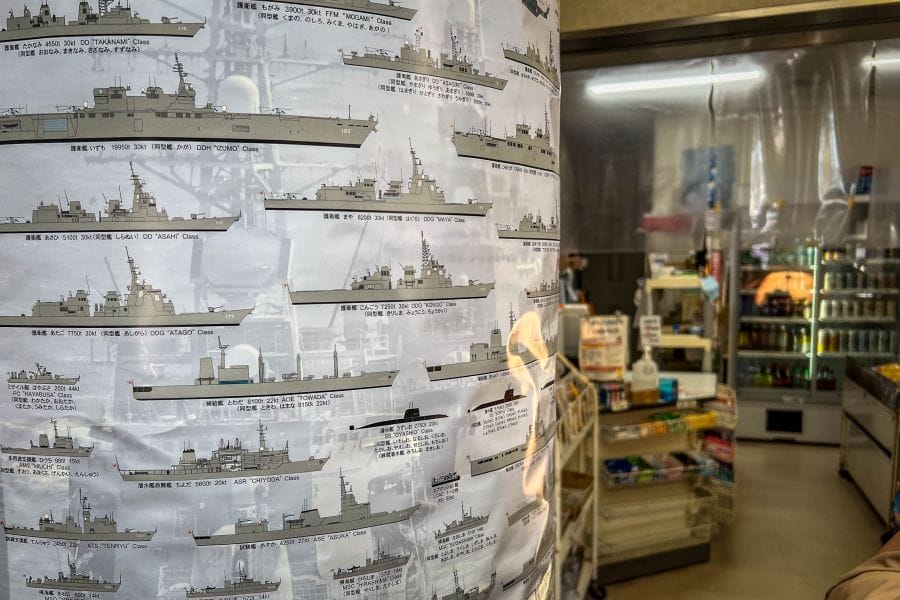
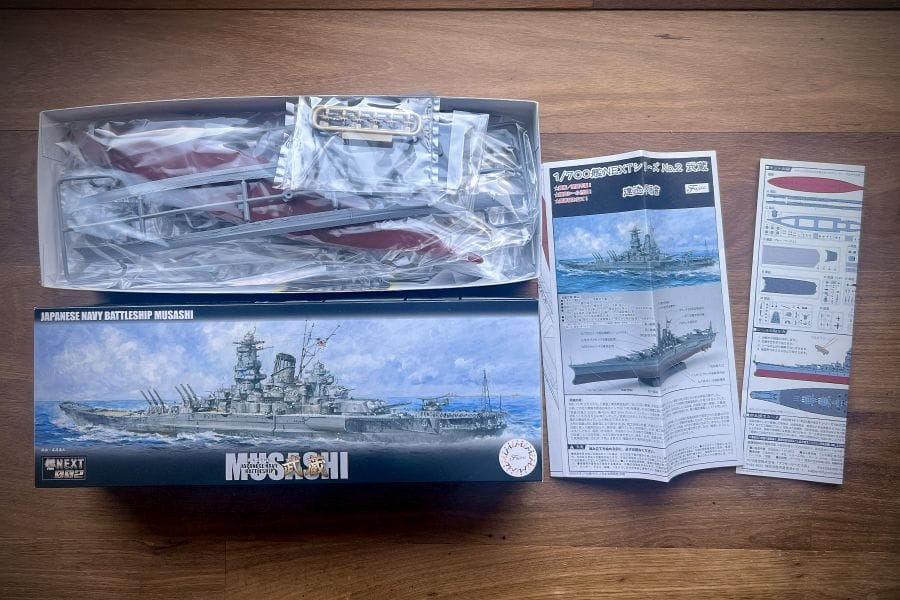
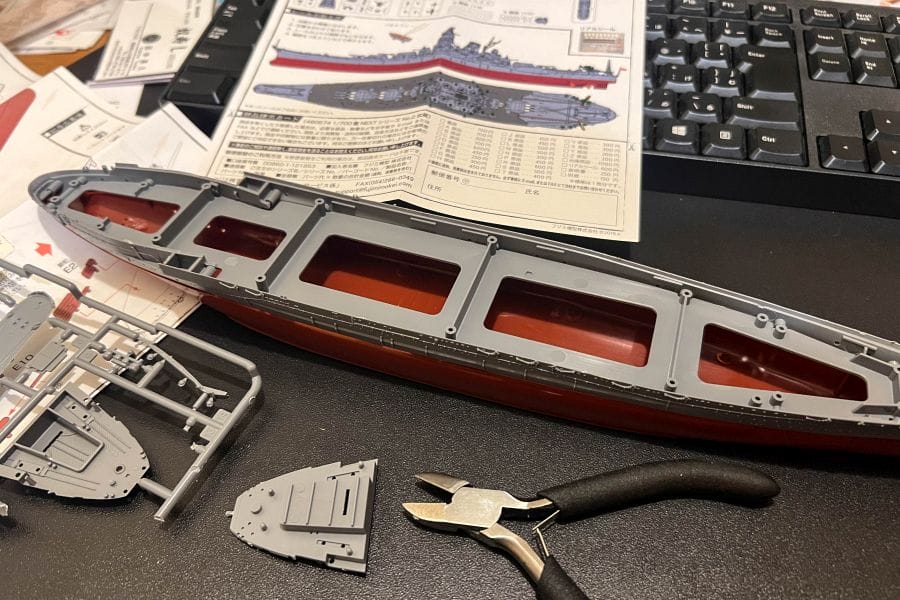
Back at the Visitor Centre, you can explore the exhibition room on the second floor which presents ships and equipment used by the modern Japanese navy. Downstairs is a souvenir shop selling JMSDF badges, stationery, sweets, and various items featuring the academy’s insignia. Also on offer are plastic models of Japan’s most famous WWII battleships and aircraft carriers. Being light and compact, these make an excellent souvenir of your visit.
There’s also a restaurant serving kaigun karei. This dish is linked to the long-standing naval tradition of serving curry rice every Friday on JMSDF ships. The version served here is a mild, slightly sweet curry with rice and salad, whose tempting aroma fills the Visitor Centre.