Kyūshū
Kyūshū is Japan’s southernmost main island, renowned for its dramatic volcanic landscapes, rich cultural history, and vibrant local cuisine.
Intro
Japan’s Southern Gateway of Nature, Culture & Adventure
Kyūshū is Japan’s southernmost main island, renowned for its dramatic volcanic landscapes, rich cultural history, and vibrant local cuisine. Spanning seven prefectures, it offers everything from relaxing onsen towns like Beppu and Yufuin to historical sites in Nagasaki and Dazaifu. With a warm climate, fertile lands, and coastal beauty, Kyūshū is ideal for adventure, gastronomy, and cultural immersion—perfect for travellers seeking authentic and diverse experiences.
Our Kyūshū Tours
Where is Kyūshū
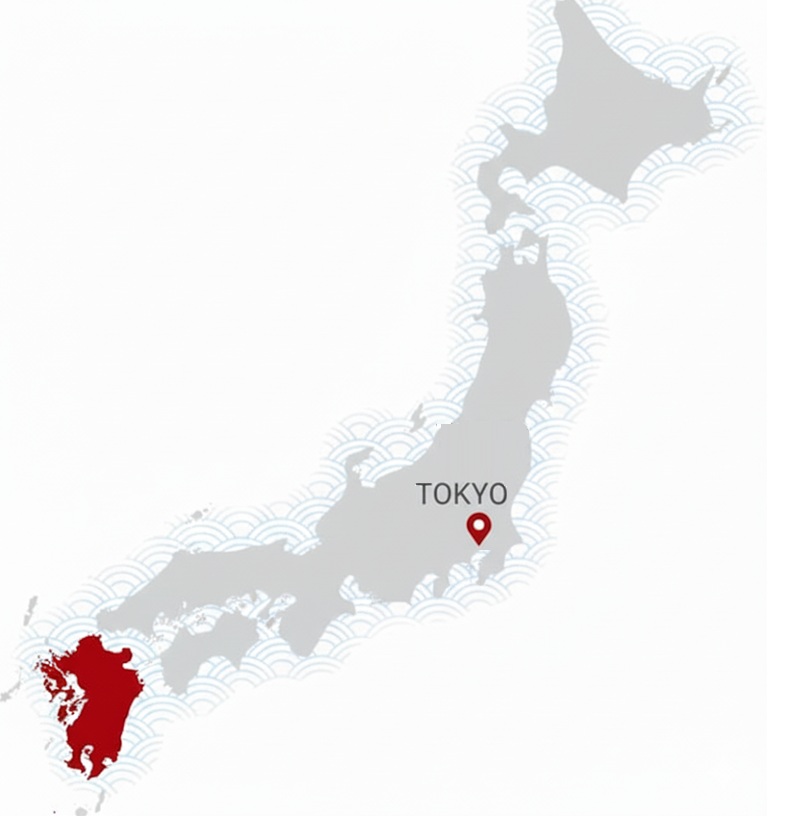
Kyūshū, the southernmost of Japan’s four main islands, is a region shaped by both tectonic forces and centuries of human movement. Geographically, it lies just across the Kanmon Straits from Honshu and reaches southwest toward the East China Sea, comprising seven prefectures: Fukuoka, Saga, Nagasaki, Kumamoto, Oita, Miyazaki, and Kagoshima.
What is the historical significance of Kyūshū?
Its location has made Kyūshū a historical point of entry for foreign influences, from early Chinese and Korean contacts to European traders and missionaries in the 16th century. Due to its outsider status in the Edo period, the region also played a key role in the Meiji-era modernization and the development of Japan’s industry.
What is there to see and do in Kyūshū?
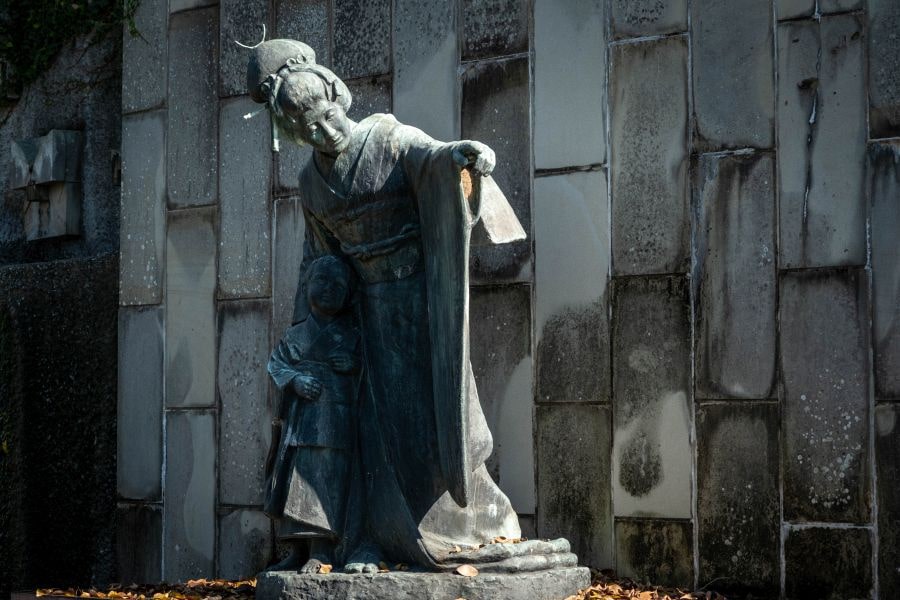
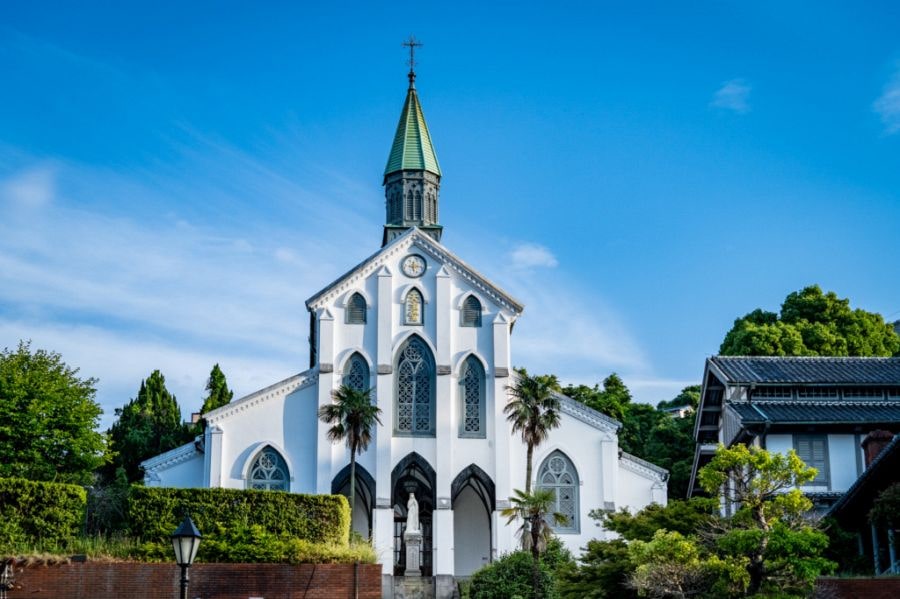
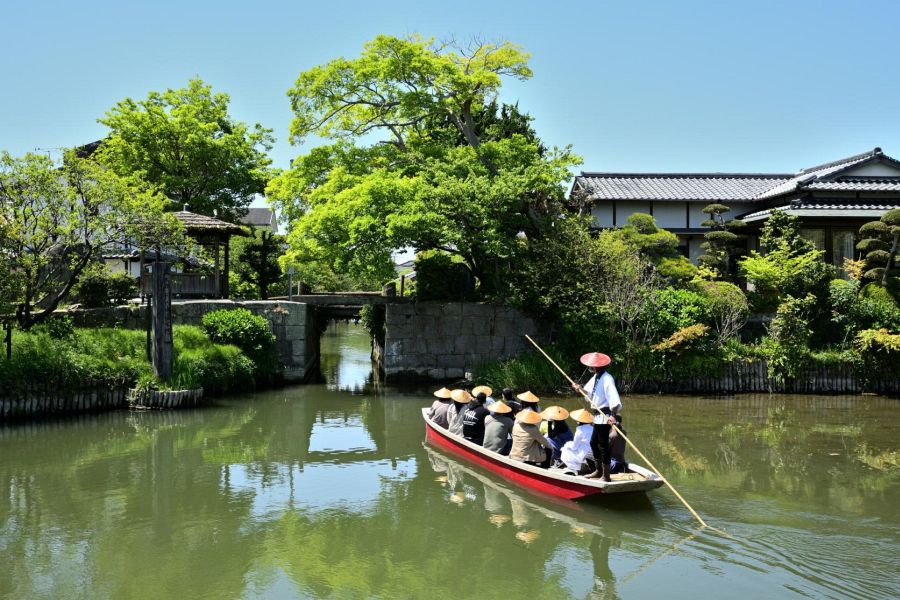
Among Kyūshū’s most striking places are the terraced rice fields of Saga, the rugged cliffs of the Takachiho Gorge in Miyazaki, and the preserved samurai district of Chiran in Kagoshima. The beautiful cosmopolitan city of Nagasaki alone rewards several days of exploration, with its layers of history, much of it tragic, and its prolonged international influences. Once an important metropolis in Japan’s ancient past, Dazaifu is home to the remarkable Kyūshū National Museum, as well as many evocative sites reflecting its illustrious legacy.
Does Kyūshū have volcanoes?
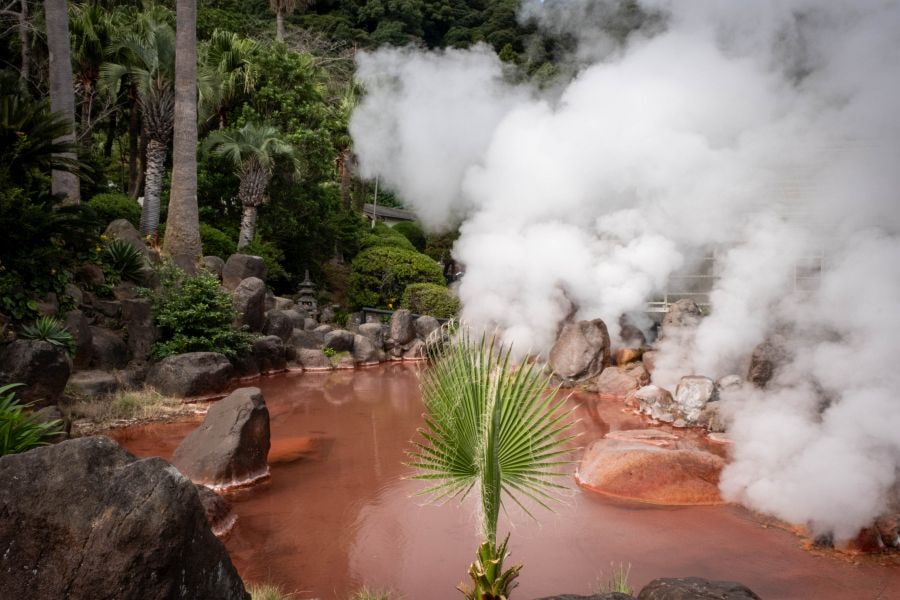
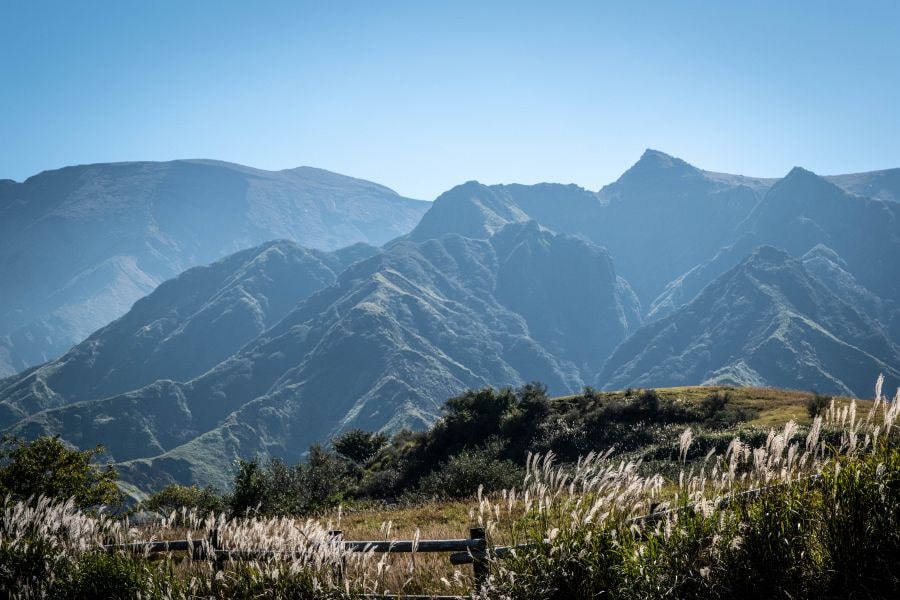
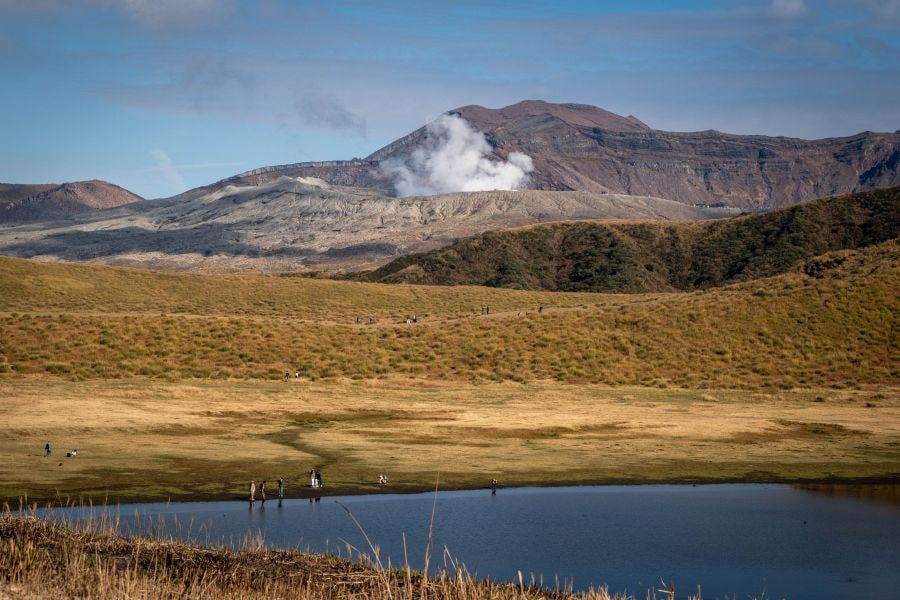
Kyūshū sits atop active geological zones, and its landscape reflects this. The island is home to some of Japan’s most prominent volcanoes, including Mount Aso—one of the world’s largest calderas—and the frequently active Sakurajima near Kagoshima. These geothermal features also support a wide network of hot springs, or onsen, with Beppu and Yufuin in Ōita Prefecture standing out as major destinations. These areas are not only popular for their bathing culture but also as examples of how communities have adapted to and embraced the volcanic landscape.
What is the gastronomy of Kyūshū like?
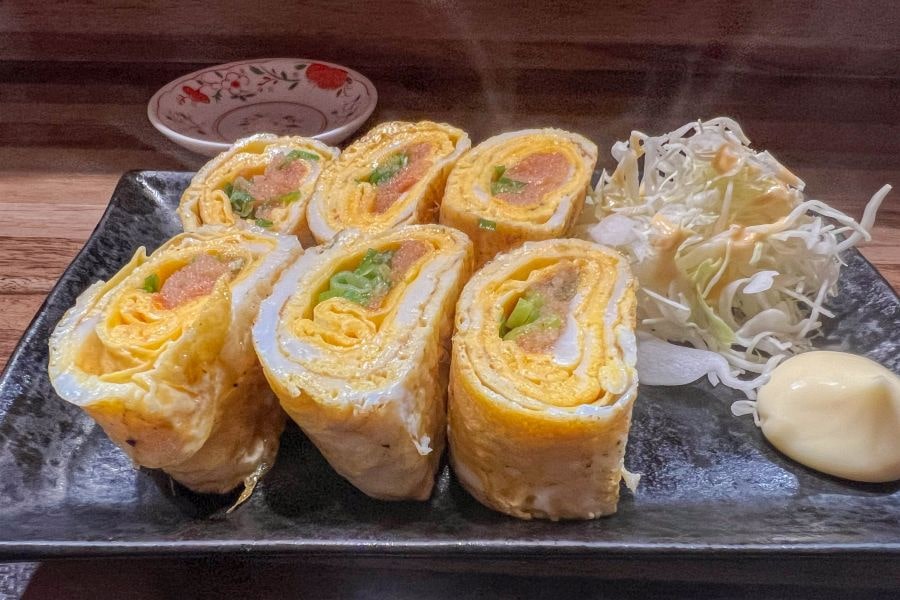
Kyūshū’s food culture reflects both its natural resources and regional variation. Tonkotsu (pork bone) ramen from Fukuoka, citrus-marinated seafood in Miyazaki, and charcoal-grilled chicken from the volcanic slopes of the south are just a few examples. The island also produces distinctive local shōchū spirits, made from sweet potatoes, barley, or rice, depending on the area.
What adventure awaits in Kyūshū?
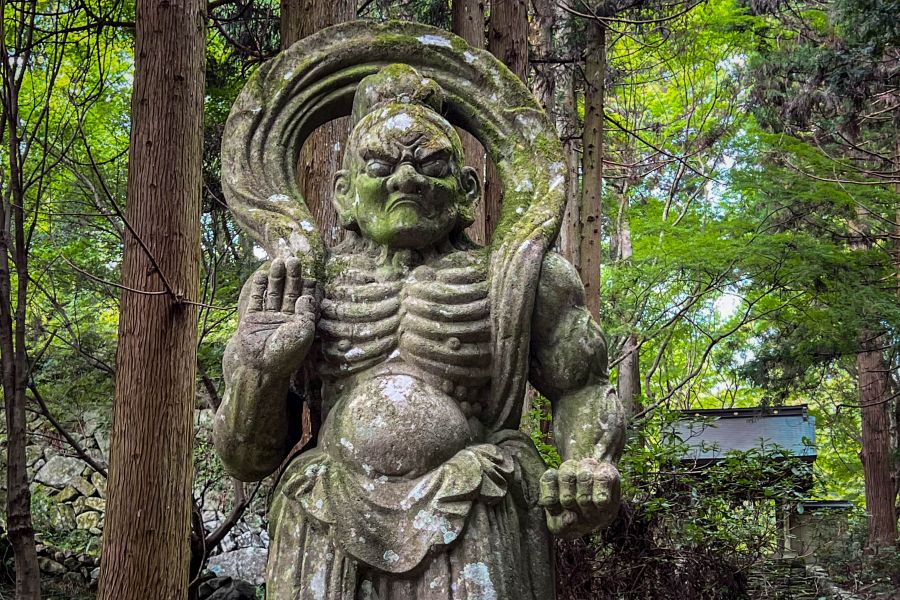
Kyūshū is appealing to the adventurous traveller for the great variety of activities on offer. Its coasts are ideal for fishing, kayaking, and SUP, while its highly diverse and dynamic interior is great for trekking and cycling. The Shugendō pilgrimage routes in Kunisaki and the Kyūshū Olle rambling trails are distinctive features of the island’s hiking culture. And for the onsen lover, volcanic Kyūshū is positively heaven.