Jizō
Name In Japanese: 地蔵
Pronunciation: ji-zoh
Period: 5.67 billion years
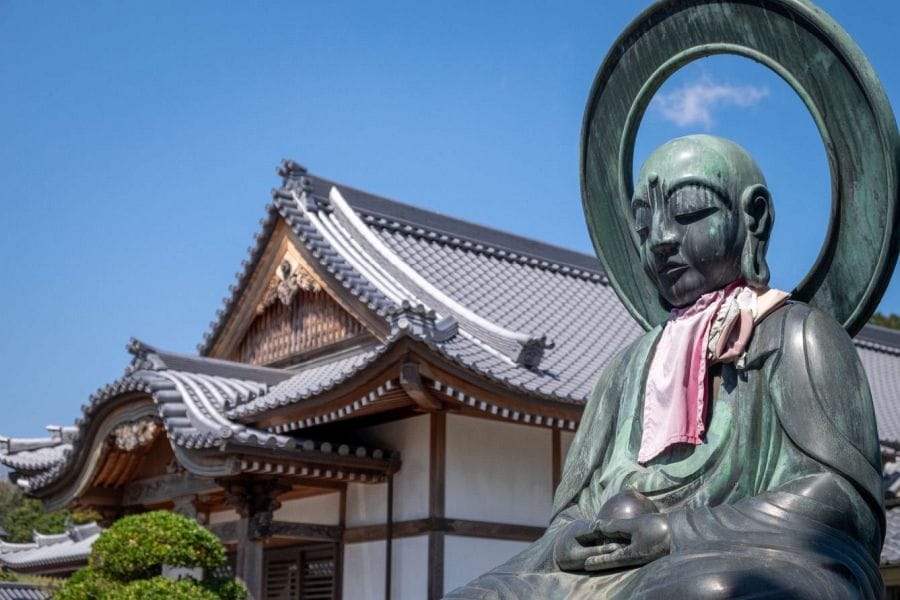
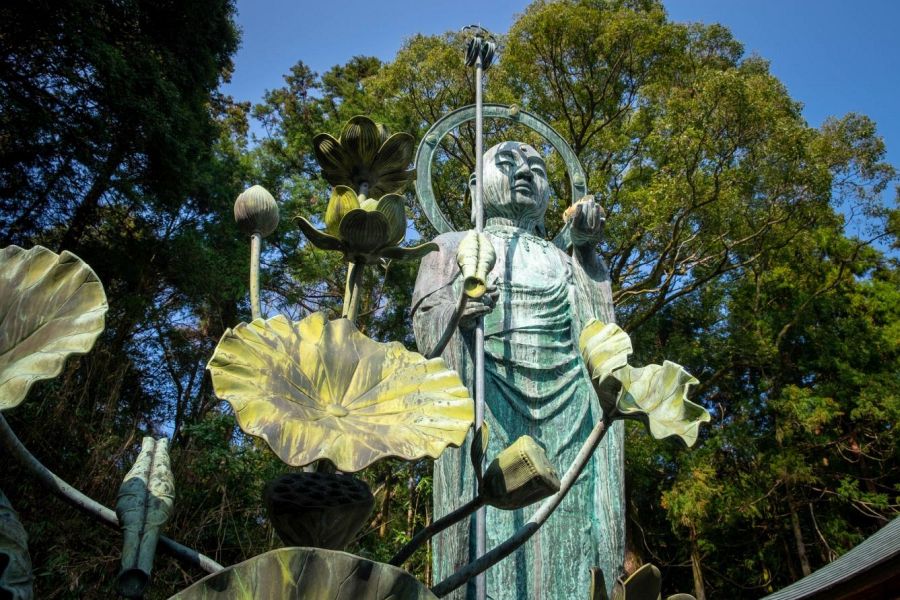
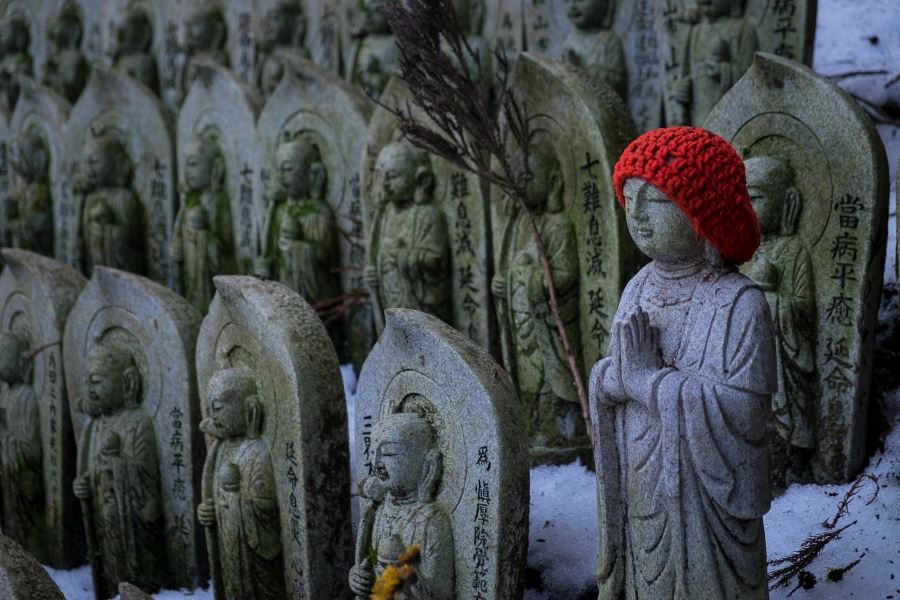
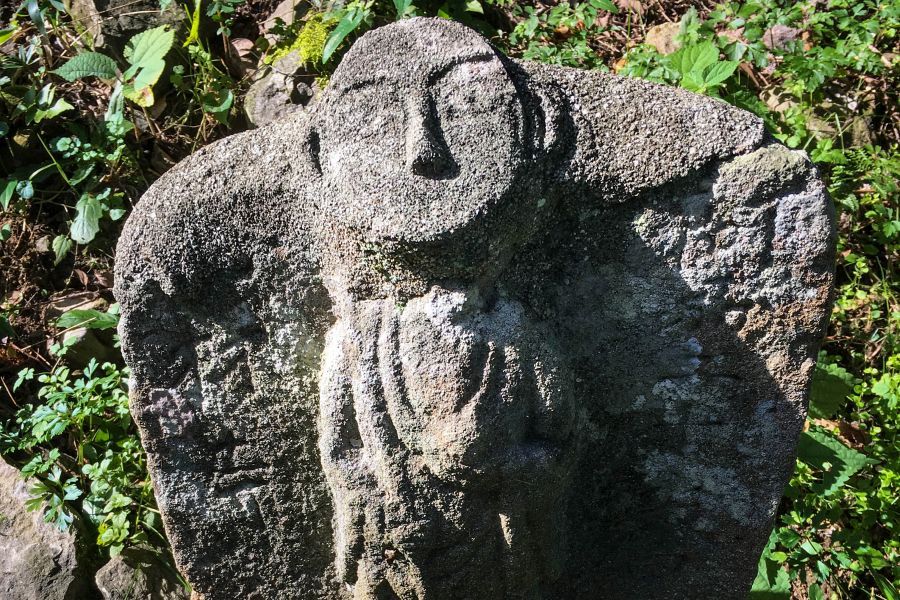
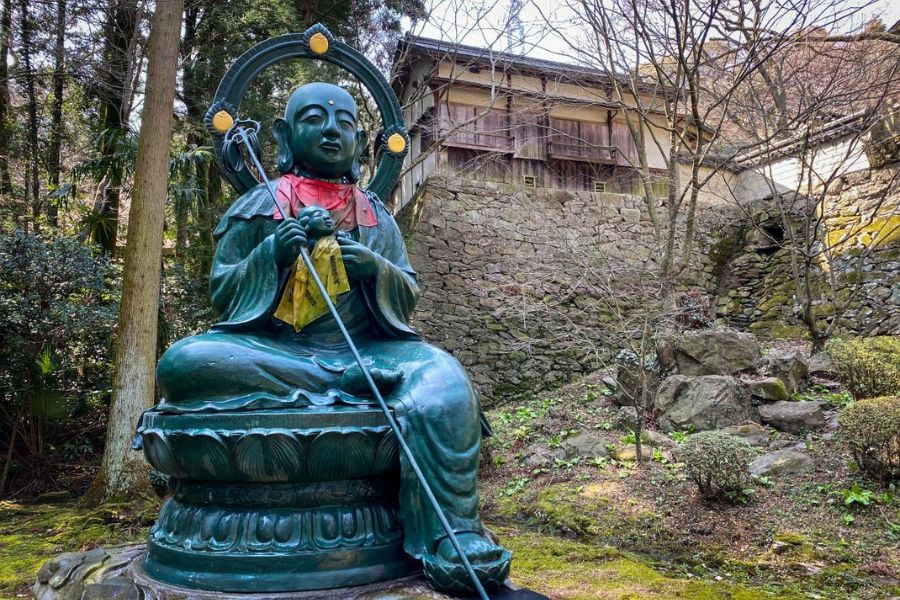
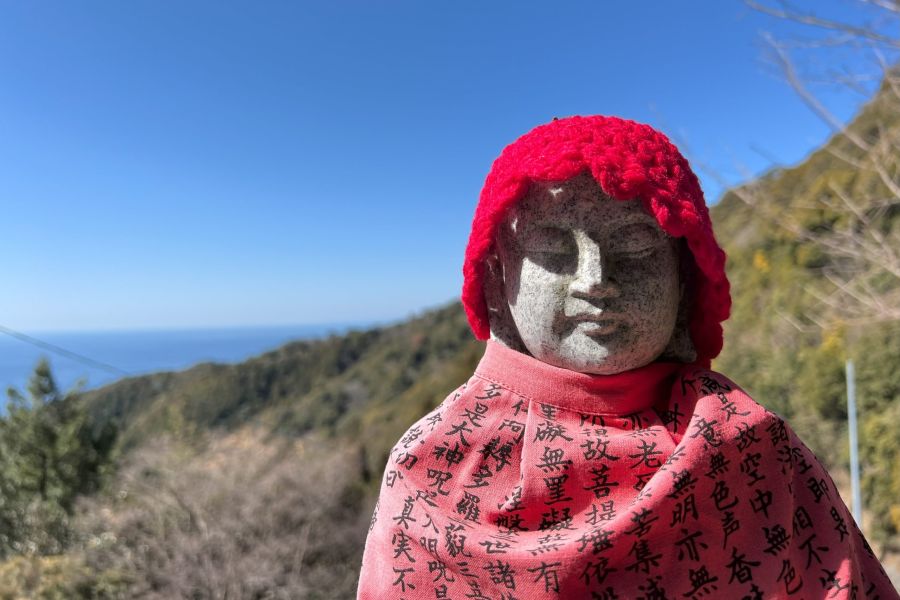
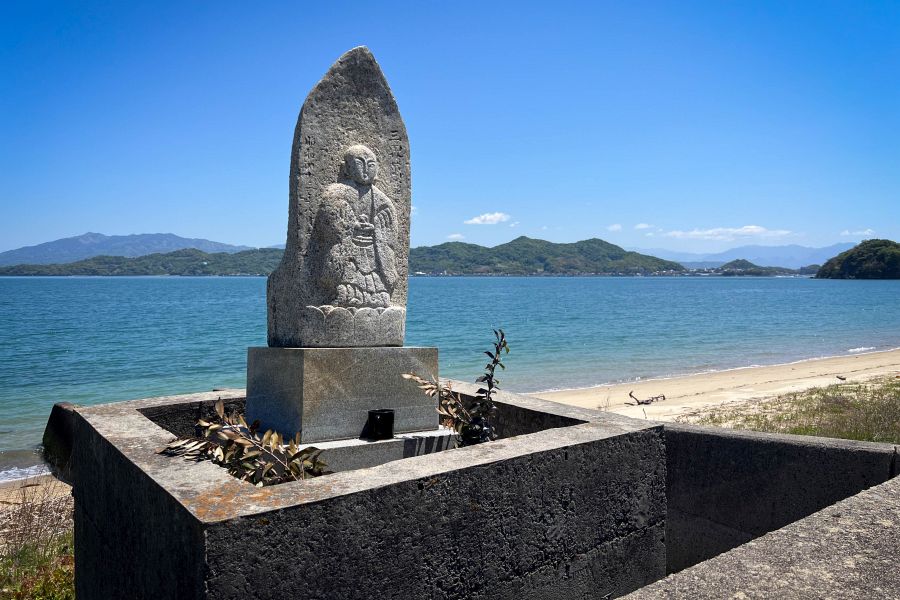
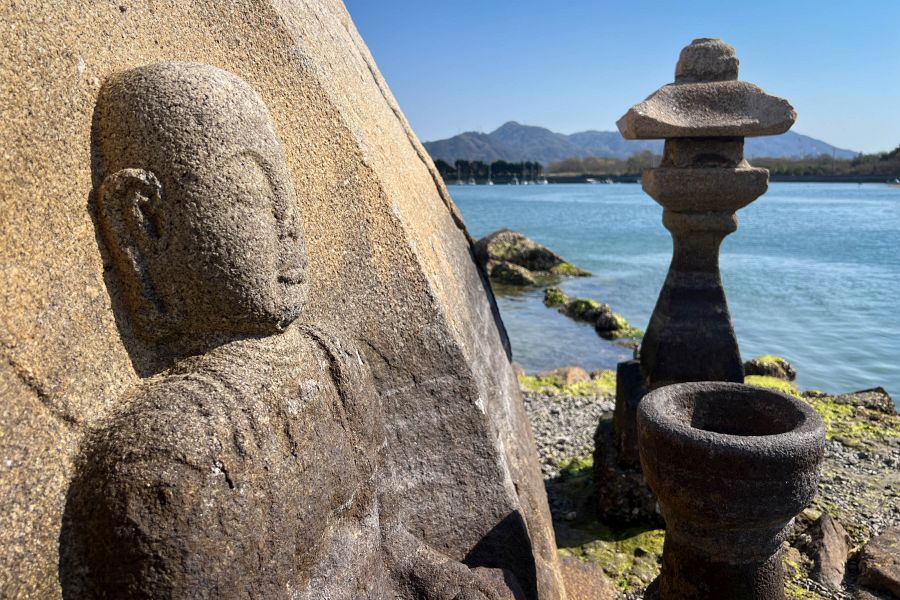
Jizō is one of the most commonly encountered Buddhist deities in Japan. He’s depicted as a normal priest with robes, a shaved head, and a bland, kindly demeanour. On Japan’s many pilgrimage routes, a boat-shaped standing Jizō statue is used as a milestone, counting down the leagues until the sacred destination. The mountain trails of the Shikoku pilgrimage and other sacred paths are lined at intervals with these boat-shaped statues, which are clearly of considerable antiquity. Some statues of Jizō hold a child or a sutra scroll. Many of the Jizō statues were deliberately damaged in the early Meiji period when Buddhism and Shintō were forcibly separated.
Jizō is one of the Bodhisattvas, or Bosatsu in Japanese. These are beings entrusted by the original Buddha with the task of saving sentient beings during the period between the Buddha’s own death and the future enlightenment of Maitreya Bodhisattva, a long and difficult period known as the “age of no Buddha”, expected to last 5.67 billion years. That’s a long time, and Jizō has his work cut out.
Jizō isn’t native to Japan. The origins of Jizō Bosatsu lie in Prithvi, the Earth goddess appearing in the mythology of India’s Hinduism. Beliefs in her benefits, such as protecting the earth, accumulating wealth, and curing illness were incorporated into Buddhism, leading to the establishment of Jizō Bosatsu. In Sanskrit, he’s known as Kṣitigarbha which means “earth” and “womb” respectively. The Japanese name Jizō is a free translation signifying “one who encompasses the earth”. He’s widely venerated not only as a bodhisattva offering salvation and benefit to those living on the earth, but also in the hells beneath the ground. Jizō also helps animals and hungry ghosts.
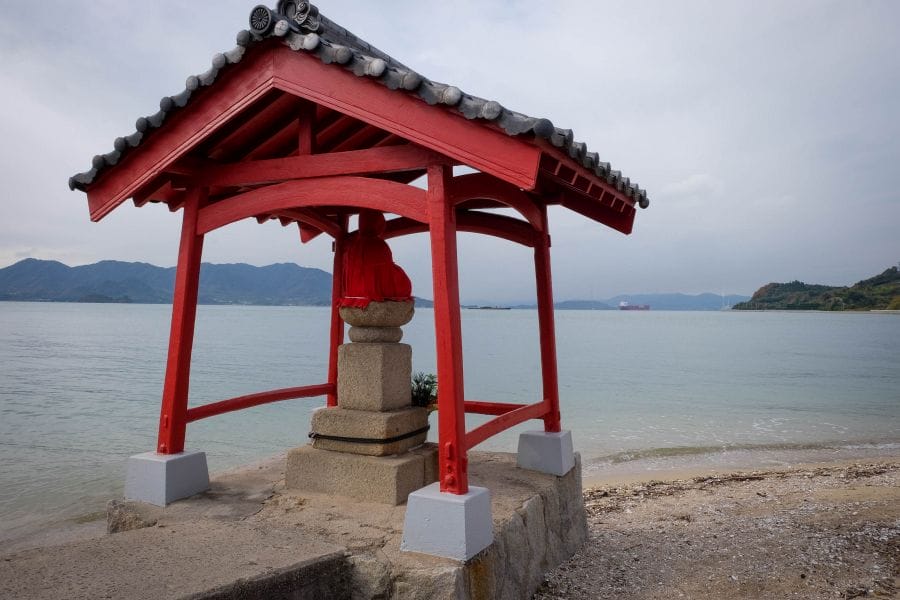
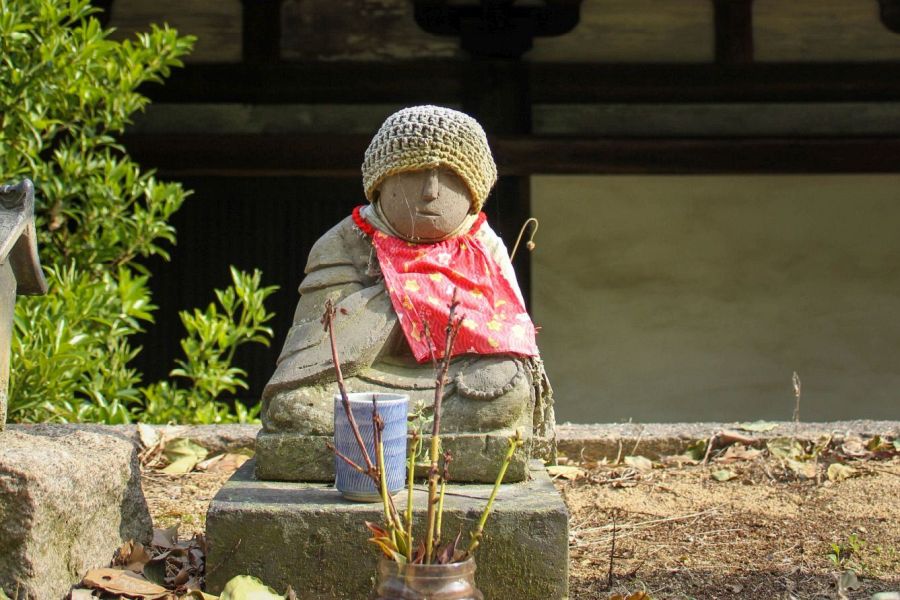
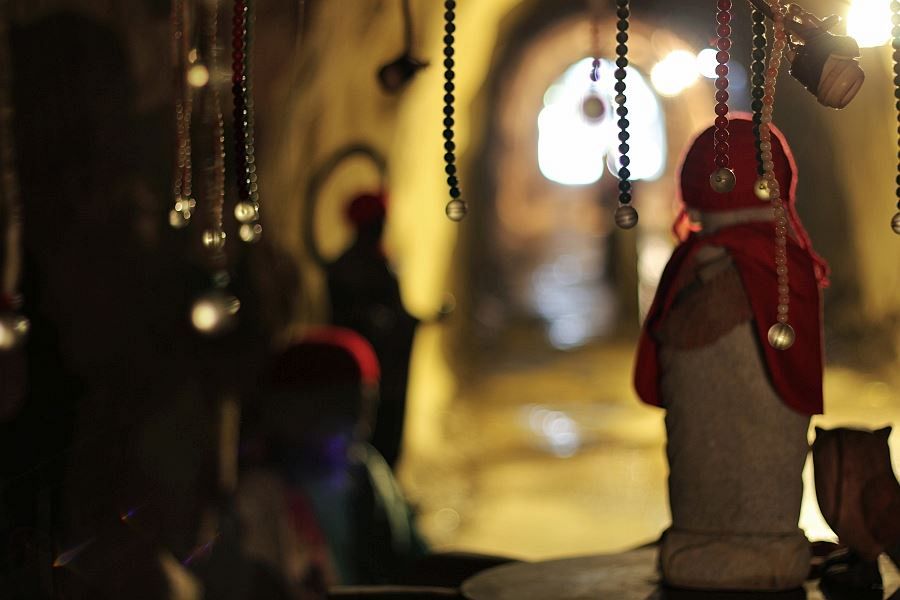
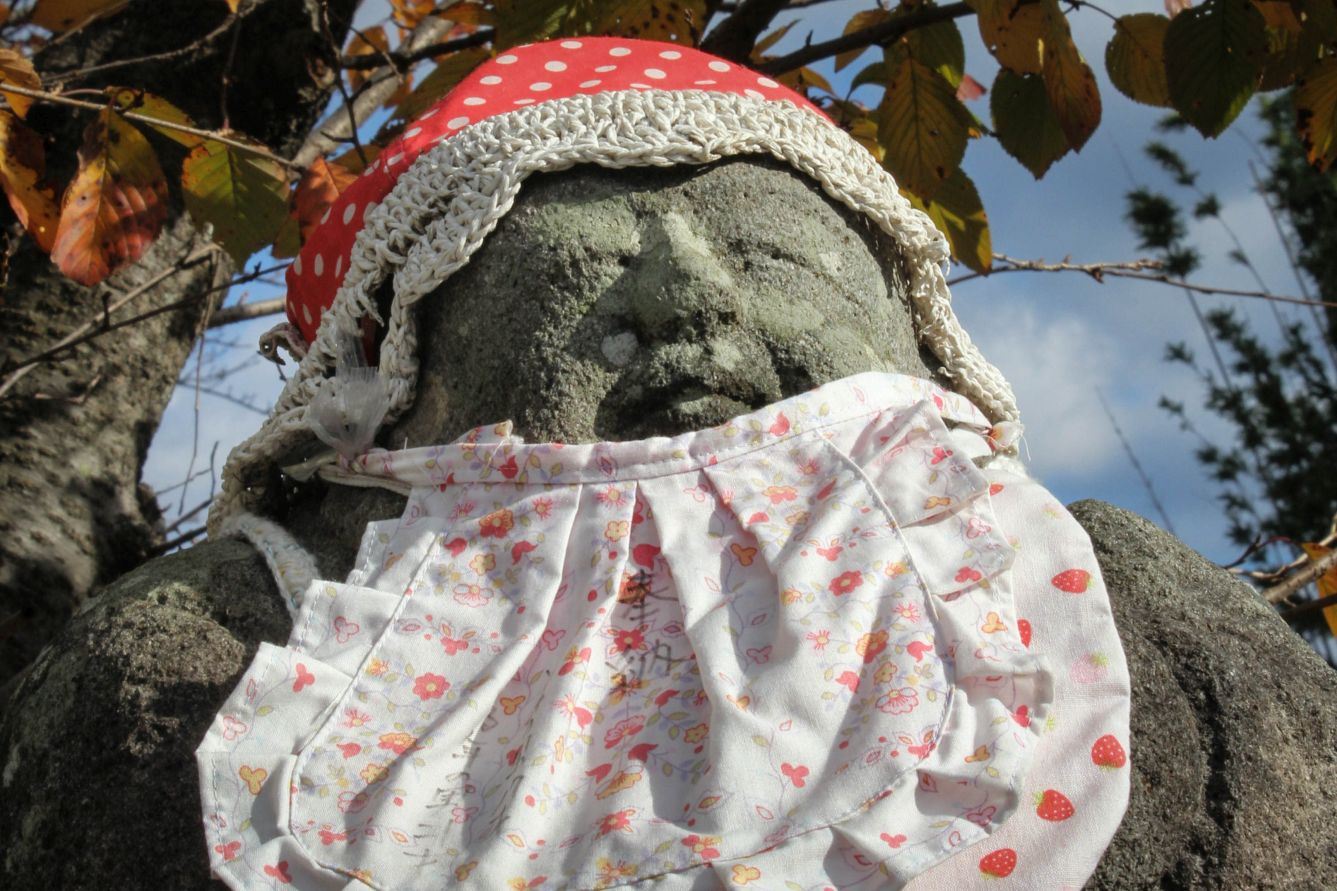
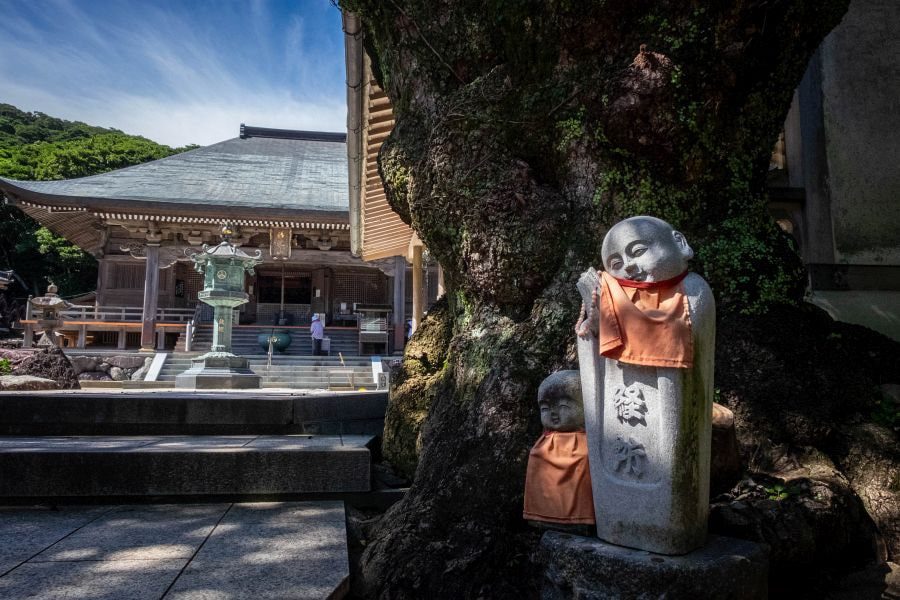
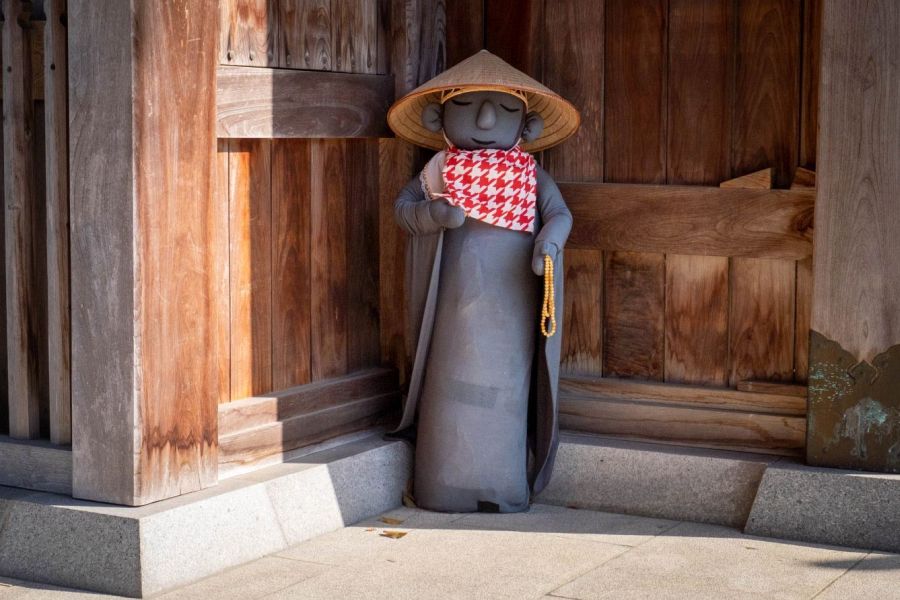
Jizō statues are often adorned with bibs, kerchiefs, or the pilgrim’s hat, and he’s sometimes dressed with a coat. Various reasons are given for this, but the most likely reason is ‘you gotta give some to get some’ — keep Jizō warm and he’ll look after you. In Japanese folk belief, Jizō possesses the character of a roadside guardian deity (dōsojin) and is also believed to be a guardian of children. He’s affectionately called ‘Ojizō-san’ or more reverently, ‘Ojizō-sama’.
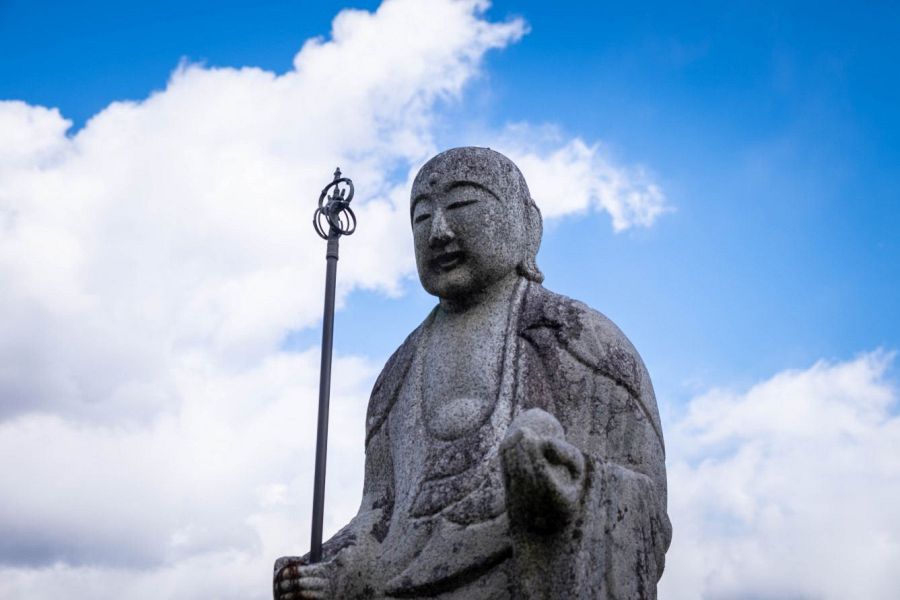
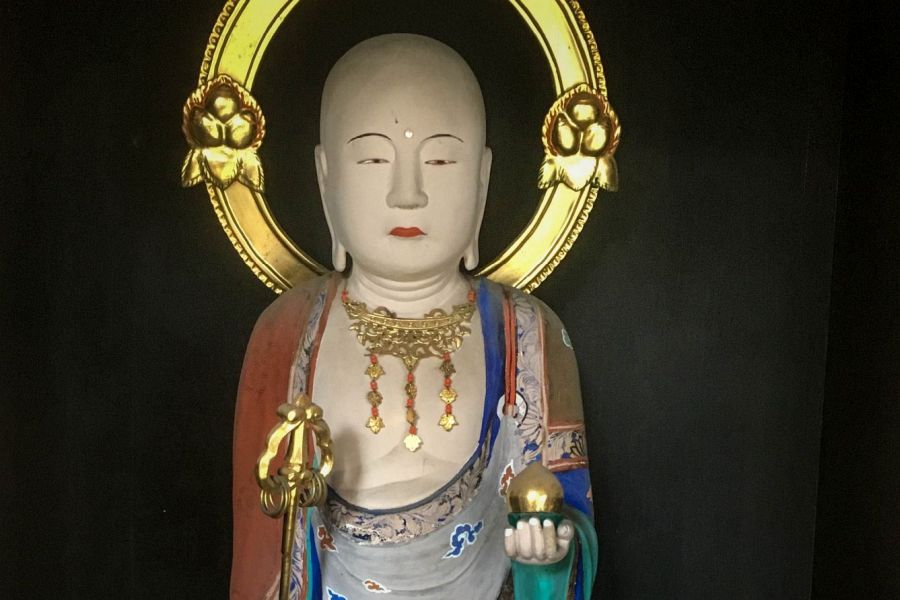
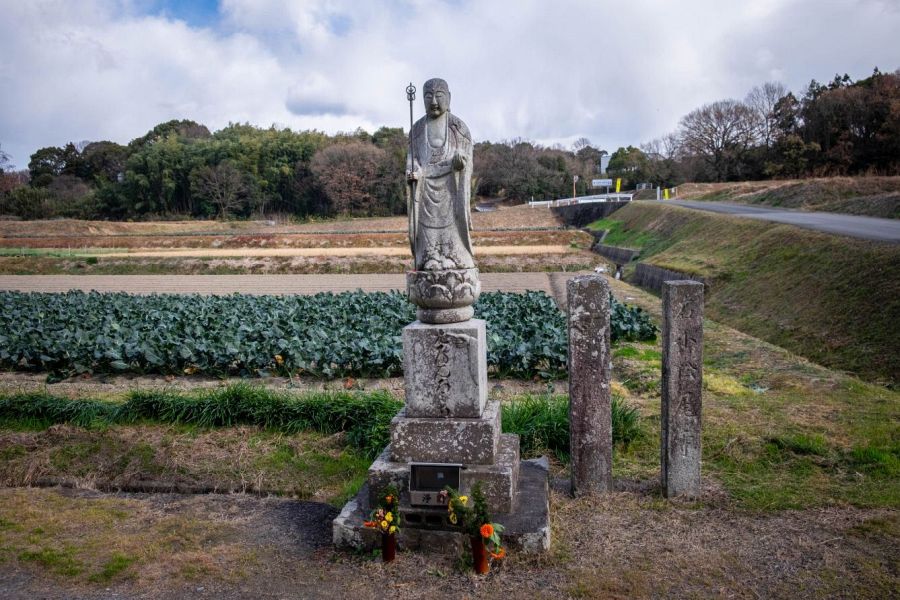
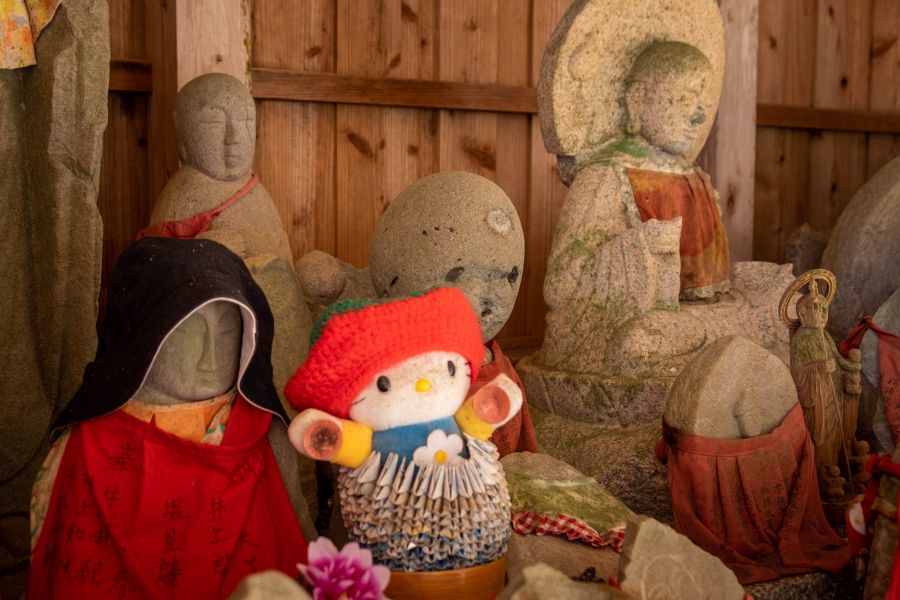
The Sutra of the Original Vows of Bodhisattva Jizō expounds upon the Twenty-Eight Benefits and the Seven Benefits which Jizō confers. That seems to equal thirty-five benefits by normal reckoning, but never mind. The benefits of a successful appeal to Jizō starts with “Protection by heavenly beings and dragons”, which is pretty much winning the Cosmic Lottery already. “Peaceful dreams during sleep” seems like quite a small side-dish in comparison, but it comes with the package. There’s also “Transformation from female to male” if you want, but not the opposite (sorry). Of course Jizō can transgender because he started out as Prithvi.
From the Heian period onwards with the rise of Pure Land Buddhism, Jizō was venerated as a saviour in hell. It became widely believed that those unable to attain rebirth in the Pure Land would inevitably fall into hell. This strengthened the faith in Jizō as the Bodhisattva who bears suffering in hell on others’ behalf.
As someone who helps the helpless, it was natural that Jizō became recognised as a guardian deity for children. But this is where a darker side creeps in. There’s a Water Jizō for kids who get washed out. You’ll see him at many temples surrounded by little tots in poses of supplication. These represent premature births, whether natural or induced. Jizō is also the last resort of the aborted.
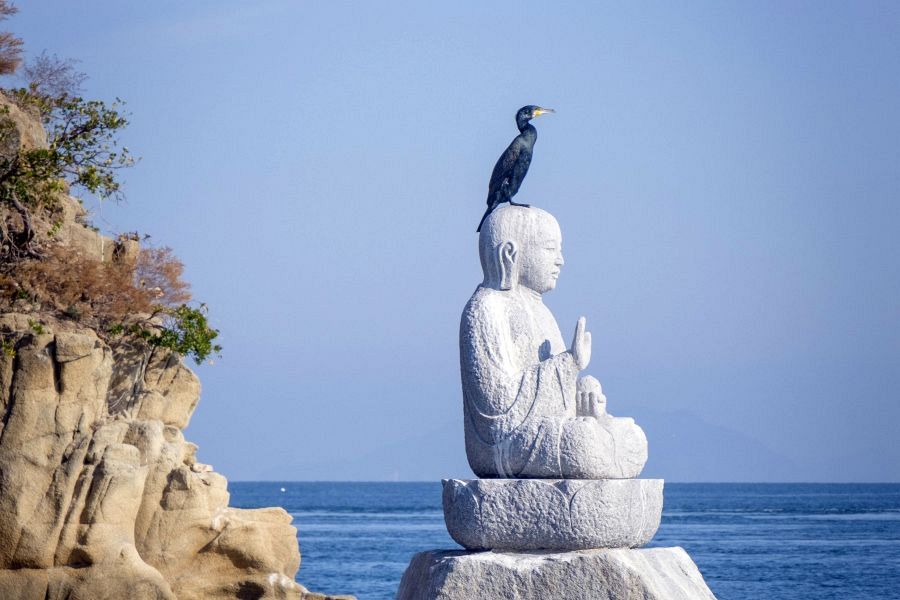
An example of Jizō’s intervention is told by the boatmen who take visitors out to Noshima on the Shimanami Kaidō. A whale and her calf were resting on the rocks of Noshima when the tide went out leaving Mum high and dry. Jizō appeared and recruited all the creatures of the sea to get under the mother whale and help her back into the water. A Jizō statue now sits on the rocks, and whales have been seen worshipping there. Cormorants also like to sit on his head.
Today, the names of the various Jizō exceed one hundred, revealing the extreme diversity of the hopes placed in him. Examples include Wart-Removing Jizō, Night-Crying Jizō, Rain-Bringing Jizō, and Sudden-Death Jizō. Yes, you can pray to Jizō for a long life ended with a swift and painless hearty in your armchair.