Kannon
Name In Japanese: 観音
Pronunciation: ka-non
Period: 538 to the present
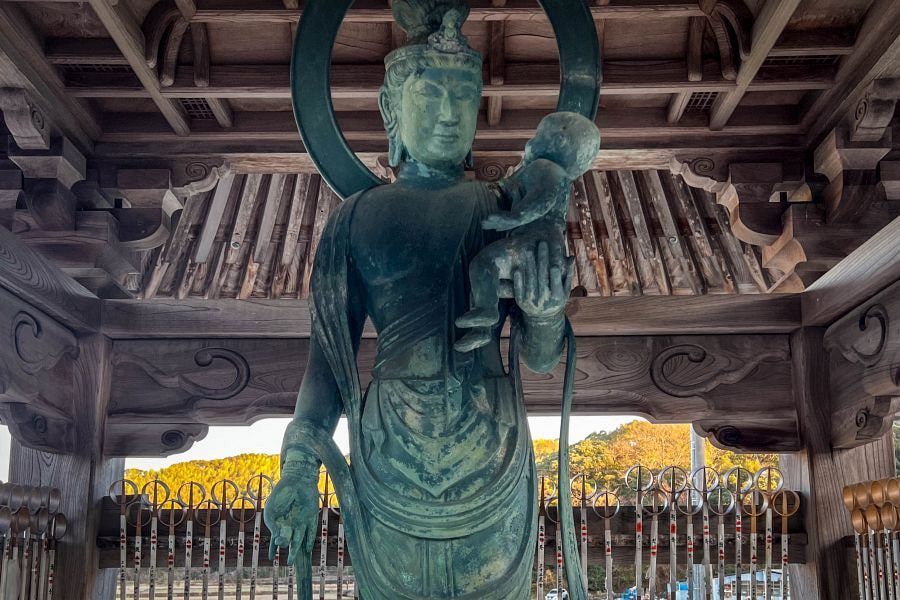
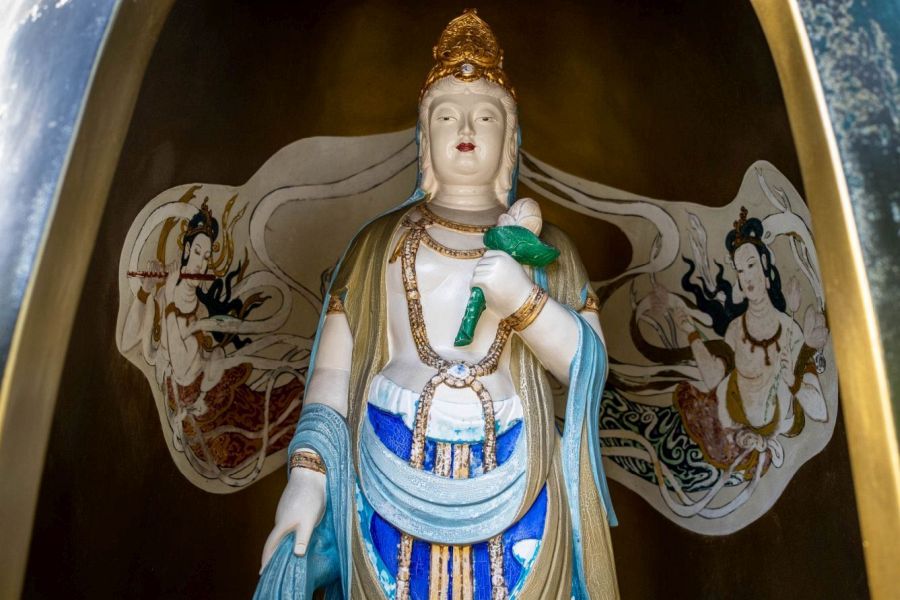
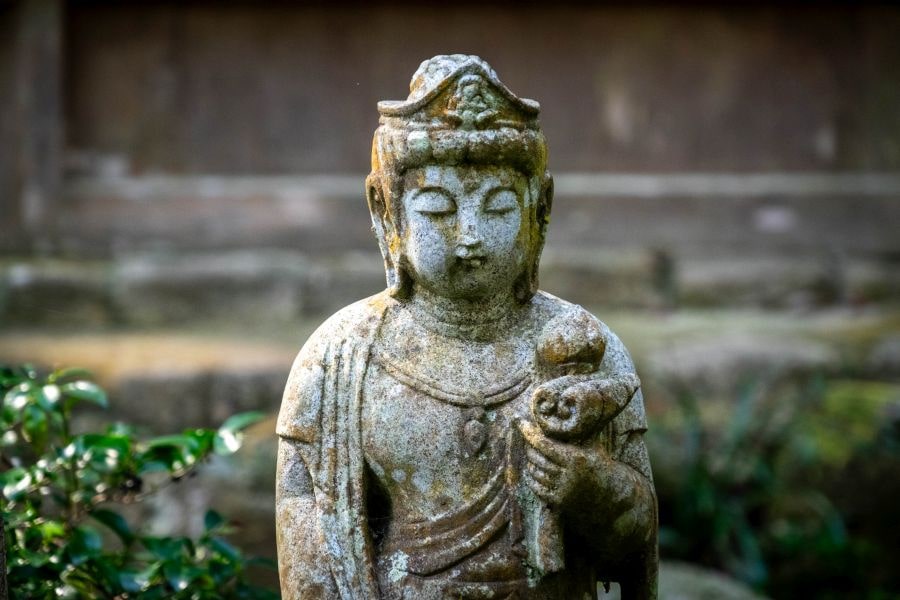
Kannon is often called the Goddess of Compassion in English, although this Buddhist deity was male when he originated in India as Avalokiteshvara. As he made his way through China to Japan, he became more feminine, developing bosoms, a headdress, and garments resembling more of a frock than a robe. Nevertheless, he/she is sometimes depicted with a little moustache. It’s theorised that Avalokiteshvara was feminised in China where she became a figure to whom women suffering under Confucian ethics of male supremacy and female subordination clung. For example, women suffering under the principle that a wife unable to bear a male heir should be divorced took solace in the Kannon faith, believing that praying to Kannon would grant them a son.
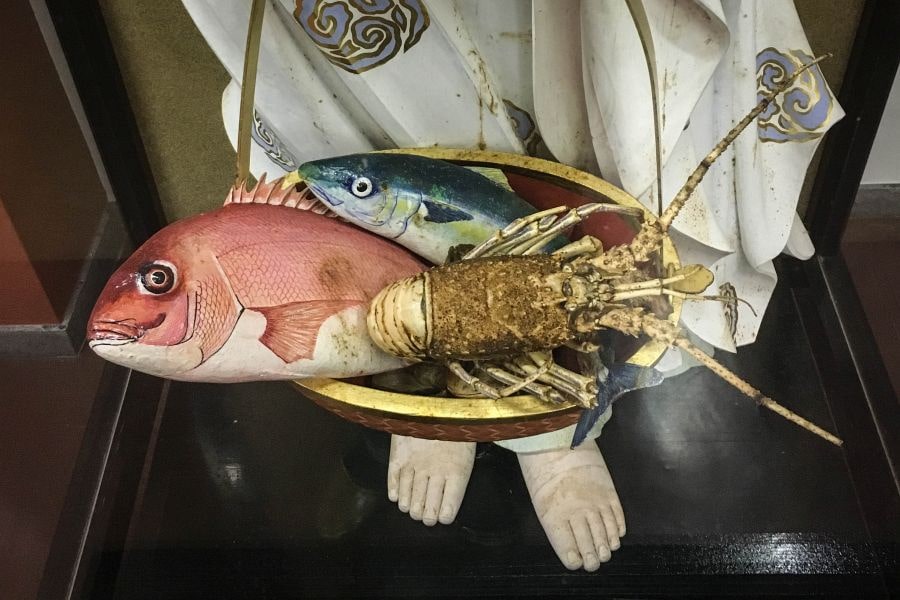
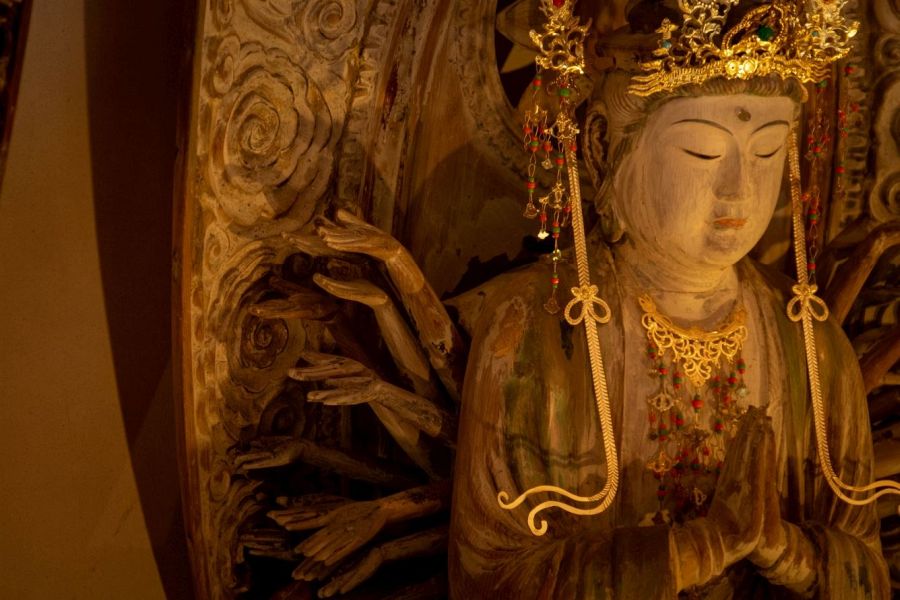
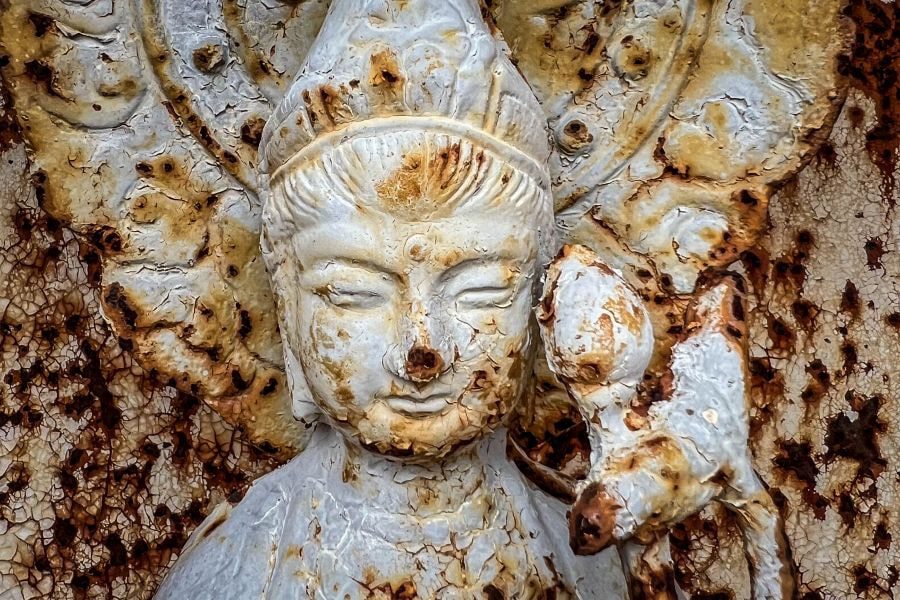
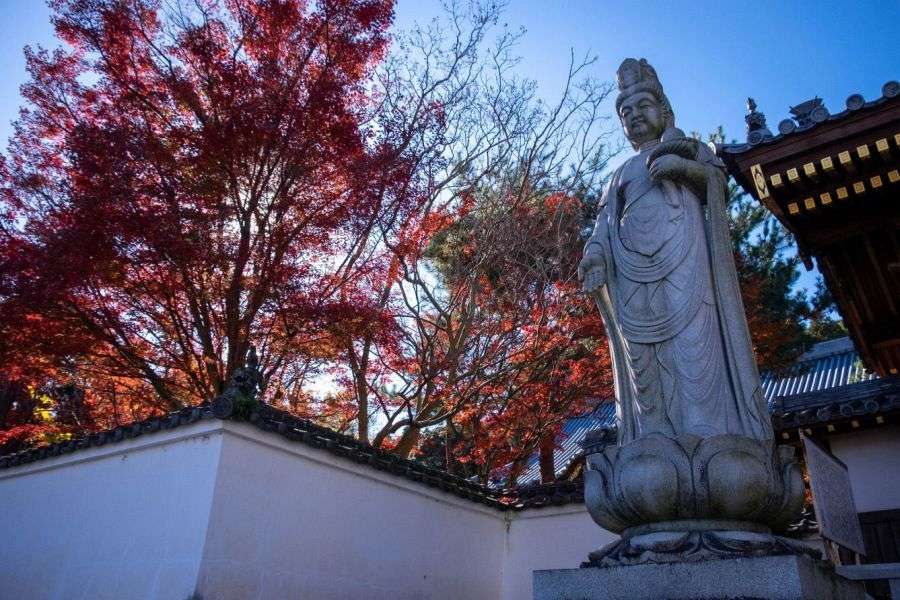
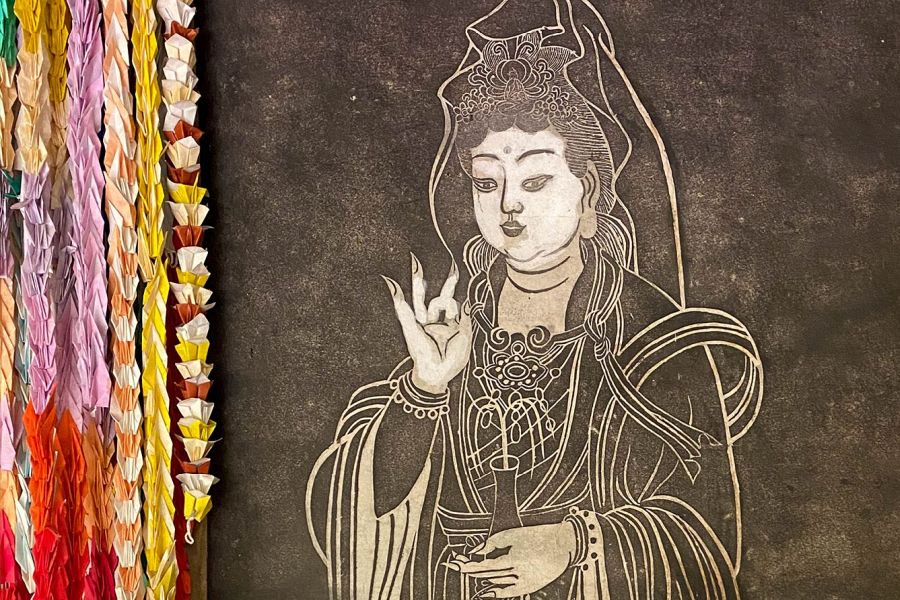
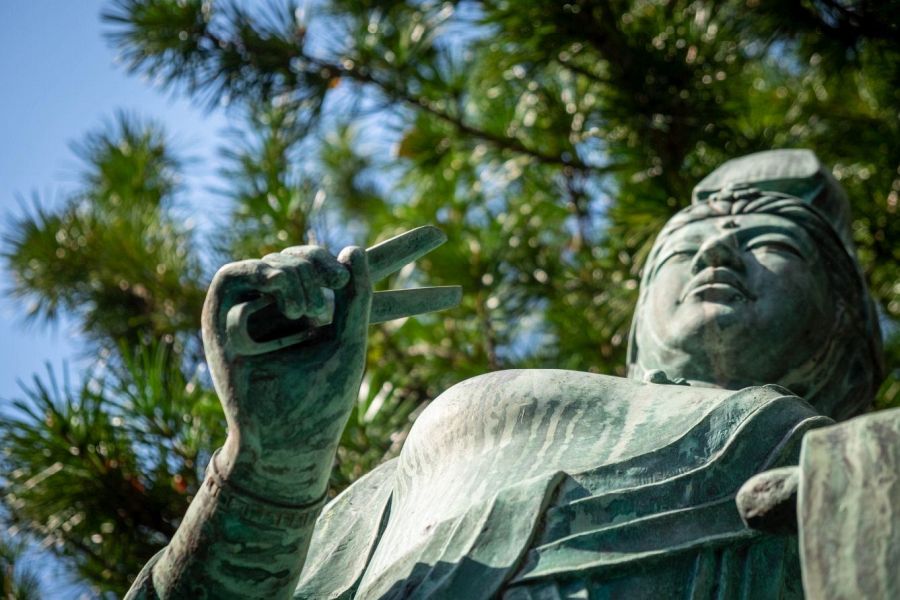
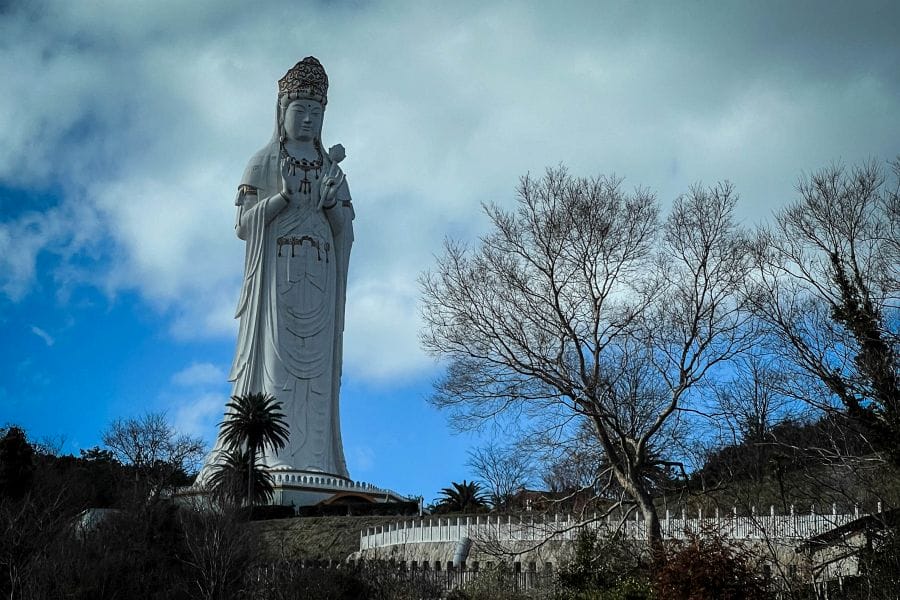
Kannon represents the divine ability to hear the world’s cries and relieve suffering, granting protection, fertility, and peace. As such, Kannon is very popular and appears in countless statues, from miniature to colossal. The standard Kannon statue typically features symbols such as a jewel, lotus, and a vase.
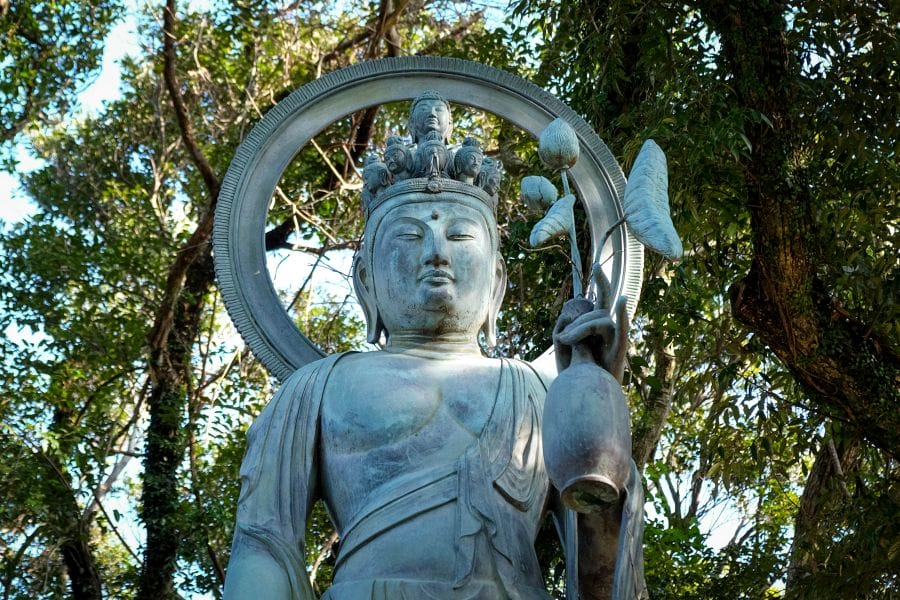
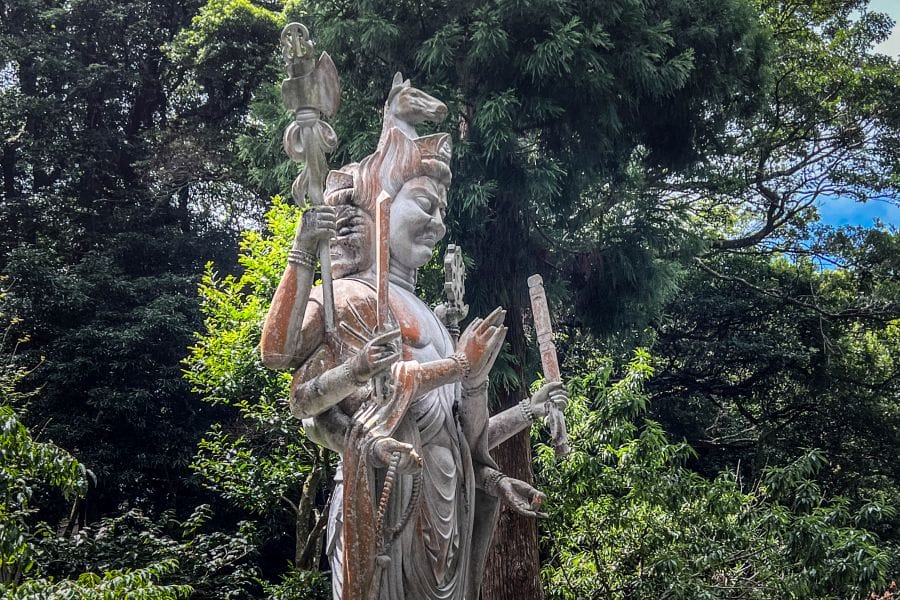
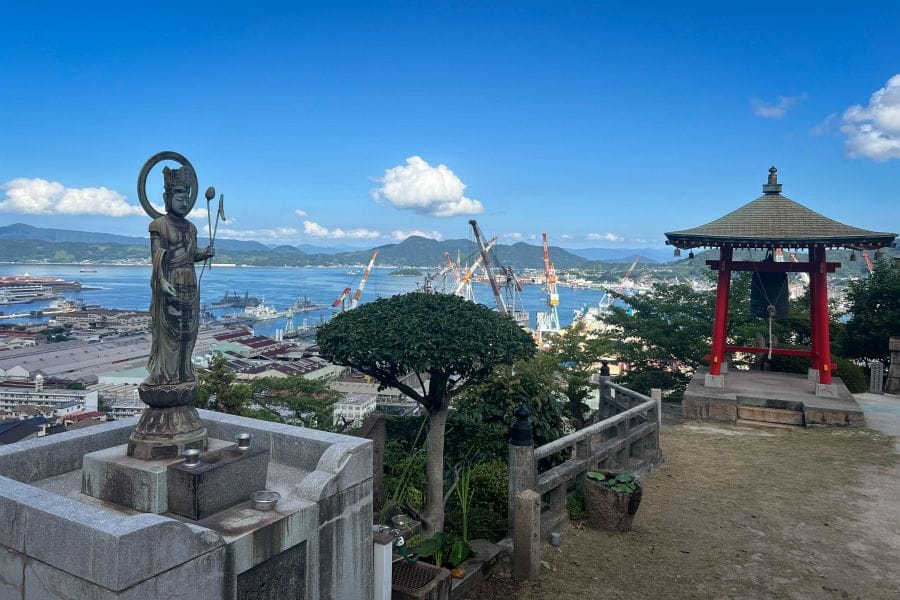
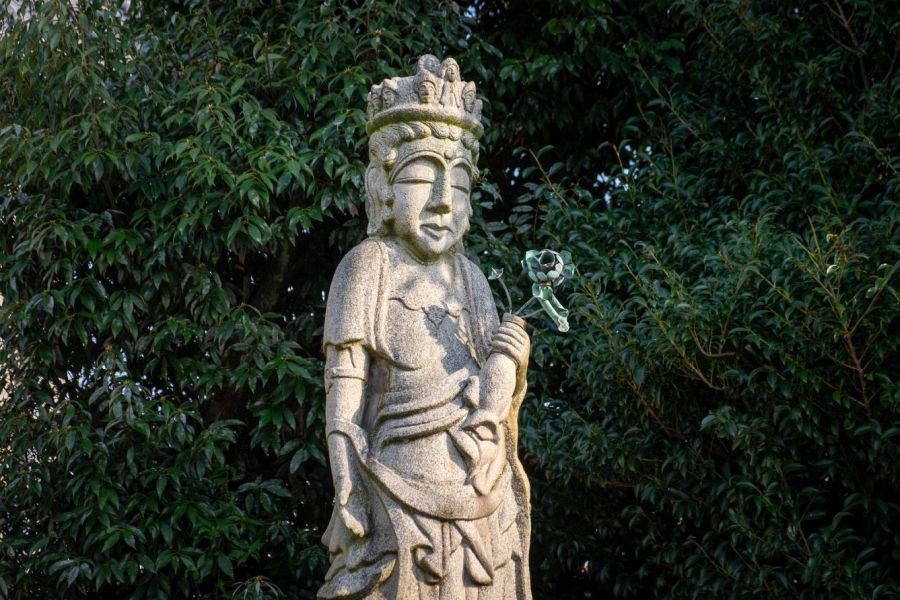
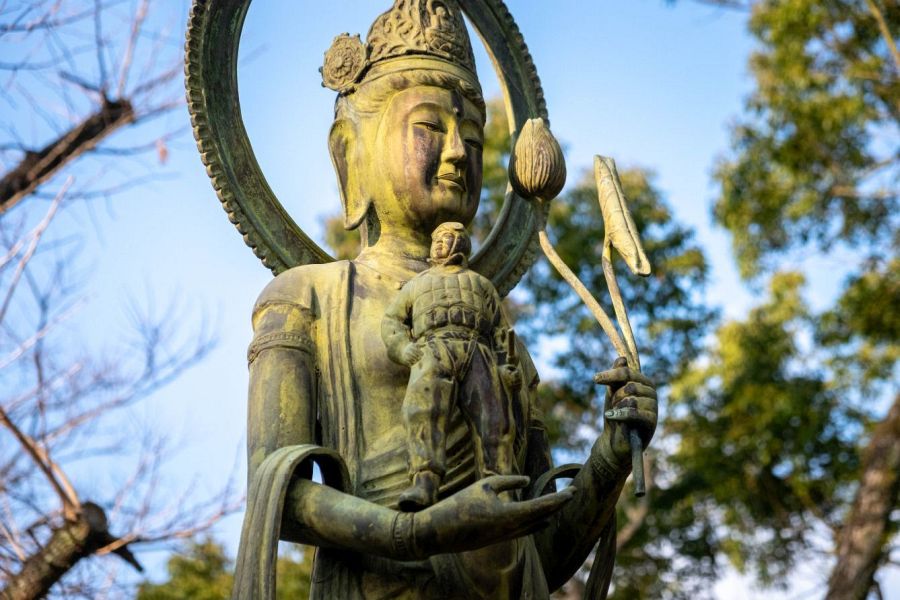
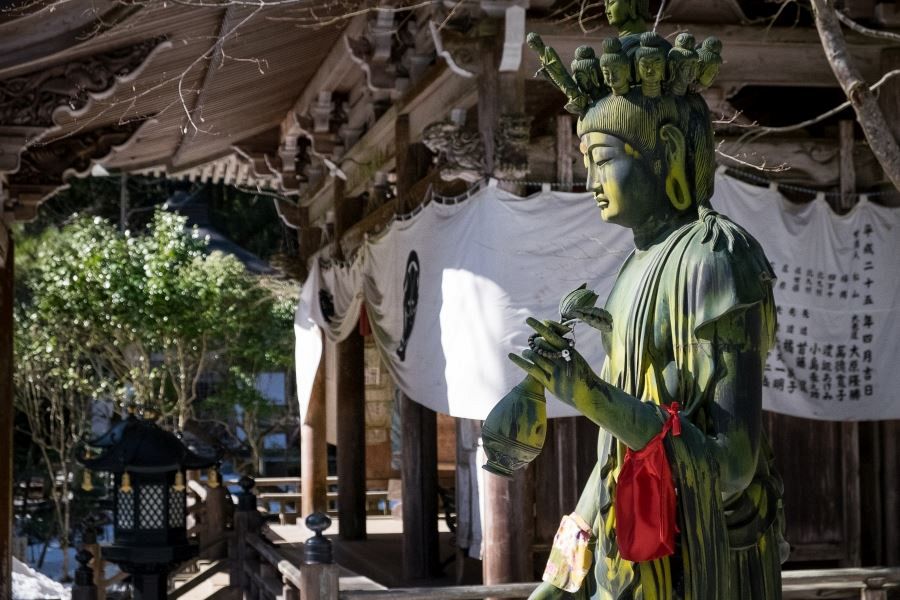
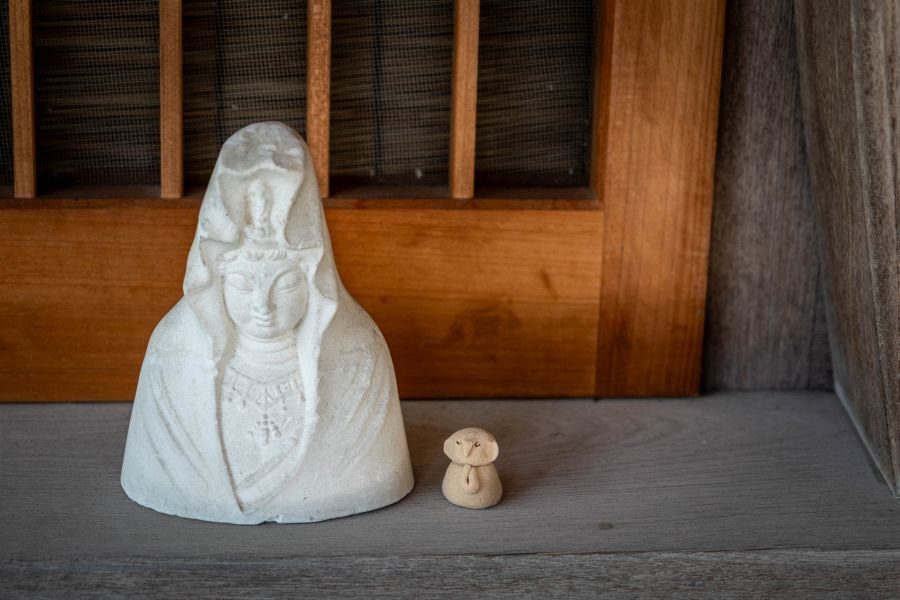
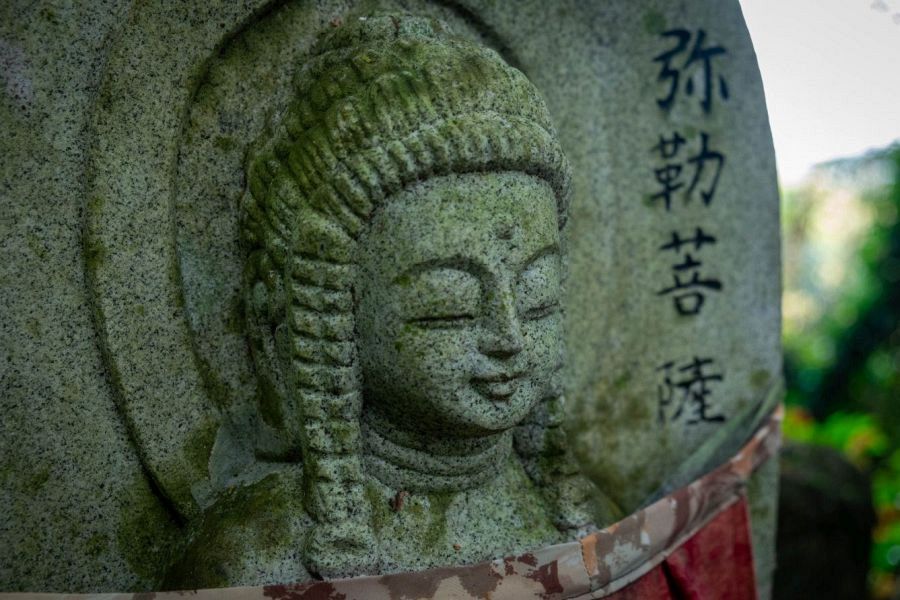
In addition to shifting shape from male to female, Kannon takes numerous forms that represent different aspects of her compassionate mission.
- Senju Kannon is like a Swiss army knife. He/she has a ‘thousand’ (= lots of) arms, symbolizing her power to help in any situation.
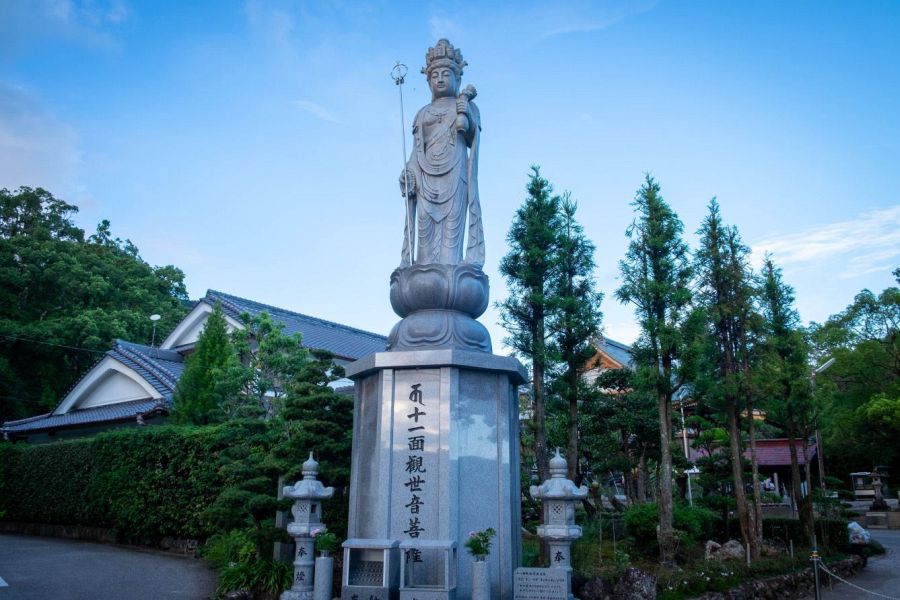
- Jūichimen Kannon has eleven heads. Disappointingly perhaps, these heads are typically depicted as lots of little heads sitting atop the main head. This Kannon saves beings who are stuck in the Asura realm, a sort of Buddhist purgatory.
- Batō Kannon tends to be on the masculine side and has a horse’s head atop his human head. He offers protection to livestock such as horses and cattle which were crucial for the livelihood of farmers until recently.
- Maria Kannon is the Virgin Mary disguised as Kannon. This subterfuge was perpetrated by hidden Christians who would have been executed in the Edo period if their subversive faith became known to the authorities. She’s found in the regions where Christianity persisted in secret for centuries.
- Kamikaze Kannon emerged during the Pacific War and is hard to find today. On the palm of her hand stands a little figure of a pilot complete with flying boots, goggles, and lifejacket.
Kannon has her own pilgrimage, the Saigoku Kannon Pilgrimage, visiting thirty-three Buddhist temples throughout the Kansai region where the principal image in each temple is Kannon. Similarly to the Shikoku Pilgrimage, pilgrims wear white clothing and conical hats and carry a staff.