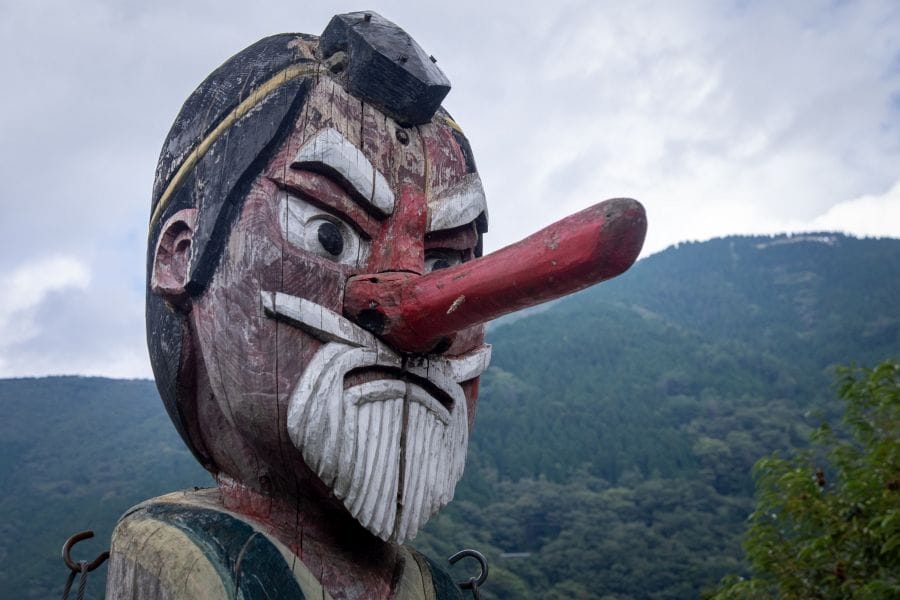
Tengu
Name In Japanese: 天狗
Pronunciation: ten-goo
Period: 8th century to the present
The tengu is a prominent figure in Japanese folklore, known as a supernatural being associated with mountains, forests and remote places. Although often described as a single creature, the term actually covers a range of related beings whose appearance and character vary by region and tradition. Tengu are typically portrayed as powerful, long-lived and ambivalent in nature, capable of both protecting and punishing humans depending on circumstance. They are especially linked with ascetic practice, martial skill and esoteric religious traditions.
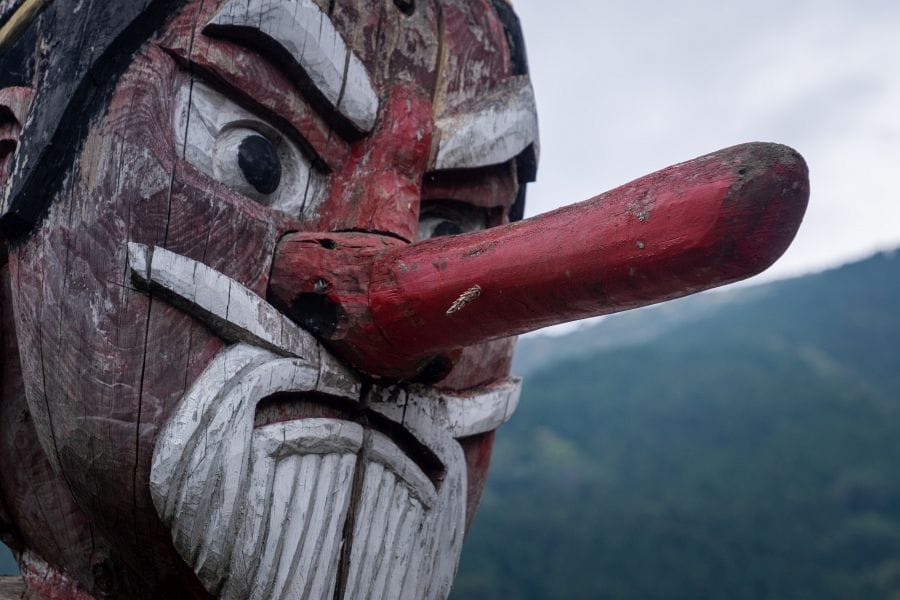
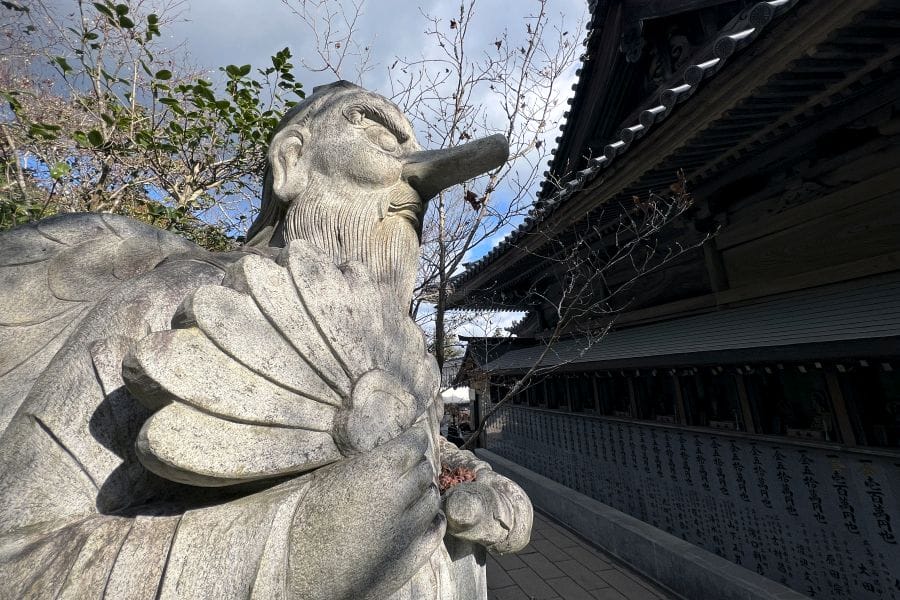
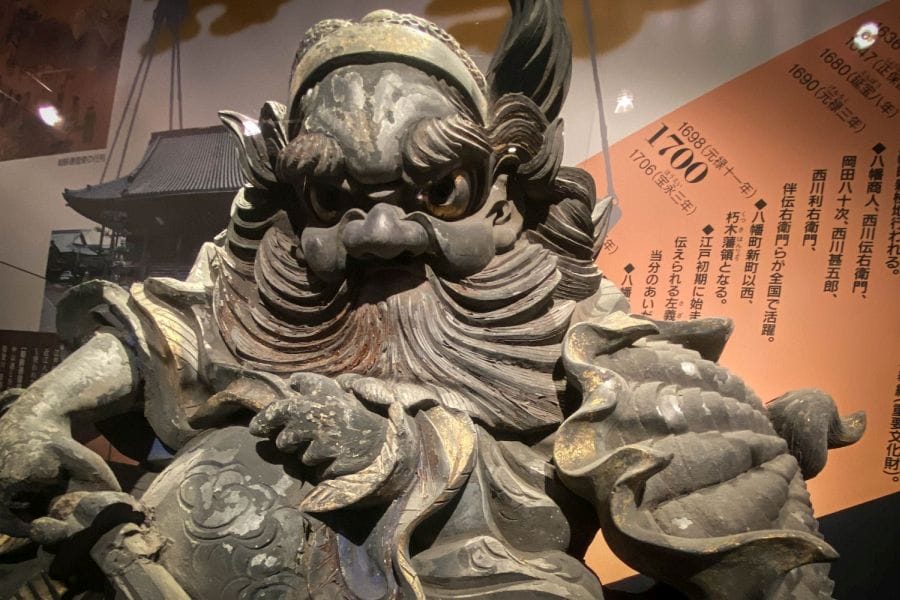
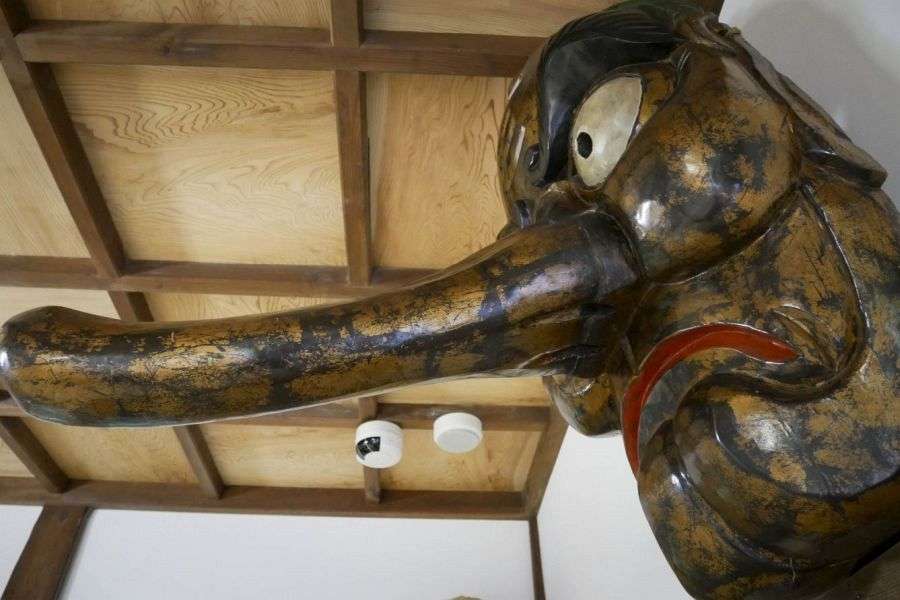
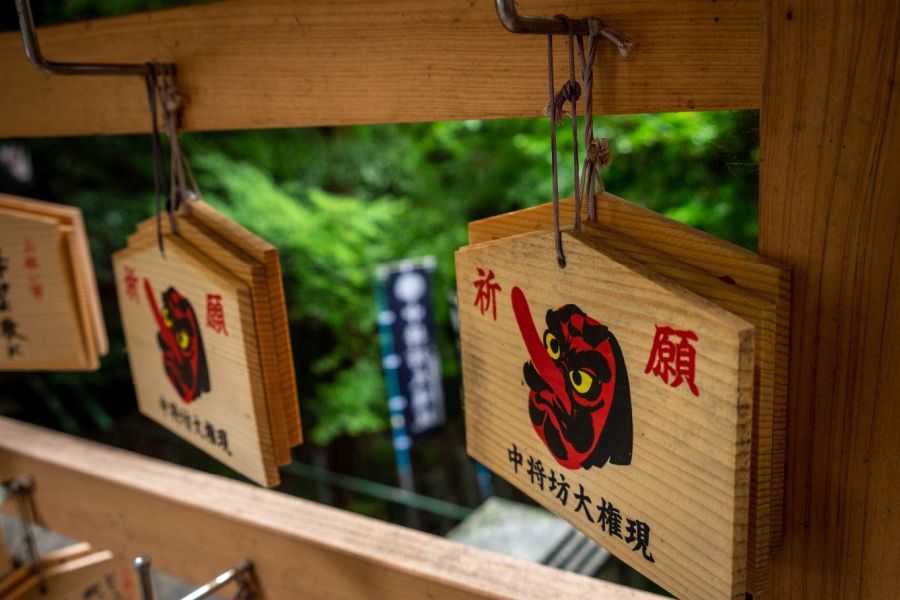
One of the best-known forms is the long-nosed tengu, commonly depicted with a bright red face, a conspicuously elongated nose and human-like features. This image became widespread during the medieval period and is often associated with high-ranking or elder tengu. Long-nosed tengu are usually shown wearing the robes and small black cap of yamabushi, the mountain ascetics of Shugendō, reinforcing their connection with spiritual discipline and supernatural strength. In folklore, they are portrayed as proud, highly intelligent and formidable, sometimes acting as teachers of swordsmanship or strategy, but also as figures who punish arrogance and moral corruption.
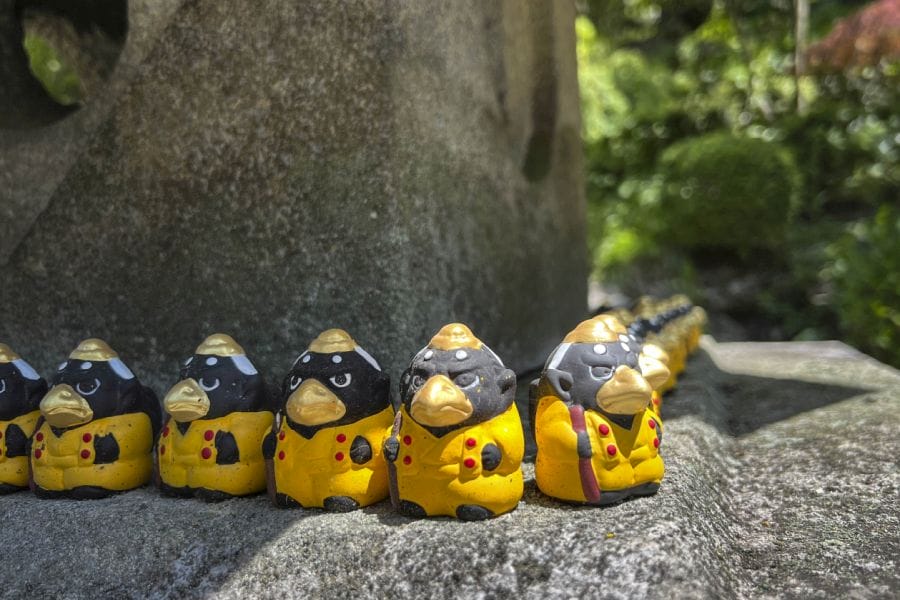
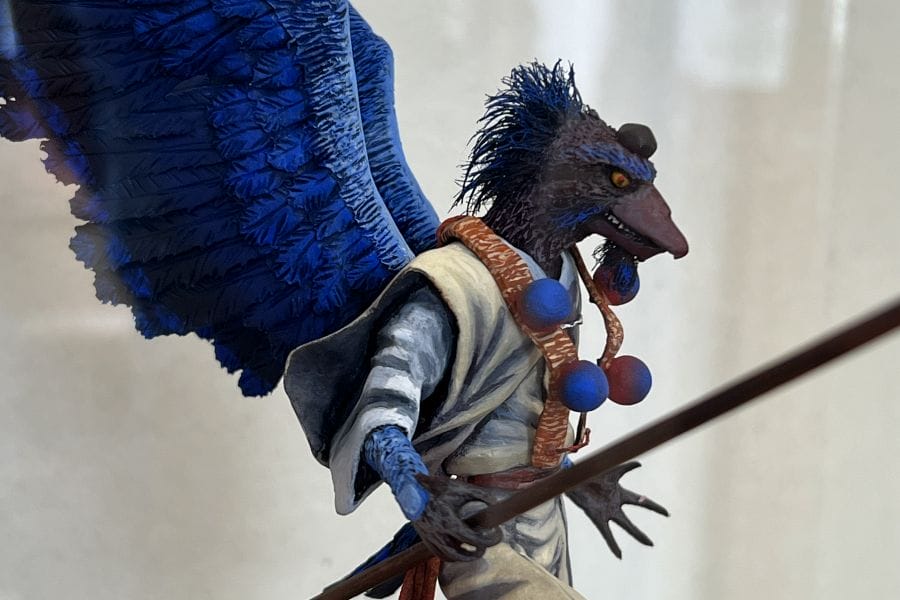
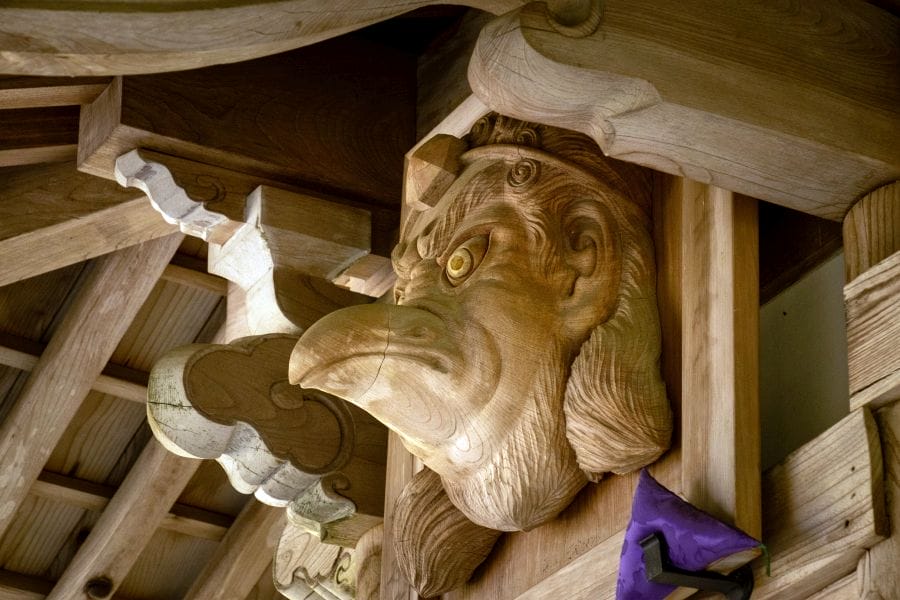
Another major type is the karasu tengu, or crow tengu, which has a more avian appearance, including a beaked face, wings and talons. Karasu tengu are generally considered more primitive or lower-ranking than the long-nosed variety, though they are no less dangerous. Their crow-like form emphasises their role as swift, watchful inhabitants of the mountains, and they are often depicted as messengers or enforcers serving more powerful tengu. The association with crows, birds traditionally linked with the boundary between the human and spirit worlds, reinforces their liminal nature.
Tengu are instantly recognisable in Japanese visual culture through a distinctive set of clothing and objects that blend religious, martial and folkloric elements. Their appearance reflects their close association with mountain asceticism, supernatural power and liminal spaces, and has remained remarkably consistent in art and theatre since the medieval period.
Most tengu are depicted wearing the garments of yamabushi, the practitioners of Shugendō. This typically includes a short-sleeved robe or layered travelling garments suited to mountain terrain, often shown in muted natural colours such as brown, ochre or dark green. A small black lacquered cap known as a tokin is commonly worn on the forehead. In Shugendō, the tokin symbolises spiritual focus and discipline, and its presence in tengu imagery reinforces their role as beings of ascetic power rather than purely demonic figures.
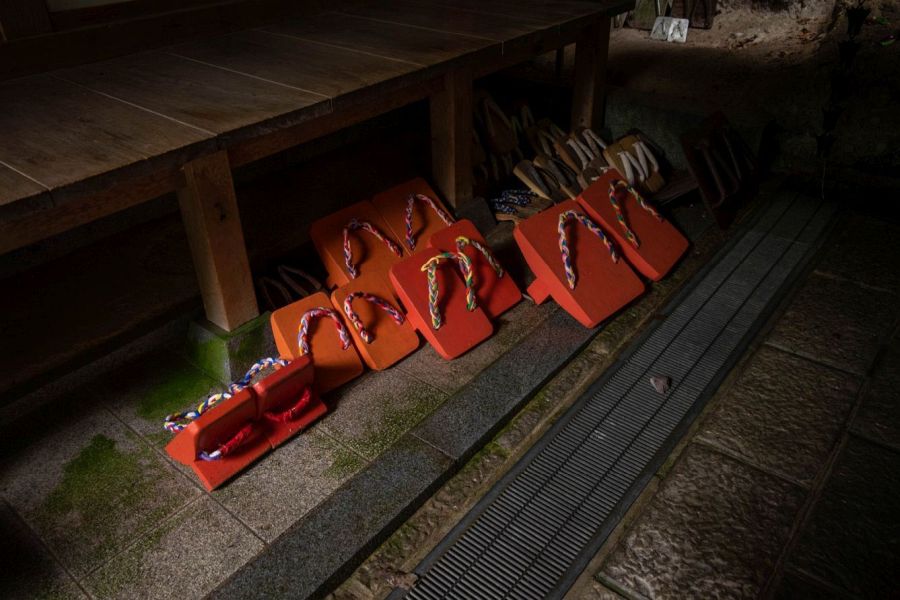
Footwear is one of the most distinctive features of tengu iconography. They are almost always shown wearing tall wooden clogs known as tengu-geta, which have a single central tooth rather than the two teeth of ordinary geta. These elevated sandals exaggerate the tengu’s already imposing stature and emphasise their supernatural balance and agility, particularly in mountainous terrain. In folklore and popular belief, the ability to walk or even fight while wearing such unstable footwear is a mark of exceptional skill and power.
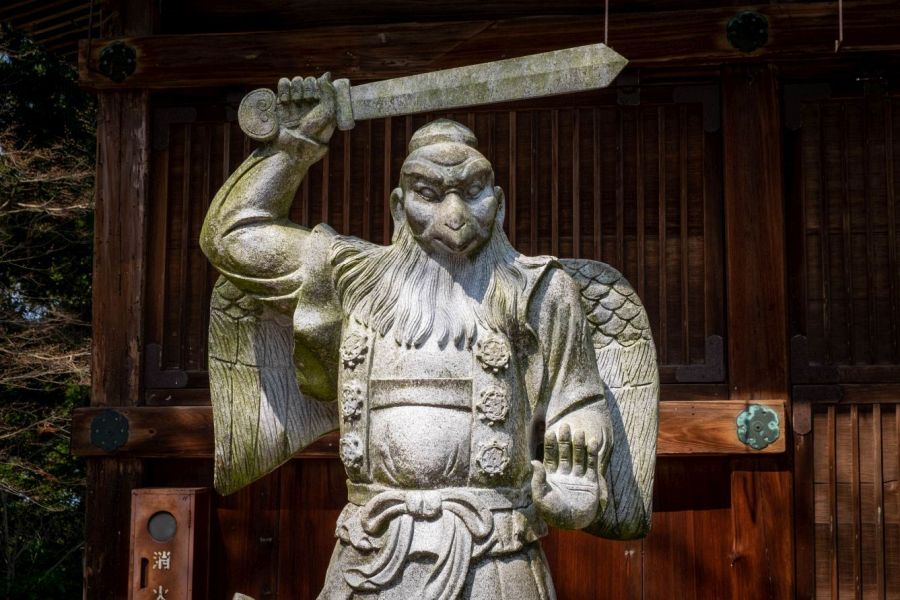
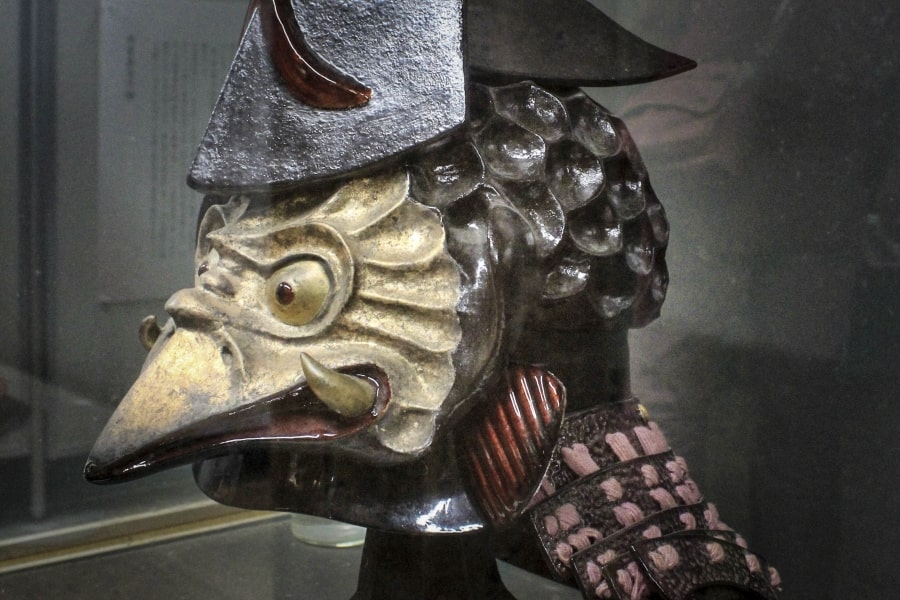
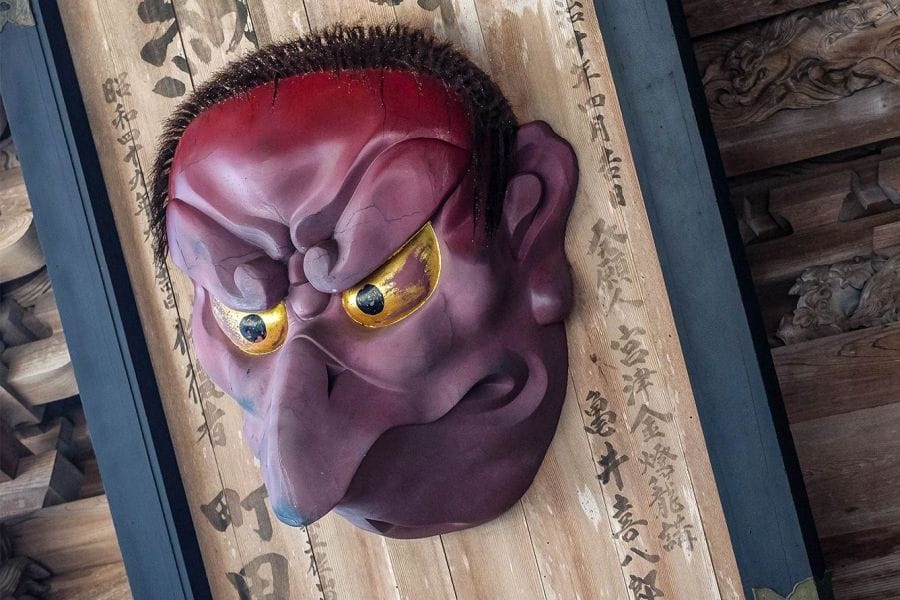
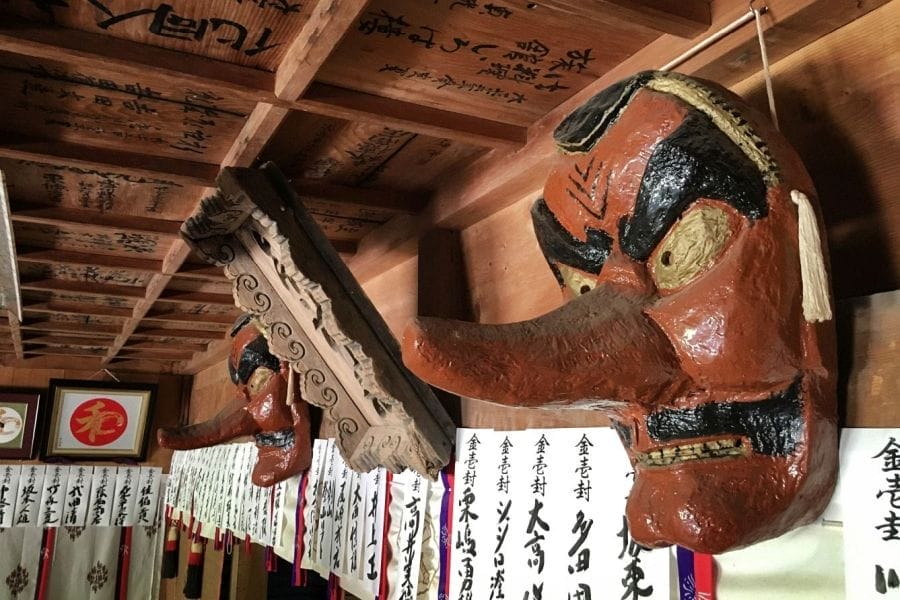
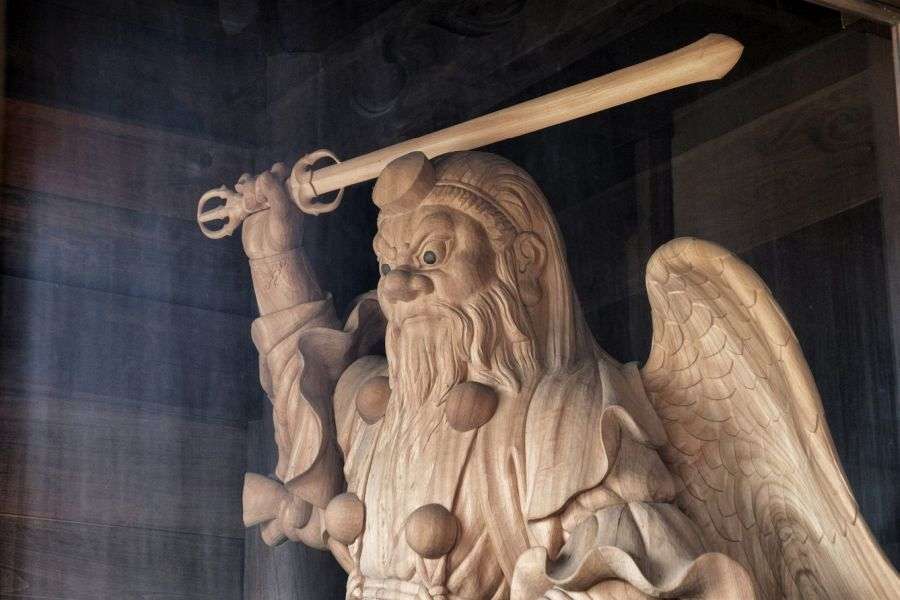
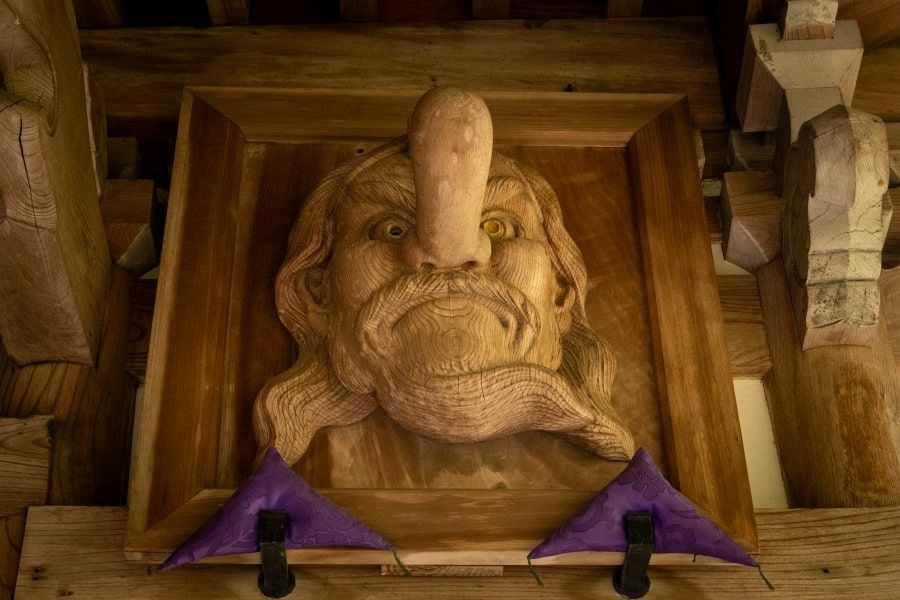
Long-nosed tengu are usually portrayed with human-like bodies, red or ruddy faces, and an exaggeratedly long nose, which in some interpretations symbolises arrogance or pride, while in others it simply marks seniority and authority among tengu. Karasu tengu, by contrast, have avian features such as beaks, wings and feathers, and are often shown with clawed feet in place of human legs, though they may still wear elements of yamabushi clothing. In some artistic traditions, the two types are visually blended, with winged long-nosed tengu or crow tengu carrying human-style weapons.
Tengu are frequently shown carrying specific objects that indicate their roles and abilities. One of the most common is a feather fan made from large bird feathers. This fan grants the power to control wind, create storms, or magically lengthen or shorten a person’s nose. It symbolises mastery over natural forces and is closely associated with tengu mischief as well as punishment.
Swords and staves are also common appurtenances. Many depictions show tengu wielding a katana or a long staff, reflecting their reputation as masters of martial arts and swordsmanship. In folklore, tengu are sometimes credited with teaching legendary warriors the use of the sword or other combat skills, reinforcing their image as dangerous but knowledgeable beings rather than chaotic monsters.
Other objects occasionally associated with tengu include scrolls, conch shells used by yamabushi to signal across valleys, and rosaries or prayer beads. These items further link tengu to religious practice and esoteric knowledge. Taken together, their clothing and possessions place tengu firmly at the intersection of folklore, religion and martial tradition, embodying both the spiritual authority and the unpredictable danger of Japan’s sacred mountains.
Tengu are closely associated with Shugendō, the syncretic mountain religion that combines elements of Buddhism, Shinto and folk belief. Practitioners of Shugendō are called shugenja or yamabushi. In this context, tengu are often portrayed as guardians of sacred peaks or as former humans who attained supernatural abilities through rigorous ascetic practice. Some legends suggest that tengu test or train yamabushi, either aiding those who show discipline and humility or misleading those who lack spiritual resolve. This relationship reflects the broader Shugendō emphasis on mountains as places of transformation, danger and enlightenment.
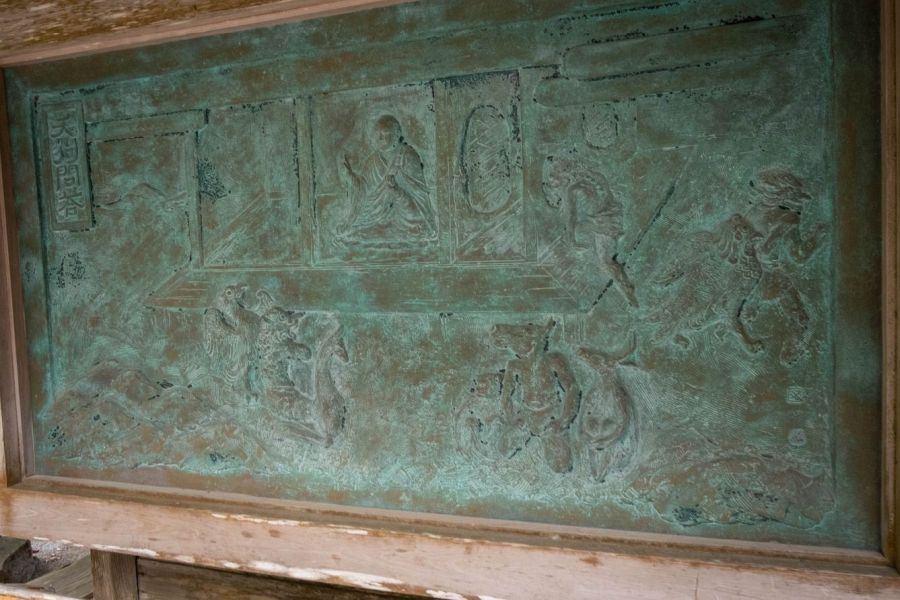
Early Buddhist texts often cast tengu as malevolent demons who obstruct enlightenment. On the Shikoku pilgrimage, Kūkai is said to have ‘debated’ and ‘overcome’ tengu and other supernatural beings, ‘exiling’ them to the very ends of Shikoku. This could be interpreted as a doctrinal conflict with Shugendō and the followers of En no Gyōja who is typically depicted with some tengu-like characteristics. Later folklore presents a more nuanced image of tengu, blending fear, respect and humour.
Across Japan, tengu are enshrined in local traditions, festivals and place names, particularly in mountainous regions such as Mount Kurama near Kyōto and Mount Takao near Tōkyō. Today, tengu remain a familiar presence in Japanese culture, symbolising the mysterious power of the mountains and the thin boundary between the human and supernatural worlds.