William Merrell Vories
Name In Japanese: 一柳 米来留
Pronunciation: hitotsu-yanagee me-re-ru
Period: 1880 to 1964
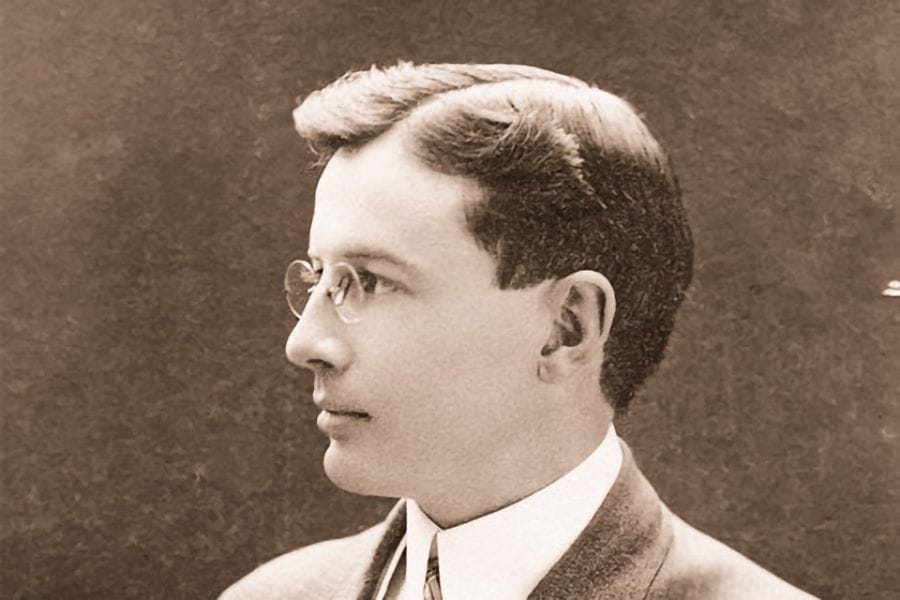
William Merrell Vories was born in Leavenworth, Kansas, in 1880. While studying at Colorado College, he experienced a religious vision that led him to resolve to become a Christian missionary. Although he hoped to train formally as an architect, he arrived in Ōmihachiman in 1905 as an English teacher, intending to pursue missionary work alongside his teaching.
In 1908, Vories was dismissed from his post after his superiors concluded that his Bible classes were attracting too many Buddhist converts. Around the same time, however, his career took an unexpected turn. In 1907 he had been asked to supervise the construction of a YMCA office building in Ōmihachiman, which became his first architectural project in Japan. In 1908 he opened an architectural design office, and soon afterwards founded Vories & Co. together with an American architect and one of his former English students. The firm initially operated in Kyōto, but as commissions increased it relocated to Ōmihachiman. In 1914, Vories’ parents emigrated to Japan to join him there.
Despite having only limited formal architectural training, Vories built a substantial practice, eventually employing more than thirty professional staff. Before the Second World War, his office was responsible for the design of up to 1,600 residential, commercial and church buildings across Japan and occupied Korea, including many associated with the YMCA.
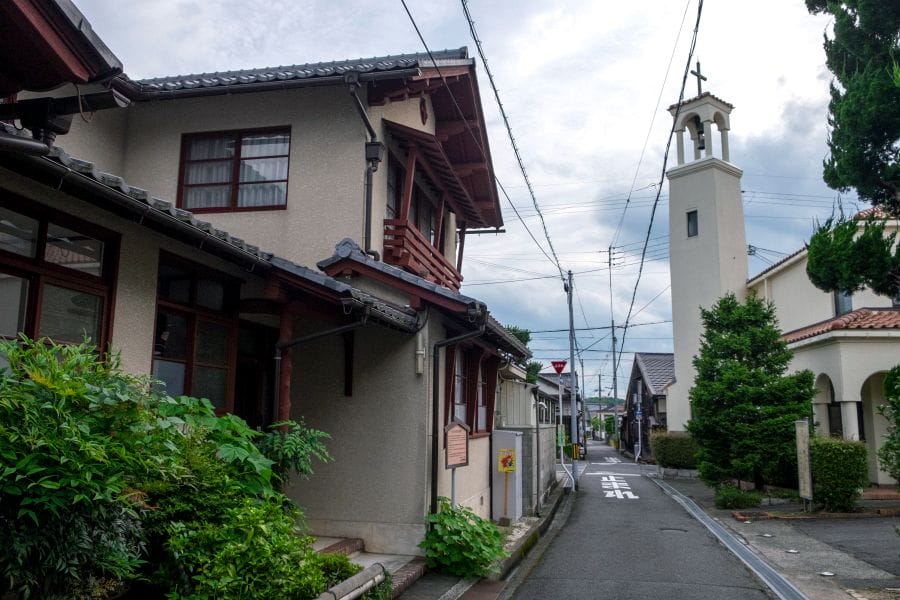
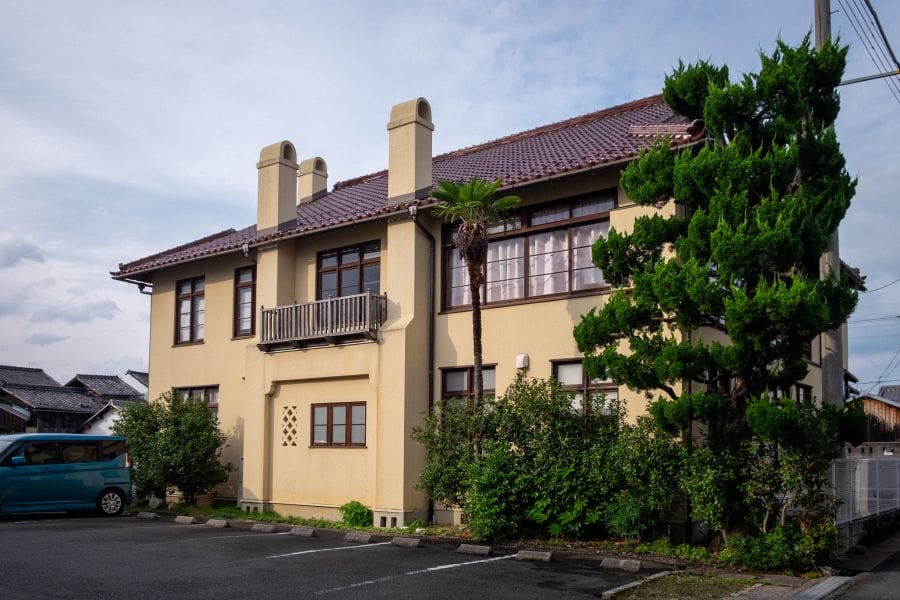
Vories’ architectural style was characterised by a restrained adaptation of Western forms to the Japanese climate and way of life. Influenced by American and European domestic architecture, his buildings often featured brick or stucco exteriors, gabled roofs, and carefully proportioned façades, while interiors were designed with practicality, light, and ventilation in mind. He paid close attention to human scale and everyday use, favouring functional layouts over monumentality. In many projects, Western construction methods were combined with Japanese elements such as deep eaves, verandas, and sensitivity to seasonal changes. His churches, schools, and houses shared a consistent emphasis on warmth, durability, and modest elegance rather than overt stylistic display.
In 1918, Vories founded the Ōmi Mission, later renamed the Ōmi Brotherhood, to support Christian missionary work and education. The organisation established a tuberculosis hospital in Ōmihachiman and founded a network of schools known as Vories Gakuen. In 1919, he married Hitotsuyanagi Makiko, the daughter of a viscount.
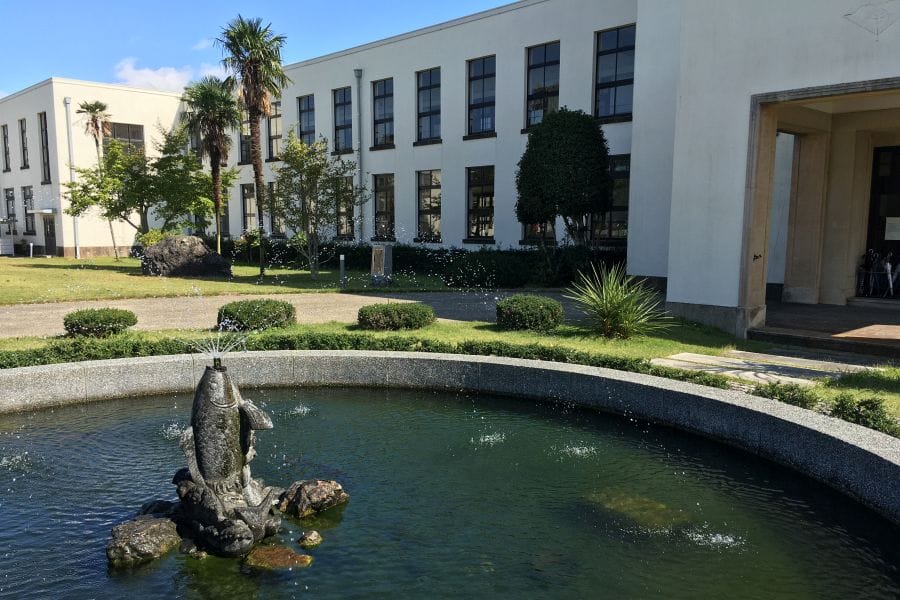
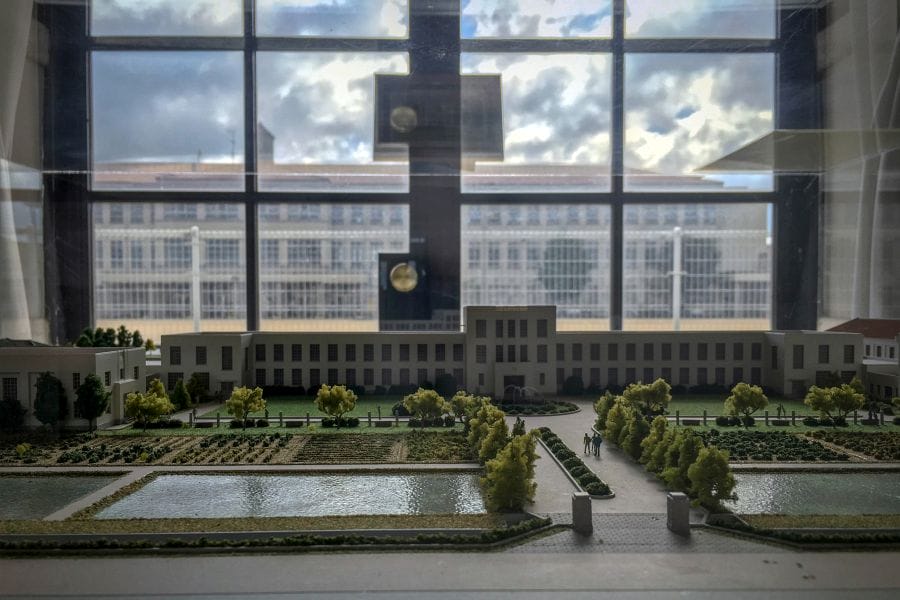
To finance his missionary activities, Vories established the Ōmi Sales Company in 1920. The company produced an ointment marketed under the Mentholatum brand under licence, and later also distributed Hammond organs in Japan, reflecting Vories’ interest in music and their use in Brotherhood-run schools. In 1937, he designed Toyosato Elementary School in Ōmi, incorporating progressive educational ideas drawn from his own institutions.
As Japan moved towards war, Vories became a naturalised Japanese citizen, taking the name Hitotsuyanagi Mereru and formally pledging allegiance to the nation and to Emperor Hirohito. Despite this, his Christian beliefs made him a figure of suspicion to the authorities, and during the war most of his businesses and activities were forced to close. The Mentholatum business, however, continued to operate, as its products were supplied to Japanese soldiers.
In September 1945, during negotiations at the end of the war, former Prime Minister Konoe asked Vories to convey a message from the Emperor to General MacArthur. Vories also suggested that the Emperor might renounce his claim to divinity and assume the role of a constitutional monarch. He later met the Emperor on four occasions.
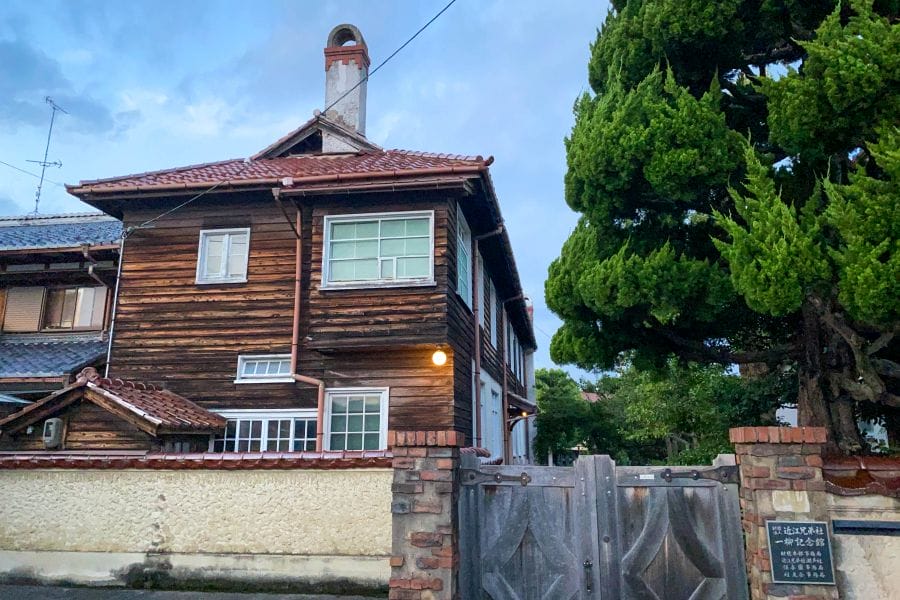
In 1957, Vories suffered a stroke while staying at his summer home in Karuizawa. He was transferred to Ōmihachiman for treatment and remained bedridden for the following seven years. He died at his home in 1964 at the age of 83. In 1958, he was named the first Honorary Citizen of Ōmihachiman, and after his death he was awarded the Order of the Sacred Treasure, Third Class. His former residence in Ōmihachiman is now open to the public as the Vories Commemorative Museum.