Ōsaki-Kamijima
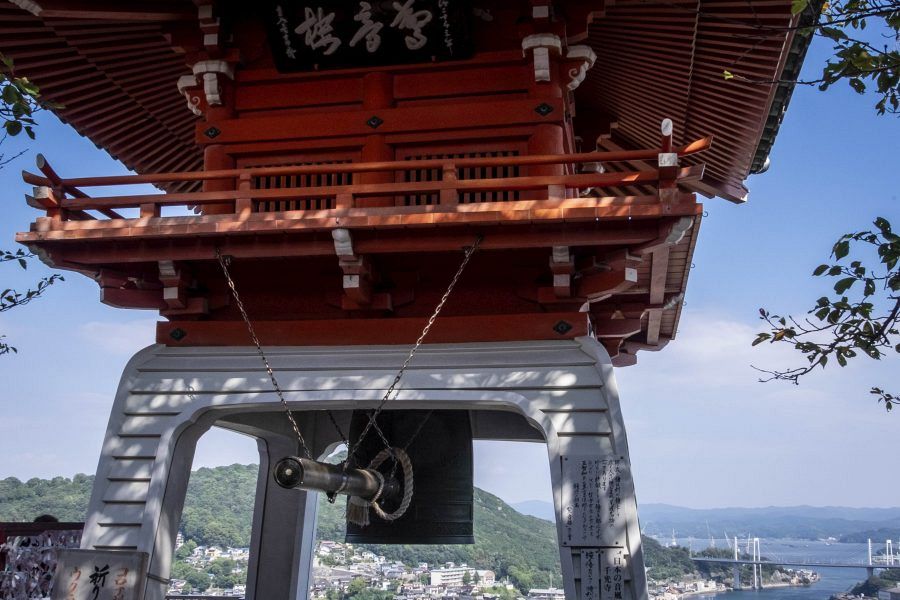
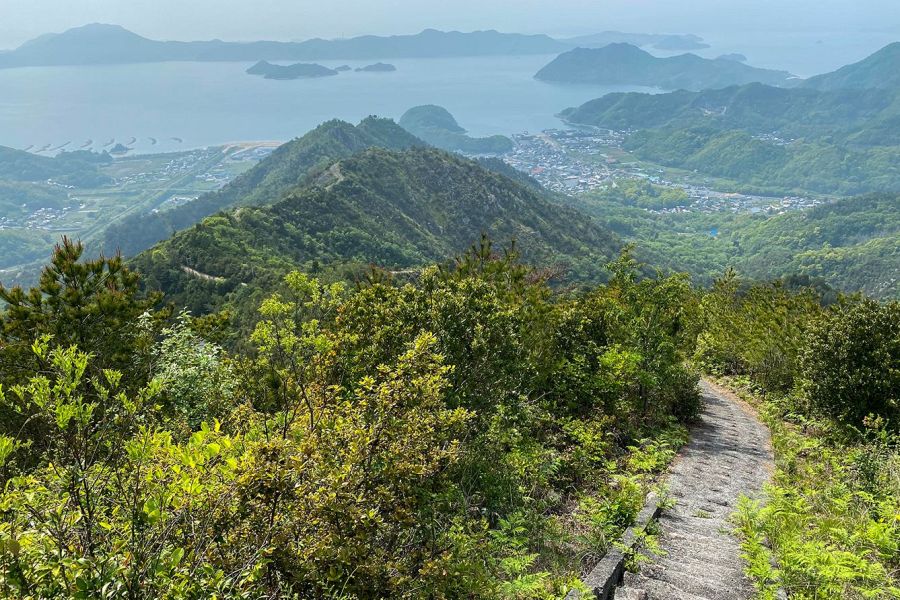
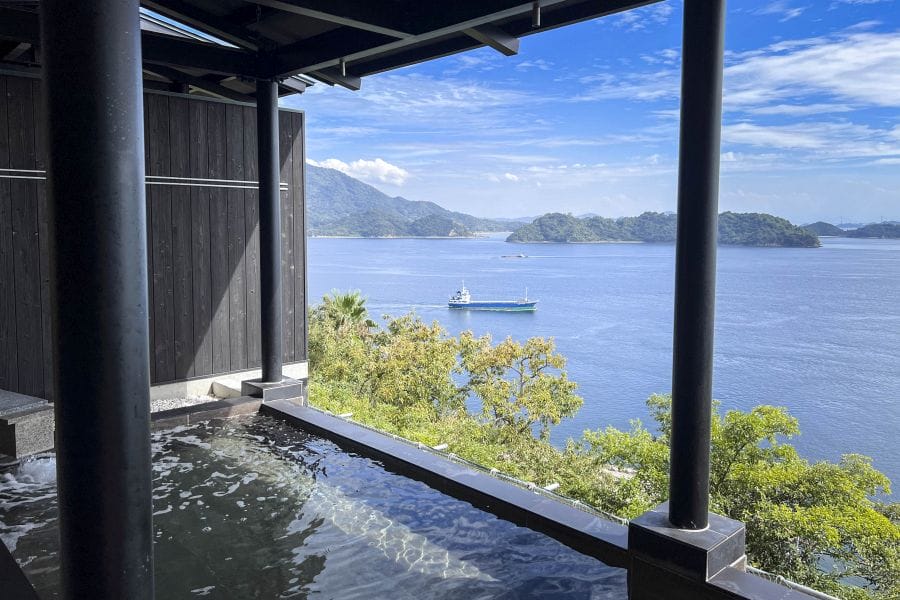
The island of Ōsaki-Kamijima sits isolated in the Geiyo archipelago of the Seto Inland Sea, roughly halfway between the coasts of Honshū and Shikoku. Unlike many of its neighbours, you won’t reach this island by a bridge system. It remains accessible only by ferry from ports like Takehara or Akitsu. The island’s topography rises steeply from the waterline to the 426 m peak of Mt. Kamine, creating a dramatic silhouette of terraced citrus orchards and densely forested ridges. Below these slopes, the coastline curves into deep natural harbours that shelter a string of remarkably preserved maritime settlements, where multi-storey timber buildings crowd narrow lanes right up to the water’s edge.
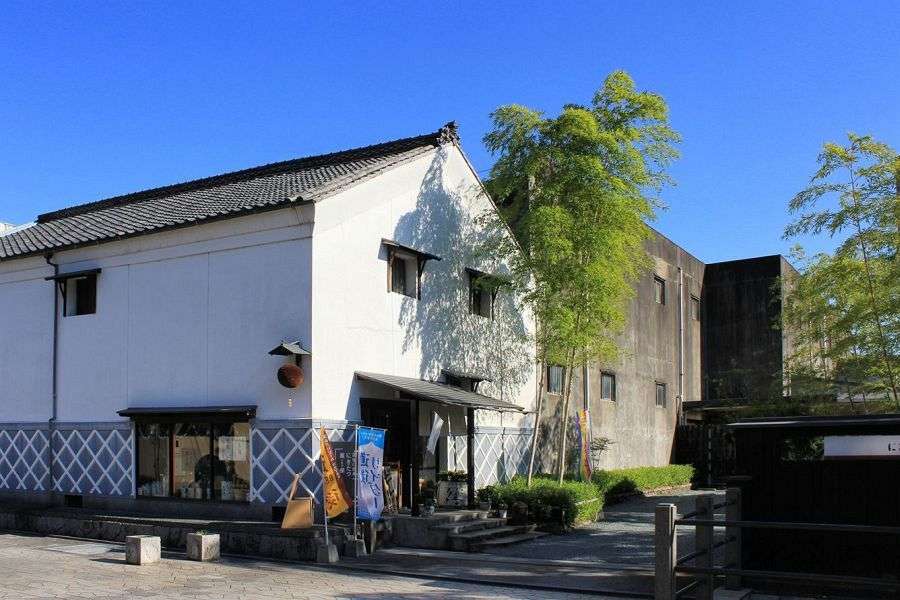
In the southeastern district of Kinoe, there’s an urban landscape shaped entirely by the era of wooden shipbuilding. The towns has rows of traditional three-storey wooden houses and former entertainment pavilions dating from the late nineteenth and early twentieth centuries. One particularly notable structure is an extraordinary five-storey timber building erected in 1917 as a high-end restaurant. Its upper tiers slightly narrow into the sky, displaying the structural mastery of local shipwrights who applied vessel-framing techniques to domestic architecture. In these alleys, the weathered timber facades, decorative iron balconies, and overhead walkways are designed to maximise space in a packed port settlement. Further north in Higashino, the grand Omochizuki estate displays the immense wealth generated here during the Meiji period, featuring a main residence built without nails using a traditional interlocking joint technique.
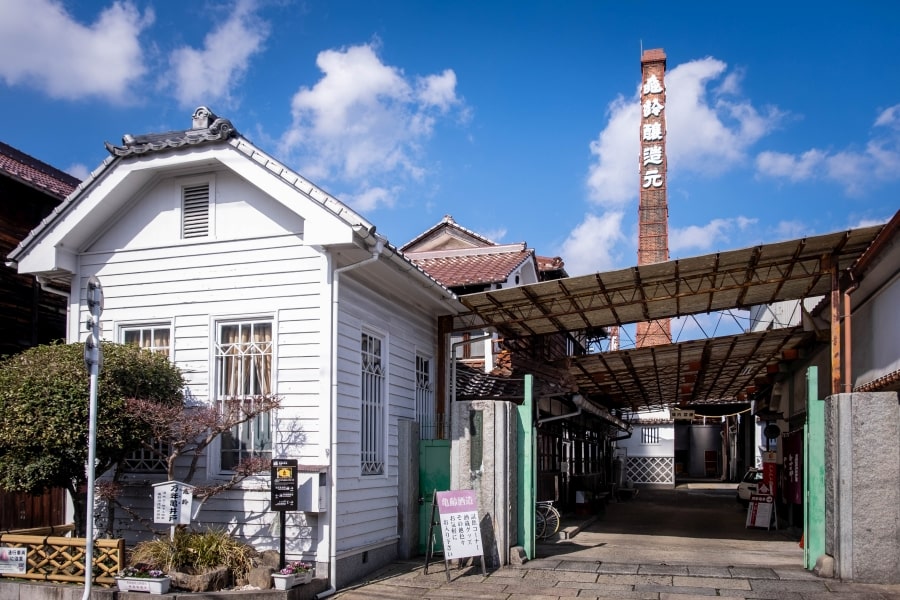
The island’s deep-water inlets initially served as a vital hub for vessels waiting for favourable tides and winds along the Seto Inland Sea trade routes. This strategic geography birthed the Ōsaki-shū, a powerful medieval seafaring guild that controlled the local waterways and eventually operated as a naval wing for the formidable Mōri clan during the sixteenth century. When the introduction of steamships eliminated the need for the traditional wind-dependent stops, Ōsaki-Kamijima adapted by pivoting into modern industrial shipbuilding and coastal shipping. The island’s craftsmen turned their skills to modern metalworking, and several active shipyards still dominate parts of the shoreline today, where the clang of metal fabrication and the hulls of large cargo vessels provide a stark, industrial contrast to the quiet historic streets.
Beyond the visible architecture, the island preserves a rich maritime culture descended from its naval past. Every summer, the local ports host the Kadenma boat races, where teams of rowers propel heavy wooden cutters around a racing course. These narrow, agile vessels are replicas of the reconnaissance ships used by the medieval seafaring guilds. A coxswain steers while a drummer and a ritual dancer stand precariously on the bow, directing the rhythm of the oarsmen through energetic movements. Archaeological excavations along the western shores at the Sei and Nagamatsū sites have unearthed earthenware vessels used for boiling seawater, proving that a sophisticated salt-manufacturing industry was operating on these beaches as early as the Kofun period.
Information
Name in Japanese: 大崎上島
Pronunciation: oh-sakee kamee-jeema
Address: Ōsakikamijima, Toyota District, Hiroshima