Ōtsuka Museum of Art
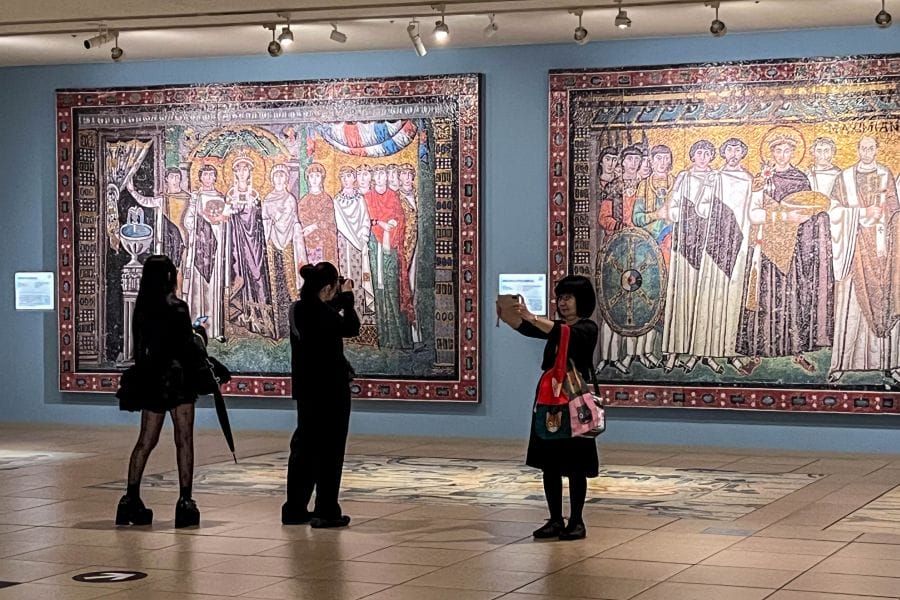
The Ōtsuka Museum of Art is located in Naruto, Tokushima, specialising in full-size reproductions of famous works on ceramic plates. It opened in 1998 as part of the Ōtsuka Pharmaceutical Group’s 75th anniversary celebrations. When it opened, it was Japan’s largest art museum. The total construction cost, including architectural fees and copyright fees for the paintings, amounted to ¥40 billion.
The museum had a peculiar genesis. High-quality sand from Tokushima was being sold as a raw material for concrete in the Hanshin area, but in 1971, Ōtsuka Chemical sought to add value to this with the idea of using it to make ceramic tiles. So in 1973, Ōtsuka Ōmi Ceramics was established in Ōsaka to manufacture the tiles. However, the first oil crisis struck that same year, plunging the economy into recession. With orders drying up, the company sought to utilise Ōtsuka Ōmi Ceramics’ expertise by creating artworks by printing on ceramic panels. Having established the technology, the next step was to enshrine it in an art museum in Ōtsuka’s hometown, Naruto.
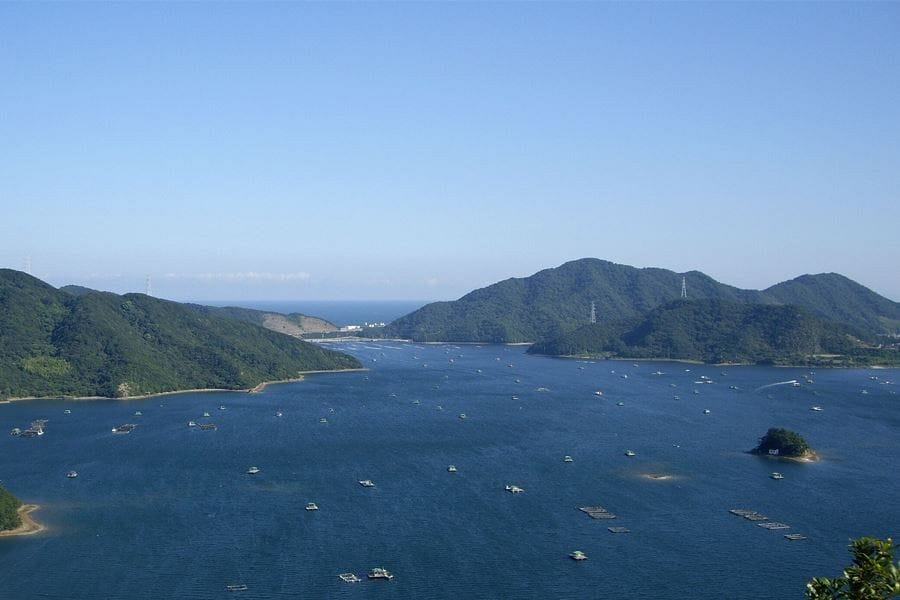
Construction faced significant challenges due to the site’s location within the Seto Inland Sea National Park. Obtaining the necessary construction permits alone took five years. To comply with landscape preservation requirements and the Natural Parks Act, which limits buildings to 13 m, the project involved the complex task of excavating the mountain, constructing a massive structure including five underground levels, and then backfilling the excavation.
Unlike originals, ceramic plate reproductions are exceptionally resilient to wind, water damage, and fire, as well as colour fading from light exposure. They’re expected to retain their original colours and form for over 2,000 years.
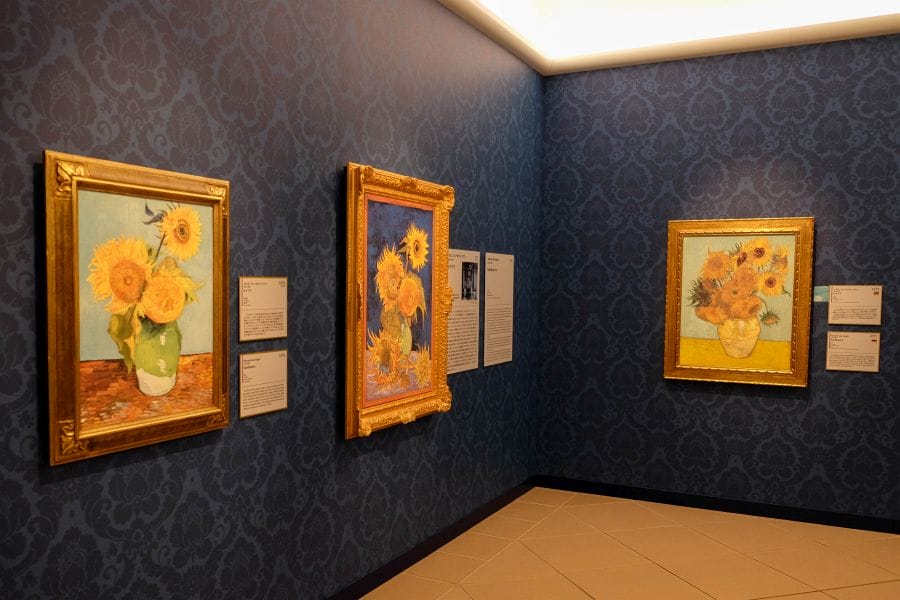
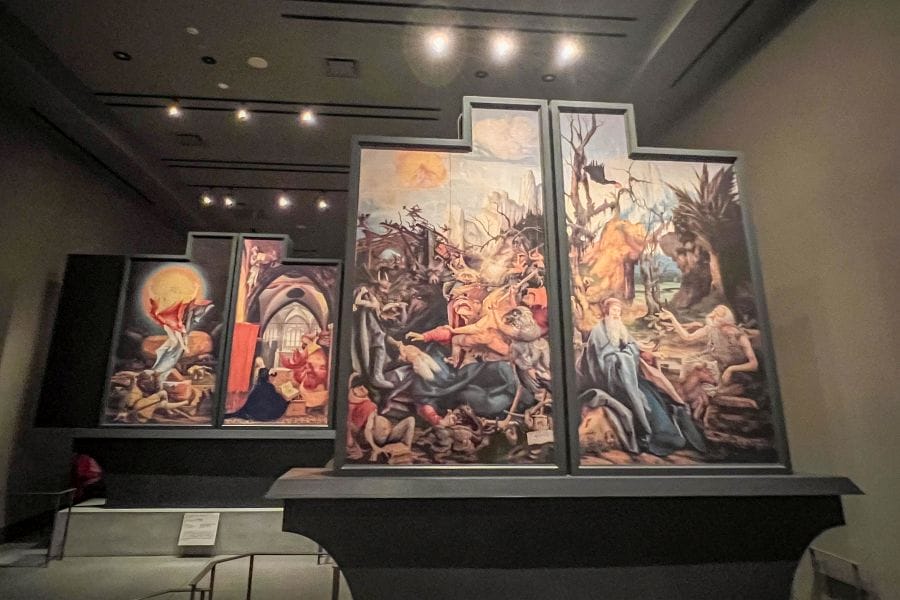
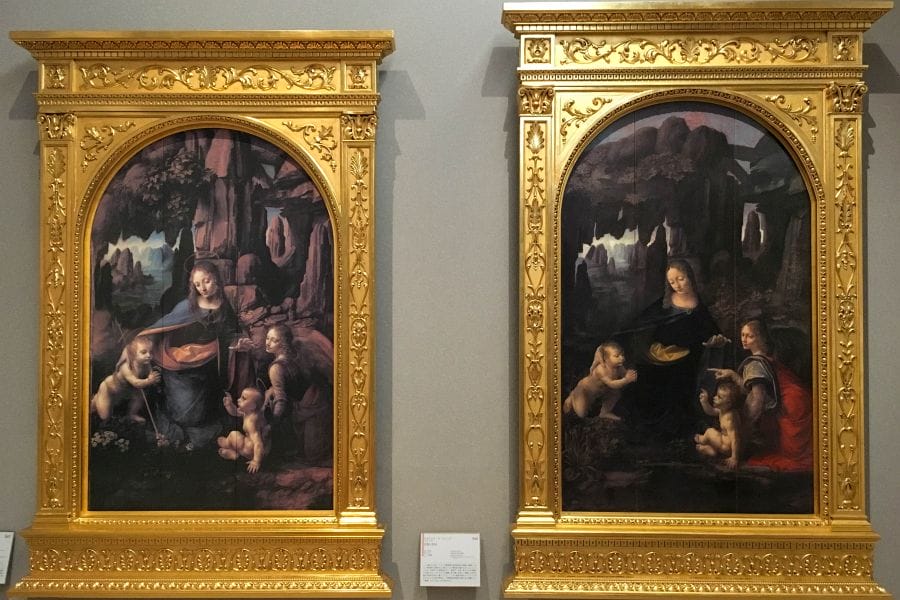
Another distinctive feature involves attempts to reconstruct works no longer extant such as Leonardo da Vinci’s Last Supper prior to restoration, or Van Gogh’s Sunflowers, lost in wartime, and works dispersed across various locations due to wars, such as El Greco’s Altarpiece of the Holy Family.
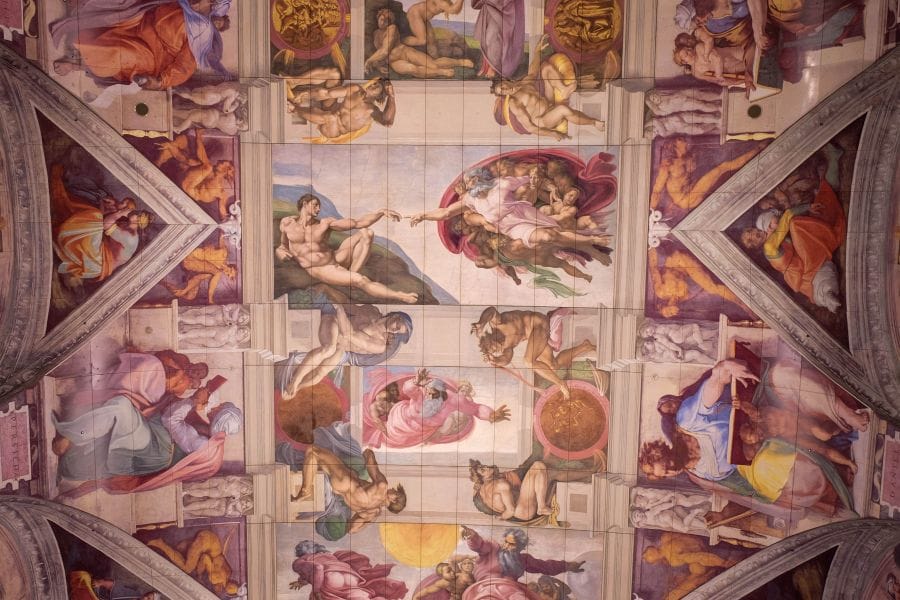
The ability to combine panels allows for large-scale installations. Michelangelo’s Last Judgement is displayed in the Sistine Hall which recreates the entire original setting, the Sistine Chapel.
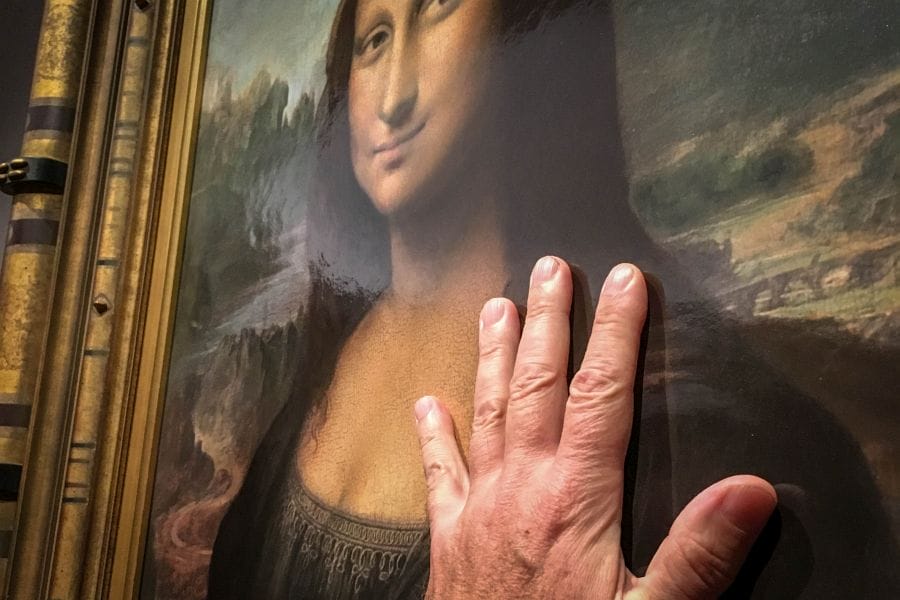
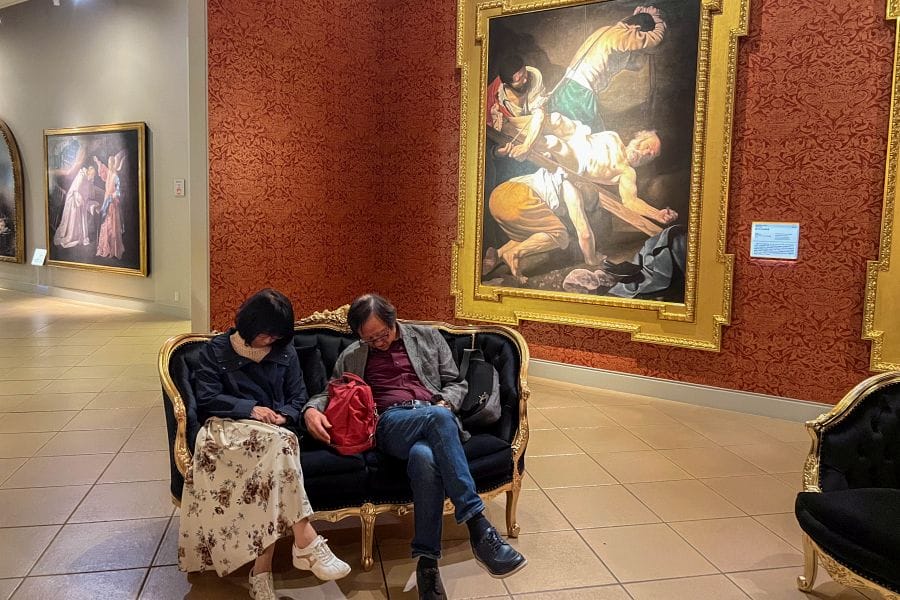
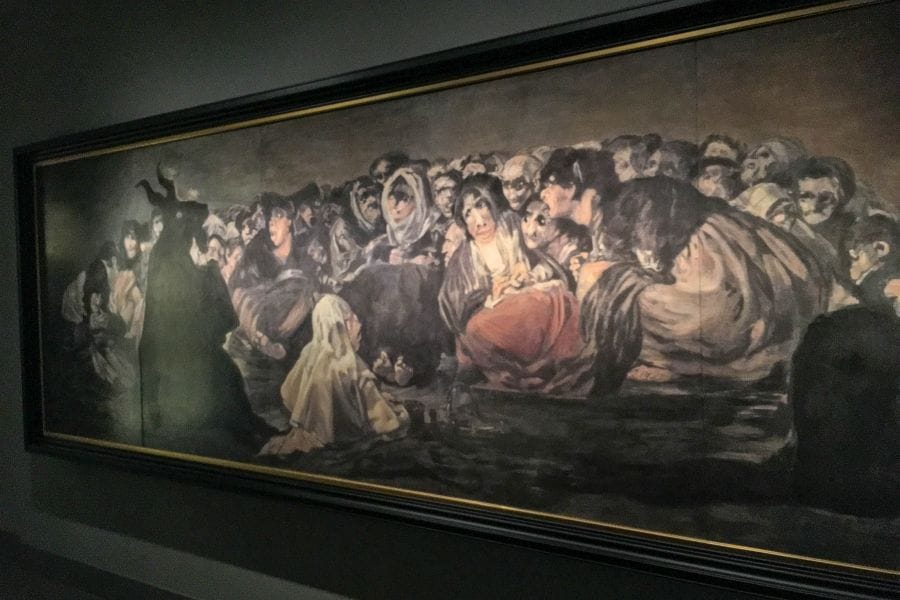
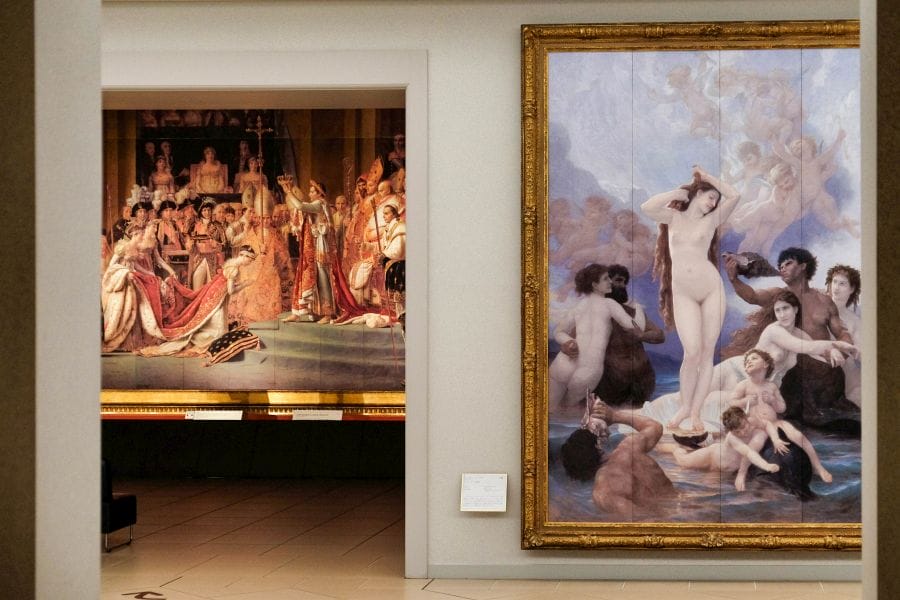
The notion of reproducing truckloads of art by dot printing it on ceramic plates and amassing it in one place sounds absurdly vulgar. But the result is strangely pleasing. The works are undeniably beautiful, despite their inauthenticity, and you gain a sense of the grand sweep of human artistic endeavour over eons of time. Apart from at Naruto, this experience can only be had in the great museums of certain European capitals. At Naruto, you can take photos of all the works as long as you don’t use a flash or tripod. And you can touch the works if you want to.
Since the ceramic plate reproductions are displayed at full size, it’s difficult to see the entire collection in a single day. You really need to visit several times to see everything as the viewing route spans approximately 4 km from Basement Level 3 to Ground Floor Level 2.
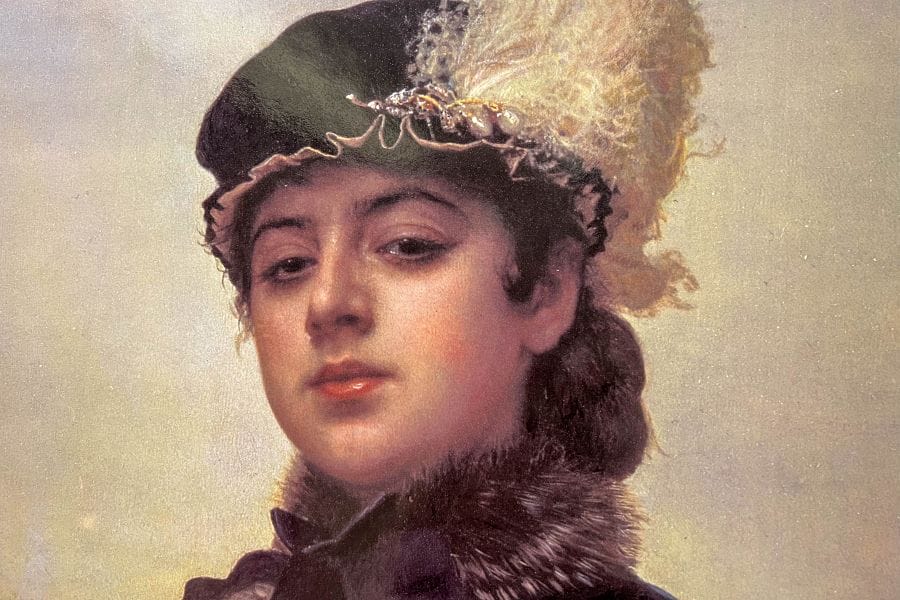
One thousand and seventy-five Western masterpieces from more than 190 museums across 25 countries are reproduced and displayed at their original sizes.
The exhibits are as follows.
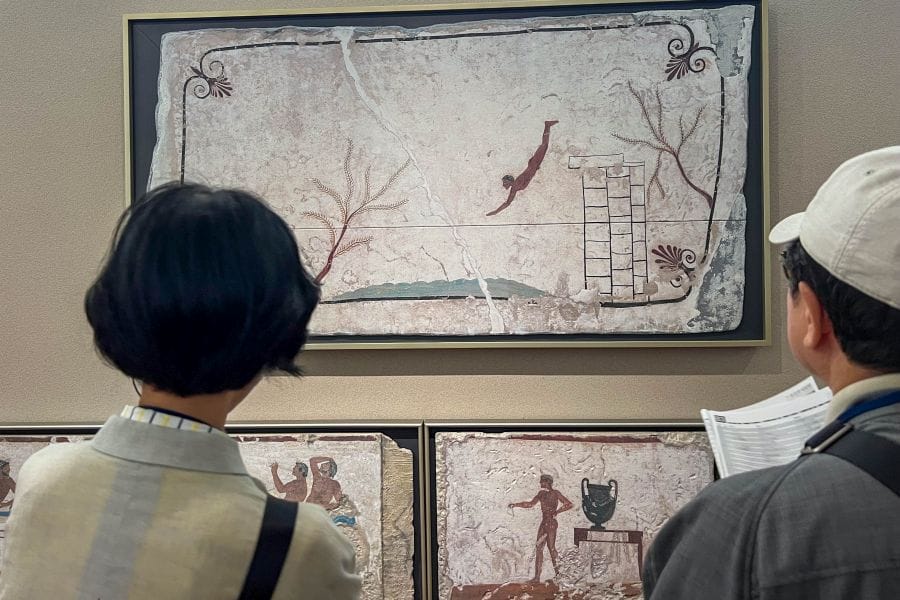
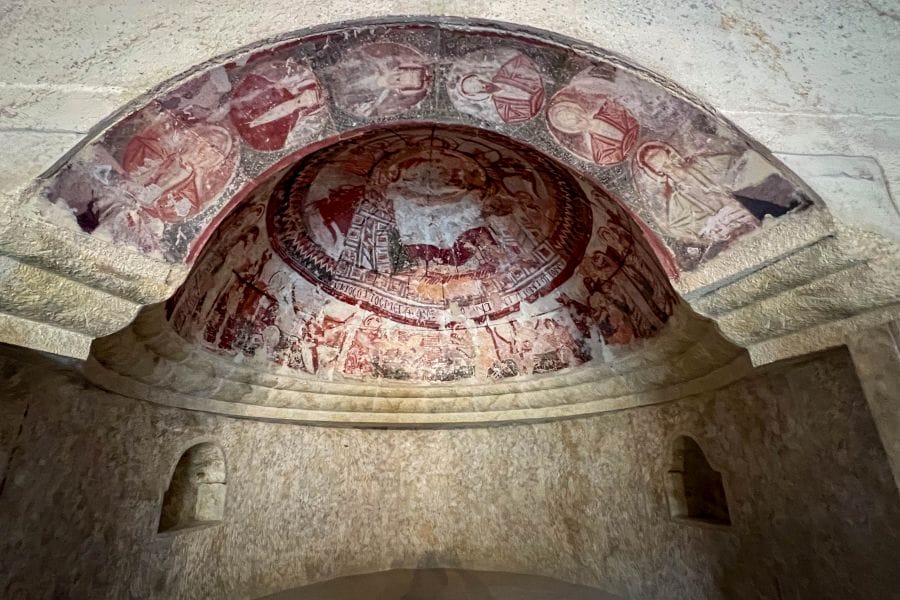
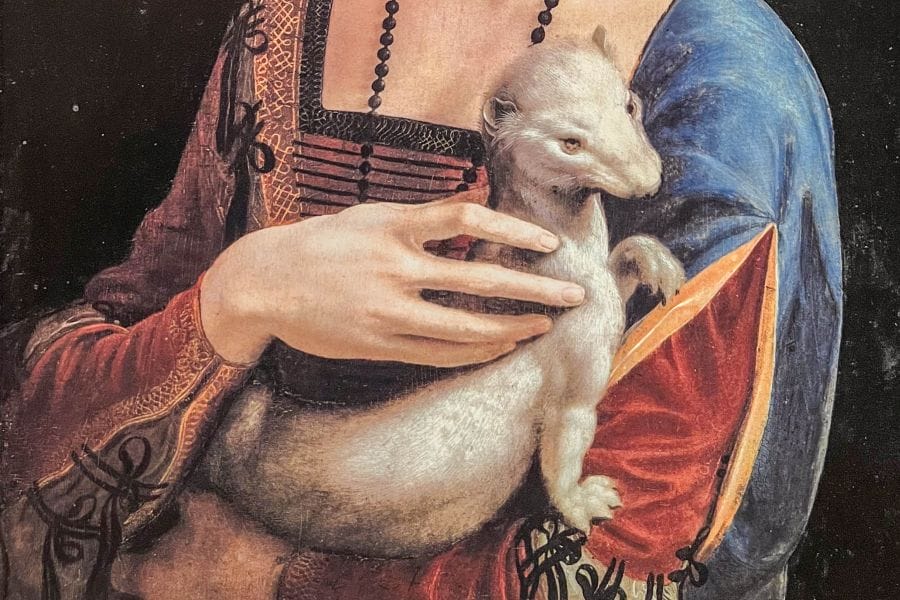
B3F – Sistine Hall, Scrovegni Chapel, Vermeer Room, El Greco Room, Tomb of the Bird Diviner, Saint Martin’s Cathedral murals, Saint Nicholas Orphanos Cathedral, Saint Theodore Cathedral (Cappadocia), Pompeii B2F – Monet’s Large Water Lilies, Baroque-related exhibits (including Rembrandt’s The Night Watch), Renaissance-related exhibits (including Da Vinci’s Mona Lisa and The Last Supper (before and after restoration), Botticelli’s The Birth of Venus, etc.)
B1F – Goya’s House, Baroque-related exhibits, Modern-related exhibits (including Van Gogh’s Sunflowers, Edvard Munch’s The Scream, Eugène Delacroix’s The Execution of Sisyphus)
1F – Contemporary-style exhibition (Pablo Picasso’s Guernica, etc.)
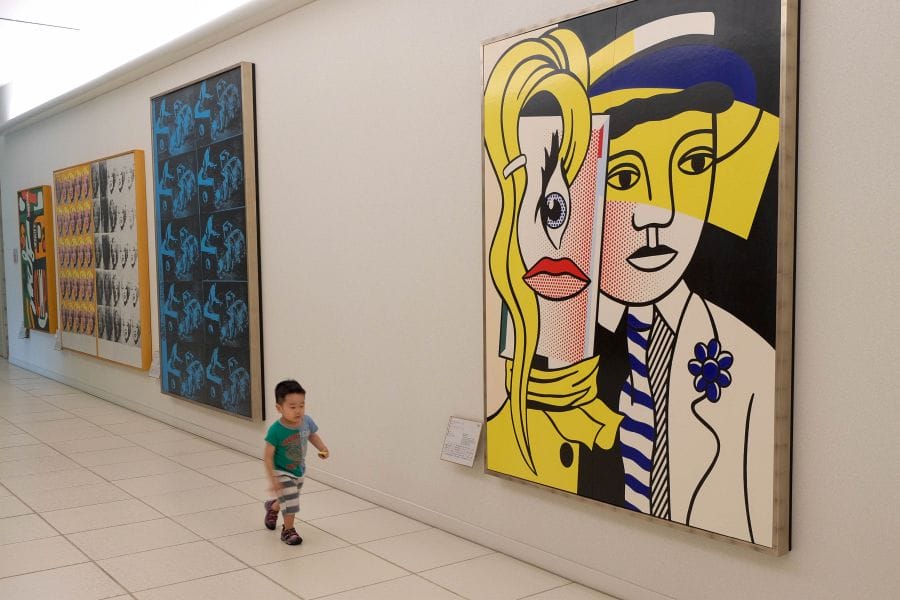
2F – Contemporary art exhibition
Information
Name in Japanese: 大塚美術館
Pronunciation: ohtsuka bijutsookan
Address: Fukuike-65-1 Narutocho Tosadomariura, Naruto, Tokushima 772-0053