Takehara
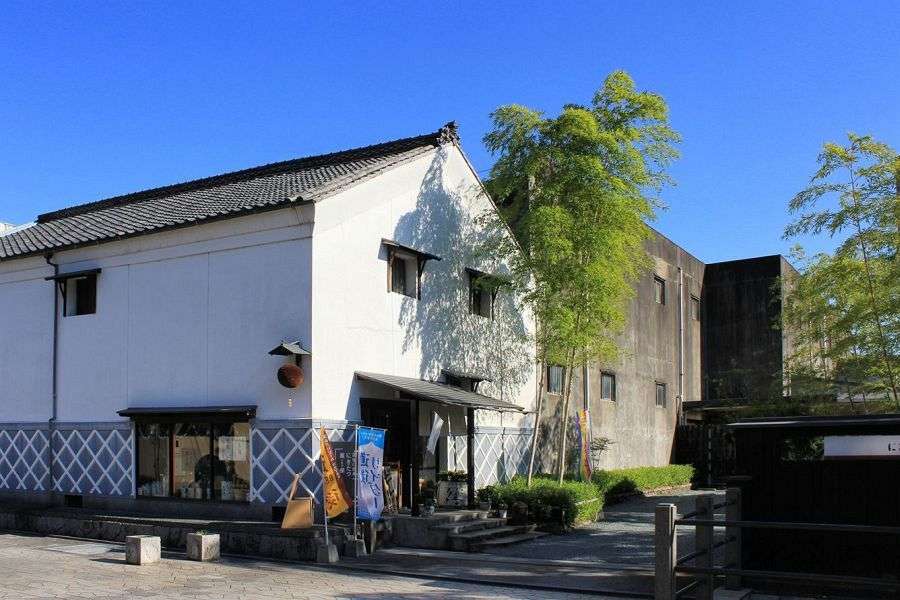
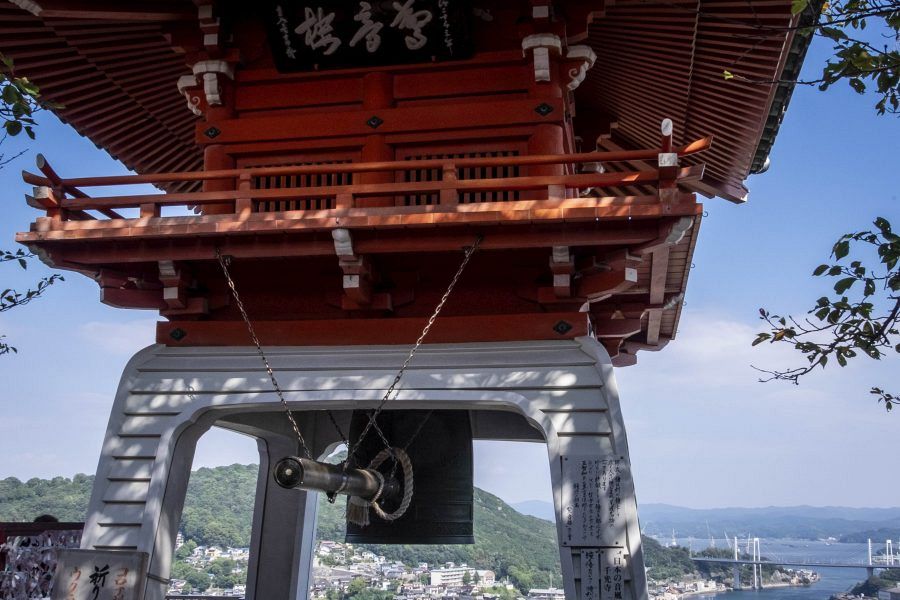
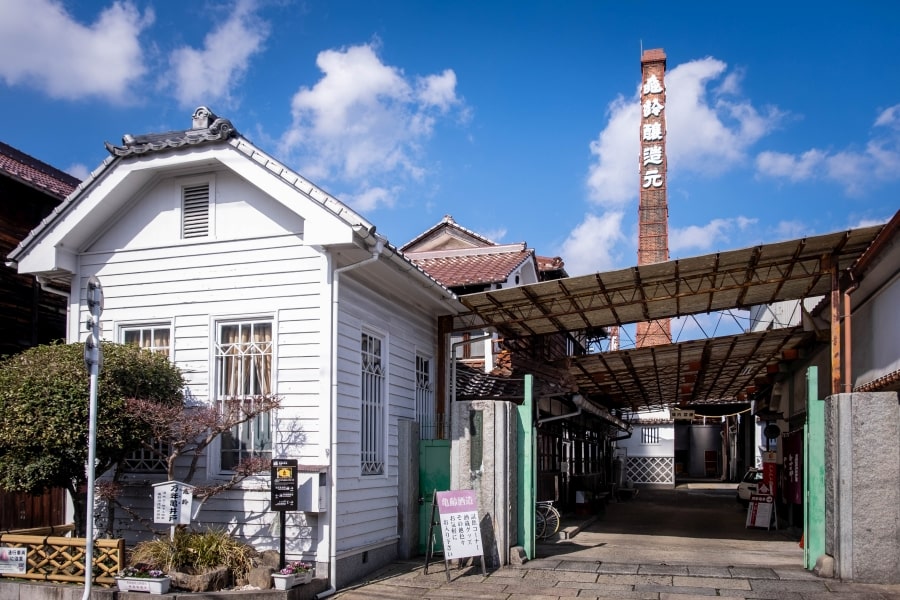
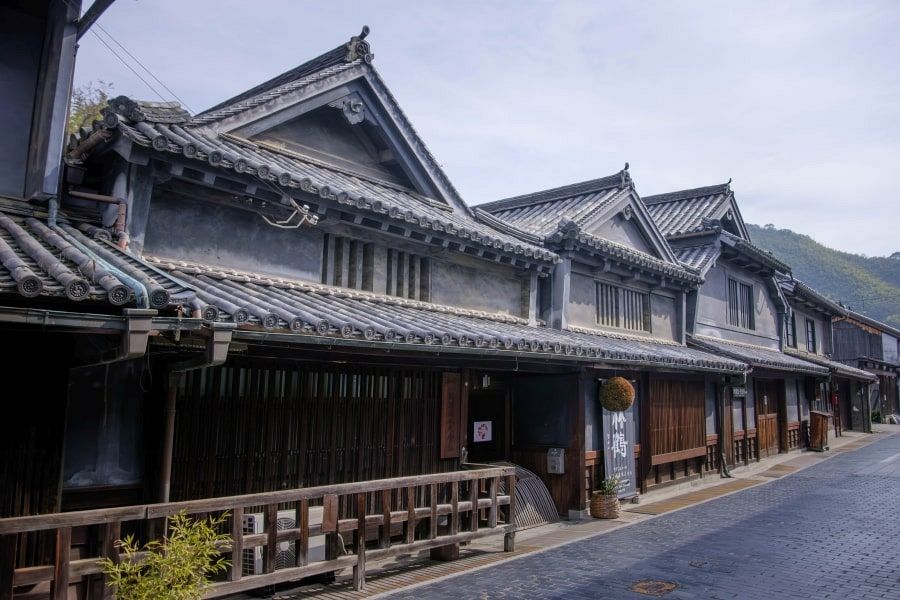
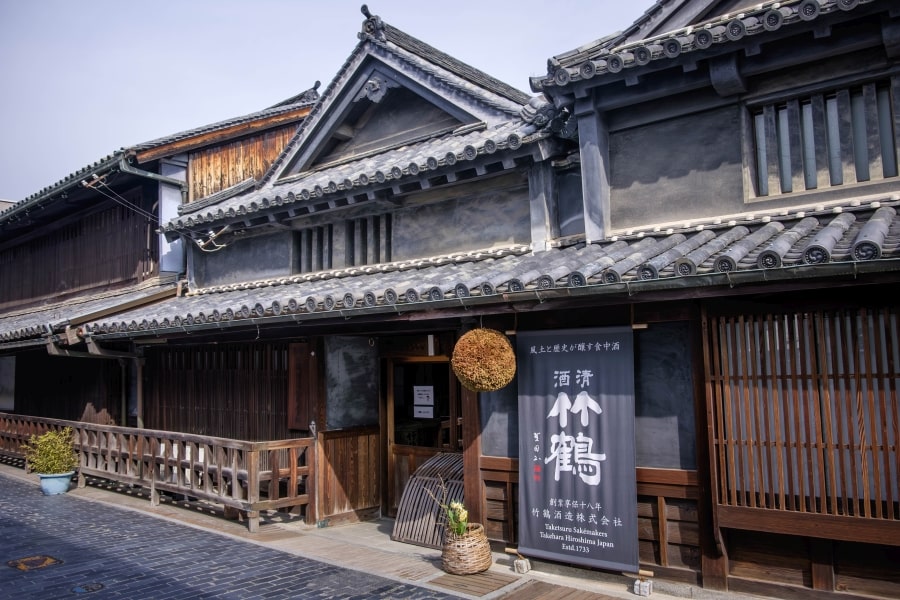
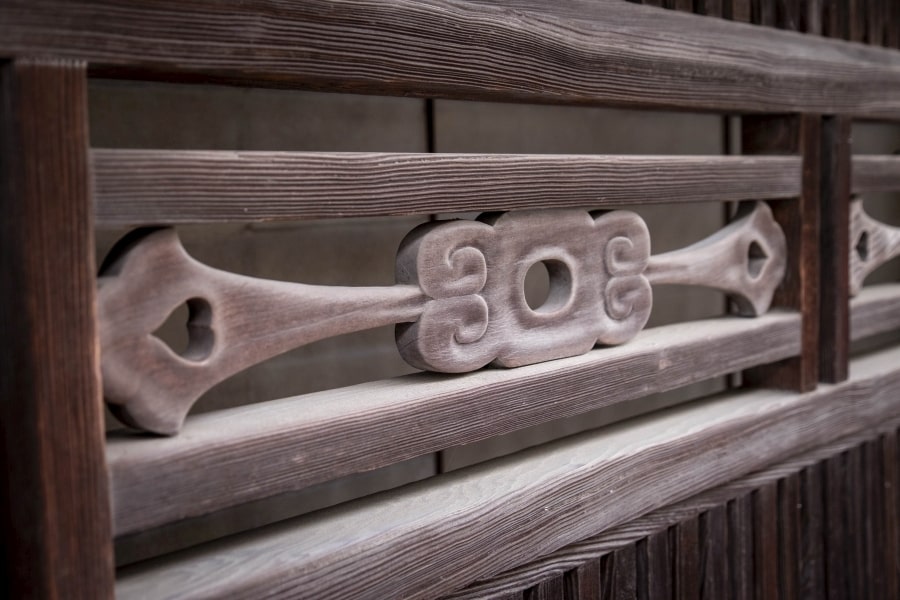
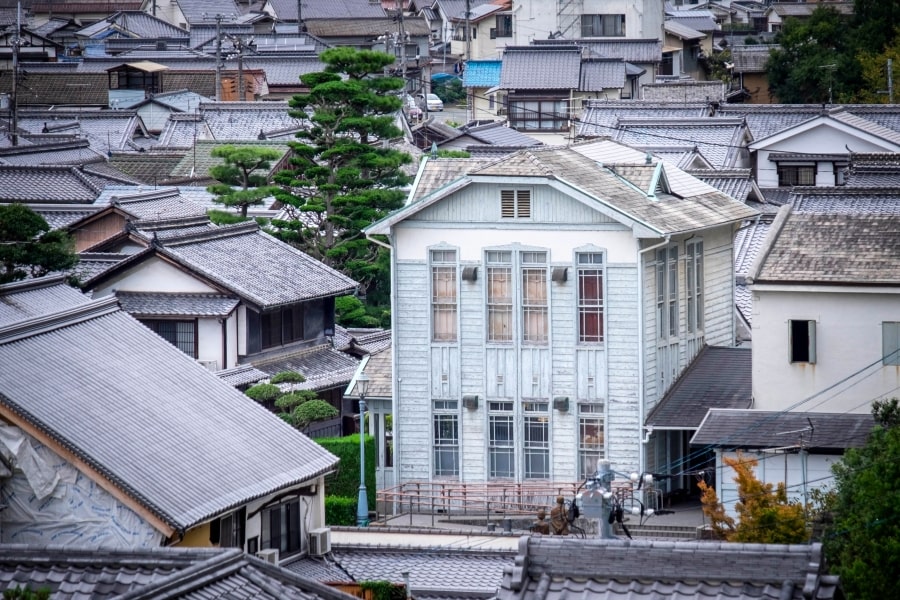
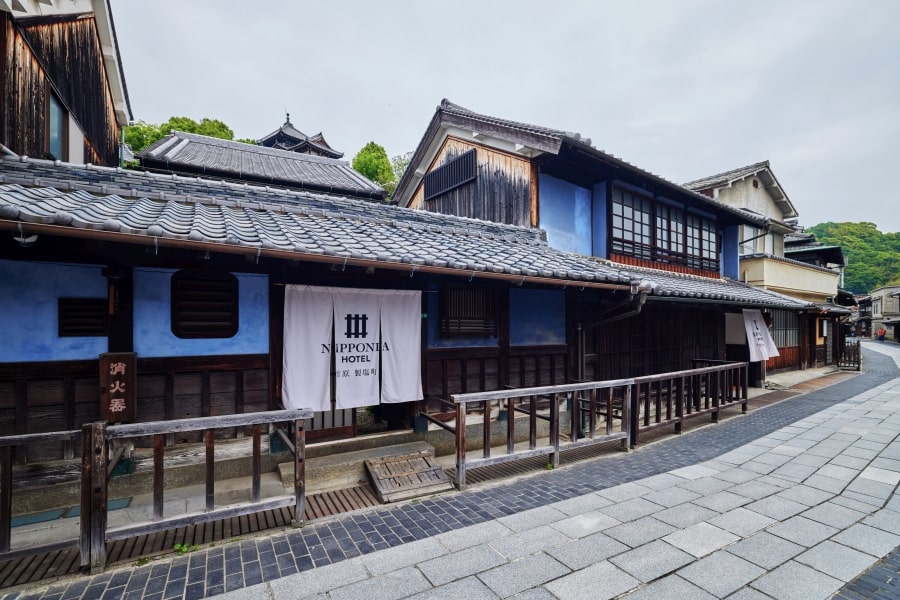
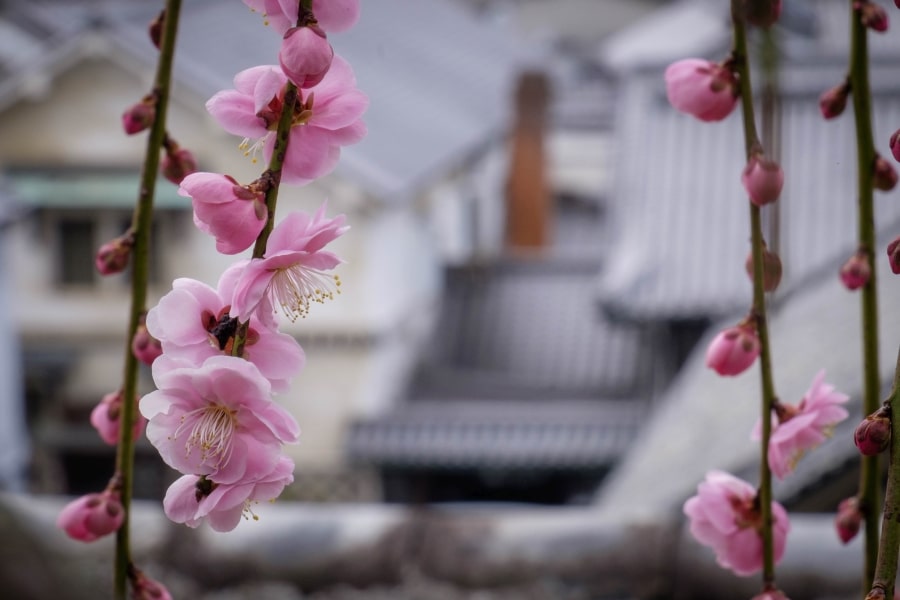
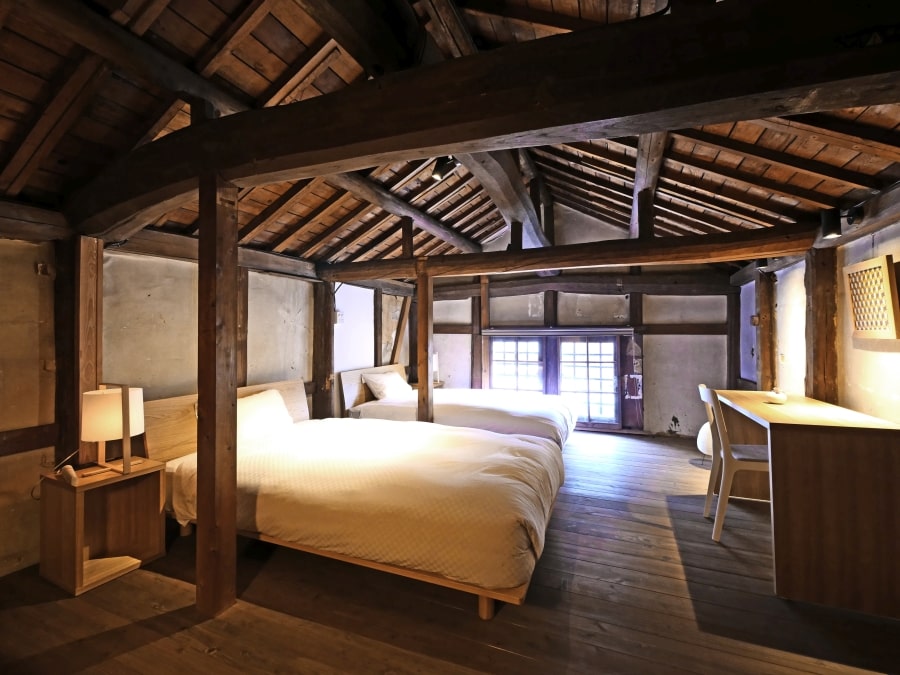
Takehara is a town beside the Seto Inland Sea in central Hiroshima Prefecture. The centre of the town is the Takehara Townscape Preservation District, a network of streets of merchant townhouses built between the mid-Edo and Meiji periods. Most of the existing townhouses were built in the Edo period. The oldest building is the Yoshii Residence, built in 1691. Each house is characterized by a frontage of elaborate wooden latticework and plaster. Some of the houses have been converted into luxury accommodation while maintaining their authentic architecture and atmosphere. On the main street are museums, a sake brewery, and several old houses that are open to the public.
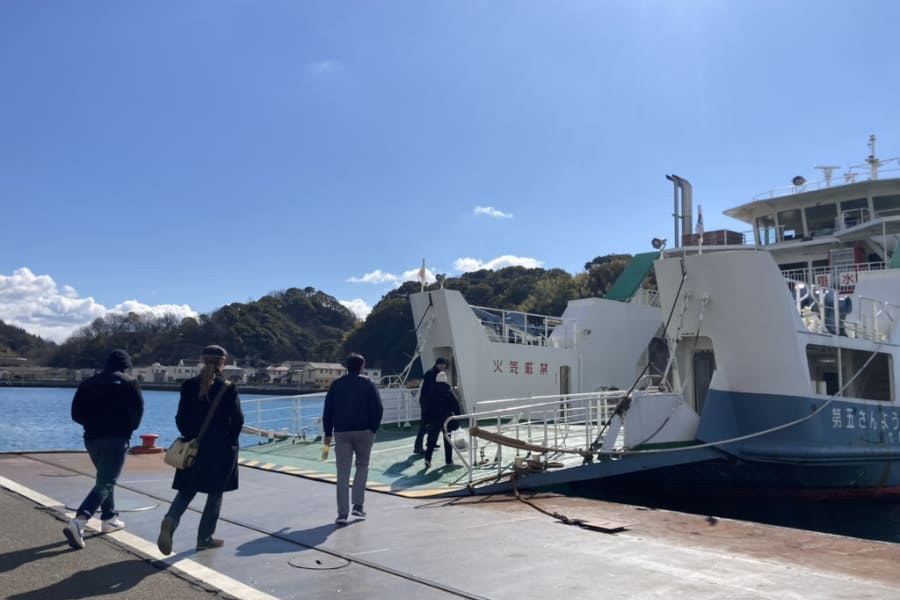
As a municipality, Takehara City also extends into the Inland Sea. Ōkunoshima, otherwise known as Rabbit Island for its many rabbits, is part of Takehara.
History
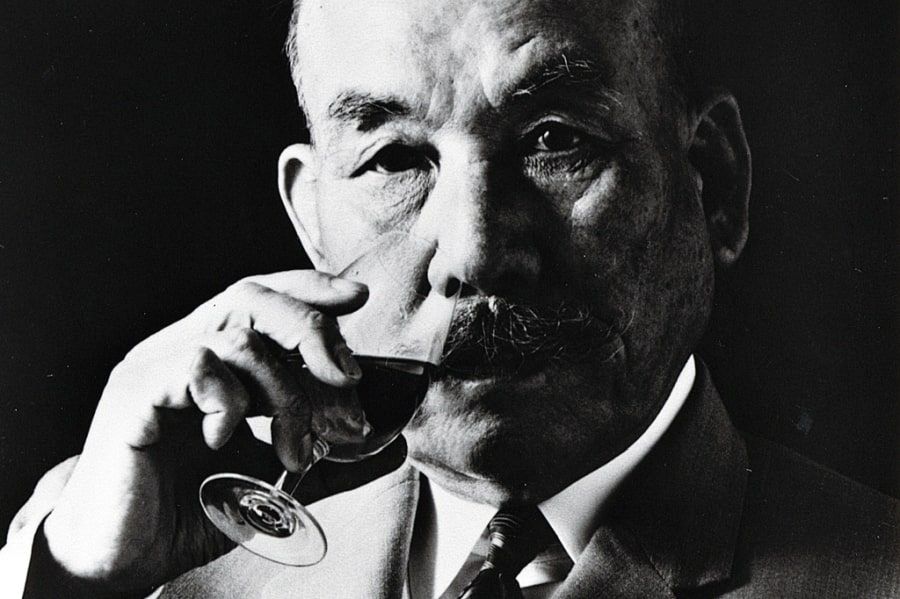
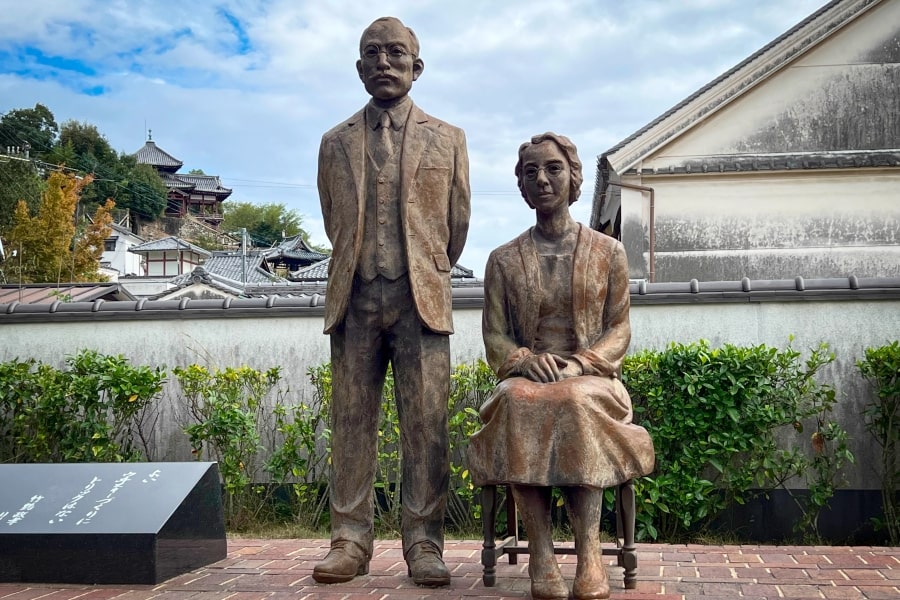
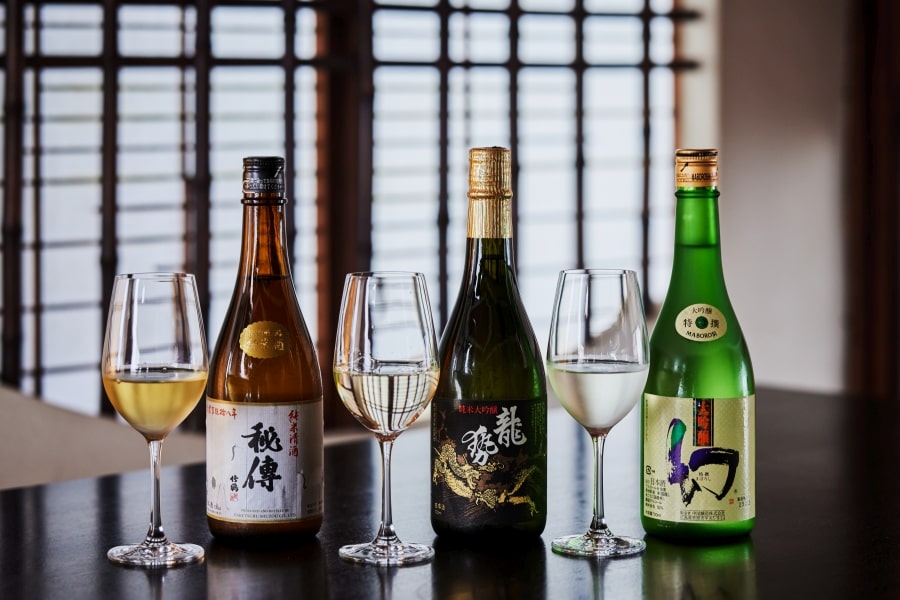
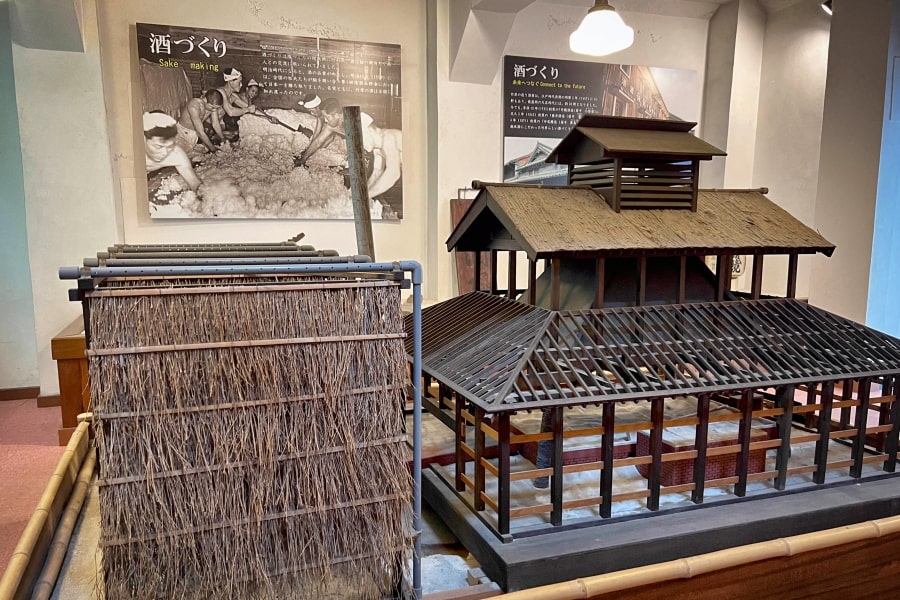
From ancient times, the area of today’s old town was a port. Then in the early Edo period, the Hiroshima clan reclaimed the lower reaches of the Kamo River with the intention of growing rice, but the land was too salty, so they turned it into salt pans, which produced great wealth. Takehara also became a centre for storing rice paid as taxation, and surplus rice was used to brew sake, another major source of wealth. In 1907, Miura Senzaburō devised a method of brewing using the region’s soft water, making Hiroshima a major sake producer in the latter half of the Meiji period. Taketsuru Masataka, founder of Nikka Whisky, was born in Takehara. The entrepreneurial spirit of Takehara is reflected in the many large traditional merchant houses that grace the town today.


Information
Name in Japanese: 竹原
Pronunciation: takei-hara
Address: Takehara, Hiroshima