21st Century Museum of Contemporary Art
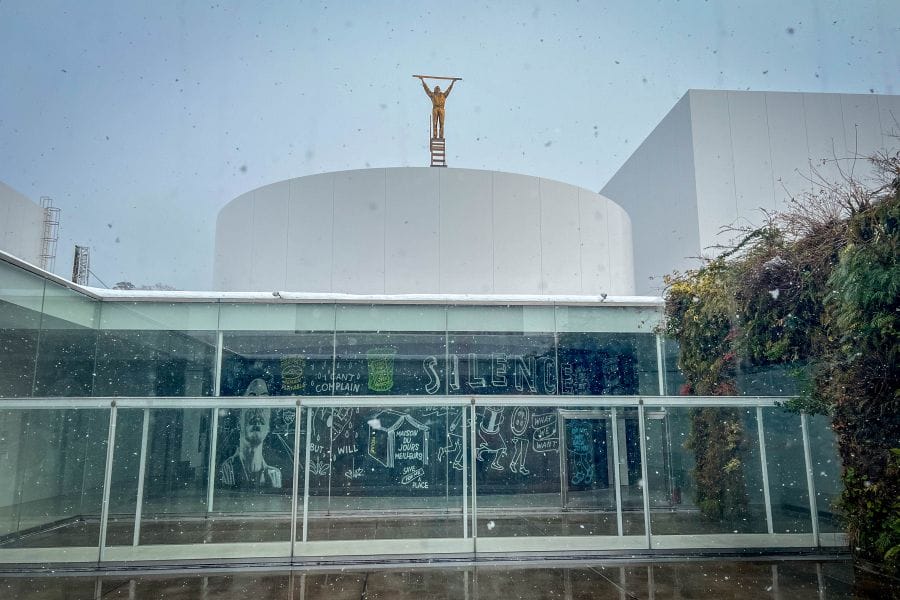
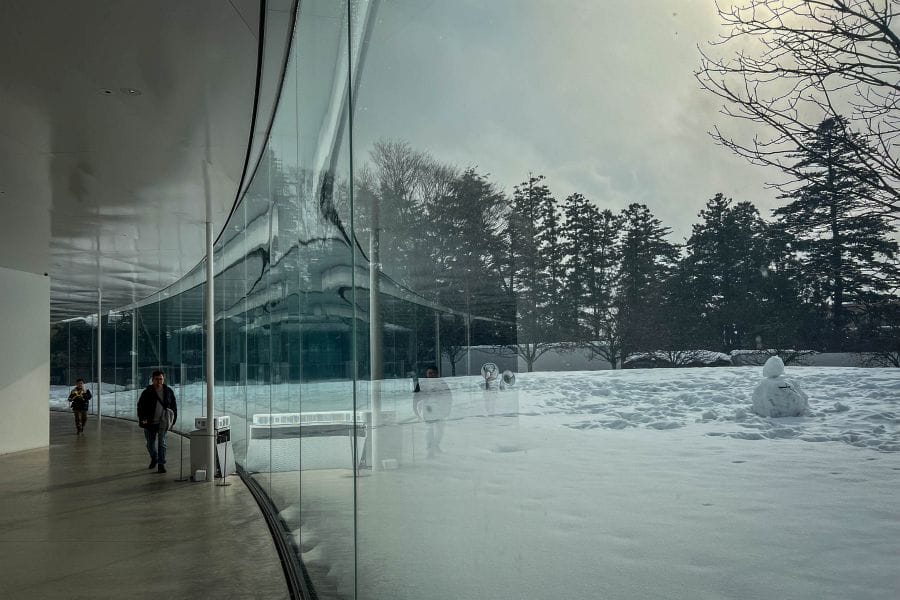
The 21st Century Museum of Contemporary Art, was established as part of a broader effort to integrate contemporary culture into a city best known for its historical heritage. Designed by architects Kazuyo Sejima and Ryue Nishizawa of SANAA, the building rejects the monumentality often associated with museums. Its circular form, transparent exterior and multiple entrances are intended to encourage casual movement and reduce the psychological barrier between the public and contemporary art. Inside, there are many spaces of different shapes and sizes permitting multidimensional installations.
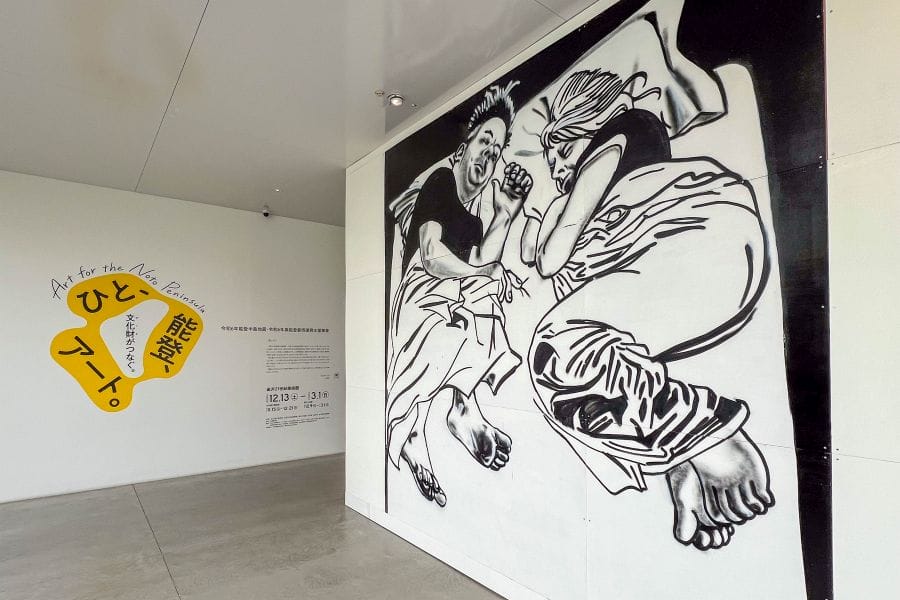
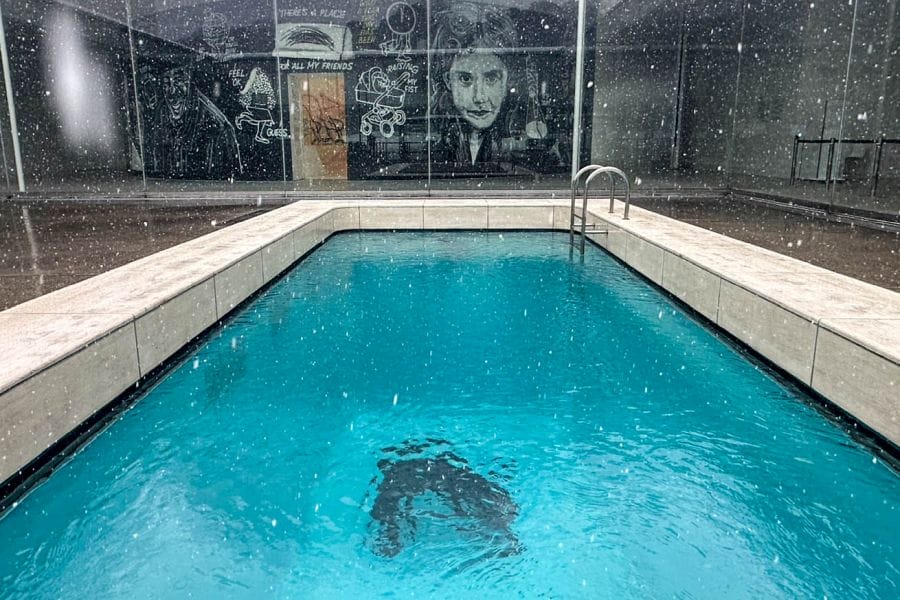
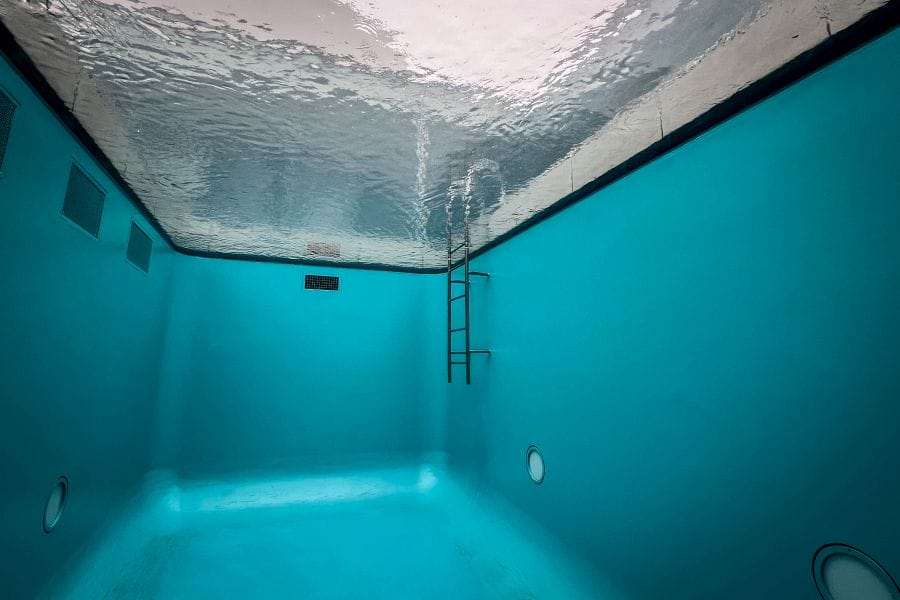
The museum’s collection and exhibition programme focus on artists active from the 1980s onwards, particularly those whose work engages with space, perception and the body. Among the best-known permanent installations is Leandro Erlich’s “Swimming Pool”, which creates the illusion of viewers standing beneath the surface of water. Works by James Turrell explore light and colour as physical experiences, while installations by artists such as Olafur Eliasson address sensory perception and environmental awareness. Japanese contemporary artists are also strongly represented, reflecting both domestic and international developments in post-war and contemporary art.
Rather than presenting a chronological or stylistic history, the museum emphasises experience and interaction. Many works are site-specific or require physical movement, changing according to the viewer’s position, time of day or weather conditions. This approach aligns with the museum’s architectural philosophy, which prioritises openness and adaptability. A large wall visible through the outer glass wall is covered in large, floppy magnetic letters that can be arranged and rearranged at will by visitors to create messages or abstract forms.
Information
Name in Japanese: 金沢21世紀美術館
Pronunciation: kanazawa nee-joo-isseikee-bi-jutsu-kan
Address: 1 Chome-2-1 Hirosaka, Kanazawa, Ishikawa 920-8509