Miyajima
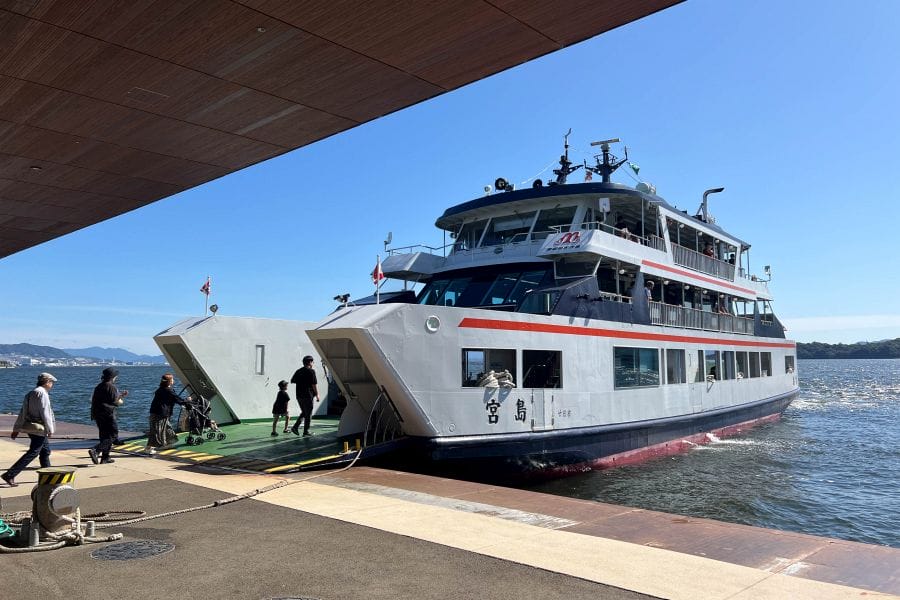
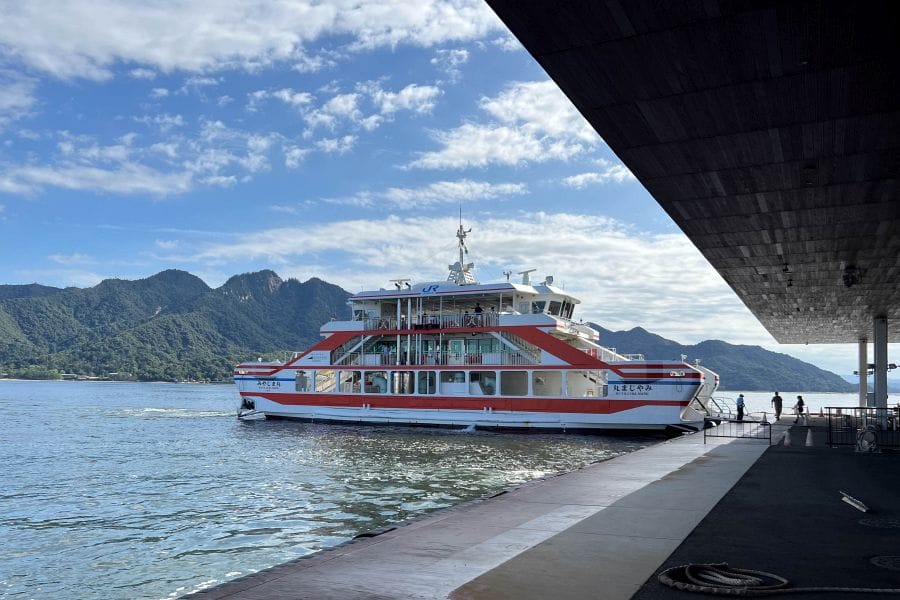
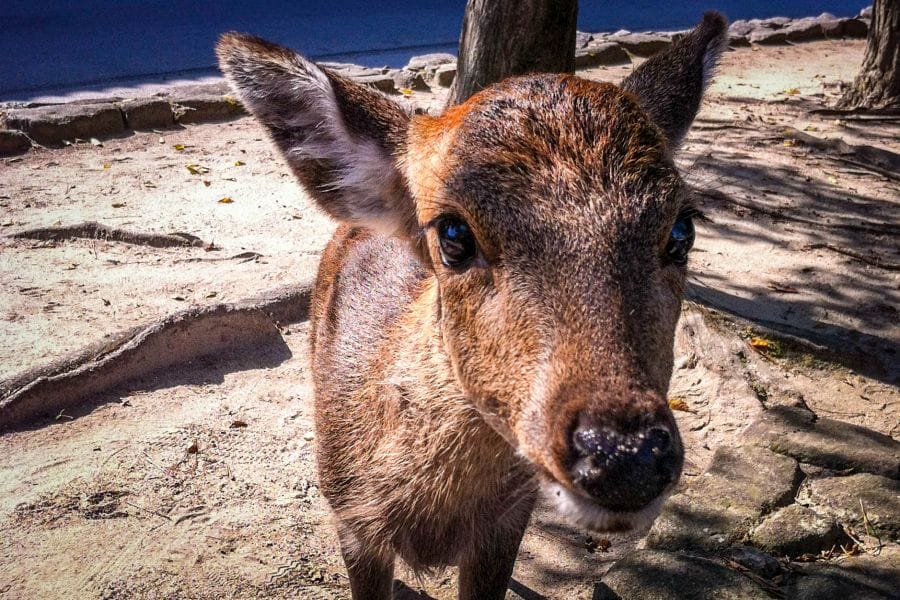
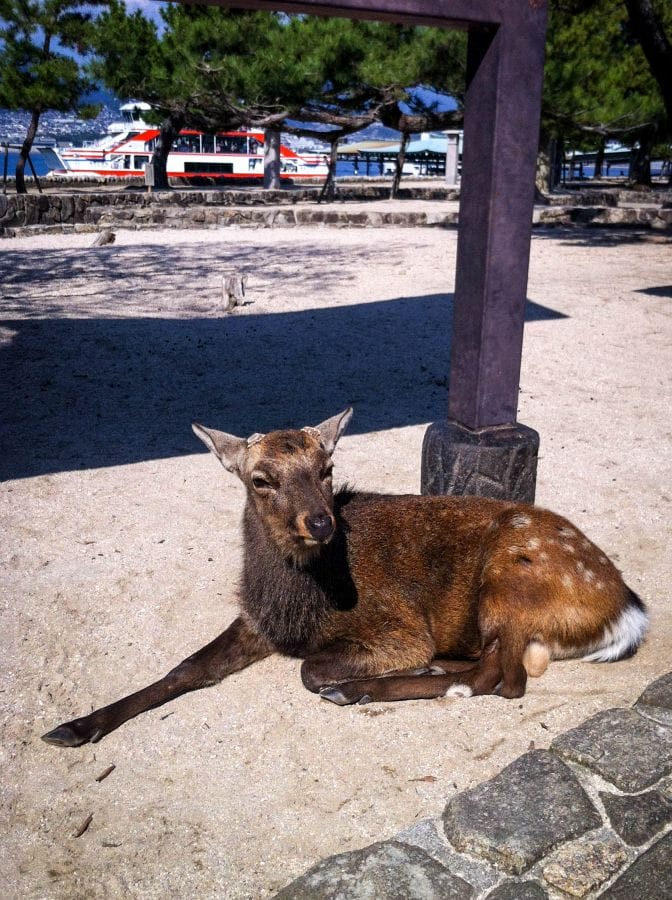
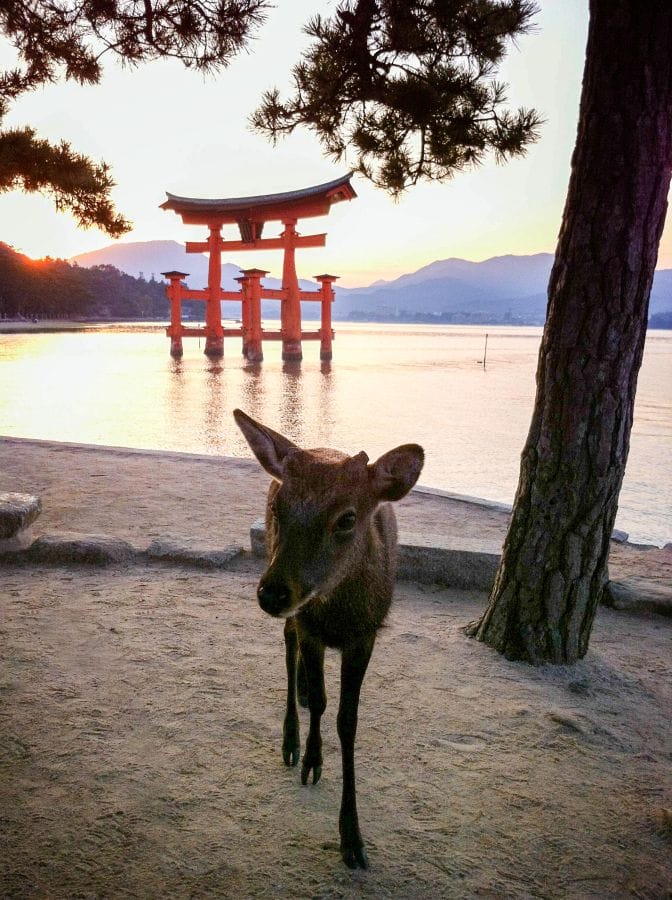
Miyajima, officially known as Itsukushima, is an island in Hiroshima Bay with a long history as both a sacred site and a place of strategic importance. The island is home to spectacular temples, shrines, and Meiji-period military remains. The whole island is considered sacred, and people were expected to avoid giving birth and dying on the island. It’s also known for its tame deer who aggressively beg for food, as well as for its cherry blossoms in spring, and autumn foliage. As one of Japan’s most well-known spots, Miyajima is commensurately crowded, but it’s enjoyable nonetheless. It takes about ten minutes to reach the island by ferry from Miyajimaguchi Port, and ferries depart every fifteen minutes. Also, an hourly express passenger ferry visits Miyajima from Hiroshima harbour taking about forty-five minutes.
Itsukushima Shrine
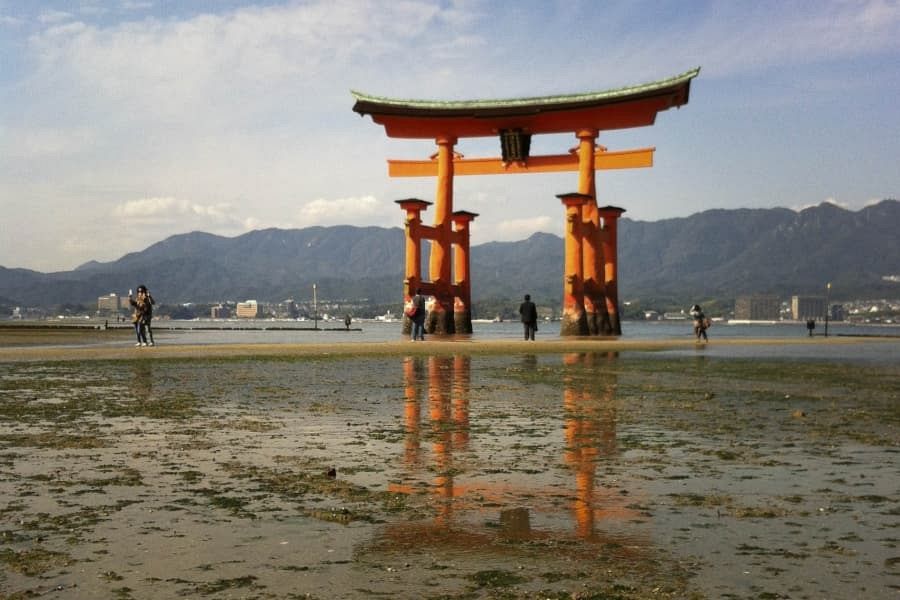
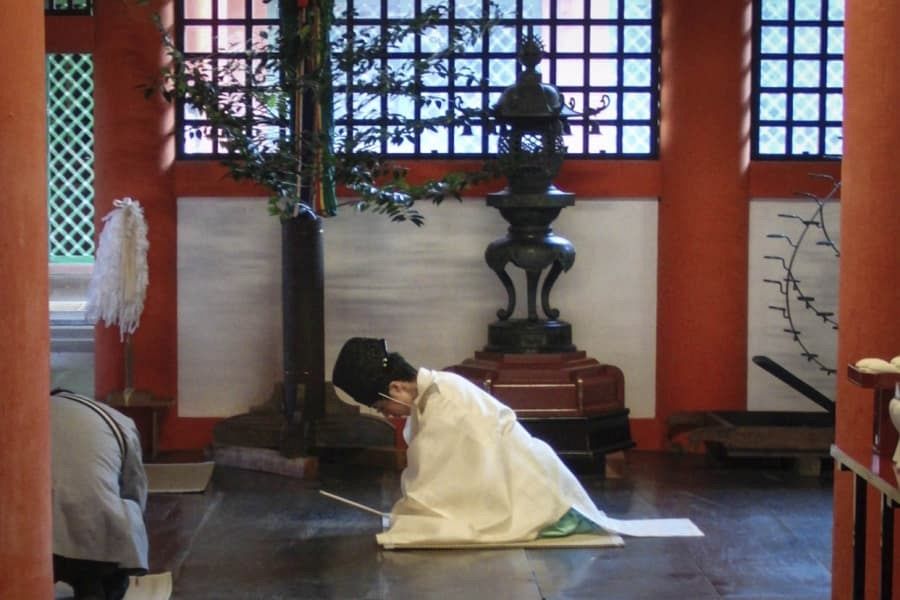
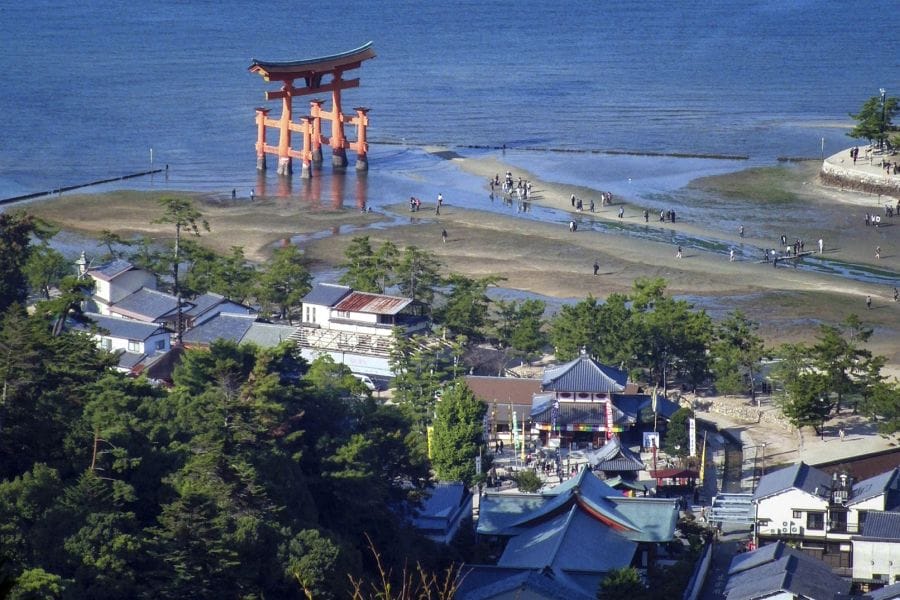
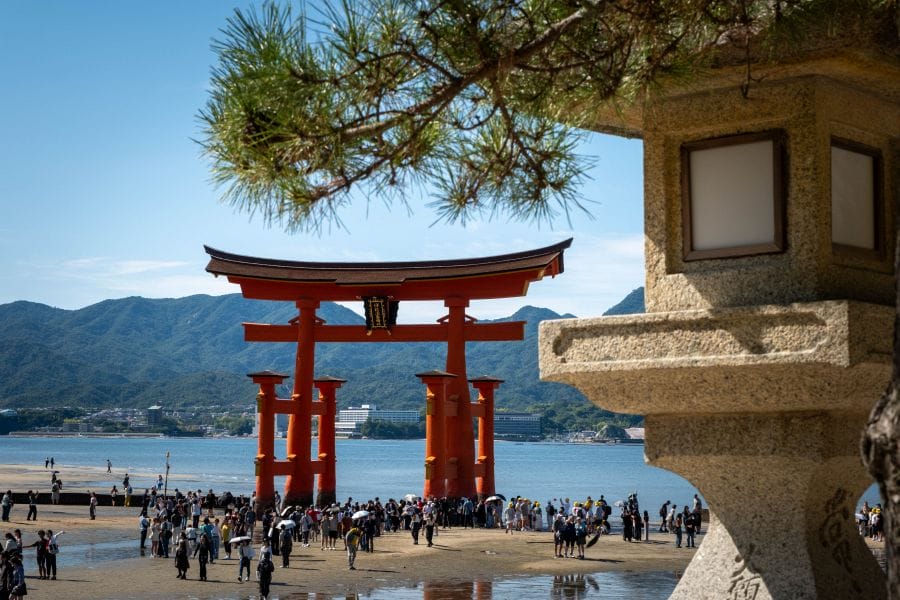
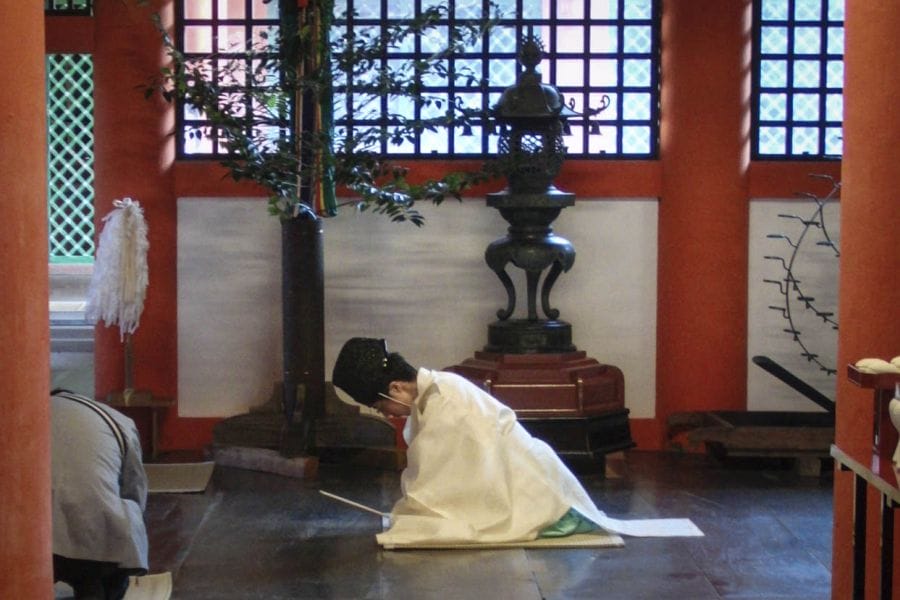
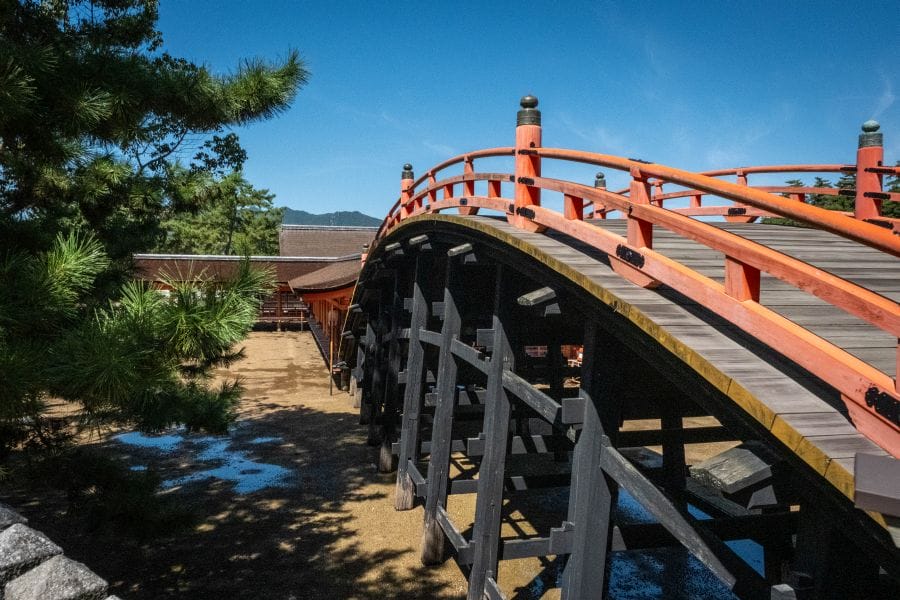
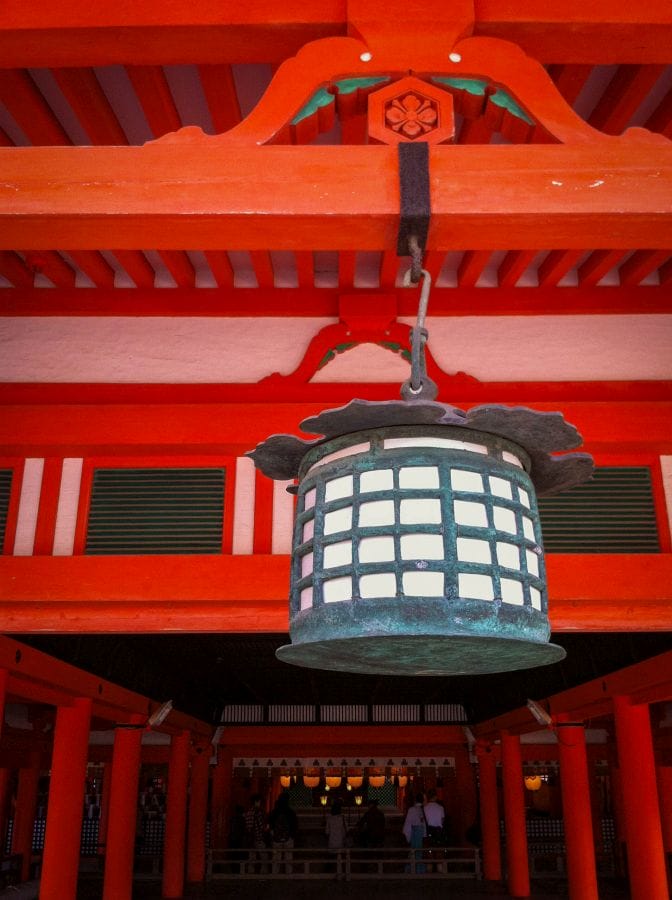
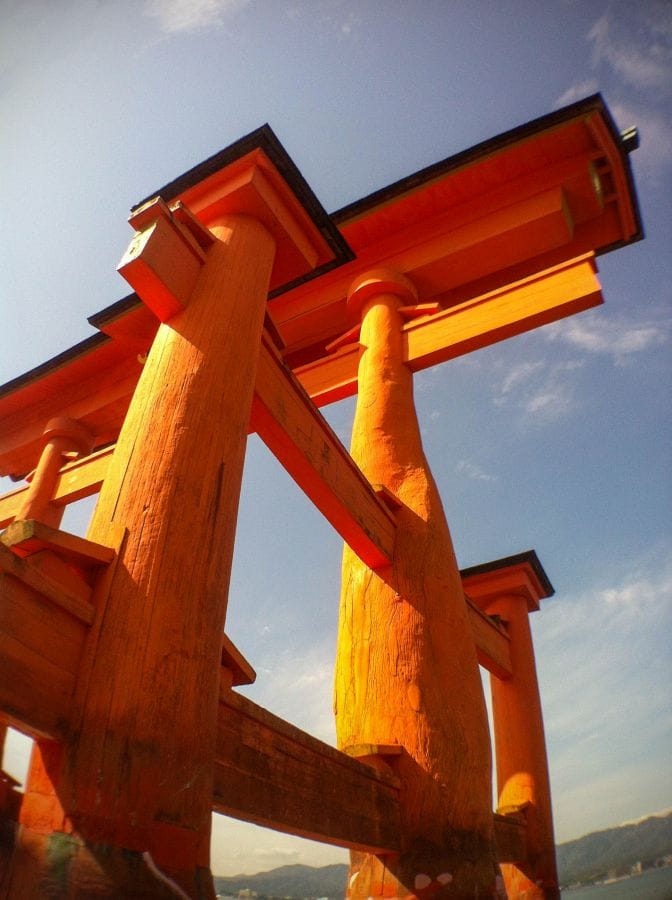
The island’s central landmark, Itsukushima Shrine, dates back to the 6th century, though the current layout is largely from the 12th century under the patronage of Taira no Kiyomori. The shrine’s architecture is designed to appear as if it floats on the sea at high tide, with vermilion-lacquered corridors connecting multiple halls. The famous ōtorii gate, rebuilt several times, remains one of Japan’s most recognizable structures. The appearance of the shrine and torii changes dramatically with the water level, so it’s best to spend several hours on the island to see the shrine at high and low tide.
Daishō-in Temple
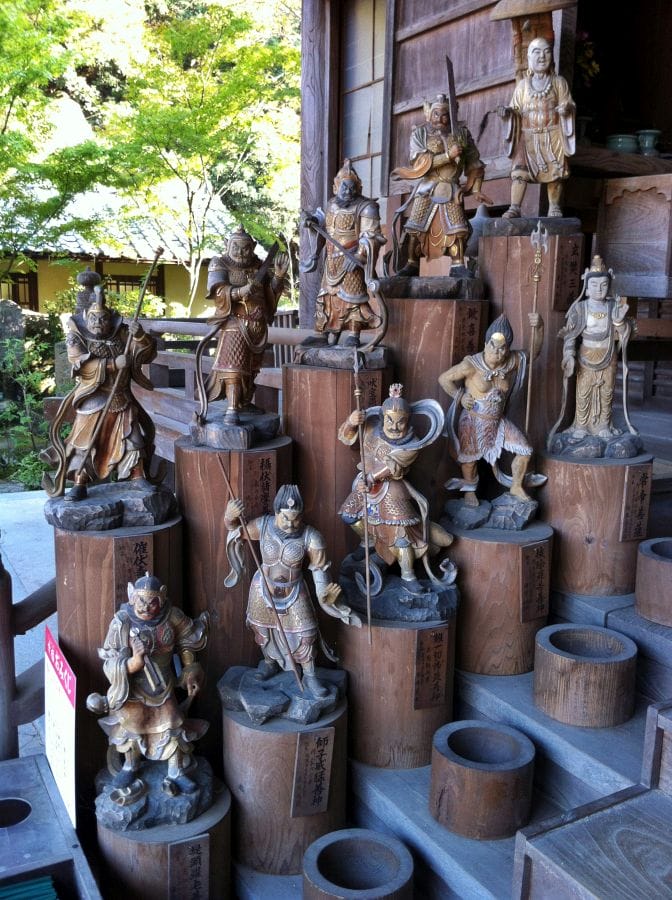
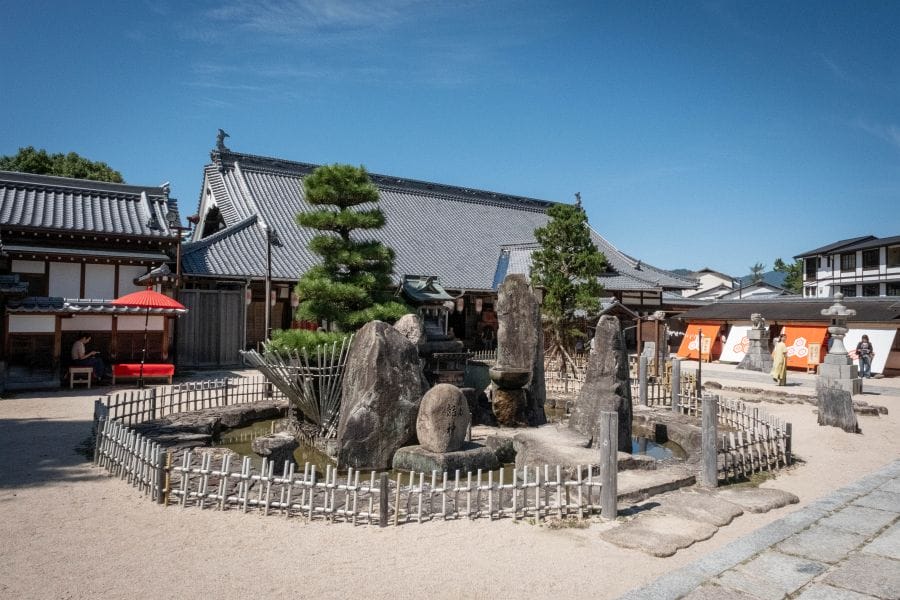
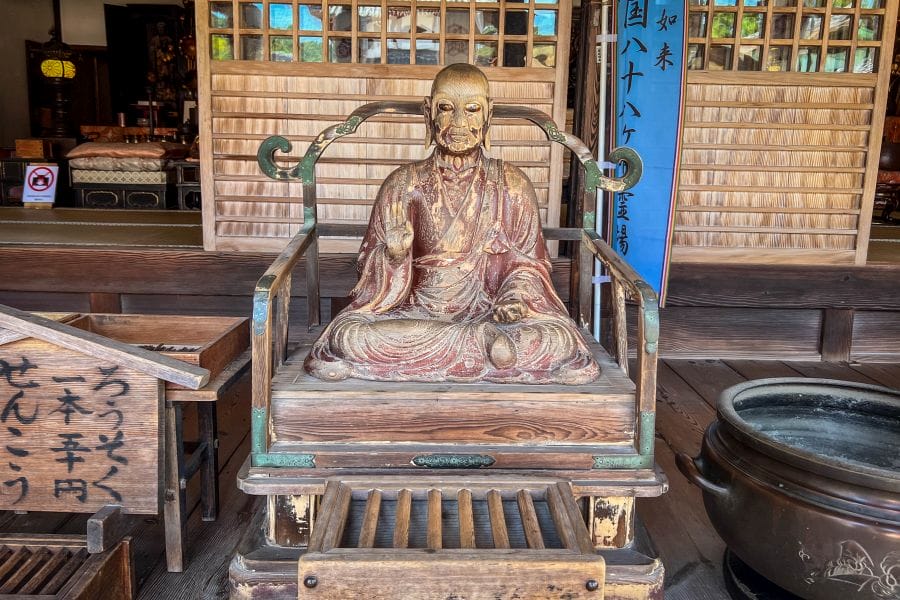
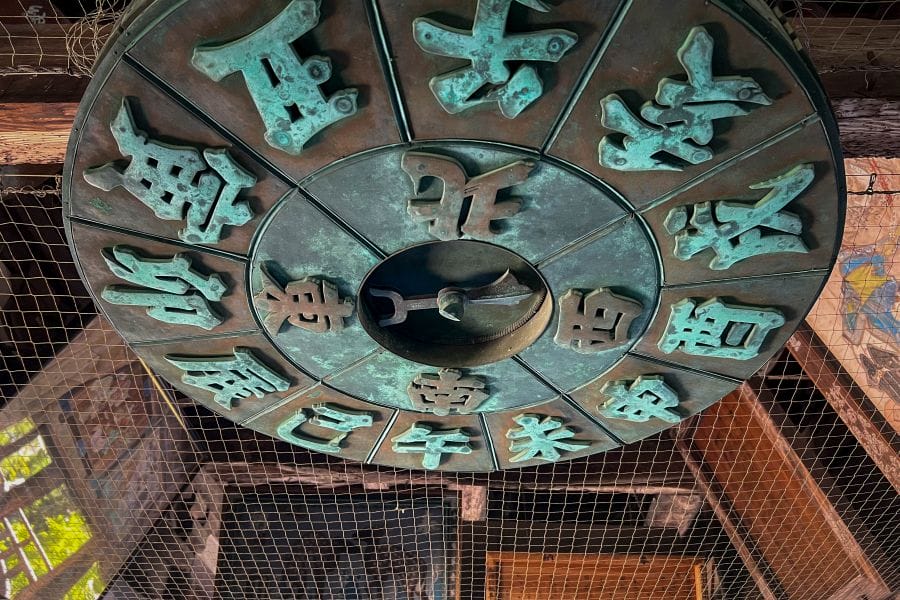
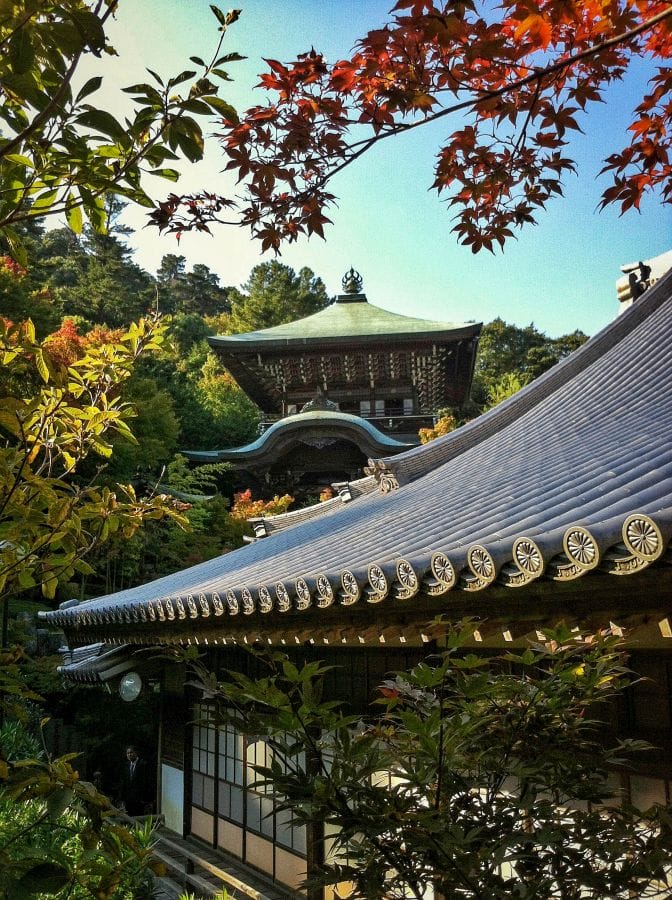
Located at the foot of Mount Misen, Daishō-in is a Shingon Buddhist temple traditionally linked to Kūkai, the founder of the sect and also of the Shikoku Pilgrimage. The temple features numerous halls, statues, and ritual paths, including a row of spinning prayer wheels inscribed with sutras. The variety of religious imagery here reflects the syncretic history of Buddhism and Shinto on the island. The site also serves as a starting point for hiking trails up Mount Misen.
Mount Misen
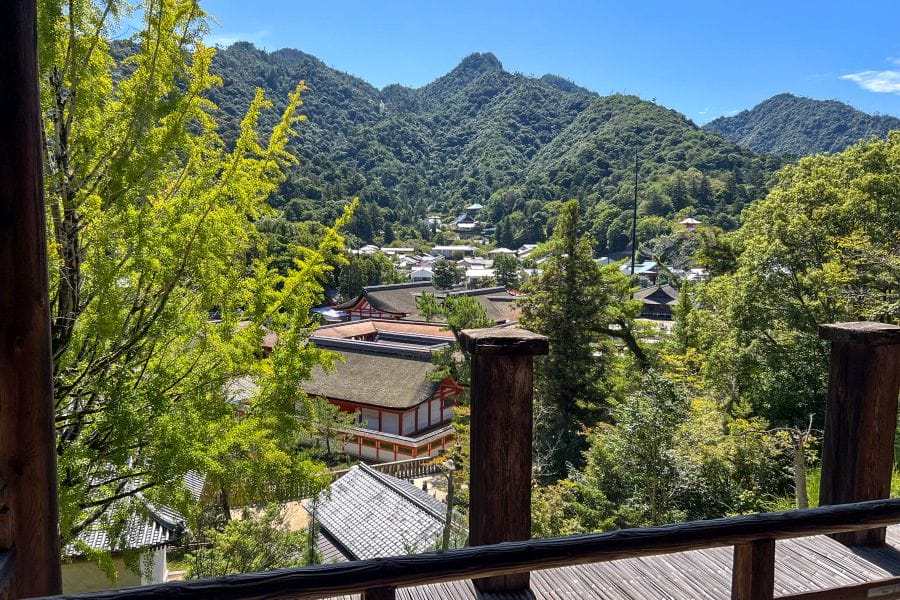
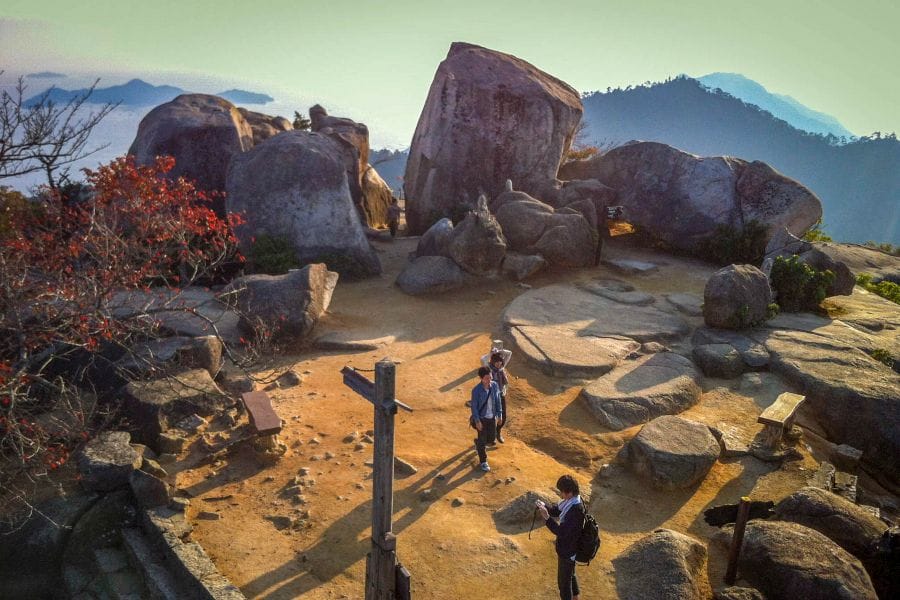
Mount Misen, at 535 meters, is the island’s highest peak and has been considered sacred for centuries, thanks in part to the spectacular monoliths dotting its peak. According to tradition, Kūkai lit a fire here in the 9th century that is said to still burn at the Reikadō Hall. The mountain trails pass through old-growth forest with giant fir and maple trees, and the summit offers wide views across the Inland Sea. Several Buddhist structures, including halls and statues, are scattered near the peak, underscoring the mountain’s spiritual significance. Misen can be accessed on foot by three different trails or by a series of cable cars.
Senjōkaku and the Five-Storied Pagoda
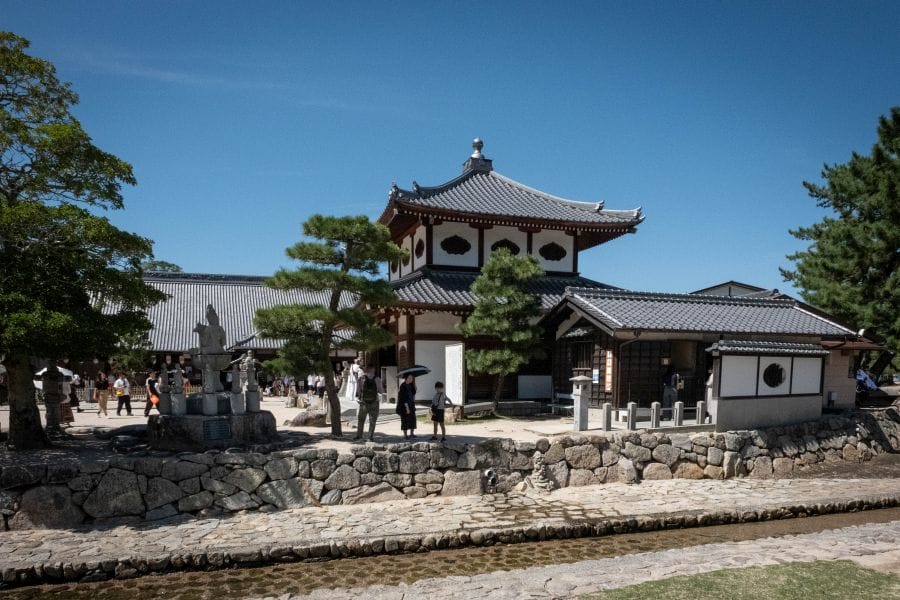
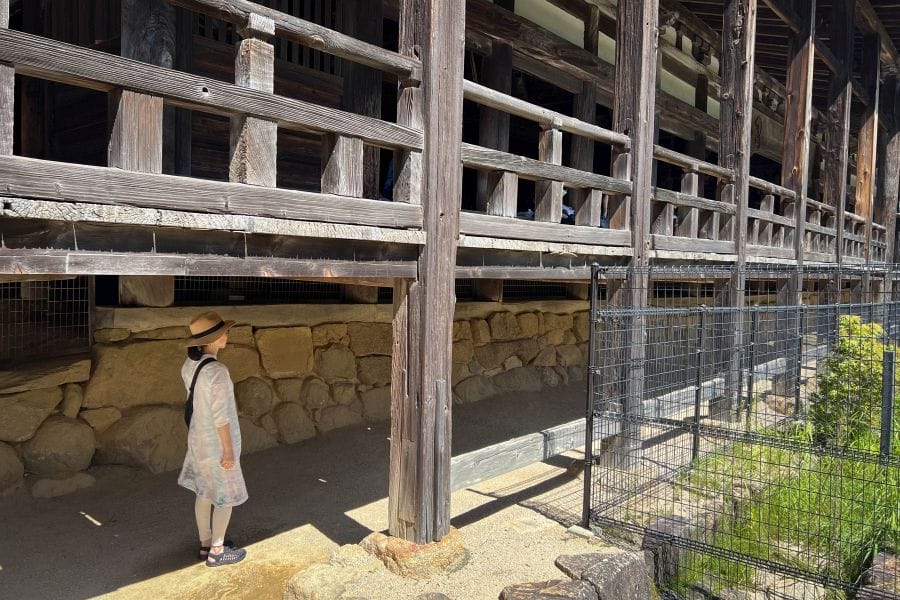
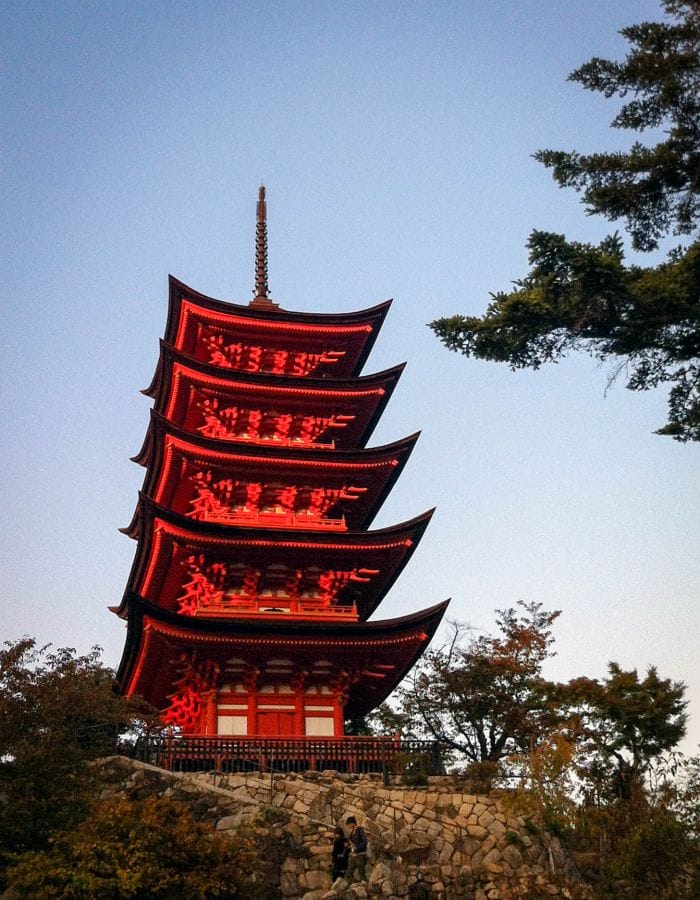
Senjōkaku, officially Toyokuni Shrine, is a vast wooden hall commissioned by Toyotomi Hideyoshi in 1587 but left unfinished at his death. The name, meaning “Pavilion of a Thousand Mats”, reflects its spacious interior, which was used for chanting sutras for war dead. Nearby stands a brightly painted five-storied pagoda from 1407, blending Japanese and Chinese architectural influences. The two structures together highlight the island’s role during the late medieval period.
Omoto Park and Smaller Shrines
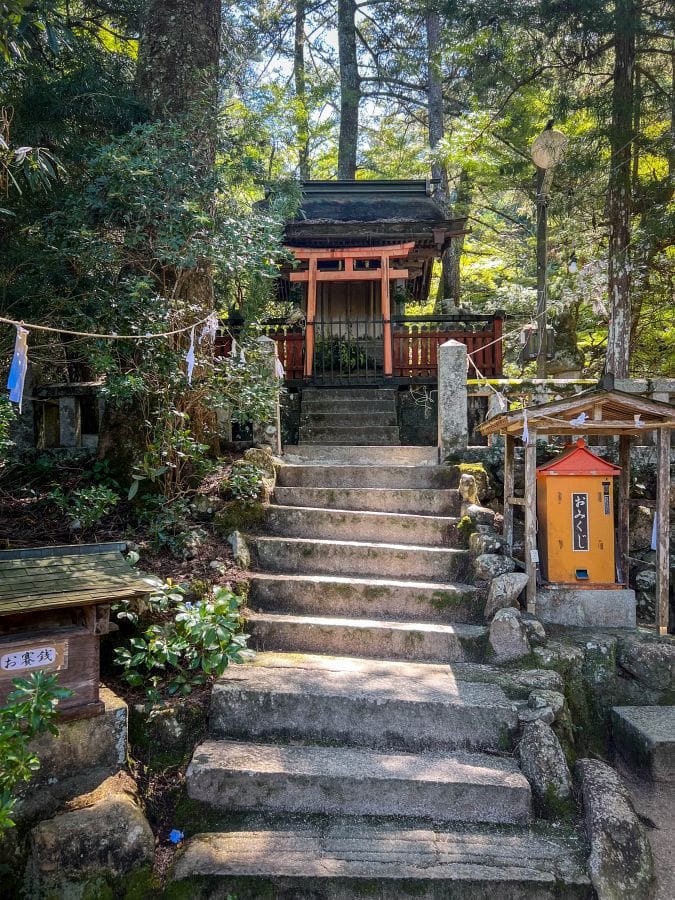
Omoto Park, at the base of Mount Misen, preserves sacred groves and smaller shrines linked to the island’s ancient cults of nature worship. The park is especially associated with festivals and seasonal rituals, and it offers quieter paths compared to the more visited shrine precincts.
Meiji Period Military Sites
From the 19th century, Miyajima took on a new role as part of Japan’s modern coastal defence network. Fortresses and gun batteries were constructed on the island following the First Sino-Japanese War, when nearby Hiroshima served briefly as the imperial headquarters. Remains of these military facilities, including tunnels and gun emplacements, can still be seen, particularly on the less visited northern side of the island. These sites illustrate the island’s strategic importance during Japan’s modernization and contrast with its religious heritage.
Other Notable Points of Interest
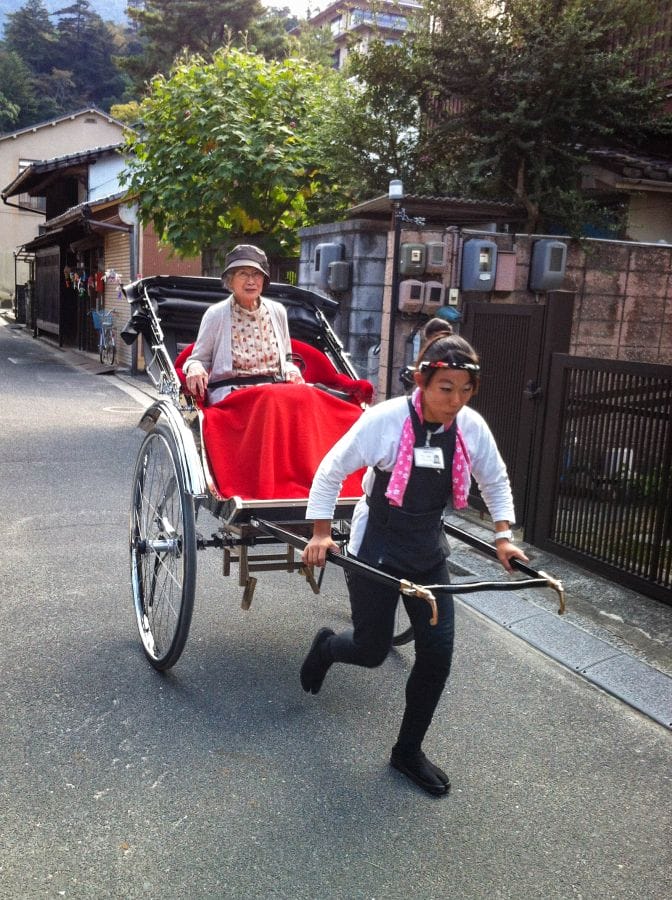
The town streets near the ferry terminal preserve traditional architecture and are lined with shops producing local specialties such as wooden rice scoops (shamoji), first made by monks on the island, and confections like momiji manjū, a bun in the shape of a maple leaf stuffed with sweet bean paste. The island’s deer, long regarded as messengers of the gods, roam freely, though visitors are advised not to feed them as they can become persistent about getting fed.
Visiting Miyajima
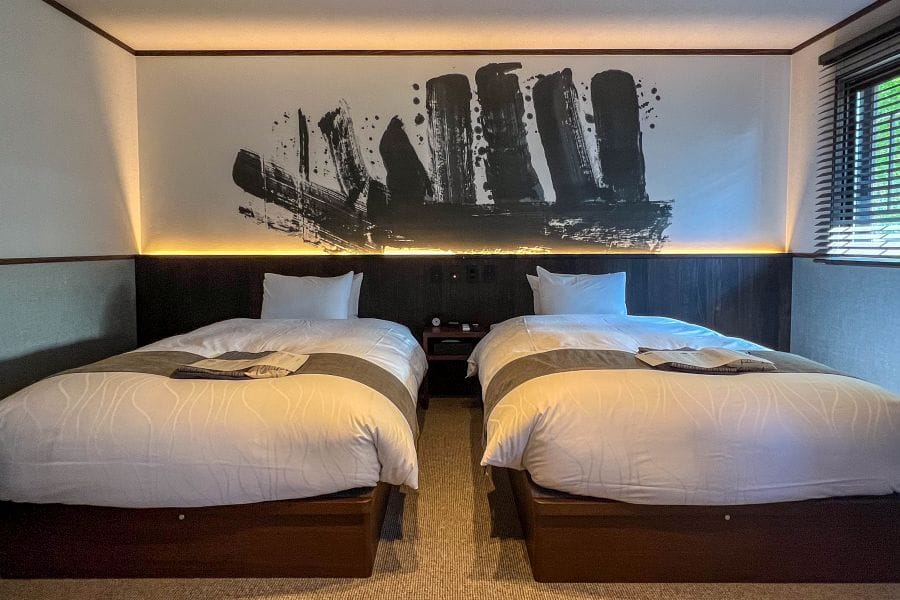
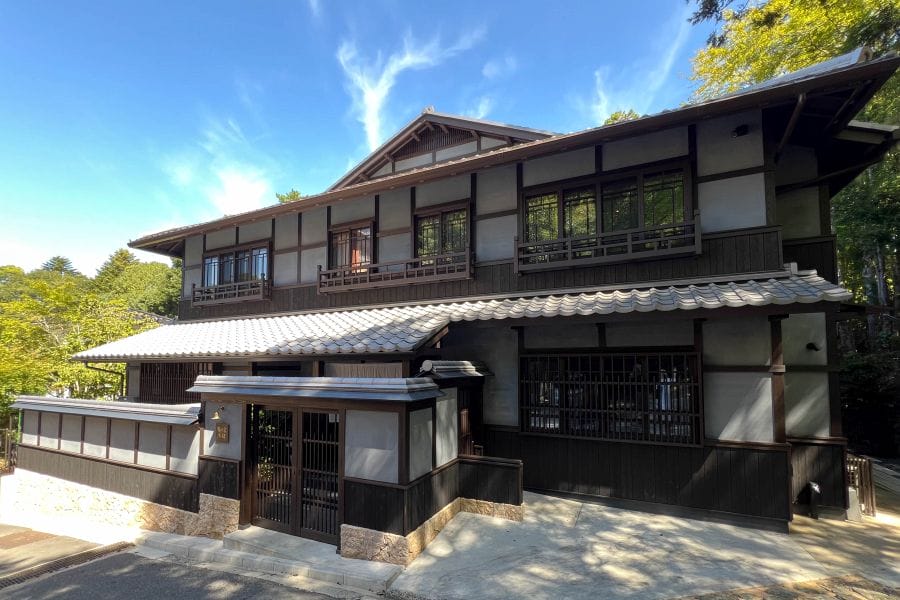
Japan Adventurer knows the best places to stay and eat on Miyajima, and our local guides will make sure that you don’t miss anything. We recommend staying on the island to enjoy the tranquil scenery at dusk and in the early morning without the crowds of day-return visitors.
Information
Name in Japanese: 宮島
Pronunciation: mee-ya-jee-ma