Glover Garden
Glover Garden is an open-air museum on the hillside of Minami-Yamate in Nagasaki, overlooking the city’s harbour. The site preserves several Western-style residences from the late Edo and early Meiji periods, reflecting Nagasaki’s role as Japan’s primary point of contact with the outside world during the country’s transition from isolation to modernization.
The garden takes its name from Thomas Blake Glover (1838–1911), a Scottish merchant who arrived in Nagasaki in 1859, shortly after the port was opened to foreign trade. Operating as a representative of the trading firm Jardine Matheson, Glover was involved in exporting Japanese tea and coal and importing ships, weapons, and industrial equipment.
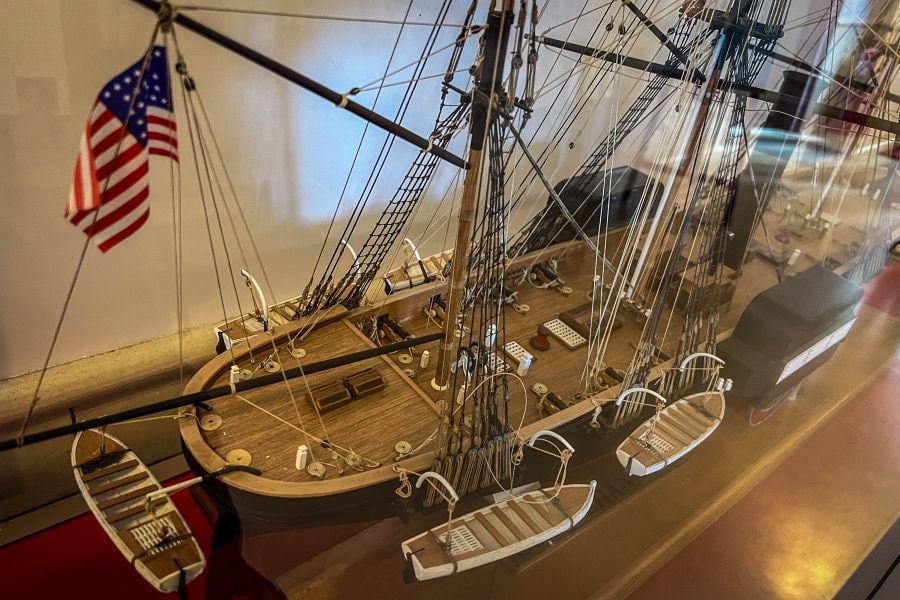
Glover played a notable, if informal, role in events leading up to the Meiji Restoration. He supplied modern firearms and warships to reform-minded domains such as Satsuma and Chōshū, which later formed the core of the imperial forces that overthrew the Tokugawa shogunate in 1868. After the restoration, he remained in Japan and contributed to early industrial projects, including coal mining on Hashima Island (popularly known as Gunkanjima) and the establishment of Japan’s modern shipbuilding and brewing industries. He was later awarded the Order of the Rising Sun for his contributions to Japan’s modernization.
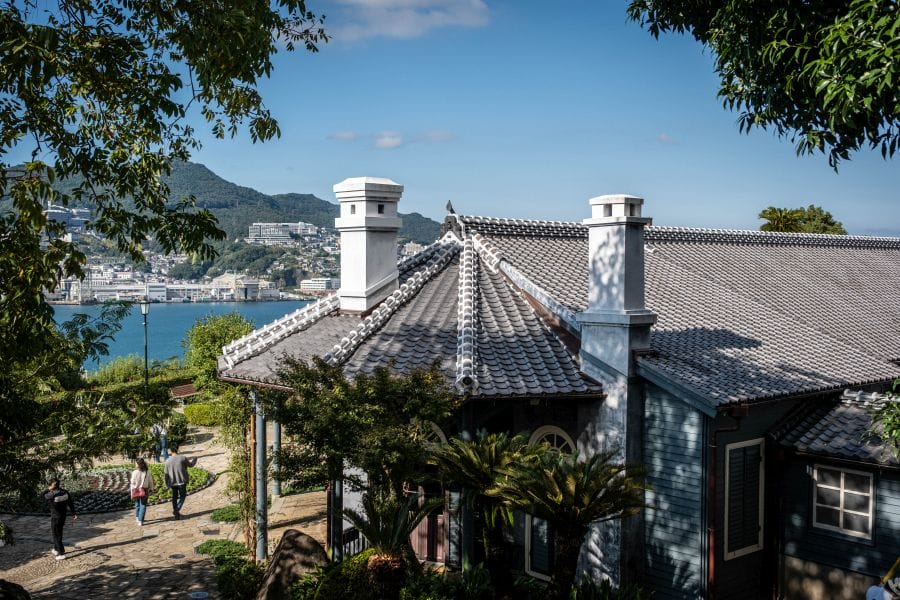
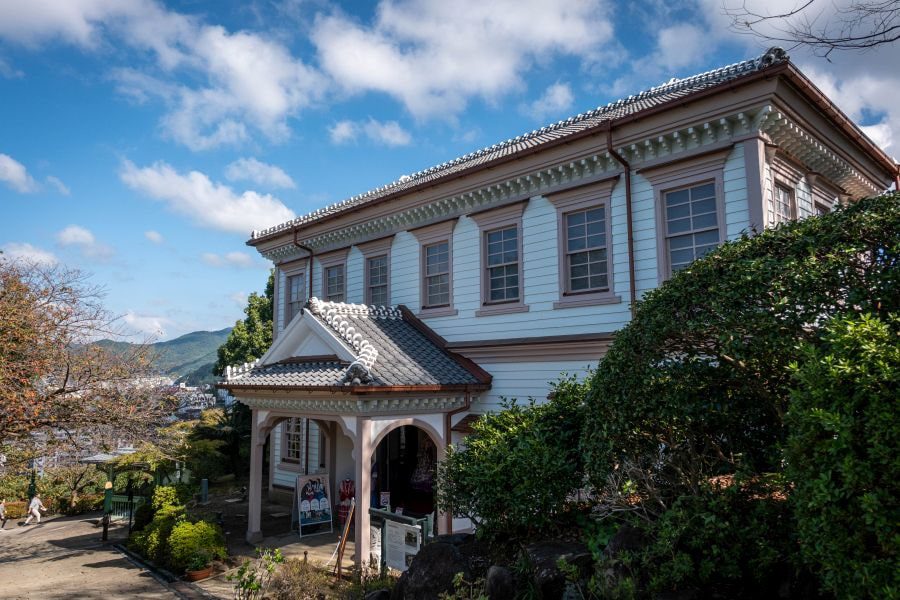
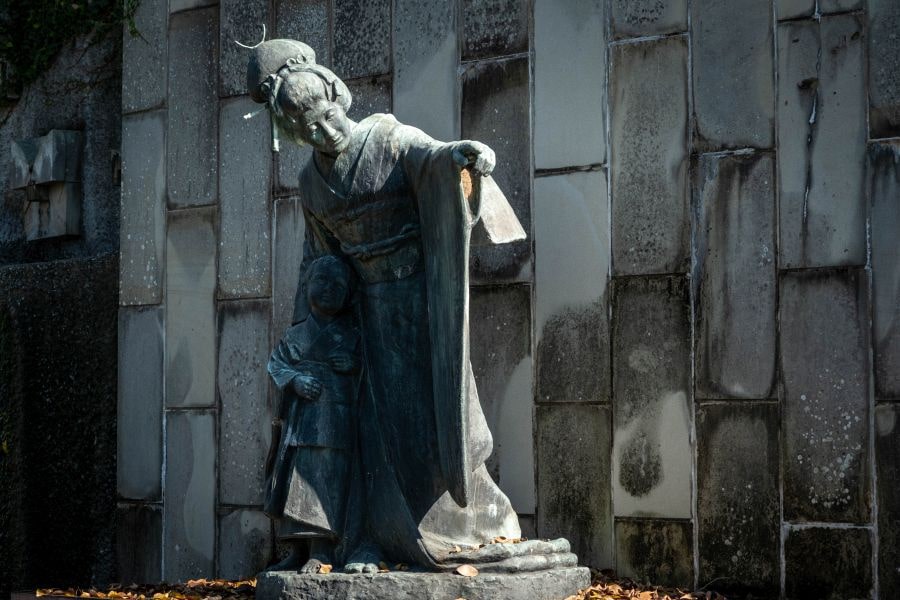
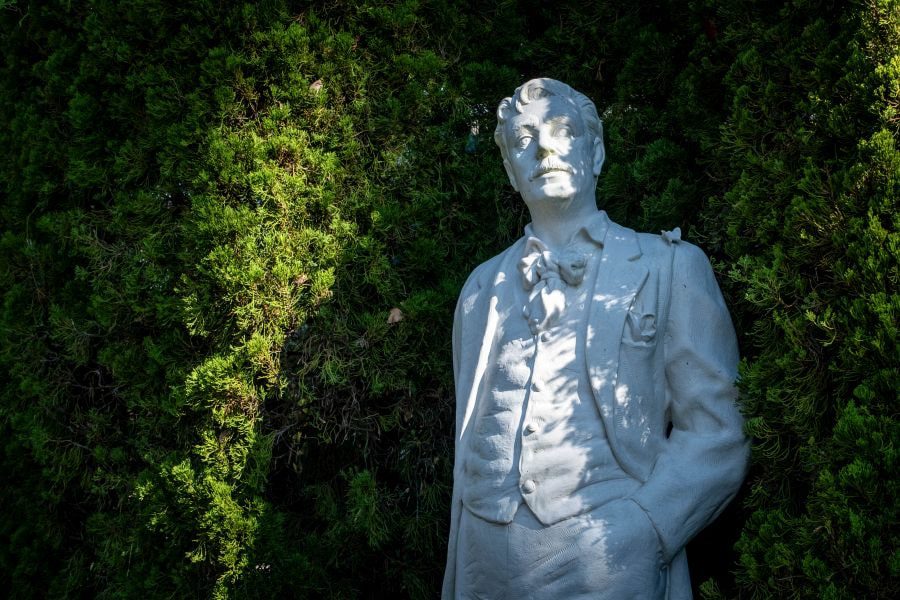
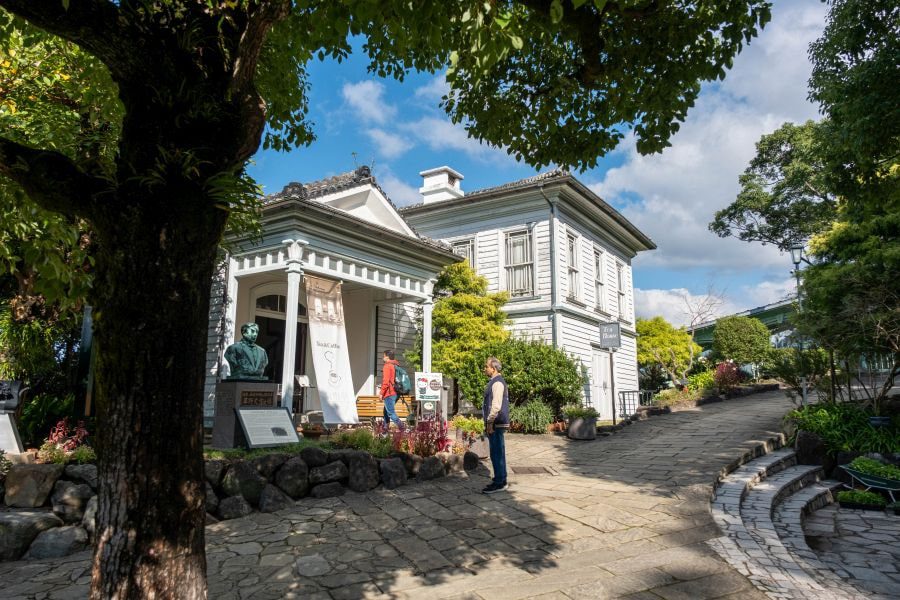
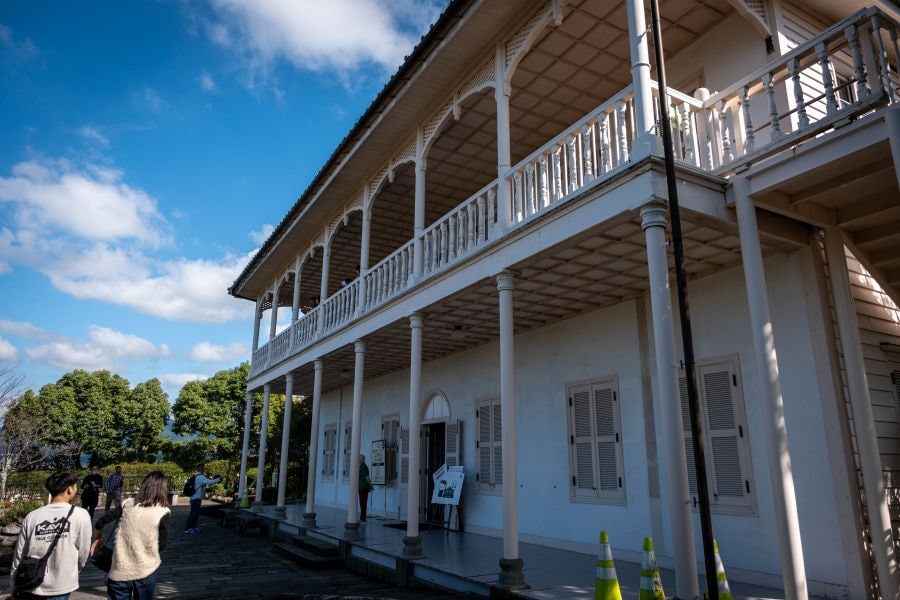
The most prominent structure in the garden is the Glover Residence, built in 1863 and considered the oldest surviving Western-style wooden house in Japan. The building combines Western architectural features such as a veranda and large sash windows with Japanese construction techniques, including a tiled roof adapted to the local climate. As the expatriate lives of the merchants are reminiscent of Puccini’s opera Madame Butterfly statues of Puccini and diva Miura Tamaki, known for her role as Cio-Cio-san, stand in the park near the house.
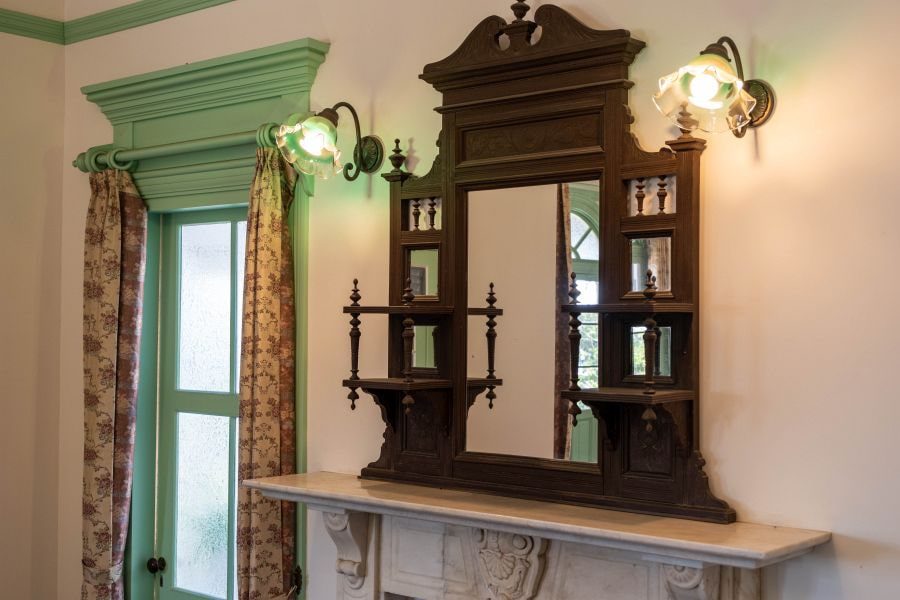
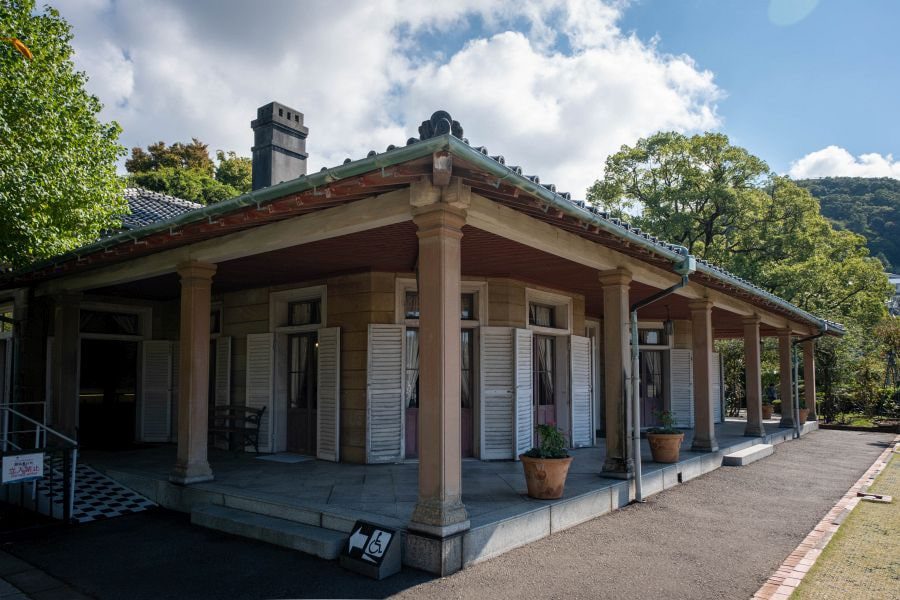
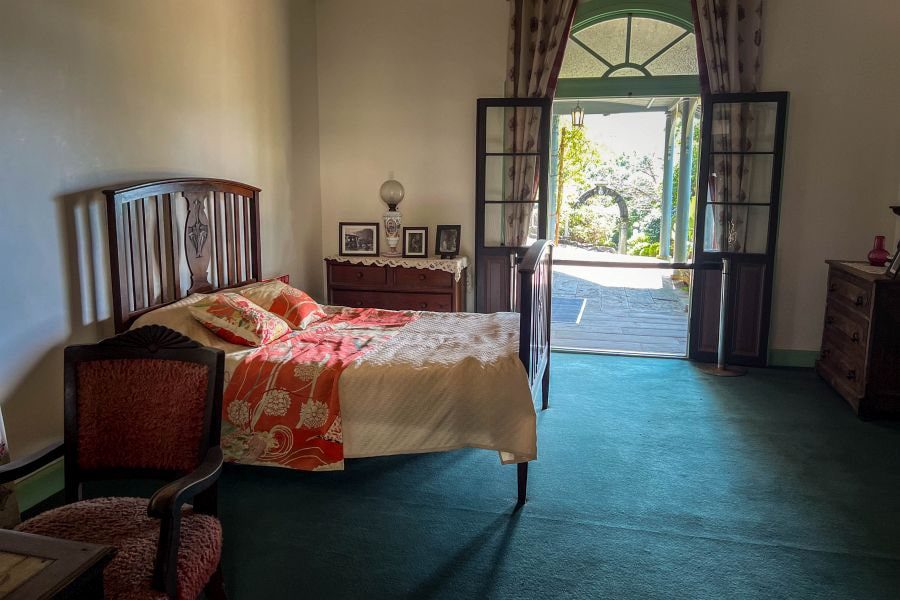
Nearby is the Ringer Residence, once home to Frederick Ringer, an English merchant. This house is larger and more symmetrical than Glover’s, reflecting changes in Western residential design by the late 19th century. Its interior furnishings provide insight into the lifestyle of foreign residents in treaty-port Nagasaki.
The Alt House, associated with the German merchant Albert Alt, is another notable example. It features a distinctive stone foundation and well-preserved interior details, illustrating the variety of European influences present in the settlement.
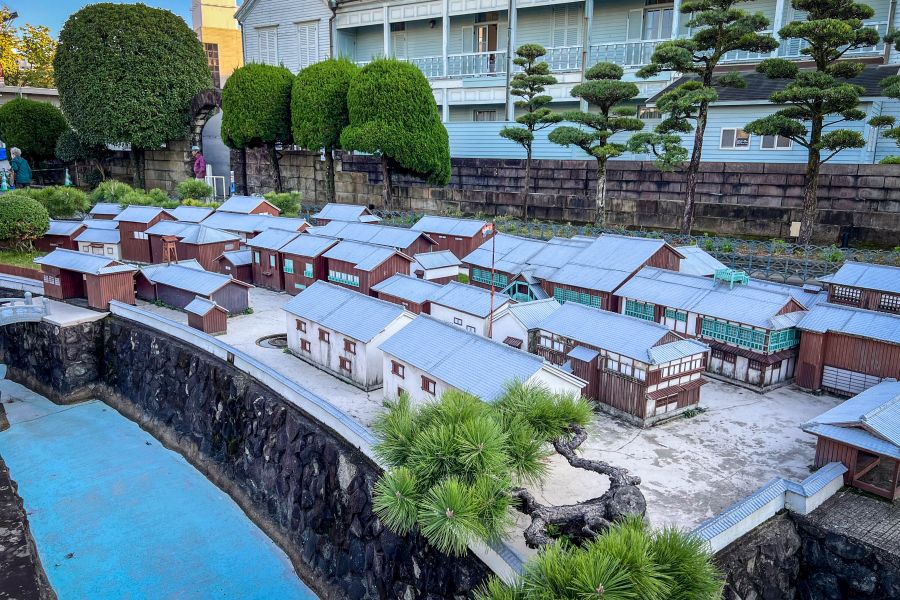
In addition to these relocated residences, the garden includes smaller buildings, gatehouses, and stone paths that recreate the atmosphere of Nagasaki’s former foreign settlement.
Glover Garden’s elevated position offers wide views over Nagasaki Port, the city’s historic shipyards, and the surrounding hills. The terraced layout and landscaped gardens frame these vistas, which help explain why foreign residents chose this area for their homes. The combination of architecture, gardens, and scenery provides a clear sense of Nagasaki’s historical position as a meeting point between Japan and the wider world during a period of rapid change.
Information
Name in Japanese: グラバー園
Pronunciation: gurabaa-en
Address: 8-1 Minamiyamatemachi, Nagasaki, 850-0931