Ikeshima
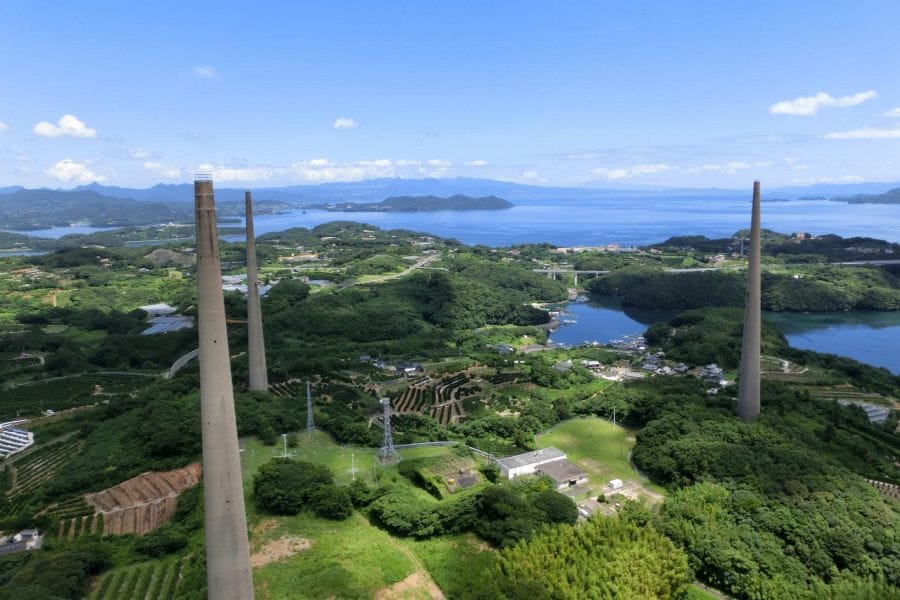
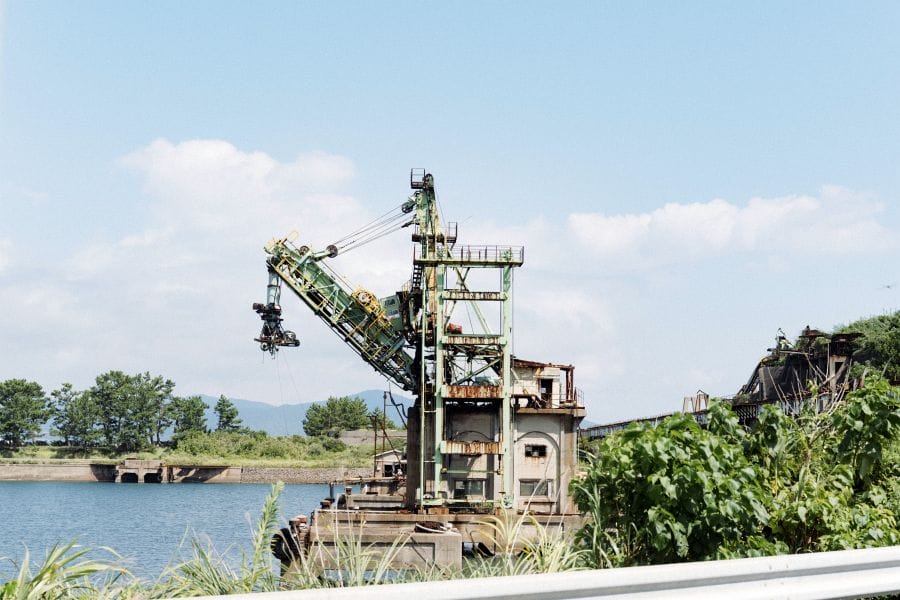
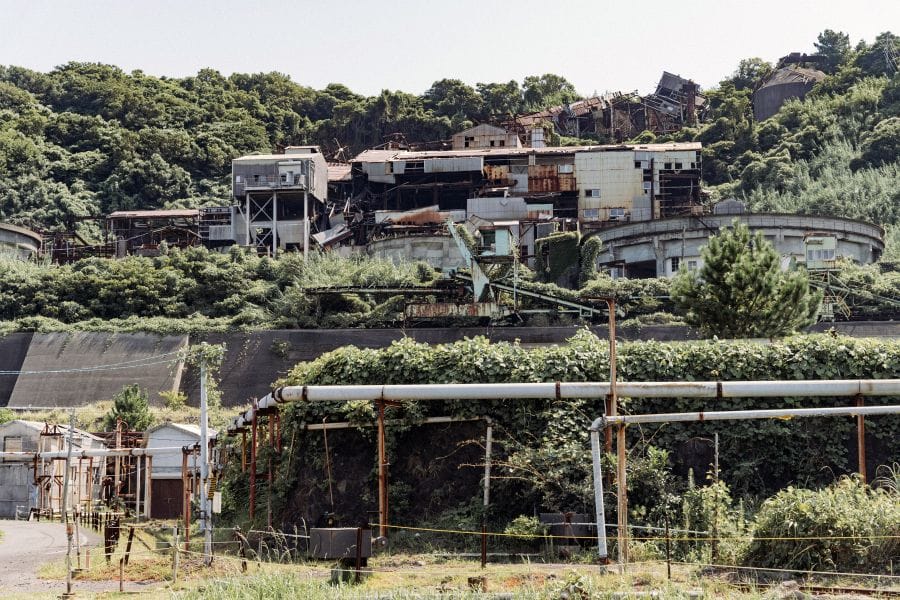
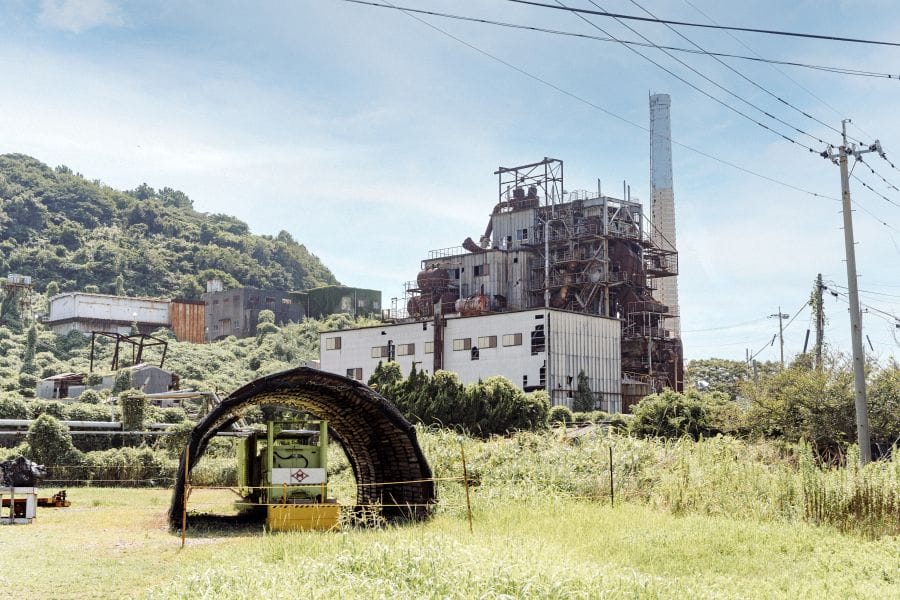
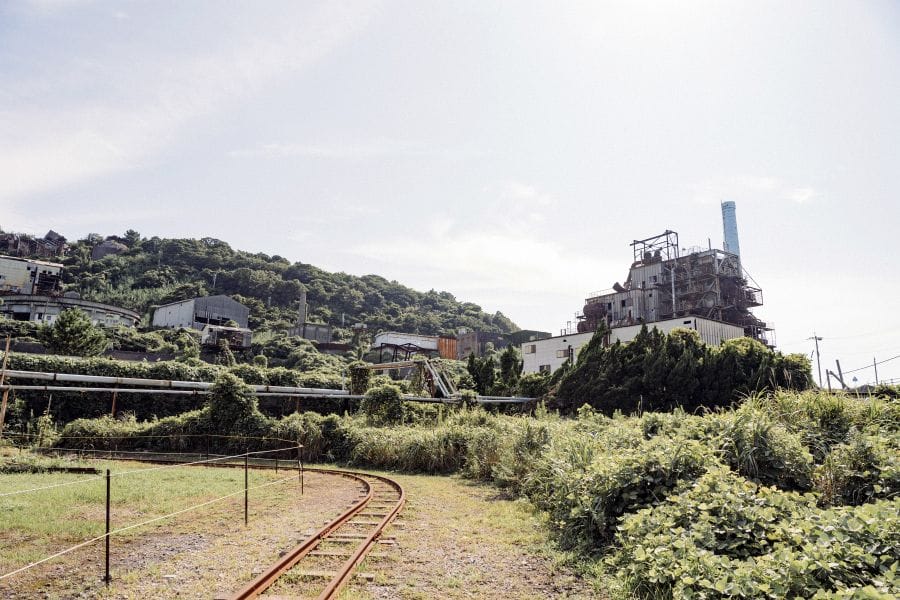
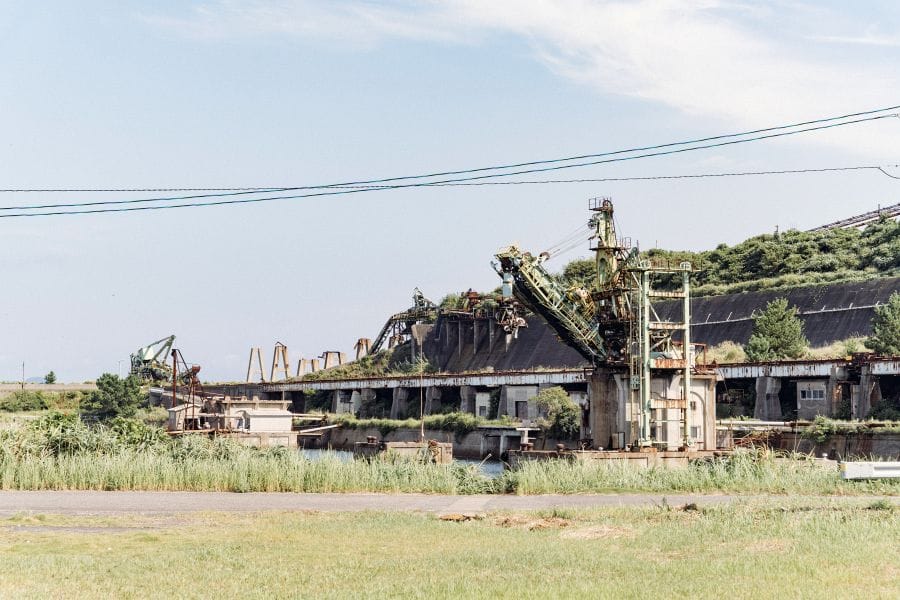
Situated seven kilometres off the western coast in Nagasaki Prefecture, Ikeshima presents a stark industrial profile against the East China Sea. This narrow island, of less than one square kilometre, functions as a remarkably intact open-air museum of post-war heavy industry. As your boat approaches the narrow harbour entrance, you’ll see rows of multi-storey concrete apartment blocks towering over the hillsides, many completely covered in creeping vines. The waterfront is dominated by the rusting framework of a massive coal-loading crane and the crumbling chimneys of a thermal power plant. Unlike its famous neighbour, Hashima (also known as Gunkanjima), which is entirely abandoned and highly restricted, Ikeshima retains a tiny population of fewer than one hundred residents, allowing you to walk freely along its quiet roads and examine the relics of a vanished workforce.
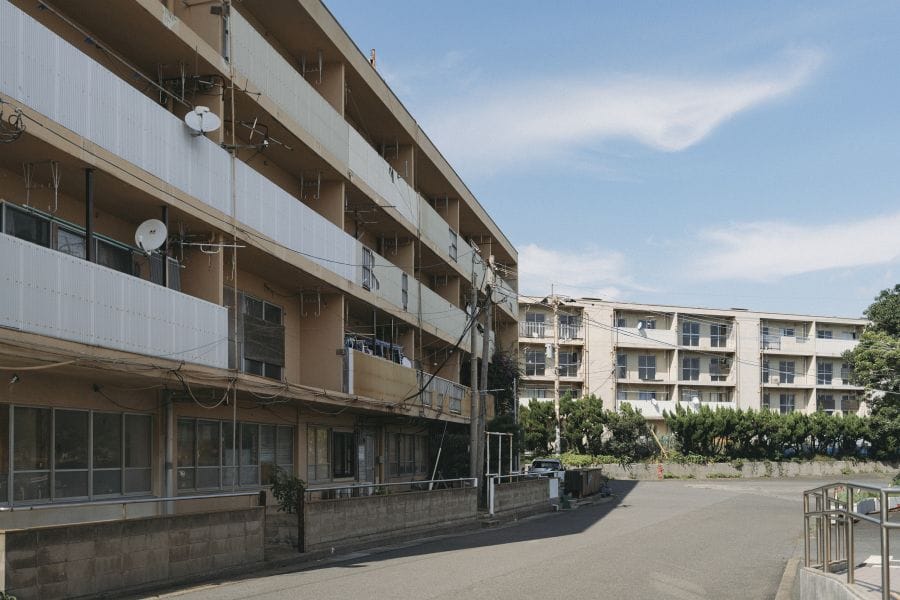
The most prominent feature of the landscape is the collection of massive residential complexes built to house thousands of miners and their families. To save space on the steep terrain, engineers constructed eight- and nine-storey concrete apartment blocks. Because the hillsides are so steep, many of these buildings feature an unusual architectural layout where you can enter the upper floors via bridges connected directly to the rising ground behind them, completely bypassing the lower stairwells. Walking through these residential sectors, you’ll find the remnants of a self-contained town: an empty primary school, an abandoned clinic, and overgrown streets where rows of rusted metal pipes run entirely above ground along the paths to ensure easy maintenance in the salty air.
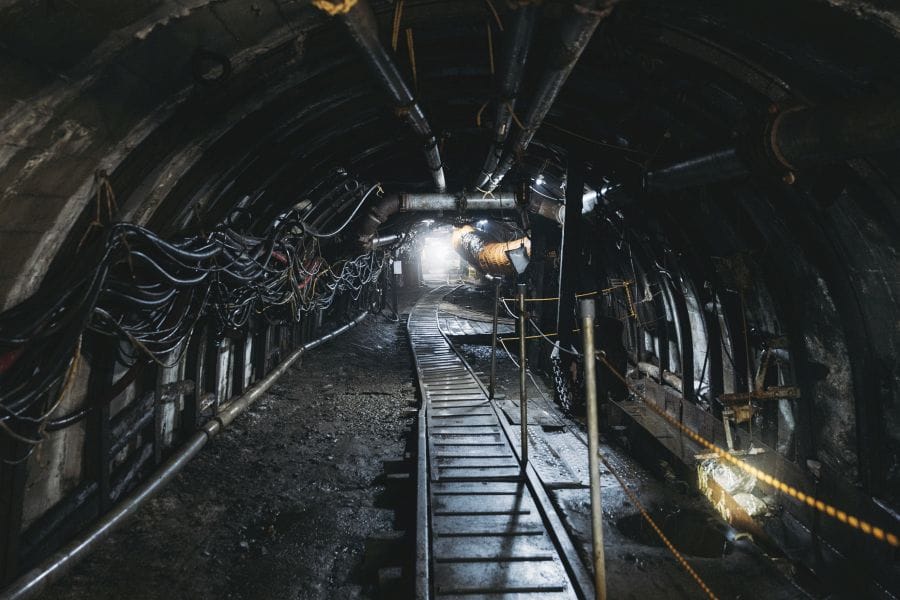
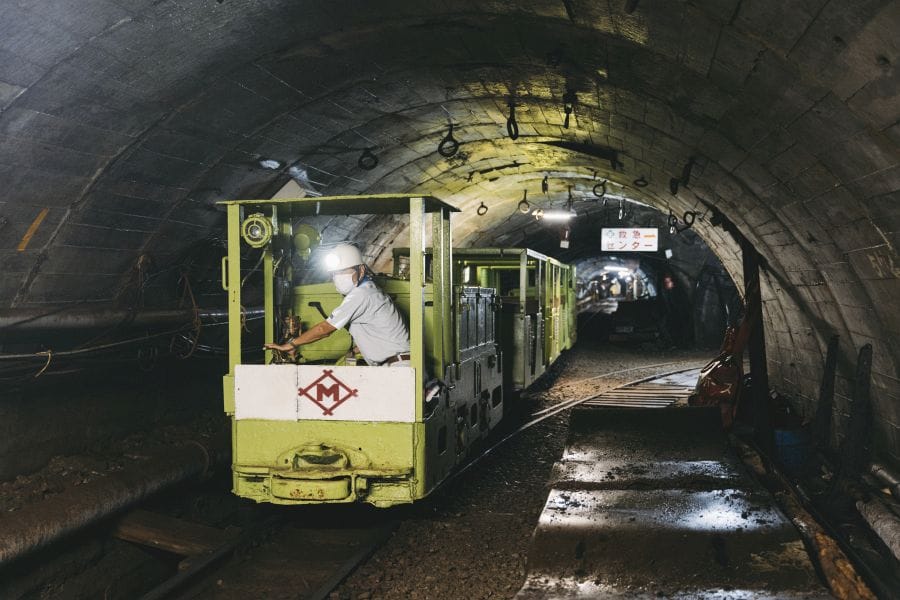
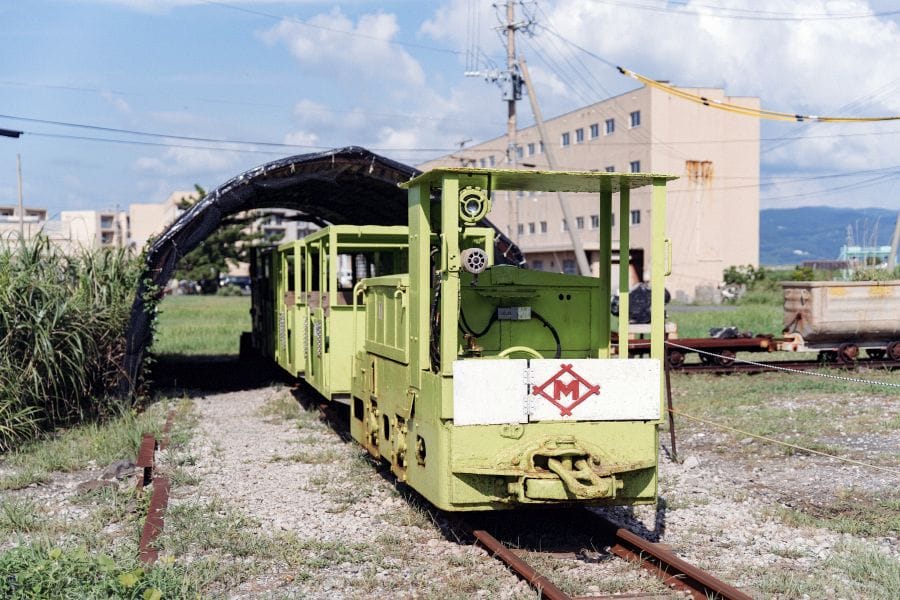
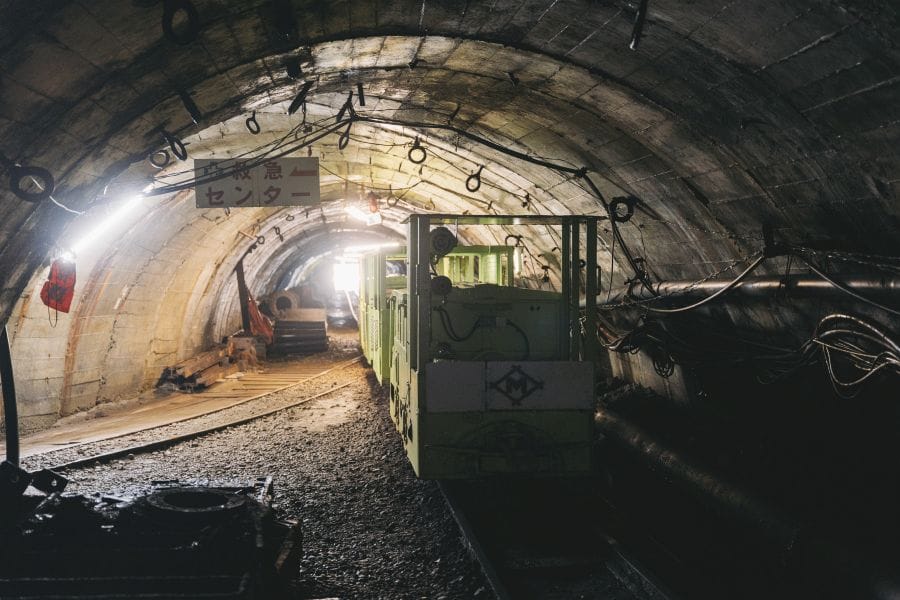
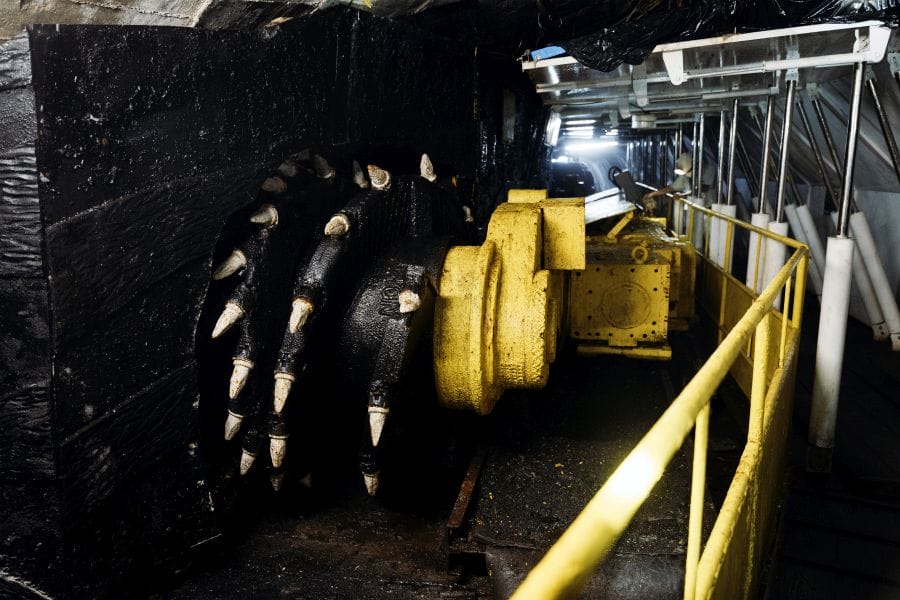
Beside the fascination of the above ground ghost-town, a major part of the island’s appeal is the opportunity to venture beneath the surface into the actual mine workings. A small, open-sided green electric trolley train carries you directly into the main horizontal shaft, where the temperature drops immediately on entering the damp, cool tunnels. Inside the passages, former miners lead guided routes through the subterranean network, which stretches for ninety kilometres beneath the ocean floor. You can examine heavy, industrial machinery left precisely where it was stopped, including massive mechanical drum cutters and rock-drilling tools. The guides demonstrate how pneumatic drills operated and show you the underground emergency stations, providing a direct sense of the cramped, noisy conditions that defined the daily routine of the underground shifts.
Before the mid-20th century, Ikeshima was a quiet community dependent entirely on small-scale agriculture and fishing. Its very name, which translates to “Pond Island,” refers to a large, brackish body of water named Kagamigaike, or Mirror Pond, that sat at the island’s centre and was connected to early local folklore regarding the third-century Empress Jingū. This landscape altered completely in 1952 when a domestic mining corporation acquired the mineral rights to tap into the rich coal seams running beneath the seabed. To accommodate large cargo vessels, engineers cut a channel through the outer rocky ridge, opening Mirror Pond to the ocean and transforming the ancient waterway into the deep-water industrial harbour you see today.
Commercial extraction began in 1959, just as the global energy market was beginning to shift from coal to oil. While other Japanese mines were winding down operations, Ikeshima expanded rapidly due to high-grade coal seams that fuelled domestic power stations and steel production. At its production peak in the 1970s and 1980s, the island’s population swelled from a few hundred to nearly eight thousand residents, packing the tiny landmass with high-density urban life that included a bowling alley and thriving commercial lanes. The operation was highly modernised and served as an international training hub, receiving mining engineers from countries like Indonesia and Vietnam who came to study advanced safety and extraction techniques.
The end of operations came relatively late compared to the rest of the country. Lower-cost coal imports eventually made domestic extraction unsustainable, and following a series of technical difficulties, the facility permanently ceased production in 2001, making it the very last operational deep-sea coal mine in Kyūshū. The sudden closure forced thousands of employees to vacate the island almost overnight, creating the quiet ghost town atmosphere that exists today. Alongside the rusting infrastructure, the island features a unique environmental quirk: a massive population of feral cats now outnumbers the remaining human residents, inhabiting the empty doorways and quiet coastal paths that once bustled with the activity of the nation’s final coal rush.
Information
Name in Japanese: 池島
Pronunciation: ike-shee-ma
Address: Ikeshimamachi, Nagasaki