Mt. Takaiwa
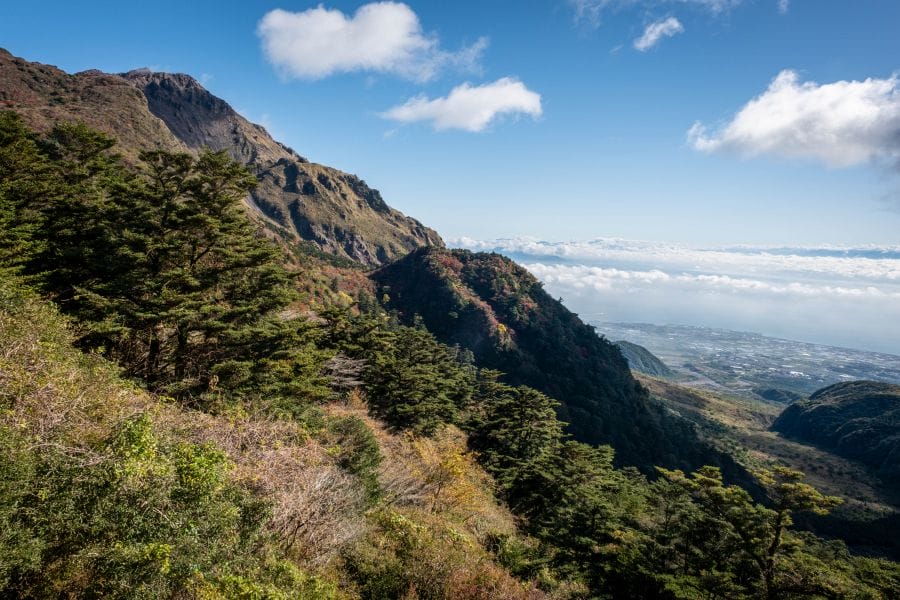
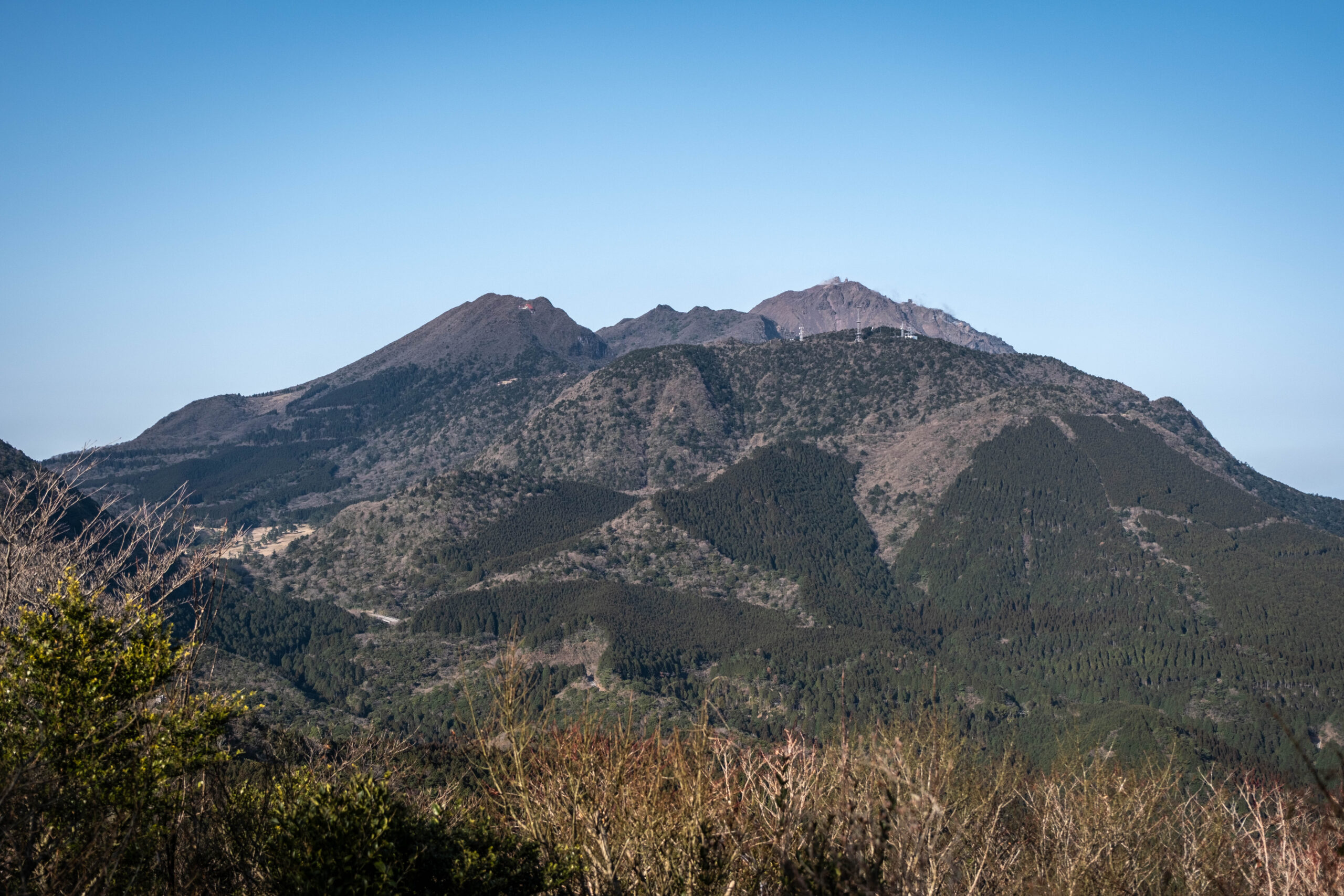
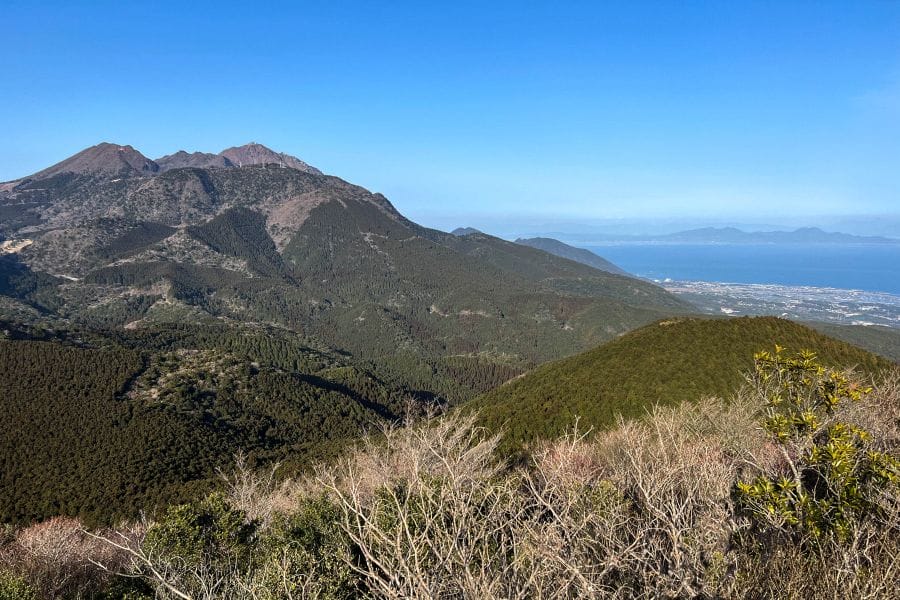
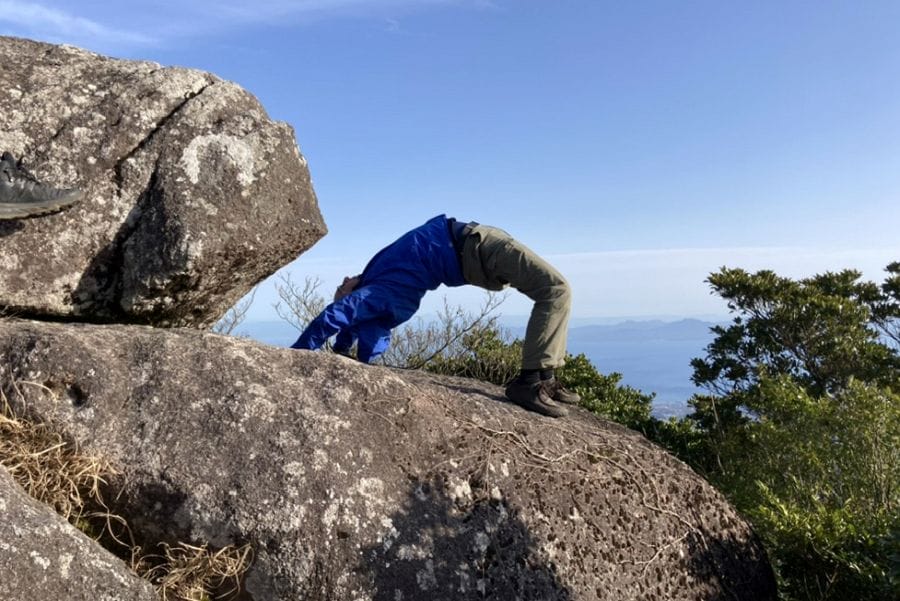
Mt. Takaiwa is a volcanic peak located in the northern section of the Unzen mountain range in Nagasaki Prefecture. Reaching an elevation of 881 meters, it’s distinguished by a rock formation of three enormous boulders, the uppermost of which moves underfoot. These formations are part of the Unzen-Amakusa National Park and provide a topographical contrast to the active volcanic vents of the nearby Unzen Onsen area. The summit offers a vantage point overlooking the Ariake Sea, the Shimabara Peninsula, and Mt. Heisei Shinzan.
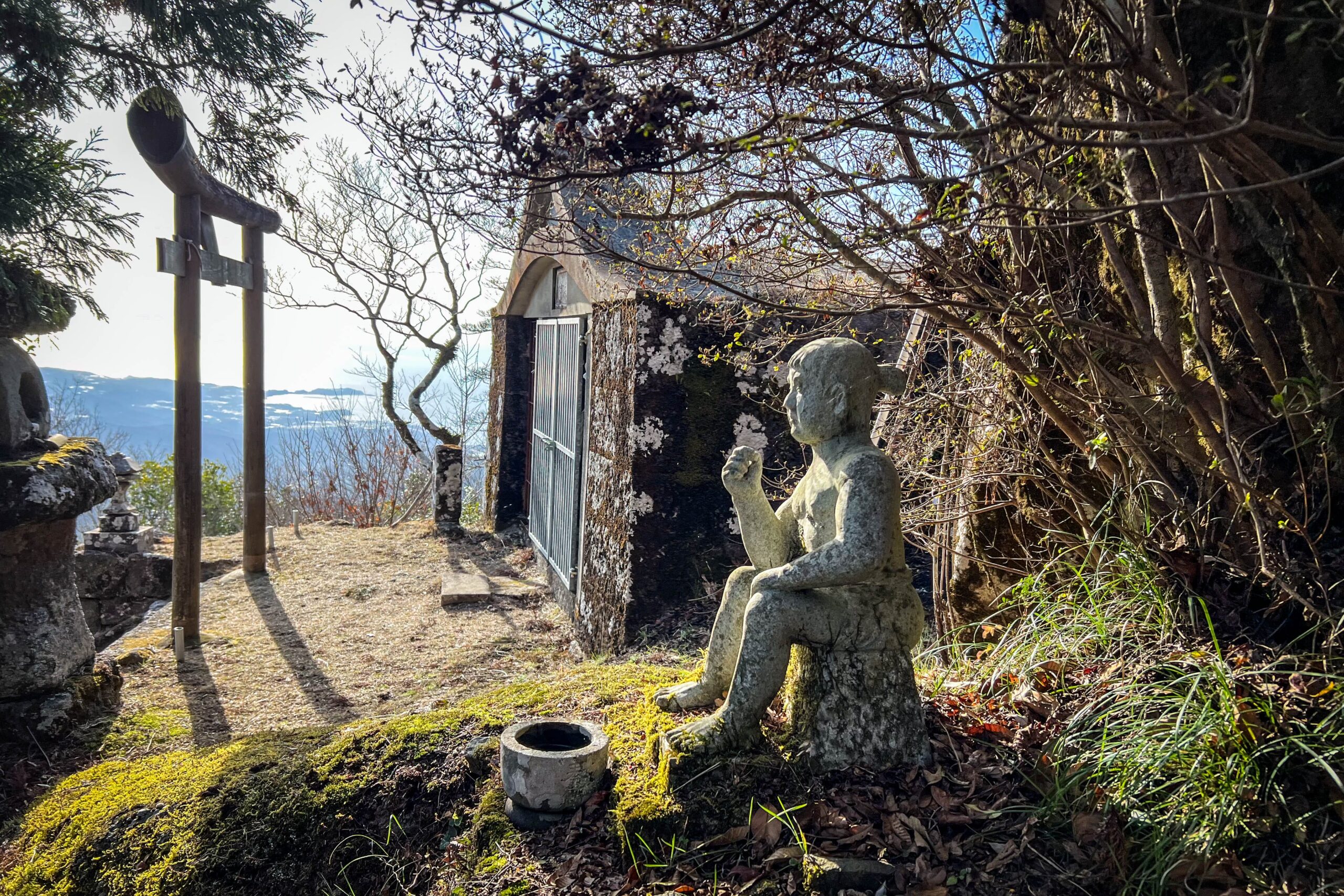
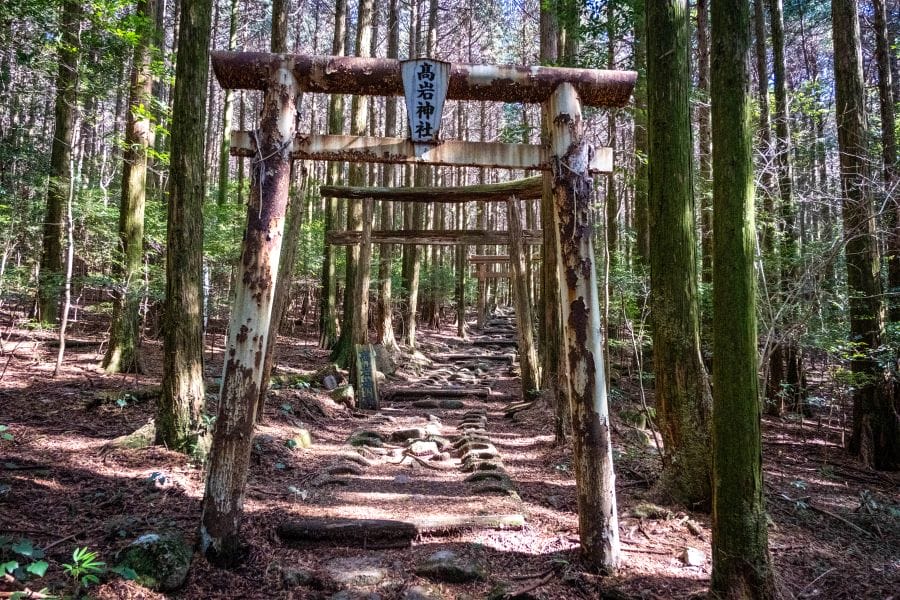
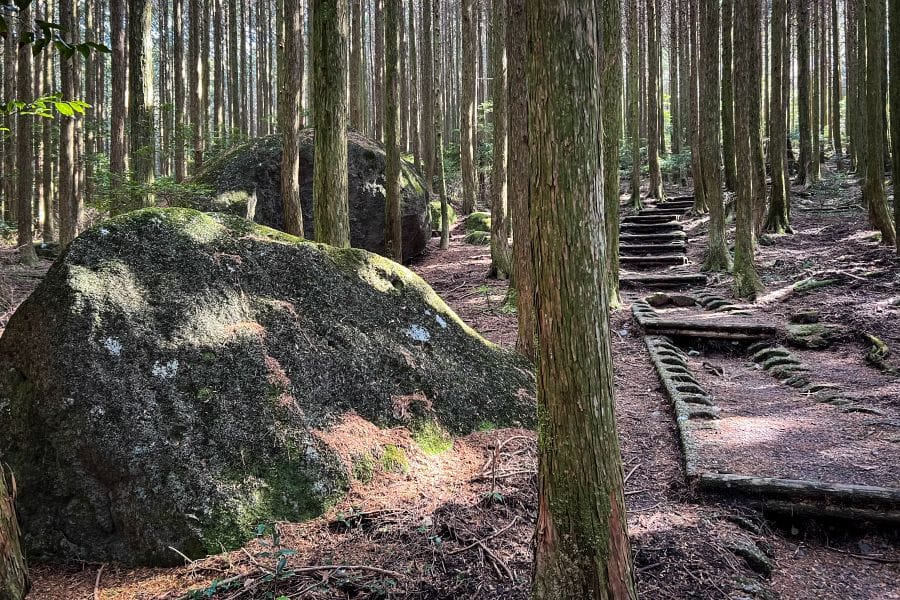
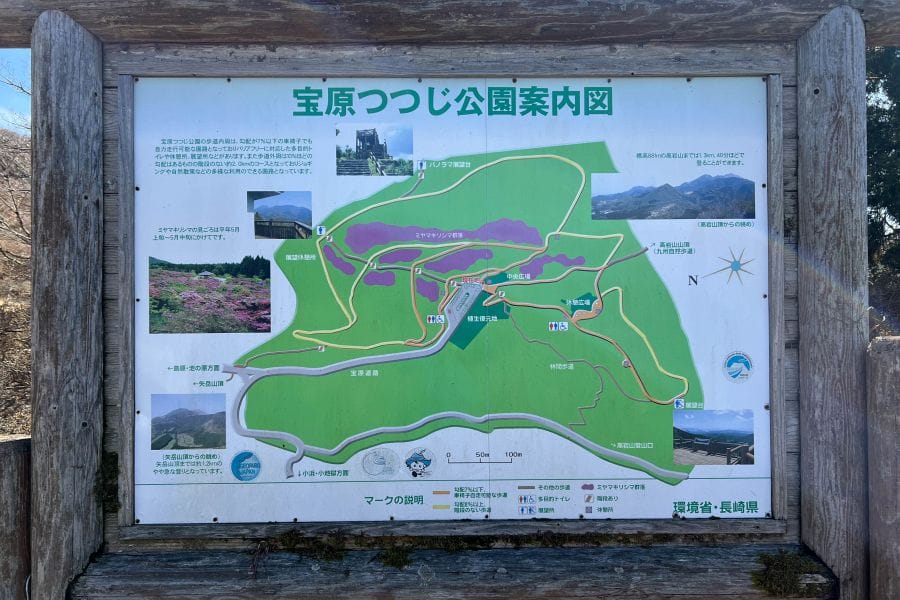
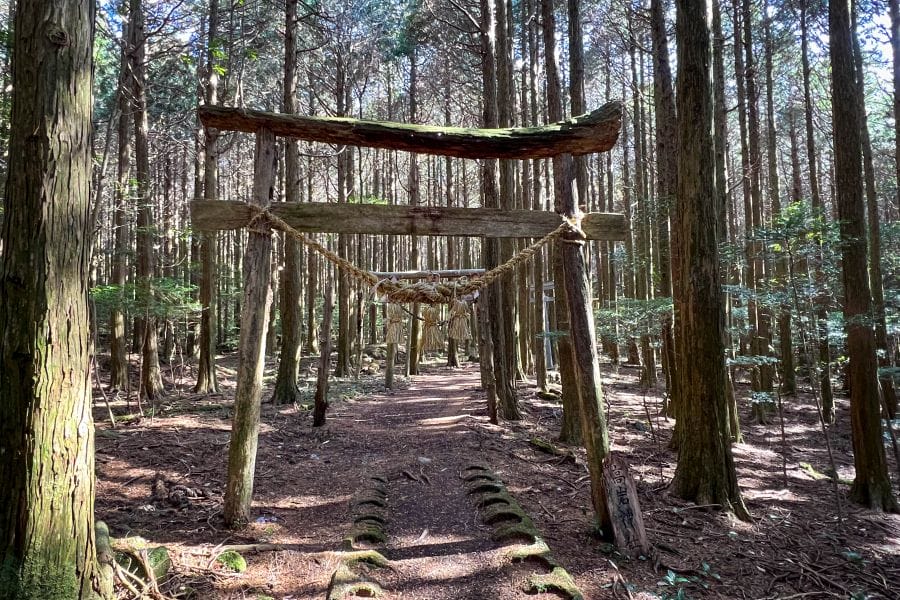
The route starts in the Hōbaru Azalea Park and quickly heads into the woods, passing under a series of highly weathered torii gates. Soon, large moss covered boulders appear. The path gradually becomes steeper, emerging from the trees beneath the boulders which you can clamber up for a stunning view of Unzen and the sea surrounding it.
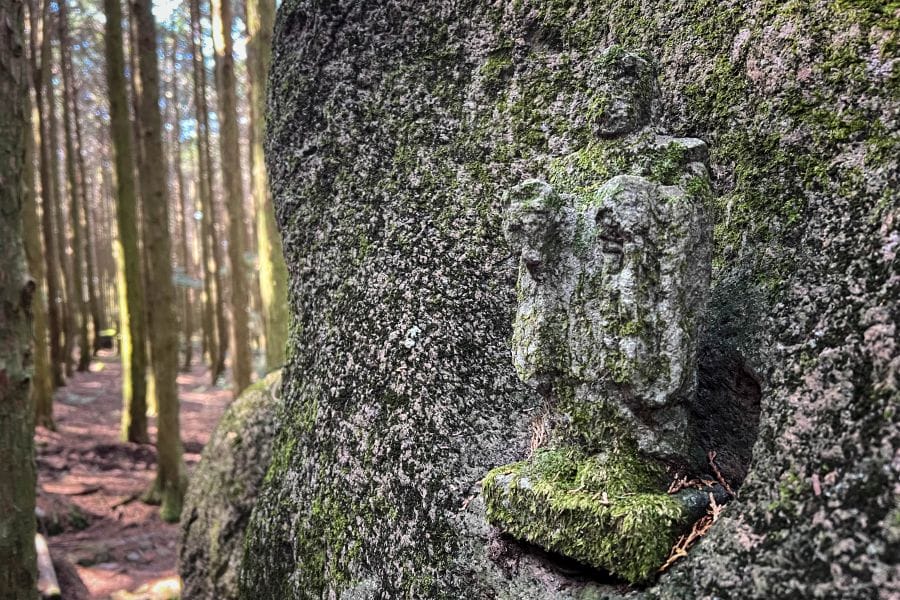
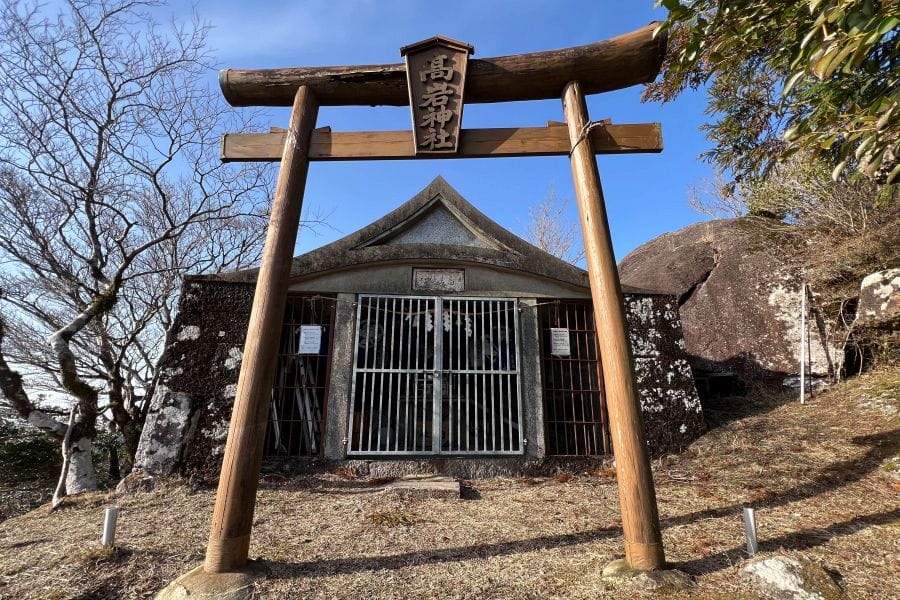
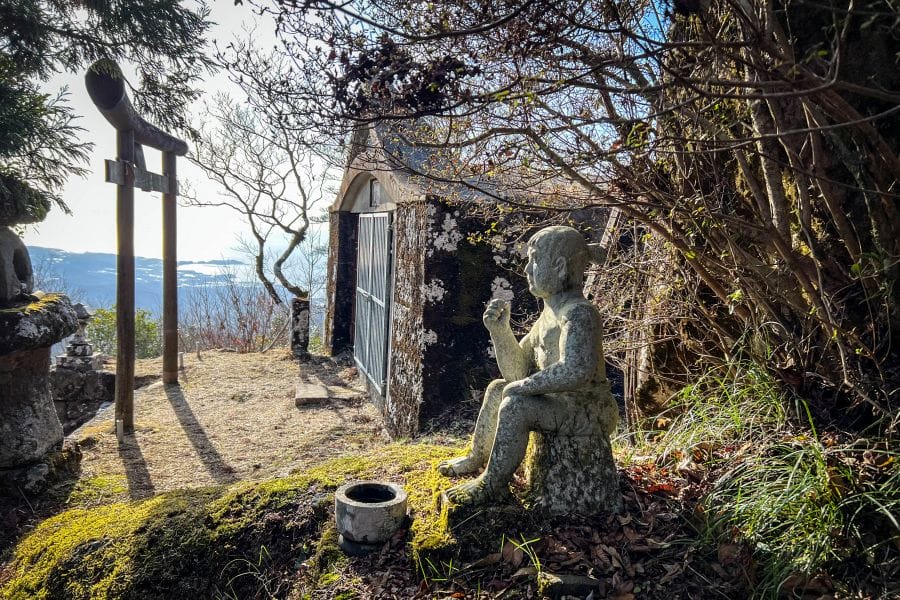
The mountain is a site of historical significance for Shugendō, a syncretic Japanese religion incorporating mountain worship, Taoism, and Buddhism. Shugenja practitioners used the steep, rocky terrain for ascetic training, which involved ritual climbing and meditation on the cliffs. This history is marked by the presence of the Takaiwa Shrine and various stone Jizō statues integrated into the rock faces. The mountain served as one of many ascetic sites within the larger Unzen religious complex, which was a major centre for mountain monks during the medieval period. Evidence of their devotion is still scattered across the mountain in the form of weathered stone Jizō statues and small altars tucked into the shadows of the cliffs.
Local folklore identifies specific geological features on the mountain as the work of a giant named Hachirōtarō. A large, distinct depression found on one of the summit rocks is identified as the giant’s footprint. According to the legend, the mark was created when the giant used the mountain as a stepping stone while traversing the Shimabara Peninsula. This myth is categorized alongside other regional tales that use the peninsula’s rugged volcanic geography to explain the origin of unusual landforms.
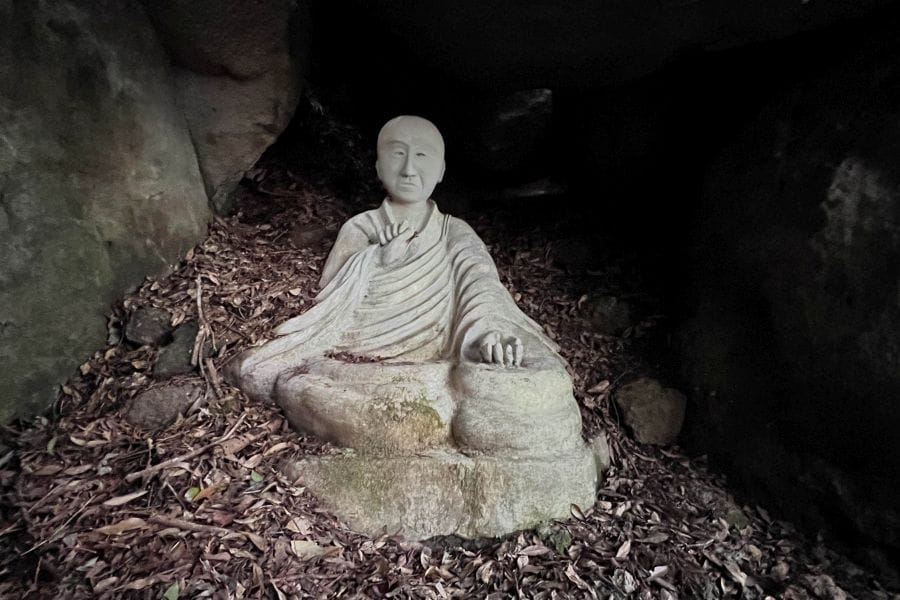
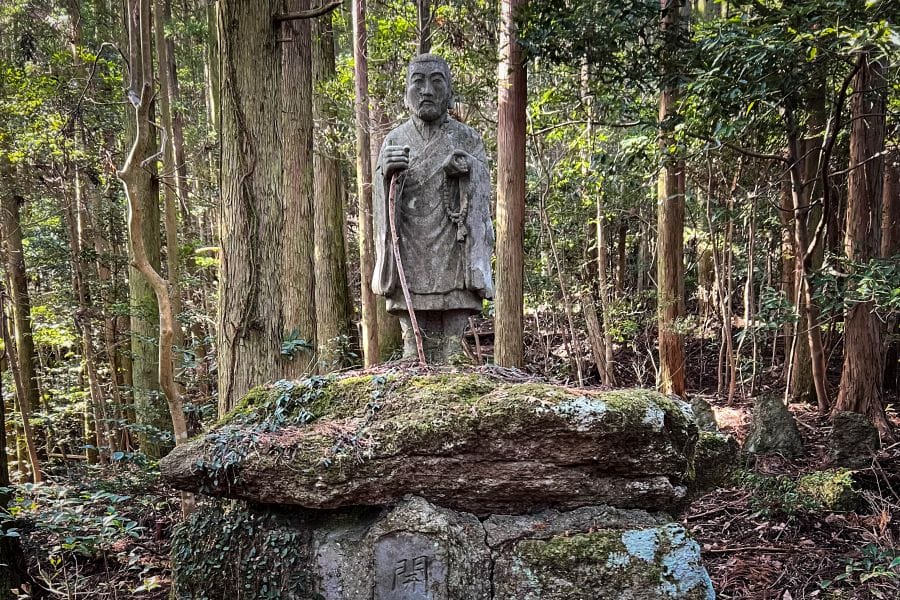
On a side track of Mt. Takaiwa are two statues dedicated to a mountain ascetic named Kūshō Hōshi, also known as Kūshō Shōnin. While such statues tend to depict more famous figures like En no Gyōja or the monk Gyōki, these statues commemorate a 20th-century practitioner of Shugendō. Kūshō Hōshi was a modern-day mountain ascetic who was active in the Unzen area during the (late 1920s to 1930s. In 1931, Kūshō performed a gruelling 100-day ascetic retreat on Mt. Takaiwa. This involved living in the rugged, rocky terrain, performing ritual ablutions, and chanting sutras to gain spiritual power and offer prayers for the local community. Near the statues, there’s a stone monument known as a indicating that Kūshō buried his own hair there as a symbolic interment of his worldly self during his ascetic training. The statues were erected around 1933.
They stand as a rare modern example of the Shugendō tradition still being practiced in the Japanese wilderness well into the 20th century.
Information
Name in Japanese: 高岩山
Pronunciation: taka-eewa-yama
Address: P7F9+7J, Minamishimabara, Nagasaki 859-2214