Nagasaki Museum of History and Culture
The Nagasaki Museum of History and Culture is the city’s main institution for interpreting Nagasaki’s past as Japan’s most internationally connected port. Located near the site of the former Nagasaki Magistrate’s Office, the museum focuses on the period from the 16th to the 19th centuries, when Nagasaki served as Japan’s principal gateway to the outside world.
During the Edo period, Nagasaki was the only Japanese port open to regular foreign trade, limited to Chinese merchants and the Dutch trading post at Dejima. The city was administered directly by the Tokugawa shogunate, which governed it through a local magistrate (bugyō) responsible for trade, diplomacy, and the suppression of Christianity. The museum stands on or near the site where this administration once operated, giving it a direct geographical connection to the historical events it presents.
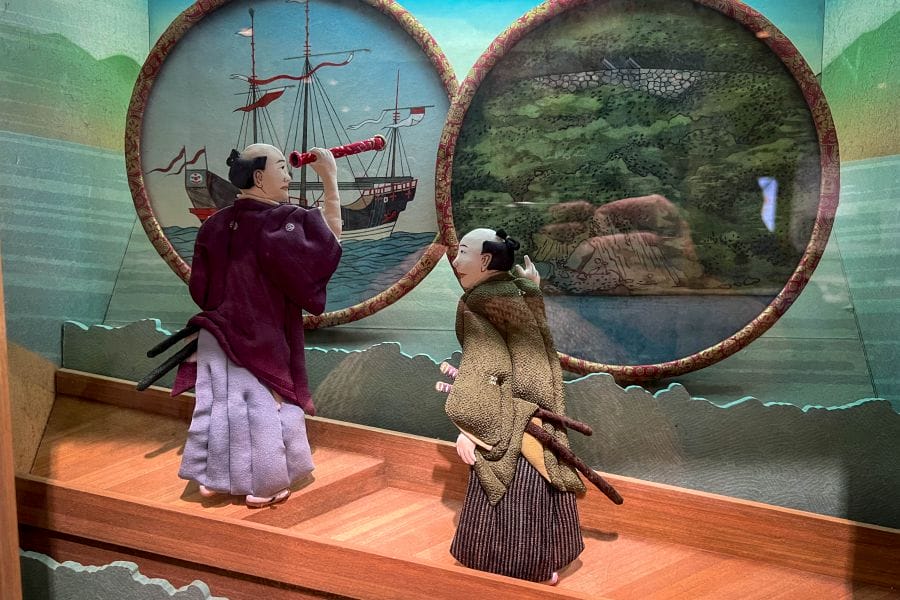
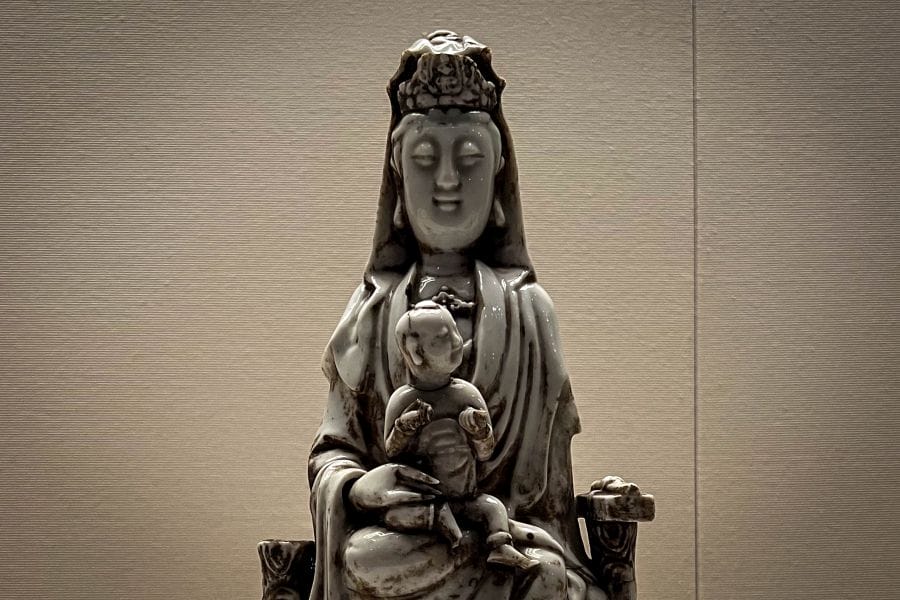
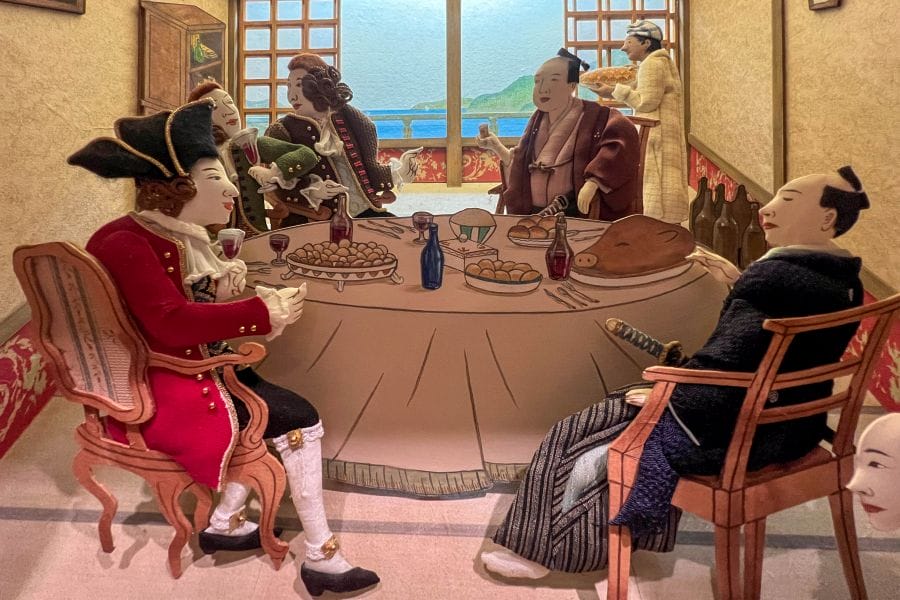
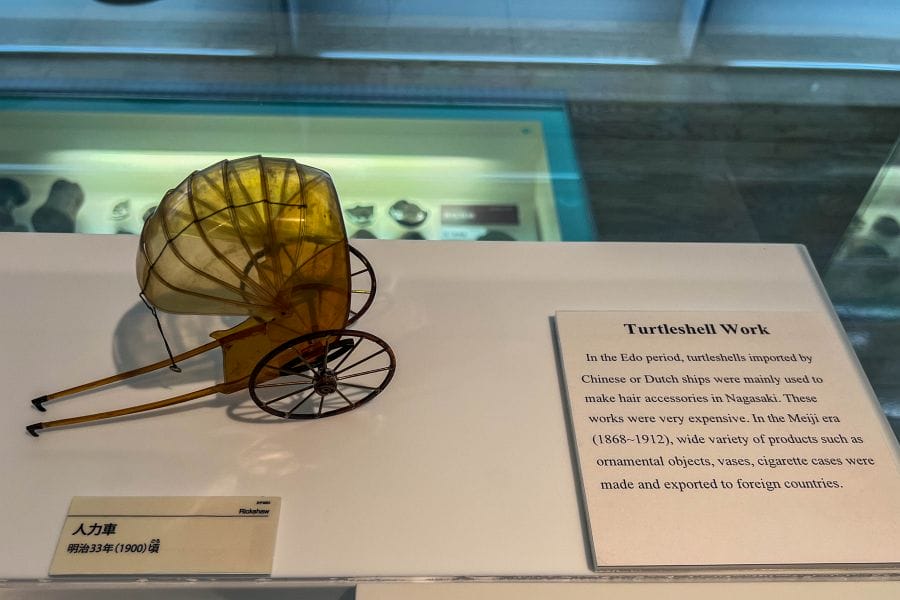
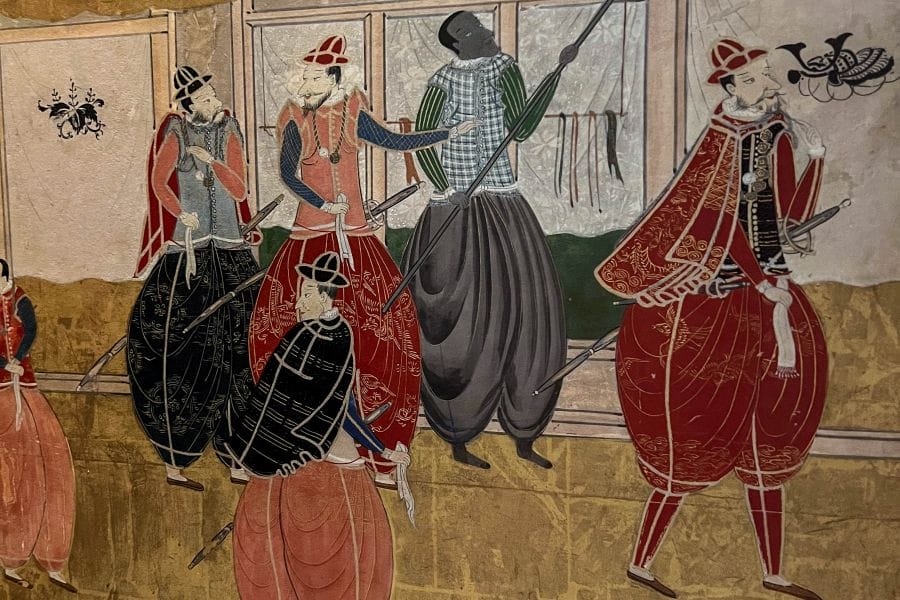
The museum’s permanent galleries cover several major themes in Nagasaki’s history. One section is devoted to overseas trade, displaying maps, ship models, and trade goods that illustrate the flow of people and products between Nagasaki, China, Southeast Asia, and Europe. Another section focuses on the city’s Chinese community, including its temples, guilds, and cultural traditions.
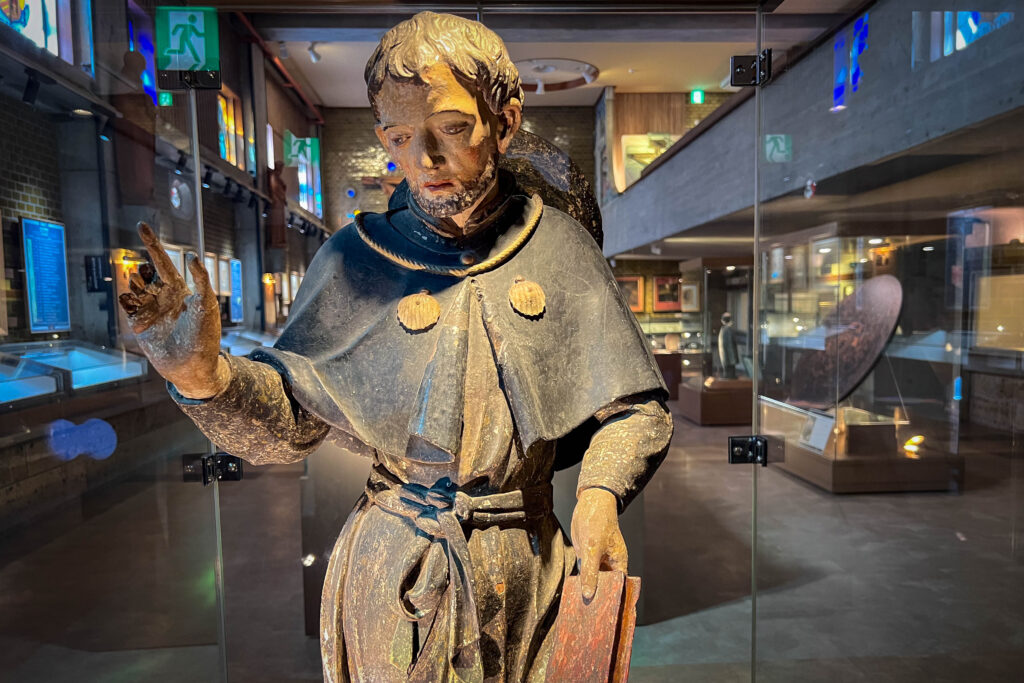
A significant portion of the museum addresses Christianity and its suppression. Documents, images, and official records explain how Christianity spread in Nagasaki, why it was banned, and how authorities attempted to detect and punish believers. These exhibits complement the city’s martyrdom sites and churches by providing the administrative and legal background to those events.
One of the museum’s most distinctive features is the reconstruction of parts of the Nagasaki Magistrate’s Office (Nagasaki Bugyōsho). Rooms such as offices, courtrooms, and interrogation spaces have been recreated based on historical sources. These reconstructions show how officials managed foreign trade, conducted legal proceedings, and monitored religious activity, offering a physical sense of how the city was governed during the Edo period.
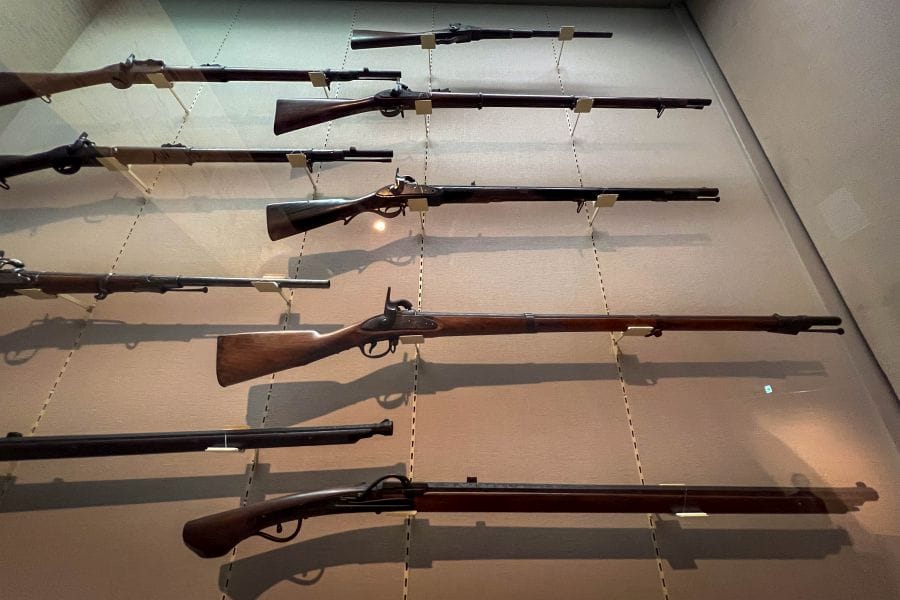
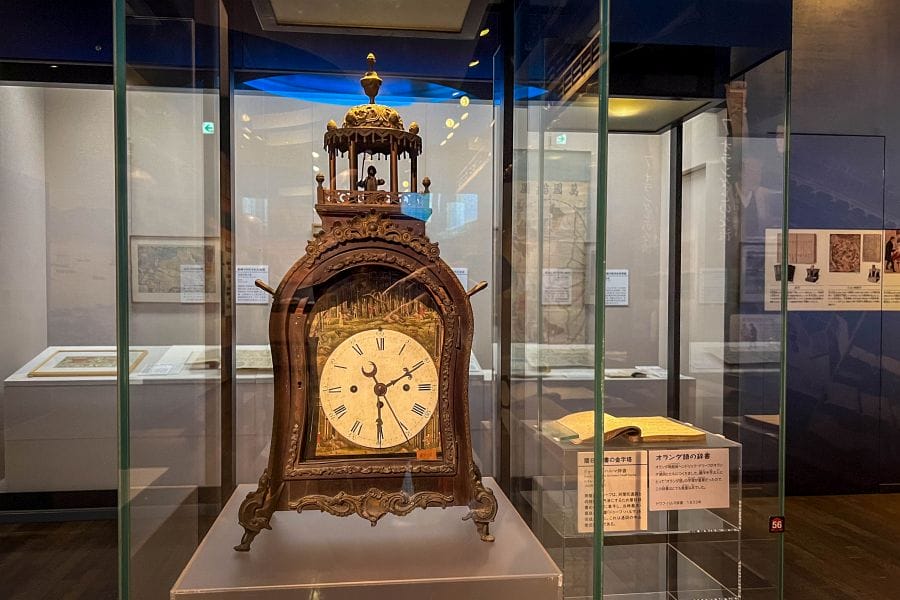
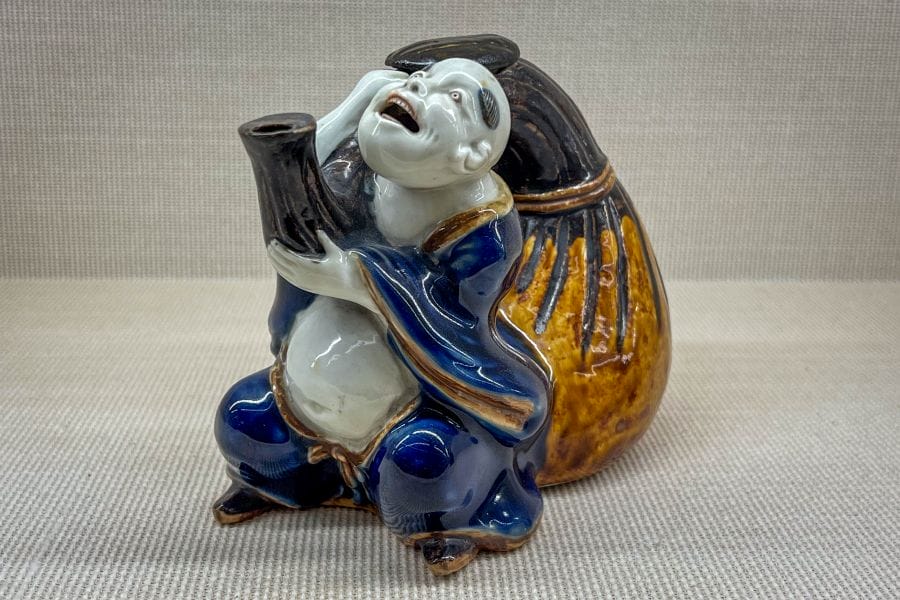
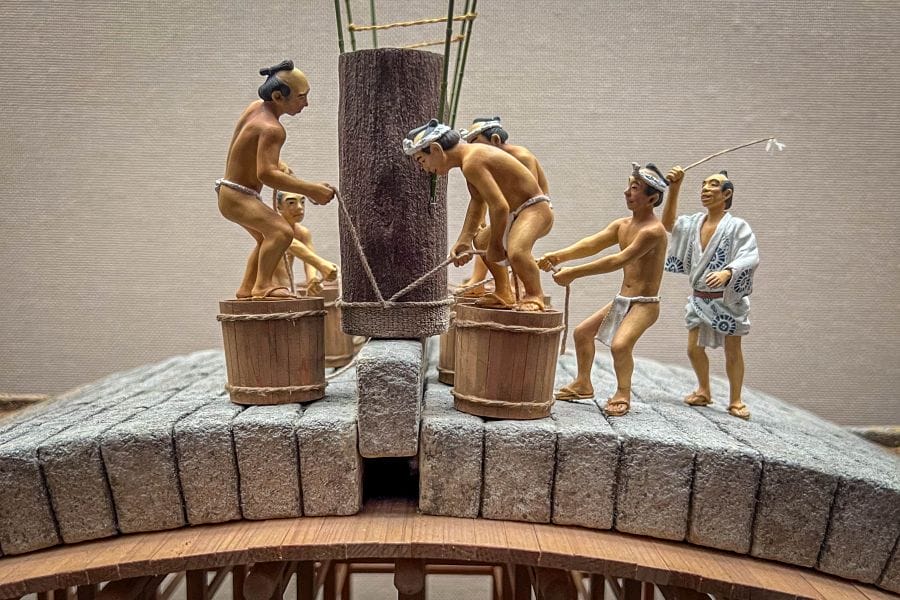
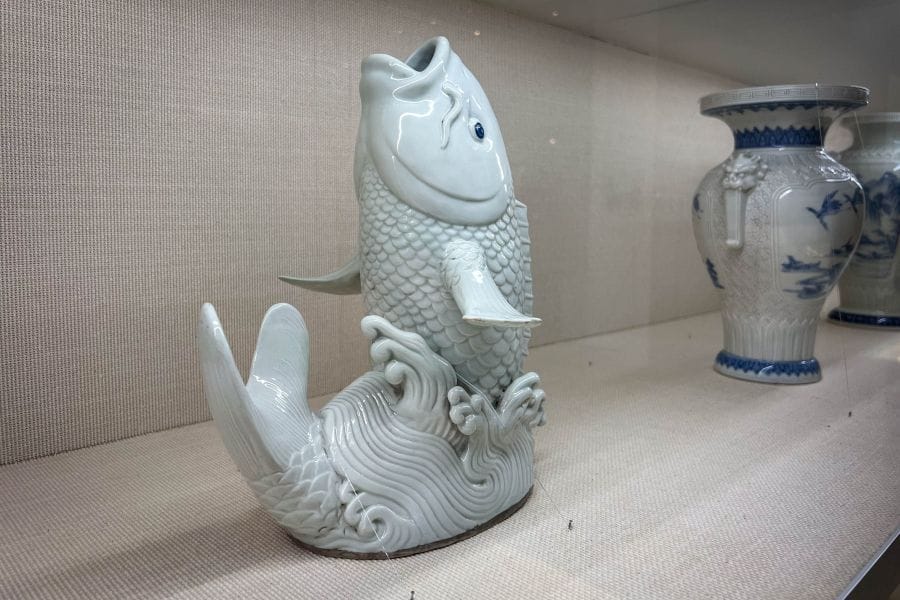
The museum holds a wide range of historical materials, including maps, paintings, letters, and trade records. Many items relate to Nagasaki’s unique role in diplomacy, science, and cultural exchange, including materials associated with Dutch learning (rangaku) and early Western medicine in Japan.
By combining artifacts, reconstructed architecture, and thematic exhibits, the Nagasaki Museum of History and Culture presents a detailed portrait of a city shaped by international contact and political control. It provides an essential framework for understanding the wider network of sites in Nagasaki, from Dejima and Chinatown to the Christian churches and martyrdom grounds, that together tell the story of Japan’s engagement with the outside world.
Information
Name in Japanese: 長崎歴史文化博物館
Pronunciation: naga-sakee rekishee bunka haku-butsu-kan
Address: 1 Chome-1-1 Tateyama, Nagasaki, 850-0007