Shinmachi
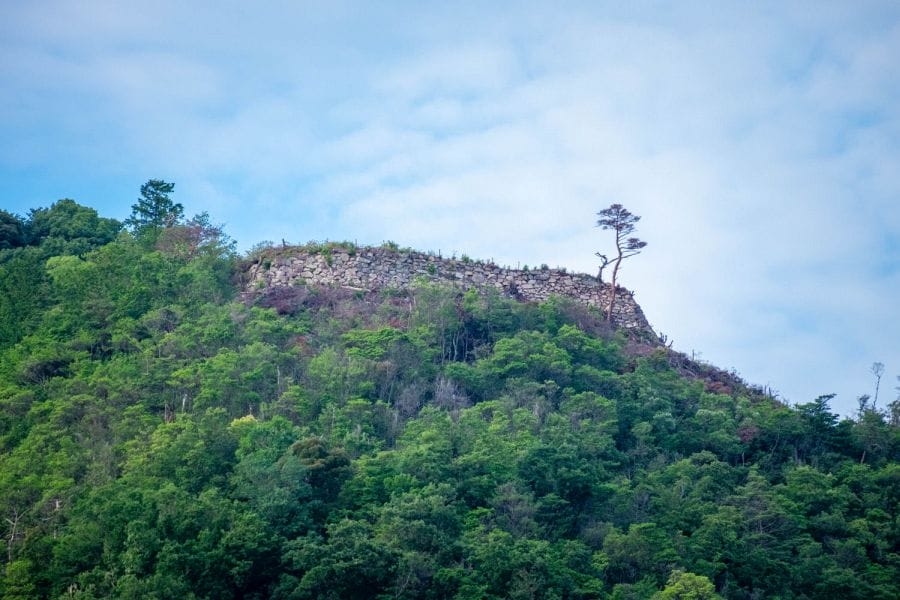
When Toyotomi Hideyoshi appointed his nephew and designated heir, Toyotomi Hidetsugu, as lord of Ōmihachiman, he ordered the construction of a new castle on Mt. Hachiman and relocated the castle town from around the ruins of nearby Azuchi Castle, which had burned down. Artisans such as carpenters, blacksmiths, tatami makers, and gunsmiths settled into their own quarters, while merchants established shops in designated areas. As was typical of a castle town, the streets were laid out in a grid. Hidetsugu’s progressive economic policies helped the town flourish, although his own life ended tragically at a young age.
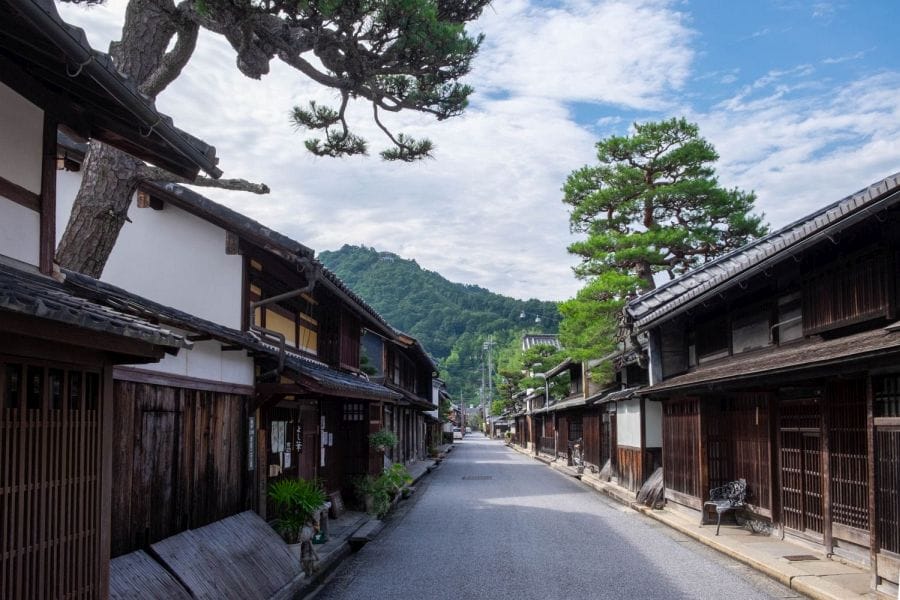
Much of this original street layout has survived with remarkably little change, particularly along Shinmachi, the best-preserved of the historic thoroughfares. The area is now designated as an Important Preservation District for Groups of Traditional Buildings, with around 180 buildings and 93 structures recognised for their historical value. Shinmachi is lined with former merchant residences, once home to traders who sold Ōmi products such as tatami mats and mosquito nets in Edo and Ōsaka, then returned with luxury goods to sell locally. Over time, these Ōmi merchants expanded their reach overseas, laying the foundations for some of Japan’s major global trading houses.
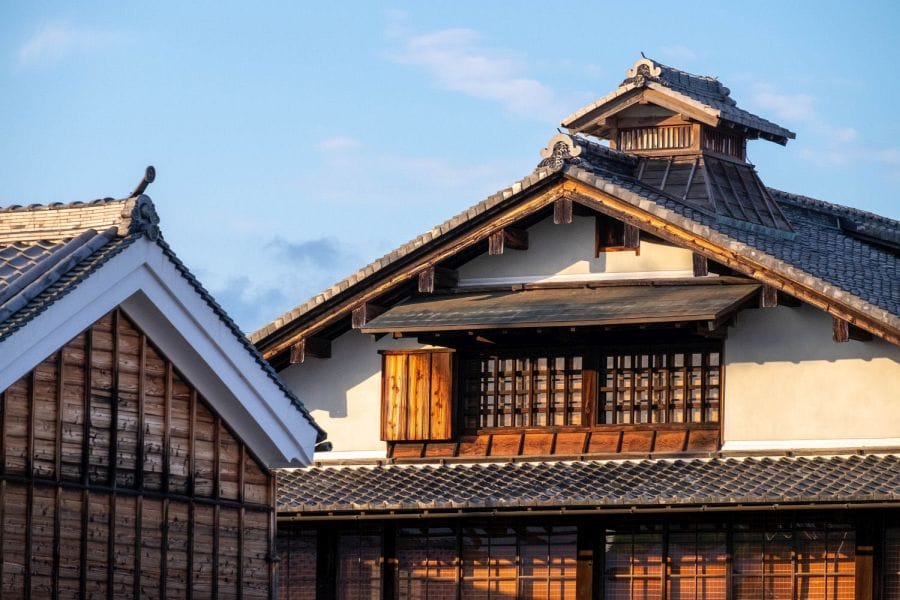
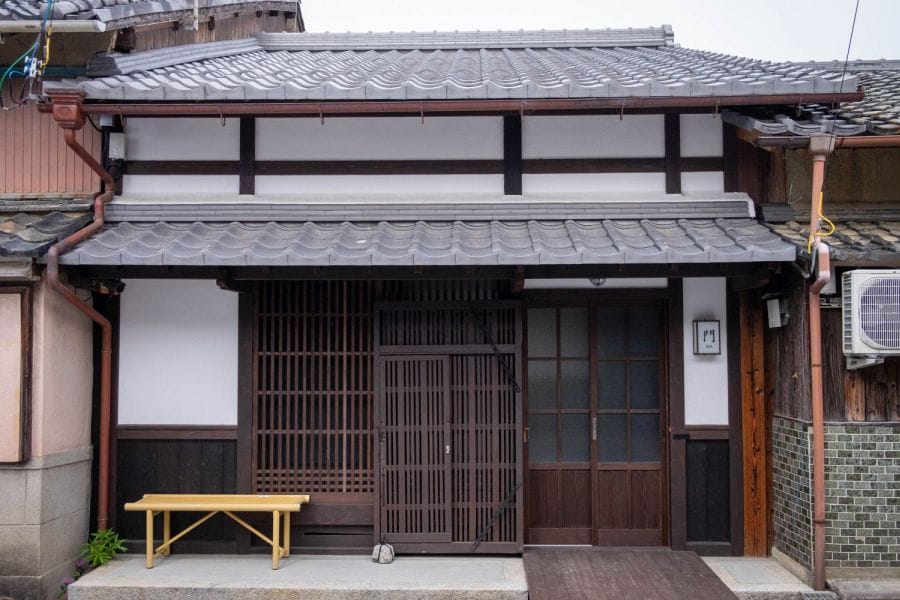
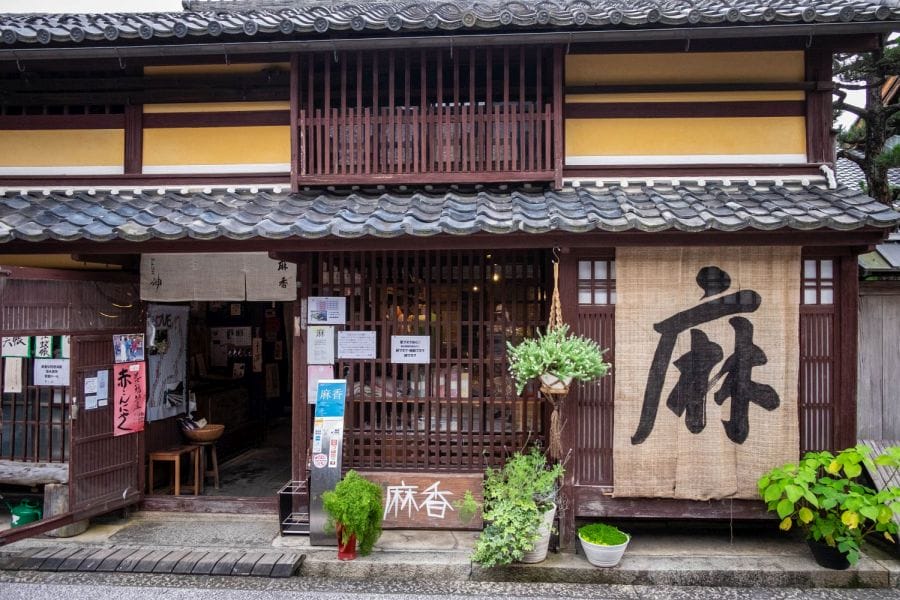
Walking north along the long, straight stretch of Shinmachi, Mt. Hachiman rises neatly framed at the far end, with cable cars gliding back and forth up the slope. Low wooden townhouses line both sides of the street, and sculptural pine trees sprout from openings in their roofs. Some of these homes are now open as museums. Inside, you can see that the pines grow in small inner gardens visible only from within the buildings. These houses were designed with hidden side gates that were opened exclusively for favoured customers, while ordinary trade passed through the larger commercial entrances at the front. The wooden façades are adorned with finely detailed yet understated carvings.
The surrounding network of cross streets contains a dense concentration of architectural treasures dating from the Edo period through to the modern era. The Ōmihachiman Tourism Association has installed bilingual signs explaining the history of many of these buildings. Several structures designed by the American architect William Merrell Vories are also located here, including the offices of his Ōmi Brotherhood and a church. The area is further enlivened by cafés, restaurants, and a handful of small museums.
Shinmachi Museums
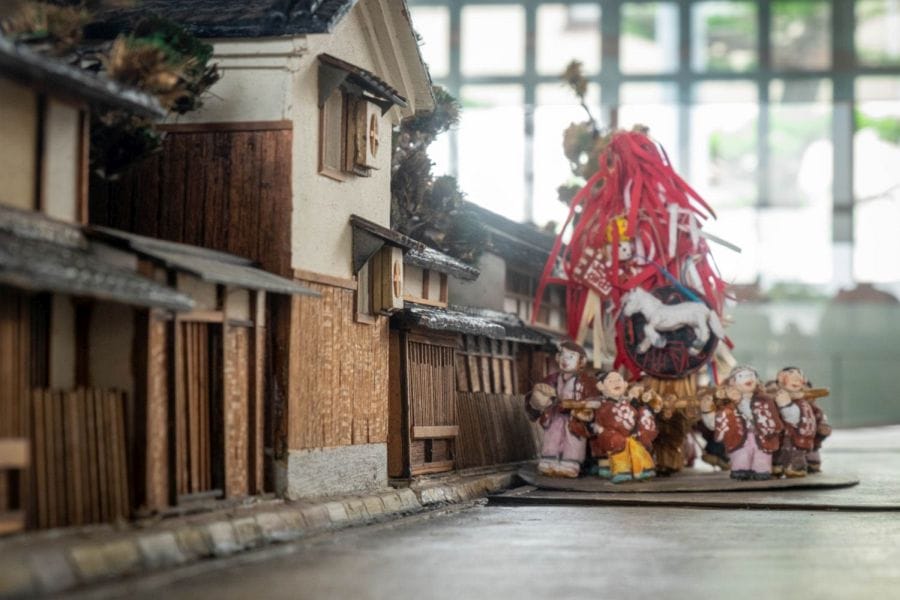
A number of historic buildings along Shinmachi have been converted into museums, carefully preserving their original exteriors and interiors.
Hometown Museum
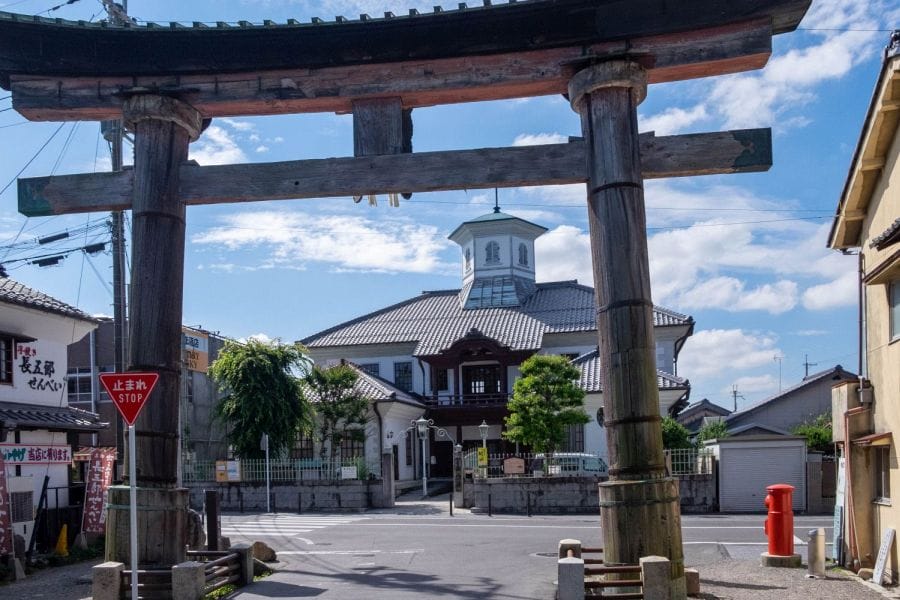
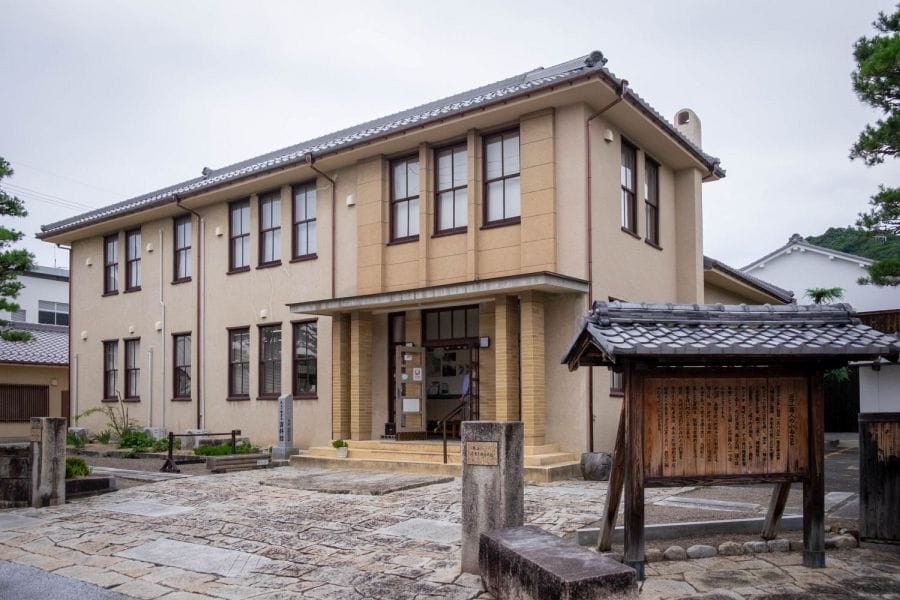
Completed in 1886 during the Meiji period, this building originally served as a police station. It was extensively remodelled in 1953 by the Vories architectural office. One of the most recognisable design features is the chimney with its simple arched cover, a motif seen in many of Vories’ works. Exhibits focus on the life of Toyotomi Hidetsugu and the commercial activities of the Hachiman merchants.
Museum of History and Folklore
Set behind the Hometown Museum, this late Edo-period building displays a range of domestic furnishings and household tools from the era. Highlights include an original kitchen stove and what appears to be a well, but is actually an early piped water supply. The living room walls are finished in a stylish dark red created with iron oxide. A collection of merchants’ travel items is also on display, including a notably uncomfortable-looking folding pillow.
The Ban Residence
The Ban family were prominent Hachiman merchants who traded in linen, tatami mats, and mosquito nets, selling their goods in Tōkyō and Ōsaka during the Edo period. The present building dates from 1840. In the Meiji era, it was donated to the town and successively used as an elementary school, a government office, a girls’ school, and a library. Today it houses a museum showcasing the history, festivals, and everyday life of Ōmihachiman.
Nishikawa Residence
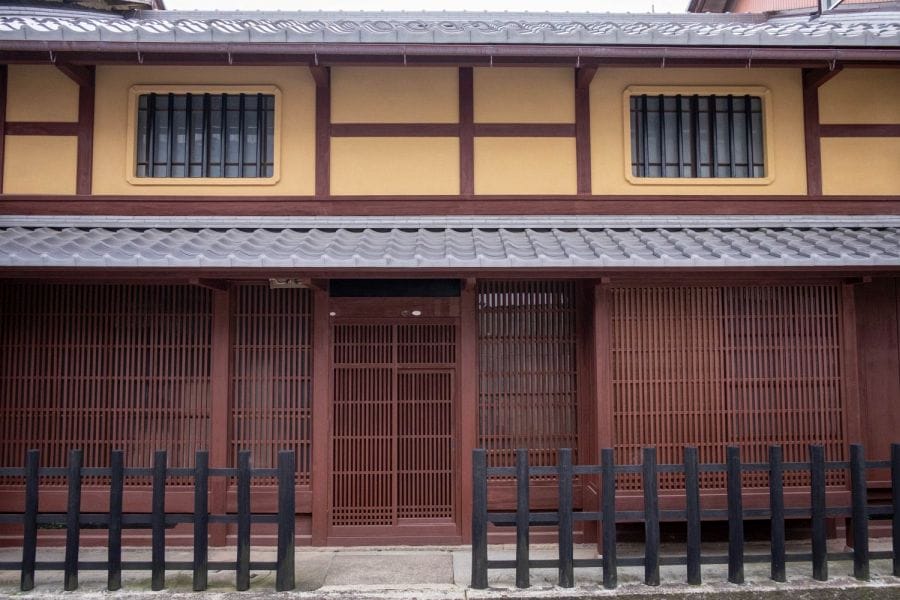
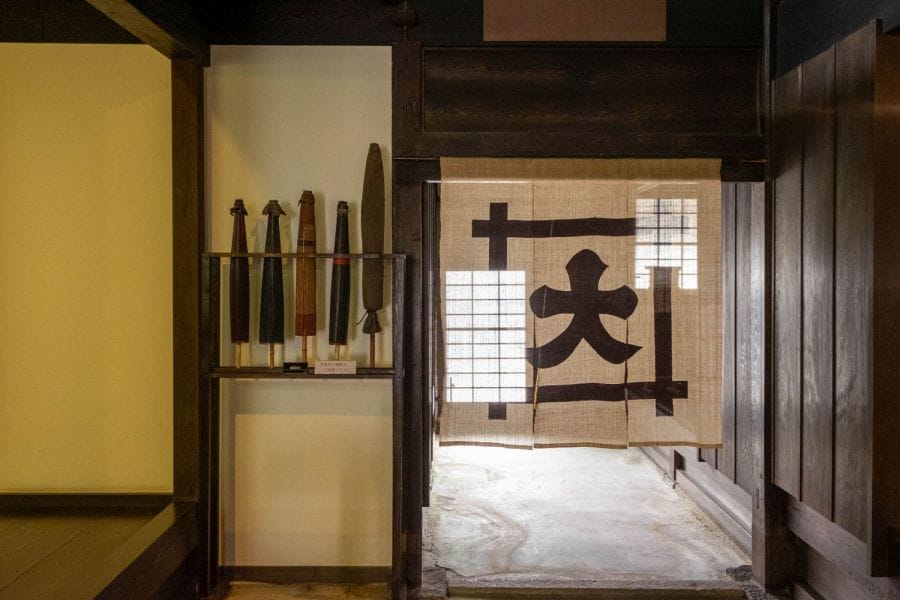
Built in 1706 in the early Edo period, this townhouse reflects architectural styles typical of Kyōto. Much of the front façade was hinged at the top and could be swung inward and upward to allow carts to enter for loading and unloading. At night, servants and labourers slept along one side of this space, while shutters sealed off the family’s private quarters. The exhibits illustrate the prosperous yet strictly regulated lives of merchant households. One striking display is a miniature set of kitchen utensils, used to train daughters for future marriages into other merchant families. Behind the house lies a well-kept garden, with a white-plastered storehouse in one corner. This is one of the very few three-storey storehouses in Japan.
Information
Name in Japanese: 新町
Pronunciation: shin-machee
Address: Shinmachi, Ōmihachiman, Shiga