Hashikura-ji Temple
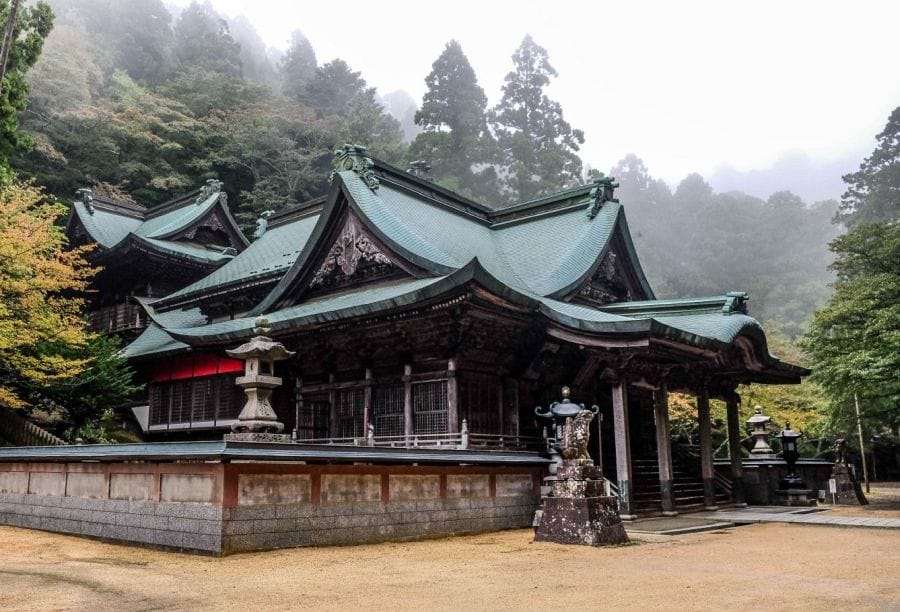
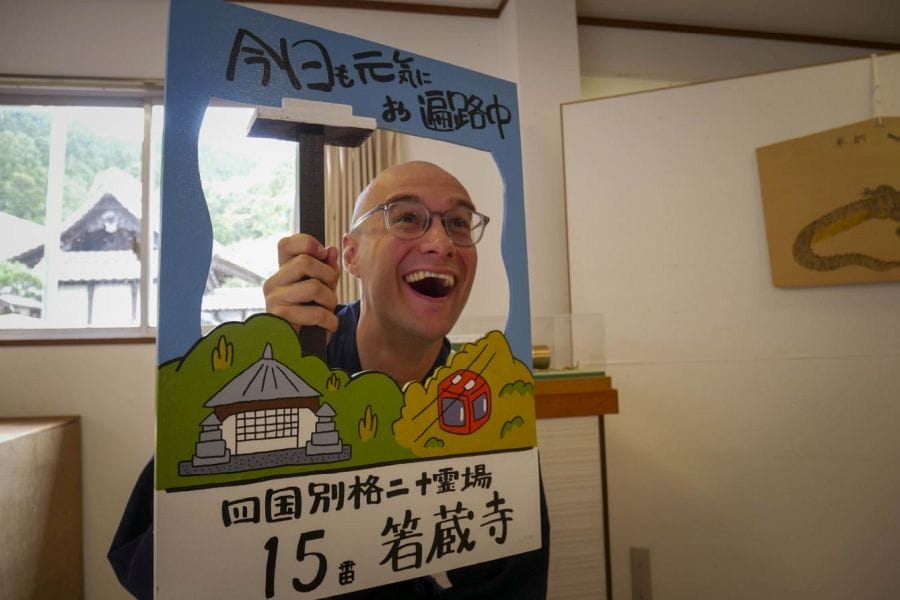
Hashikura-ji Temple is Bangai No. 15 of the twenty Shikoku Bekkaku temples, one of the extra sacred sites associated with Kūkai that pilgrims visit to deepen the journey beyond the formal route. It’s the head temple of the Shingon Omuro sect, set at around 600 metres on the steep southern slopes of the Sanuki Mountains above the narrow Yoshino River rift valley. Reached either by a winding mountain path or the Mount Hashikura cable car, the temple occupies a dramatic forested mountainside where stone terraces, moss-covered steps and richly carved halls emerge and disappear in cloud.
Things to See
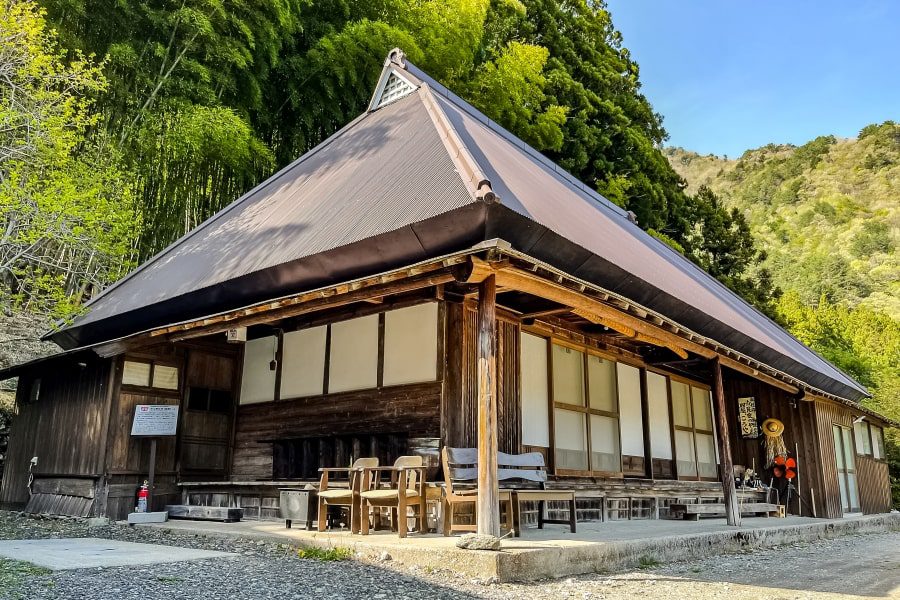
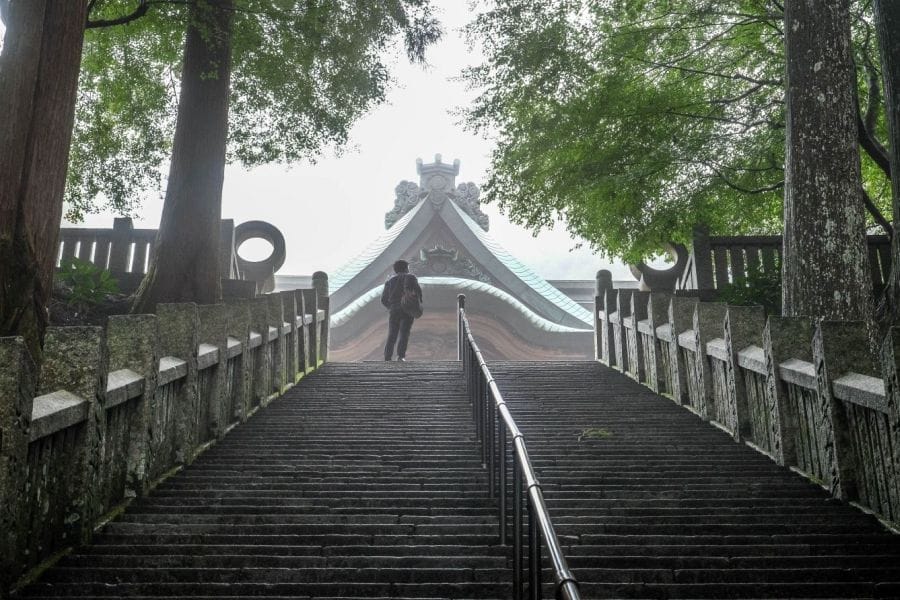
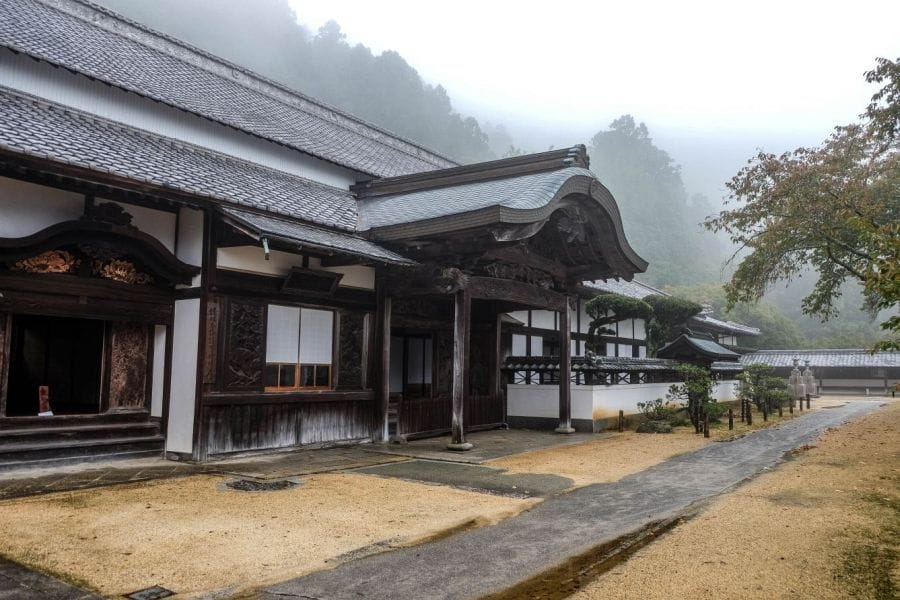
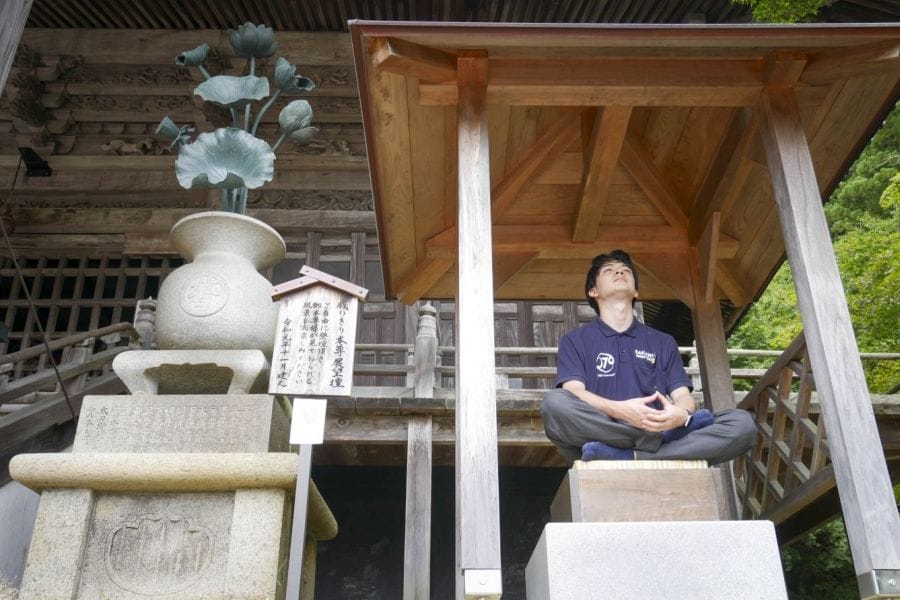
The temple precinct is spread widely across the mountain on a series of large stone platforms cut into the forest. Long stairways link the different levels, with just under 600 steps within the main grounds alone. Even arriving by cable car only brings you to the priest’s residence, from where the climb through the precinct begins in earnest.
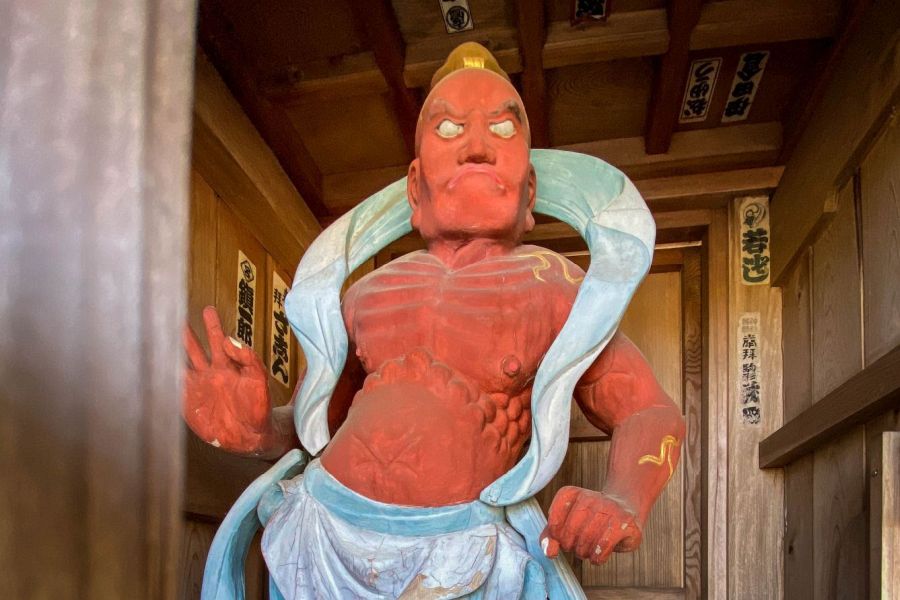
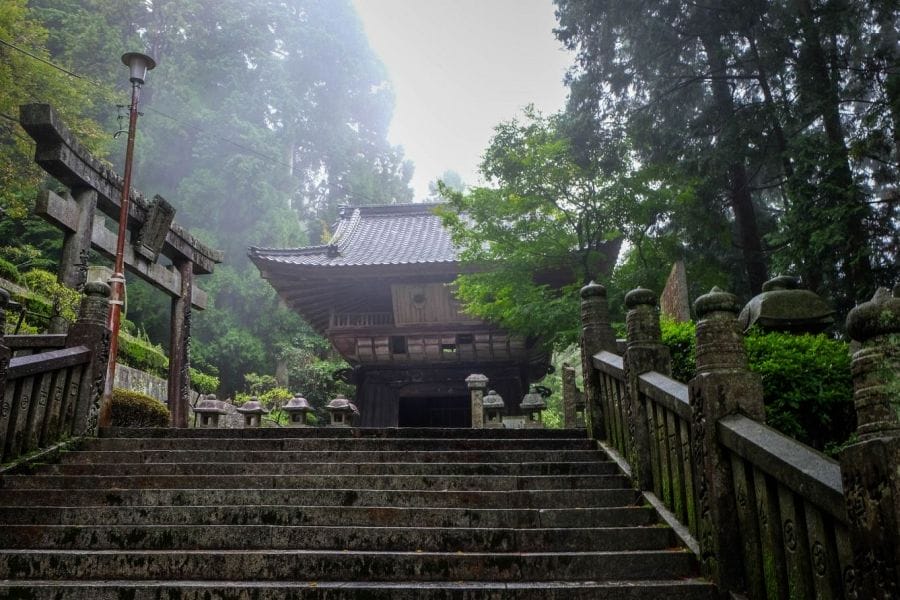
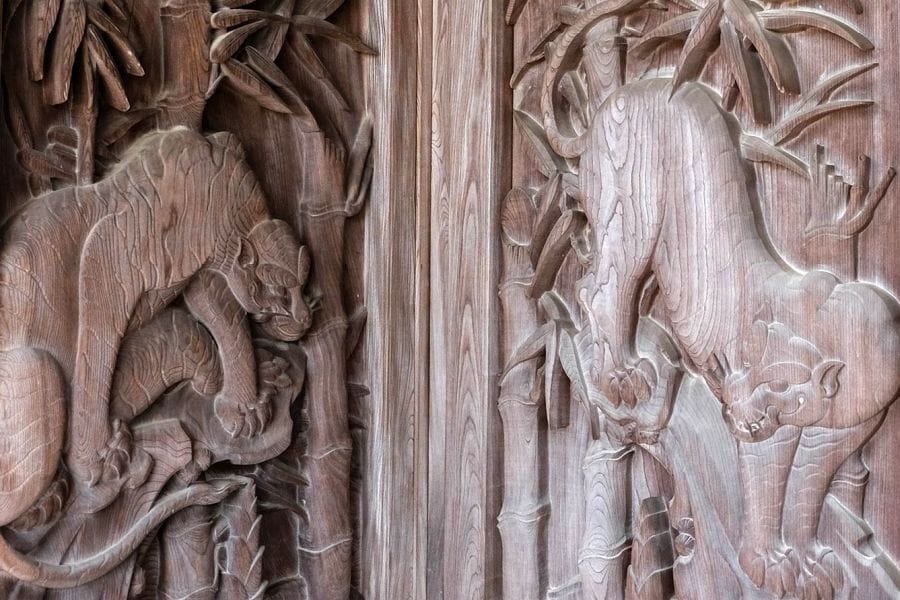
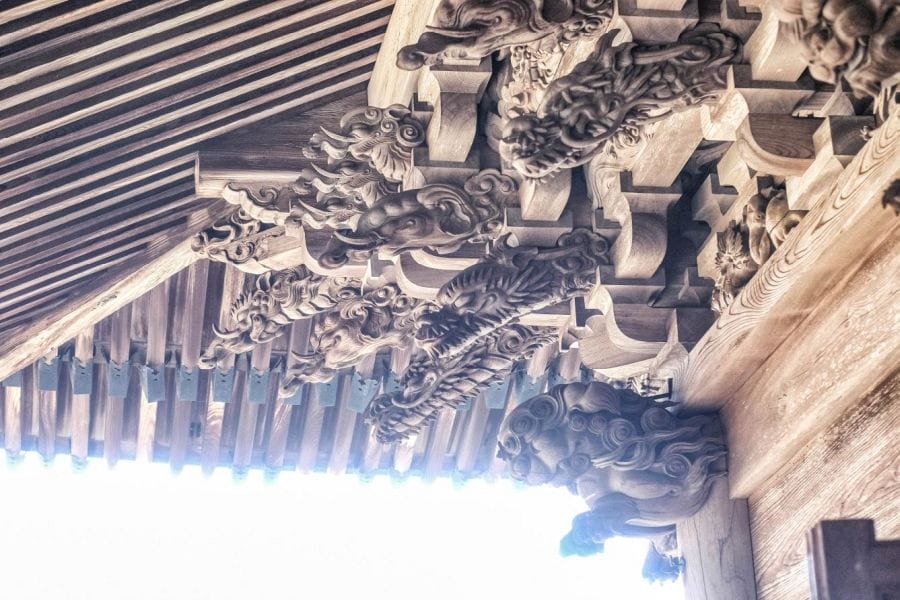
The buildings themselves are unusually ornate. Halls and gates display extravagant wood carvings, deep eaves and decorative details that reward slow looking, especially where weathering has softened the timber into the surrounding forest tones. Because mist often drifts across the slopes, the stone stairways and retaining walls are thick with moss, giving the whole complex a damp, mysterious atmosphere.
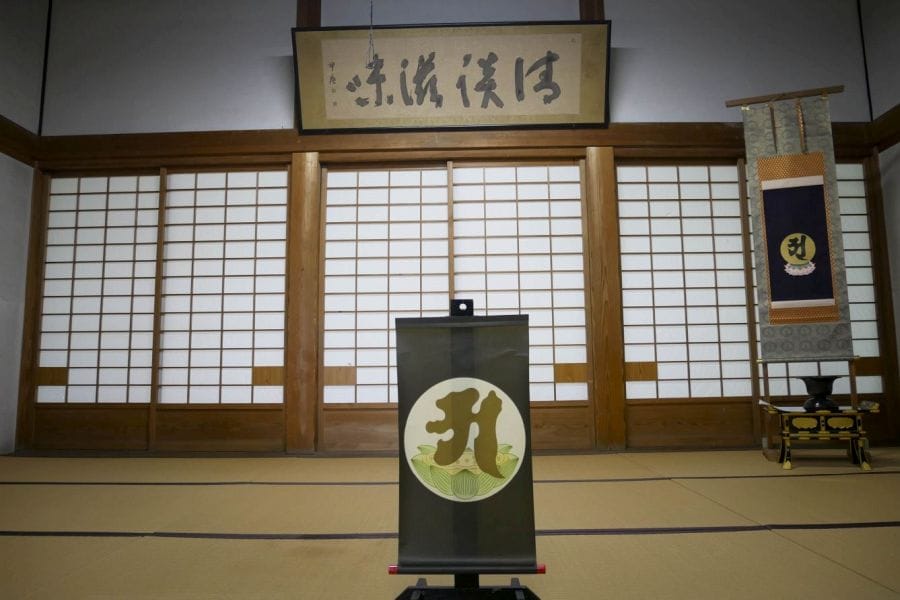
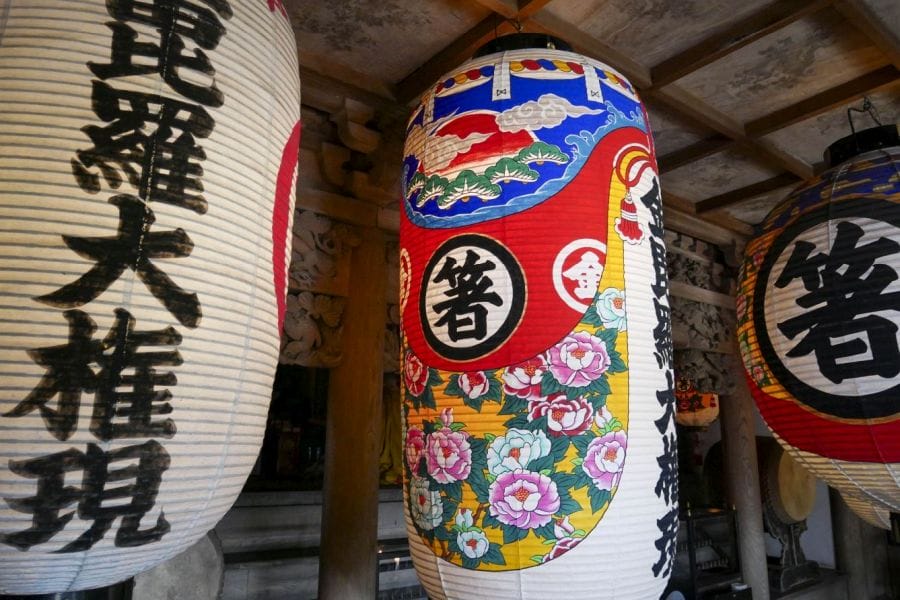
The main hall is especially significant because the sacred image is Konpira Daigongen, the temple’s hidden principal image. It’s never unveiled and, according to temple tradition, has not been seen even by successive head priests. The worship style here preserves the older fusion of Buddhism and shrine practice: visitors may clap in the Shintō manner before praying, or make a more recognisably Buddhist offering.
The temple sits within Hashikura Prefectural Natural Park and is especially beautiful in cherry blossom season and during the autumn colours, when maple leaves and mountain mist combine to heighten the sense of seclusion.
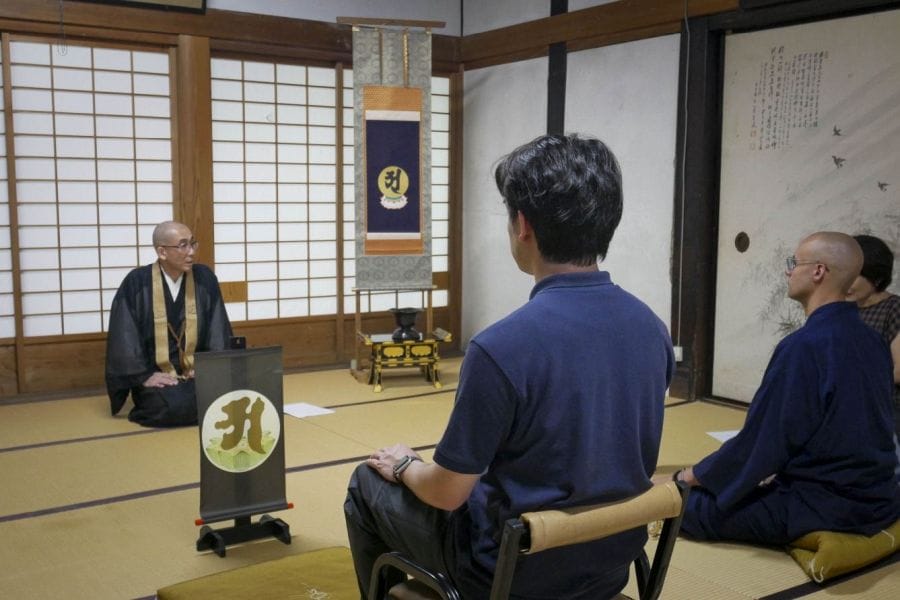
One of the most remarkable living practices is the daily goma fire ritual. Since the temple’s founding, a goma offering has been conducted every morning at 6:30 and every evening at 18:00. The continuity of this esoteric rite over centuries is itself one of the temple’s great unseen treasures.
History
Hashikura-ji has long been closely connected with Konpira Shrine on the northern side of the Sanuki Mountains in Kagawa. Before the formal separation of Shintō and Buddhism in the first year of Meiji, the temple was known as Konpira-no-In, and the two institutions exchanged principal images as part of an integrated sacred network crossing the mountains.
Even after shinbutsu bunri ended formal exchanges, Hashikura-ji retained many customs of this older syncretic tradition. The present sacred focus on Konpira Daigongen reflects that enduring link, making the temple one of the most vivid surviving examples of mountain-based combinatory worship in Shikoku.
Much of the temple was destroyed by fire in 1677 and again in 1826 during the Edo period. As a result, most of the buildings seen today date from the late Edo reconstruction that followed the second major fire. Although comparatively recent by Japanese temple standards, the architecture preserves the visual richness and ritual atmosphere of the earlier complex.
Legends
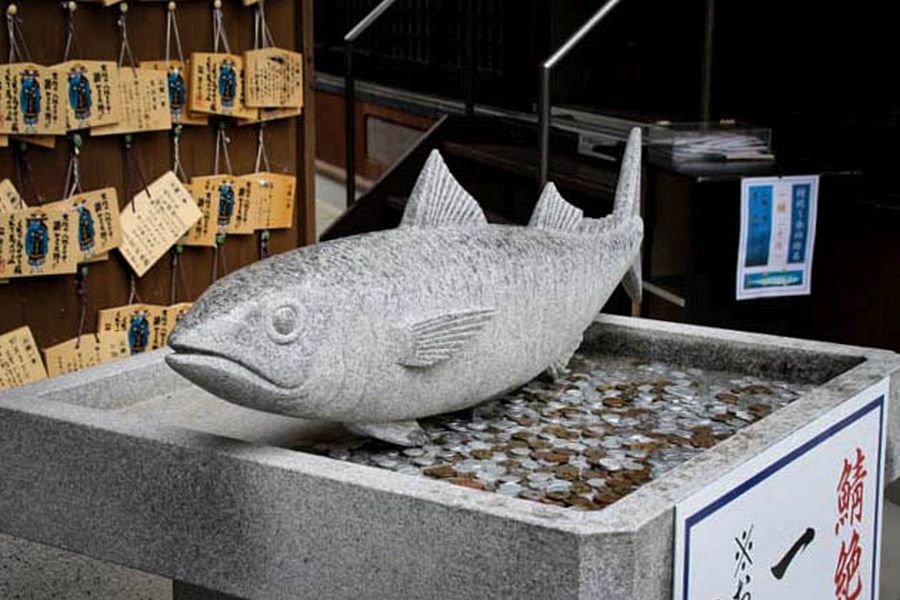
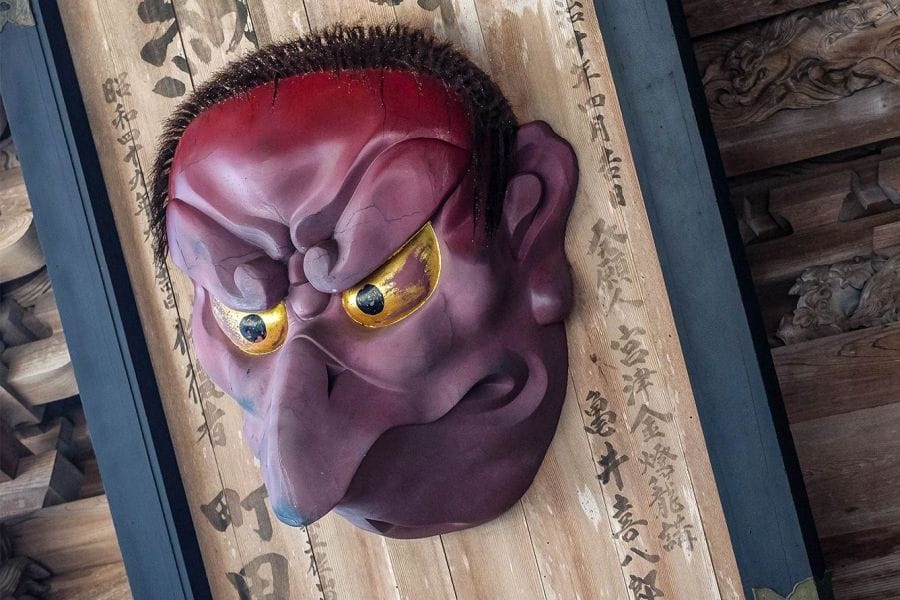
Temple legend explains the “hashikura” of the name through chopsticks (hashi). A tengu said to inhabit the surrounding mountains is believed to have brought the chopsticks used during the Konpira Shrine festival and dedicated them here, linking the temple forever with eating utensils and nourishment.
According to folklore, Kūkai climbed the mountain in 828 after sensing its spiritual potential. There he encountered Konpira Daigongen, who vowed to save all those who use chopsticks — in other words, all humanity. In response, Kūkai is said to have carved the image of Konpira Daigongen himself and established the first temple on the site.
This legend continues to shape living practice. Families dedicate a child’s first eating utensils here, and on 4 August these are burned in a major fire ceremony. Participants then walk barefoot over the ashes, transforming a domestic rite of first nourishment into an act of purification and protection.
The temple’s Setsubun observance is also steeped in long tradition. Ceremonies continue past midnight, and many worshippers remain throughout despite the hour. Offerings and amulets arrive from around Japan, reinforcing the sense that Hashikura-ji’s protective reach extends far beyond the mountain.
For strong walkers, the temple also serves as the start of a demanding 13-kilometre route crossing into Kagawa Prefecture, a fitting continuation for a mountain temple whose identity has always been shaped by paths, passes and ritual movement.


Information
Name in Japanese: 箸蔵寺
Pronunciation: hashee kurajee
Address: Shuzu, Ikeda-chō , Miyoshi, Tokushima 778-0020