San’in
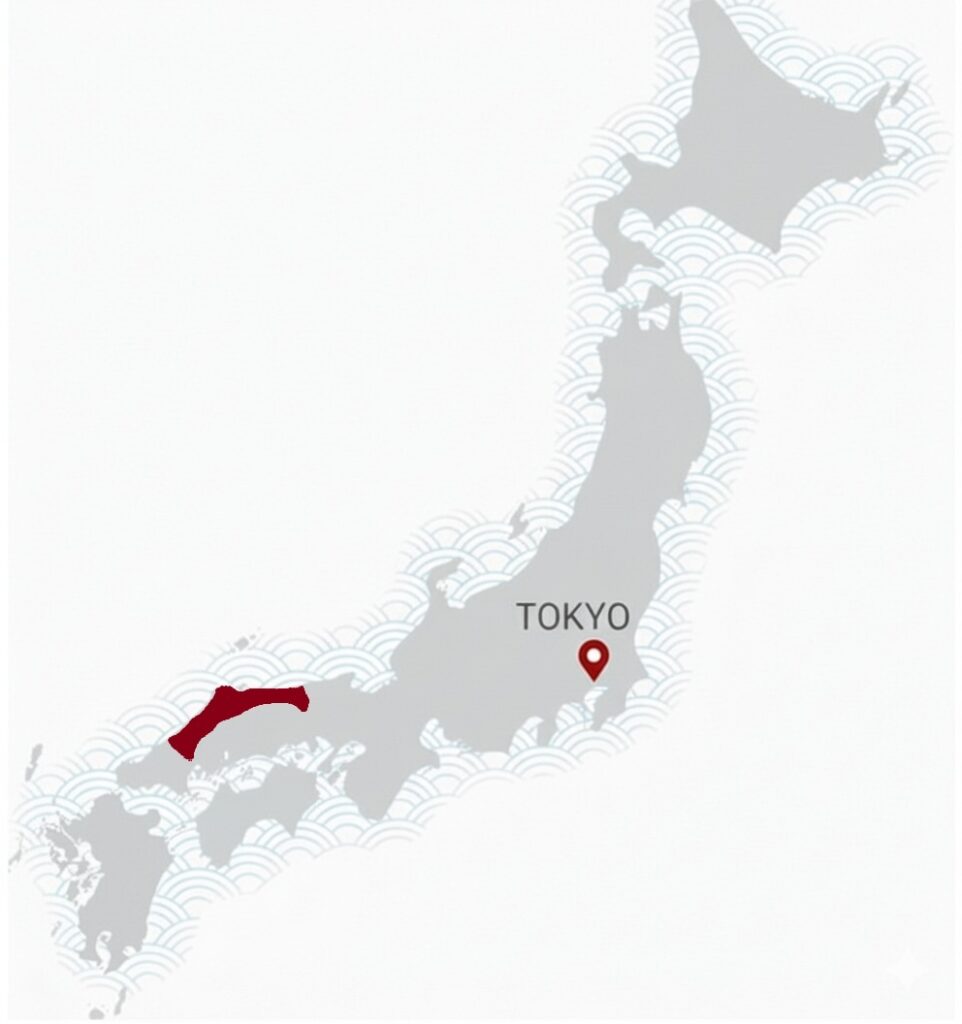
The San’in region, stretching along the Sea of Japan in western Honshū, includes Tottori and Shimane prefectures and parts of Kyōto and Yamaguchi.
Intro
The San’in Region, a Coastal Treasure House of Tradition and Nature
The San’in region, stretching along the Sea of Japan in western Honshū, includes Tottori and Shimane prefectures and parts of Kyōto and Yamaguchi. Known for its snowy winters, dramatic coastlines, and deep cultural roots, San’in offers a quieter, more traditional side of Japan. From the sacred Izumo Taisha Shrine and Tottori Sand Dunes to local cuisine like Matsuba crab and Izumo soba, this off-the-beaten-path area blends natural beauty with ancient heritage.
Our San’in Tours
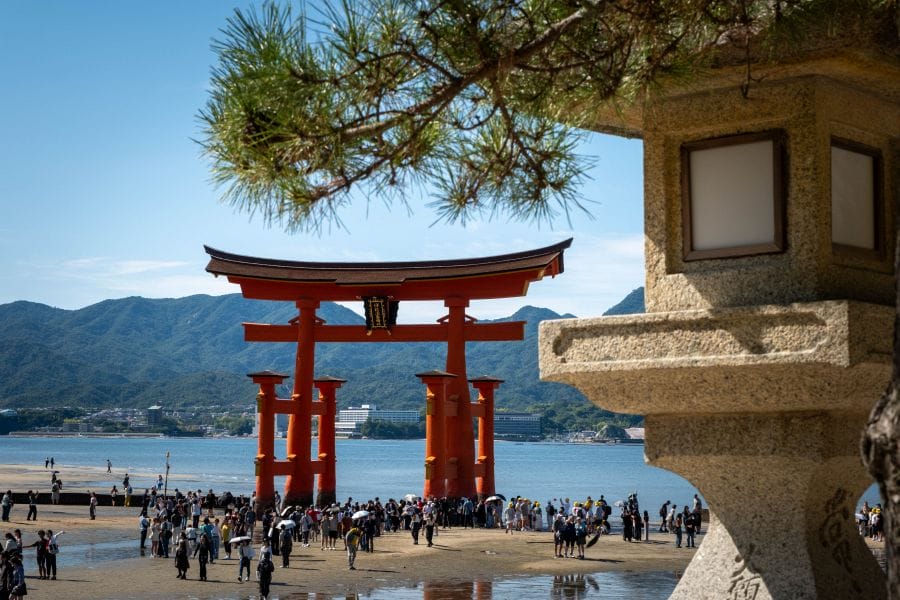
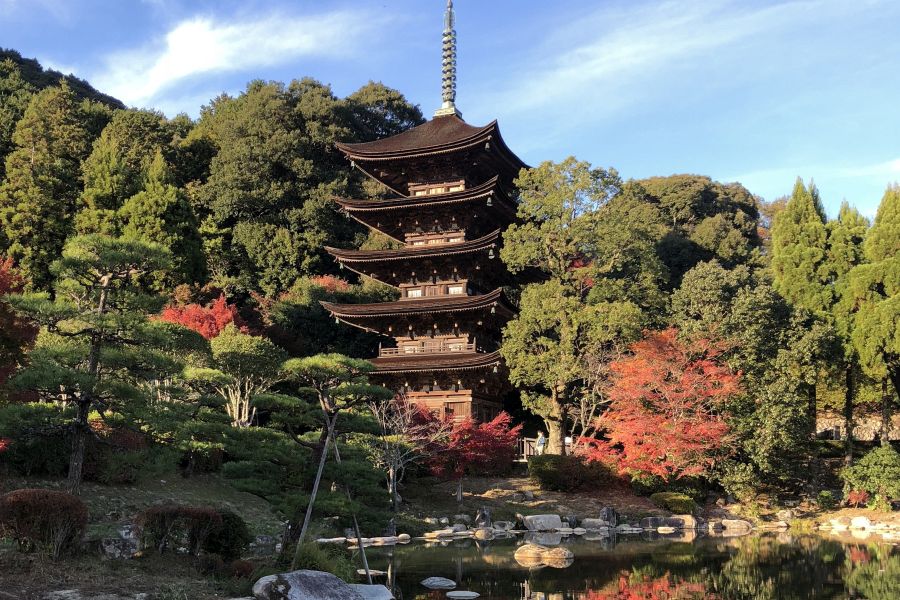

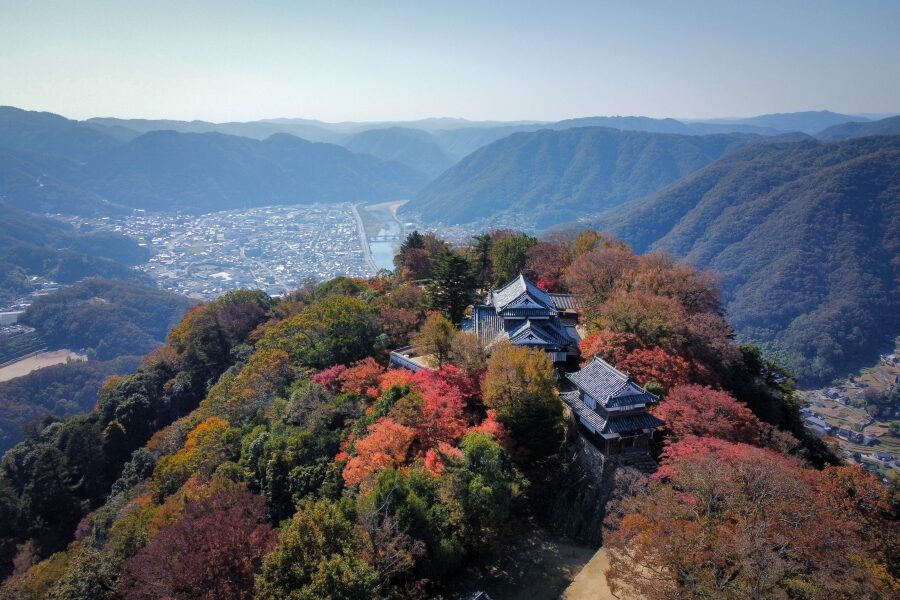
Where is San’in?
The San’in region lies along the Sea of Japan coast in western Honshū and includes the prefectures of Tottori and Shimane, as well as the northern parts of Kyōto and Yamaguchi. It’s part of the broader Chūgoku region. The name “San’in” translates roughly to “shady side of the mountains,” in contrast to the sunnier San’yō region to the south, separated by the Chūgoku mountain range.
What is San’in’s climate like?
The climate in San’in is marked by cold winters with snowfall, especially inland and in the mountains, and humid summers. Its position facing the Sea of Japan makes it susceptible to seasonal weather fronts and strong coastal winds, particularly in winter. This climate supports both mountain and coastal ecosystems, as well as agricultural traditions adapted to the changing seasons.
What is the historical significance of San’in?
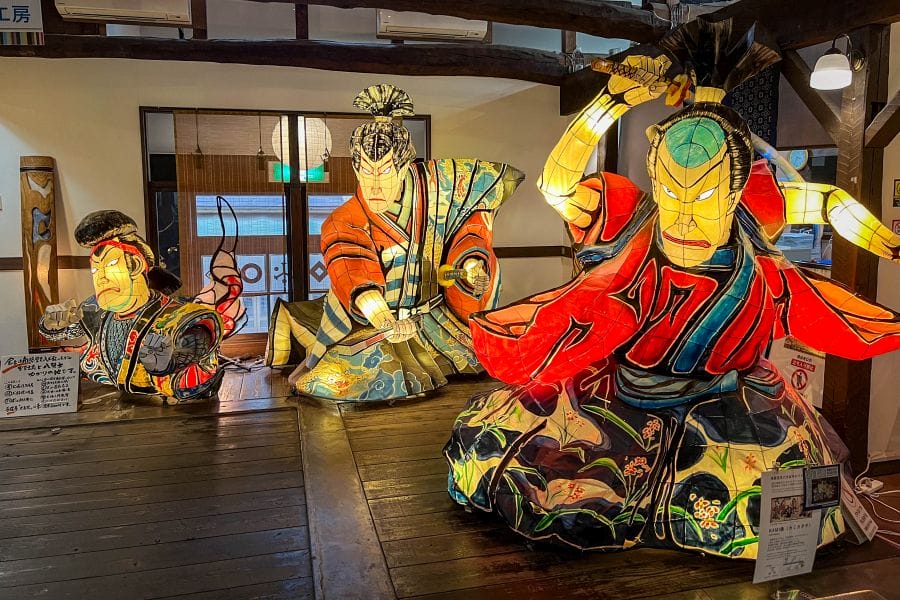
Historically, San’in developed somewhat apart from major political centres, but it has maintained strong cultural and religious traditions. Izumo in Shimane is one of Japan’s oldest and most revered Shinto centres, home to Izumo Taisha, a shrine with origins and legends dating back to the early formation of the Japanese state. During the Edo period, the region’s domains maintained autonomy while contributing economically through fishing, iron production, and agriculture. Even today, the region is one of the last bastions of traditional sword making.
What is the gastronomy of San’in like?
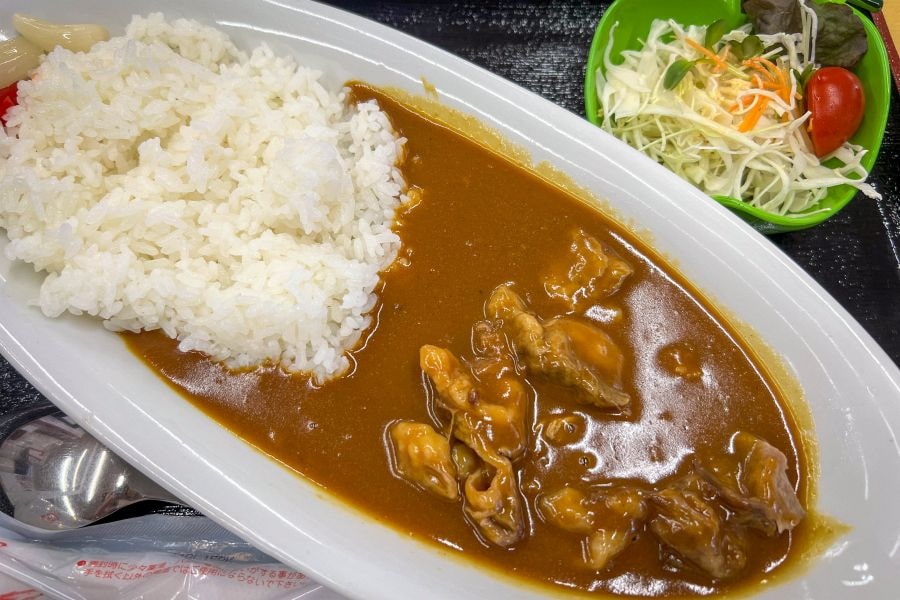
Local cuisine draws heavily from the sea and mountains. Matsuba crab, caught in winter off the Tottori coast, is a major seasonal delicacy. Izumo soba, made from whole buckwheat grains and served with a distinctive dipping style, reflects local agricultural practices. The region is also known for its freshwater fish, wild vegetables, and sake brewed using soft local water.

What is there to see and do in San’in?
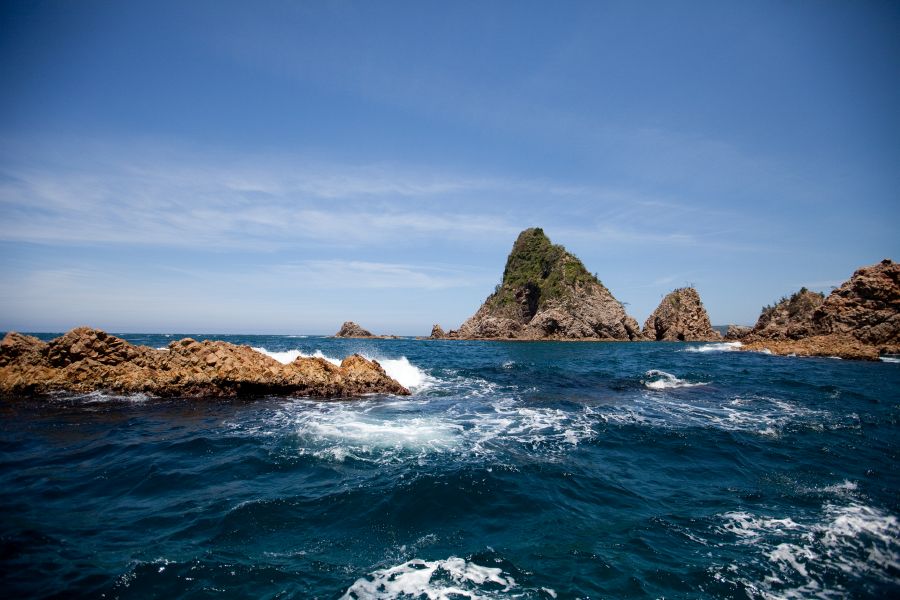
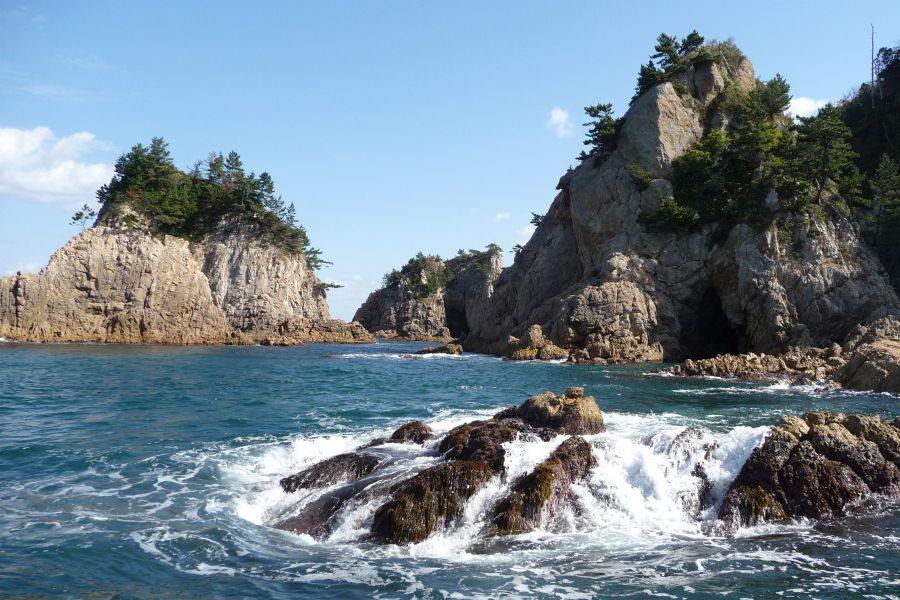
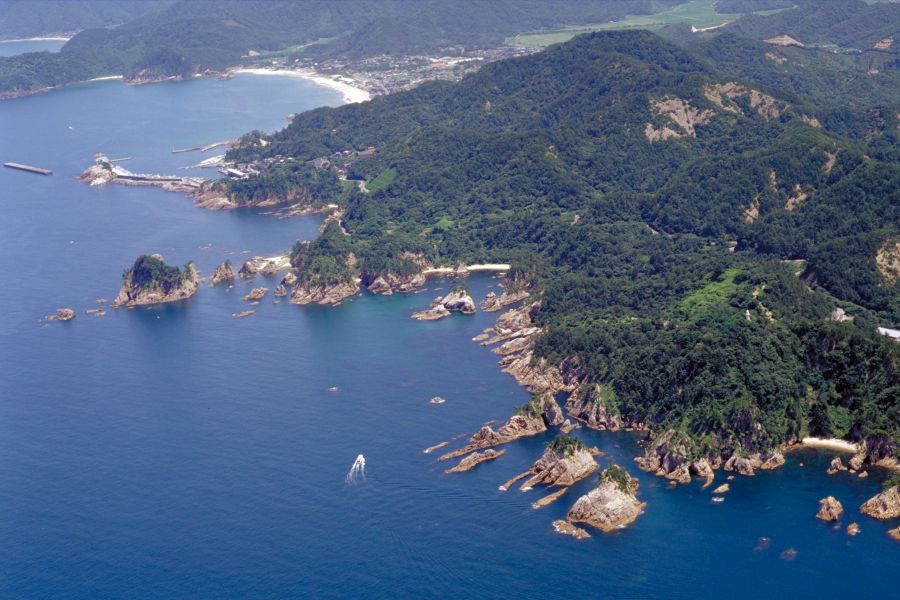
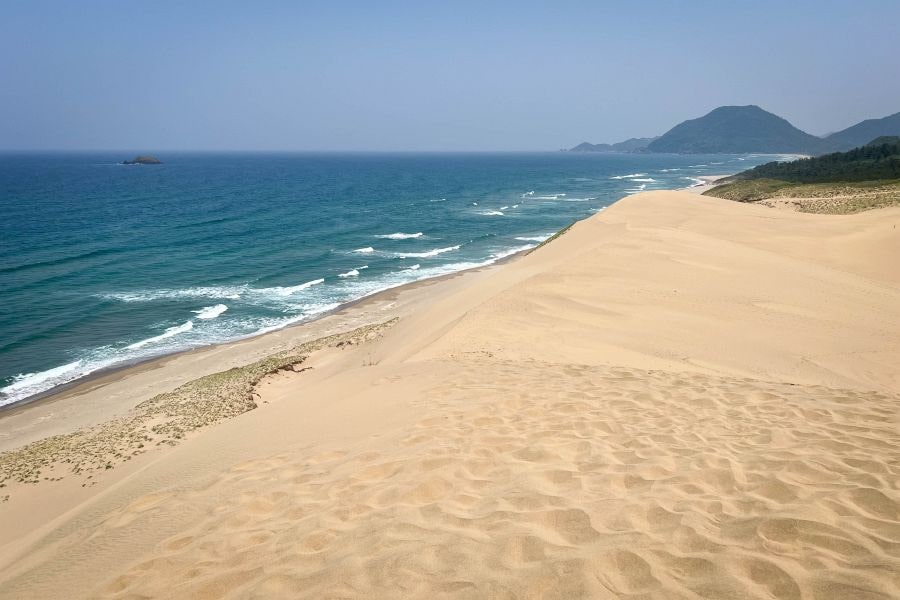
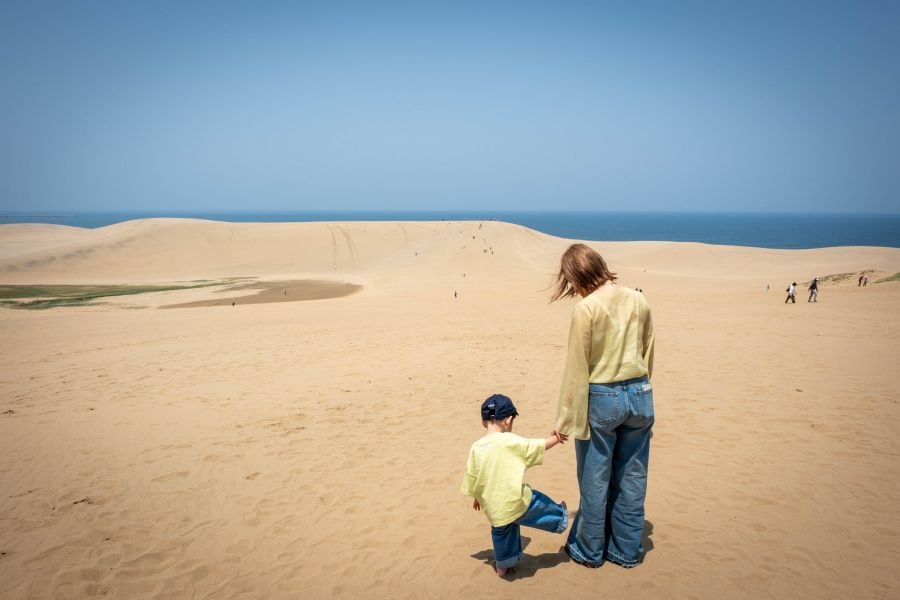
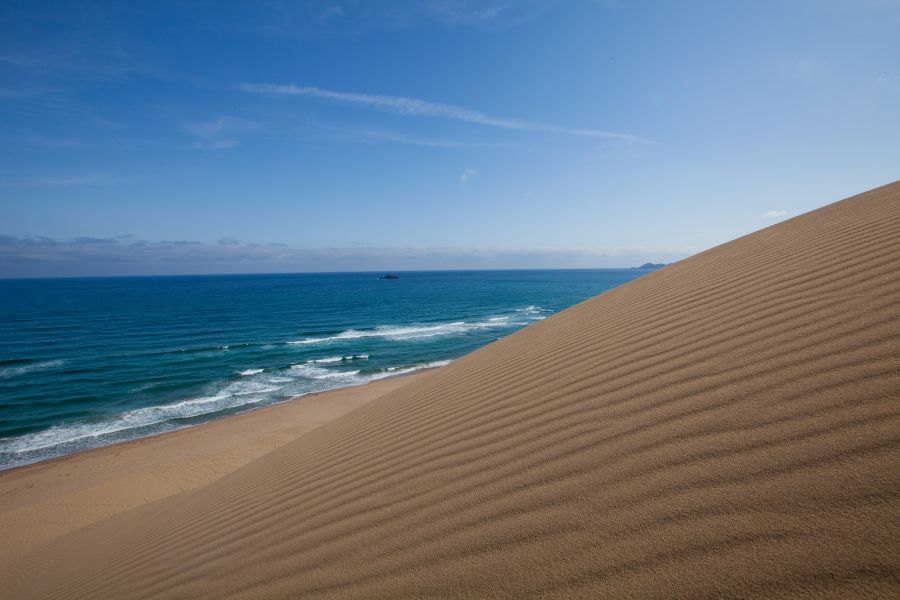
San’in offers a variety of landscapes and historic sites that reflect the resilience of its inhabitants. The sand dunes of Tottori, the only extensive dune system in Japan, contrast with the densely forested hills further inland where the sand originated. Just a short distance up the coast, the dramatic cliffs of Uradome offer rewarding views from the sea and local hiking trails. The Iwami Ginzan Silver Mine, a UNESCO World Heritage Site, tells of the region’s role in global trade during the 16th and 17th centuries.
What adventure awaits in San’in?
The wild and Japan Sea coast offers many opportunities for adventure, with cruises in everything from sightseeing boats to sea kayaks, as well as clifftop hikes. For hikers, the great stratovolcano Mt. Daisen presents a tempting challenge. To the eastern end of San’in, the northern part of Kyōto known as “Kyōto by the Sea” has many fascinating inlets to explore, whether on foot, by bicycle, or by boat.