Mt. Unzen
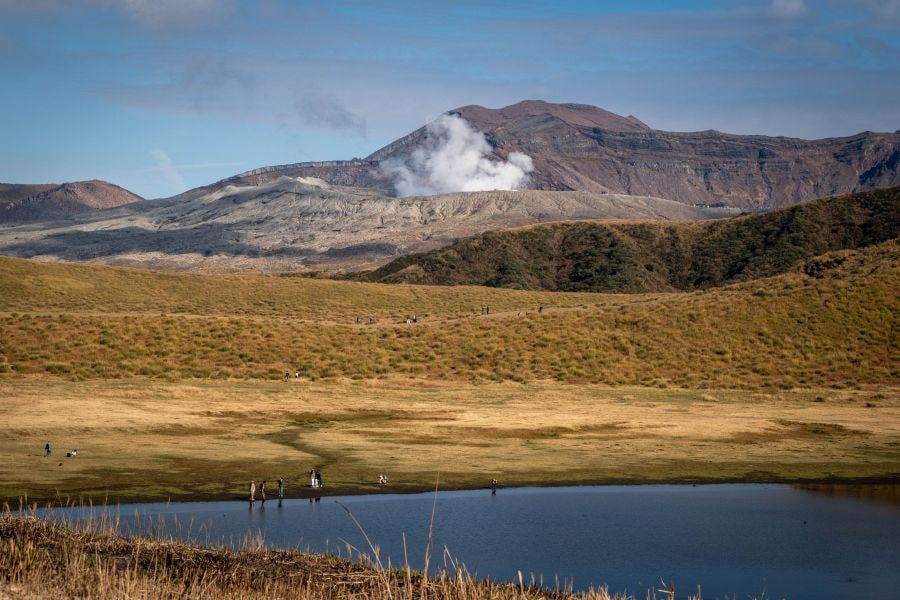
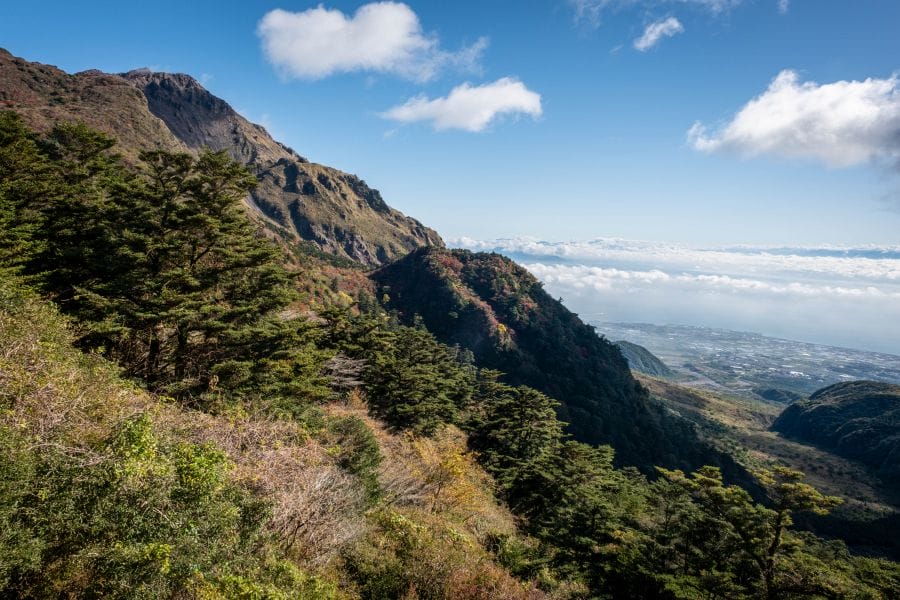
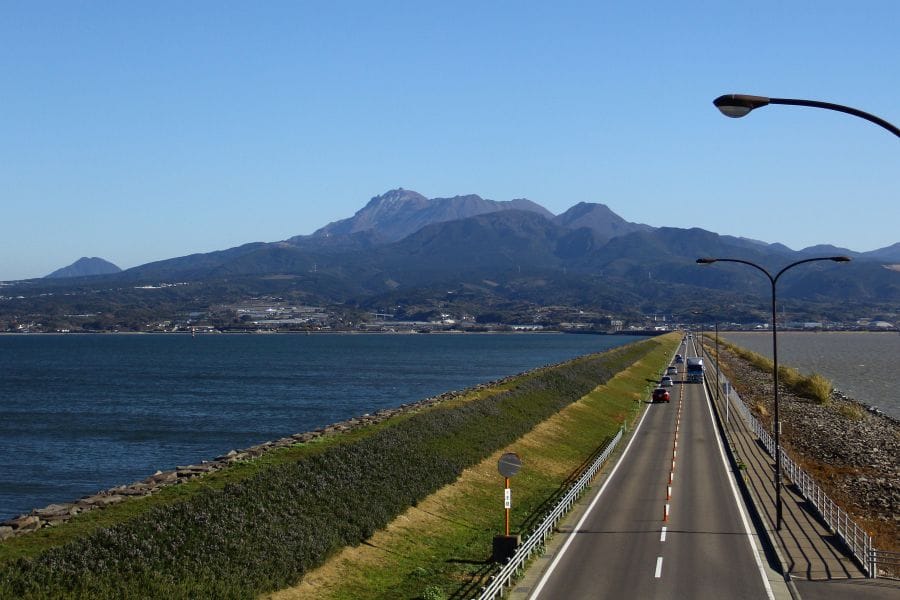
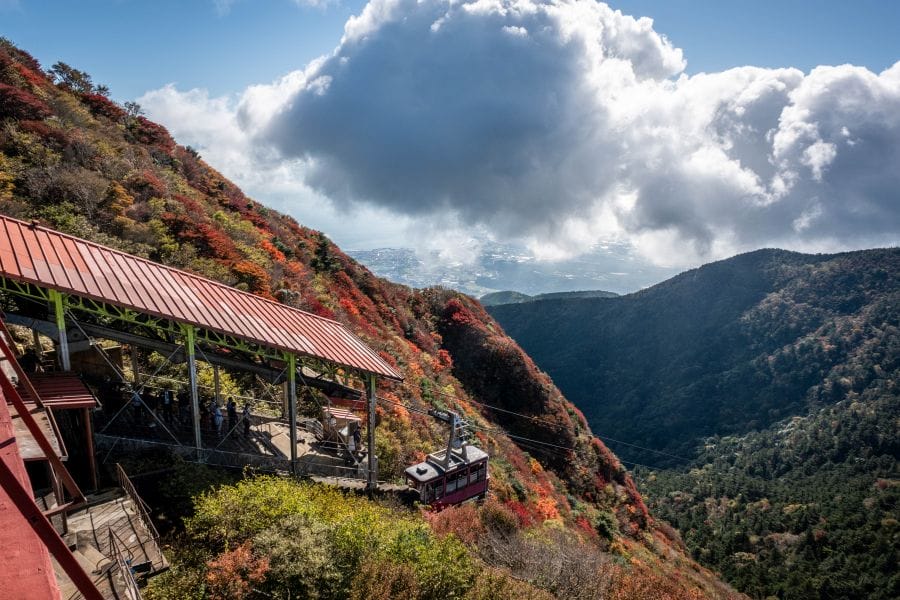
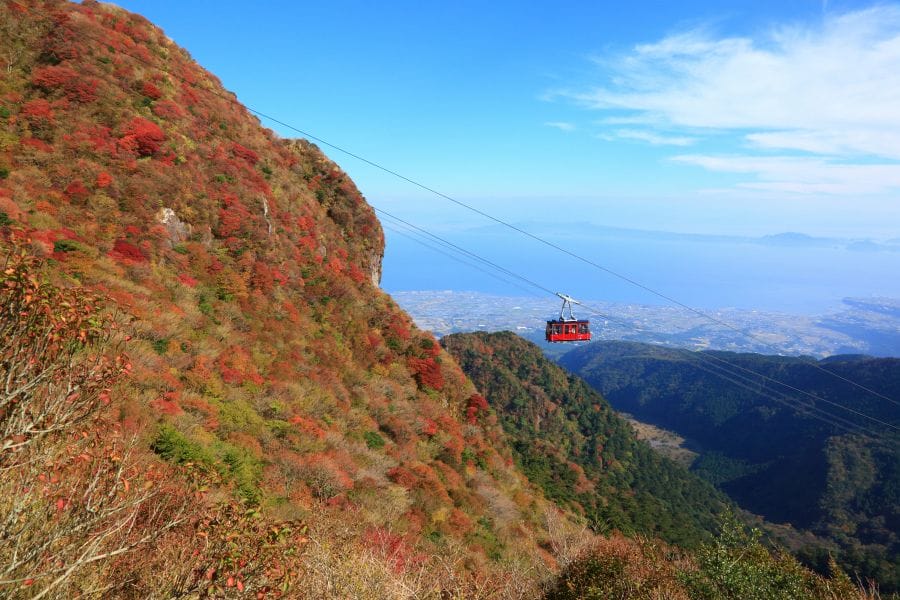
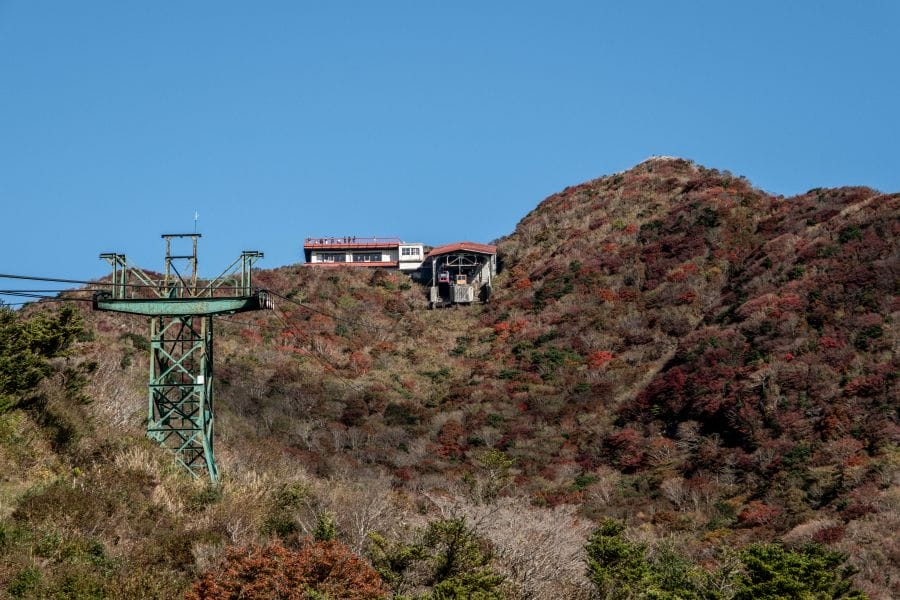
Mt. Unzen is an active volcanic complex on the Shimabara Peninsula, east of Nagasaki city. Rather than a single peak, Unzen consists of a cluster of lava domes and stratovolcanoes, the highest of which is Heisei-shinzan (1,486 m), formed during eruptions in the early 1990s. The mountain dominates the peninsula’s landscape and has long shaped both its natural environment and its human history. A cable car takes you from Nita Pass to the Myōken-dake Station on the Myōken Peak, or you can hike up. There are further hikes of various lengths around the peaks of the volcano.
Unzen lies on the western edge of the Unzen graben, a tectonically active zone created by crustal stretching associated with the opening of the Okinawa Trough. Volcanic activity in the area has occurred intermittently for hundreds of thousands of years, producing layers of lava, ash, and pyroclastic material.
The most recent major eruption began in 1990 and continued through 1995. During this period, the growth of the Heisei-shinzan lava dome caused repeated pyroclastic flows, including a deadly event in 1991 that claimed the lives of volcanologists and journalists. These eruptions reshaped parts of the mountain and left extensive deposits that are still visible today.
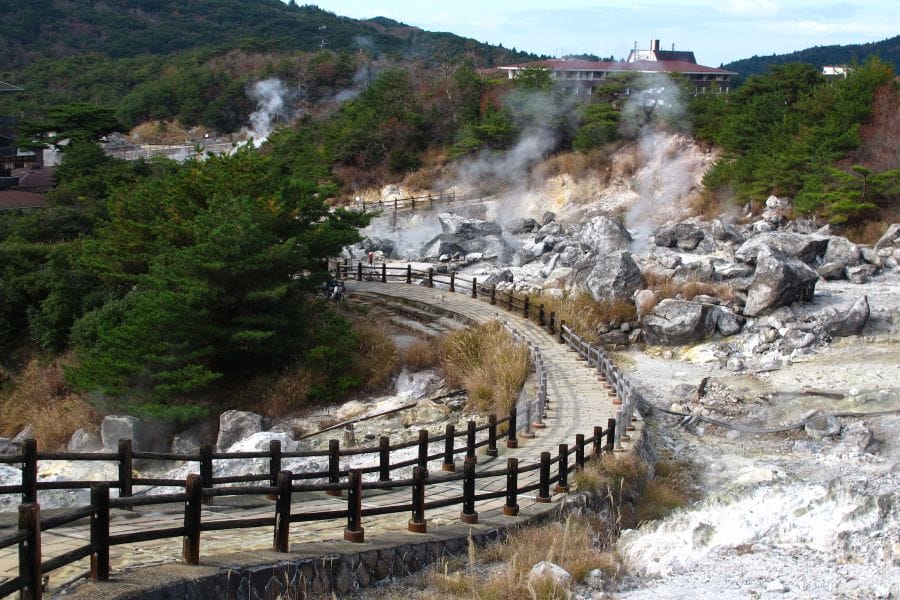
At the foot of the active part of the volcano is Unzen Jigoku (Unzen Hell), a geothermal area where steam vents, bubbling pools, and sulphur deposits emerge from the ground. The heat comes from magma chambers beneath the mountain, which warm groundwater and release volcanic gases.
This geothermal activity has made Unzen one of the oldest hot spring areas in Japan. Unzen Onsen, developed around the hells, was already known in the Edo period and became a resort area in the late 19th and early 20th centuries, particularly popular with foreign residents of Nagasaki. Visitors came from as far away as Shanghai and Vladivostok to escape the heat and humidity of Asian summers. Unzen was also a refuge from revolutionary turmoil. Famous visitors included Chiang Kai-shek and Pearl Buck in 1927. The kanji for the place name was only changed from ‘hot spring’ to ‘cloud hermit’ in 1934. The town of Unzen is home to one of Japan’s oldest golf courses, built to cater to the tastes of foreign travellers, and latterly for the delight of Japanese enthusiasts.
The mineral-rich waters are associated with therapeutic use, especially among Japanese bathers. In fact, the name ‘Unzen’ derives from ‘onsen’ (hot spring) as pronounced in the local dialect.
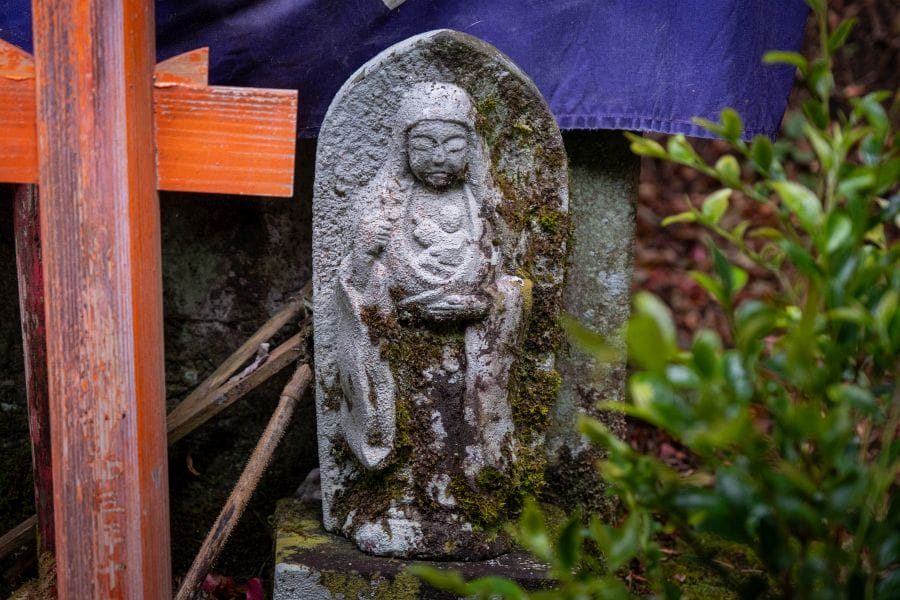
Unzen also has a dark historical dimension. During the 17th century, when Christianity was banned in Japan, some suspected Christians were tortured here by being lowered into the boiling springs or exposed to volcanic gases. This use of the hells as a place of punishment has made Unzen a significant site in the history of Christian persecution in the Nagasaki region.
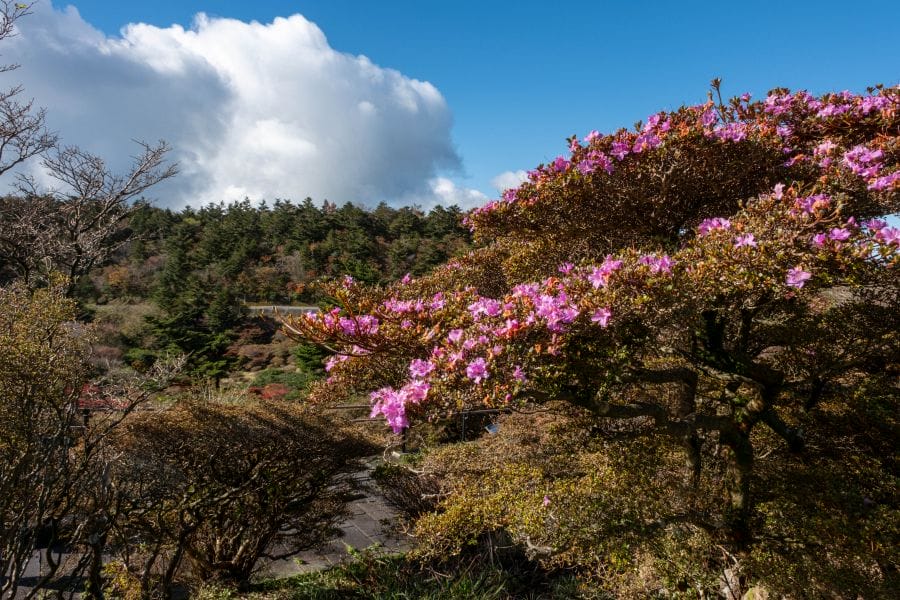
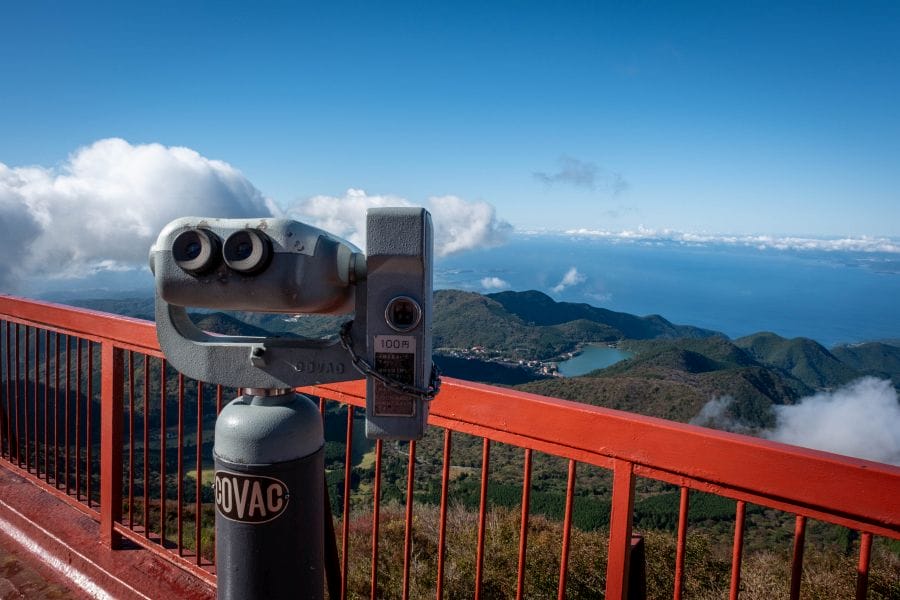
Unzen is part of Unzen-Amakusa National Park, Japan’s first national park, designated in 1934. A network of trails crosses the volcanic landscape, ranging from gentle walks near Unzen Jigoku to more demanding hikes toward the higher peaks. Popular routes include trails around the Fugen-dake area and paths leading to viewpoints over the Ariake Sea and Shimabara Peninsula. The contrast between forests, lava fields, and steaming vents makes the area geologically and scenically distinctive.
Mt. Unzen combines active volcanism, scenic mountain landscapes, geothermal activity, and layered human history. Its eruptions have shaped the land, its hot springs have attracted visitors for centuries, and its role in religious persecution and modern volcanic disasters has made it one of the most historically and scientifically significant natural sites in the Nagasaki region.

Information
Name in Japanese: 雲仙岳
Pronunciation: unzen-dakei
Address: Ko Kunimicho Hijikuro, Unzen, Nagasaki 859-1317