Nagasaki city
Nagasaki city occupies a sheltered natural harbour on the western edge of Kyūshū, and it has long been Japan’s most outward-looking port. Its steep hills, indented coastline and winding inlets give it a character quite unlike the wide plains of other Japanese cities. Its history was shaped by centuries of contact with China and Europe, followed by long periods of isolation, persecution and, in the twentieth century, sudden devastation.
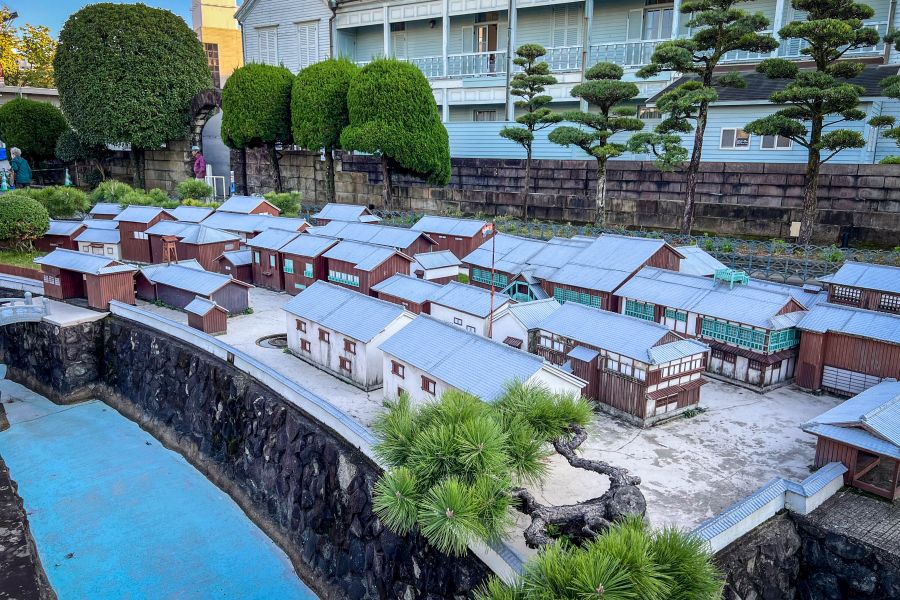
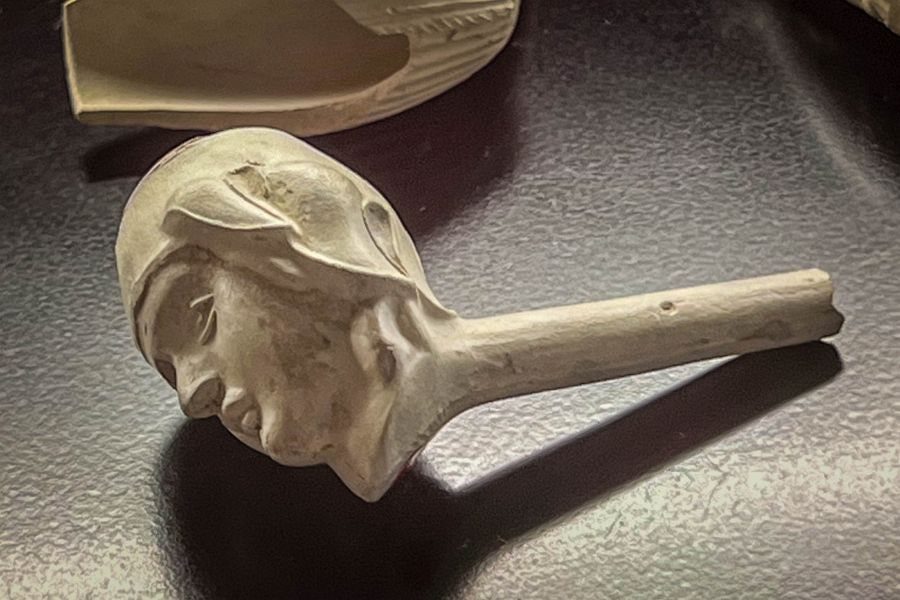
From the mid-sixteenth century, Nagasaki became the principal entry point for Christianity and European trade. Portuguese missionaries and merchants arrived alongside Chinese traders, and the city grew rapidly as a cosmopolitan port. After Christianity was banned in the early seventeenth century, Nagasaki was placed under direct control of the Tokugawa shogunate and became Japan’s sole authorised window on the outside world. The Dutch were confined to Dejima, an artificial island in the harbour, while Chinese merchants lived in a regulated quarter nearby. Even under these restrictions, ideas, technology and goods flowed through the city, giving rise to the tradition of rangaku, or Dutch learning, which brought Western science and medicine to Japan.
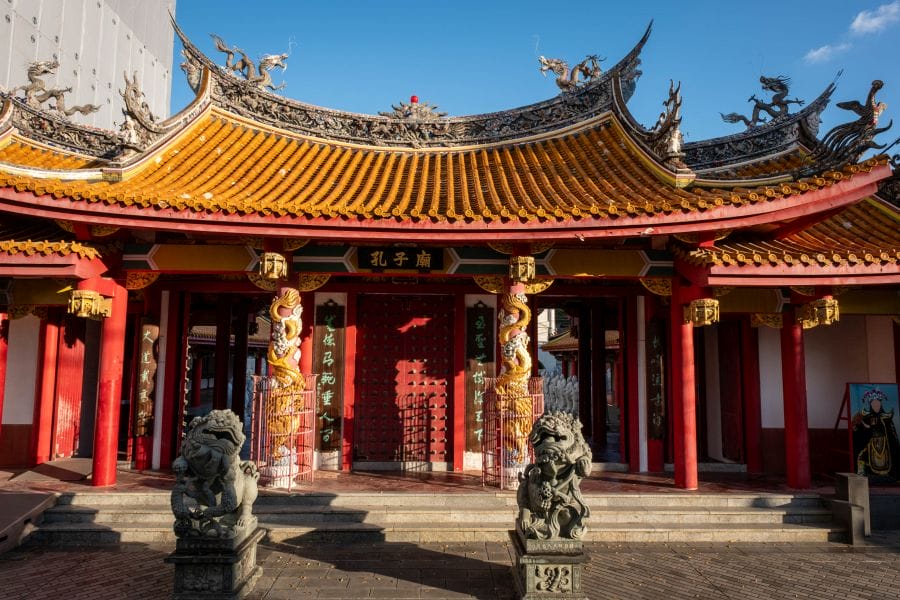
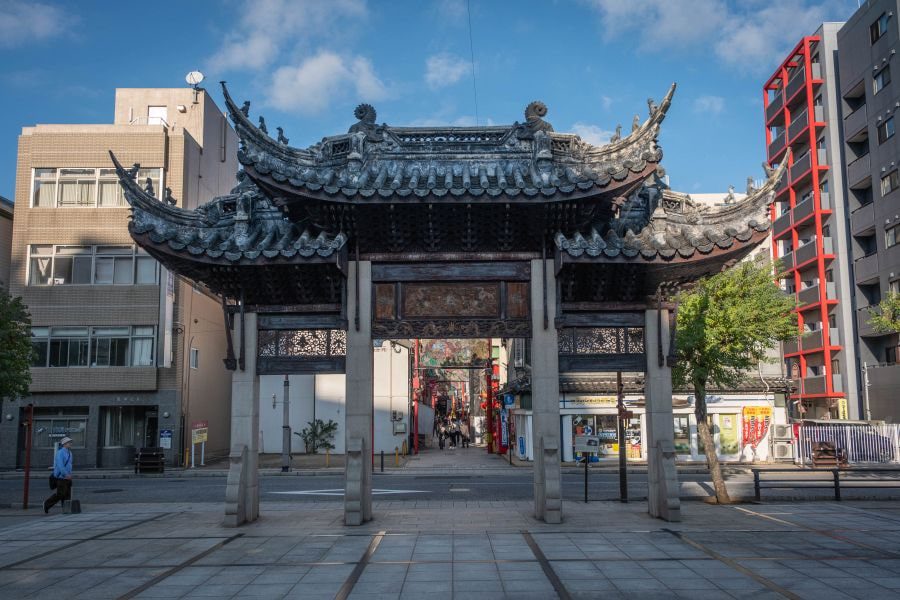
The physical traces of this period remain prominent. Dejima has been carefully restored to show how Dutch traders once lived and worked, while the nearby Nagasaki Museum of History and Culture stands on the site of the old magistrate’s offices that governed foreign trade and enforced religious bans. Chinese influence is visible in Shinchi Chinatown, with its ornate gates and Chinese restaurants, as well as in temples like Sōfuku-ji and Kōfuku-ji, whose architecture reflects southern Chinese styles rarely seen elsewhere in Japan. The Nagasaki Kōshibyō Confucius Shrine, built by the modern Chinese community in the late nineteenth century stands as a symbol of this long relationship with China.
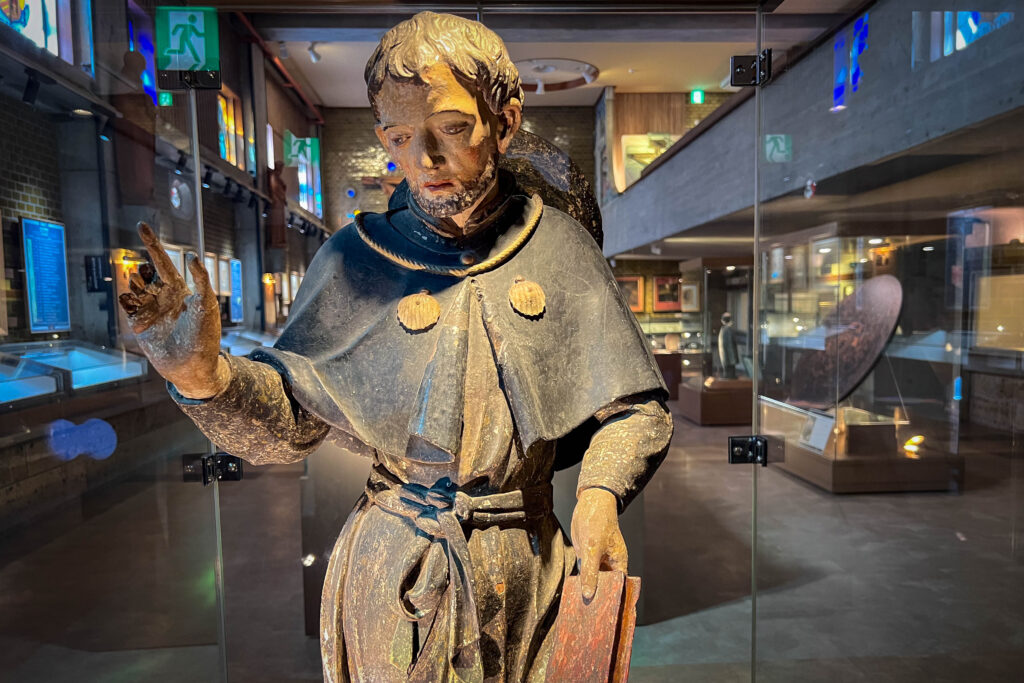
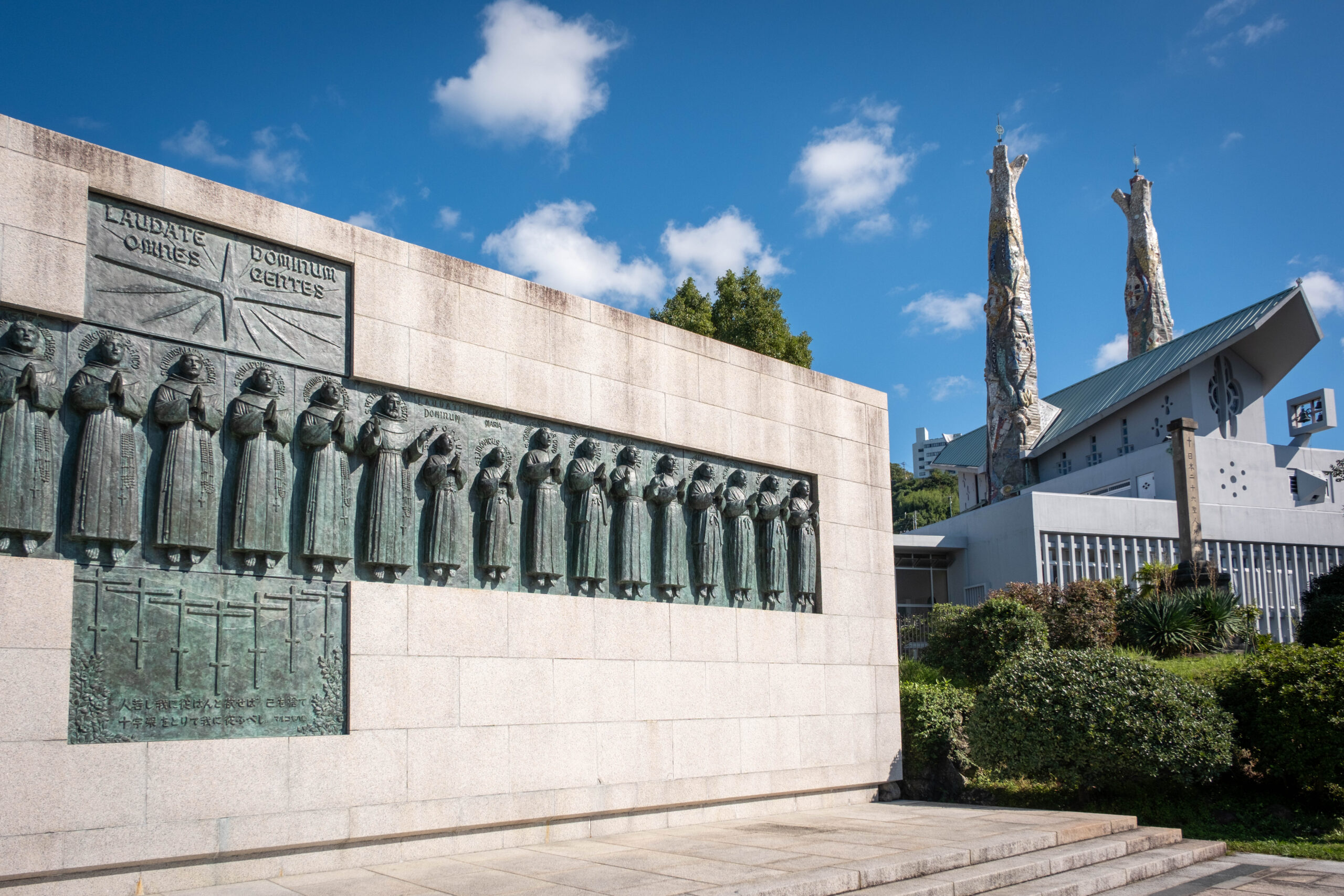
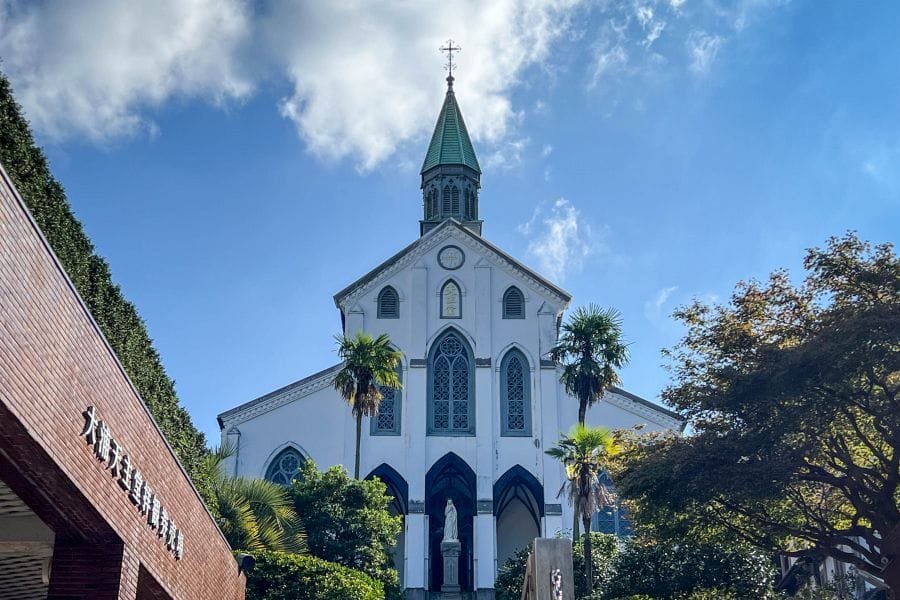
Nagasaki’s Christian history is evident everywhere. Ōura Cathedral, overlooking the harbour, is the oldest surviving church in Japan and the place where Hidden Christians revealed themselves to French missionaries in 1865 after more than two centuries of secret worship. Urakami Cathedral, further north, stands in a district once home to one of the country’s largest Christian communities, many of whom endured exile and persecution before the faith was legalised again in the Meiji period. The story of martyrdom is centred on Nishizaka Hill, where the Twenty-Six Martyrs were crucified in 1597, an event now commemorated by a monument and museum overlooking the modern city.
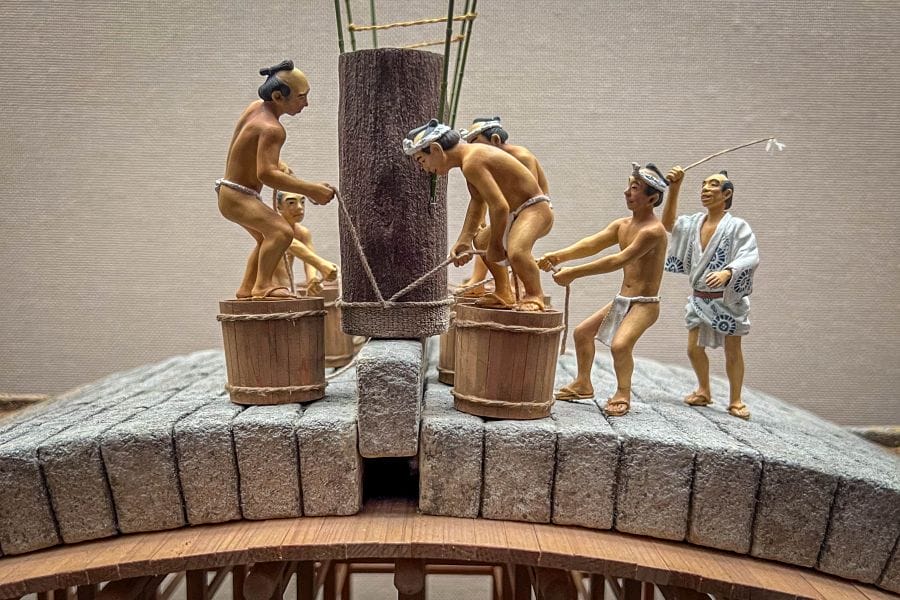
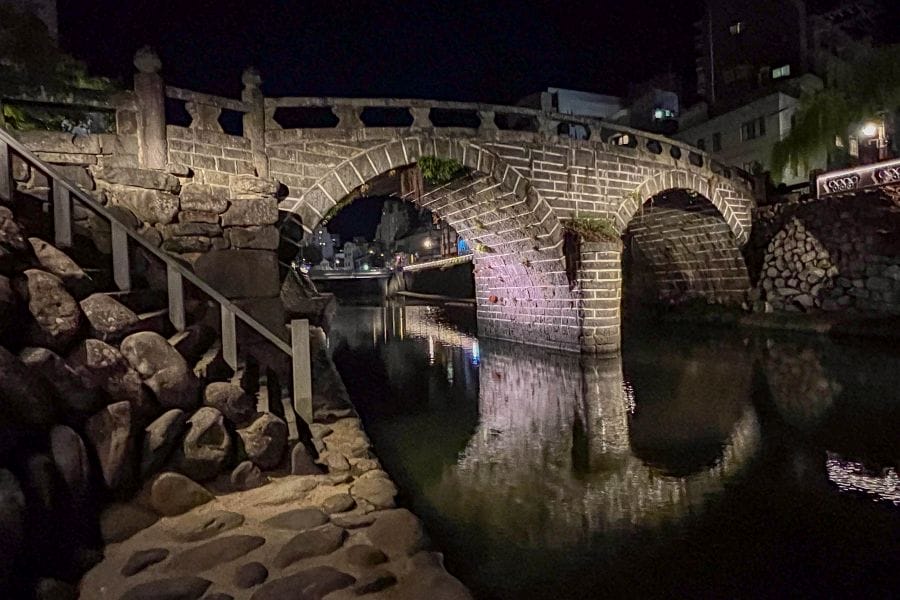
Nagasaki’s urban landscape is also defined by its rivers and bridges. Along the Nakashima River, stone arch bridges such as Megane-bashi date back to the early seventeenth century, when Chinese engineering techniques were adopted to create durable crossings that could survive seasonal floods. It’s pleasant to stroll up the river noting the differences between each of the many bridges.
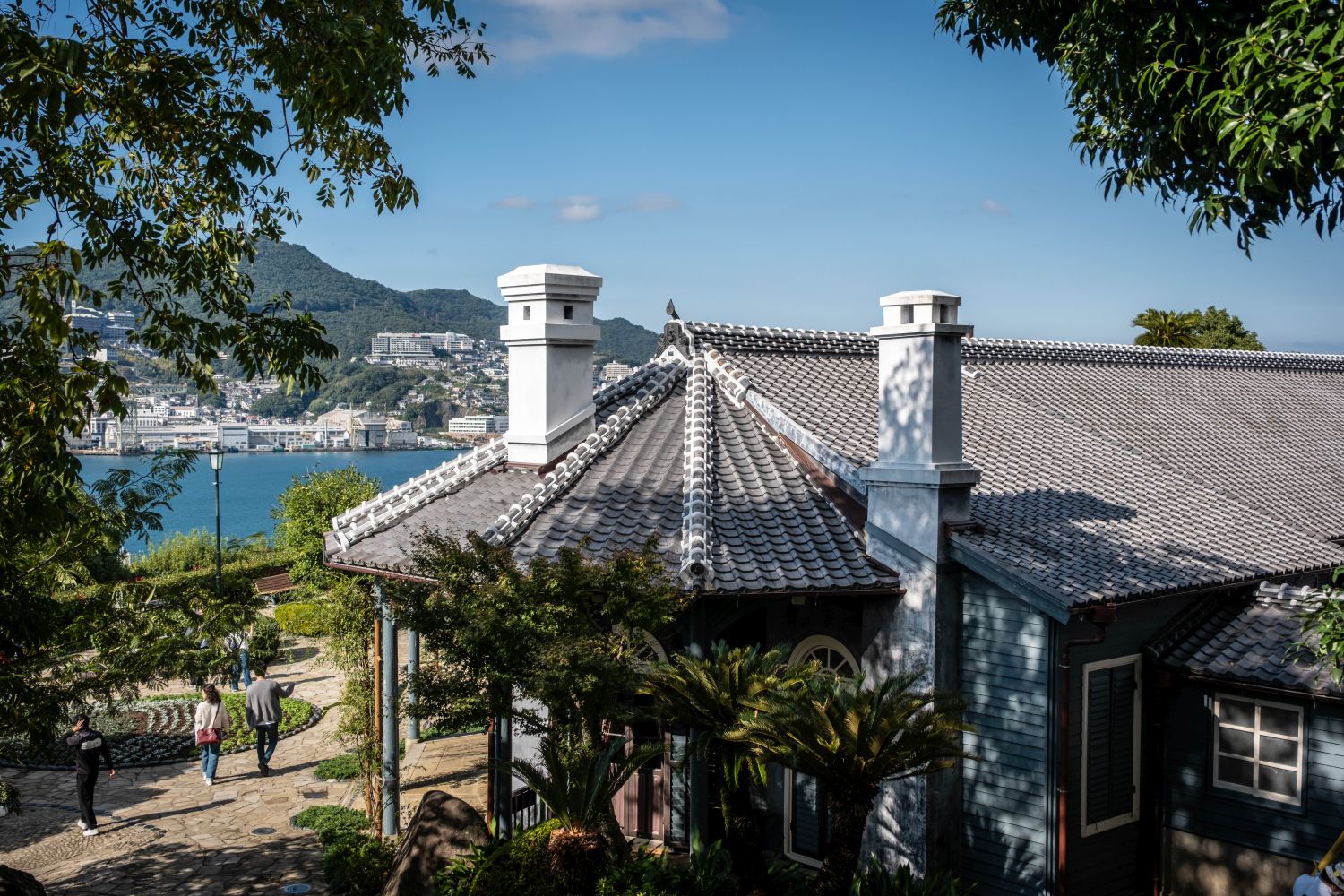
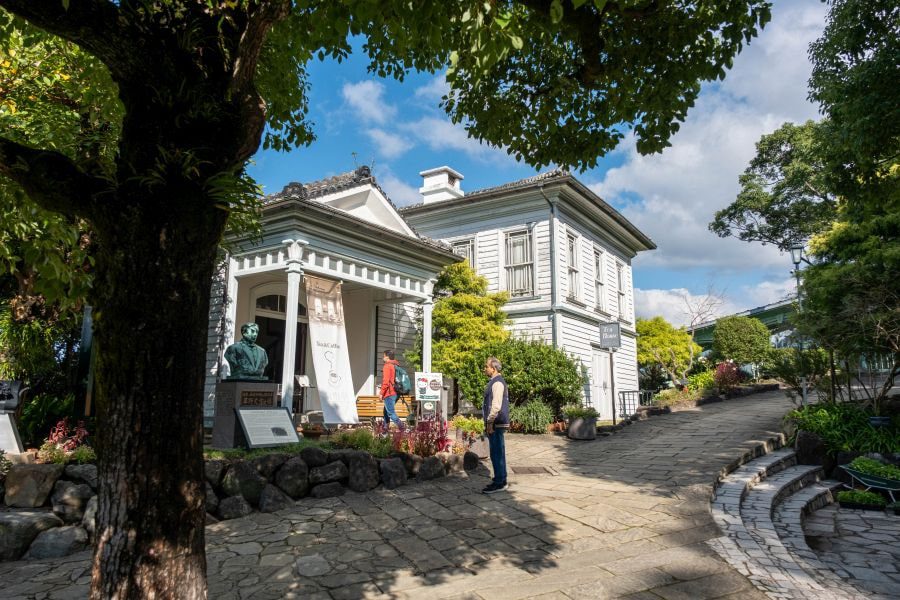
The nineteenth century brought a new wave of international influence as Japan reopened to the world. In the hillside districts of Minami-Yamate and Higashi-Yamate, Western merchants and diplomats built residences overlooking the port. Many of these have been preserved at Glover Garden, named after the Scottish trader Thomas Glover, whose involvement in shipbuilding, coal mining and arms trading linked Nagasaki to the Meiji Restoration and the country’s early industrialisation.
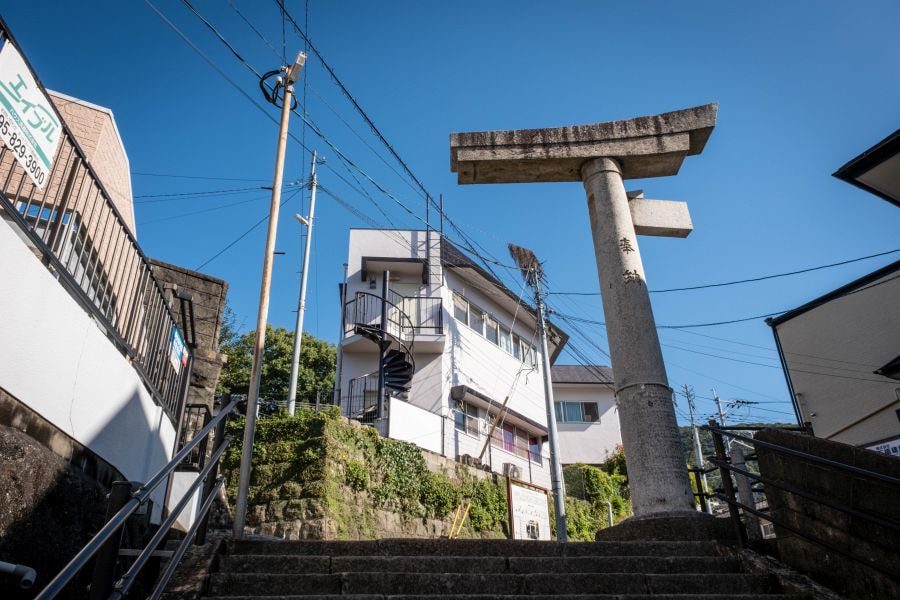
On 9 August 1945, Nagasaki became the second city in the world to suffer an atomic bombing. The explosion over Urakami destroyed much of the northern part of the city and killed tens of thousands of people. Today, the Nagasaki Atomic Bomb Museum and the surrounding Peace Park record the scientific, historical and human dimensions of the event. Nearby, the one-legged torii of Sannō Shrine and several trees that survived the blast and later regrew, remain as physical witnesses to the disaster. Fragments of the original Urakami Cathedral are preserved beside the rebuilt church.
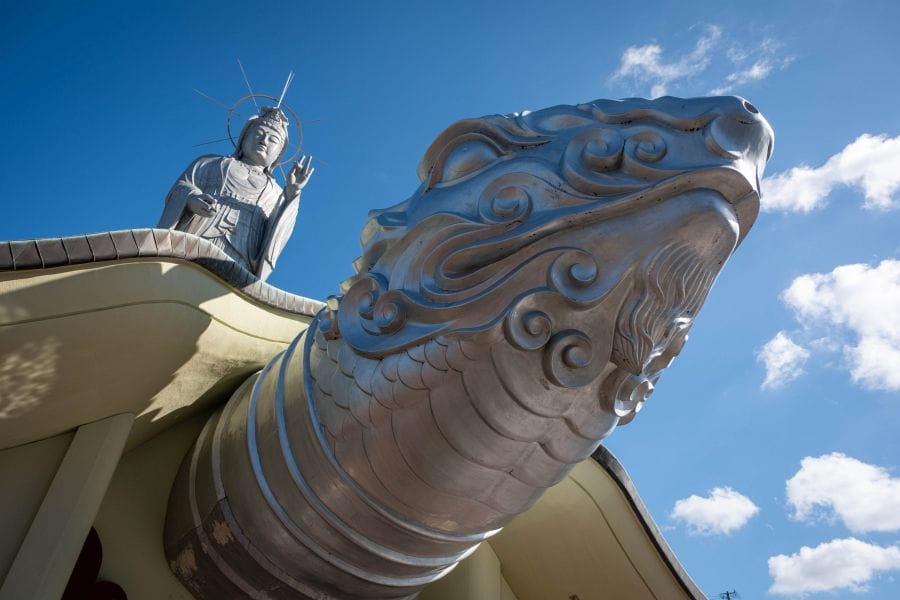
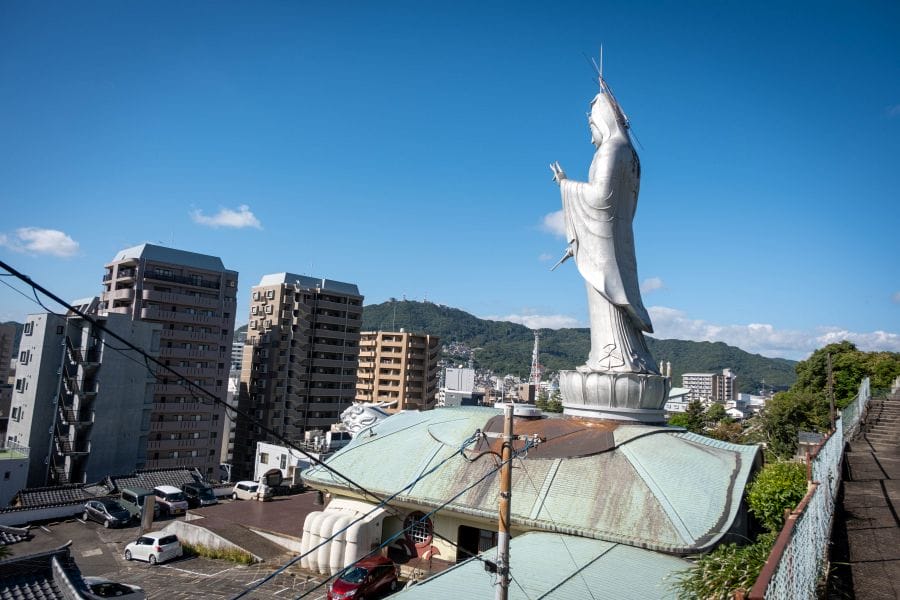
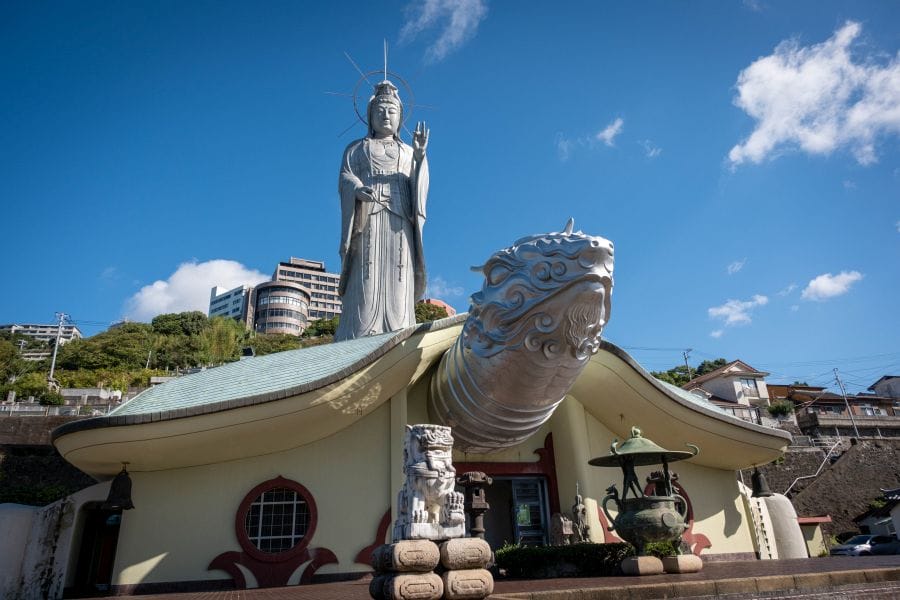
Despite this tragic history, Nagasaki rebuilt itself and retained its distinctive character. The city’s steep slopes offer wide views over the harbour and out to the Gotō Islands. Picturesque old trams offer convenient mobility in the flatter parts of the city. Reconstruction wasn’t limited to churches. Fukusai-ji, one of Nagasaki’s historic Chinese Buddhist temples, was rebuilt with a massive Kannon statue atop a gigantic tortoise.
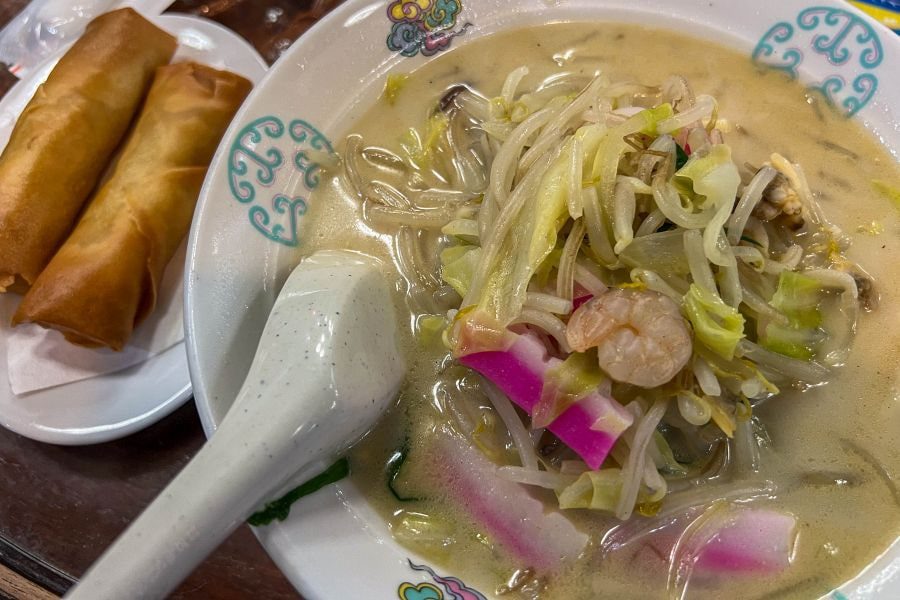
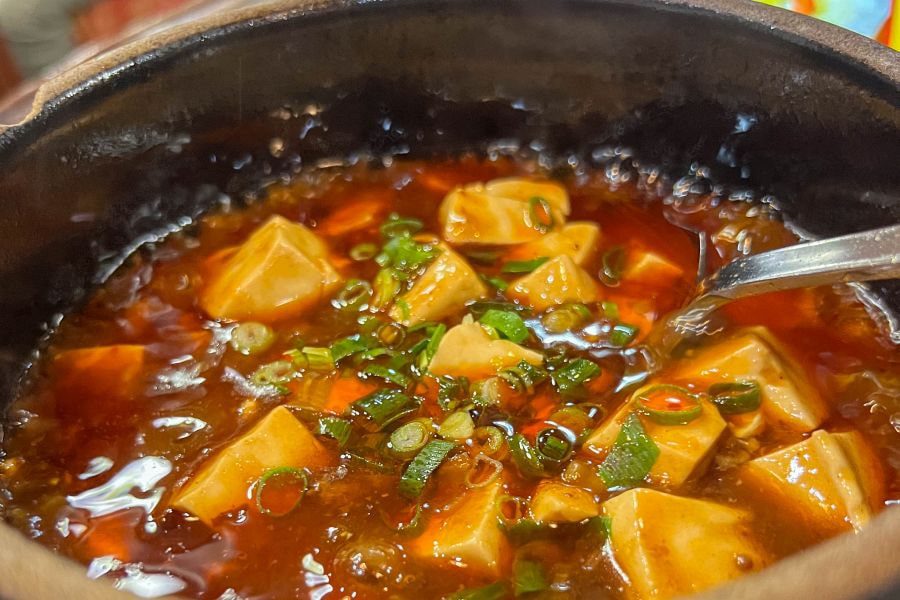
Nagasaki’s food reflects its status as a historical gateway, particularly through its long-standing relationship with China. You’ll find the Shinchi Chinatown district filled with restaurants serving champon, a noodle dish developed in the Meiji era to provide cheap, filling meals for Chinese students. It uses a thick, chewy noodle cooked directly in a rich pork and chicken broth along with seasonal seafood and cabbage. Another staple is shippoku cuisine, a banquet style where guests sit at a round table — a departure from the individual trays used in traditional Japanese dining — to share a mix of Chinese, Dutch, and Japanese dishes. For a snack, you’ll see many shops selling castella, a dense, moist sponge cake brought by Portuguese sailors in the 16th century. Modern Japanese bakers still use the traditional method of baking it in long wooden frames, which gives the cake its consistent texture and dark, caramelised crust.
Nagasaki city rewards slow exploration on foot. Despite the destruction wrought by the bomb, many attractive old buildings remain all over the city. We recommend spending at least two days in Nagasaki — just enough to leave you wanting more.
Information
Name in Japanese: 長崎市
Pronunciation: naga-sakee
Address: Nagasaki City