Gotō Islands
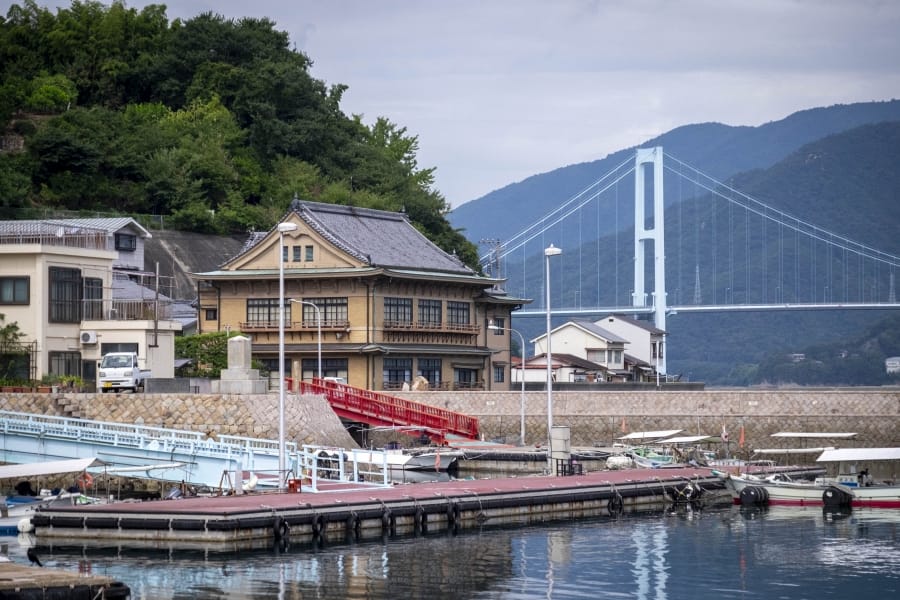
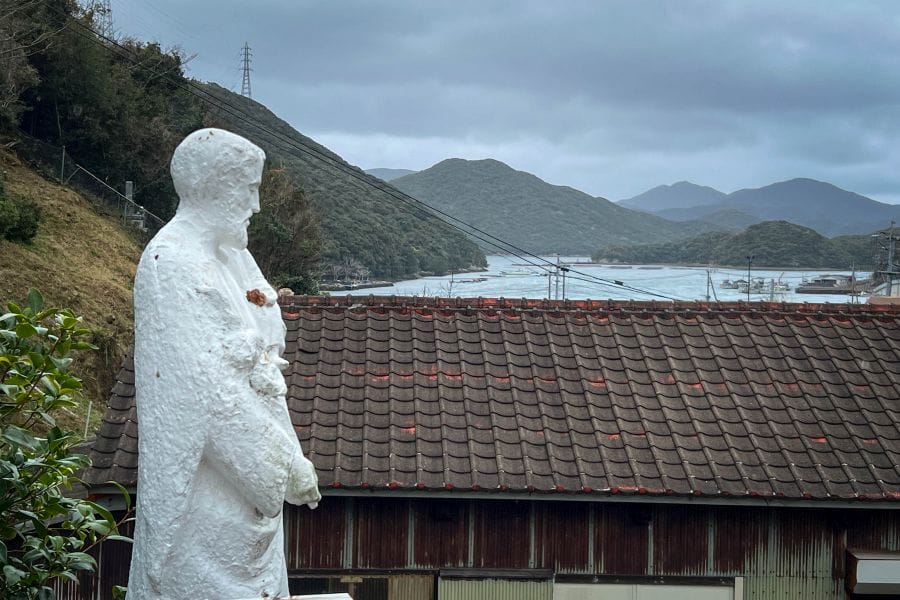
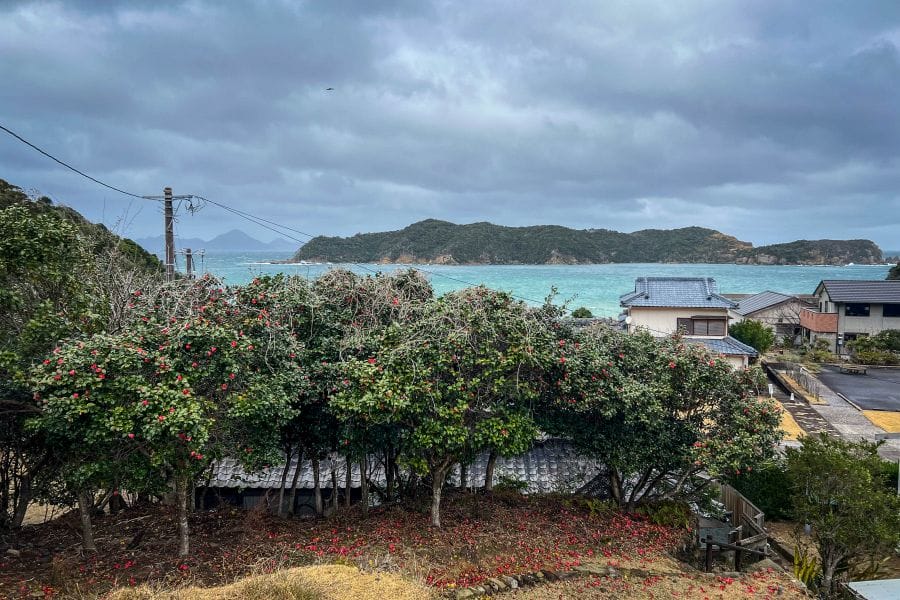
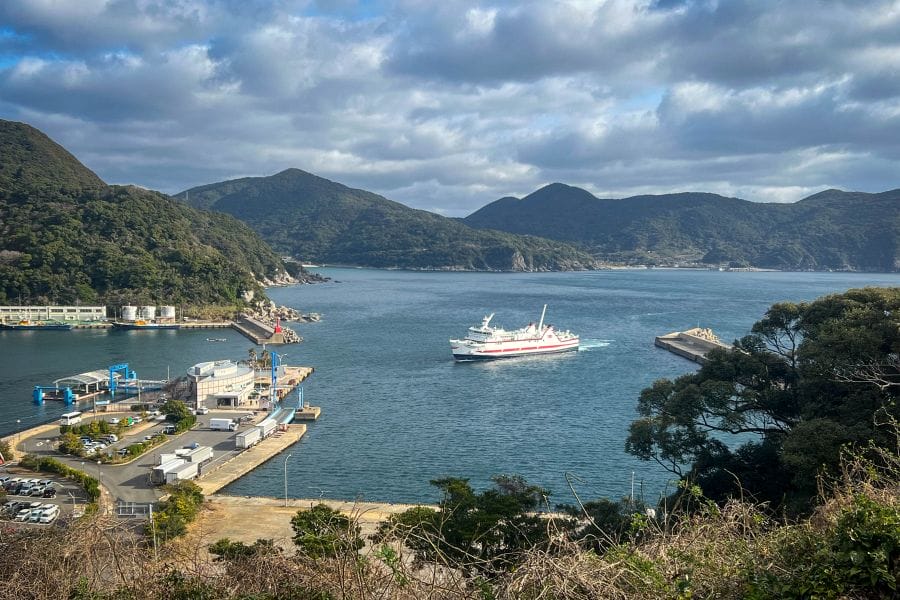
The Gotō Islands form an archipelago of five main islands and over 140 smaller islets off the western coast of Kyūshū. The islands fall within Nagasaki Prefecture. The chain, stretching approximately 80 kilometres, has a rugged, deeply indented coastline known as a rias coast. Volcanic activity shaped the landscape, resulting in steep, forested mountains that drop sharply into the East China Sea. On the largest island, Fukue, the conical cinder cone of Mount Onidake provides a smooth, grass-covered contrast to the jagged sea cliffs at Ōzaki. The architecture across the islands is a blend of traditional Japanese wooden farmhouses and unexpectedly numerous brick and stone churches, often positioned in isolated coves or high on hillsides overlooking the water.
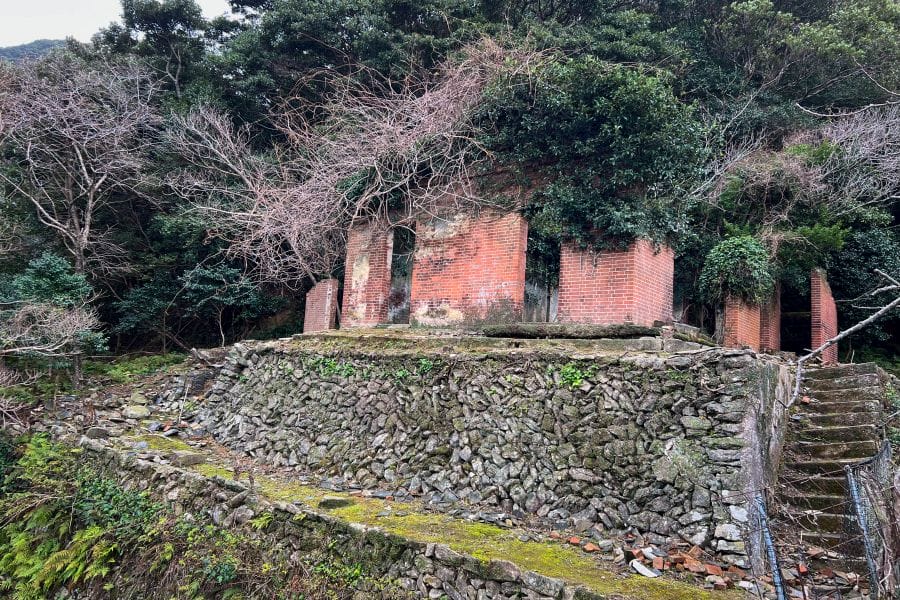
During the sixteenth and seventeenth centuries, these islands served as a primary base for the wakō, or pirate traders, who operated between Japan and the Ming dynasty. Wang Zhi, a notorious Chinese merchant and pirate lord, established a significant presence here, using the secluded bays to evade imperial authorities. This history of maritime lawlessness made the islands a logical refuge for the Hidden Christians fleeing persecution during the Edo period. They settled in remote areas such as Hisaka and Naru Islands, where they maintained their faith in secret for over two centuries. Many of their former villages, like the one at Nozaki Island, are now uninhabited, leaving behind well-preserved stone walls and structures that reflect their isolation and the harshness of the terrain they farmed.
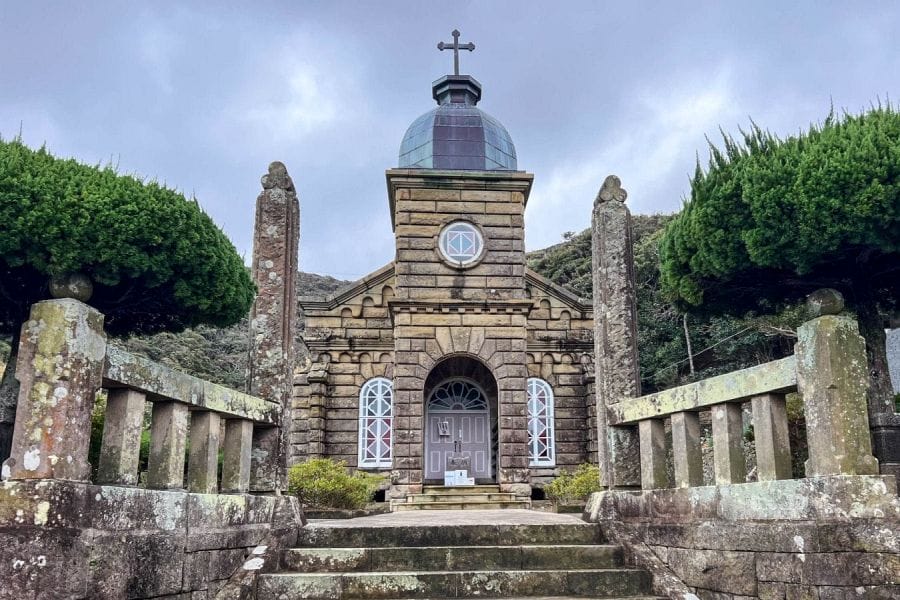
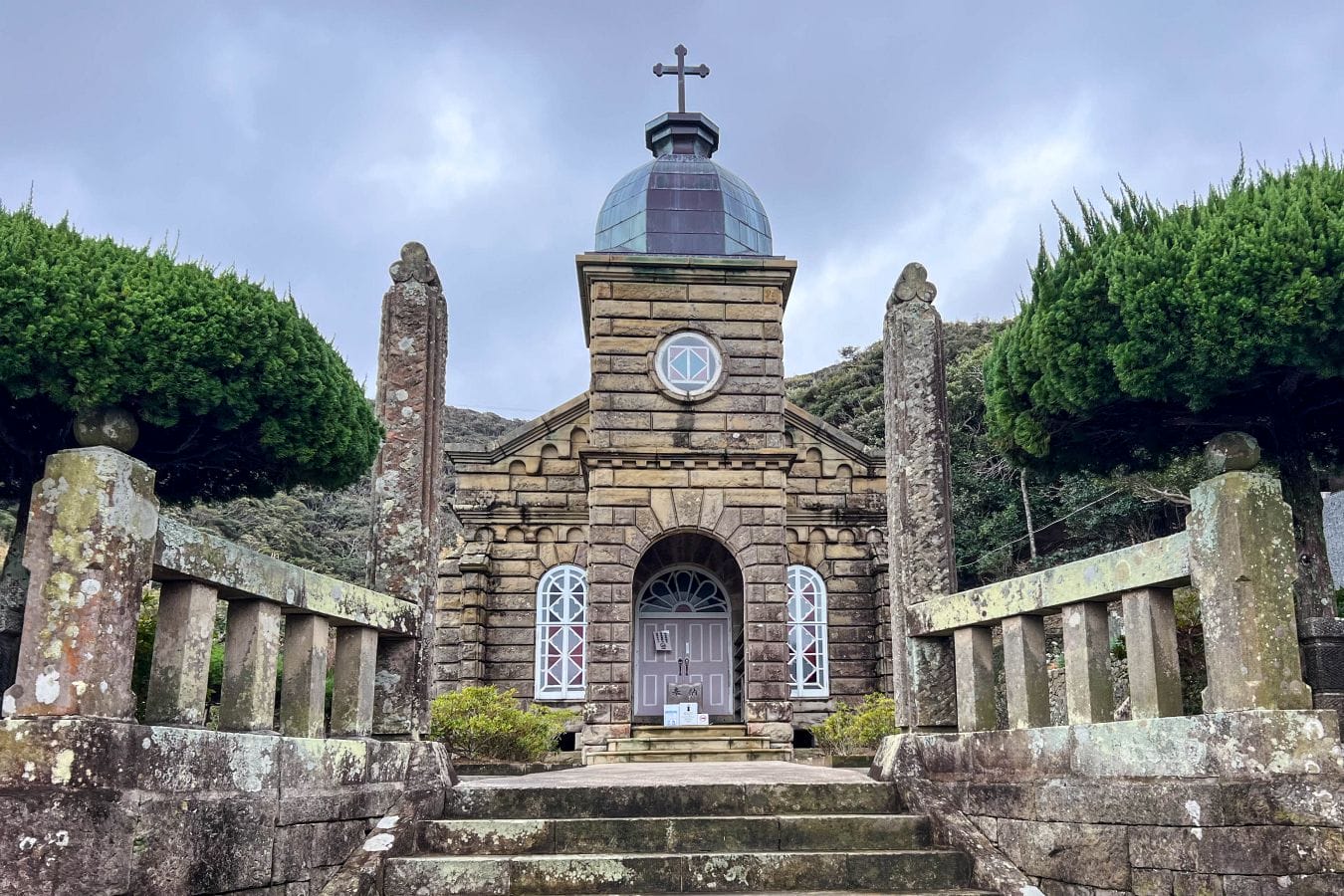
The religious architecture of the islands reflects a unique fusion of styles born after the ban on Christianity was lifted in 1873. Tetsukawa Yōsuke, a local carpenter who was himself Buddhist, designed many of the most famous structures, including the red-brick Dōzaki Church and the wooden Kashiragasaki Church. These buildings aren’t merely copies of Western designs. They incorporate Japanese joinery techniques and local materials. For instance, at Kashiragasaki, the exterior is built from heavy blocks of local sandstone, a choice made because the community couldn’t afford imported bricks. Inside these churches, you’ll often see ribbed vaulting and stained glass, but the floor plans and structural skeletons frequently rely on traditional Japanese temple-building techniques to withstand the seasonal typhoons. The Geihinkan Museum in Arikawa Port has a mock-up showing the Western exterior concealing a Japanese interior.
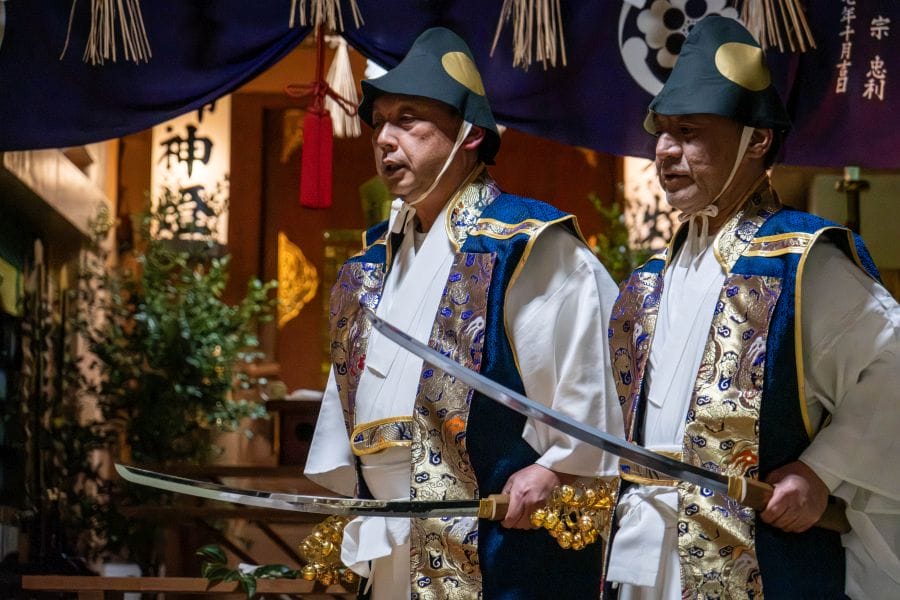
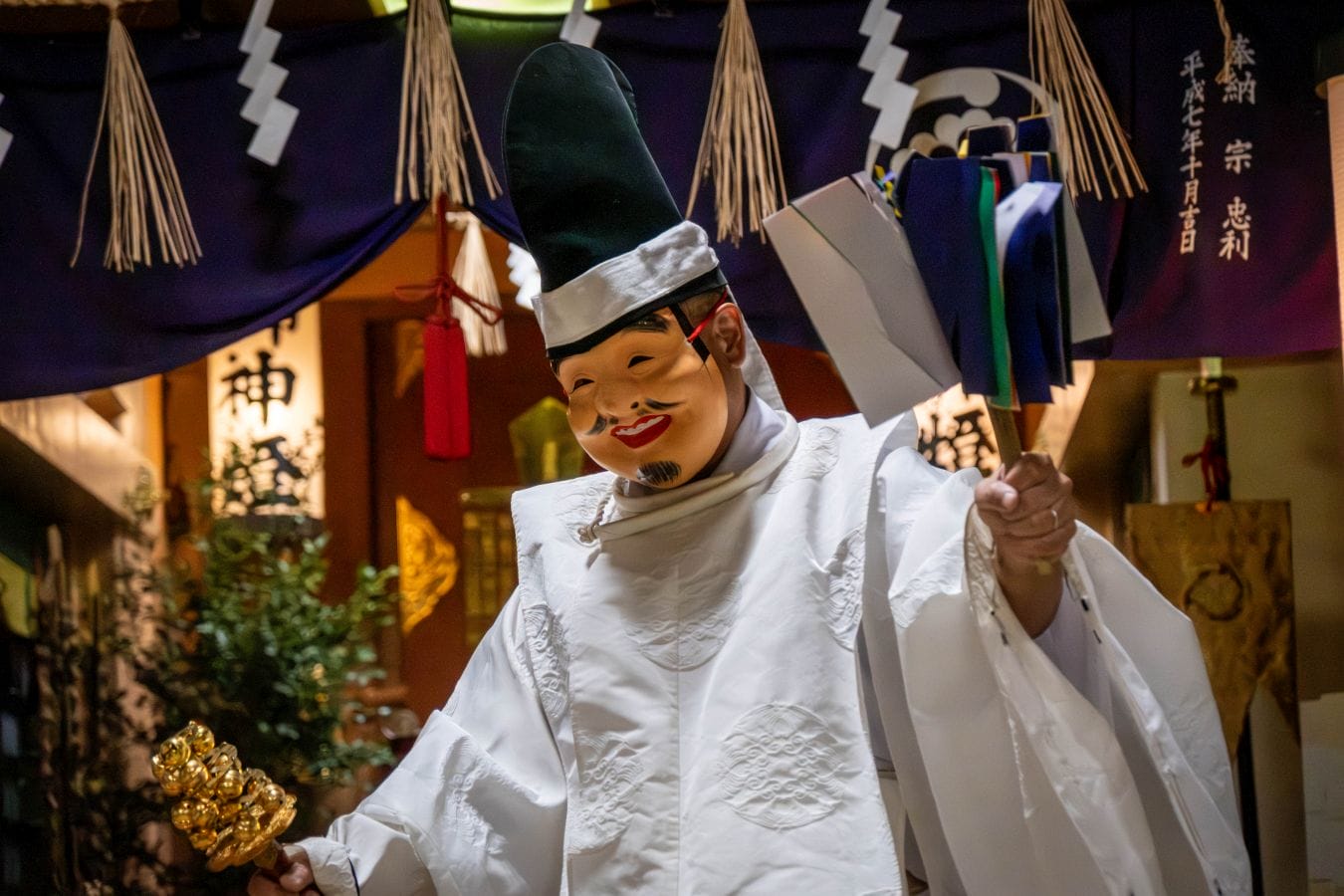
Not everybody in Gotō is Christian, and Shintō is actively practiced. The shrine Kagura dances at Arikawa Shrine feature a range of fascinating characters who interact dynamically with each other and the audience.
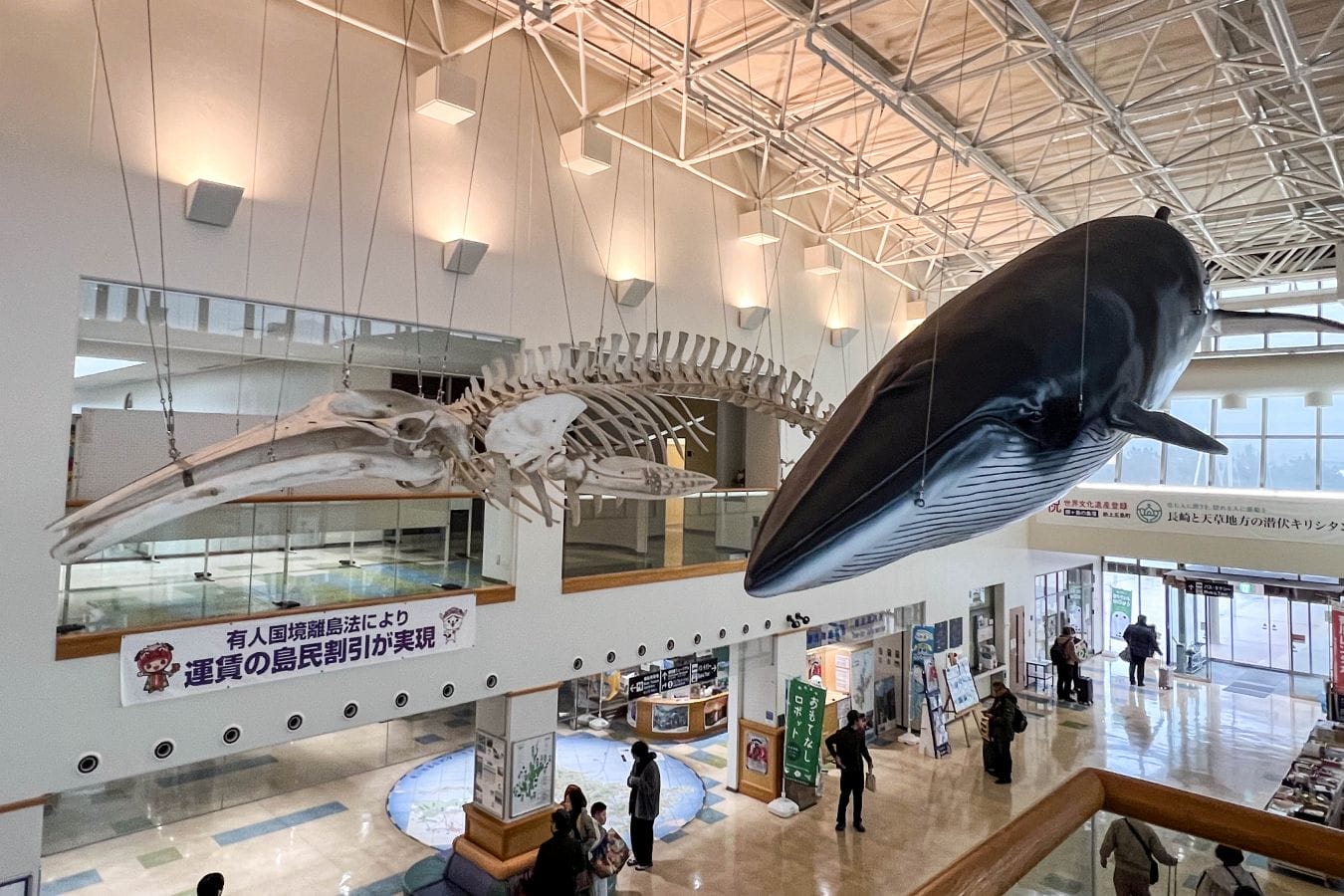
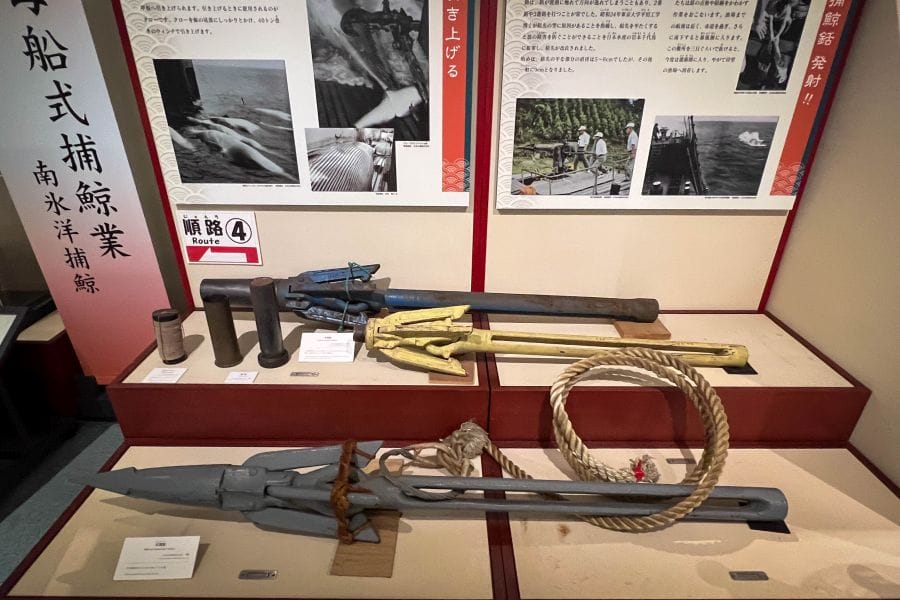
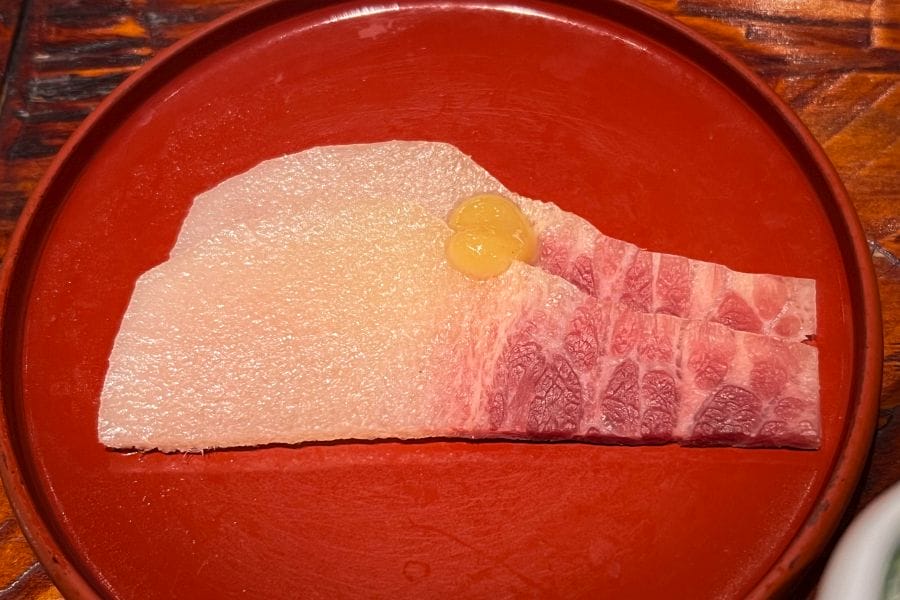
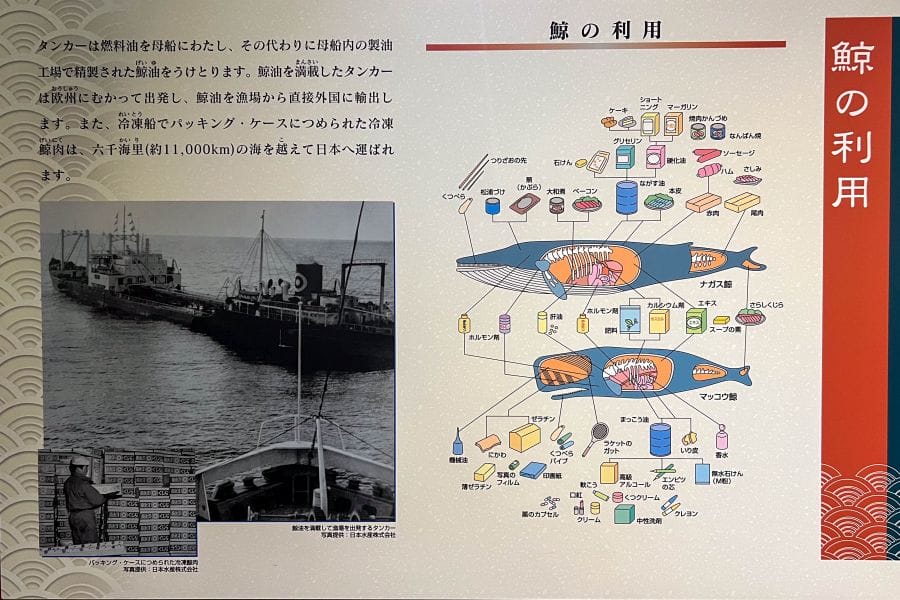
The islands also supported a massive whaling industry from the early Edo period, specifically in the waters surrounding Arikawa and the northern islands. Unlike the deep-sea whaling of later eras, this was a shore-based operation where teams of lookouts stationed on headlands would signal the approach of whales to fleets of fast rowing boats. The Gotō whalers pioneered the use of massive nets to entangle the animals before harpooning them, a technique that required hundreds of coordinated workers. This heritage is still visible in the shrines dedicated to the spirits of the whales. At Kaidō Shrine near the Arikawa ferry terminal, the massive, weathered jawbones of a fin whale supplement the torii gate. The wealth generated from whaling actually funded many aspects of island infrastructure. The Geihinkan Museum provides extensive documentation of the industry. You may find ‘whale bacon’ or other cuts of whale served as a matter of course in hotels and restaurants on the islands.
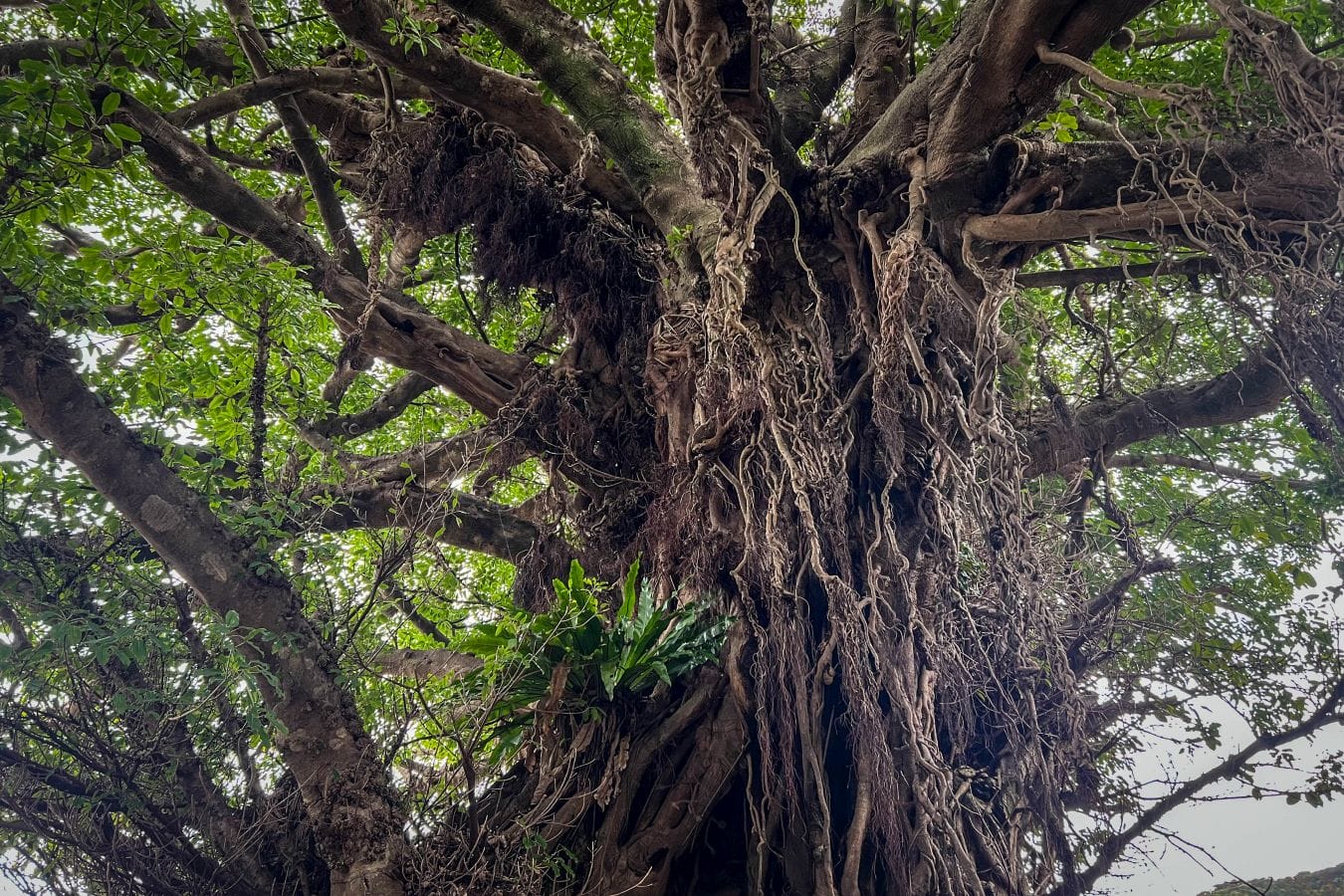
On Naru Island, the Naru Akō tree stands as a biological landmark of the archipelago’s subtropical climate. This massive fig tree, estimated to be over 600 years old, has grown around and through a traditional stone gate, its aerial roots having fused into a solid, trunk-like mass that spans several metres. The tree’s sprawling canopy and aggressive root system demonstrate the way local flora thrives in the humid, salt-rich air. This environment also supports the islands’ primary agricultural exports, cattle and camellia oil. The rugged terrain and salty winds make the hillsides ideal for raising Gotō Wagyu, and calves raised on the islands’ mineral-rich grasses are often sold to other regions to be finished as high-end brands like Matsusaka beef. Large groves of camellia trees produce a significant portion of Japan’s camellia oil used in cosmetics and cooking, and locally produced soap using the oil makes a practical, long-lasting souvenir.
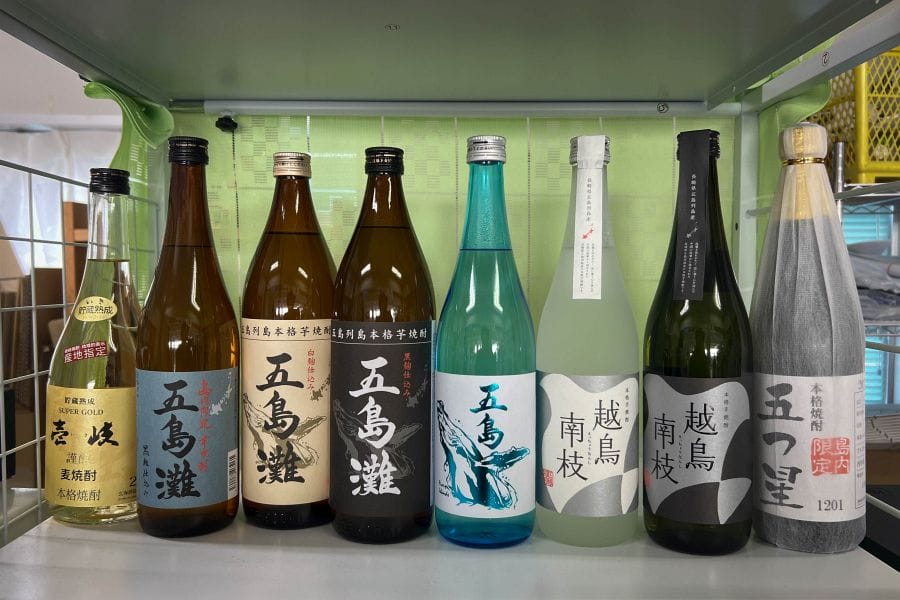
While cattle and camellias dominate the economy, the cultivation of sweet potatoes, or kankoro, remains culturally vital. Because rice cultivation was difficult in the thin volcanic soil, islanders relied on these hardy tubers for survival. Today, they’re distilled into shōchū or used to make kankoro-mochi, a traditional dried potato and rice cake. The local distilleries play a key role in preserving these traditional sweet potato varieties.
Ferries sail from Sasebo, Nagasaki, and Fukuoka. There are also flights to Fukue Airport from Fukuoka and Nagasaki. However, due to the sometimes stormy nature of the island environment, you may find yourself spending an unscheduled extra night or two on Gotō, so be sure to build some flexibility into your itinerary.
Information
Name in Japanese: 五島列島
Pronunciation: go-toh ret-toh
Address: Gotō Islands, Komoribuchi-chō, Gotō, Nagasaki 853-0041