Summer Fireworks in Japan
In many parts of rural Japan, summer fireworks festivals are among the biggest events of the year.
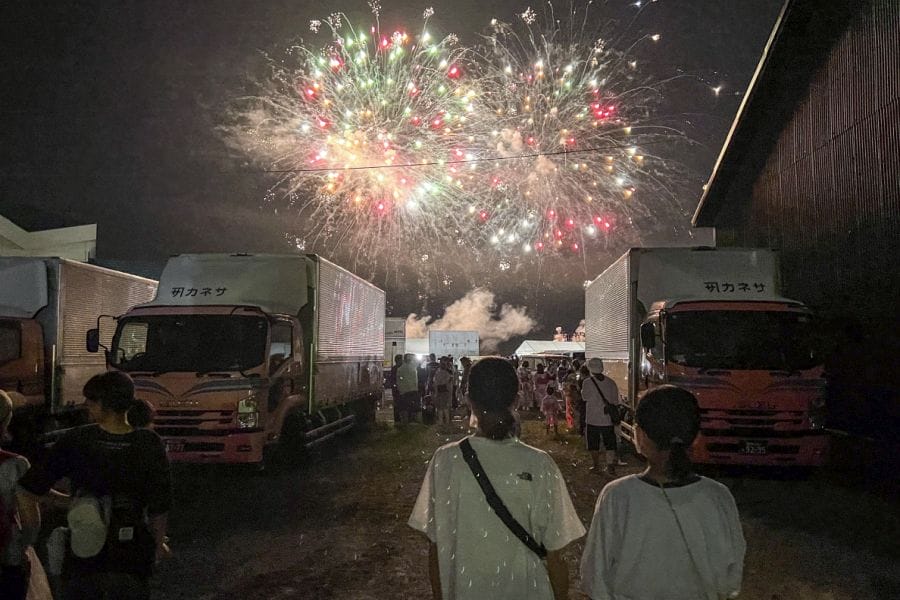
In many parts of rural Japan, summer fireworks festivals are among the biggest events of the year. They’re usually held in July and August, often during Obon season, and draw together people from surrounding towns and villages. Unlike large urban fireworks shows, rural festivals tend to combine the fireworks with local traditions, temporary food markets, small fairs, and neighbourhood gatherings.
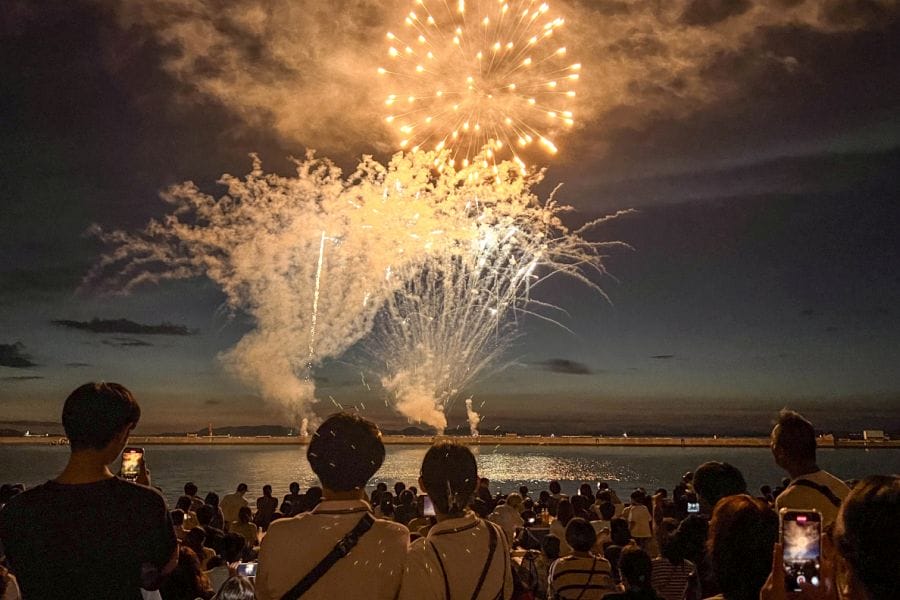
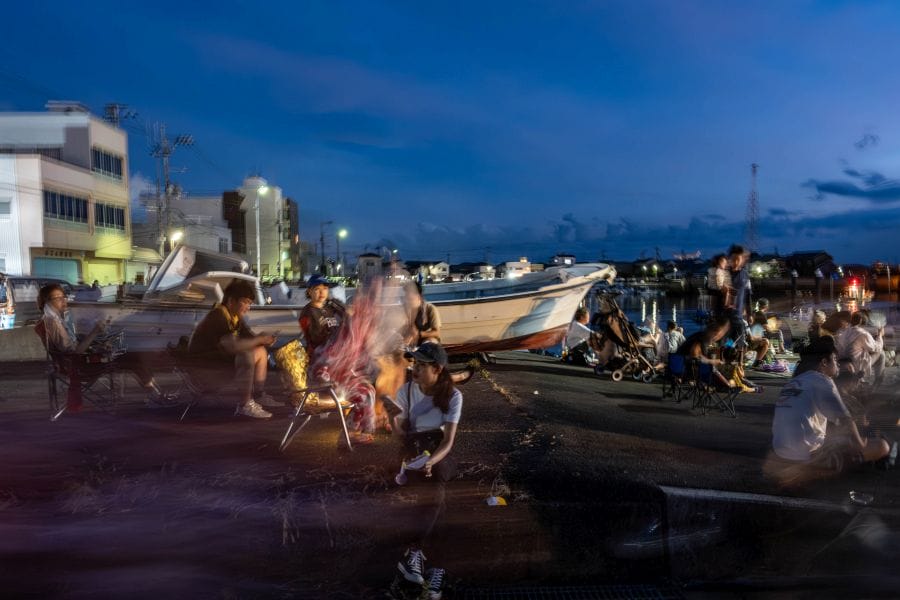
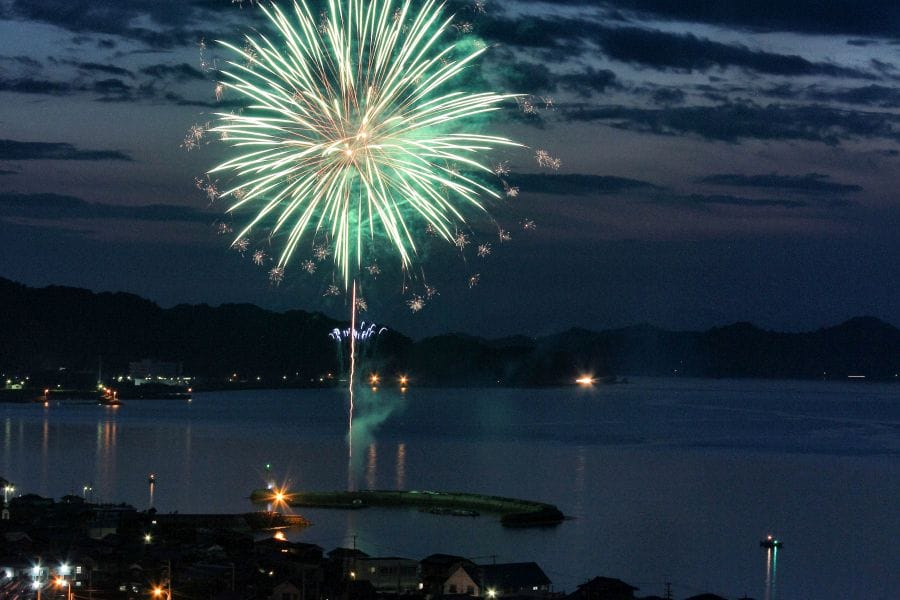
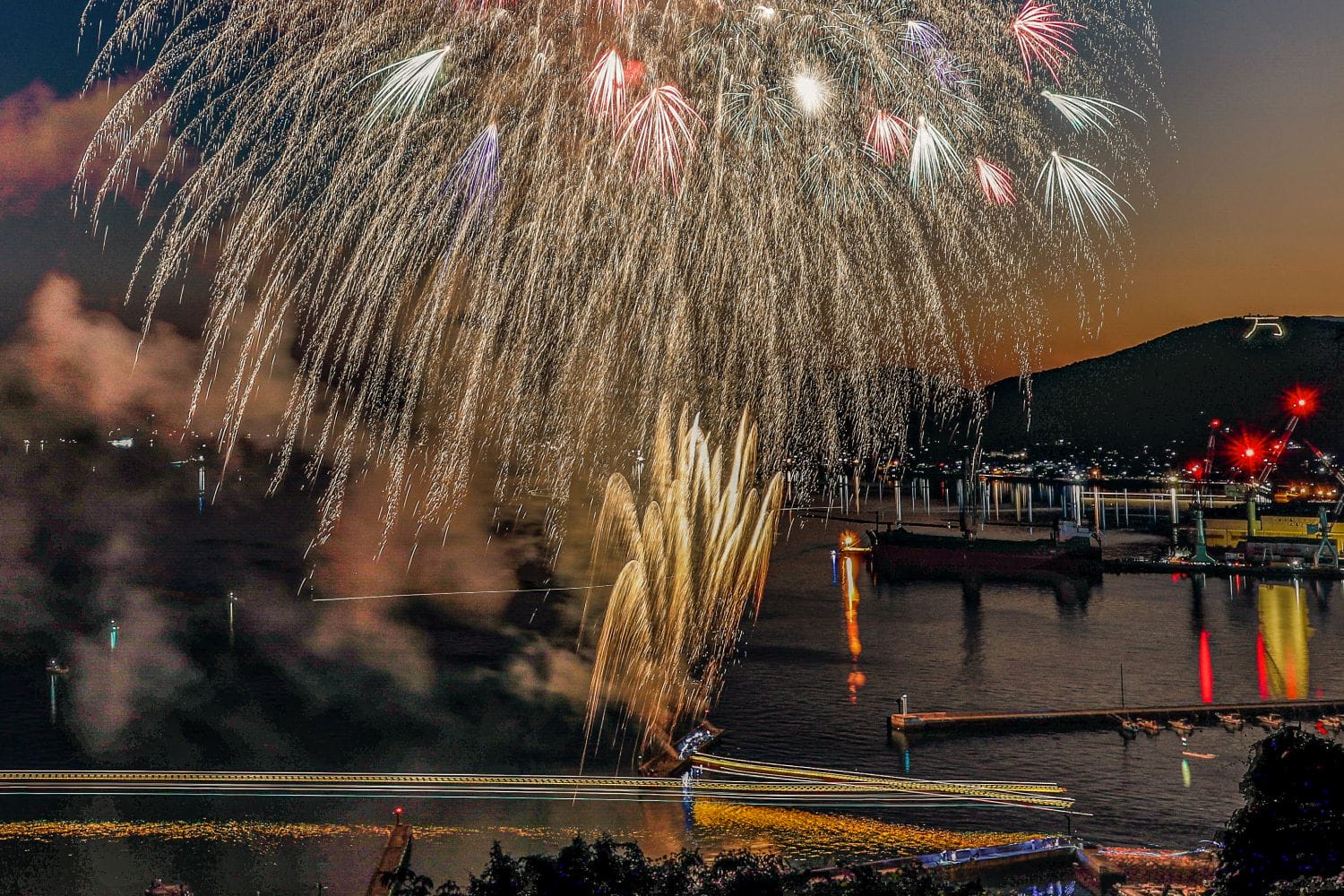
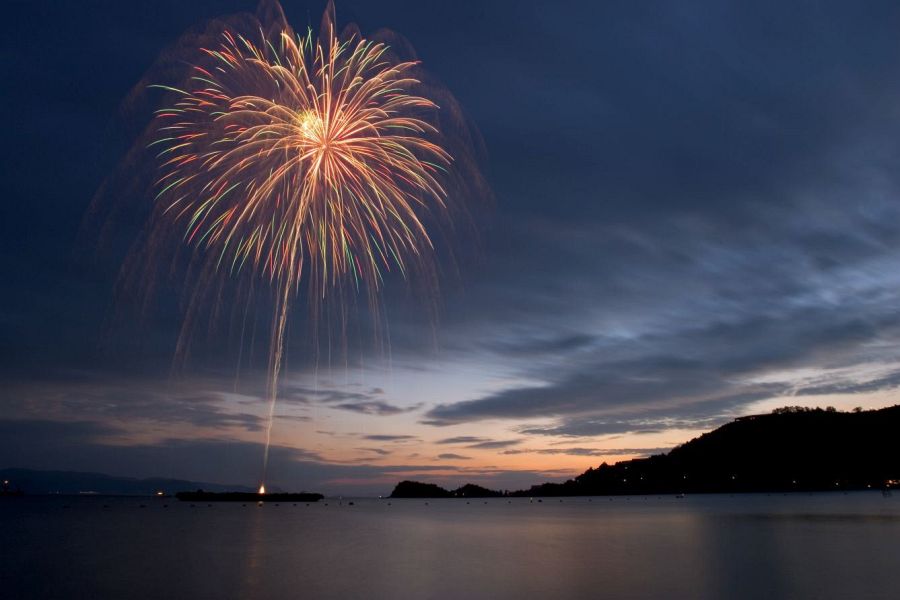
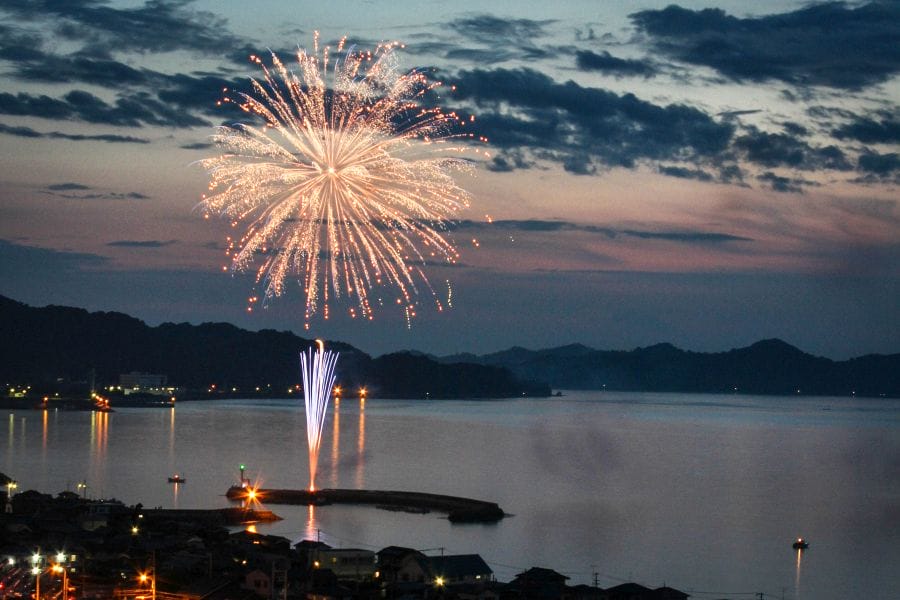
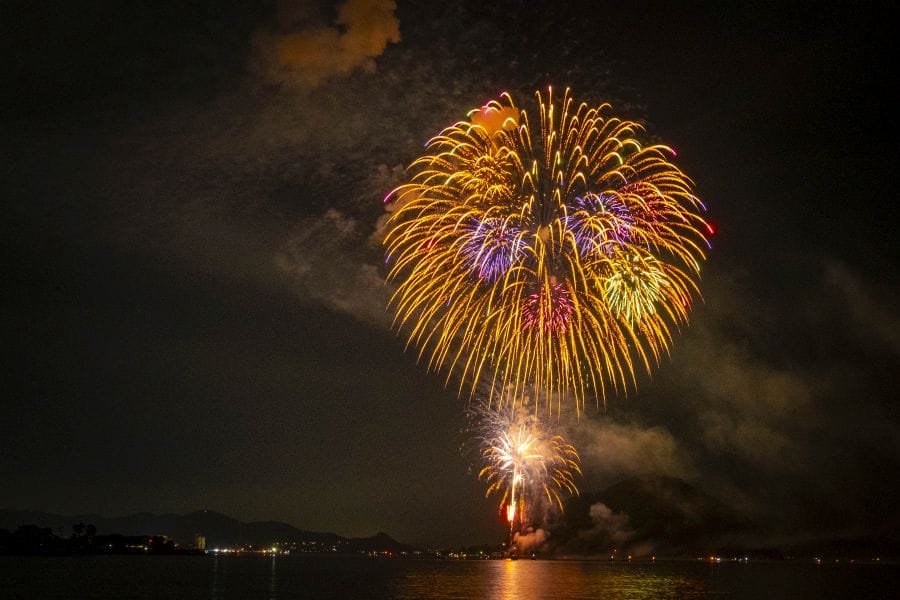
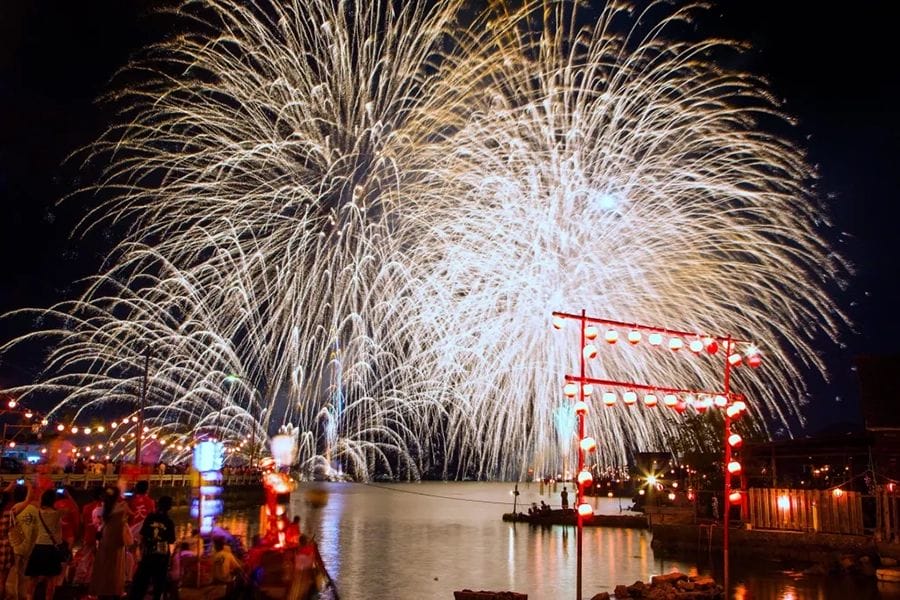
Many fireworks festivals are held near water. Rivers provide long, open viewing corridors and reduce the risk of fire in densely built areas. Lakes and reservoirs are also common venues, especially in mountain regions where there may not be enough flat land elsewhere. Along the Seto Inland Sea and other coastal regions, fireworks are frequently launched from barges or breakwaters offshore. In fishing towns, it’s often possible to hire a small fishing boat to watch the display from the water. These boats are normally operated by local fishermen rather than tourist companies, and the experience can range from a basic open-deck work boat to a more comfortable sightseeing charter. Watching from offshore avoids the crowds and gives an uninterrupted view of the reflections on the water.
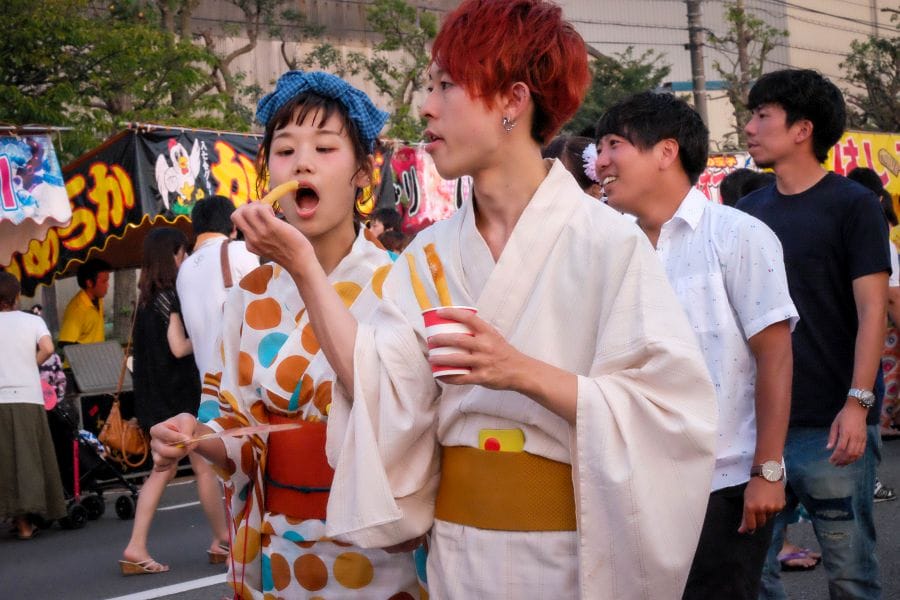
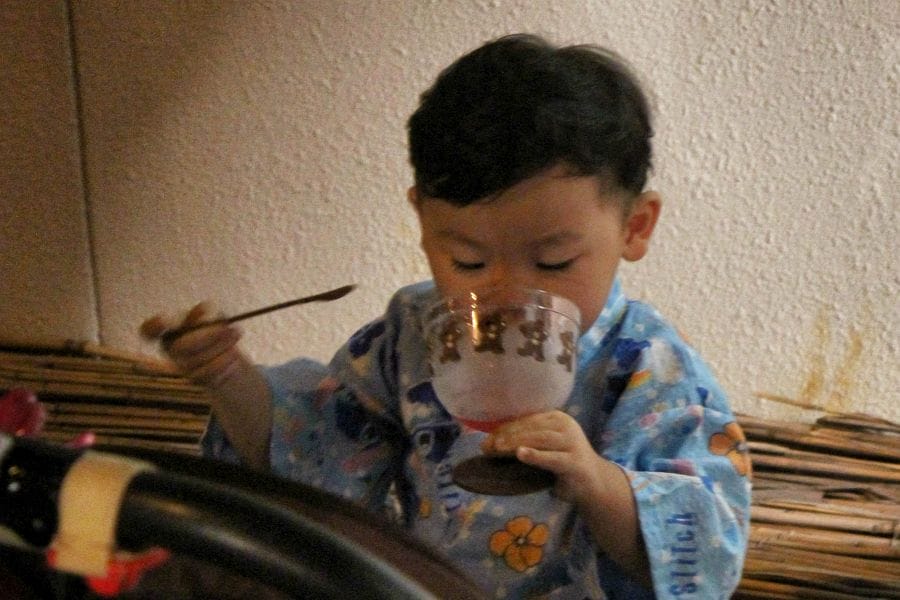
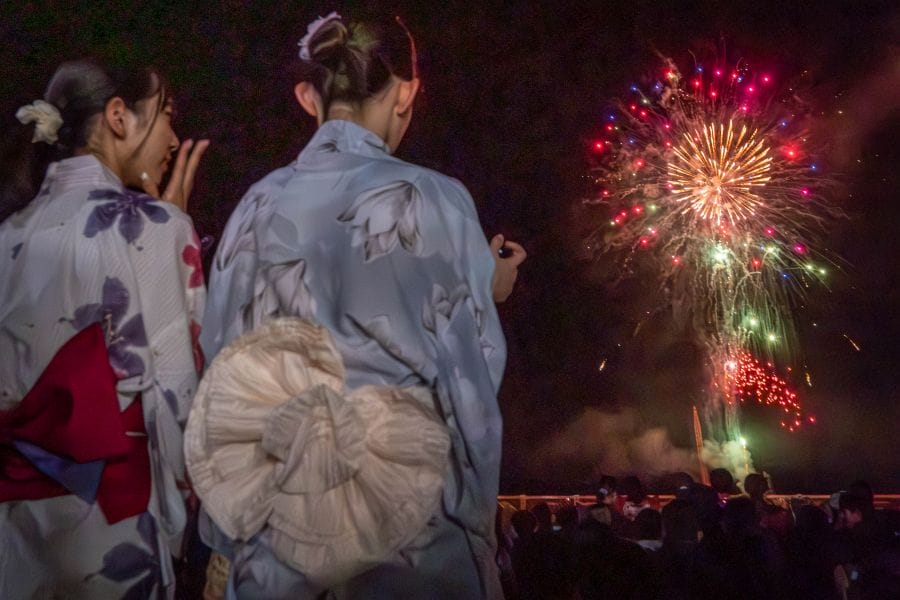
Many people attend wearing yukata, the lightweight cotton summer kimono. Young couples and groups of friends in yukata are especially common, and festivals are one of the few occasions when large numbers of younger people wear traditional clothing voluntarily. In rural areas, families often arrive early carrying folding chairs, picnic sheets, and cool boxes, claiming a place along the riverbank hours before the fireworks begin.
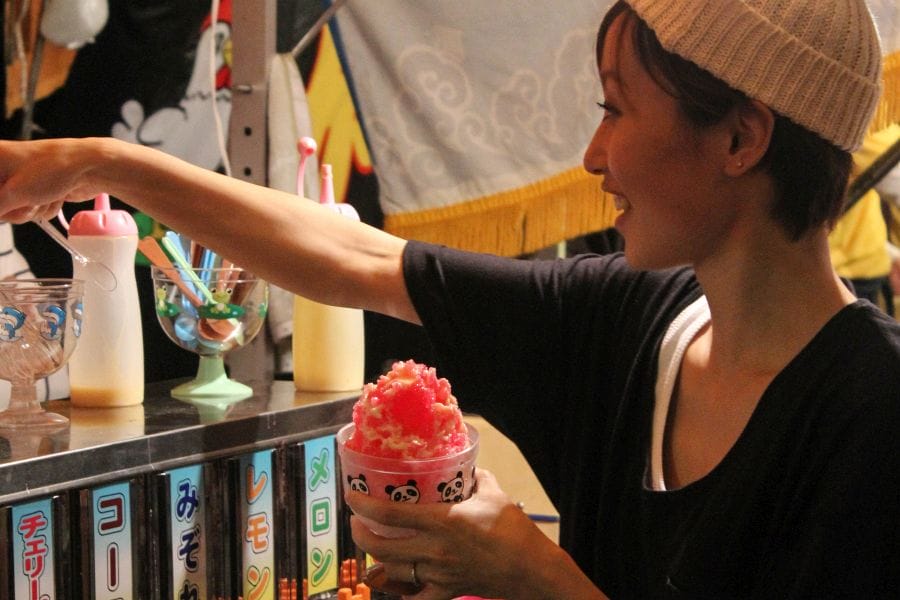
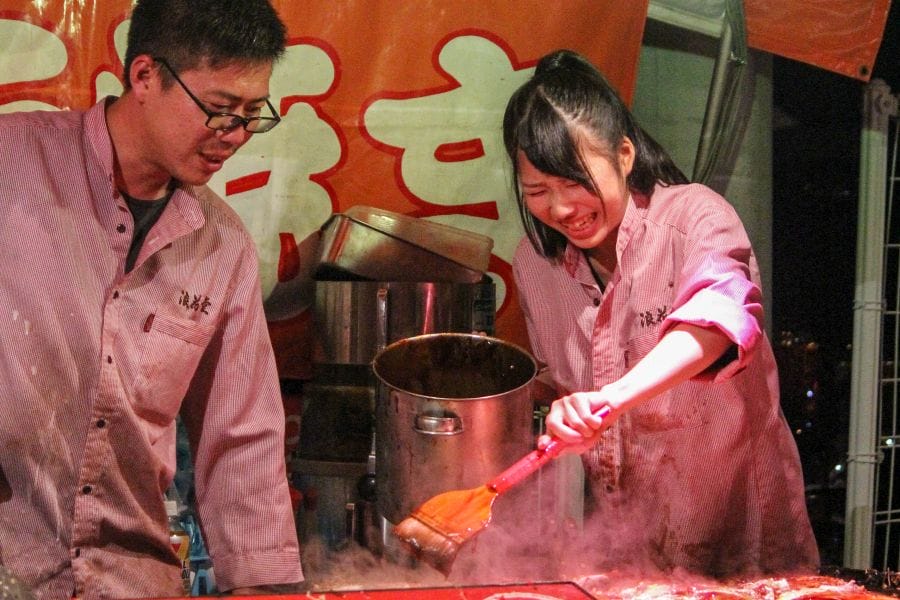
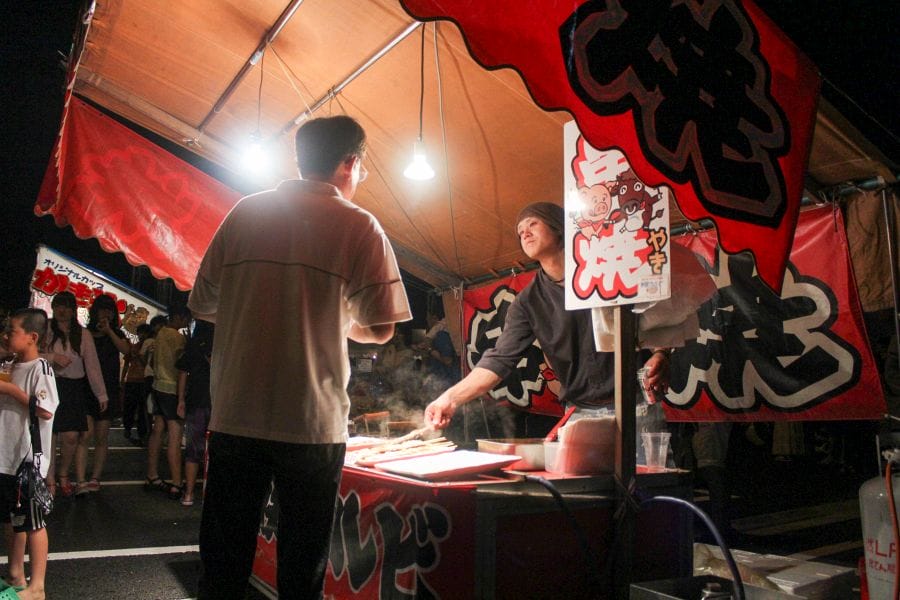
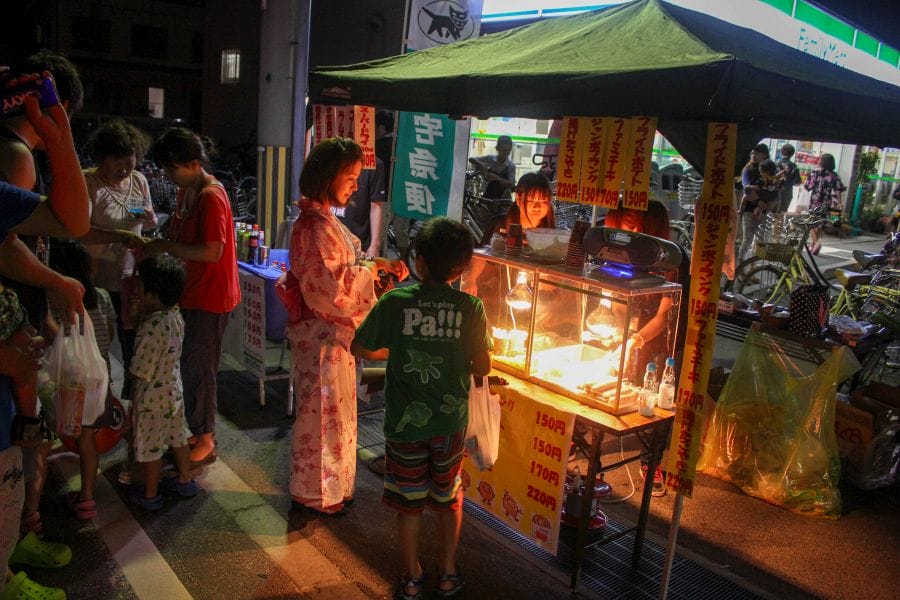
The approach roads to the festival grounds are usually lined with temporary stalls known as yatai. Some are run by travelling vendors who move from festival to festival throughout the summer, while others are operated by local community groups, schools, or sports clubs raising funds. The food is largely standard festival fare: yakisoba noodles cooked on large steel plates, grilled squid, karaage fried chicken, takoyaki octopus balls, okonomiyaki, shaved ice with flavoured syrups, chocolate bananas, candied fruit, and grilled corn coated in soy sauce. Regional specialities often appear as well. In coastal areas there may be oysters, shellfish, or local fish grilled over charcoal.
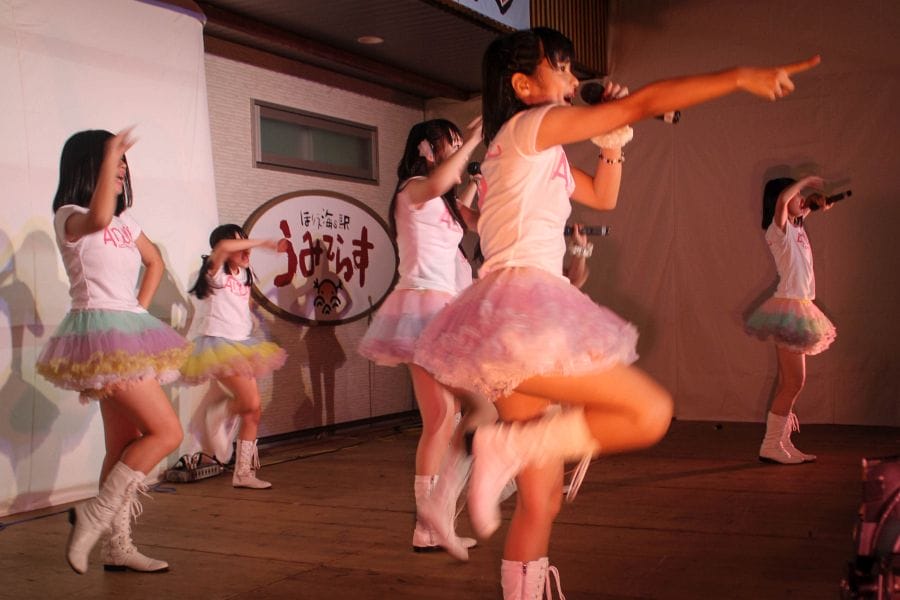
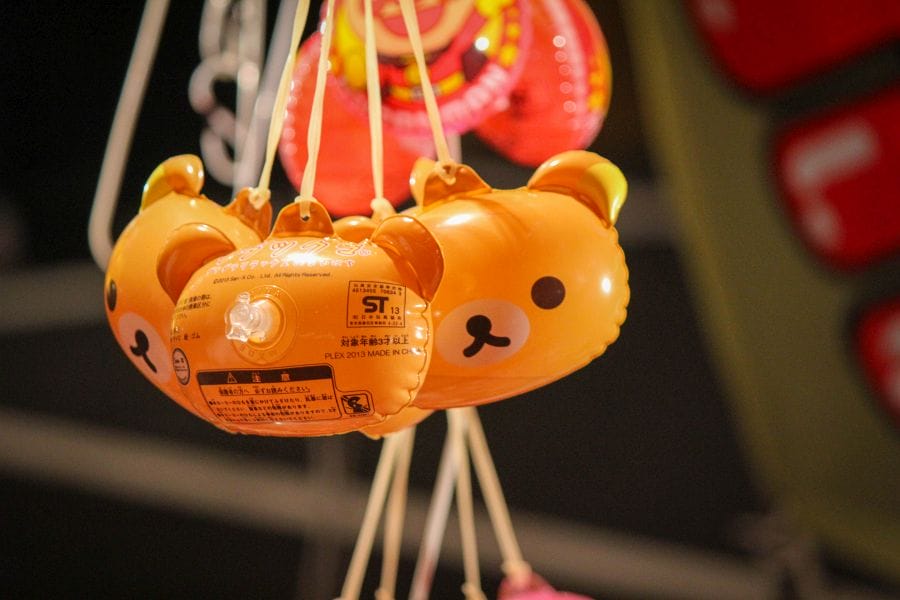
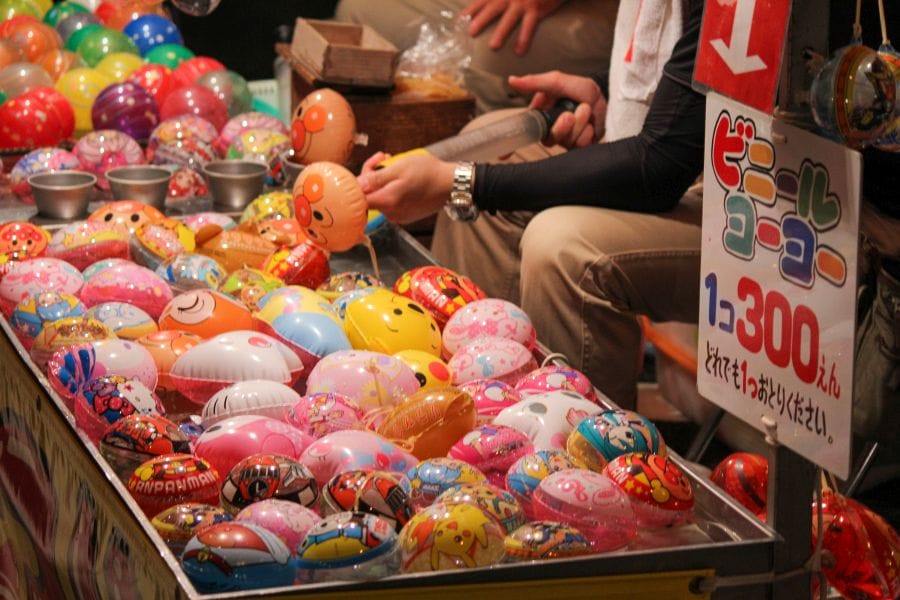
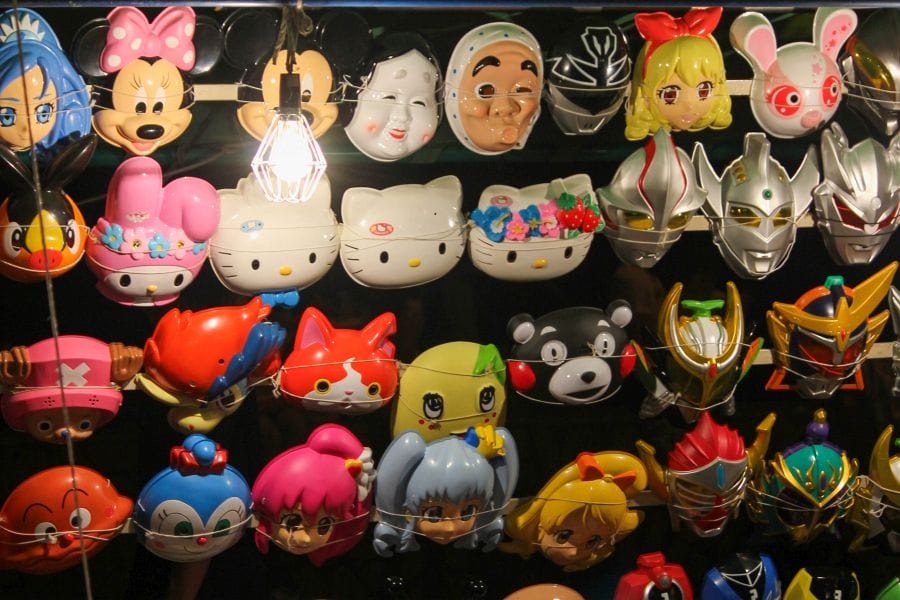
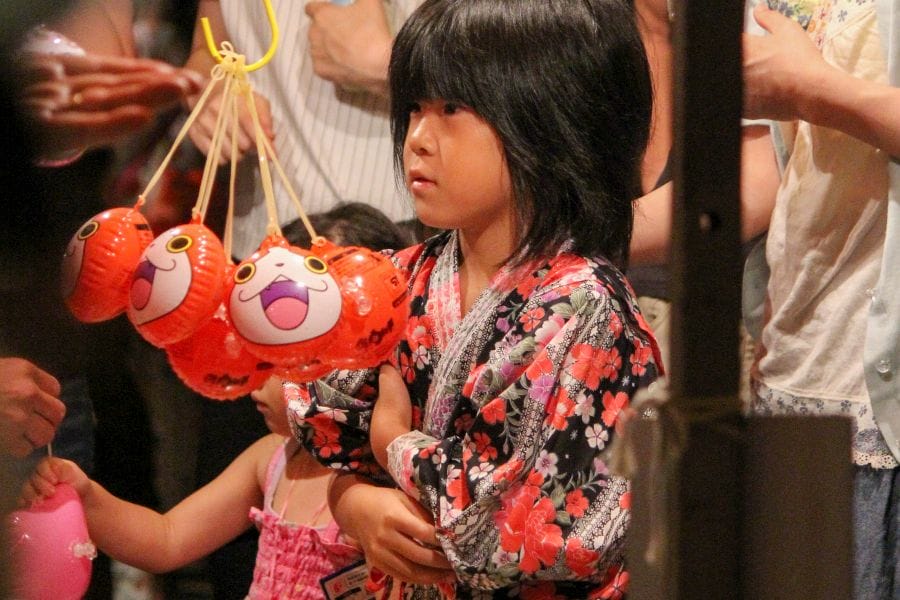
Children’s games are another major part of the atmosphere. Goldfish scooping is common, where children try to catch live goldfish using fragile paper scoops that dissolve in water. Other stalls offer cork-gun shooting games, lottery draws, ring toss, yo-yo balloon fishing, masks of anime characters, glow sticks, plastic swords, and cheap battery-powered toys. If you’re lucky, you may be able to snag yourself an inflatable plastic turd with a friendly expression. Even small rural festivals often have a temporary fairground atmosphere for one evening.
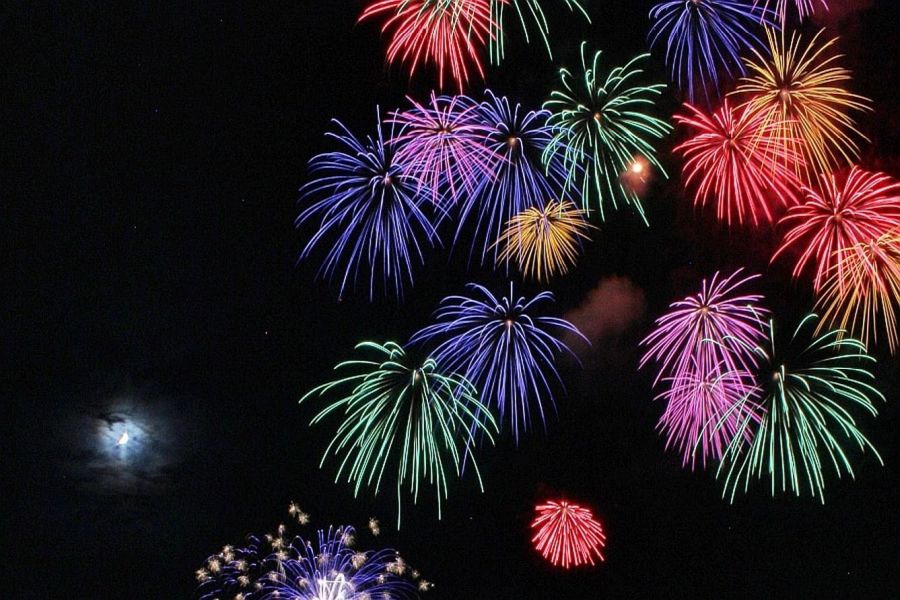
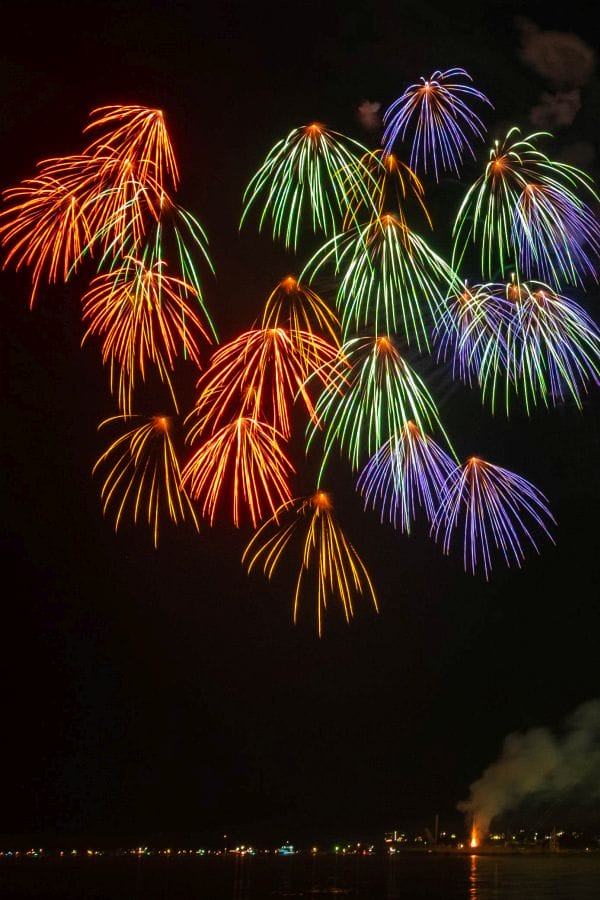
Japanese fireworks themselves differ noticeably from many Western displays. Competitive pyrotechnics developed during the Edo period, and specialist fireworks makers still operate family businesses that have existed for generations. One distinctive type is the large spherical shell that opens into an almost perfectly symmetrical chrysanthemum shape. Some displays feature cascading “willow” fireworks with long trailing sparks that hang in the air, while others use rapidly exploding “star mines” fired in coordinated sequences from multiple launch points. Character-shaped fireworks, colour-changing shells, and layered explosions are also common. Our favourite is the multi-coloured fans that appear sequentially to fill the sky with perfectly symmetrical shapes, in an amazing display of pyrotechnical engineering and art.
Not all fireworks are large aerial displays. Handheld fireworks are an important part of summer in Japan, especially for families and children. Packs sold in supermarkets and convenience stores contain small fountains, sparklers, spinning fireworks, and smoke-producing varieties. The best known is probably senkō hanabi, a delicate traditional sparkler consisting of a tiny glowing ball at the tip of twisted paper. It burns quietly and unpredictably, with fine branching sparks that resemble tiny flowers or falling stars. People often compete to see whose senkō hanabi lasts the longest before the ember drops. Like the world of haiku poetry, playing with senkō hanabi brings your complete focus onto a very small but lovely point, creating an intimate space.
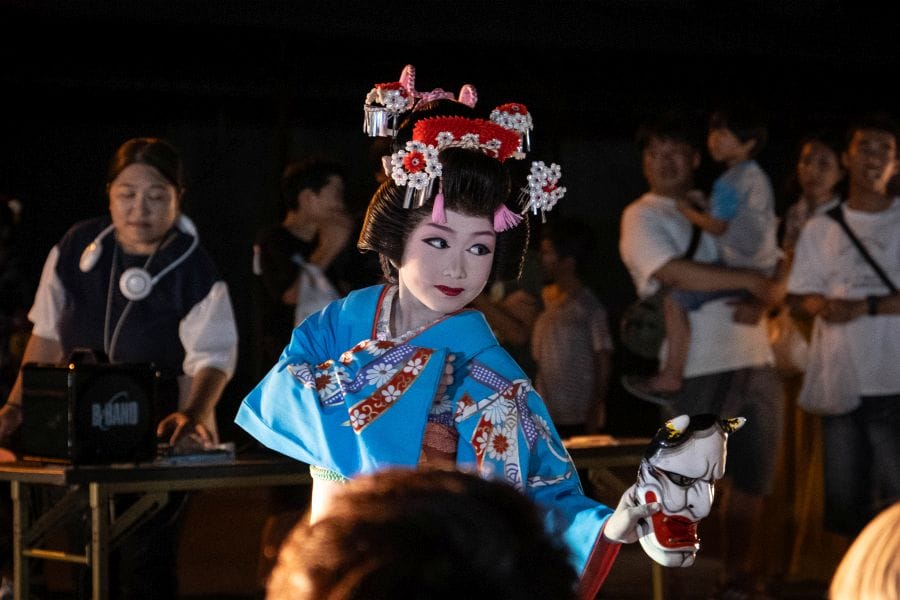
Another characteristic of rural fireworks festivals is how closely they are tied to local identity. Many are connected to shrine festivals, memorial ceremonies, harvest prayers, or maritime traditions. Announcements between fireworks may include the names of local businesses or families who sponsored individual shells. In smaller towns, people often know many of the attendees personally, and school reunions or family gatherings are arranged around the event. Trains may be crowded for a few hours, but once the fireworks end, the town quickly returns to normal.
For travellers, rural fireworks festivals can be difficult to access without local knowledge, since many are held in places with limited accommodation and infrequent public transport. However, they are also among the most direct ways to experience everyday summer culture in Japan outside the major cities.
Exclusive Setouchi Fireworks Tours
Japan Adventurer is offering four exclusive Setouchi Fireworks Tours on July 25, July 29, August 13, and August 14. After visiting one the lovely seaside towns of Setouchi, you board a fishing boat to enjoy one of the region’s firework festivals from the sea with snacks and local sake. Dinner is included. Check out the tour page for more information.