Yamato Museum Reopens
The Yamato Museum tells the story of Kure with the world’s biggest battleship as the main character.
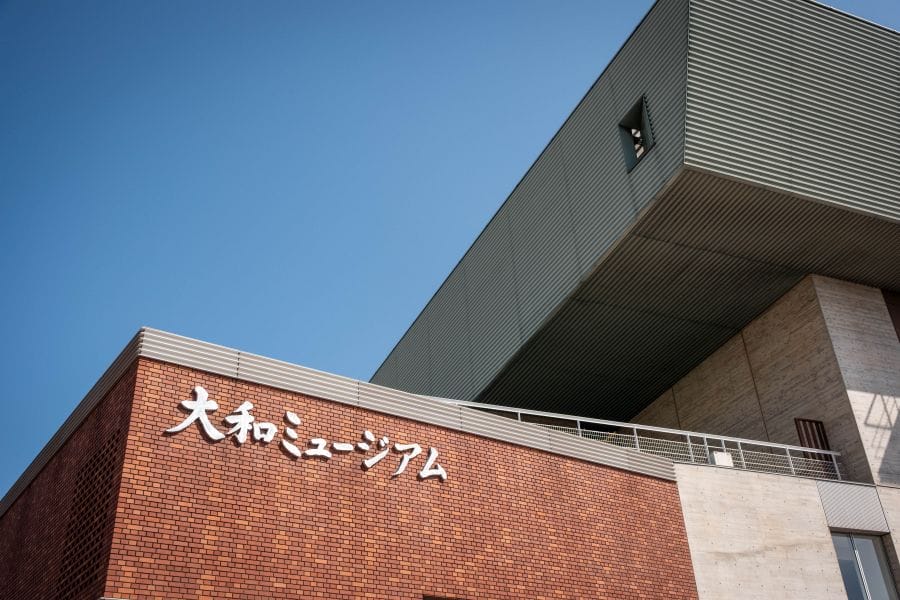
In April 2026, the Yamato Museum once again opened its doors in the former naval city of Kure after a major renovation and expansion project. Officially known as the Kure Maritime Museum, it’s one of Japan’s most important museums for understanding the country’s naval history, wartime industrialisation, and the technological ambitions that culminated in the battleship Yamato.
Unlike many war museums that focus primarily on military campaigns or political narratives, the Yamato Museum approaches the Pacific War through the lens of engineering, shipbuilding, technology, and the people who built and operated Japan’s wartime fleet. That perspective makes it fundamentally different from the museums in Hiroshima city itself, and an essential companion to any serious WWII-related visit to western Japan.
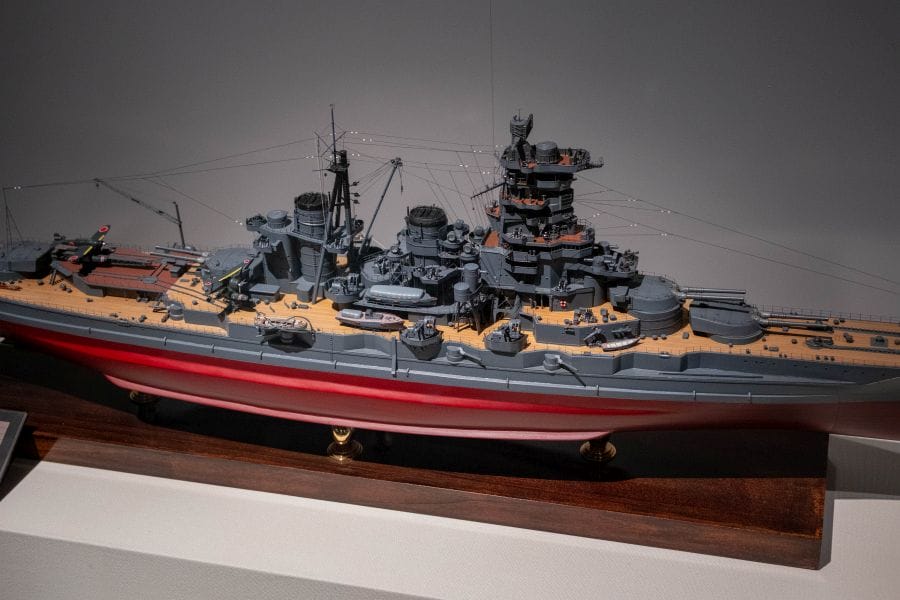
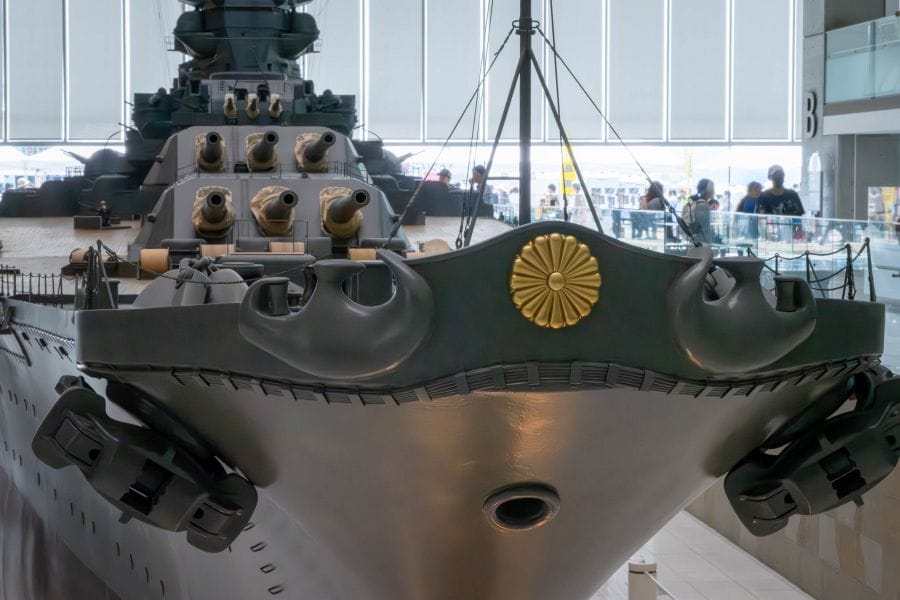
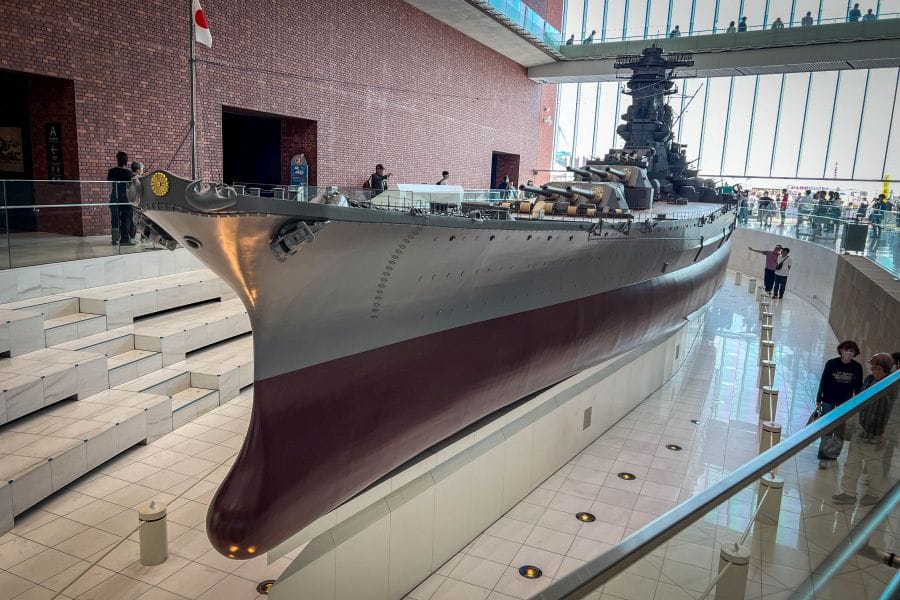
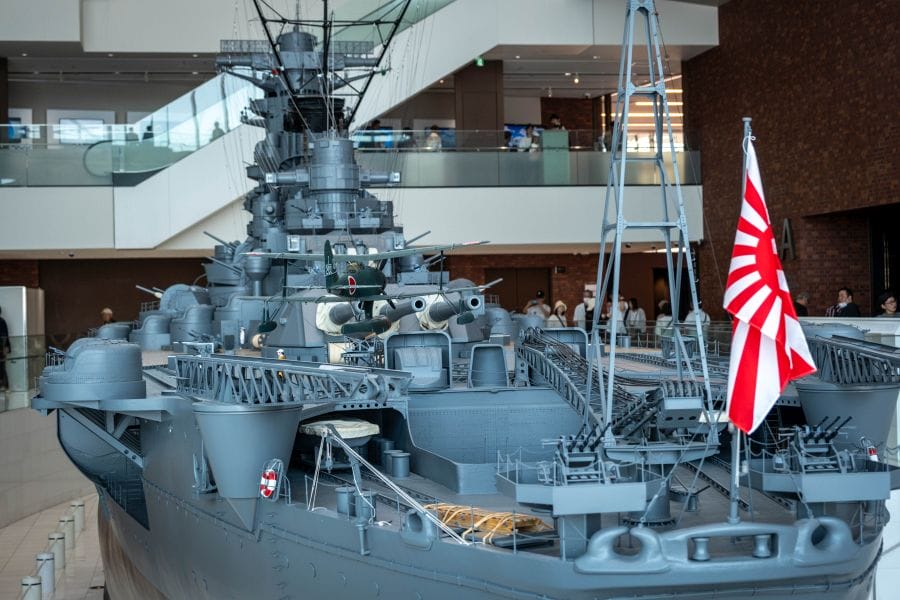
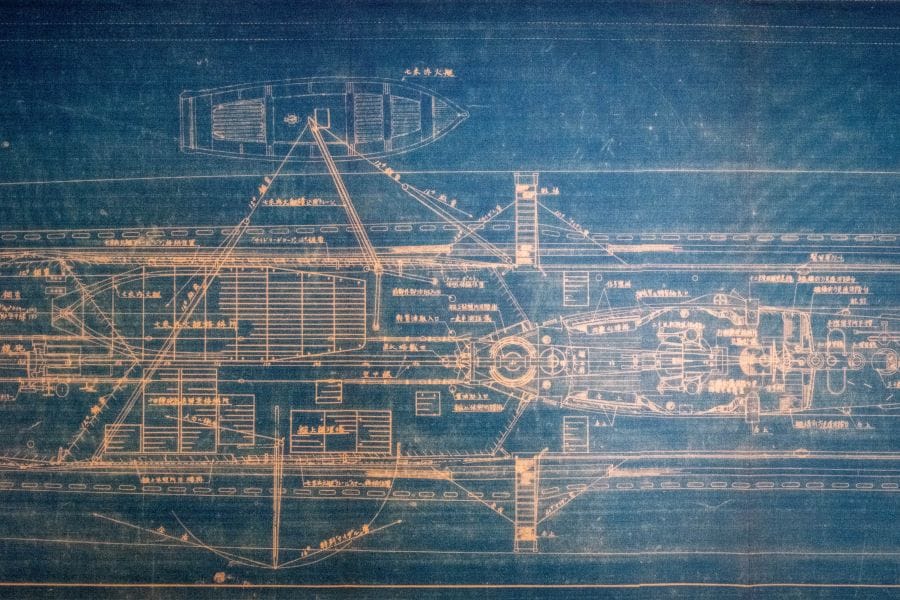
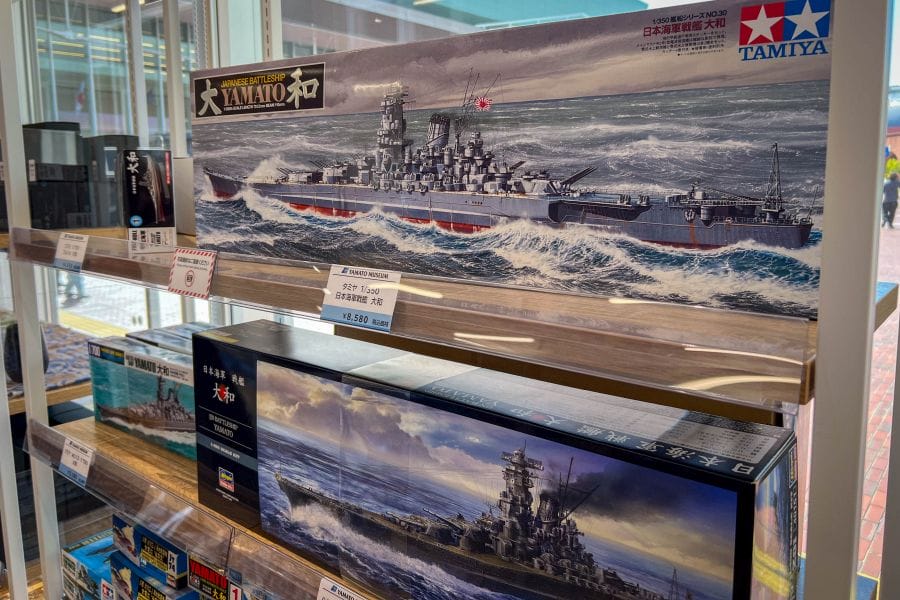
The centrepiece of the museum remains the enormous 1/10-scale model of the battleship Yamato, displayed in the Yamato Hiroba exhibition space. Stretching more than 26 metres in length, the model dominates the atrium and immediately conveys the scale and ambition of Imperial Japan’s largest battleship project. During the renovation, the model itself was updated using original blueprints, underwater survey footage of the wreck, and newly confirmed historical details, including corrections to the size of the imperial chrysanthemum crest mounted on the bow.
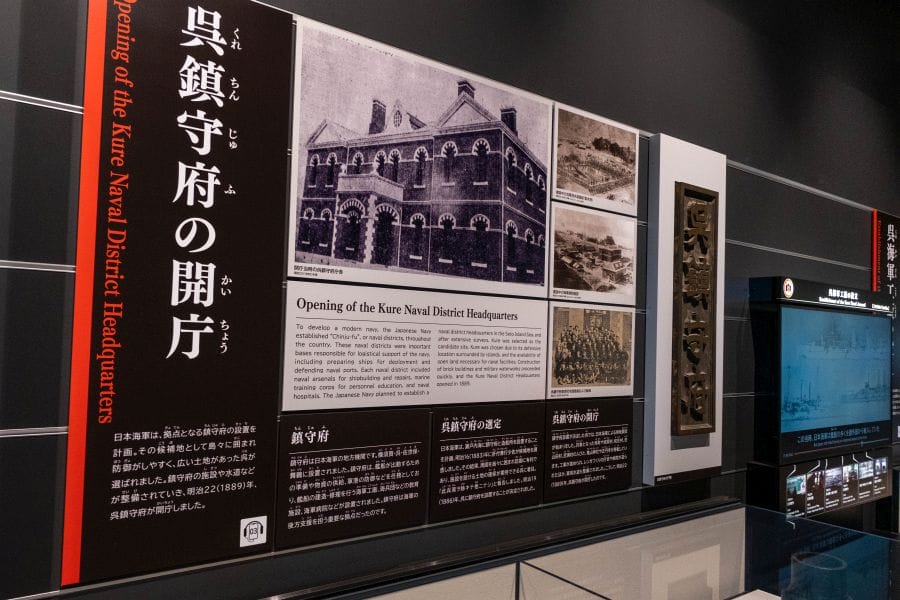
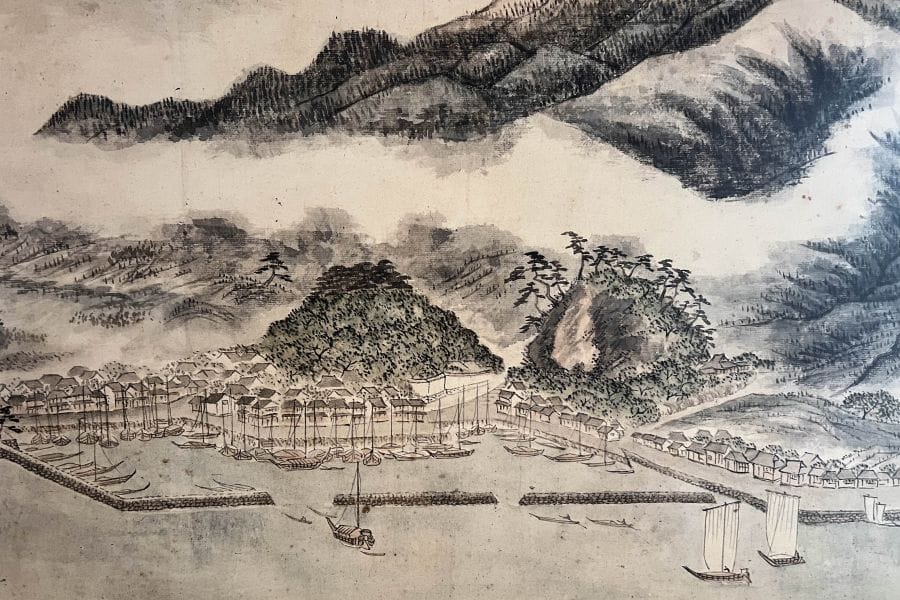
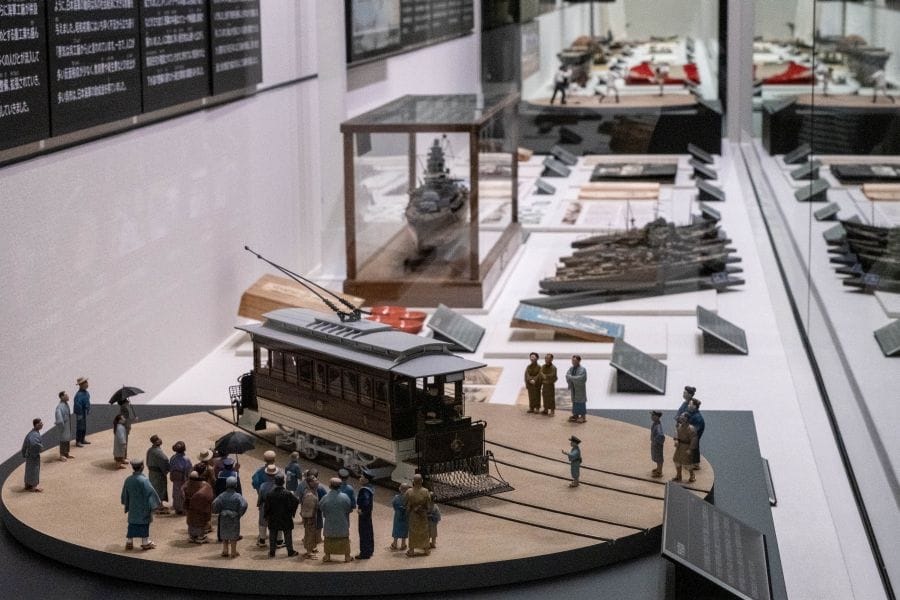
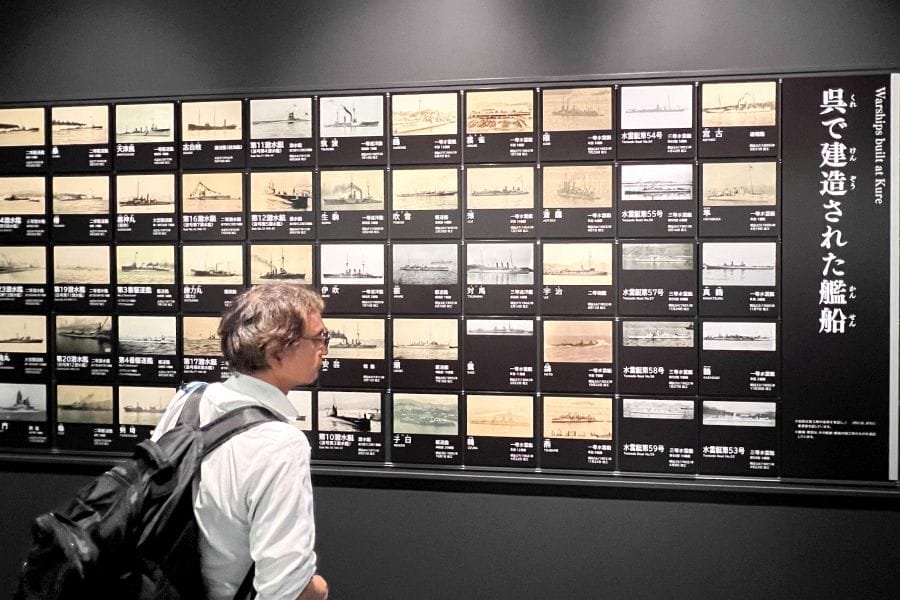
The museum is divided into several major exhibition zones. The “History of Kure” galleries trace the transformation of Kure from a small coastal settlement into one of the most important naval arsenals in Asia. You move through the rise of Japan’s modern navy during the Meiji era, the expansion of heavy industry, and the development of advanced shipbuilding and steelmaking technologies that eventually produced vessels such as Yamato. The exhibits place considerable emphasis on the workers, engineers, dockyards, and industrial systems behind the war effort rather than simply celebrating military hardware.
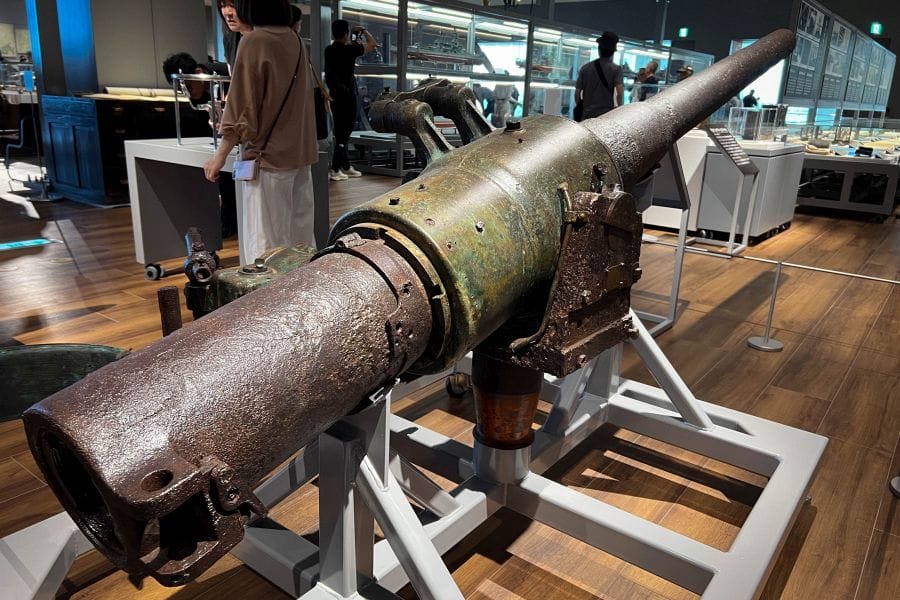
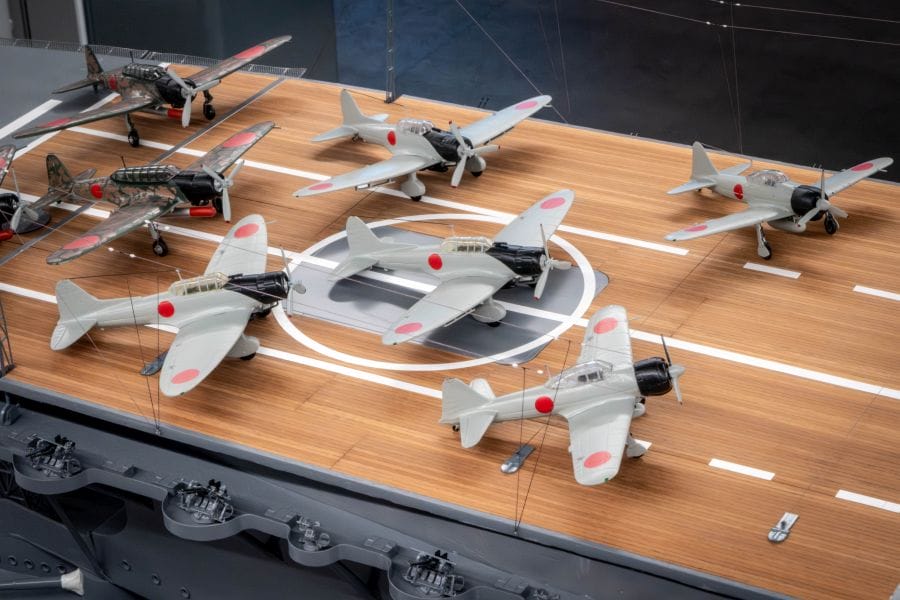
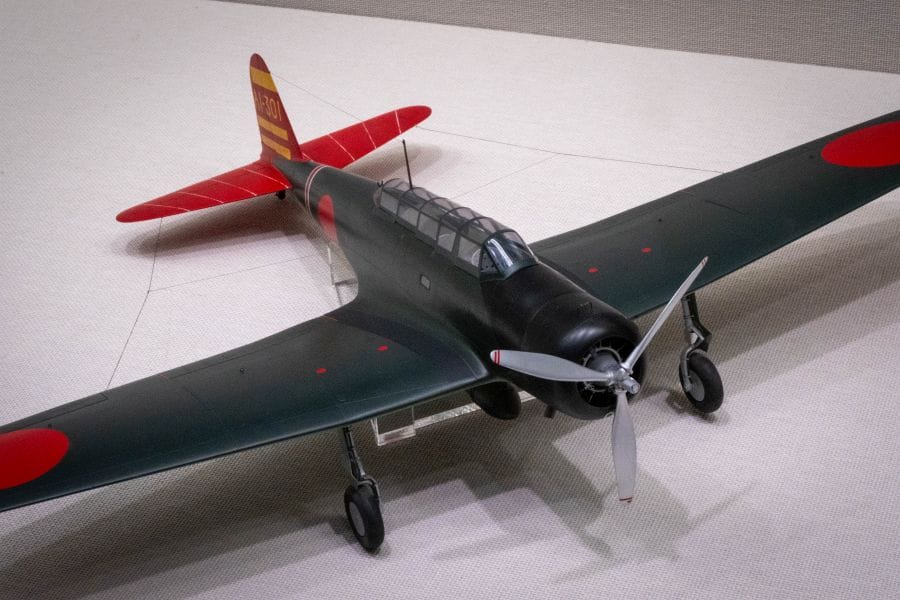
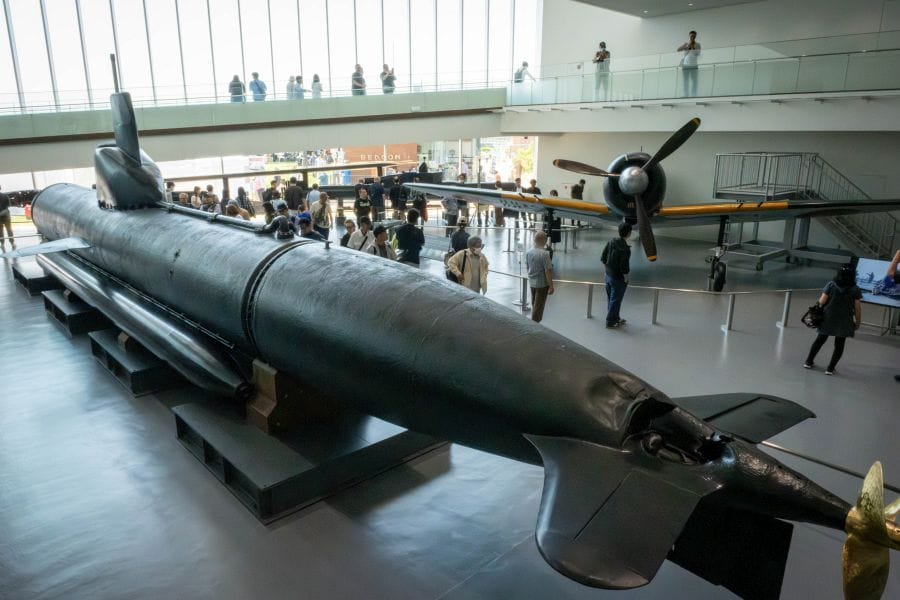
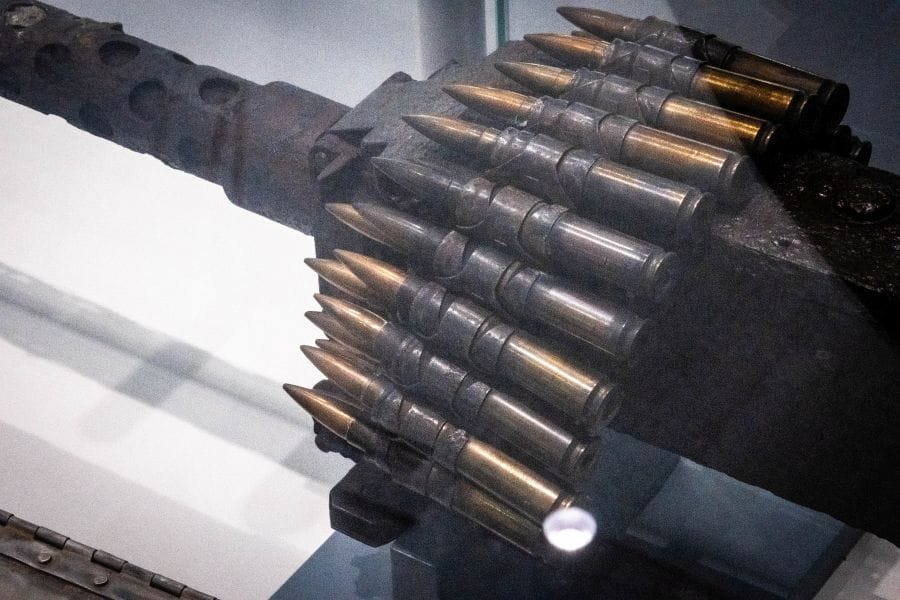
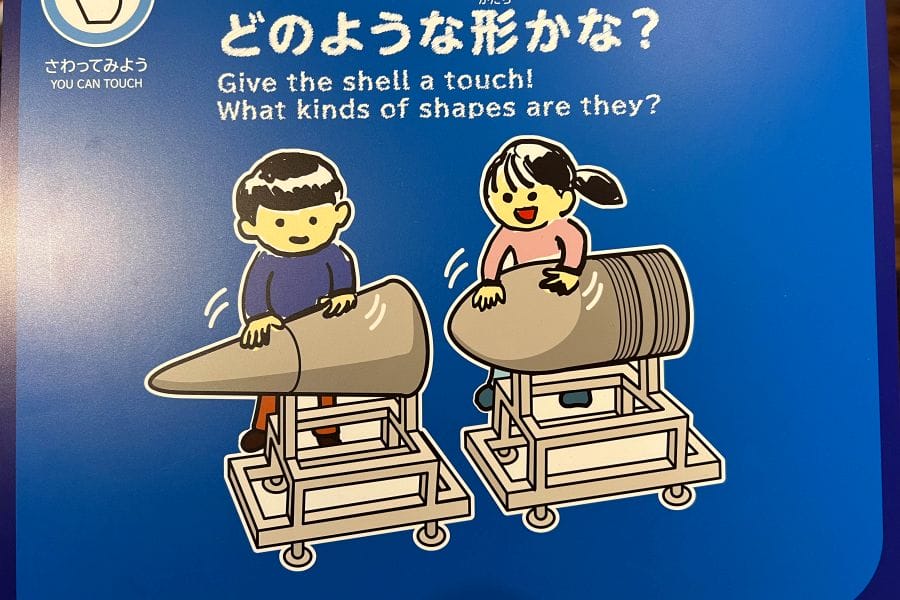
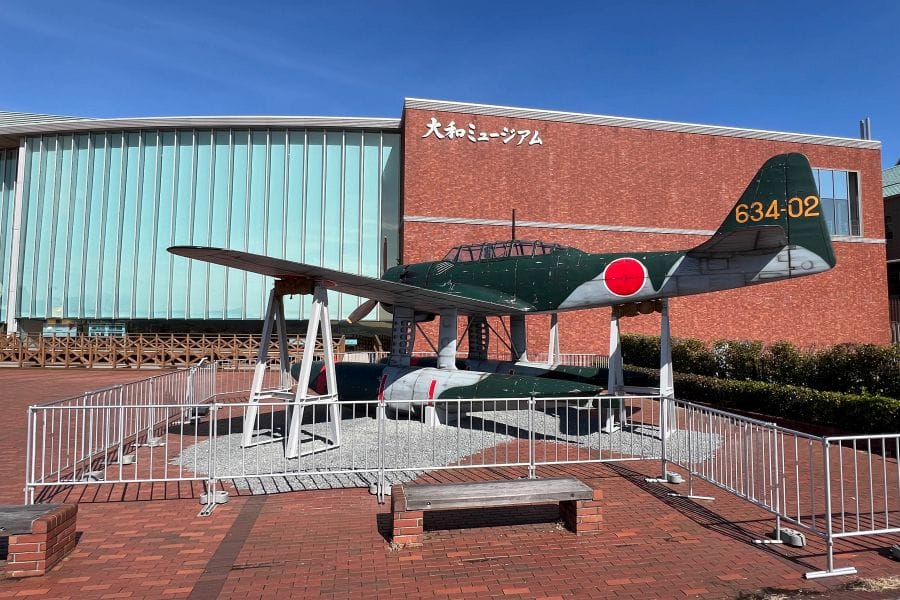
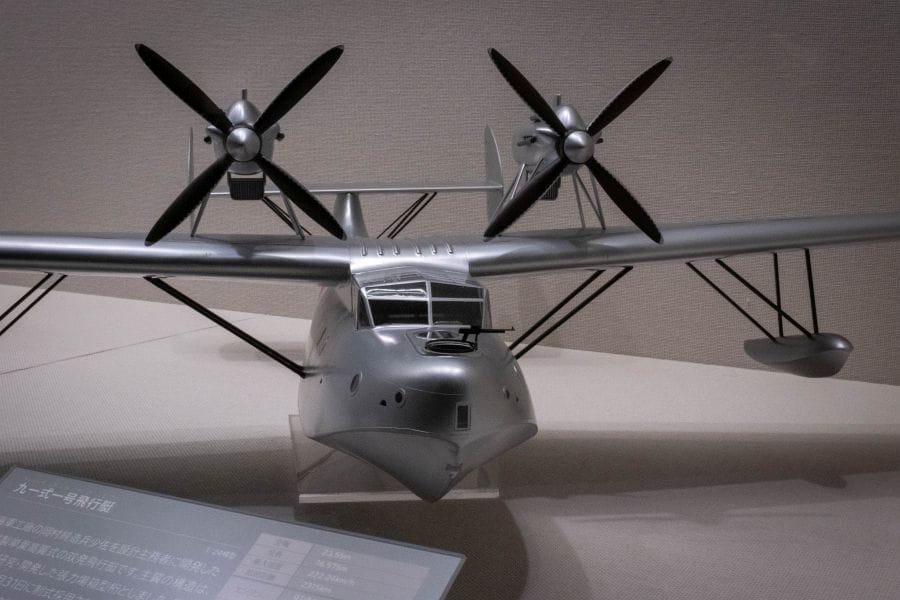
The large objects exhibition hall contains many of the museum’s most striking artefacts. Among them are a Mitsubishi A6M Zero fighter, a Kaiten human torpedo, a Kairyū-class submarine, and a Type 95 torpedo. Massive naval shells and armour-piercing ammunition from Imperial Japanese Navy warships are also displayed, allowing you to grasp the sheer physical scale of naval warfare in the Pacific. Following the reopening, the museum also added a replica Aichi E16A Zuiun reconnaissance seaplane to the collection.
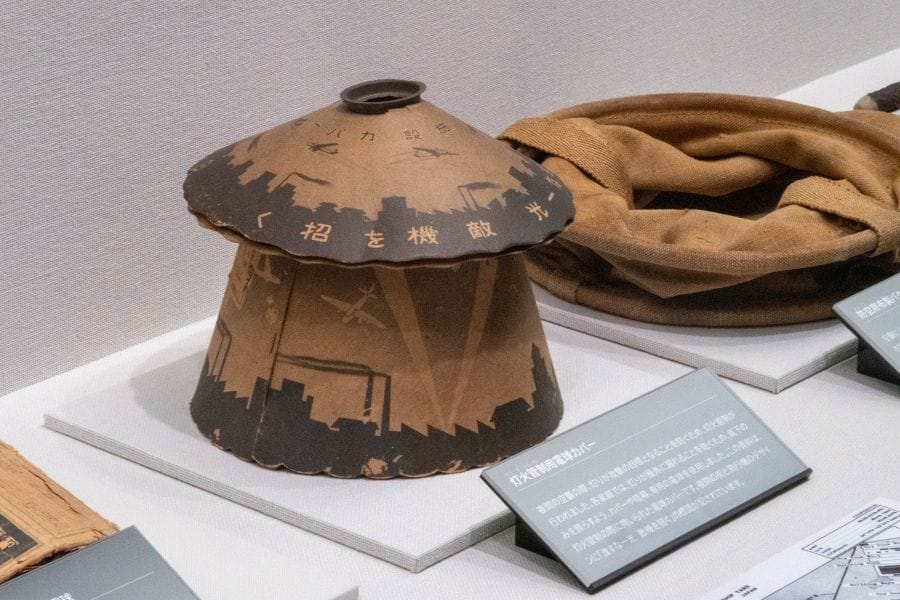
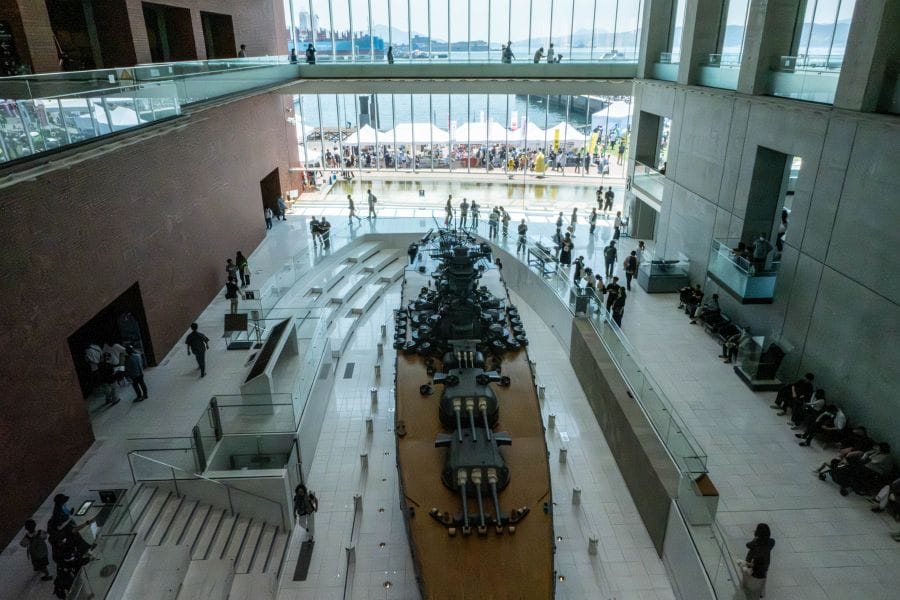
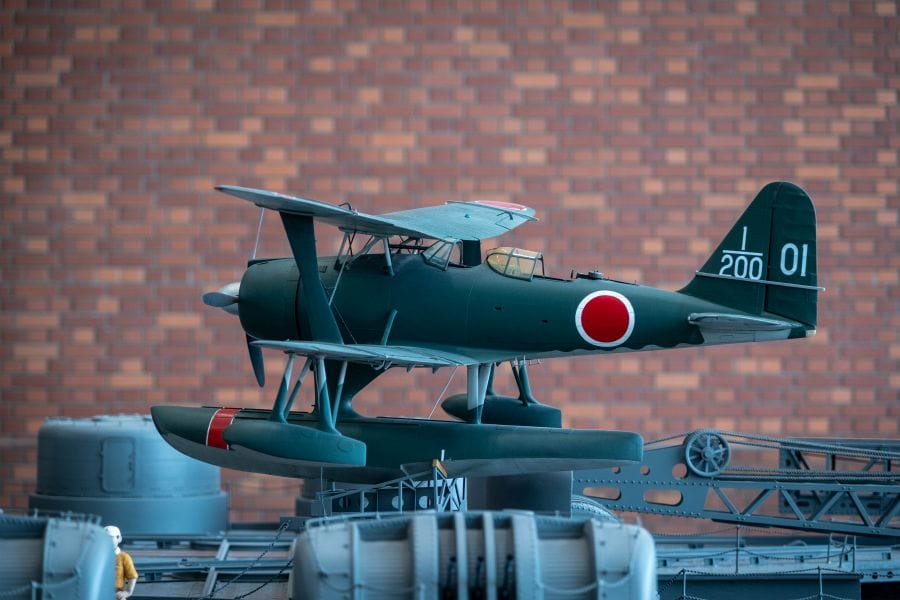
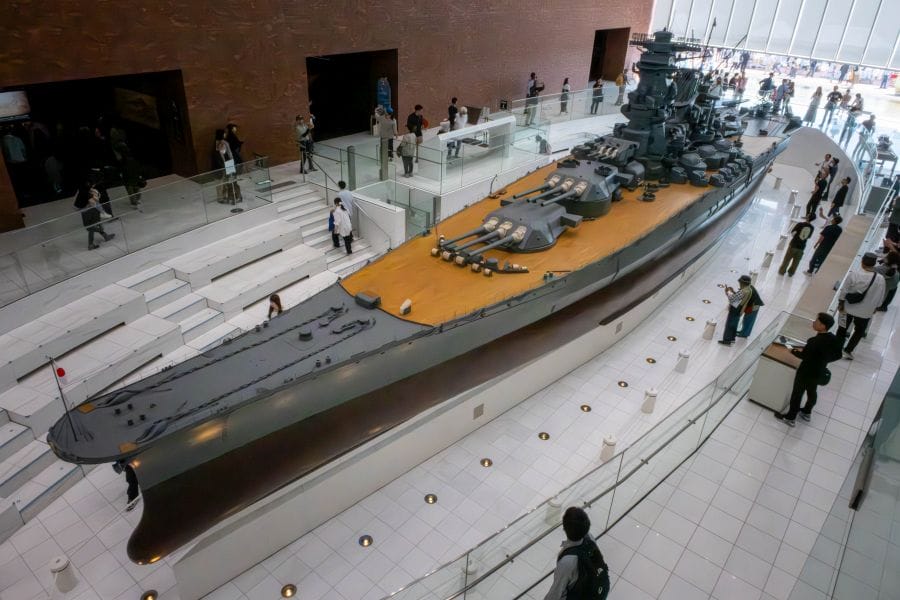
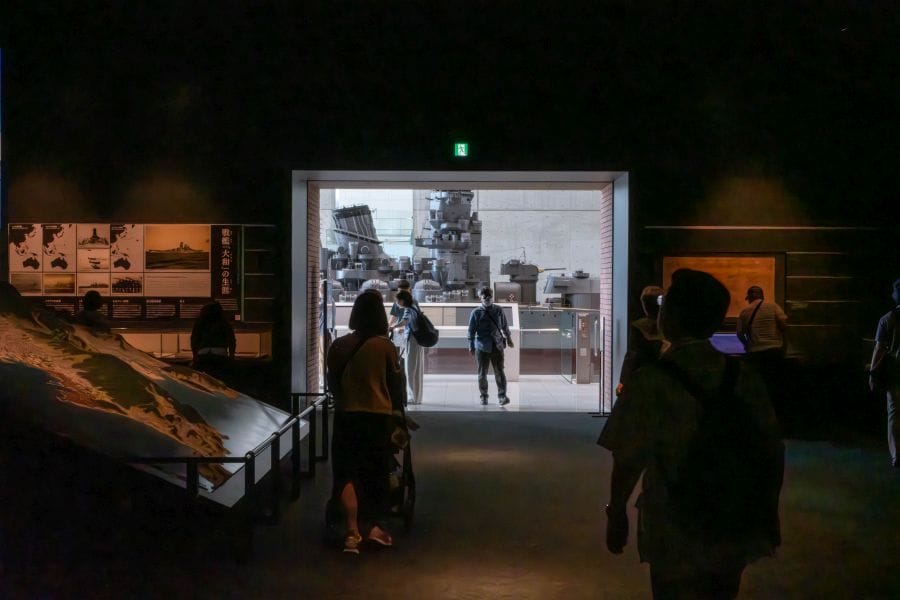
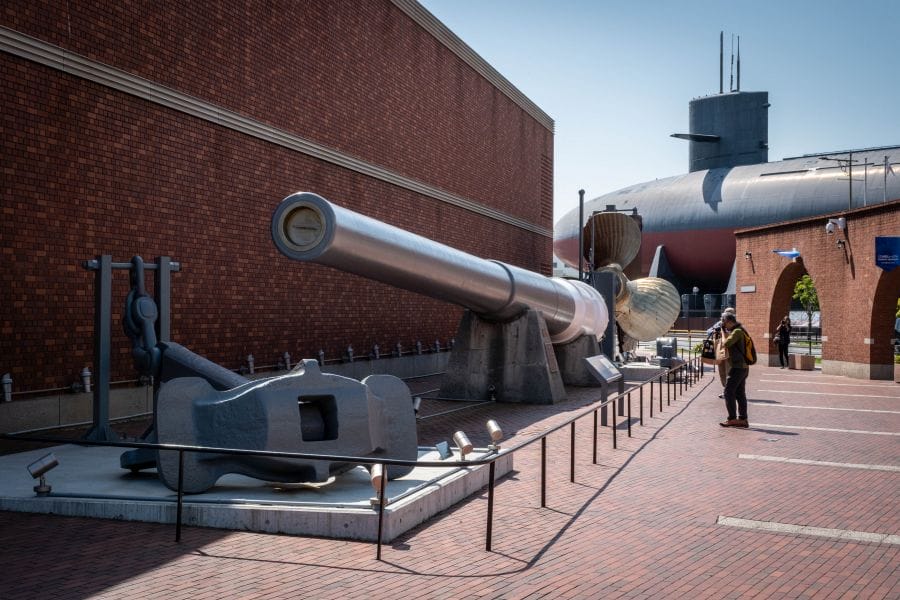
One of the museum’s greatest strengths is that it contextualises the Pacific War geographically. Kure was not simply associated with the Japanese navy; it was one of its core industrial engines. The city built and maintained major warships, housed naval personnel, and functioned as a strategic military port throughout the war. Standing inside the museum while looking out toward the harbour creates a direct connection between the exhibits and the real historical landscape outside.
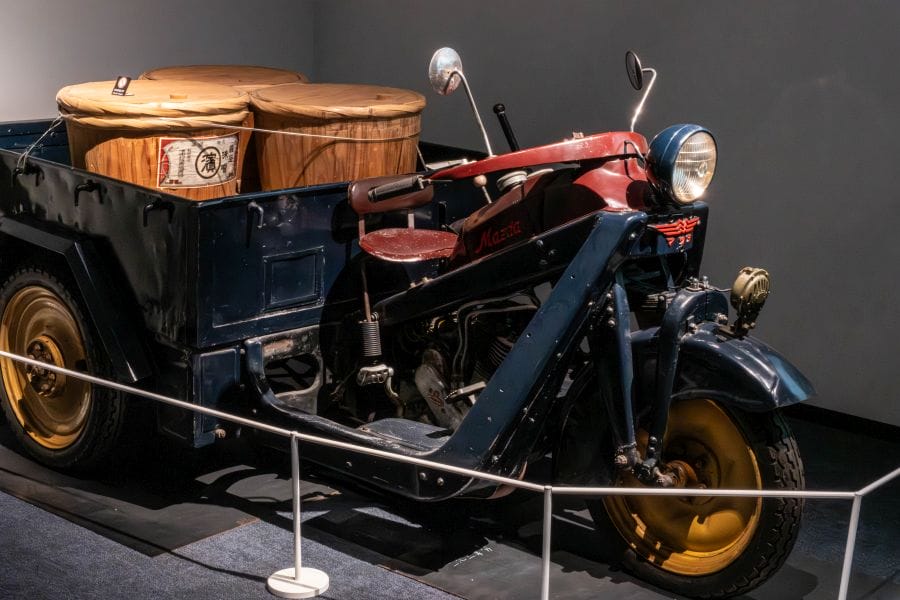
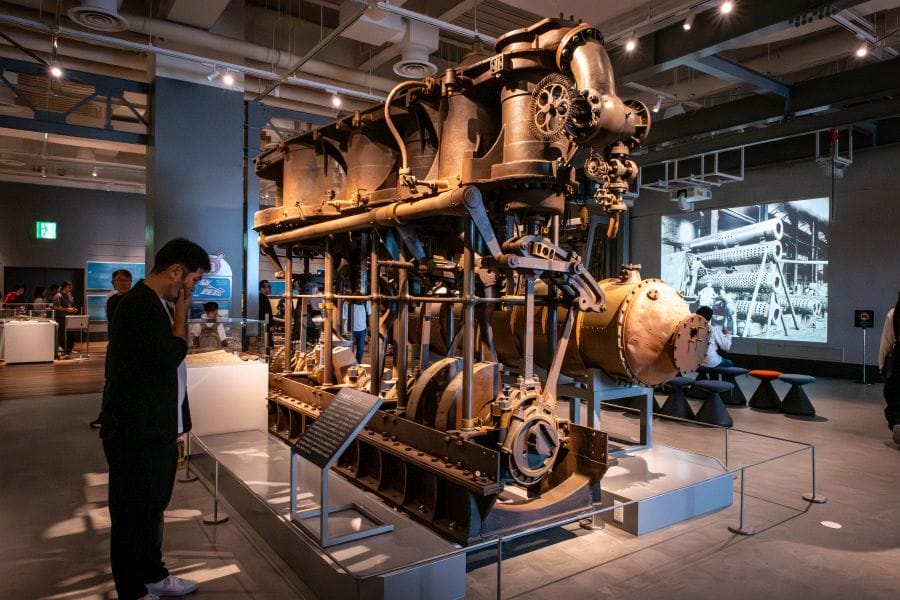
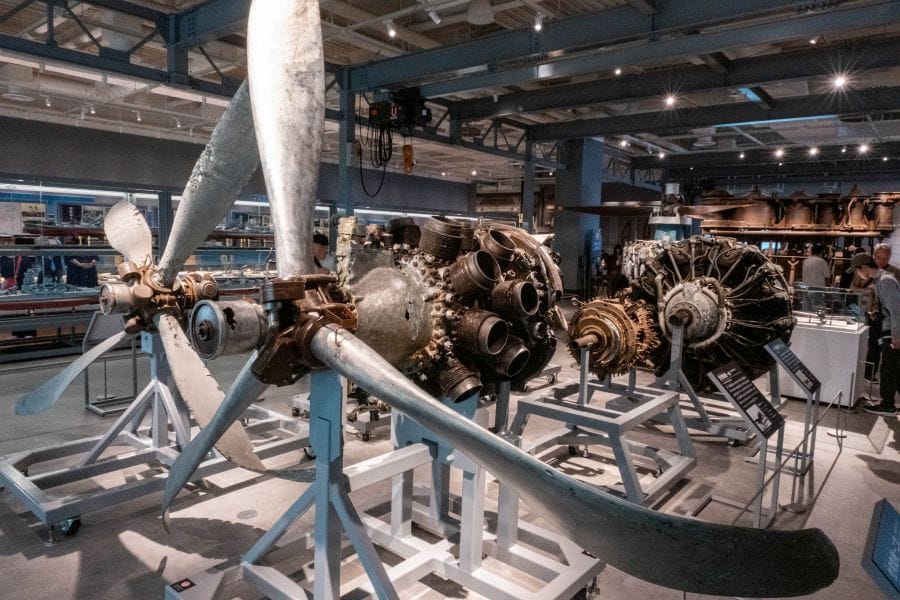
A major addition of the reconstruction project is the completely overhauled Science and Technology Exhibition Room on the third floor. This interactive space reframes the museum’s collection through the lens of industrial evolution and metallurgical science. It houses heavy technical artifacts, including real aircraft engines and large-scale propellers used by the navy, alongside modern simulator stations. The exhibition tracks how the high-tensile steel development, precise optical engineering, and advanced hydrodynamics pioneered for wartime vessels directly laid the groundwork for Japan’s post-war commercial shipbuilding boom, heavy machinery sectors, and automotive manufacturing infrastructure.
Frequently spaced short video presentations have English titles giving you a concise and valuable overview of the exhibits. More information in English is available on a smartphone accessible website, with text and audio.
The geographical and industrial context provided by the Yamato Museum is what makes Kure fundamentally different from Hiroshima when it comes to WWII tourism.
In Hiroshima, museums such as the Hiroshima Peace Memorial Museum focus primarily on the human cost of atomic warfare, civilian suffering, and the global importance of nuclear disarmament. Hiroshima’s narrative is universal, humanitarian, and centred on the destruction caused by the atomic bomb.
Kure presents another side of the same history. The Yamato Museum examines the military-industrial system that helped drive Japan into total war. Rather than focusing mainly on victimhood or devastation, it explores how naval technology, industry, engineering ambition, nationalism, and military strategy shaped Japan during the late nineteenth and early twentieth centuries. The result is not contradictory to Hiroshima’s peace narrative, but complementary to it. Together, the two cities provide a much fuller understanding of Japan’s wartime experience.
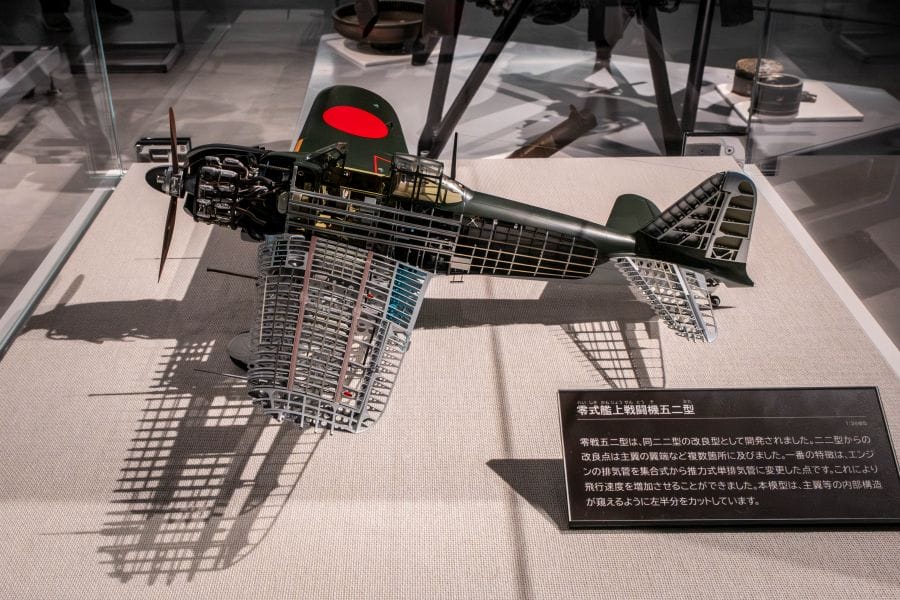
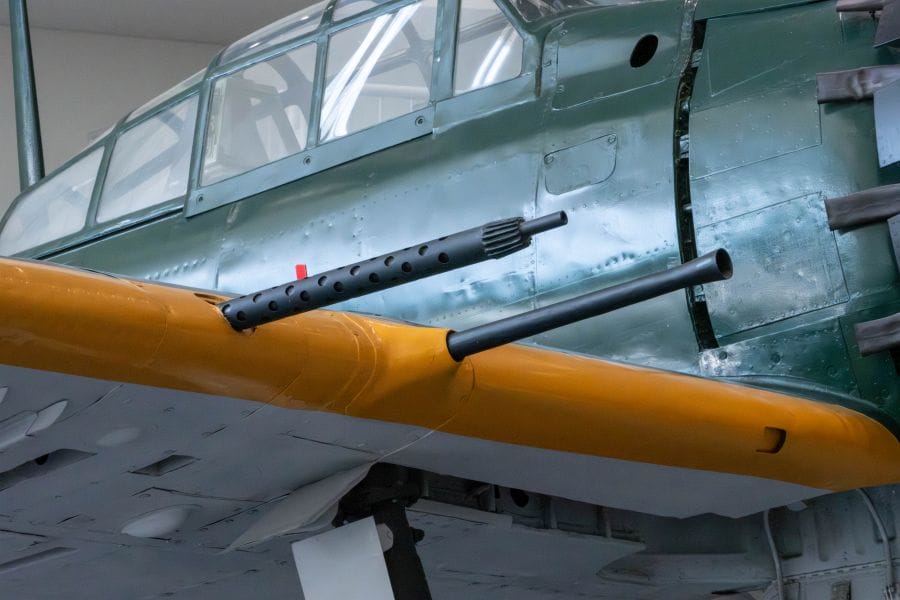
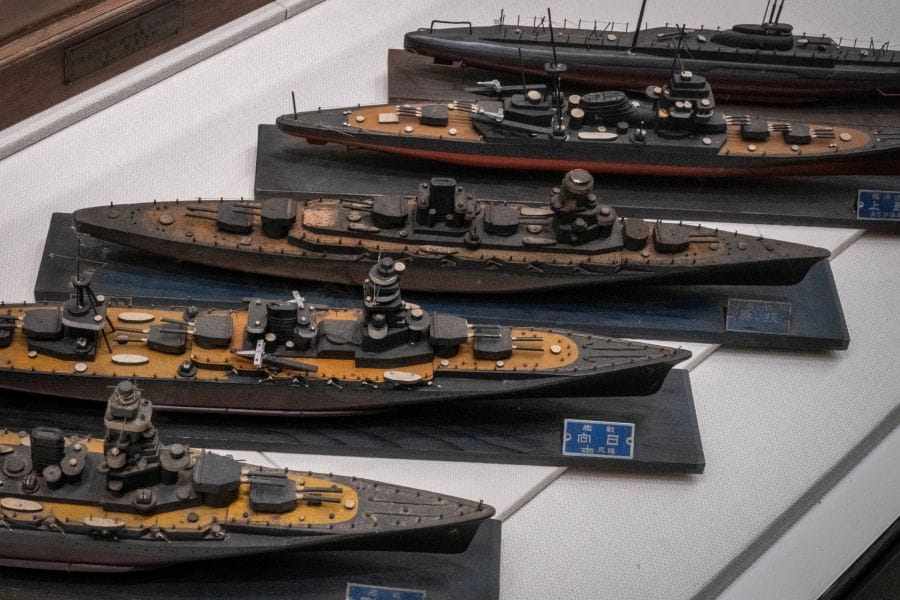
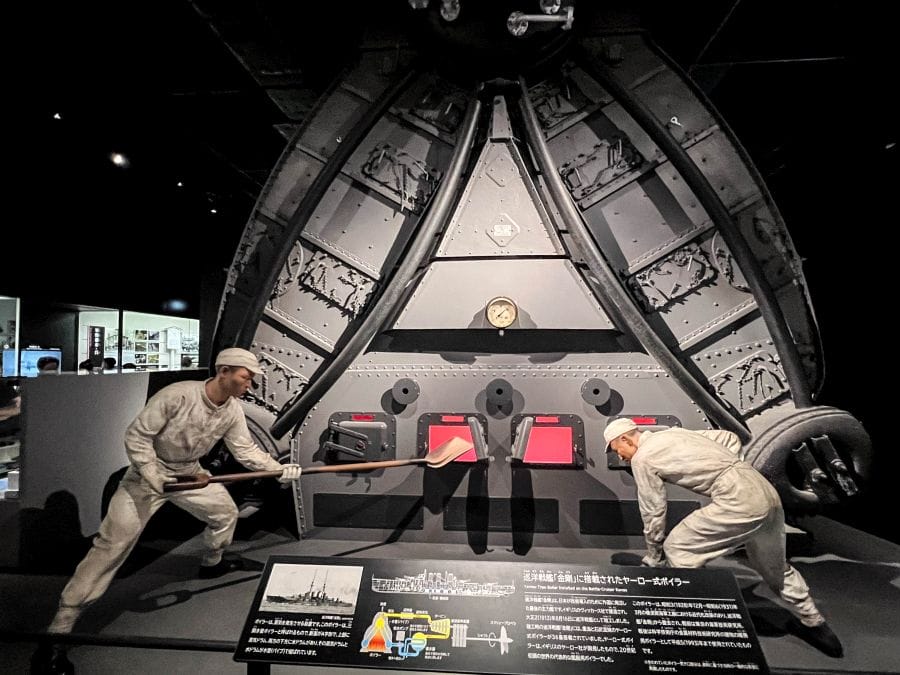
For visitors interested in WWII history, naval warfare, military engineering, or the Pacific theatre, the Yamato Museum is therefore not optional. It’s one of the few places in the world where the industrial and technological dimensions of Imperial Japan’s naval power can be understood at scale and in context.
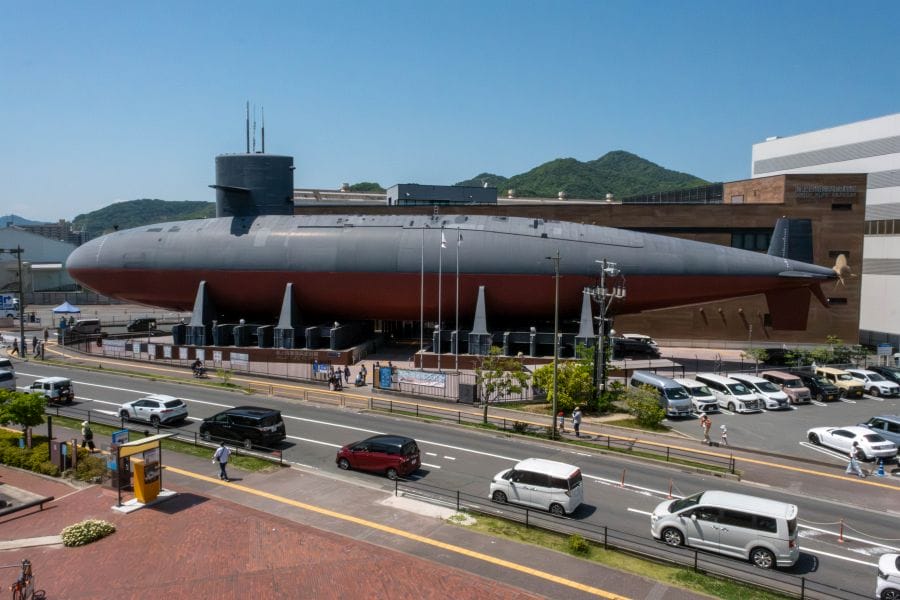
The museum also works exceptionally well as part of a broader Kure military history itinerary. Immediately nearby is the Japan Maritime Self-Defense Force Kure Museum, often nicknamed the “Iron Whale Museum”, where you can enter the retired submarine Akishio. Around the waterfront are surviving dockyards, naval infrastructure, and monuments connected to the former Kure Naval Arsenal, including the location where the Yamato was actually laid down. Together, they turn Kure into one of Japan’s most immersive military history destinations.
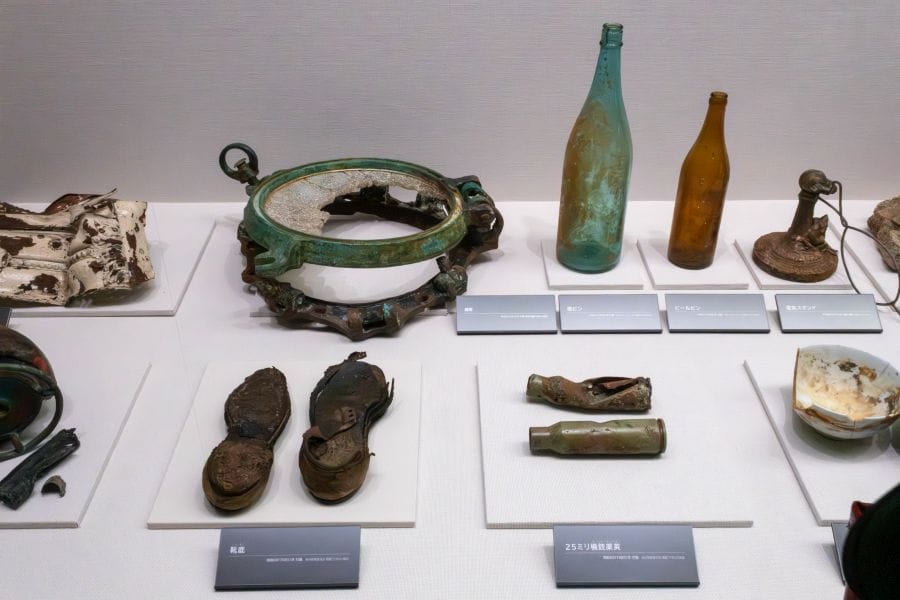
The 2026 reopening has significantly refreshed the museum experience. The expanded exhibition space, hundreds of new exhibits, improved visitor flow, and updated displays are designed to better preserve and present historical materials. Artefacts newly recovered from the Yamato’s resting place off the southern coast of Kyūshū have a visceral emotional impact.
For travellers interested in a WWII-related itinerary in Japan, the ideal sequence is often Hiroshima first, followed by Kure. Hiroshima explains the catastrophic end of the war. Kure explains the industrial and naval world that preceded it. Visiting both creates a far more complete understanding of Japan’s wartime trajectory than either city can provide alone.