Temple 74, Kōyama-ji
Koyama-ji is temple No. 74 on the Shikoku pilgrimage. It stands at the foot of Mt. Kabuto, a low mountain being eaten away by a quarry.
Things to see
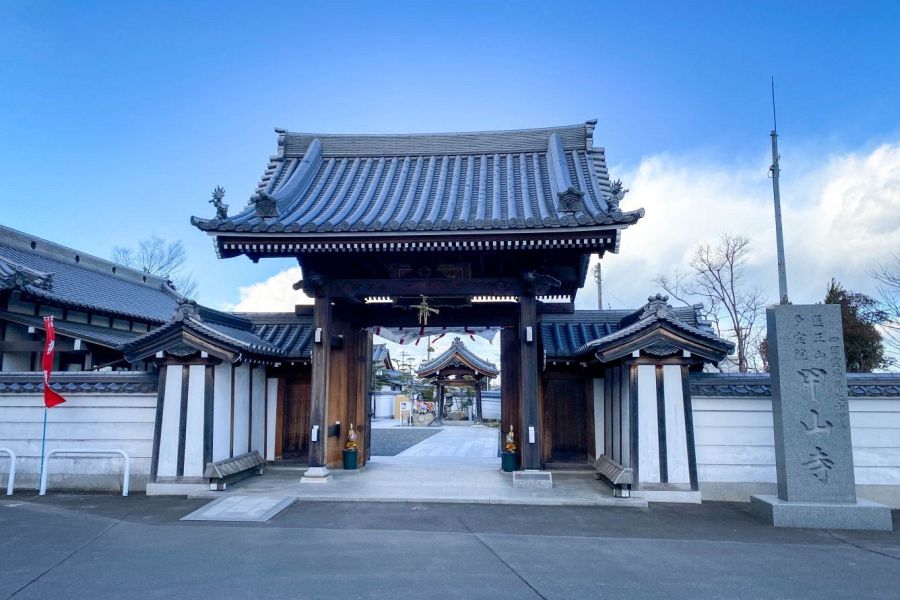
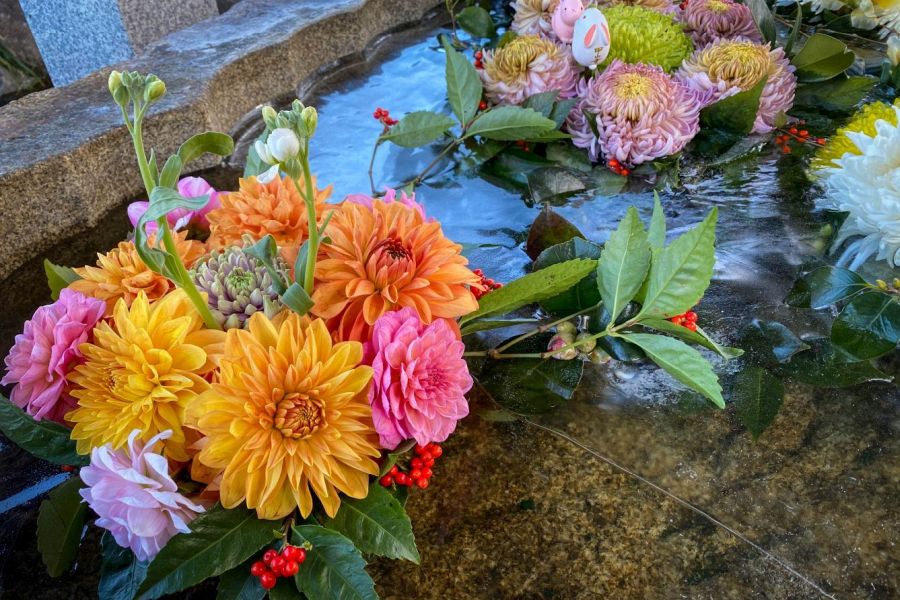
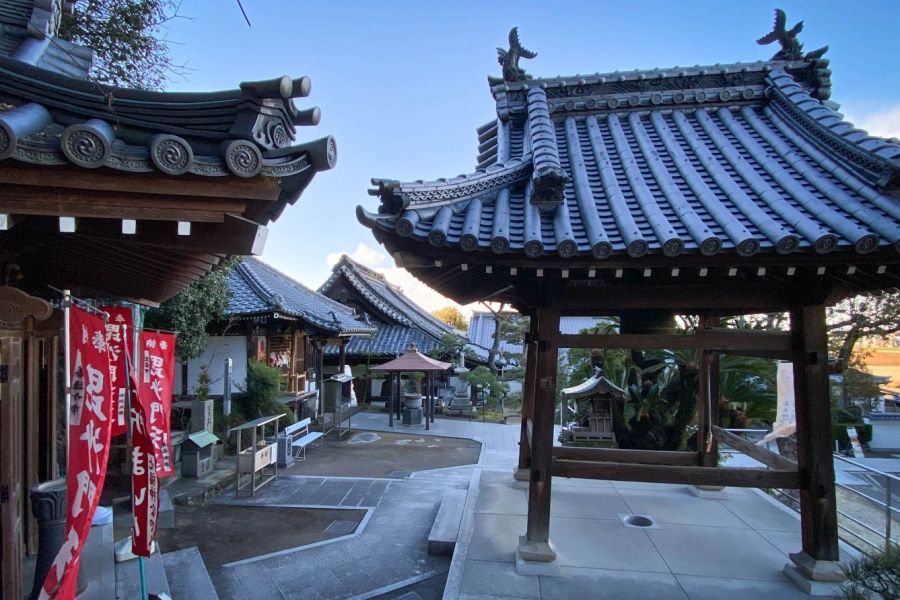
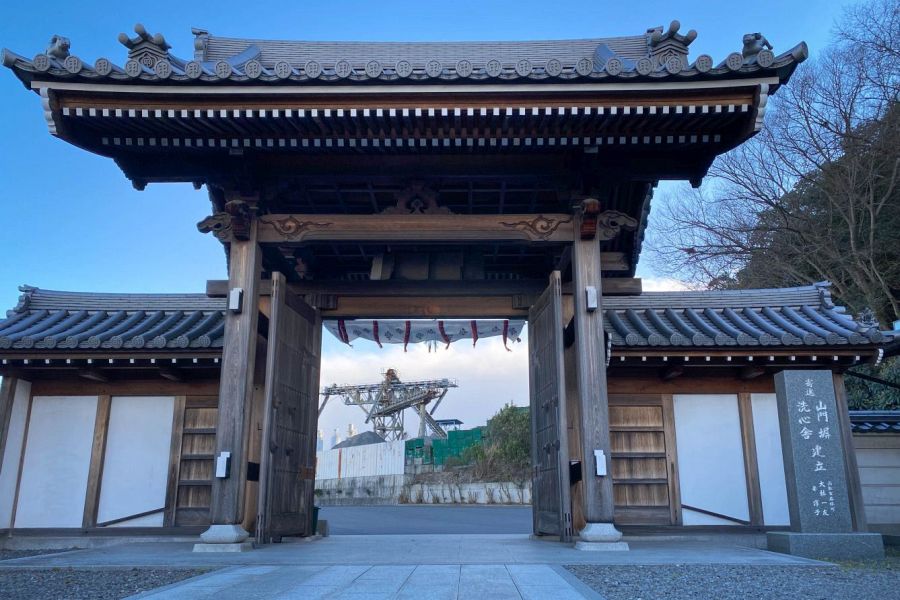
Next to the quarry is the temple car park with a high wall and gate separating the temple from the industry. The temple compound is quite small. After passing through the main gate, there’s a water basin on the right. Here you turn left and pass through the middle gate. On the right is the temple office. Ascend a few stone steps to reach the main hall. The main hall was built in 1735. You can enter and see the principal image, a seated Yakushi Nyorai carved from a single piece of pine, with inlaid eyes. There’s also a statue of Bishamonten, and to the left a seated statue of Amida Nyorai.
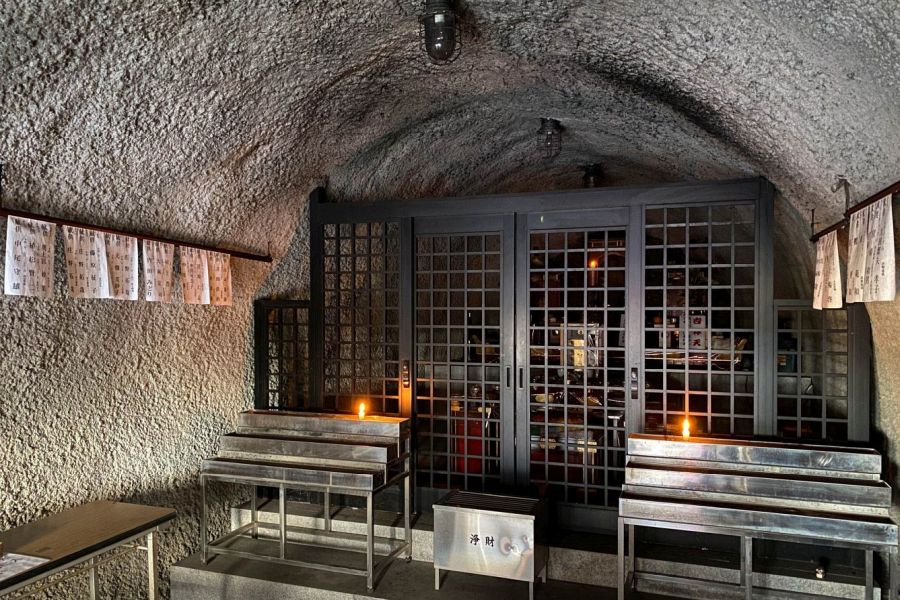
Adjacent to the right of the main hall is the Goma Hall. Completed in 1782, it houses a seated statue of Fudō Myōō and two attendant child deities. Ascend a few steps to the left to find the Daishi Hall. Beyond this lies the belfry, with the entrance to the Bishamon Cave further ahead. Inside, a stone statue of Bishamonten is enshrined.
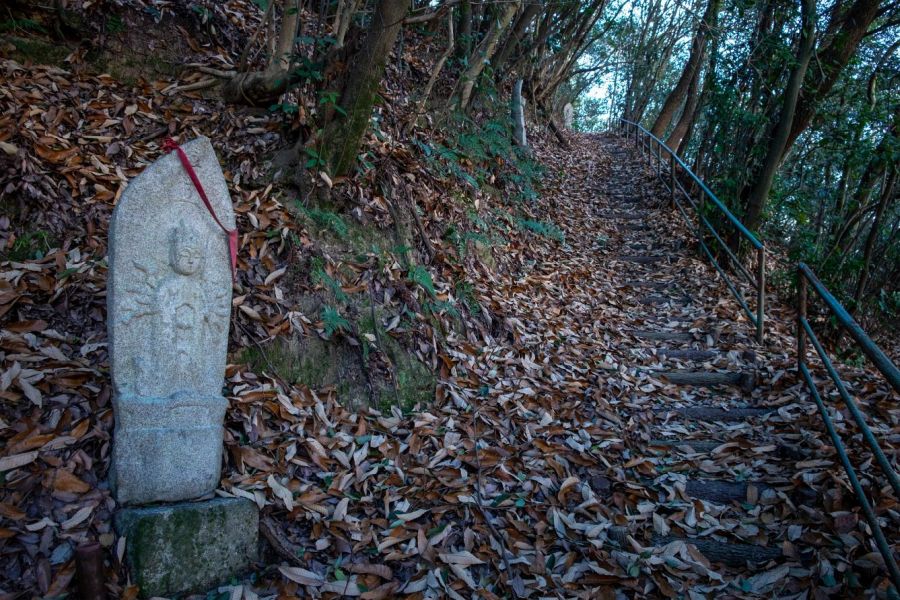
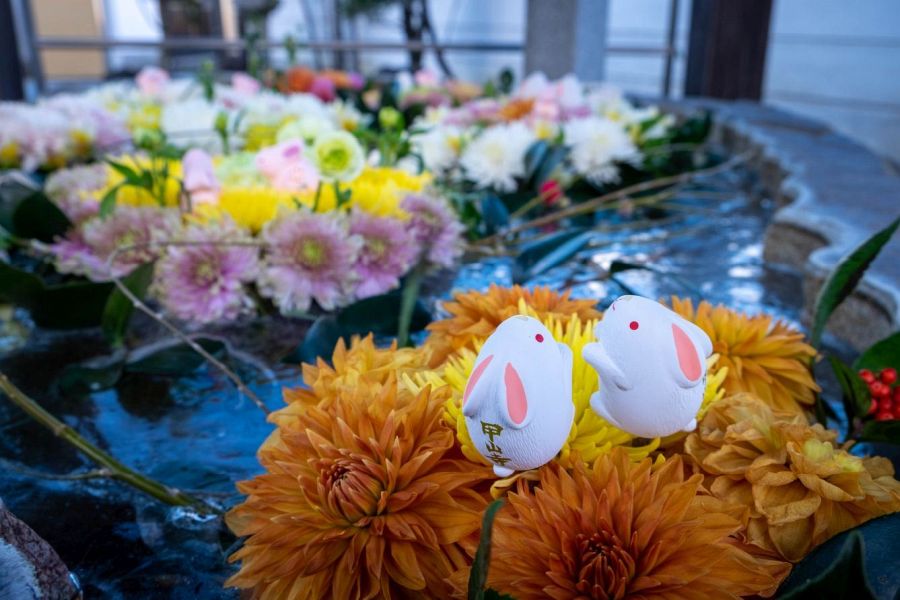
Images of sixteen rabbits are dotted around between the main and middle gates as attributes of the bodhisattva Gakkō. At the highest point of the temple grounds is a shrine dedicated to water. A path goes up from the temple to Mt. Kabuto along which are statues representing a mini Saigoku Thirty-Three Kannon Pilgrimage.
History
Legend has it that Kūkai met a manifestation of Bishamonten here in a cave. Later, having received an imperial decree from Emperor Saga to oversee the reconstruction of the Manno Pond as chief administrator, Kūkai carved a statue of Yakushi Nyorai and performed rituals here. Tens of thousands of people gathered to help, and the construction was successfully completed. The imperial court gave a reward for this achievement, some of which was spent to build a temple.
During the late 1500s, the temple was largely destroyed by war, when Mt. Kabuto was the site of a castle. However, the temple was restored in the first half of the 1700s. The Kannon statues on the path to the mountaintop were erected in the late Edo period.
Legend
When Kūkai visited the area seeking to establish a temple where he had played as a child, an old man appeared from a cave and declared that a temple should be built here. Realising this was a manifestation of Bishamonten, Kūkai established the cave as a shrine.
Information
Name in Japanese: 甲山寺
Pronunciation: kōyama-jee
Address: 1765-1 Hirotacho, Zentsuji, Kagawa 765-0071