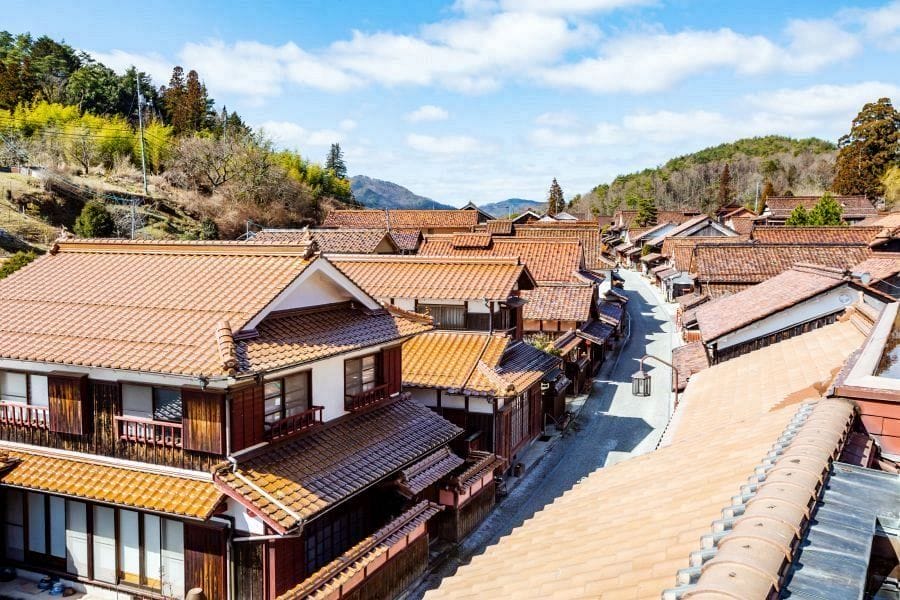
88 Temple Pilgrimage Tour
15
days
¥832,000
starting price
8
People max.
Tokushima city
starting place
Overview
This tour visits all 88 temples of the Shikoku Pilgrimage in a comfortable private vehicle to complete your Ohenro journey. You can collect all of the temple stamps. On this trip, you visit all four regions of Shikoku, but you visit only temples. There’s no time for seeing other sights. You stay in a variety of accommodation including comfortable modern hotels in Shikoku’s main cities, pilgrim’s accommodation at temples, and ryokan. We also offer a 17-day version of this trip visiting Mt. Kōya at the end.
Who is this tour for?
This trip is for people who have the specific intention of completing the pilgrimage in the shortest possible time. This is not a pilgrimage walking tour. However, many of the temple complexes are large and hilly, and so each day involves considerable walking. Consequently, you must be fit enough to climb up and down a good many steps.
Price
From
-
¥4,224,000 / person with 1
-
¥2,275,000 / person with 2
-
¥1,642,000 / person with 3
-
¥1,313,000 / person with 4
-
¥1,125,000 / person with 5
-
¥992,000 / person with 6
-
¥904,000 / person with 7
-
¥832,000 / person with 8
Itinerary
Highlights
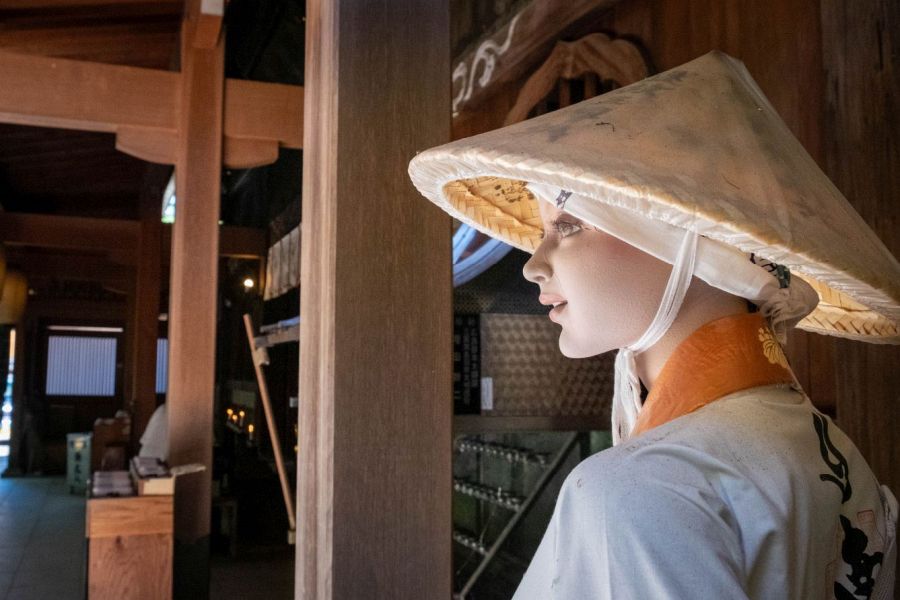
Temple 01, Ryōzen-ji
Ryōzen-ji is temple No. 1 on the Shikoku Pilgrimage, stands near the foot of the Sanuki Mountains in the Tokushima rift valley.
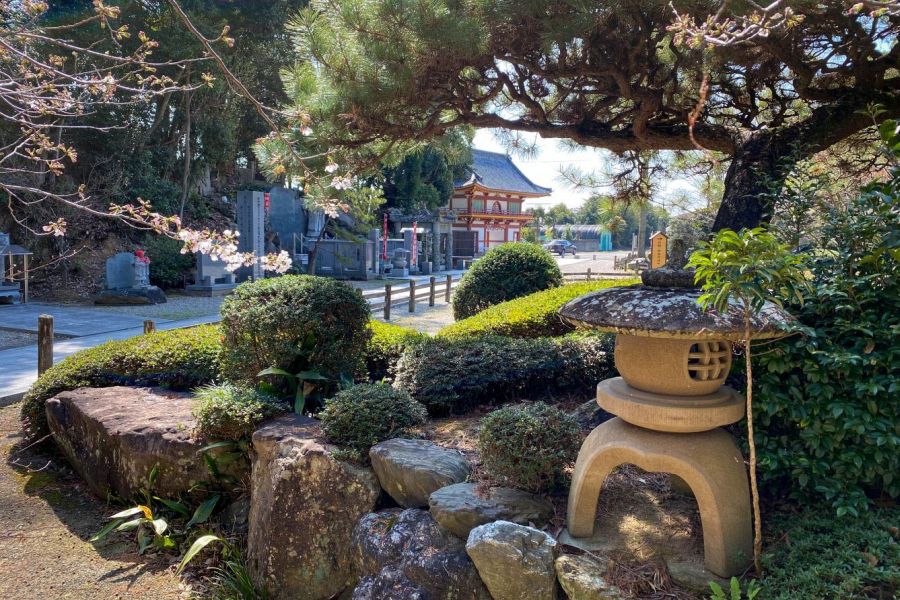
Temple 02, Gokuraku-ji
Gokuraku-ji is temple No. 2 on the Shikoku Pilgrimage, or Henro. It stands in the foothills of the Sanuki Mountains in the Tokushima rift valley, and the temple is surrounded by wooded mountains on three sides. The temple is next to a dairy farm, and you can hear the cows mooing. What to see From...
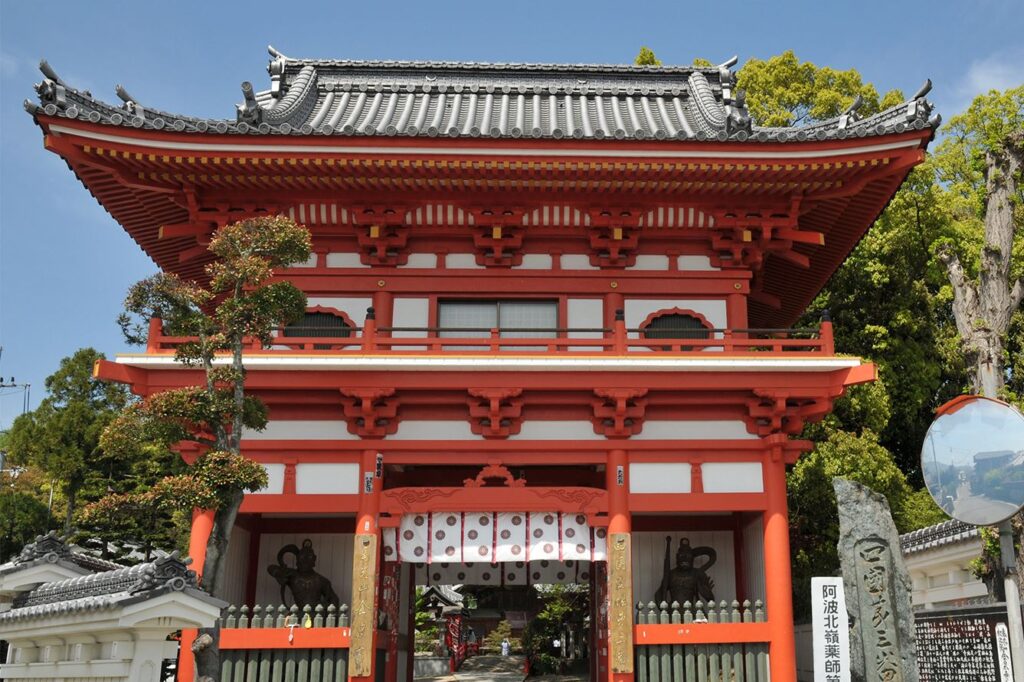
Temple 03, Konsen-ji
Konsen-ji is temple No. 3 on the Shikoku Pilgrimage, or Henro. It stands in a residential area at the foot of the Sanuki Mountains. What to see From the approach, little can be seen of the temple apart from an imposing red and white two-storey gate, with dark grey and gold guardians. Beyond the gate...
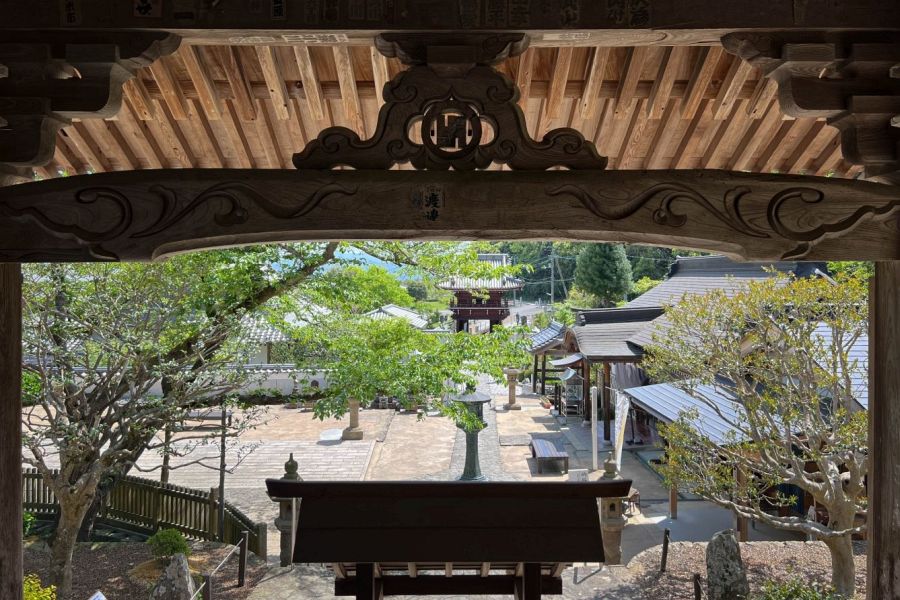
Temple 04, Dainichi-ji
Dainichi-ji is temple No. 4 on the Shikoku Pilgrimage, or Henro. It’s tucked in a valley off the Tokushima rift valley, just outside the city of Tokushima. Temples No. 13 and No. 28 are also called Dainichi-ji. What to see A large stone engraved with the name of the temple stands at the entrance in...
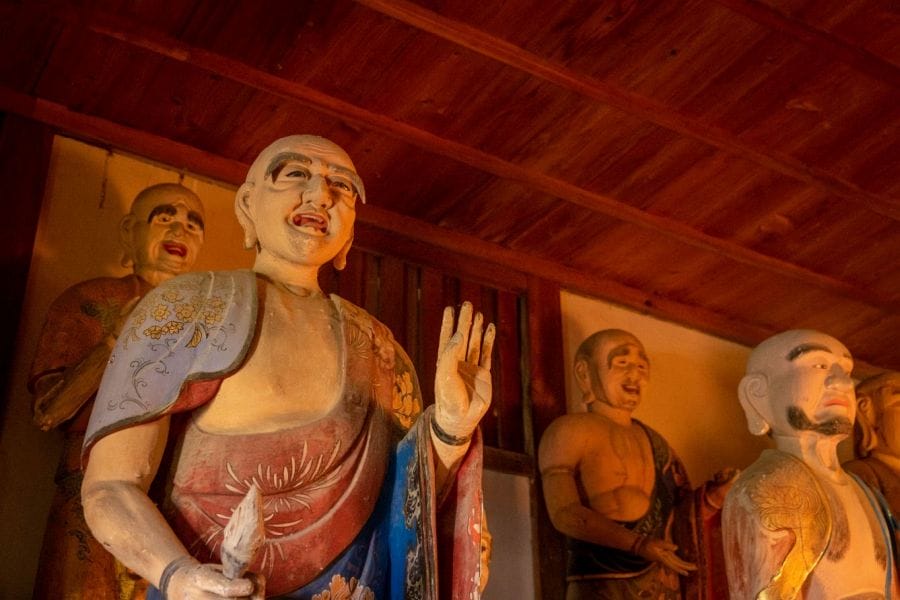
Temple 05, Jizō-ji
Jizō-ji is temple No. 5 on the Shikoku pilgrimage, or Henro. It stands in an old residential area at the border of the Tokushima rift valley and the foothills of the Sanuki Mountains. It’s almost directly south of Temple 4, Dainichi-ji. Jizō-ji is a large and beautiful temple that repays a lengthy stop. What to...
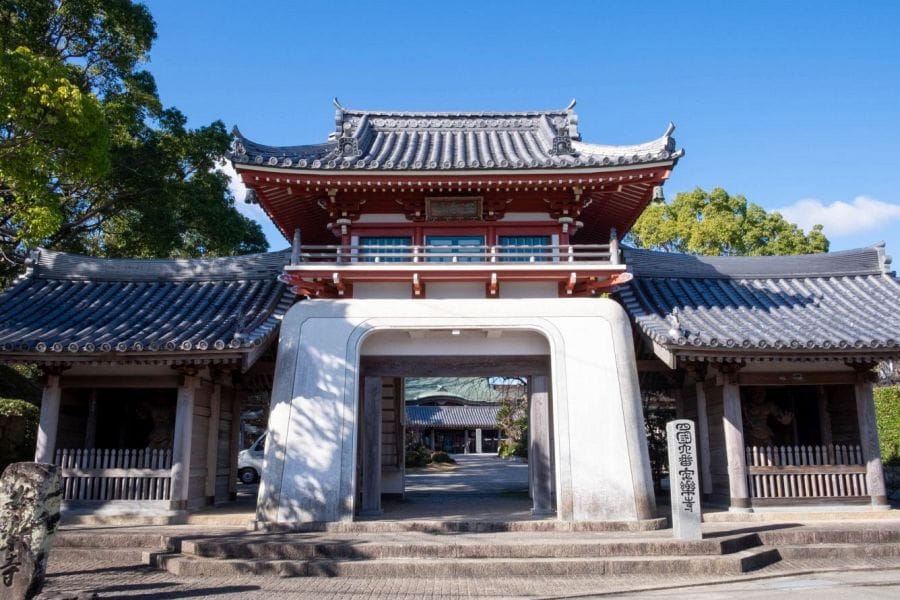
Temple 06, Anraku-ji
Anraku-ji is temple No. 6 on the Shikoku pilgrimage, or Henro. It stands in a little village in the Yoshino River valley. What to see The main gate is in the Ming Chinese style. There are dramatic temple guardians on either side. In the old days, pilgrims who didn’t stay in the temple lodging would...
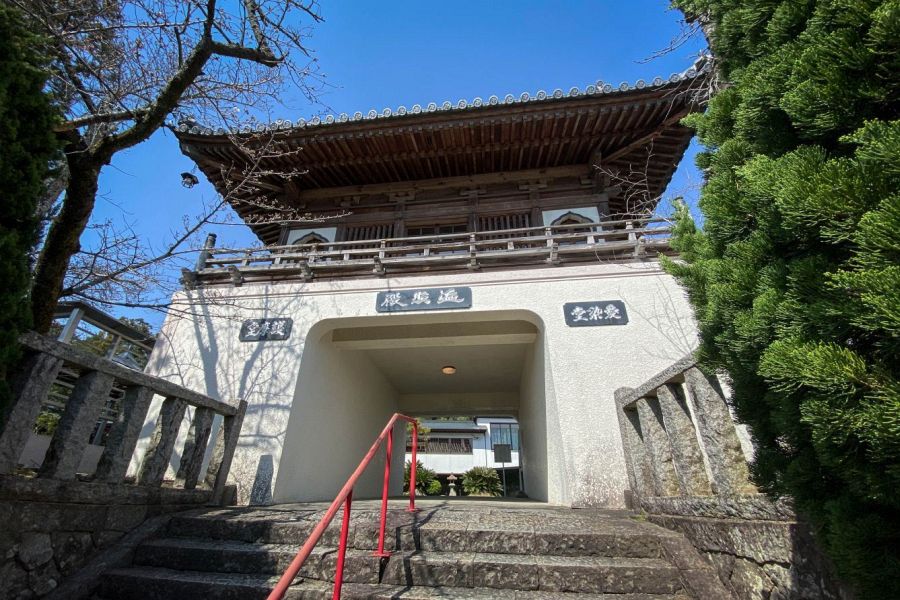
Temple 07, Jūraku-ji
Jūraku-ji is temple No. 7 on the Shikoku pilgrimage, or Henro. It stands at the foot of the Sanuki Mountains in the Tokushima rift valley. What to see The most conspicuous feature of Jūraku-ji is its two Ryūgū gates. One of these Chinese-style gates is painted vermillion and the other is plain wood. They’re offset...
Temple 08, Kumadani-ji
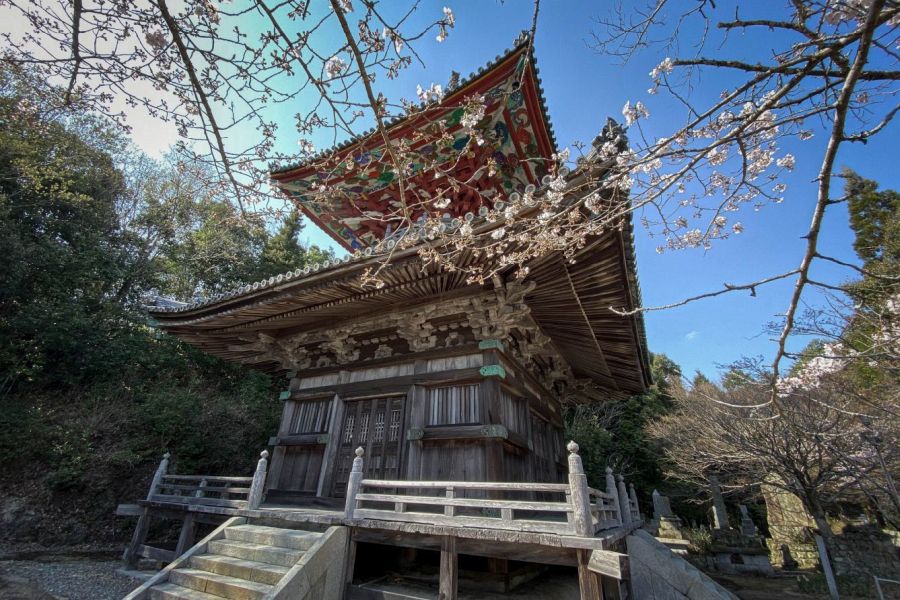
Kumadani-ji is temple No. 8 on the Shikoku pilgrimage, or Henro. It stands in a valley of the Sanuki Mountains in the Tokushima rift valley. What to see The Niō Gate is the biggest of all the 88 temples. The towering gate stands alone in fields on a narrow road, separate from the main compound...
Temple 09, Hōrin-ji
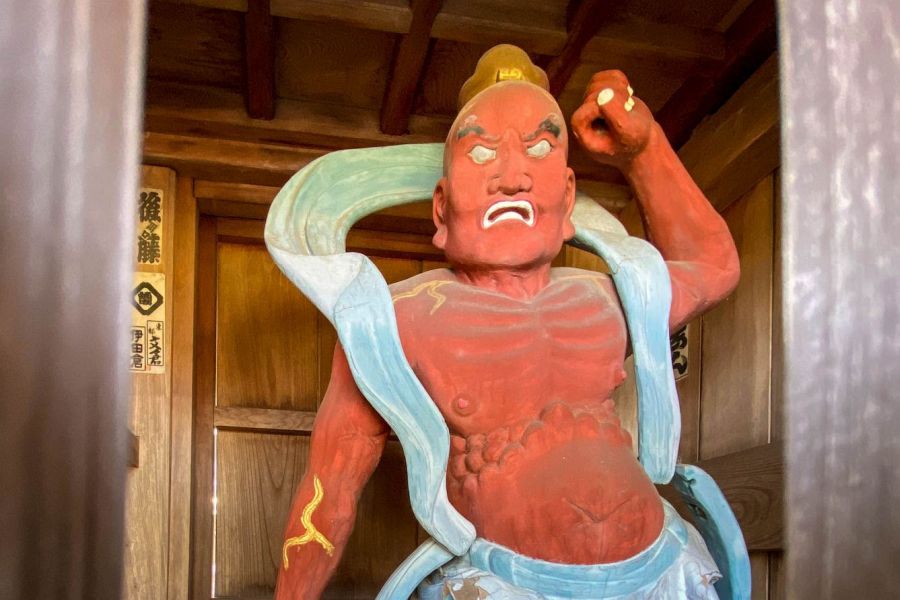
Hōrin-ji is Temple No. 9 on the Shikoku pilgrimage, or Henro. It stands among fields on the plain at the bottom of the Tokushima rift valley. What to see The temple resembles a fortified compound, being surrounded by a high wall over which mature trees extend their branches. The main gate is a small, elegant...
Temple 10, Kirihata-ji
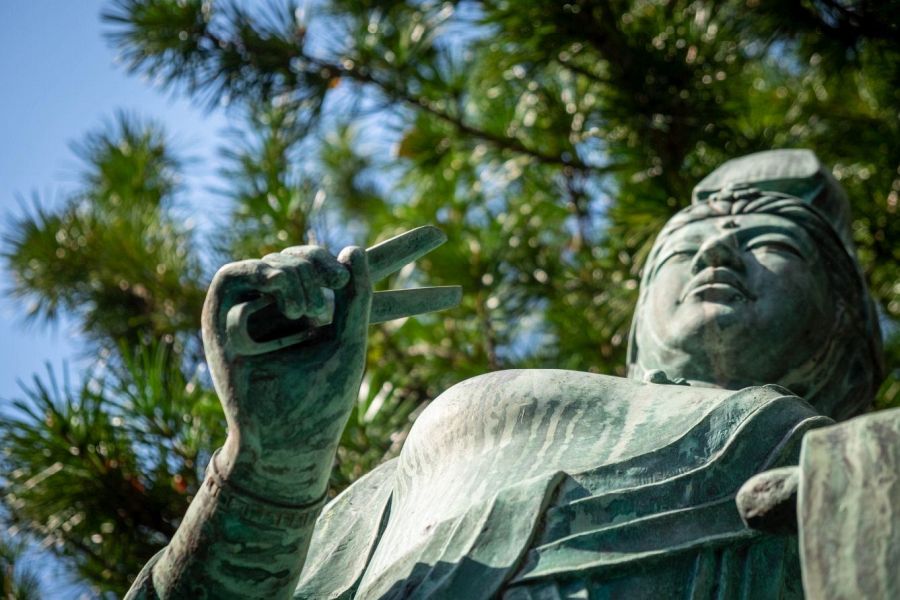
Kirihata-ji is temple No. 10 on the Shikoku pilgrimage, or Henro. It’s located high on the southern side of the Sanuki Mountains facing the Yoshino River in the Tokushima rift valley. The main gate is a considerable distance from the valley bottom, and the main temple compound is higher still. What to see The single-storey...
Temple 11, Fujii-dera
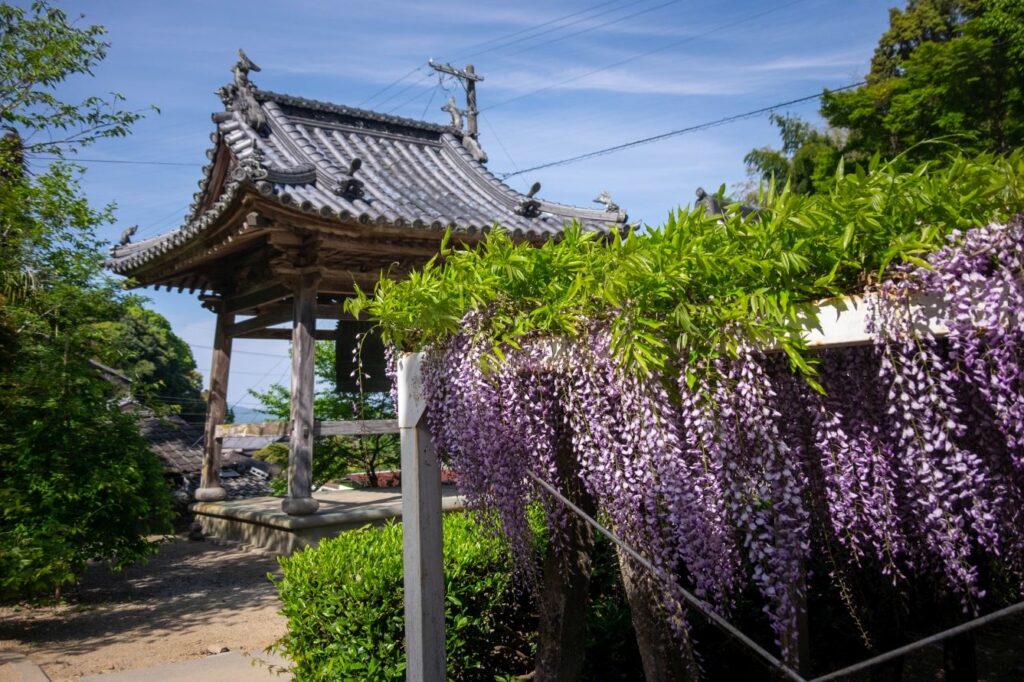
Fujii-dera is Temple 11 on the Shikoku pilgrimage, or Henro. It stands in a side valley off the Yoshino River rift valley. It takes its name from the wisteria that grows there. Of the 88 sacred sites in Shikoku, it’s the only one where the character for ‘temple’ is read “dera” instead of “ji”. What...
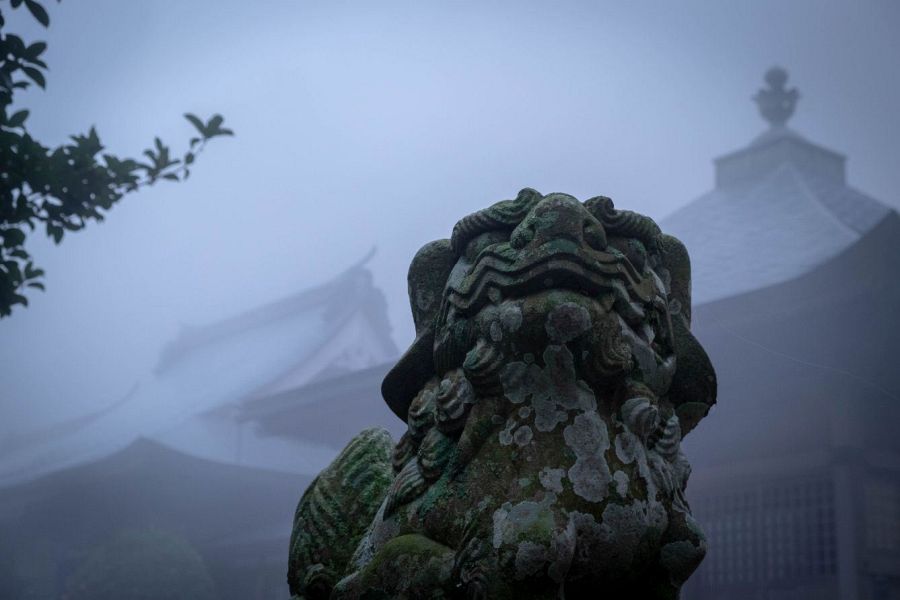
Temple 12, Shōsan-ji
Shōsan-ji is temple No. 12 on the Shikoku pilgrimage, or Henro. Located at 800 m up a mountain, it’s the second highest temple on the pilgrimage, and it’s known as a nansho, or ‘difficult place’, with a lot of up and down along the way. On a clear day, you can see all the way...
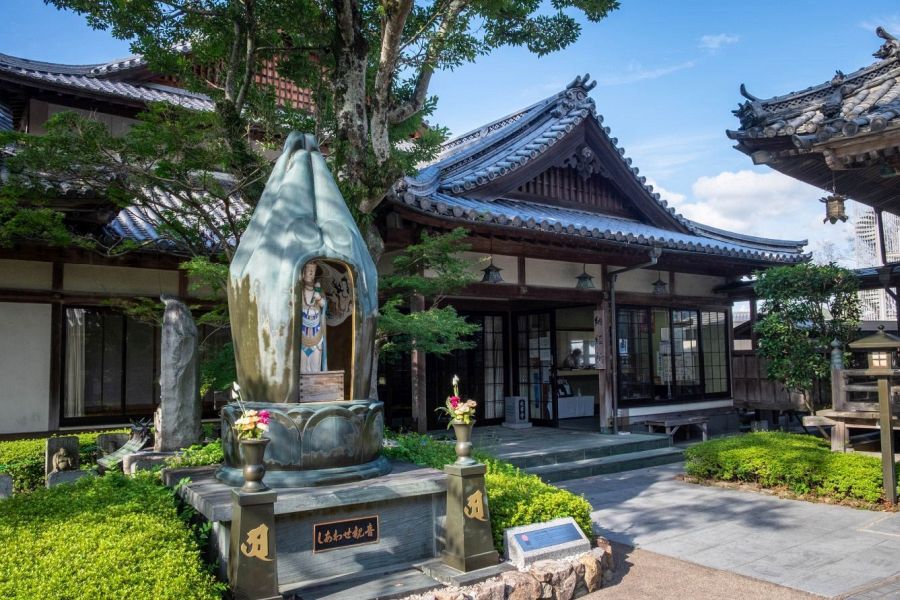
Temple 13, Dainichi-ji
Dainichi-ji is temple No. 13 on the Shikoku Pilgrimage, or Henro. It’s located between the hill on which Ichinomiya Castle stood, and the Akui River, a tributary of the Yoshino River in Tokushima city. Temples No. 4 and No. 28 are also called Dainichi-ji. What to see The temple stands across a busy, narrow road...

Temple 14, Jōraku-ji
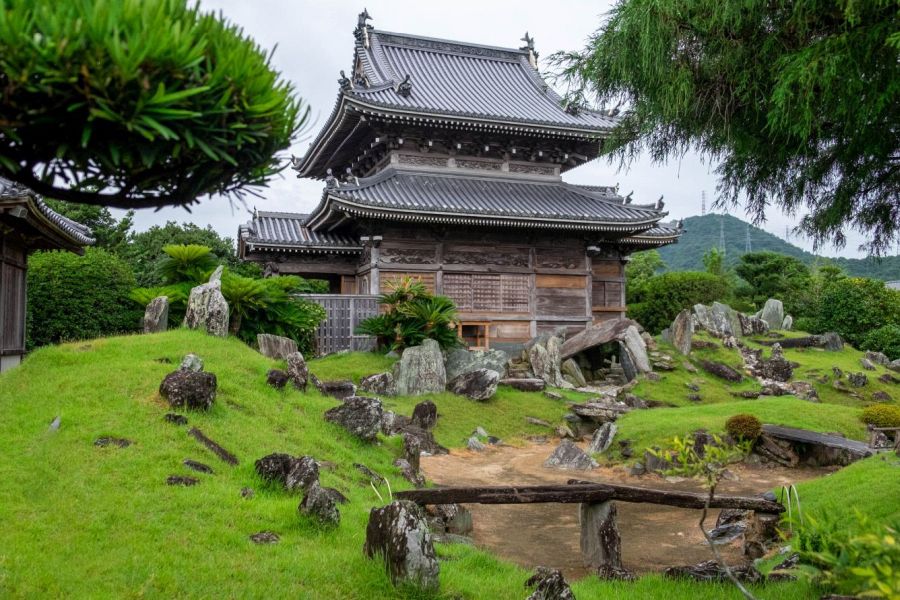
Jōraku-ji is temple No. 14 on the Shikoku Pilgrimage, or Henro. It stands in the hills on the south side of the Tokushima rift valley, just outside the city of Tokushima. What to see This temple has one of the most unusual courtyards of the pilgrimage. It was built on a tilted outcrop of mudstone,...
Temple 15, Awa Kokubun-ji
Awa Kokubun-ji is temple No. 15 on the Shikoku Pilgrimage, or Henro. It stands among rice fields on the floor of the Tokushima rift valley, not far from Tokushima city. Awa Kokubun-ji is one of only three Zen temples on the pilgrimage. The other two are Temple 11 Fujii-dera and Temple 33 Sekkei-ji. What to...
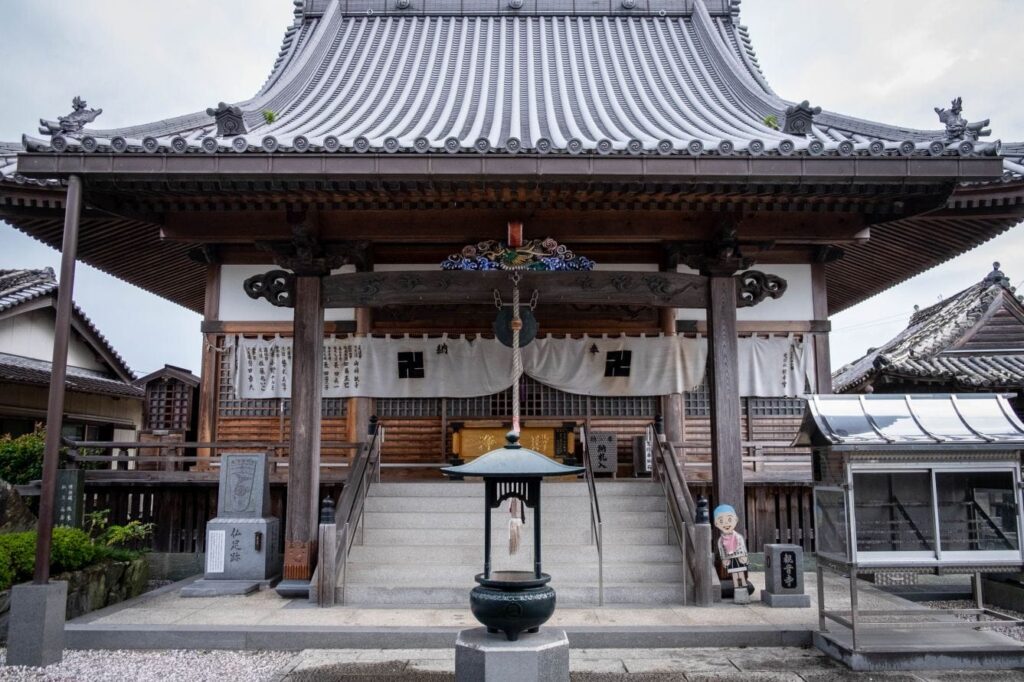
Temple 16, Kan’on-ji
Kan’on-ji is temple No. 16 on the Shikoku pilgrimage, or Henro. It’s quite a small temple within Tokushima city. It shouldn’t be confused with Kannon-ji Temple in Kan’on-ji, Kagawa. What to see The main gate is a majestic two-storied gate of Japanese style, giving an air of solemnity to this very small temple. Nevertheless, the...
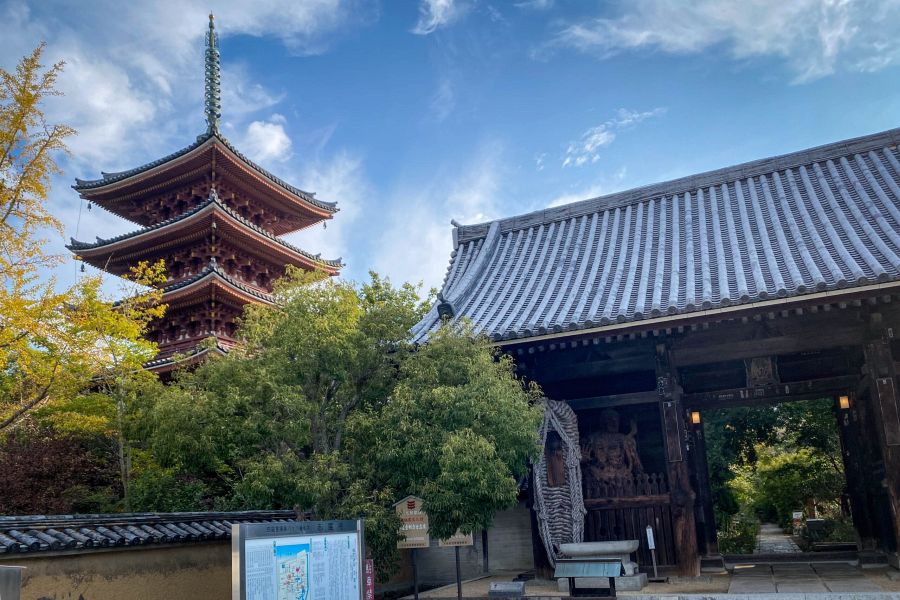
Temple 17, Ido-ji
Ido-ji is temple No. 17 on the Shikoku pilgrimage, or Henro. It stands in a residential area in Tokushima city next to a Shintō shrine. What to see The Niō Gate stands in isolation from the other buildings. Painted vermilion red, it’s a large gate in the style of samurai architecture. It was relocated from...
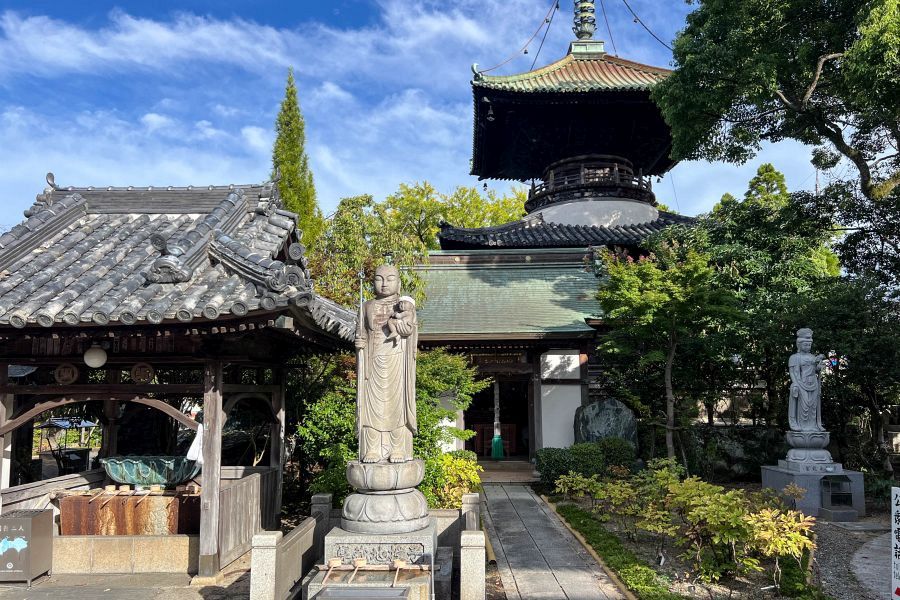
Temple 19, Tatsue-ji
Tatsue-ji is temple No. 19 on the Shikoku pilgrimage, or Henro. It stands in an old neighbourhood near an inlet in the port town of Komatsushima. In the Edo period, travel was regulated by gated checkpoints called ‘sekisho’. On the pilgrimage, there are ‘sekishodera’ in each of the provinces, and these temples are considered spiritual...
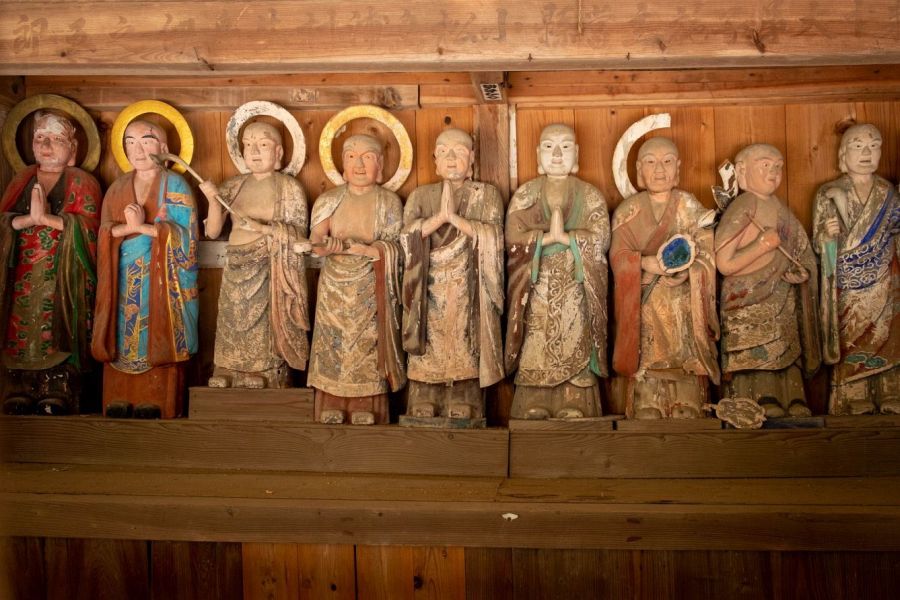
Temple 18, Onzan-ji
Onzan-ji is temple No. 18 on the Shikoku pilgrimage, or Henro. It stands in a side valley on the northern edge of the Tokushima rift valley. What to see The little temple gate is located a good distance from the temple itself. It stands athwart the pilgrim’s trail beside a red bridge over the main...
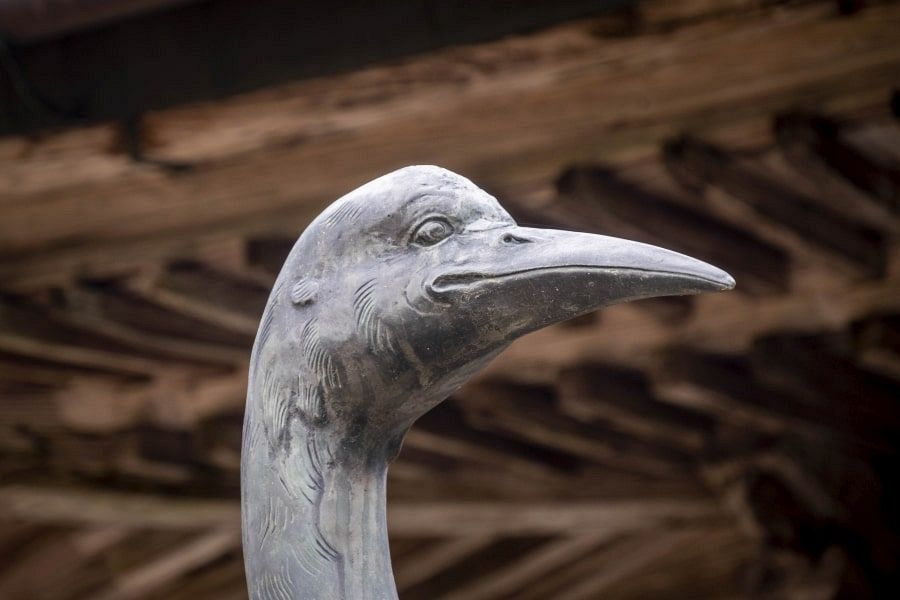
Temple 20, Kakurin-ji
Kakurin-ji is temple No. 20 on the Shikoku pilgrimage, or Henro. Located 490 m above sea level, the path up to it is rated among the “pilgrim-killers”. It stands across the Naka River from Temple No. 21, Tairyū-ji, another mountain-top temple. From Kakurin-ji, you can see as far as Awaji Island and the Pacific Ocean....
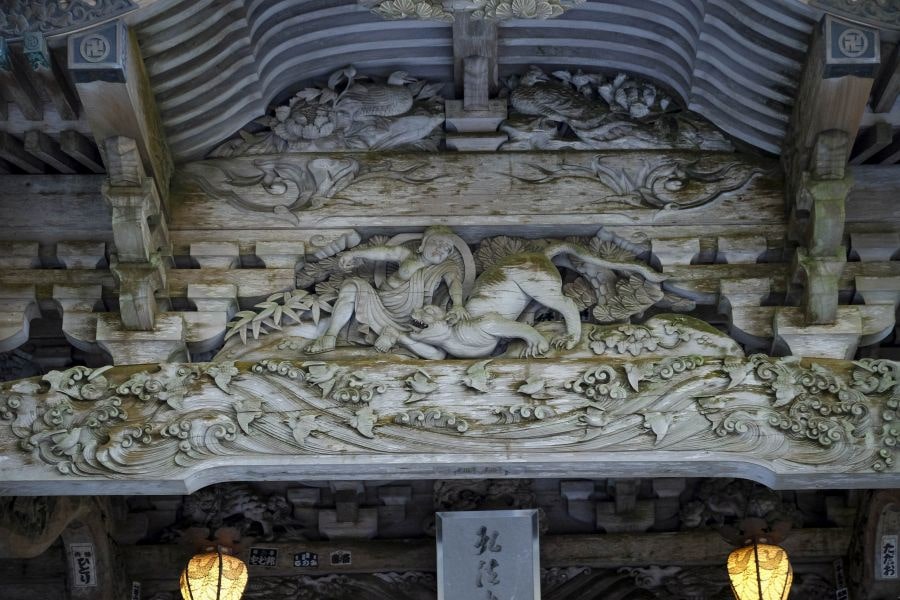
Temple 21, Tairyū-ji
Tairyū-ji is temple No. 21 on the Shikoku pilgrimage, or Henro. Located at 610 m above sea level, it’s one of the “nansho”, the difficult temples to reach on foot. Nevertheless, the climb isn’t particularly arduous. Whether you walk or take the cable car, Tairyū-ji is one of the most rewarding of the eighty-eight locations to...
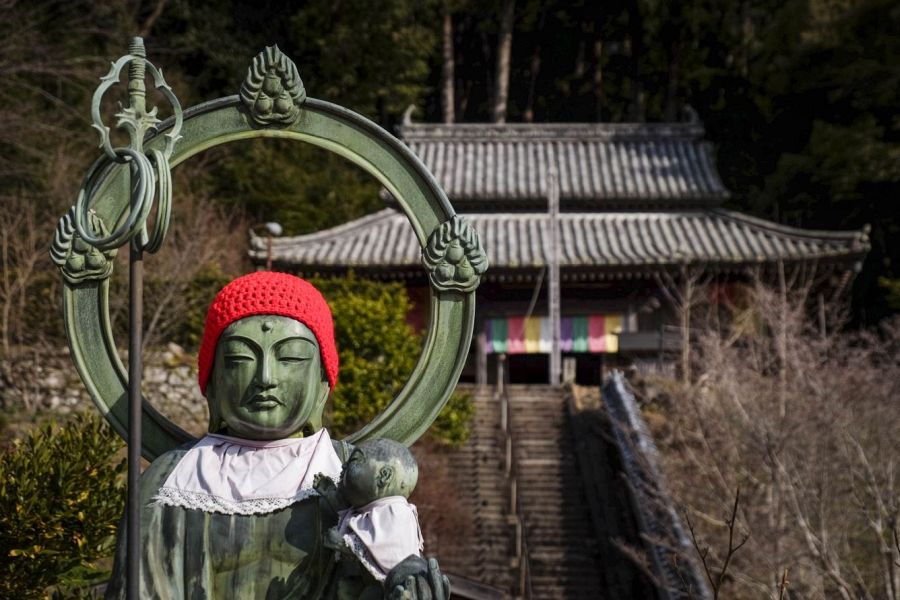
Temple 22, Byōdō-ji
Byōdō-ji is temple No. 22 on the Shikoku Pilgrimage, or Henro. It stands at the foot of a low range of mountains in Anan near the Kuwano River. What to see A two-storey Niō Gate flanked by stone lanterns stands atop a dozen steps up from the road. There’s a belfry on the left, then...

Temple 23, Yakuō-ji
Yakuō-ji is temple No. 23 on the Shikoku pilgrimage or Henro. Yakuō-ji offers a beautiful view of Hiwasa Bay and Hiwasa Castle from the viewing area around the modern pagoda, while the pagoda can be seen from a considerable distance away. What to see From the town, the temple rises steeply up the hill with...
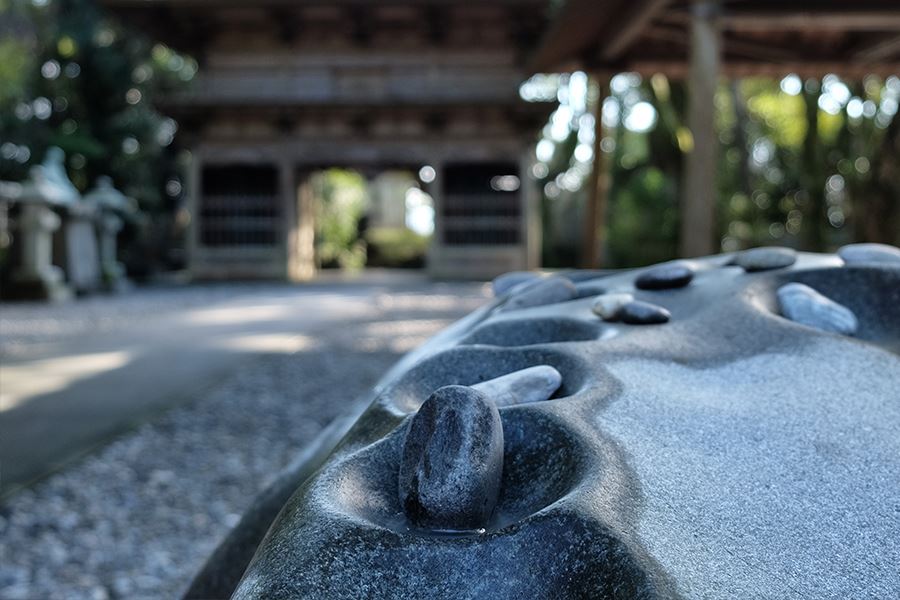
Temple 24, Hotsumisaki-ji
Hotsumisaki-ji is temple No. 24 on the Shikoku pilgrimage or Henro. It stands at an elevation of 300 m on the tip of Cape Muroto, a warm place where subtropical plants grow. For walking pilgrims, it’s a welcome spot since it marks the end of one of the longest stretches between temples on the pilgrimage...
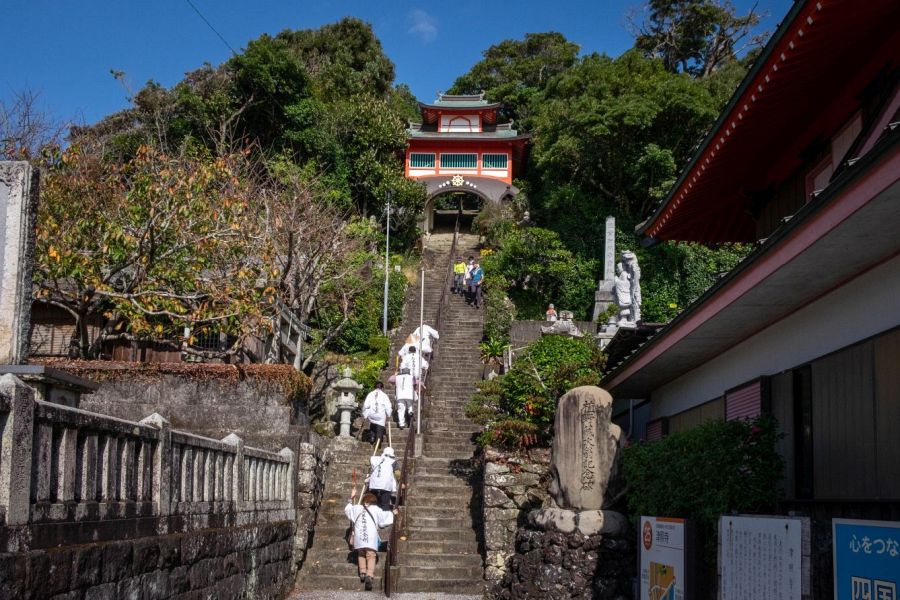
Temple 25, Shinshō-ji
Shinshō-ji is temple No. 25 on the Shikoku pilgrimage. It’s one of the three temples in Muroto known collectively as Muroto Sanzan. It stands at the top of a steep flight of steps above the port of Murotsu on the Muroto Peninsula, and since the narrow entrance to the temple is tucked away in a...
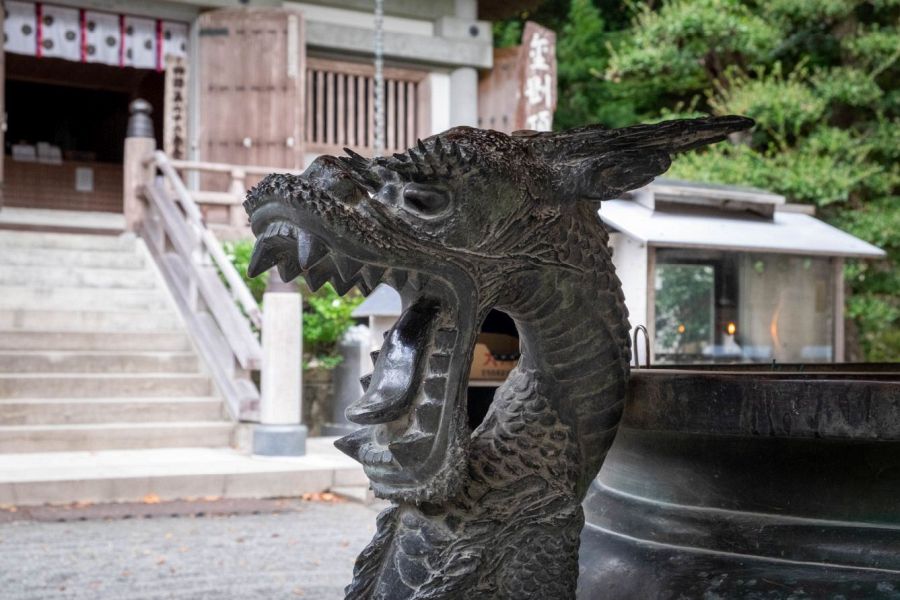
Temple 26, Kongōchō-ji
Kongōchō-ji is temple No. 26 on the Shikoku pilgrimage, or Henro. It’s one of the three temples in Muroto known collectively as Muroto Sanzan. It stands in woodland high on Cape Gyōdo, one of several promontories that protrude from the west side of the Muroto Peninsula. What to see A flight of steps leads up...
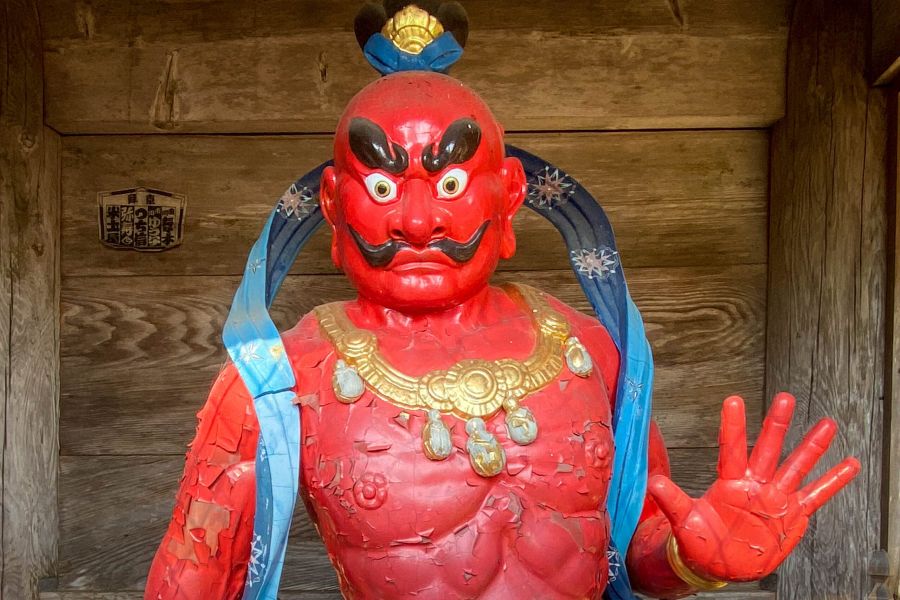
Temple 27, Kōnomine-ji
Kōnomine-ji is temple No. 27 on the Shikoku pilgrimage or Henro. Each prefecture has a ‘sekishodera’, a temple considered the most difficult to access in the days when pilgrims only walked. Kōnomine-ji is the sekishodera of Kōchi. It’s located on the hillside around 430 m above sea level on Mt. Kōnomine. It’s accessed by road...
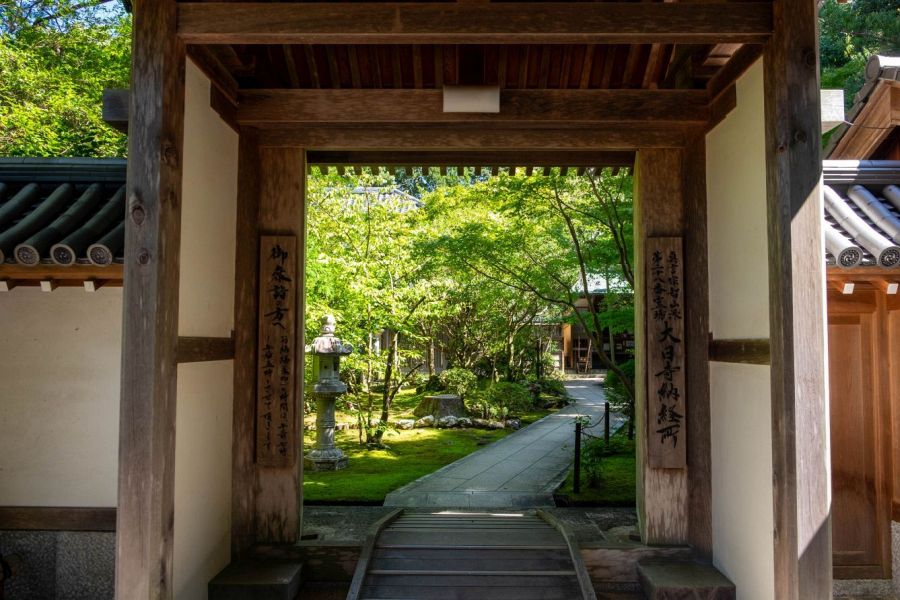
Temple 28, Dainichi-ji
Dainichi-ji is temple No. 28 on the Shikoku pilgrimage, or Henro. The temple is located on a hill with lush sub-tropical greenery, not far from the tourist attractions of Kōnan, including ACT Land, the Shikoku Automobile Museum, and the Ryūgadō Caves. It’s one of three temples with the same name on the pilgrimage, the others...
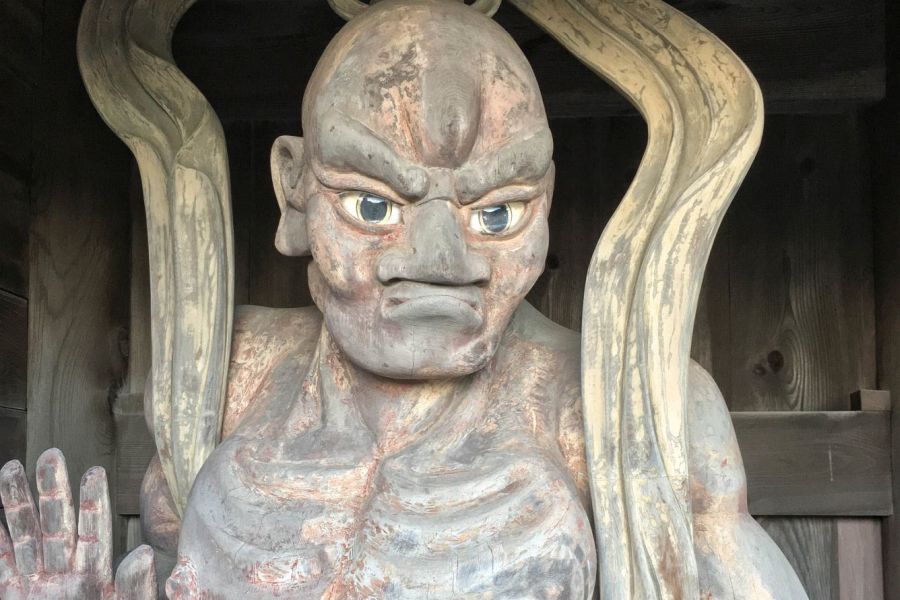
Temple 29, Tosa Kokubun-ji
Tosa Kokubun-ji is temple No. 29 on the Shikoku pilgrimage, or Henro. Each prefecture has a temple named Kokubun-ji, which are official state temples, founded by order of Emperor Shomu in 741, and Temple 29 was the state temple established in the province of Tosa, today’s Kōchi Prefecture. It stands in a flat suburban agricultural...
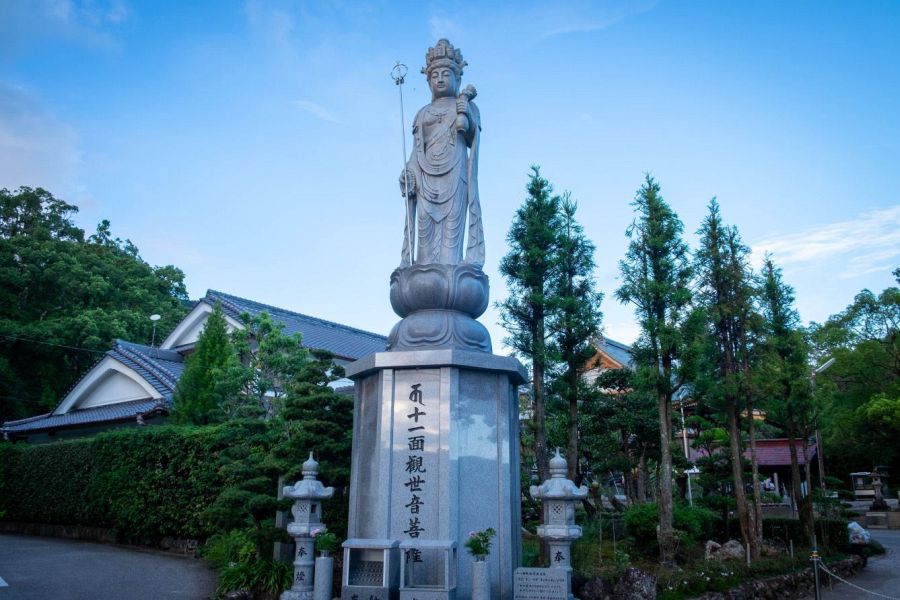
Temple 30, Zenraku-ji
Zenraku-ji is temple No. 30 on the Shikoku pilgrimage, or Henro. What to see Zenraku-ji stands in a subsidiary position to the right of Tosa Shrine which has its own long approach. The temple and shrine create an impression of an important religious centre. A large stone statue of the eleven-faced Kannon, the Goddess of...
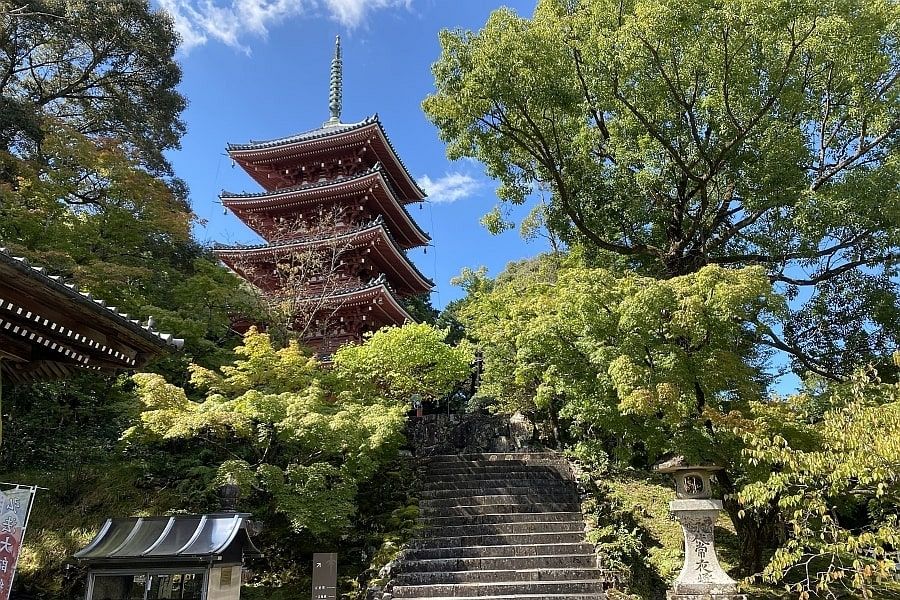
Temple 31, Chikurin-ji
Chikurin-ji is temple No. 31 on the Shikoku pilgrimage, or Henro. It’s located on Mt. Godai, a fairly high hill within Kōchi city. Chikurin-ji means ‘bamboo forest temple’, although today, Mt. Godai is more broad-leaf and pine forest than bamboo. What to see Chikurin-ji has many beauties. There’s a long approach to the main compound...
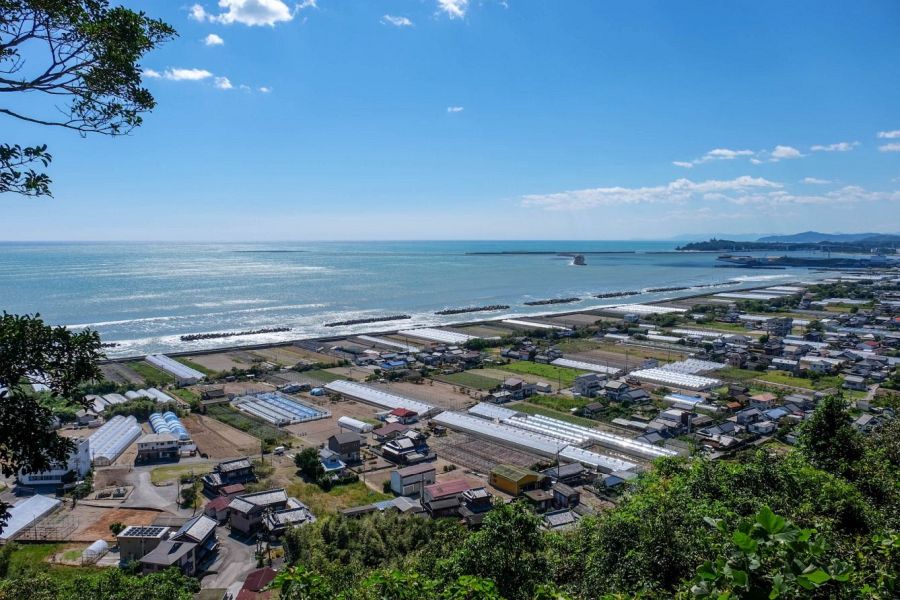
Temple 32, Zenjibu-ji
Zenjibu-ji is temple No. 32 on the Shikoku Pilgrimage, or Henro. The temple is located on a hillside in Nankoku outside Kōchi city near the Pacific coast. What to see As you walk up the mountain path from the foot of the temple, the path branch to the right towards a storehouse and the temple...
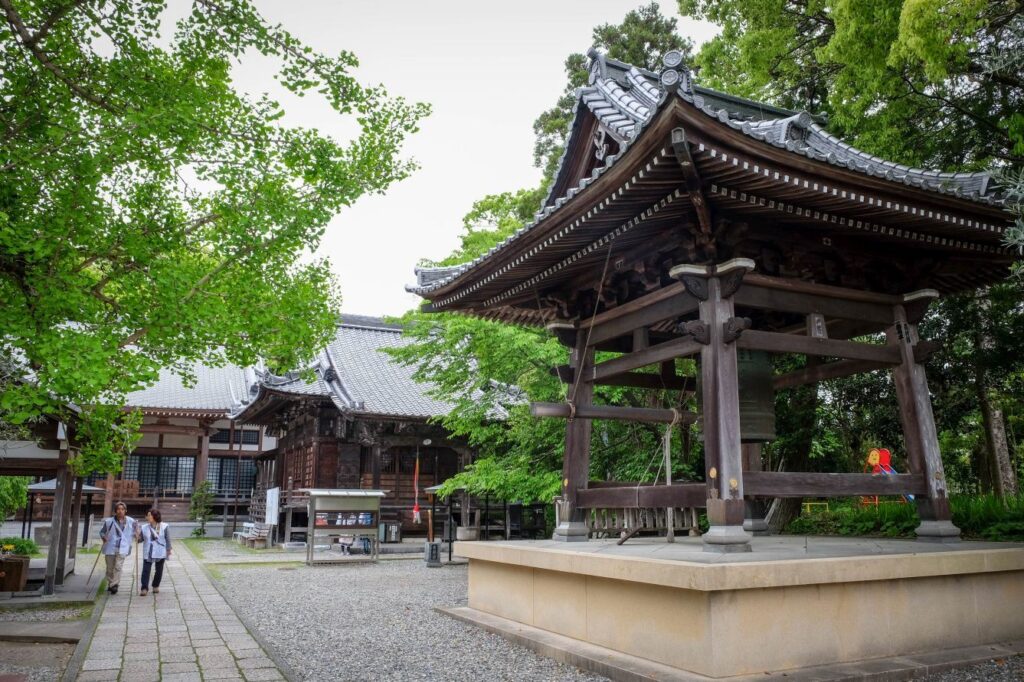
Temple 33, Sekkei-ji
Sekkei-ji is Temple 33 on the Shikoku pilgrimage, or Henro. The temple was favoured by the Chōsokabe clan under Chōsokabe Motochika who unified all of Shikoku. He made Sekkei-ji his ancestral temple, and his son’s ashes were buried here. The grave of Motochika is about twenty minutes on foot to the east. During the purge...
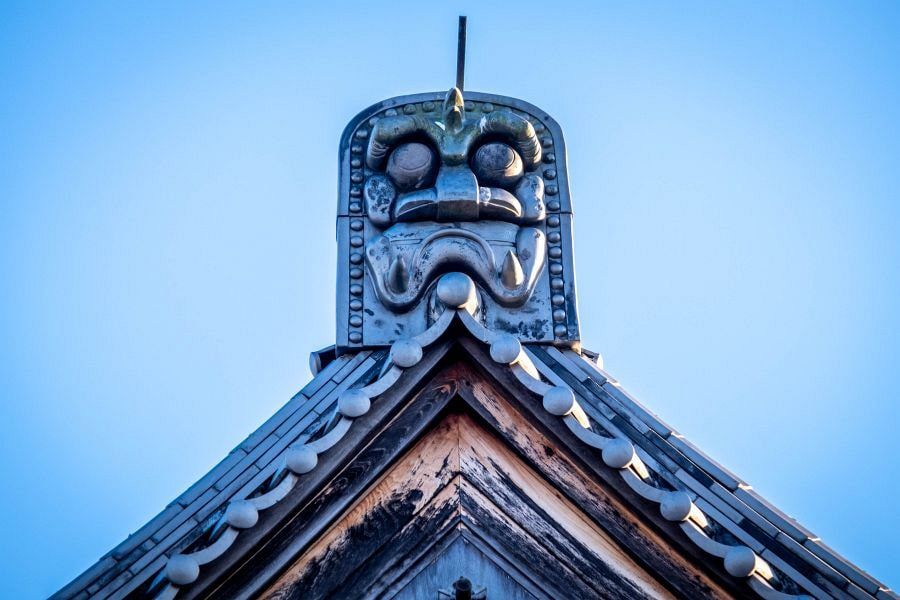
Temple 34, Tanema-ji
Tanema-ji is temple No. 34 on the Shikoku pilgrimage. Its name means ‘seed planting’. Kūkai is said to have planted seeds he brought back from China at this temple. What to see After entering through the temple gate, there’s a belfry. Turning right in front of the Kōmyō Hall you see Mizuko Jizō Hall on...
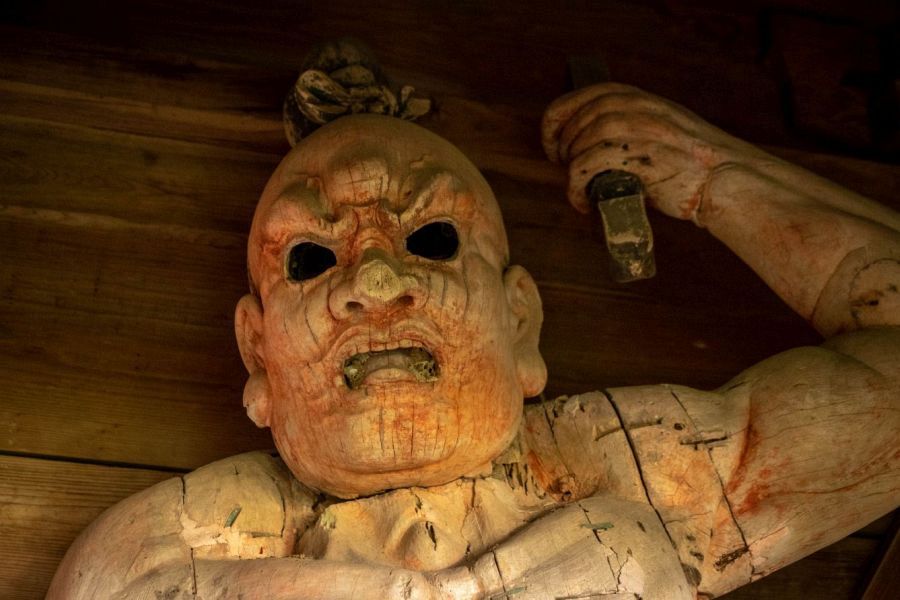
Temple 35, Kiyotaki-ji
Kiyotaki-ji, The Temple of the Pure Waterfall, is temple No. 35 on the Shikoku pilgrimage, or Henro. It stands midway up Mt. Kiyotaki at an elevation of 137 m surrounded by citrus groves at the end of a steep, narrow, and winding road with ditches on either side. What to See Walking pilgrims must climb...
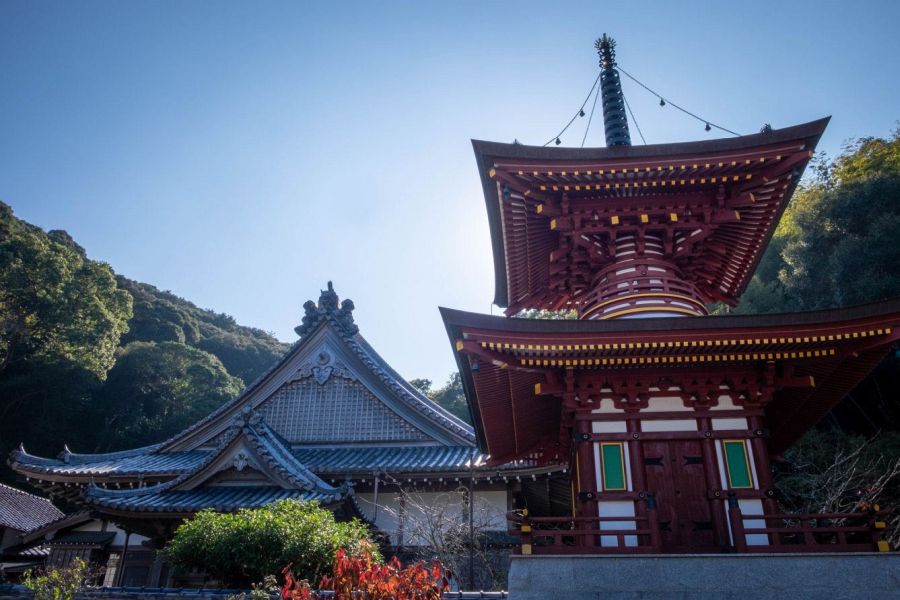
Temple 36, Shōryū-ji
Shōryū-ji, The Blue Dragon Temple, is temple No. 36 on the Shikoku pilgrimage, or Henro. It stands near the tip of the Yokonami Peninsula which juts out into the Pacific Ocean parallel to the shore of Tosa city, creating a deep inlet called Uranouchi Bay. What to See The temple is hidden in a valley recessed from the...
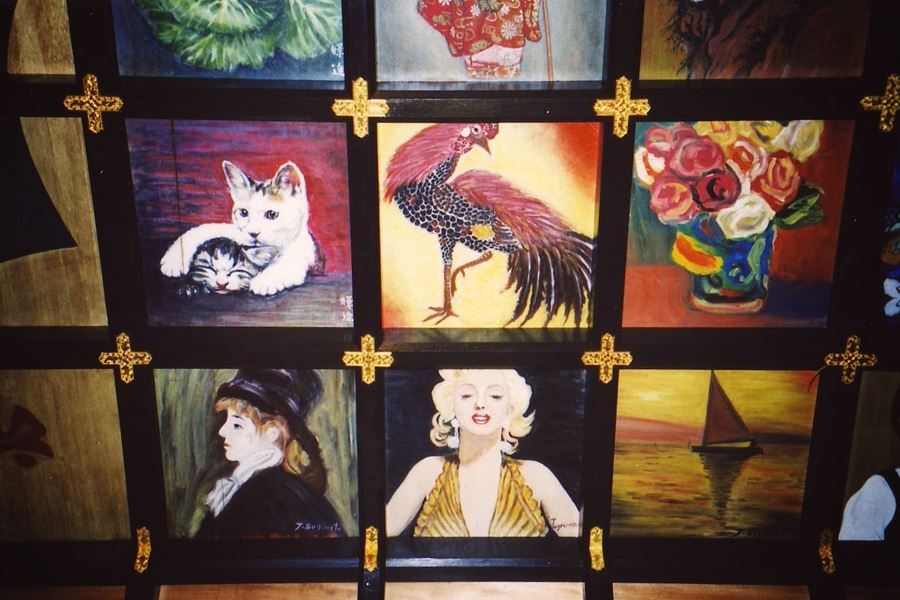
Temple 37, Iwamoto-ji
Iwamoto-ji is temple No. 37 on the Shikoku pilgrimage, or Henro. It’s located close to the JR Yodo Line and the Shimanto River. The distance between this temple and the neighbouring temples is considerable, so pilgrims often stayed overnight at this temple. What to see Iwamoto-ji Temple is set back a little from the nearest...
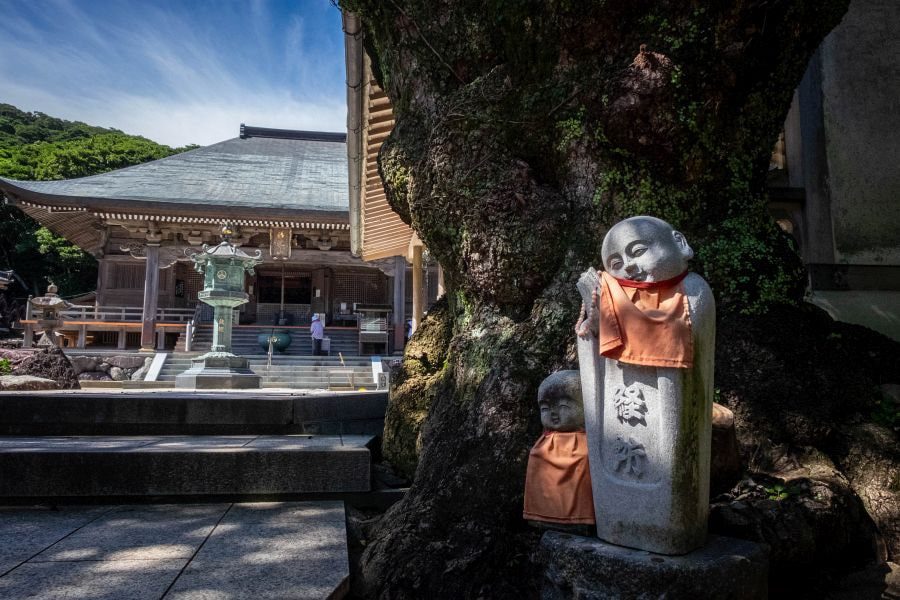
Temple 38, Kongōfuku-ji
Kongōfuku-ji, The Temple of Everlasting Happiness, is Temple No. 38 on the Shikoku pilgrimage or Henro. It’s located overlooking the Pacific Ocean at the tip of the Ashizuri Peninsula. Cape Ashizuri is the southernmost point of Shikoku. The distance between Temple No. 37 and No. 38 Kongōfuku-ji is one of the longest, and takes about...

Temple 40, Kanjizai-ji
Kanjizai-ji is temple No. 40 on the Shikoku pilgrimage, or Henro. It’s the first temple in Ehime Prefecture. Due to its distance from the first temple, it’s called the “furthest point of the Shikoku pilgrimage.” What to See The main gate stands atop a short flight of stone steps. This elegant gate is made entirely...
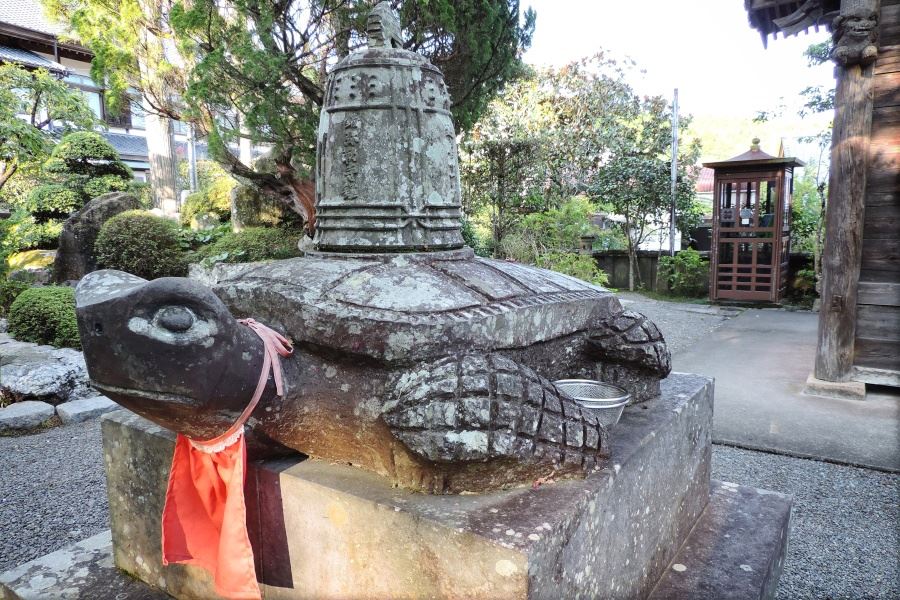
Temple 39, Enkō-ji
Enkō-ji is temple No. 35 on the Shikoku pilgrimage. It’s the last temple in Kōchi before the pilgrimage route heads north into Ehime prefecture. What to see The temple gate stands atop a few stone steps, and it holds two fine, red Niō guardian statues. To the left of the gate is a wash basin...
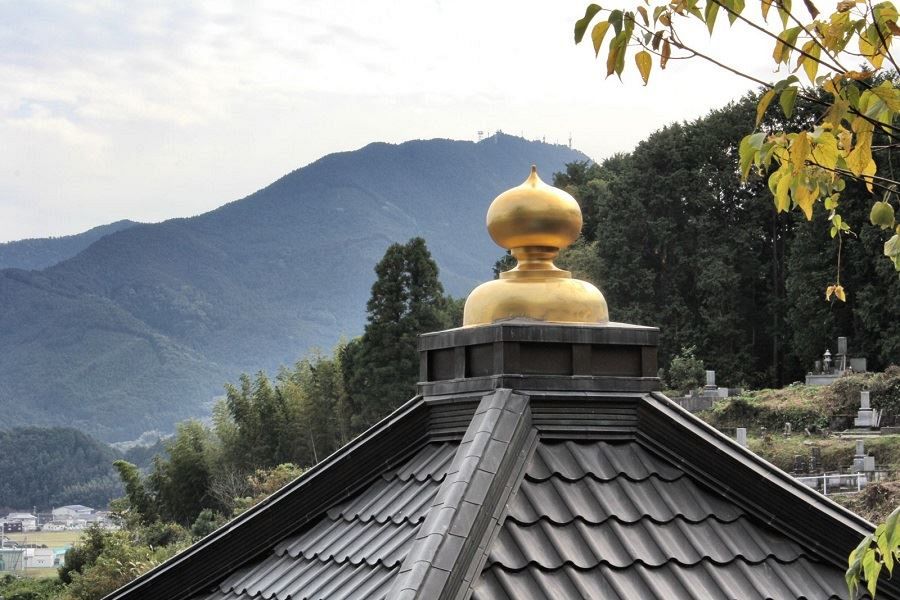
Temple 41, Ryūkō-ji
Ryūkō-ji is temple No. 41 on the Shikoku pilgrimage, or Henro. The temple is located in the countryside not far from Uwajima, on a steep hillside with a fine view down a pastoral valley. What to See A stone torii gate stands at the entrance to the approach, marking this as a temple with a...
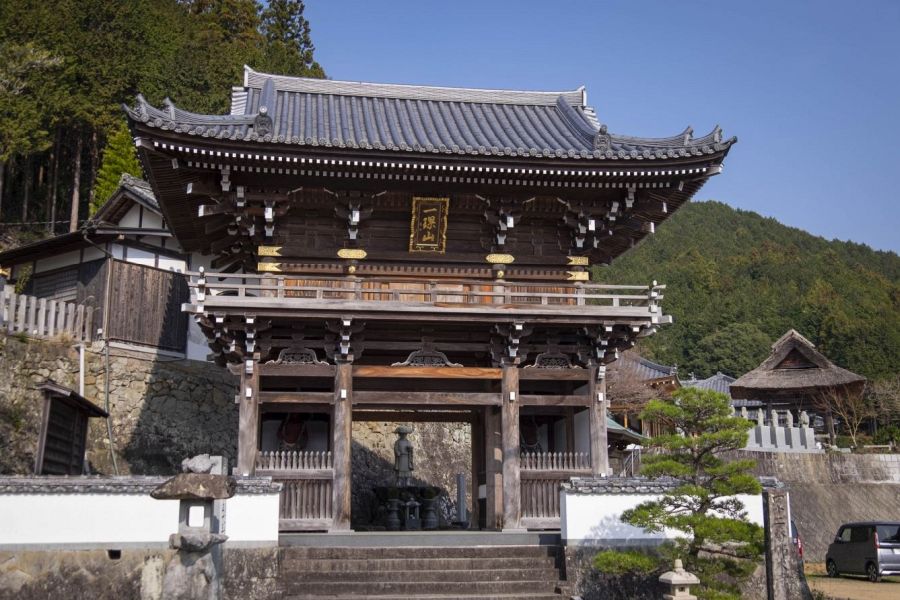
Temple 42, Butsumoku-ji
Butsumoku-ji, the Temple of the Buddha’s Tree, is temple No. 42 on the Shikoku pilgrimage or Henro. The temple is located in the countryside between Uwajima and Seiyo. The temple buildings are interesting mixture of architectural styles, including an unusual thatched belfry. There are many attractive trees within the temple precincts. What to see Along...
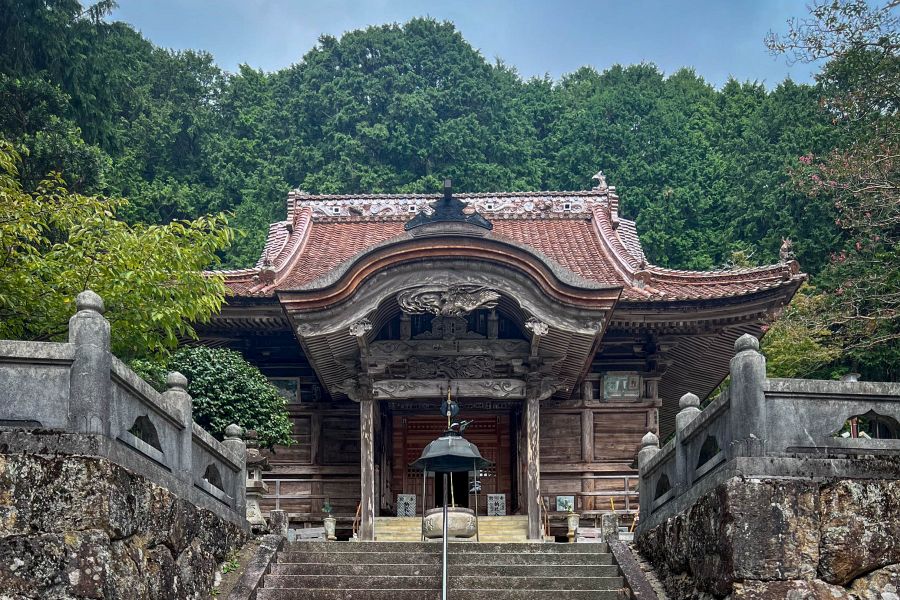
Temple 43, Meiseki-ji
Meiseki-ji, The Temple of the Brilliant Stone, is temple No. 43 on the Shikoku pilgrimage, or Henro. The temple is located on a hillside in Seiyo among beautiful woodland. What to see The temple is largely hidden from view until you climb a long flight of steps, whereupon it’s revealed standing on a series of...
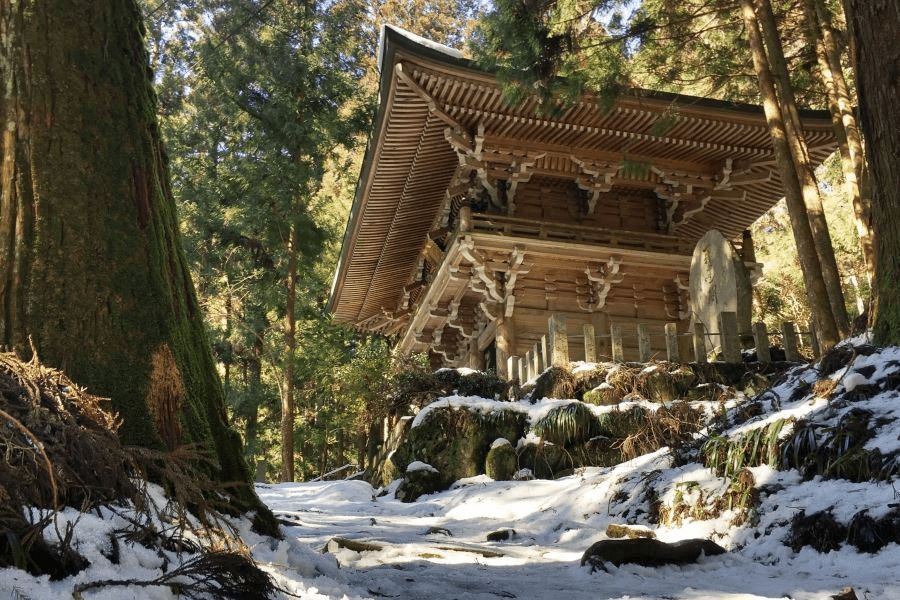
Temple 44, Daihō-ji
Daihō-ji, the Temple of Great Treasure, is temple No. 44 on the Shikoku Pilgrimage, or Henro. It stands in a forest of ancient sugi and hinoki cypress trees in the area known as Kuma Highland in central Ehime. What to see The approach to the temple begins in the town where there’s a high wooden...
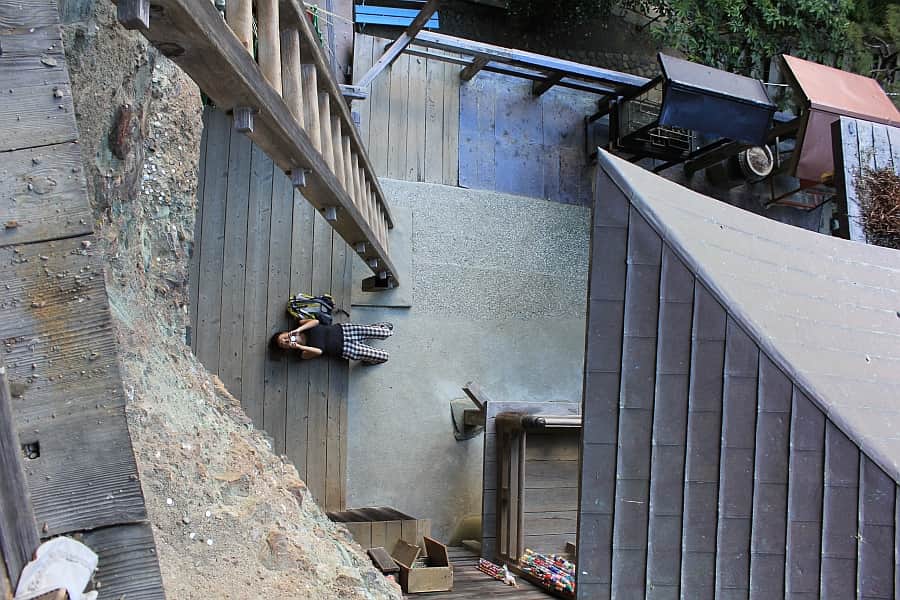
Temple 45, Iwaya-ji
Iwaya-ji, The Temple of the Rock Hermitage, is temple No. 45 on the Shikoku Pilgrimage, or Henro. If there’s one temple on the pilgrimage you really should visit in Ehime Prefecture, Iwaya-ji is it. The temple is located on Kuma Highland in a gorge formed of conglomerate rock. It inspires awe, from the trek up...
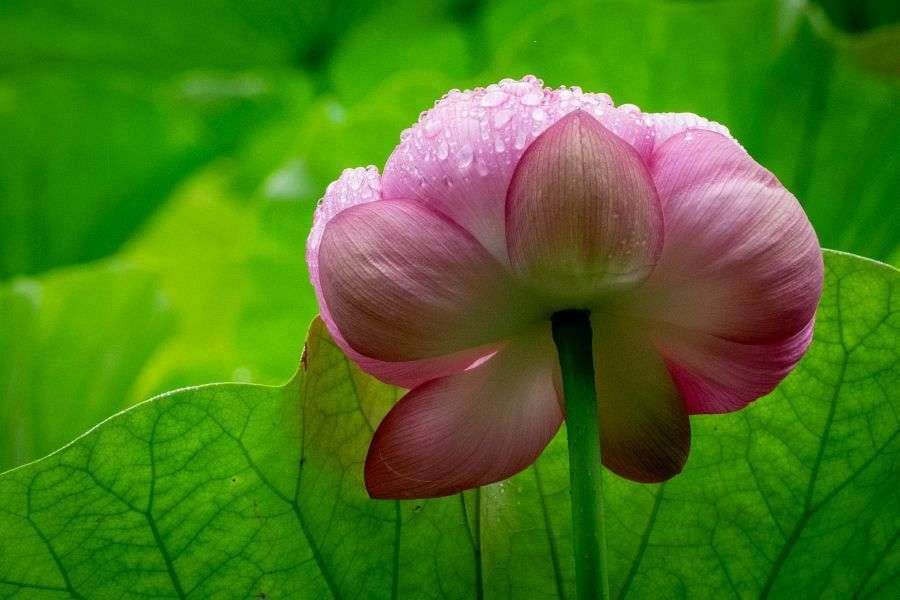
Temple 46, Jōruri-ji
Joruri-ji, The Temple of the Pure Lapis Lazuli, is temple No. 46 on the Shikoku pilgrimage. It stands among fields on a gentle slope in the south of Matsuyama, Ehime Prefecture. The temple building is largely hidden from view by the tall trees that surround it. These ancient junipers are thought to be about 1,000...
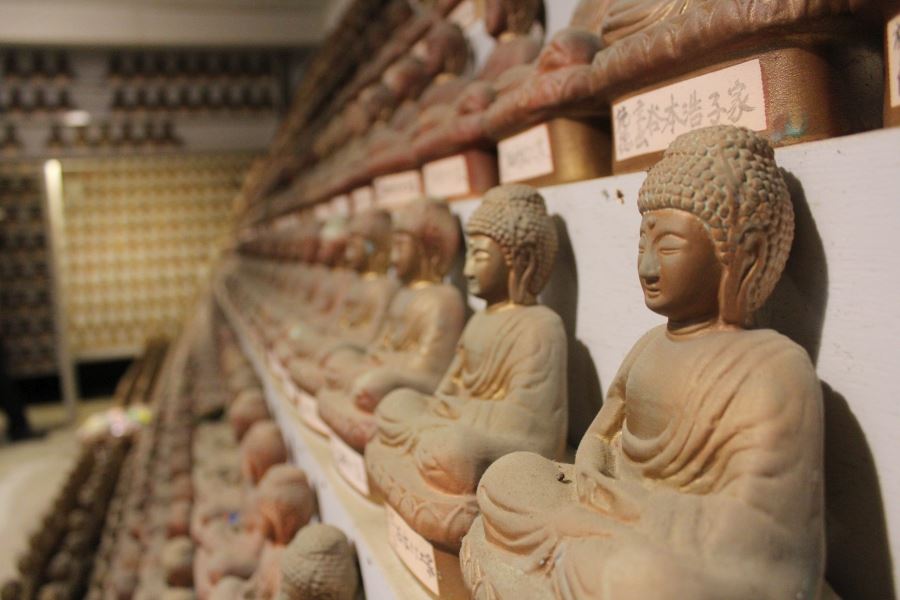
Temple 47, Yasaka-ji
Yasaka-ji, The Temple of the Eight Slopes, is temple No. 47 on the Shikoku pilgrimage, or Henro. It stands on a hill in the south of Matsuyama. What to see A long, straight road leads up to the temple past farmhouses, and from a distance, the temple has a festive, colourful look about it. The...
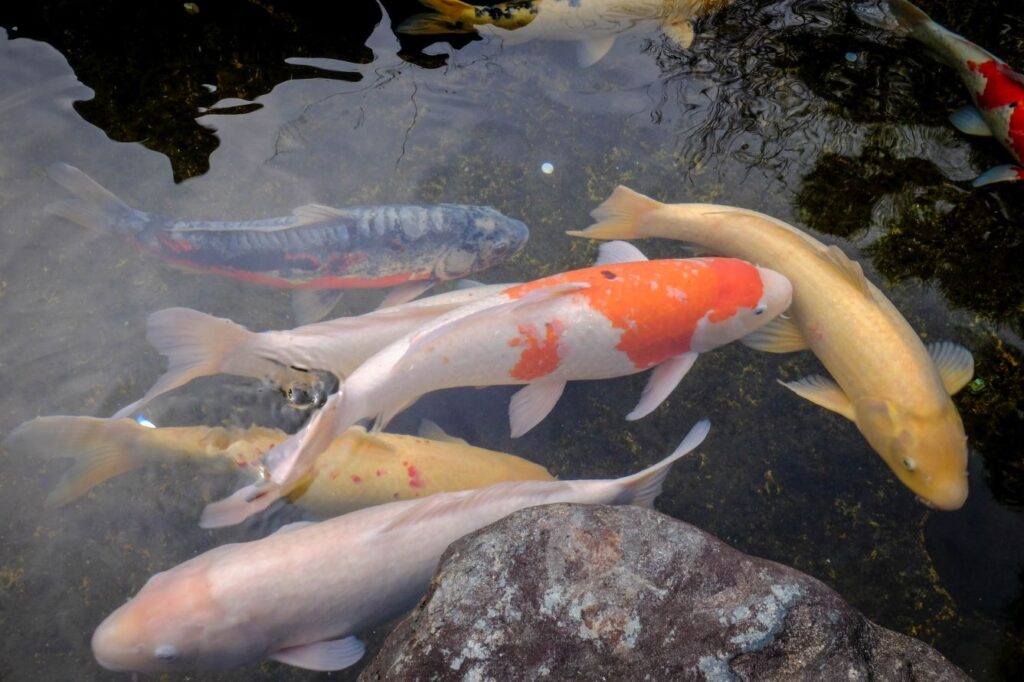
Temple 48, Sairin-ji
Sairin-ji, The Temple of the Western Forest, is temple No. 48 on the Shikoku pilgrimage, or Henro. It sits on a low-lying plain next to a little river. From the temple, you can see Mt. Ishizuchi, the highest mountain in western Japan. In winter, its snowy peaks present a fine sight. What to see An...
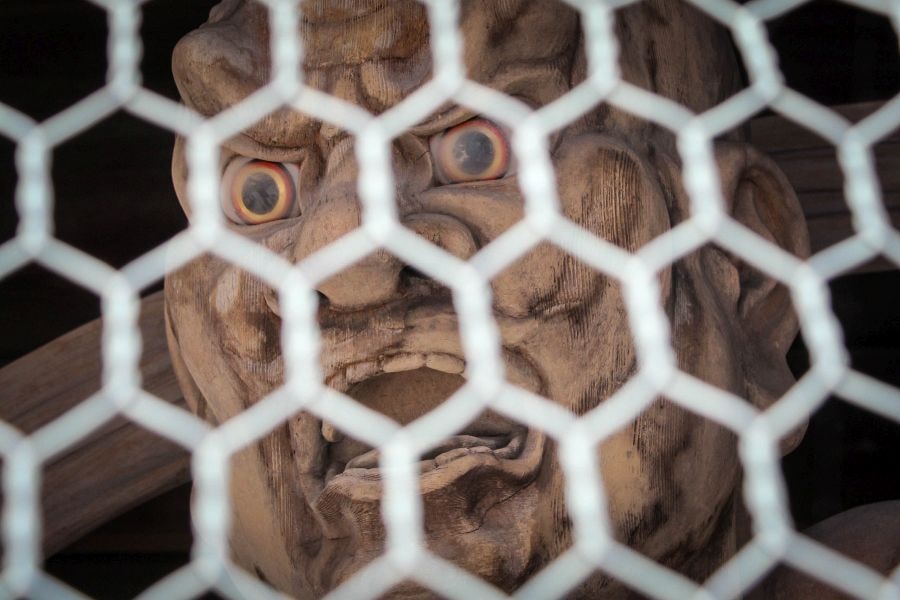
Temple 49, Jōdo-ji
Jōdo-ji, The Temple of the Pure Land, is No. 49 on the Shikoku Pilgrimage, or Henro. It’s located in a residential area at the foot of a hill that faces to the south offering a view of Mt. Ishizuchi. The main building is built in the Chinese style of architecture, with a rustic and weathered...
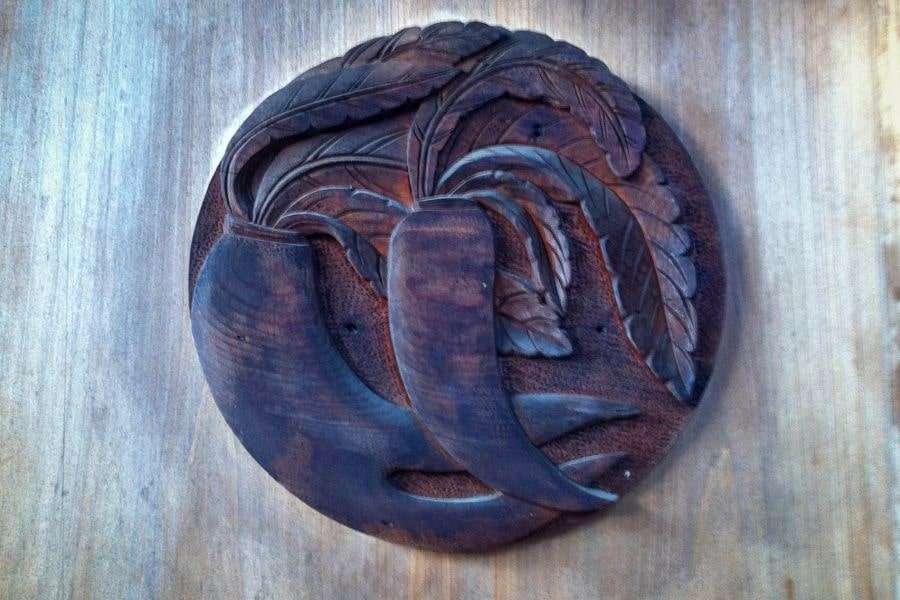
Temple 50, Hanta-ji
Hanta-ji is temple No. 50 on the Shikoku pilgrimage, or Henro. A winding road up a little slope brings you to Hanta-ji, tucked against a hillside.
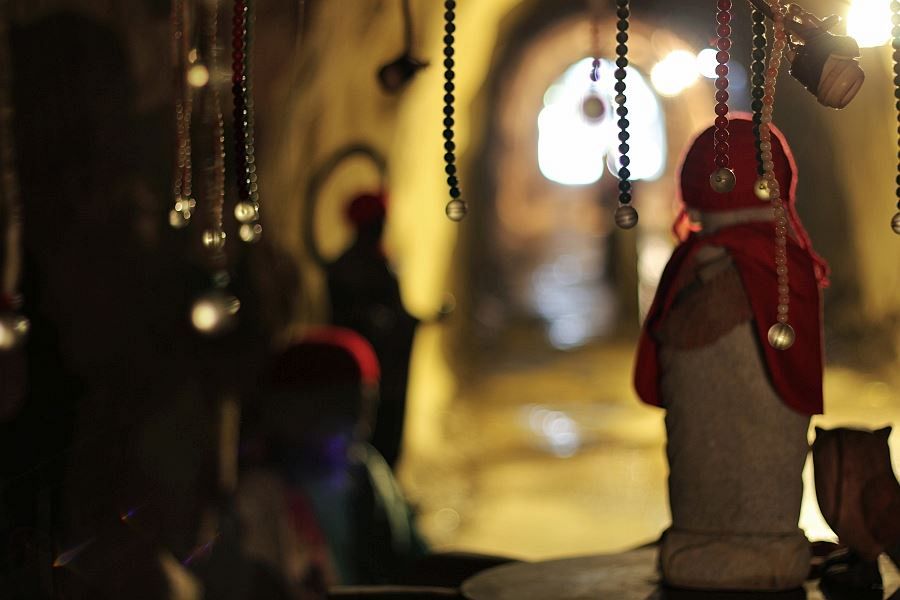
Temple 51, Ishite-ji
Ishite-ji is temple No. 51 on the Shikoku pilgrimage, or Henro. It’s situated in Matsuyama, not far from Dōgo Onsen, so it’s as popular with tourists as with pilgrims. In 2009, it was given one star in the Michelin Guide. Ishite-ji excites both amazement and revulsion. Some find it appealing in its eclectic zaniness, others...
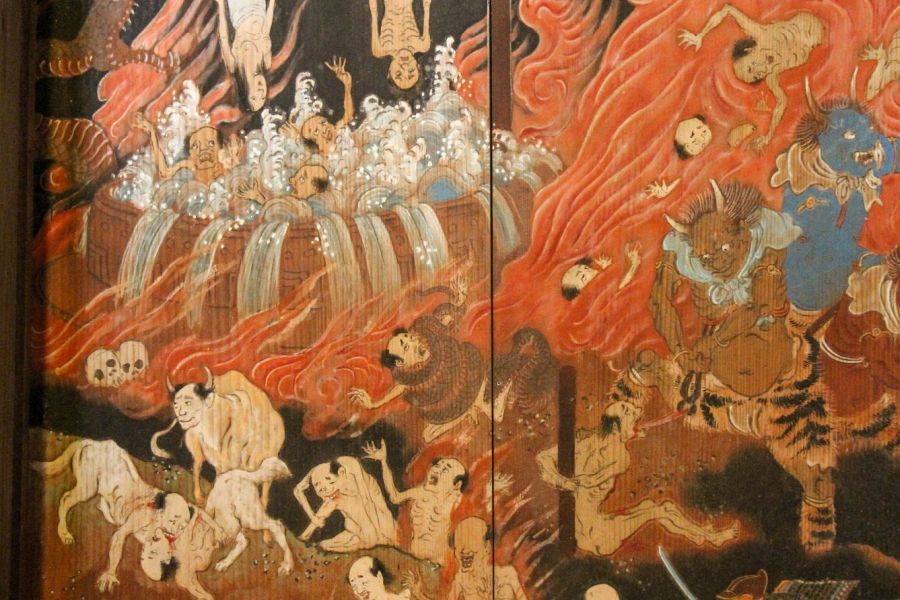
Temple 52, Taisan-ji
Taisan-ji, The Temple of the Big Mountain, is temple No. 52 on the Shikoku pilgrimage, or Henro. Located in the outskirts of Matsuyama, it has wonderful views of the Shikoku Mountains on clear days. The main building is one of the more spectacular on the pilgrimage. What to see The approach to Taisan-ji is very...
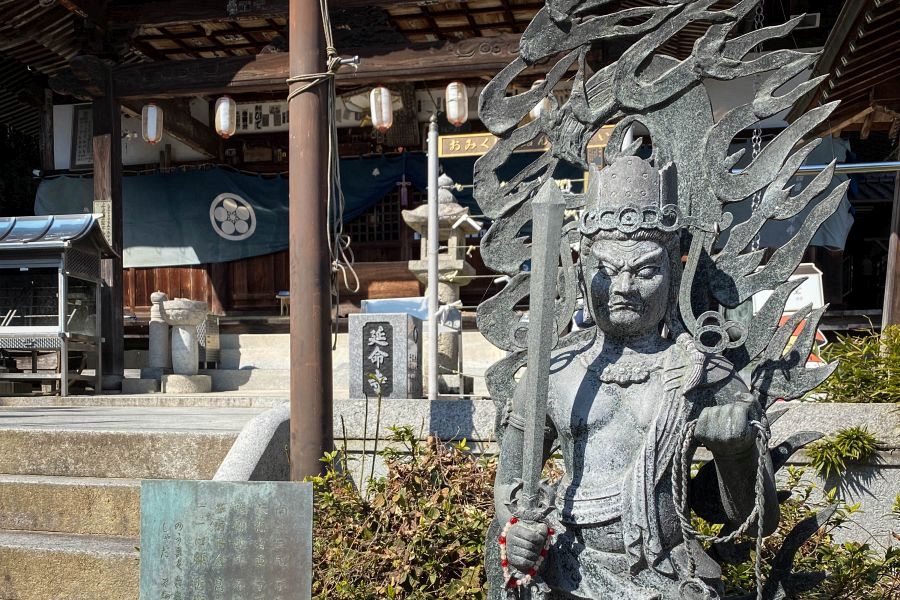
Temple 54, Enmei-ji
Enmei-ji is temple No. 54 on the Shikoku pilgrimage, or Henro. Located in the outskirts of Imabari, it’s dedicated to children lost in childbirth (or aborted). What to see When you enter the temple from the main road, an agricultural pond and the temple graveyard make a strong impression. The graveyard has many of the...
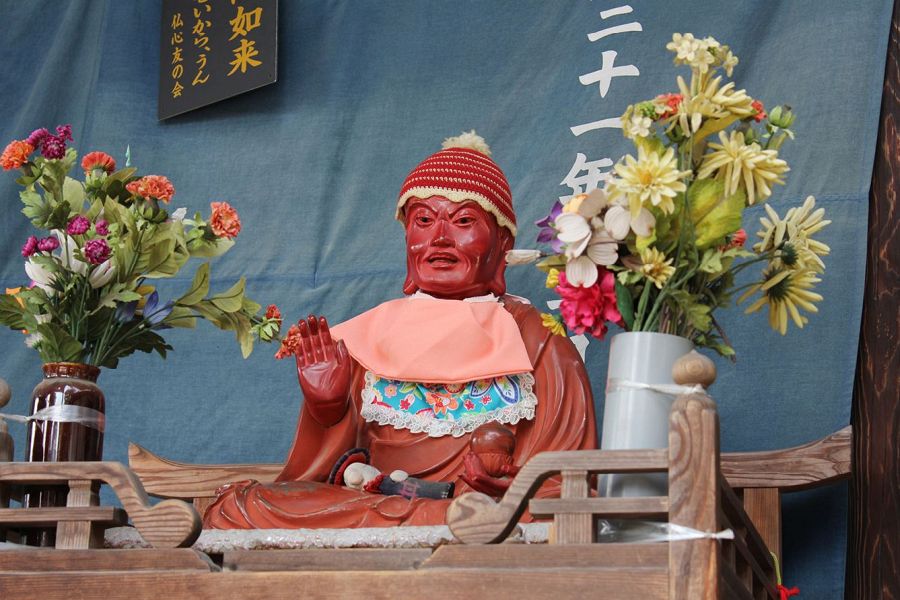
Temple 53, Enmyō-ji
Enmyo-ji, The Temple of the Ring of Light, is temple No. 53 on the Shikoku Pilgrimage or Henro. It’s one of the eight pilgrimage temples in Matsuyama. Located in a built-up area on the outskirts of the city, it has dynamic tile sculptures on the roofs of its buildings. What to see The first point...
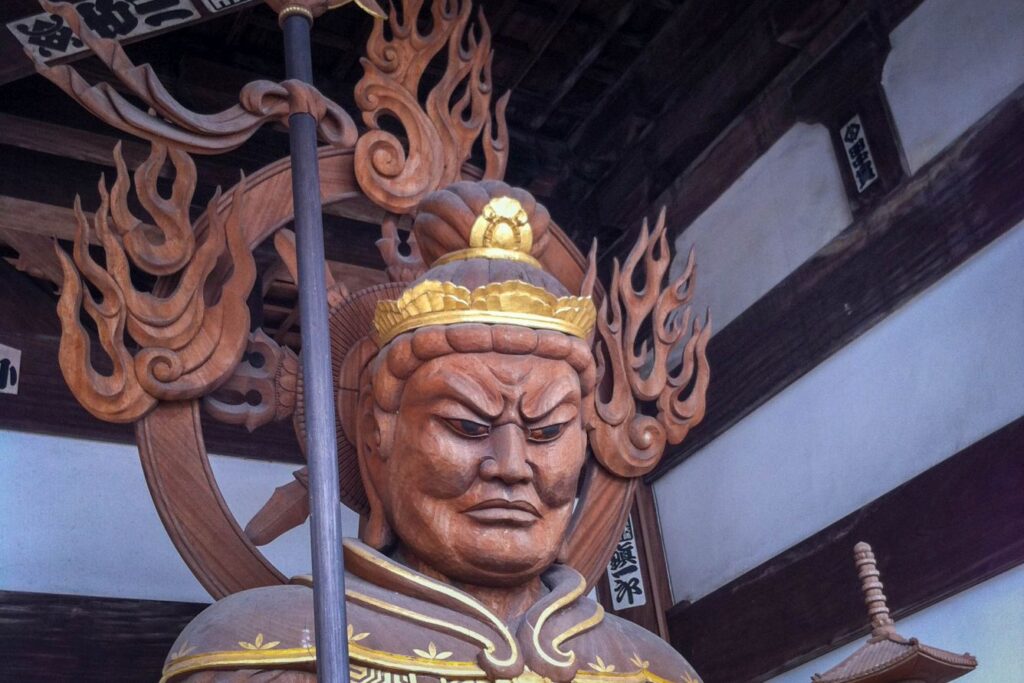
Temple 55, Nankōbō
Nankōbō, The Temple of the Southern Light, is temple No. 55 on the Shikoku pilgrimage or Henro. Located in Imabari, it has a magnificent gate facing the main road, with four fierce guardians decorated with gold leaf. What to see Nankōbō stands beside a main road through Imabari city. Its buildings are distributed around an...
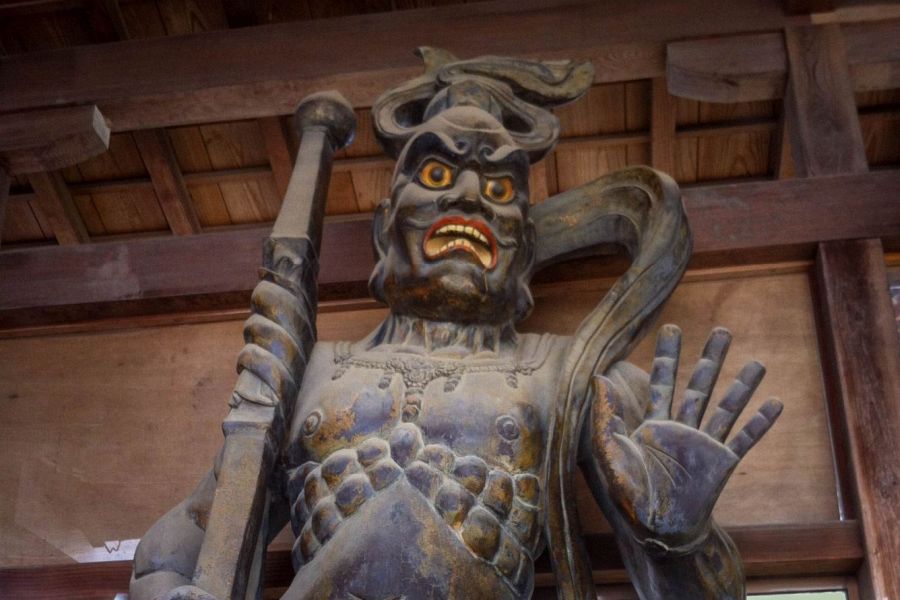
Temple 56, Taisan-ji
Taisan-ji is temple No. 56 on the Shikoku pilgrimage or Henro. The temple is located in the countryside near Imabari. What to see Taisan-ji is located on sloping farmland on the outskirts of Imabari City. It stands on a platform of sloping stone walls topped with a beautiful white plastered wall. To enter the compound,...
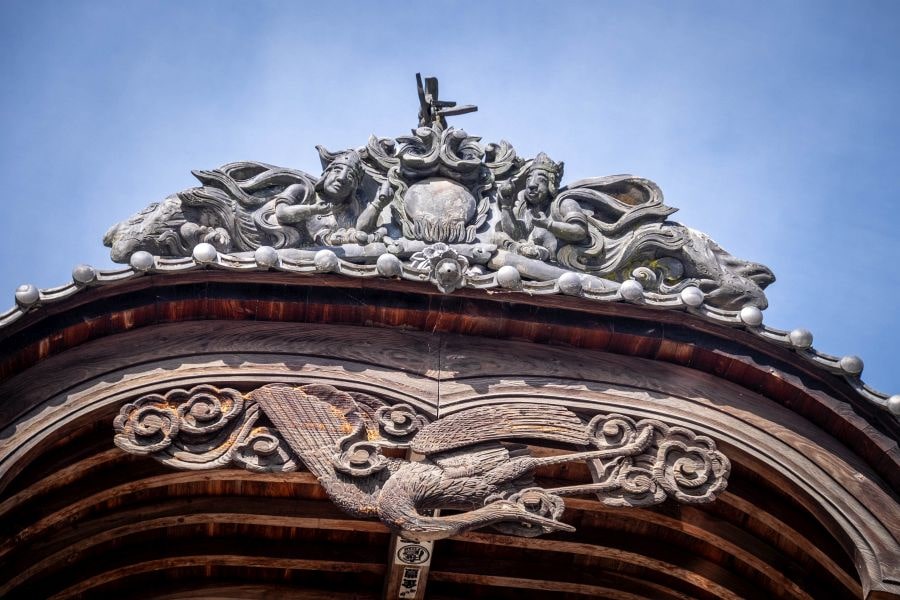
Temple 57, Eifuku-ji
Eifuku-ji is temple No. 57 on the Shikoku pilgrimage or Henro. The temple is located in the countryside outside of Imabari, in a beautiful bamboo grove. What to see When you approach the temple from a distance, the first thing you’ll notice is the newly built priest’s quarters. This an adobe tower with oddly slanted...

Temple 58, Senyū-ji
Senyū-ji, The Temple of Playing in the Mountains, is temple No. 58 on the Shikoku pilgrimage and one of the more impressively located pilgrimage temples. It stands on the side of Mt. Sakure, 312 m above sea level, which means that pilgrims who walk to it have quite a climb. The modern guardian statues in...
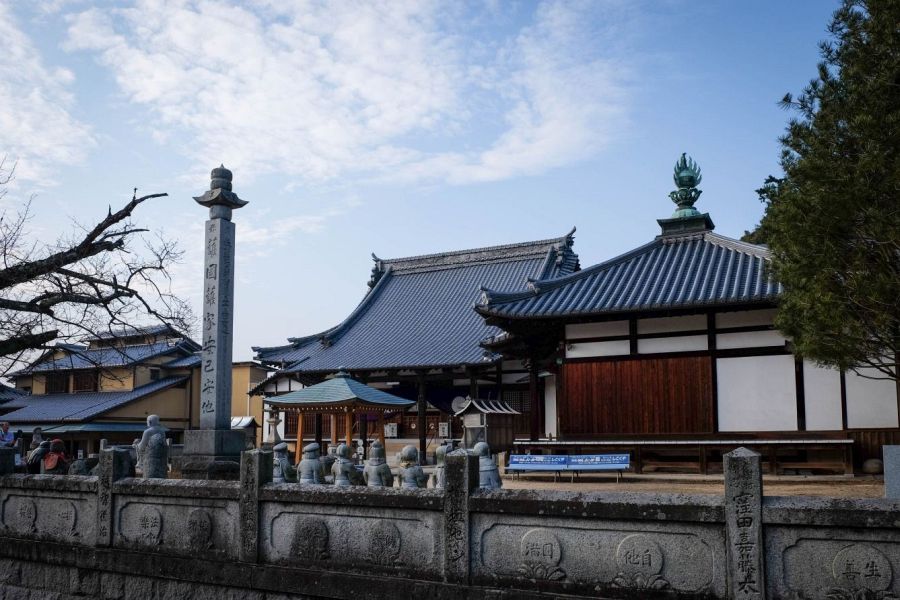
Temple 59, Iyo Kokubun-ji
Iyo Kokubun-ji is temple No. 59 on the Shikoku pilgrimage, or Henro. It stands on a raised platform among fields and houses on the outskirts of Imabari. What to see Between the car park and the temple is a small shop selling towels and other textiles. These are printed with maps of the pilgrimage route...
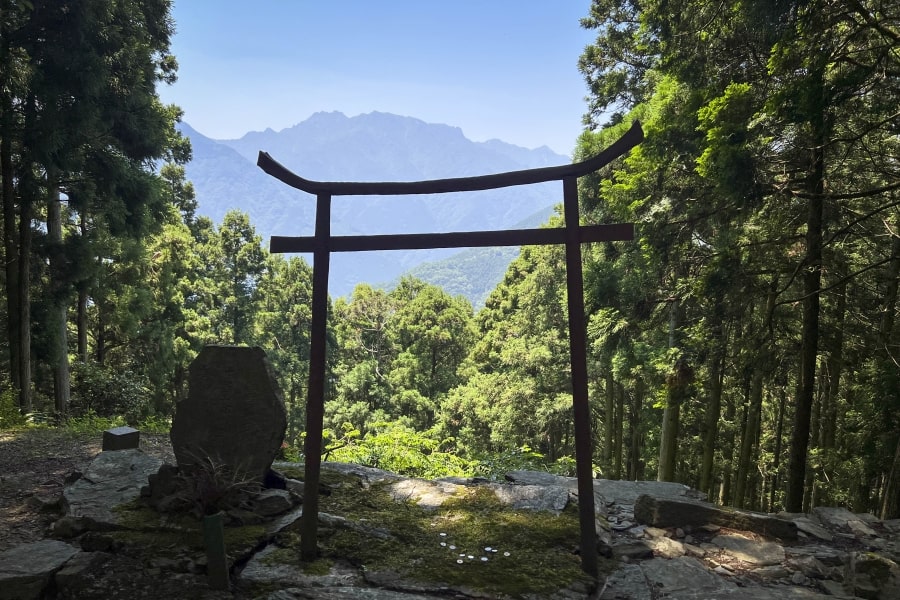
Temple 60, Yokomine-ji
Yokomine-ji, The Temple on the Side of the Ridge, is temple No. 60 on the Shikoku pilgrimage, or Henro. It stands in the foothills of Mt. Ishizuchi in Saijō. In the Edo period, travel was regulated by gated checkpoints called ‘sekisho’. On the pilgrimage, there are ‘sekishodera’ in each of the provinces, and these temples...
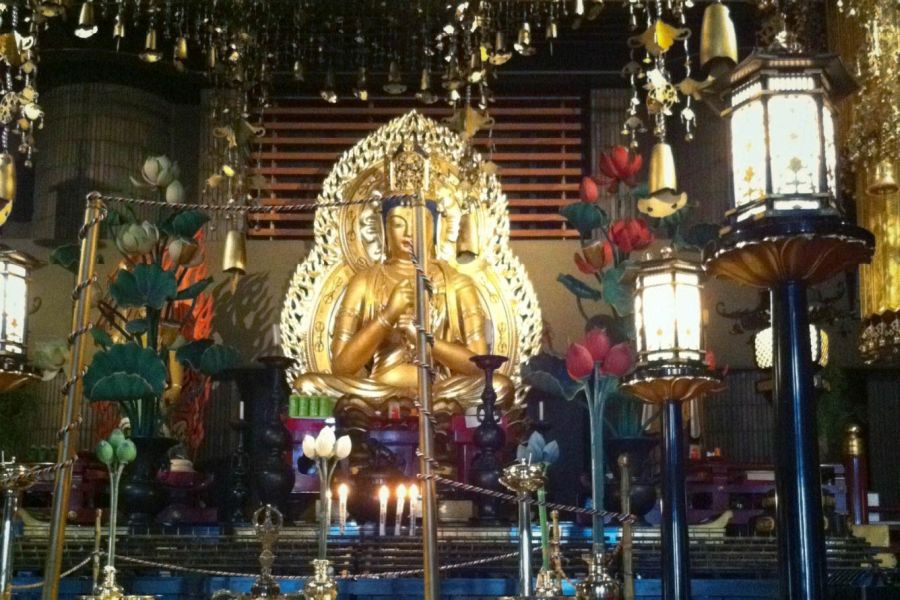
Temple 61, Kōon-ji
Kōon-ji is temple No. 61 on the Shikoku pilgrimage, or Henro. It stands close to the foothills of Mt. Ishizuchi in Saijō. Kōon-ji is one of five pilgrimage temples located relatively close together in Saijō. What to see From the approach, Kōon-ji looks like a conventional temple. There’s a pleasantly green area with a stand...
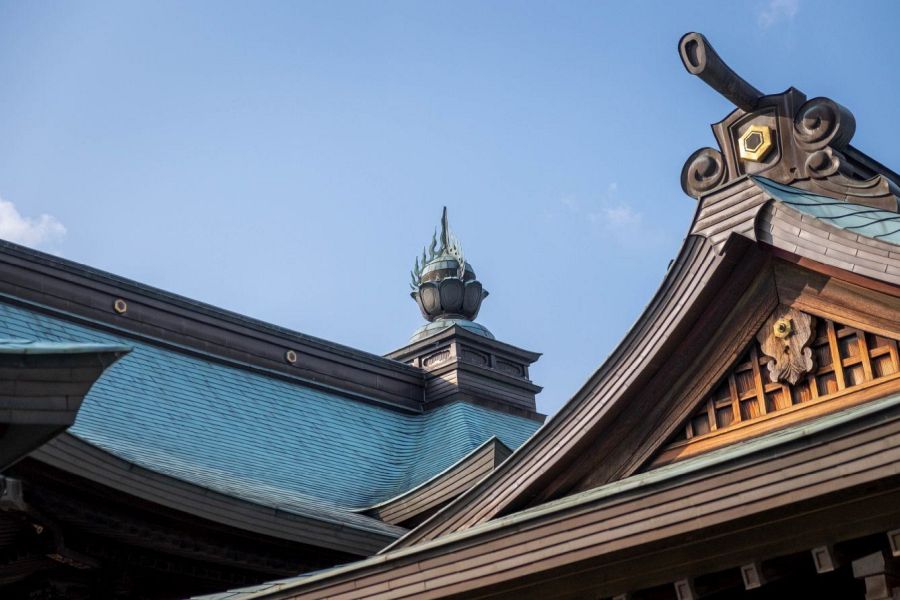
Temple 62, Hōju-ji
Hōju-ji is temple No. 62 on the Shikoku pilgrimage, or Henro. Its name means the Temple of Wealth and Happiness which is ironic because Hōju-ji is a poor, run-down little temple in a decaying part of Saijō, sandwiched between the JR Yosan railway line and busy Route 11. What to see The Main Hall of...
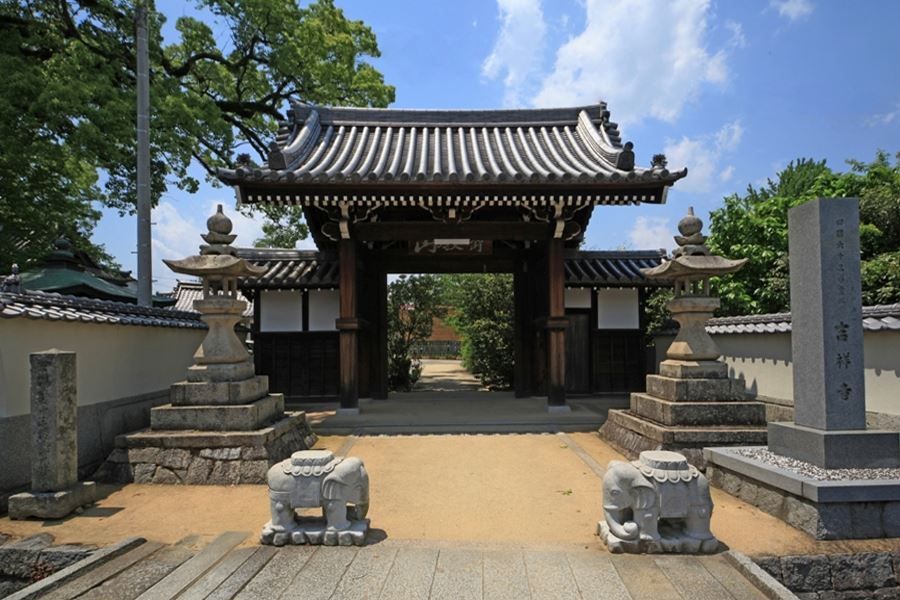
Temple 63, Kichijō-ji
Kichijō-ji is Temple No. 63 on the Shikoku pilgrimage, or Henro. It stands between busy Route 11 and the JR Yosan railway line, with a number of tall trees growing in its precincts, which give it a luxuriously leafy atmosphere. What to see Legend has it that when Kukai visited, he found a cypress that...
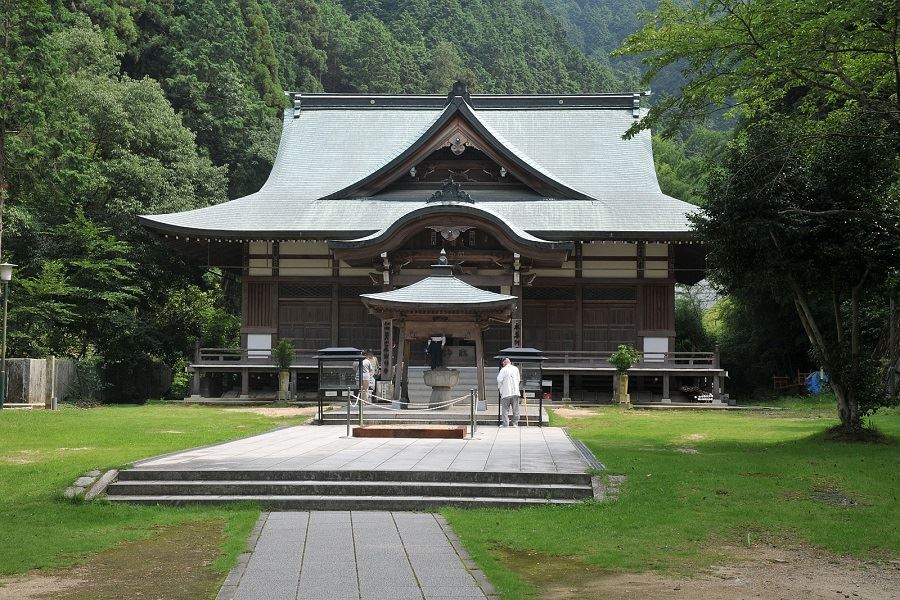
Temple 64, Maegami-ji
Maegami-ji, The Temple in Front of God, is temple No. 64 on the Shikoku pilgrimage, or Henro. It’s located in the foothills of Mt. Ishizuchi, the highest mountain in western Japan, which dominates the scenery of Saijō. What to see The temple itself is invisible from its entrance. All you can see is a gate...
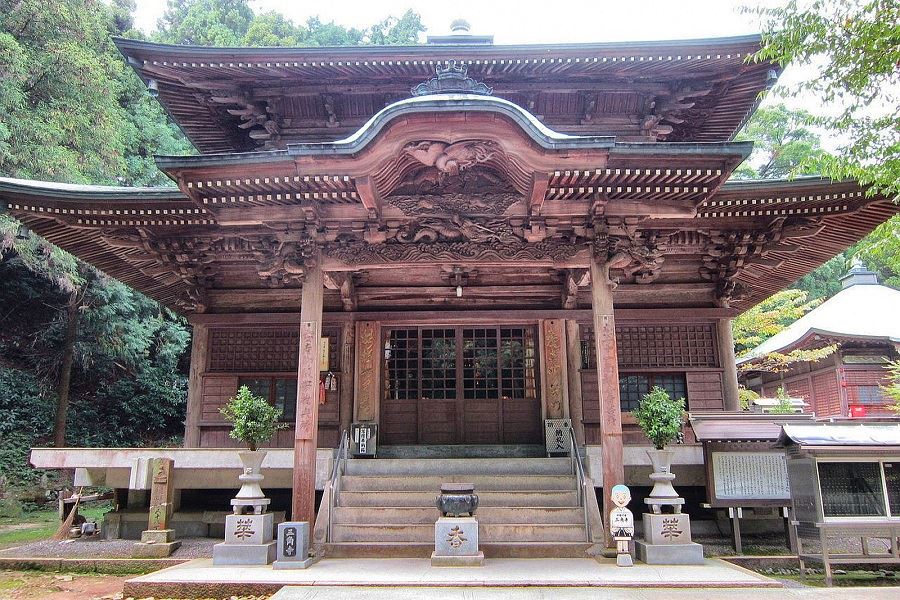
Temple 65, Sankaku-ji
Sankaku-ji is temple No. 65 on the Shikoku pilgrimage or Henro. It’s the last temple in Ehime, known as the place of Enlightenment. What to see The temple is located at an elevation of 450 m near the top of a mountain at the eastern end of the Ishizuchi mountain range. Below the mountain is...
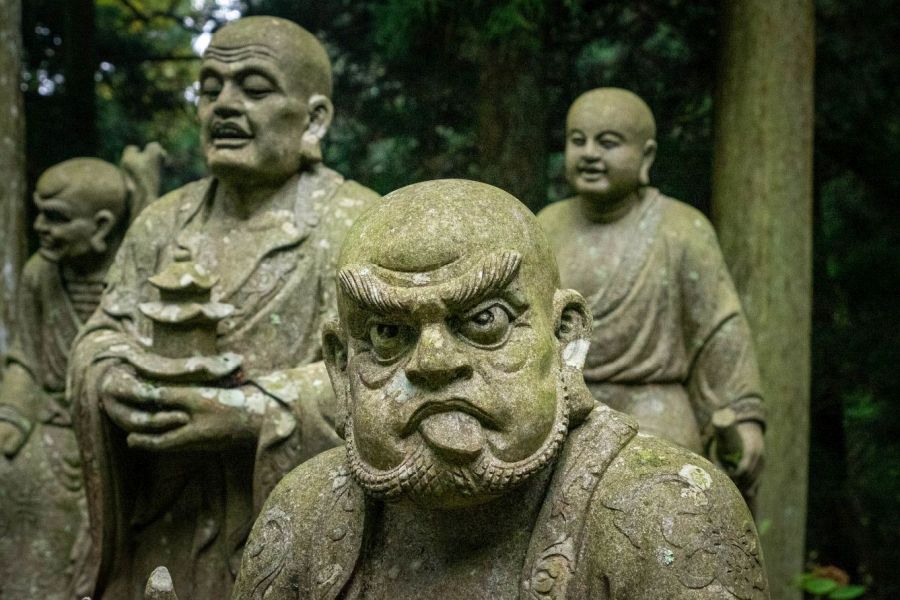
Temple 66, Unpen-ji
Unpen-ji is Temple No. 66 on the Shikoku Pilgrimage, or Henro. Although counted as being in Kagawa Prefecture, it’s actually just across the prefectural border in Tokushima. Located at an elevation of 911 metres, this is the highest temple on the pilgrimage, and it’s one the nansho, ‘difficult places’ that test the will of pilgrims....
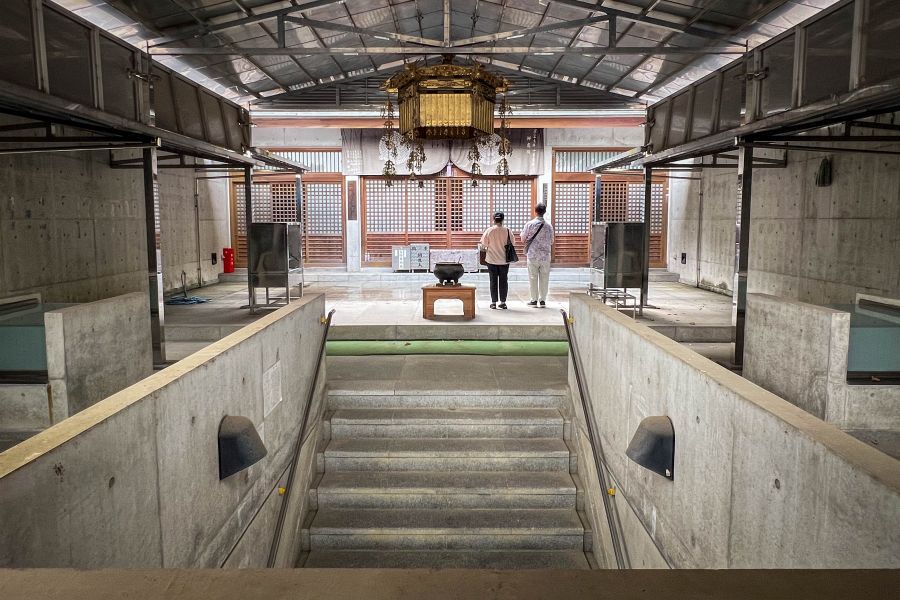
Temple 68, Jinne-in
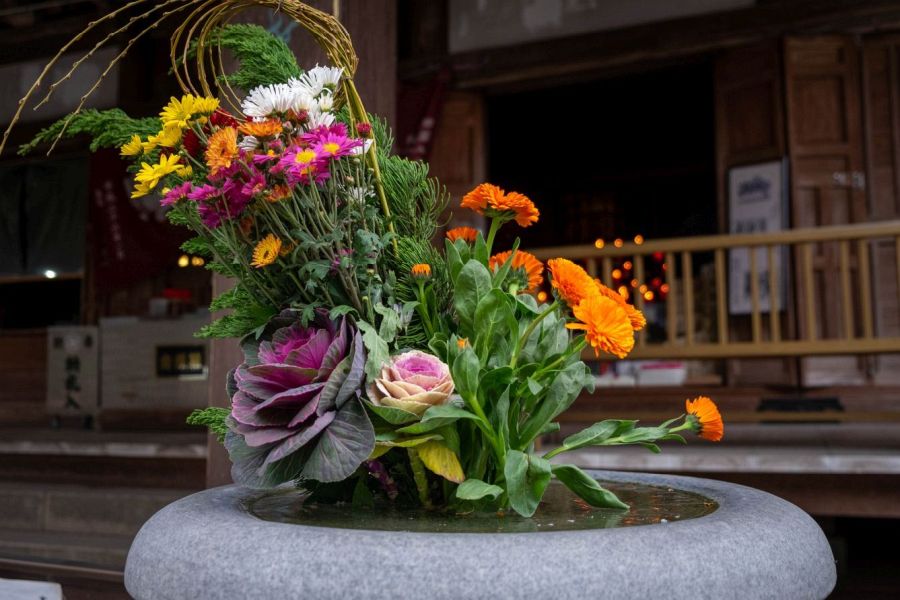
Jinne-in, The Temple of God’s Grace, is temple No. 68 on the Shikoku pilgrimage or Henro. Due to a peculiarity of history, it shares a compound with Temple 69, Kannon-ji at the foot of a hill called Mt. Kotohiki. What to see The main hall of Jinne-in is a modern structure built of concrete and...
Temple 67, Daikō-ji
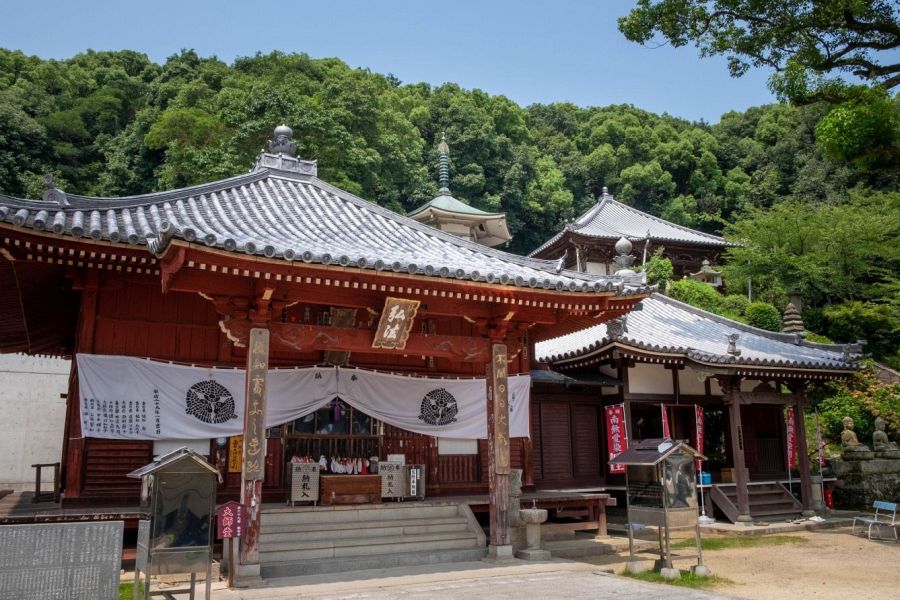
Daiko-ji is temple No. 67 on the Shikoku pilgrimage, or Henro. The temple stands on a low ridge in open countryside on the outskirts of Kannonji. It venerates both Kūkai and Saichō, founder of the Tendai sect. What to see The temple is nestled in the trees and so the first thing you see is...
Temple 69, Kannon-ji
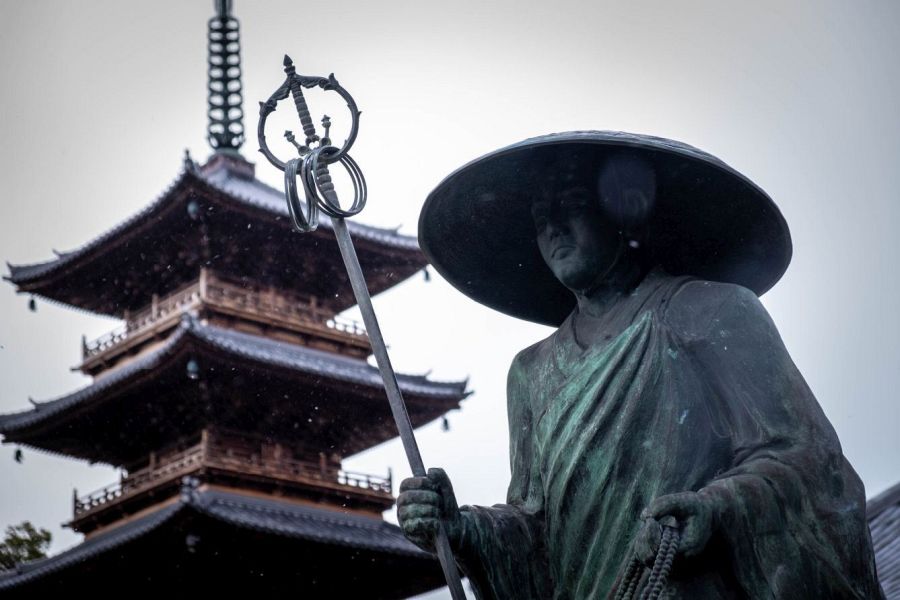
Kannon-ji is temple No. 69 on the Shikoku pilgrimage, or Henro. The name of the city where it’s located is Kan’on-ji, but the name of the temple is Kannon-ji. It shouldn’t be confused with temple No. 16, Kan’on-ji, in Tokushima. Kannon-ji shares precincts with temple No. 68, Jin’ne-in, of which it was once a part....
Temple 70, Motoyama-ji
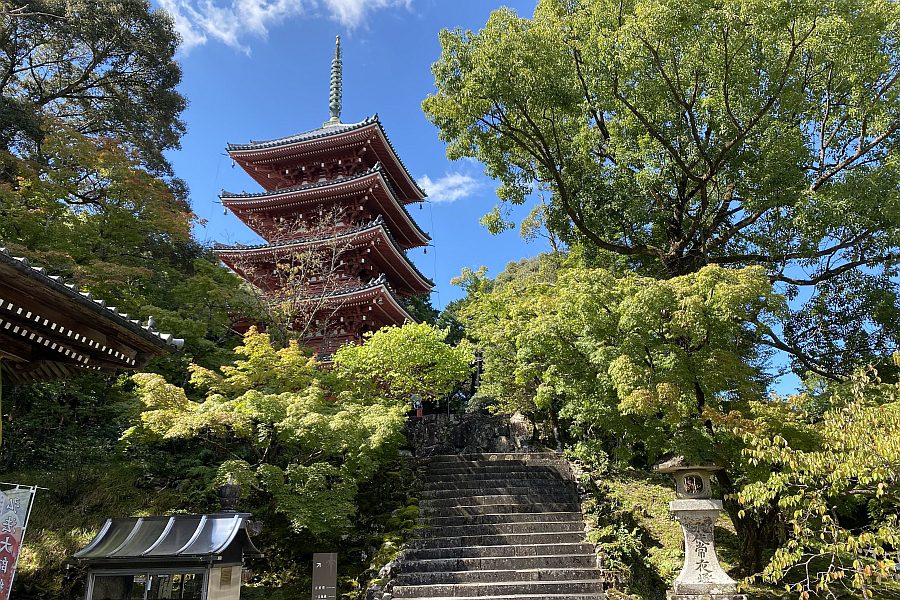
Motoyama-ji is temple No. 70 on the Shikoku pilgrimage. It stands on a plain close to the Saita River, and its tall, five-storey pagoda is a significant landmark. What to see The temple was once the biggest on Shikoku, and even today, the large compound is suggestive of its former size. It has a main...
Temple 71, Iyadani-ji
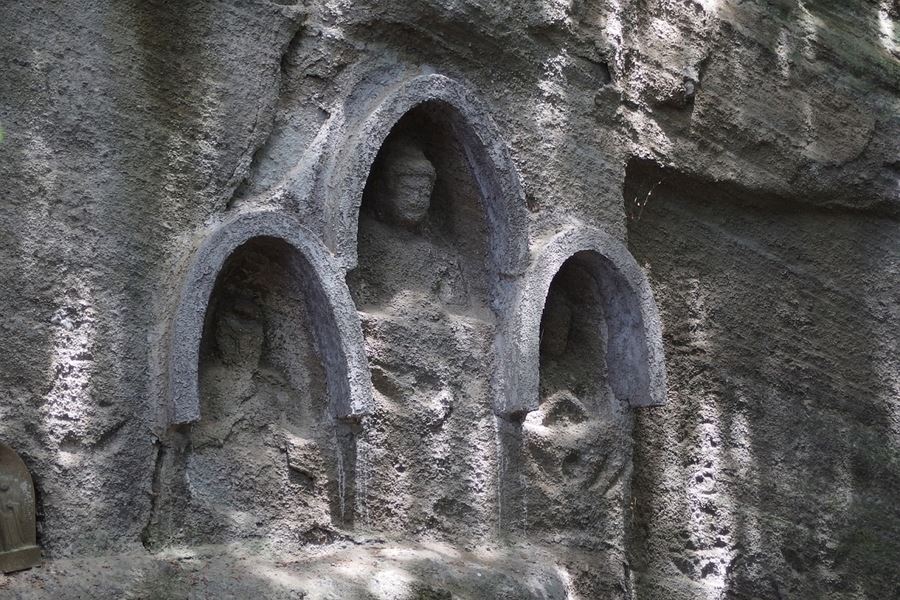
Iyadani-ji is Temple 71 on the Shikoku Pilgrimage or Henro. This is a very large temple complex spread over a geologically interesting area with much to see. There are more than 1,500 carvings of Amida Buddha and his attendants in the rock walls, and the words Namu Amida Butsu, said to be carved by Ippen...
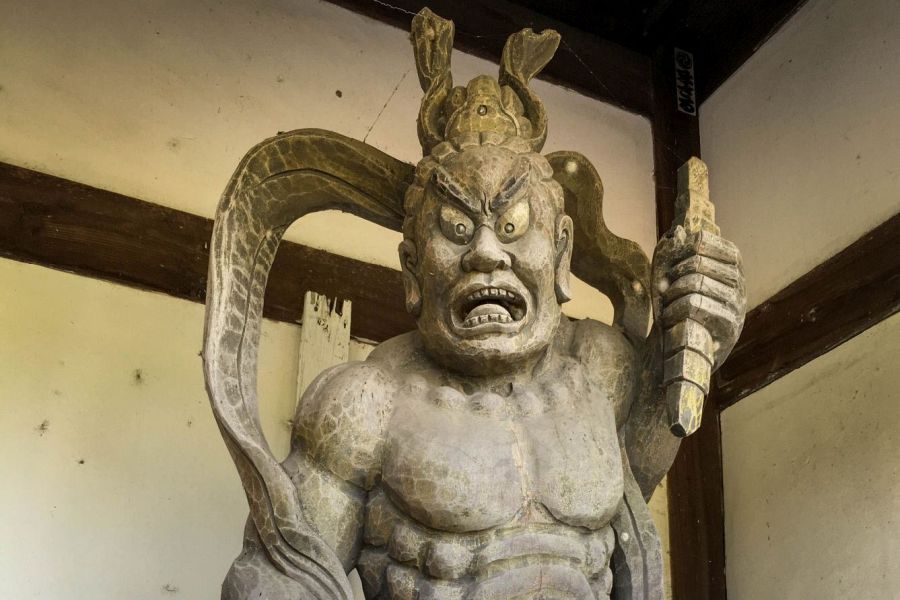
Temple 72, Mandara-ji
Mandara-ji is temple No. 72 on the Shikoku pilgrimage, or Henro. It stands on a slope under the shadow of strangely shaped Mt. Gahaishi. The former inner sanctuary of the temple can be seen on the shoulder of the mountain. What to see A Niō guardian gate stands at the entrance to the temple. The...
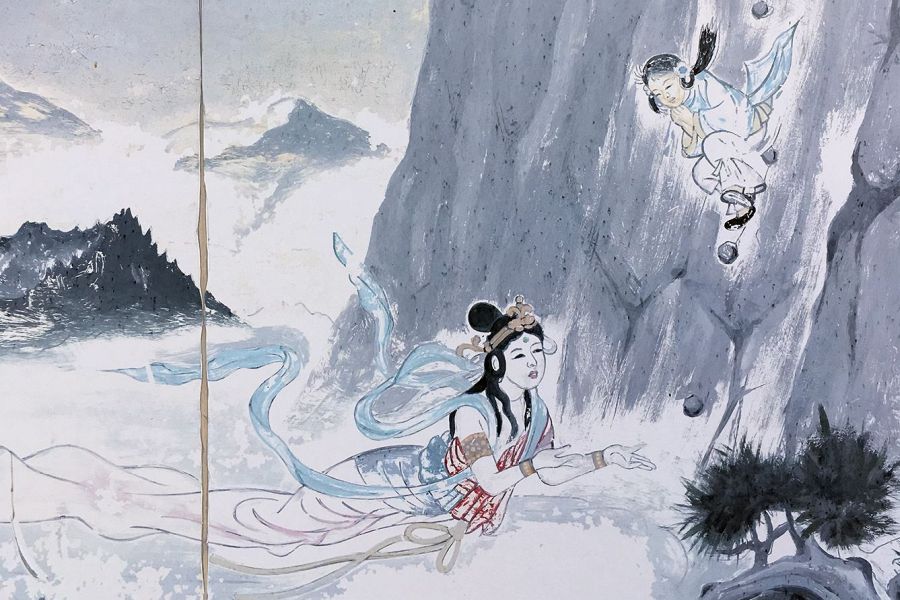
Temple 73, Shusshaka-ji
Shusshaka-ji is temple No. 73 on the Shikoku Pilgrimage. The temple stands at the bottom of the imposing Mt. Gahaishi offering expansive views.
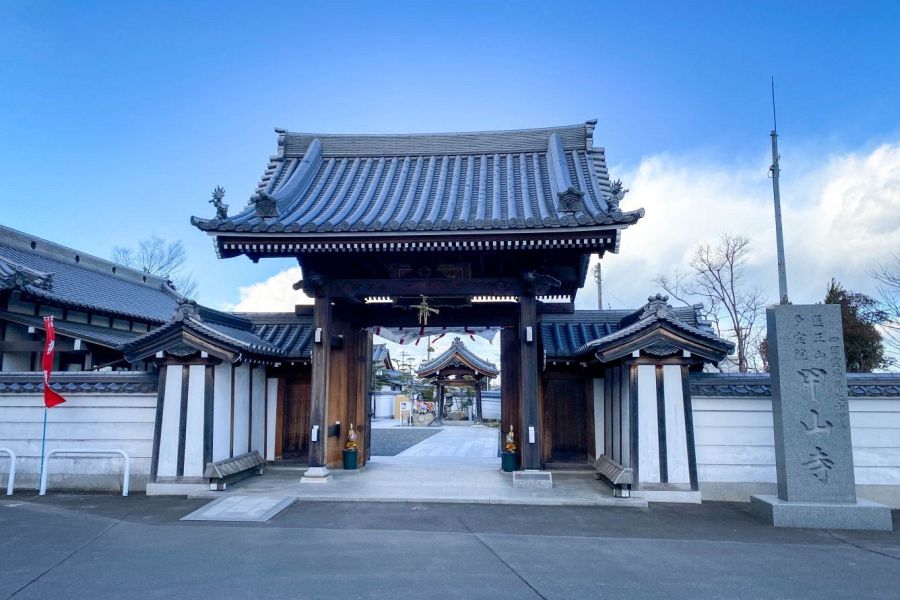
Temple 74, Kōyama-ji
Koyama-ji is temple No. 74 on the Shikoku pilgrimage. It stands at the foot of Mt. Kabuto, a low mountain being eaten away by a quarry. Things to see Next to the quarry is the temple car park with a high wall and gate separating the temple from the industry. The temple compound is quite...
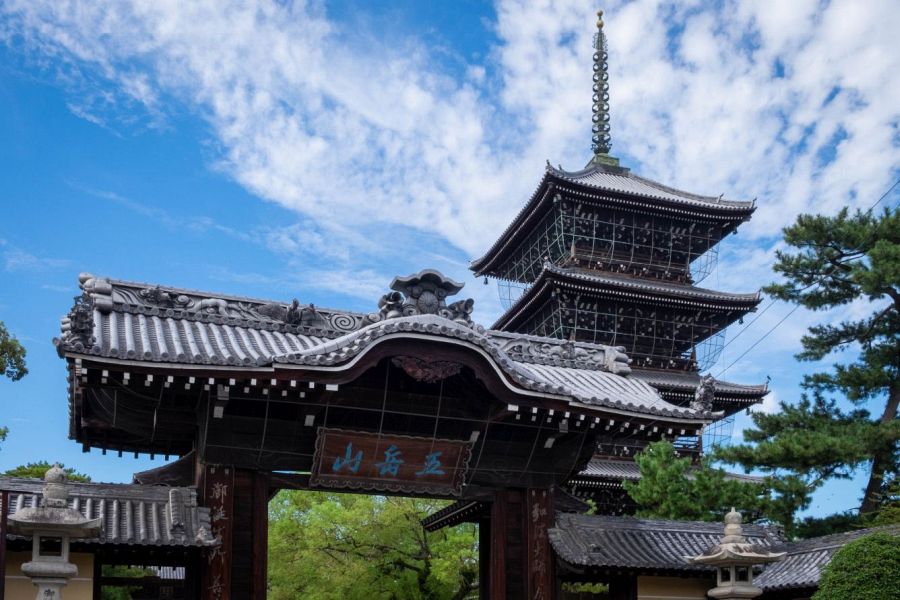
Temple 75, Zentsū-ji
Zentsū-ji is temple No. 75 on the Shikoku pilgrimage or Henro. The first Shingon temple in Japan, it’s renowned as the birthplace of Kūkai. It’s the largest temple complex in Shikoku with seven shrines and a pagoda. It’s counted as one of the three great sacred places related to Kūkai, along with Mt. Kōya in...
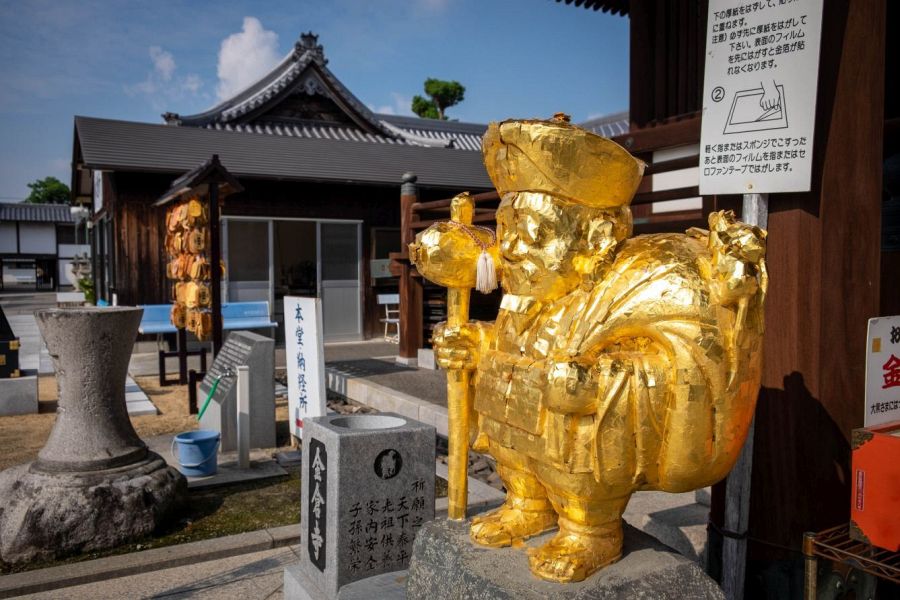
Temple 76, Konzō-ji
Konzō-ji is temple No. 76 on the Shikoku pilgrimage, or Henro. It occupies a spacious sandy compound among houses and fields on the Zentsūji plain. The temple is renowned for being the birthplace of Enchin, founder of the Tendai Sect, and as the temporary home of General Nogi Maresuke, hero of the Russo-Japanese War. What...
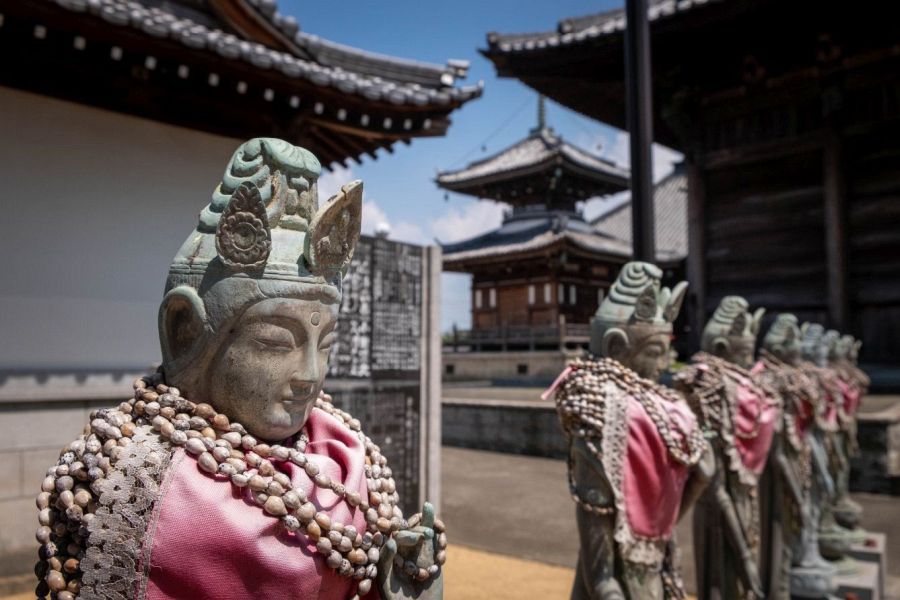
Temple 77, Dōryū-ji
Dōryū-ji is temple No. 77 on the Shikoku pilgrimage, or Henro. It stands among houses and fields beside a main road on the Zentsūji plain not far from the Inland Sea. What to see If you approach Dōryū-ji from the main road beside the Inland Sea, you’ll notice that the temple is rich in statuary....
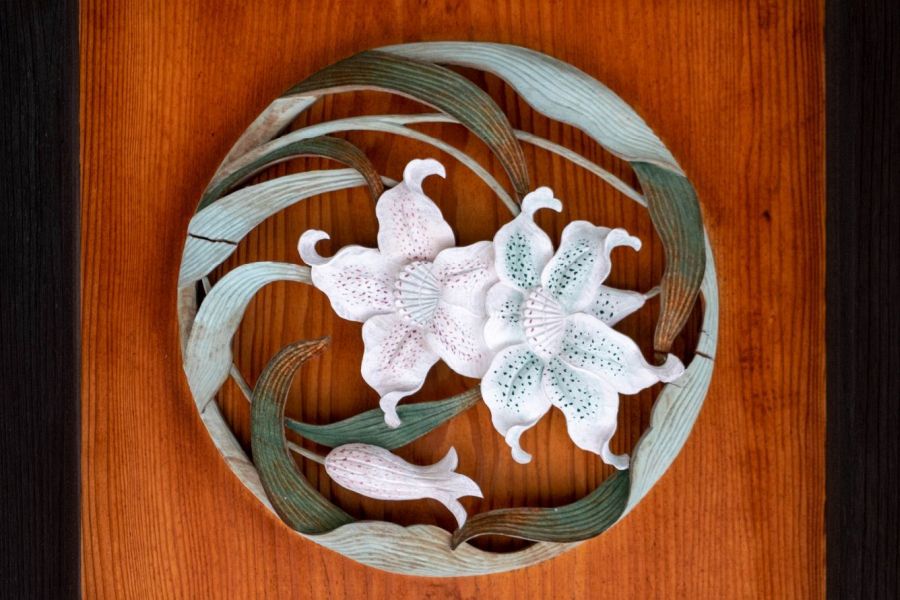
Temple 78, Gōshō-ji
Goshō-ji is temple No. 78 on the Shikoku pilgrimage, or Henro. It stands on the lower slopes of Aonoyama, a small mountain near the Inland Sea in Utazu. What to see Goshō-ji is unusual among the pilgrimage temples in that two different sects, Shingon and the minor Ji-shū sect, coexist within the same temple grounds....
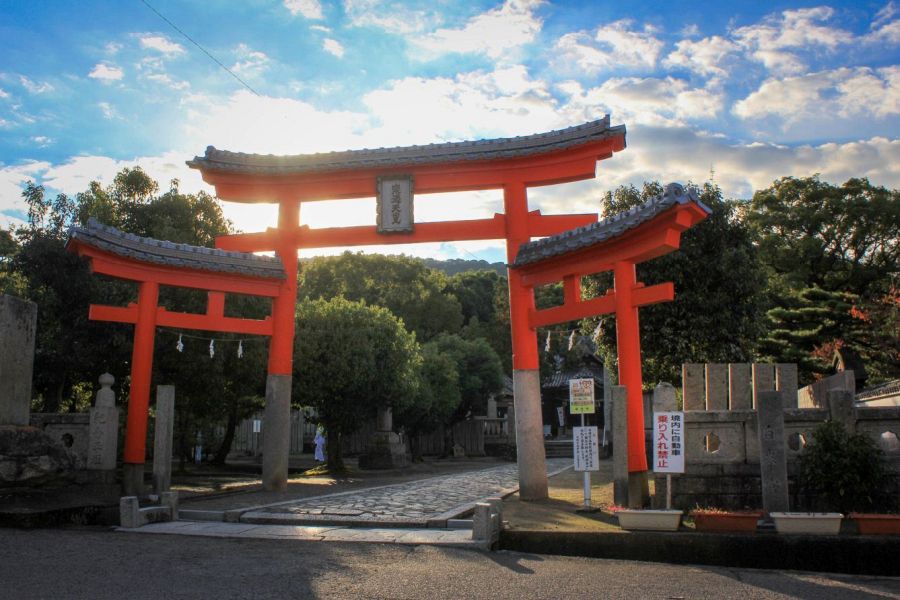
Temple 79, Tennō-ji
Tennō-ji is temple No. 79 on the Shikoku pilgrimage, or Henro. Its name derives from the fact that Sutoku Tennō (Emperor Sutoku) lay in state here after his death in 1156, following banishment from Kyōto after his attempted coup against his brother. The temple is nestled in a valley near the Inland Sea in Sakaide....
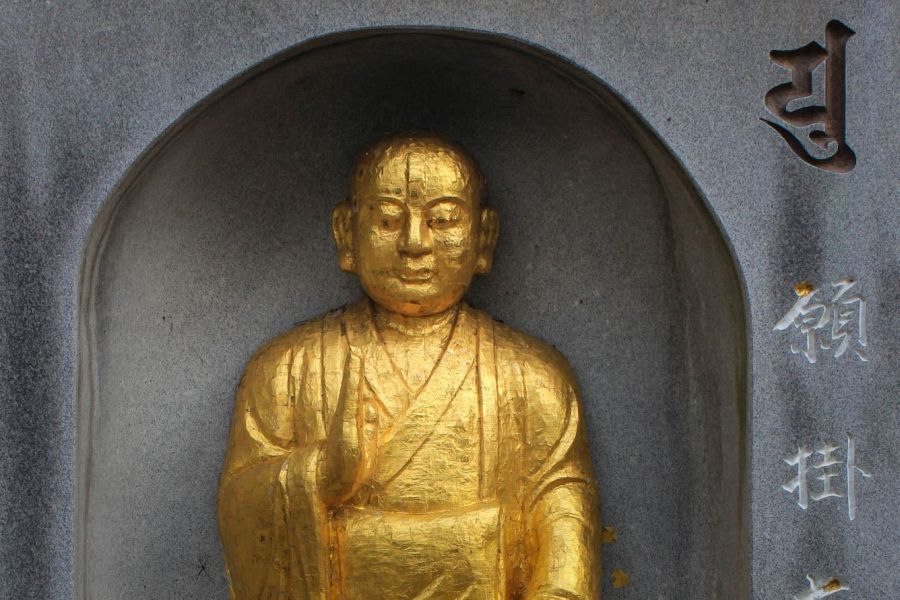
Temple 80, Sanuki Kokubun-ji
Sanuki Kokubun-ji is temple No. 80 on the Shikoku pilgrimage, or Henro. Each prefecture has a temple named Kokubun-ji, which are official state temples, founded by order of Emperor Shōmu in 741, and temple No. 80 was the state temple established in the province of Sanuki, today’s Kagawa Prefecture. The temple is home to the...
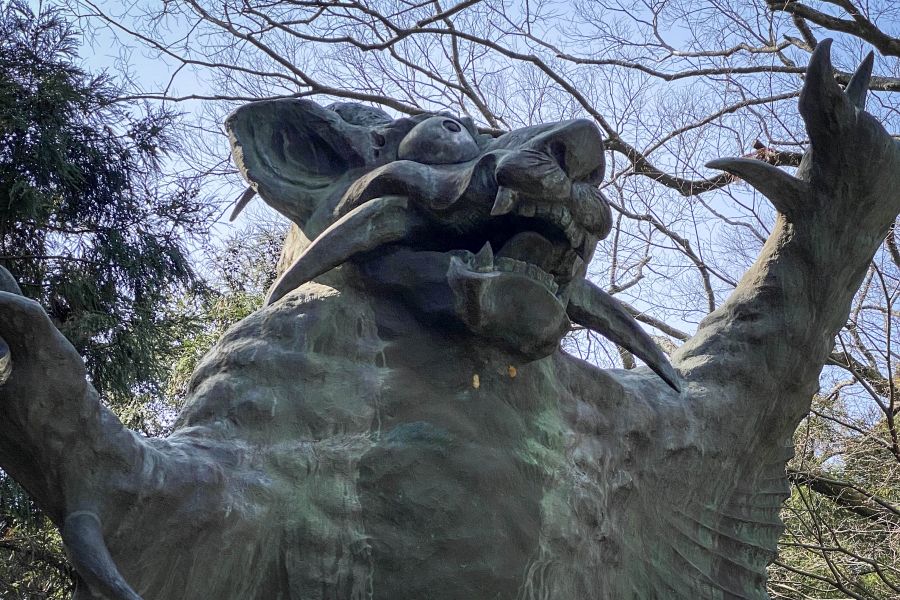
Temple 82, Negoro-ji
Negoro-ji is temple No. 82 on the Shikoku pilgrimage, or Henro. It stands on at an elevation of 365 m on the side of Mt. Aomine, part of the Goshikidai plateau overlooking the city of Takamatsu. What to see There’s lots to see at this temple, which amply rewards a visit. The trip up to...
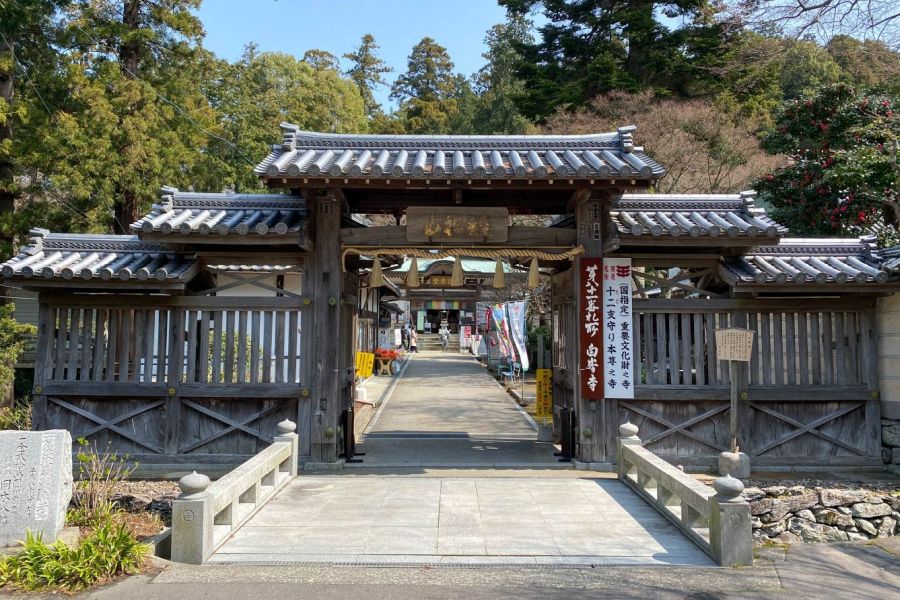
Temple 81, Shiromine-ji
Shiromine-ji is temple No. 81 on the Shikoku pilgrimage, or Henro. The temple stands about 280 m above sea level on the hillside of Shiromine in Sakaide. It has some of the oldest buildings on the pilgrimage, dating back to the seventeenth century. It’s the site of the mausoleum of Emperor Sutoku, who is said...
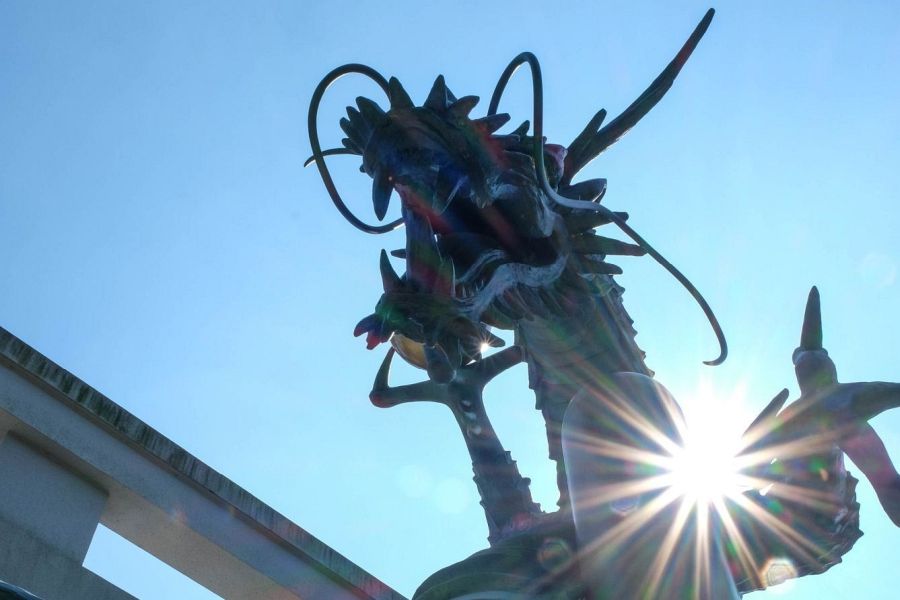
Temple 83, Ichinomiya-ji
Ichinomiya-ji is temple No. 83 on the Shikoku pilgrimage, or Henro. It stands among fields and houses on the Takamatsu plain. It adjoins Tamura Shrine, the principal shrine of Sanuki Province. The present temple dates from 1701. There are several small Shintō torii gates in the compound, and pilgrims crawl through them as a purification...

Temple 84, Yashima-ji
Yashima-ji is temple No. 84 on the Shikoku pilgrimage, or Henro. It occupies a large compound on the dramatic flat-topped island of Yashima to the east of Takamatsu. The compound includes buildings dated at various periods, from the Kamakura to the current era. What to See Yashima-ji was originally accessed by a trail on the...
Temple 85, Yakuri-ji
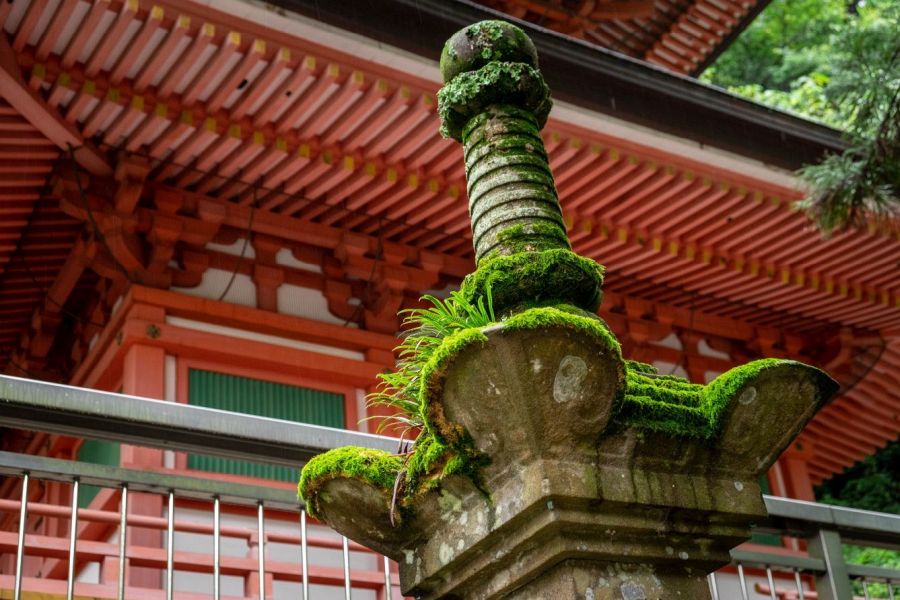
Yakuri-ji is temple No. 85 on the Shikoku pilgrimage, or Henro. It’s located high on a mountainside to the east of Yashima. The temple can be accessed on foot using the Henro path, by car, and by cable car. There’s a wealth of things to see at this large temple compound. Yakuri-ji is sacred to...
Temple 86, Shido-ji
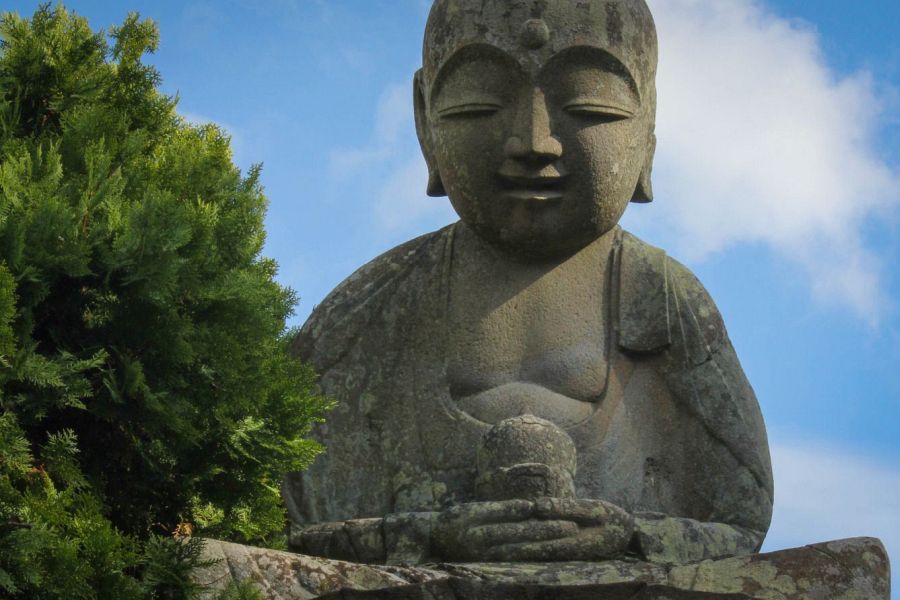
Shido-ji, The Temple of the Fulfilled Wish, is temple No. 86 on the Shikoku pilgrimage or Henro. It stands on the shore of Shido Bay on the Inland Sea. What to see The temple has a large and imposing Niō Gate, beyond which is a sprawling compound. If you take the second passageway on the...
Temple 87, Nagao-ji
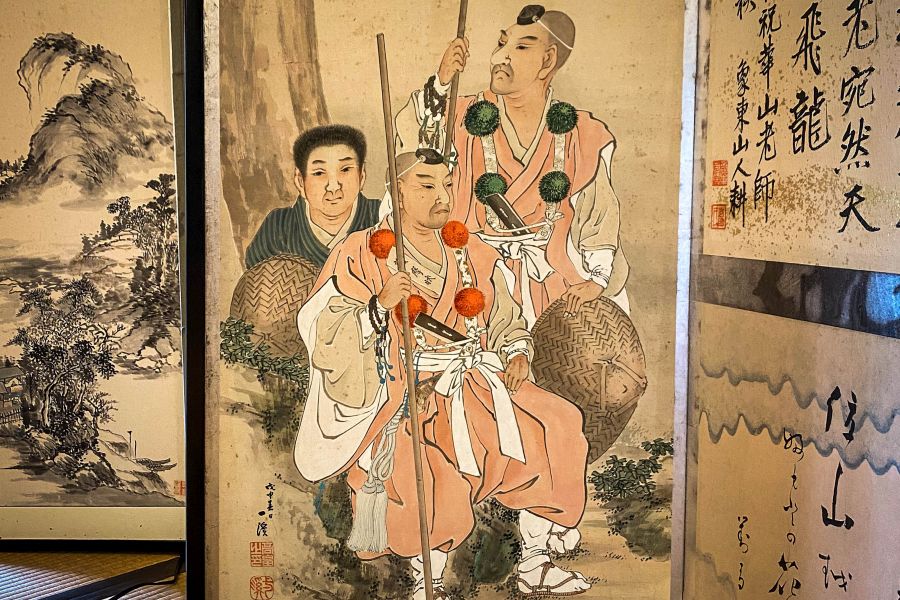
Nagao-ji is temple No. 87 on the Shikoku pilgrimage or Henro. It stands in the suburbs of Takamatsu city and is the penultimate temple that pilgrims visit before completing their circuit of Shikoku. What to see The Niō Gate was built in 1670 and is known for its unusual construction method of using three wooden...
Temple 88, Ōkubo-ji
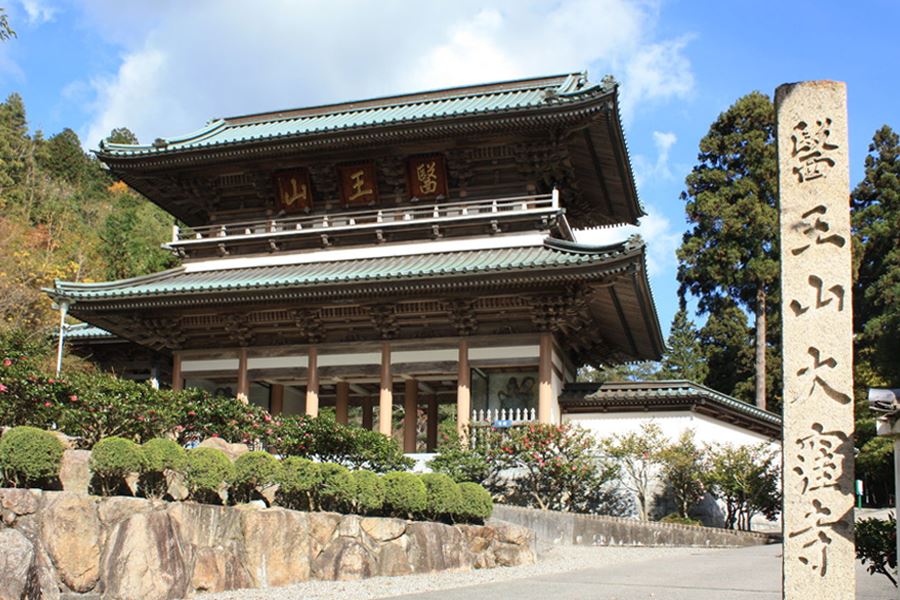
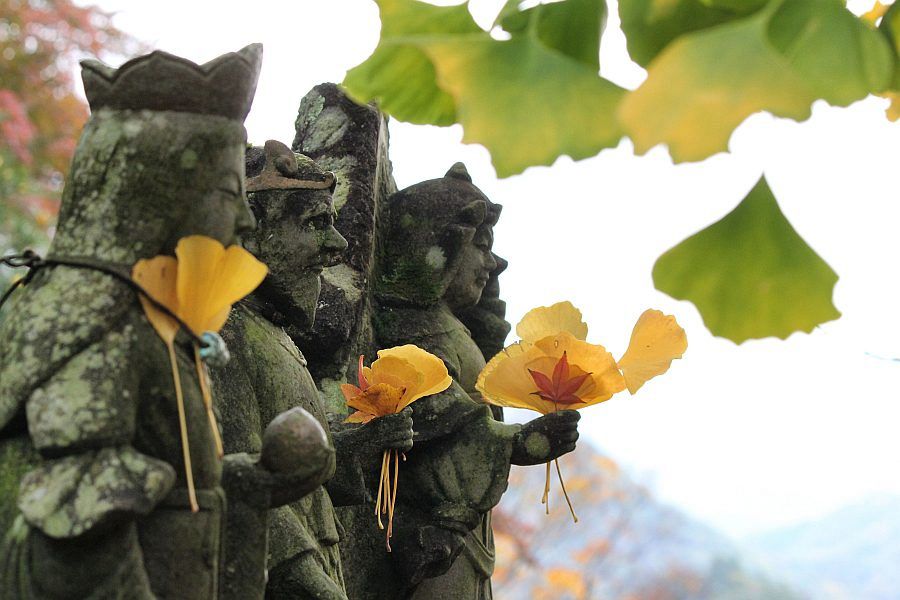
Ōkubo-ji is Temple No. 88 and the last temple of the Shikoku Pilgrimage.