Temple 80, Sanuki Kokubun-ji
Sanuki Kokubun-ji is temple No. 80 on the Shikoku pilgrimage, or Henro.
Each prefecture has a temple named Kokubun-ji, which are official state temples, founded by order of Emperor Shōmu in 741, and temple No. 80 was the state temple established in the province of Sanuki, today’s Kagawa Prefecture.
The temple is home to the largest Kannon statue on Shikoku, with eleven faces and forty-two arms.
What to see
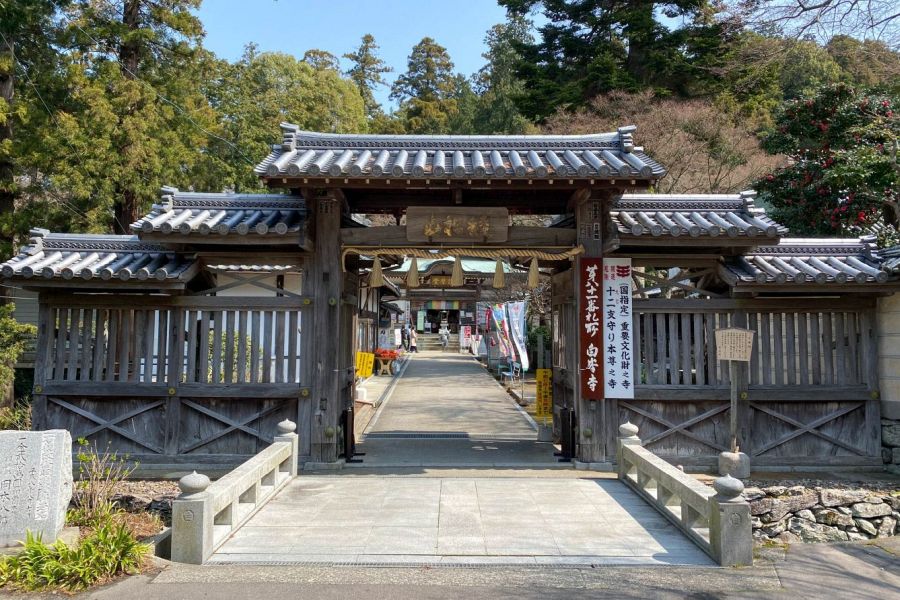
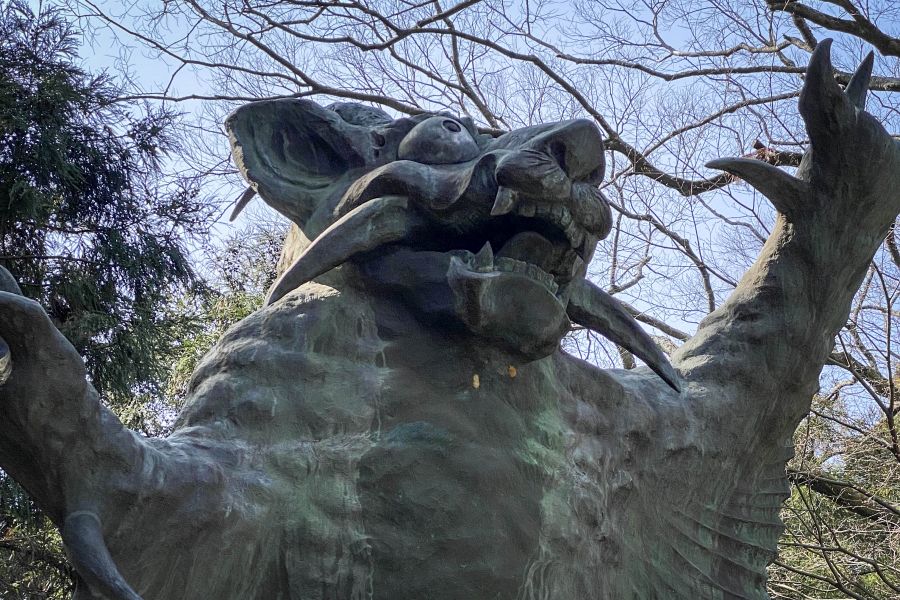
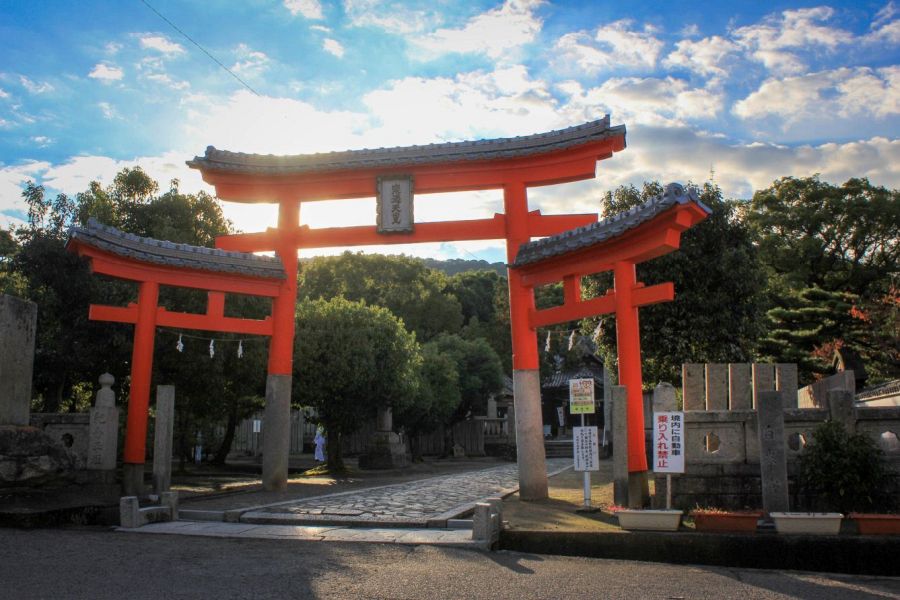
From the approach, the extent of Sanuki Kokubun-ji is hard to determine. The approach begins at the Niōmon, a Kamakura-period wooden gate sheltering two fierce guardian statues attributed to the sculptor Tankei. Beyond the entrance, a gravel path shaded by black pines, including the revered Fukumatsu pine, leads into the compound. Lining this walk are eighty-eight numbered stone Buddhas relocated from a nearby hillside during the early Shōwa period, allowing pilgrims to complete a symbolic circuit of the Shikoku pilgrimage on foot. A free-standing timber bell tower houses a cast bronze temple bell from the early Heian period, recognised as the oldest surviving bell in the province. Cast without long inscriptions or ornate decoration, its thick rim and simple silhouette reflect early casting methods influenced by continental metalwork.
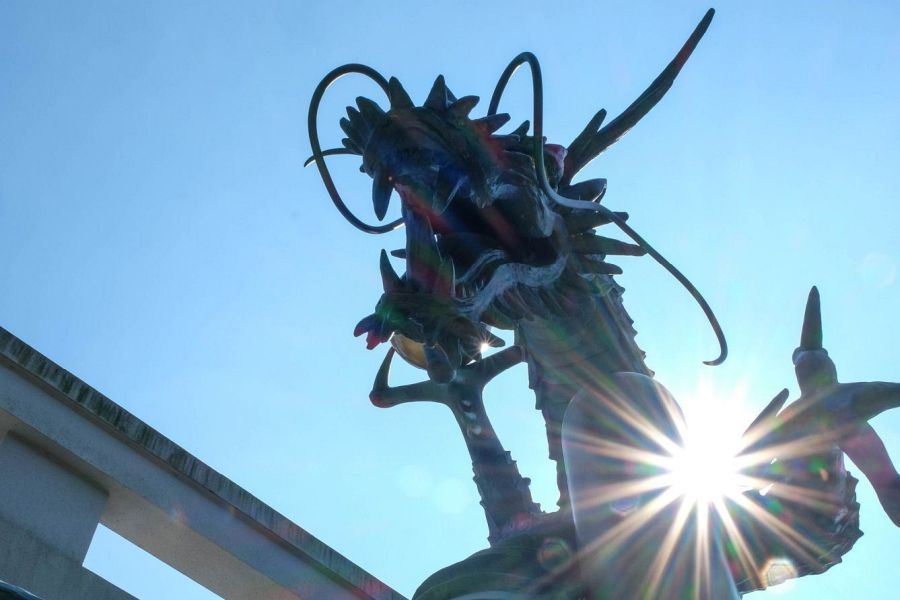
In the central clearing lie thirty-three massive andesite boulders—the original foundation stones of the eighth-century Golden Hall, which remain in their original positions. Southeast of these stones sit fifteen preserved plinths from an ancient seven-storey pagoda, clustered around a central granite heart stone that bears a square mortise and now supports a Kamakura-period stone stupa. Facing these stone relics stands the mid-Kamakura Main Hall built directly on the eighth-century foundation stones of the temple’s former lecture hall. Inside rests the sequestered principal image, an eleven-headed, thousand-armed Kannon standing nearly six metres tall and carved from a single block of zelkova wood. Beside the hall rests the Misoegi, a piece of ancient timber known as the Fukuriyū, or lucky dragon, whose weathered grain naturally resembles a coiled serpent. Temple tradition holds it’s a leftover remnant from when the monk Kūkai repaired the main deity.
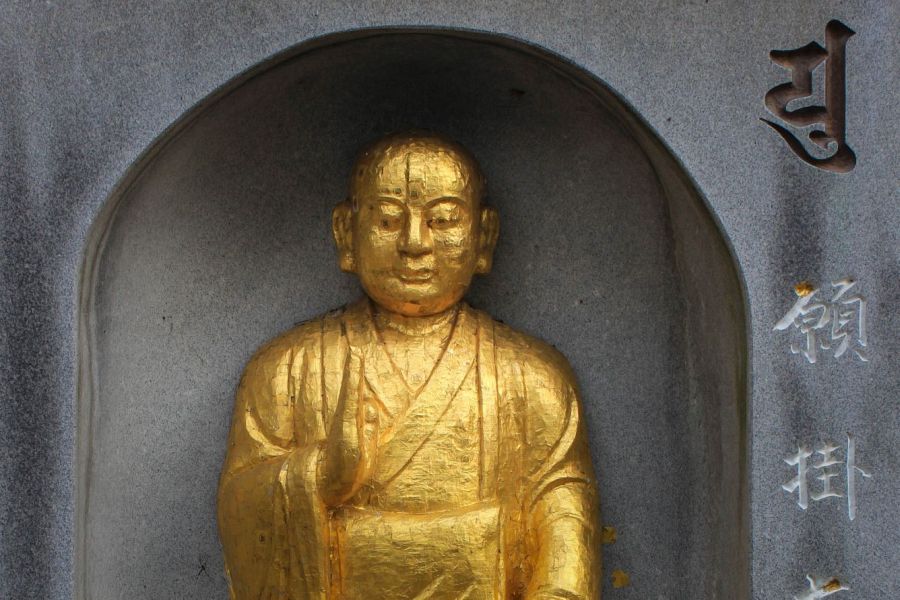
Surrounding the central hall are numerous smaller halls and sanctuaries. The Daishi Hall honours Kūkai, flanked by a gilded wish-granting statue, Gankake Daishi, and a representation of Kūkai as a youth, Chigo Daishi, positioned beside the pilgrim office. Nearby stand the contemporary Dainichi Nyorai Hall, enshrining a four-metre cosmic Buddha seated atop eight carved lions and illuminated cast-glass lotus petals; the Enma Hall, housing the judge of the underworld; and the Sentai Jizō Hall, filled with a thousand small stone Jizō figures. The precinct also accommodates the matchmaking shrine of Ryōensha, a stone image of Benzaiten, the Shinto guardian shrine of Kasuga Jinja, and individual stone figures dedicated to Mizukake Jizō, Kitamuki Jizō, Enmei Jizō, and Mizuko Jizō.
To the northeast of the temple compound is an open air diorama of how the temple once looked when its Golden Hall and pagoda still stood.
History
Kokubun-ji temples were built at sixty-eight locations throughout the country in accordance with an imperial edict issued by Emperor Shōmu in 741, and this temple is thought to have been founded at that time.
A document dated 1391 states that Sanuki Kokubun-ji is a branch temple of Saidai-ji in Nara, so it’s assumed that construction of the present main hall must have involved monks from Saidai-ji.
Most of the temple was destroyed by fire in the late 1500s, leaving only the main hall, the principal image, and the bell tower.
Later, during the Edo period, the temple was venerated by the lord of the Sanuki Takamatsu clan, who donated extensively to the temple’s territory. It’s located 2 km east of the seat of the ancient Sanuki provincial government, and many related ruins have been excavated in the area, including the ruins of the Kokubun-ji Temple complex at the time of its foundation.
Legends
According to legend, Gyōki founded the temple by carving a statue of the eleven-faced thousand-armed Kannon as its principal image.
A regional legend recounts that during the late sixteenth century, the feudal lord Ikoma Kazumasa hauled the ancient temple bell to Takamatsu Castle to hang in his fortress. Once installed, the bell didn’t ring with its customary clarity; instead, it wept every night, crying out “I want to go back to Kokubun” in the local dialect. Soon after, strange misfortunes and sudden illnesses struck the lord’s household, prompting him to return the bronze bell to the temple alongside an official deed of restitution that remains preserved in the temple archives.



Information
Name in Japanese: 讃岐国分寺
Pronunciation: sanuki kokubun-ji
Address: 2065 Kokubunjicho Kokubu, Takamatsu, Kagawa 769-0102