Temple 77, Dōryū-ji
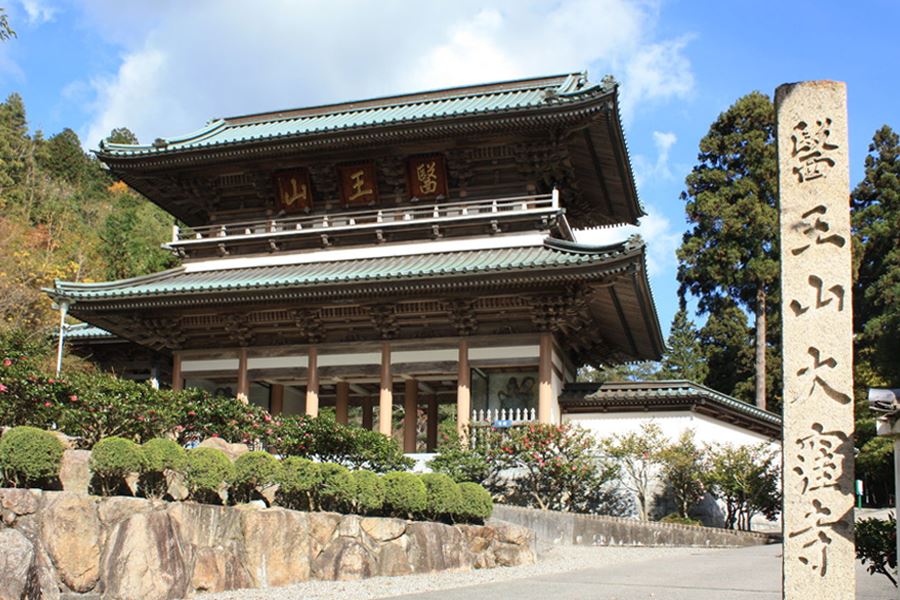
Dōryū-ji is temple No. 77 on the Shikoku pilgrimage, or Henro. It stands among houses and fields beside a main road on the Zentsūji plain not far from the Inland Sea.
What to see
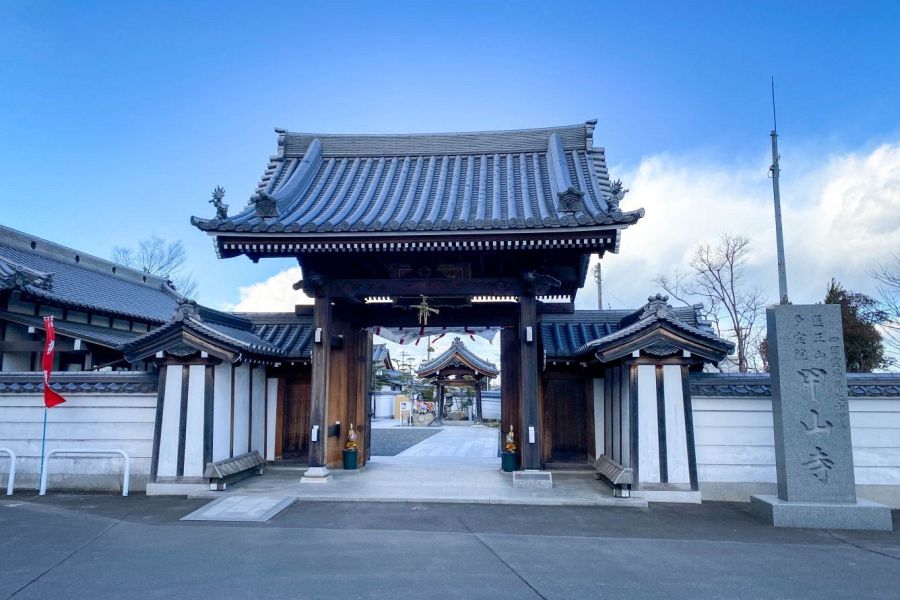
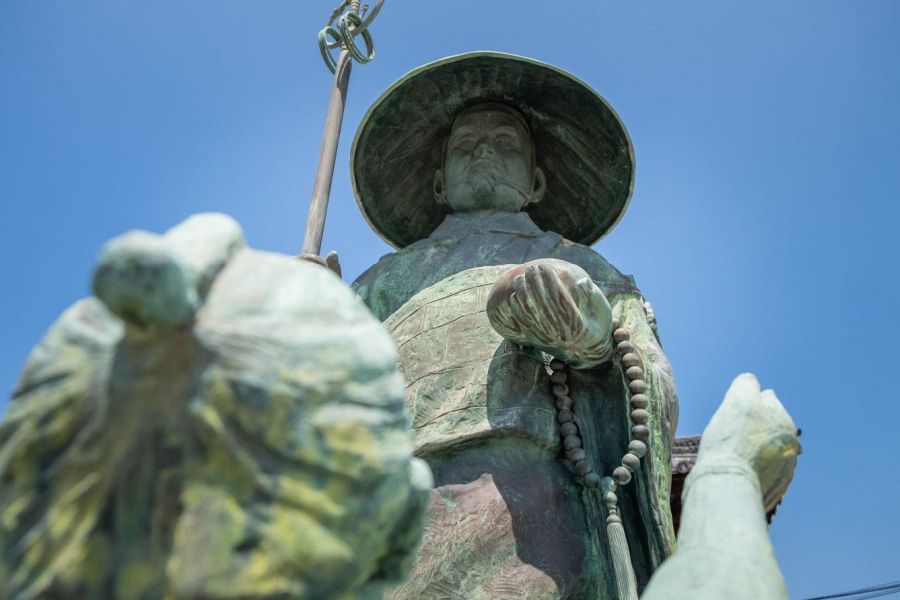
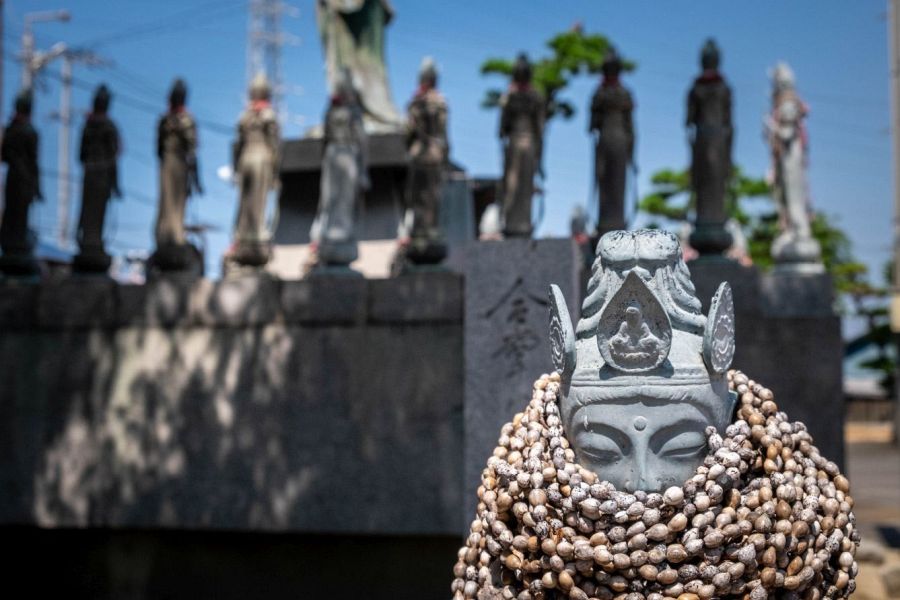
If you approach Dōryū-ji from the main road beside the Inland Sea, you’ll notice that the temple is rich in statuary. The main entrance to the temple is to the south, away from the road.
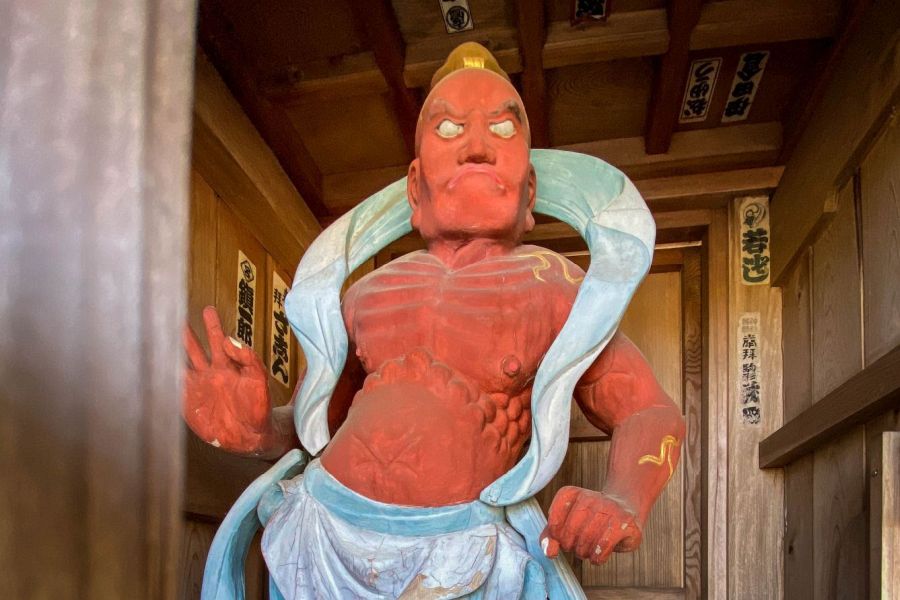
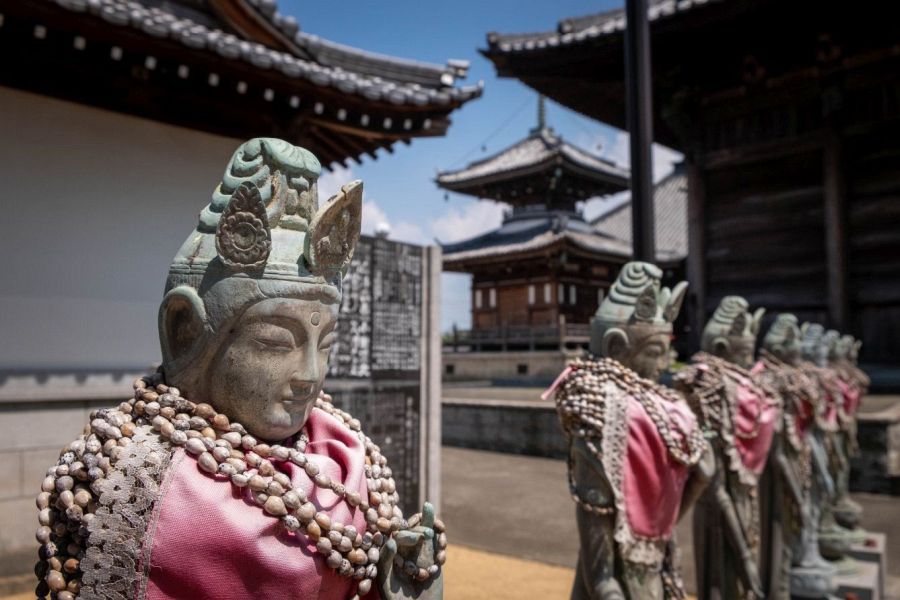
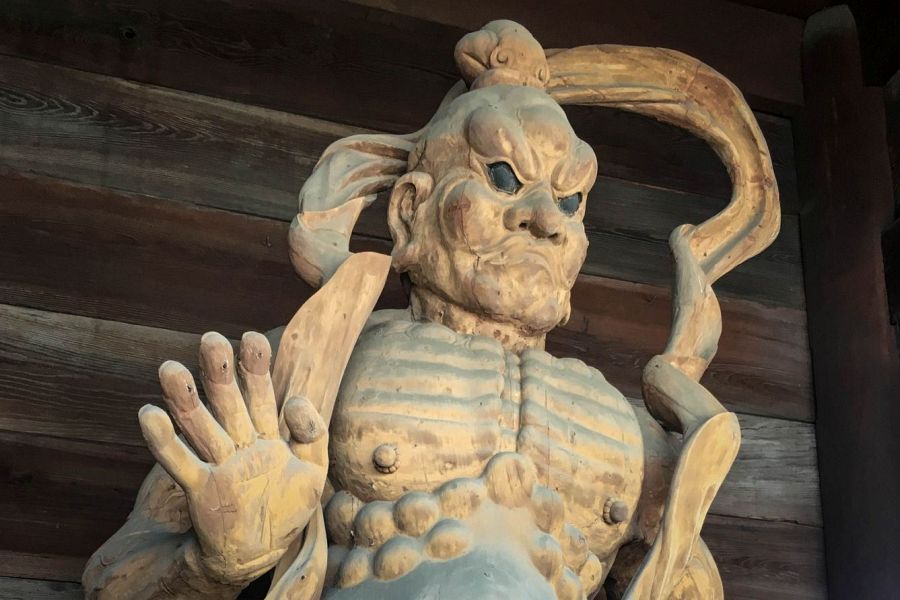
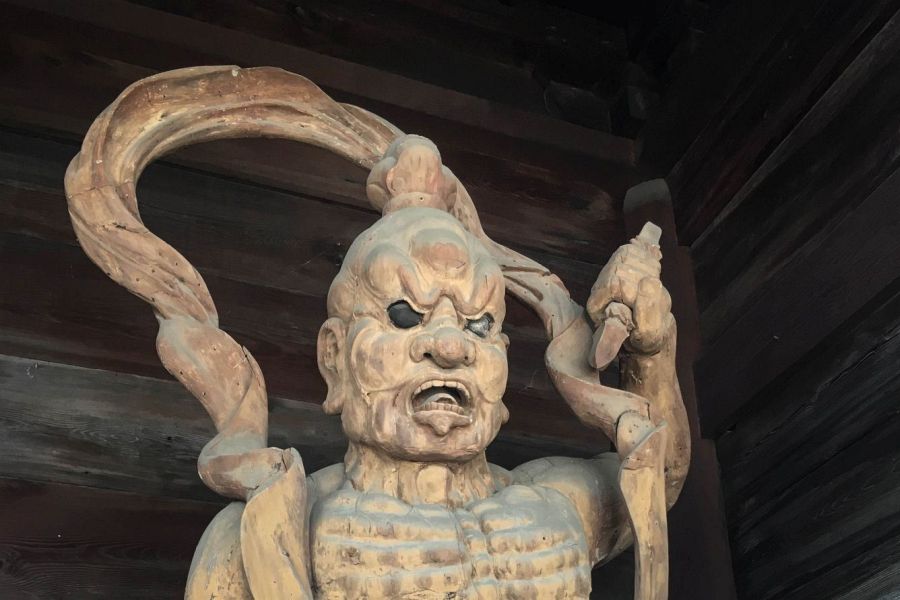
The Niō gate is guarded by two fierce yellow guardians with inlaid eyes. The main hall stands directly ahead down an approach flanked by bronze Kannon statues. There are 255 of them in total all around the temple.
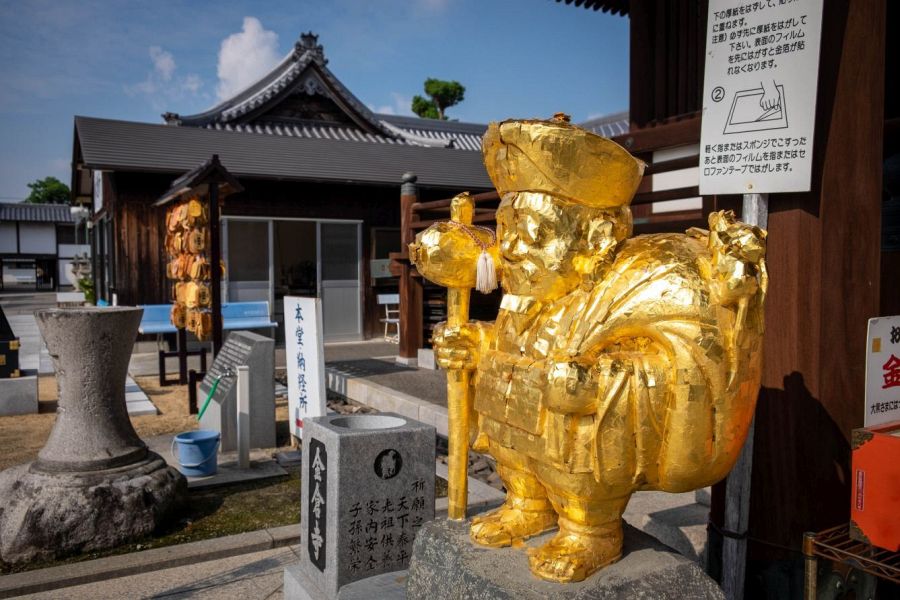
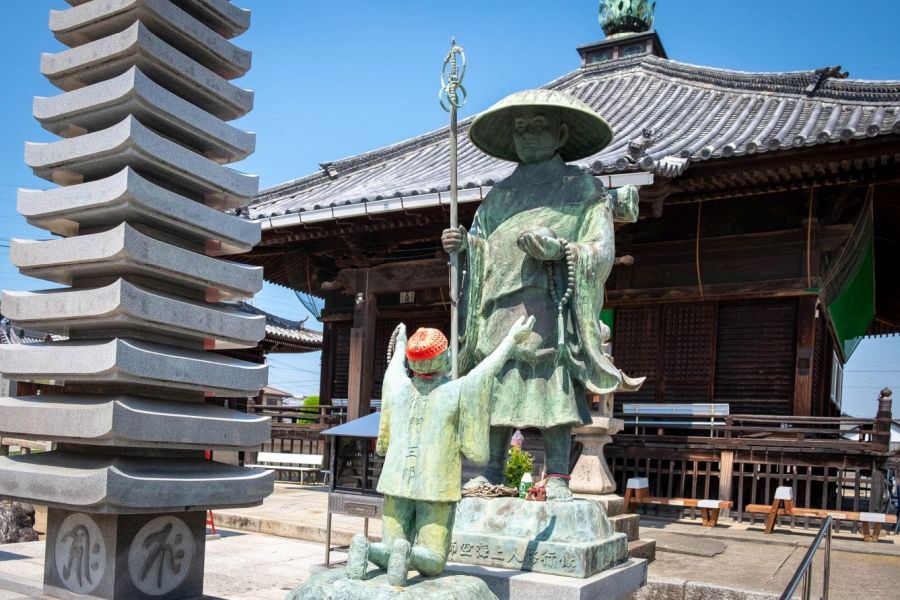
To the right of the approach is the belfry, and the Daishi Hall, in front of which is a peculiar bronze diorama with a little Emon Saburō on his knees pleading for forgiveness before a big Kūkai, with a stone pagoda next to it. The temple office is to the left of the approach. The priest’s quarters are reached by proceeding along the path between the pilgrim goods shop to the right of the Niō Gate entrance and the temple grounds, then turning right at the end.
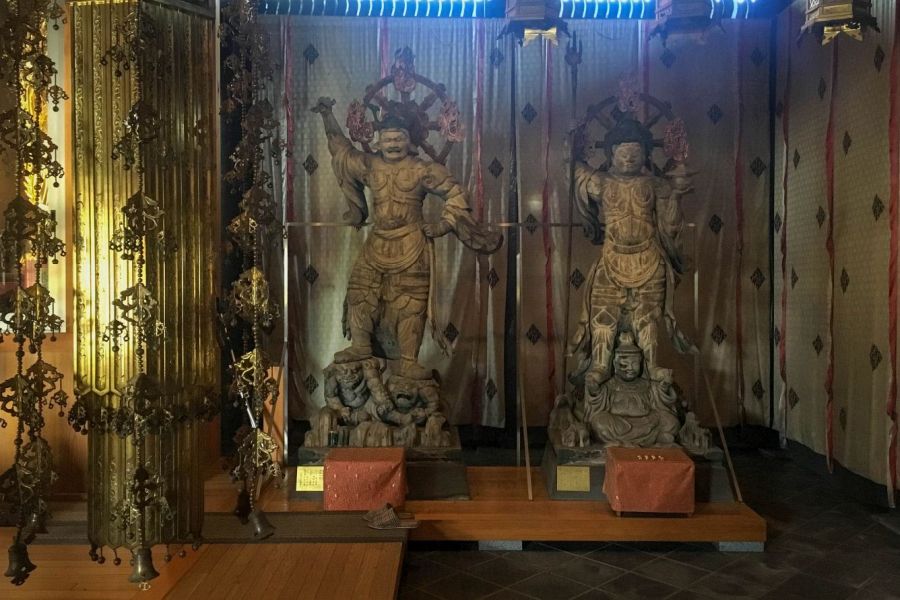
In the main hall, the principal image is a standing statue of Yakushi Nyorai, unveiled only once every fifty years. It’s flanked by standing statues of the Sunlight and Moonlight Bodhisattvas and standing statues of the Four Heavenly Kings.
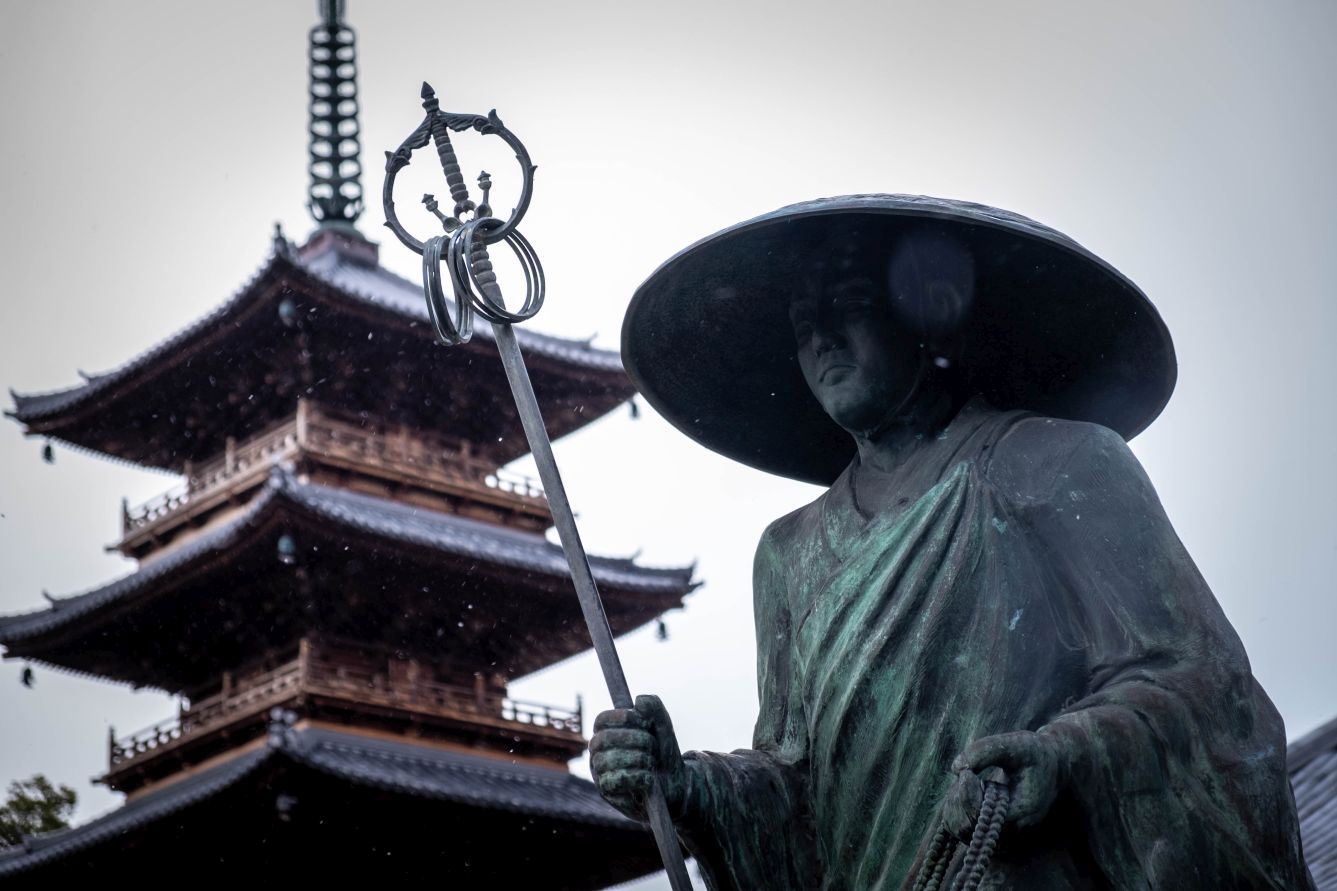
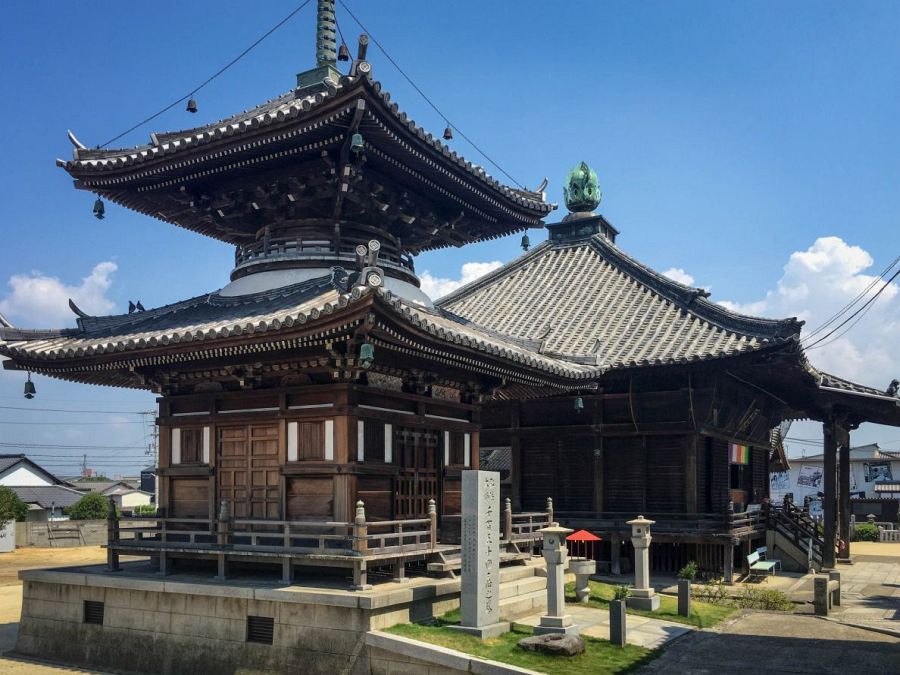
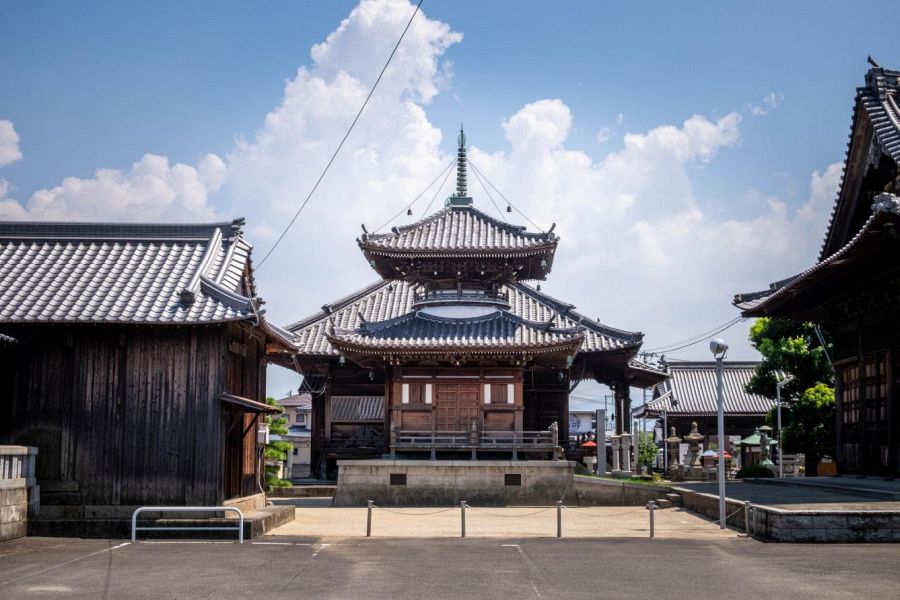
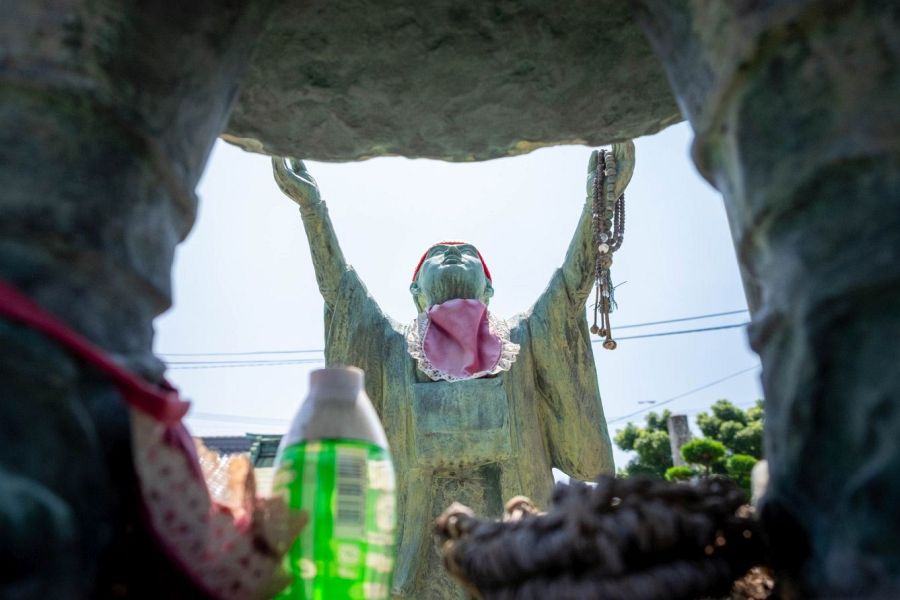
To the right of the main hall is the two-storey Tahōtō Pagoda. In the Memorial Tablet Hall, a newer building, there’s a seated statue of Amida Nyorai, flanked by standing statues of Kannon and Jizō. The main hall is surrounded by various small shrines, and there’s a cute bronze Child Daishi, representing Kūkai as an infant.
History
The temple is said to have been founded in 712 by Wakaki Michitaka, the local lord. In 807, Michitaka’s son, Chōyū, commissioned Kūkai, who had recently returned from Tang China, to carve a Yakushi Nyorai statue in which he enshrined an earlier statue carved by Michitaka. Chōyū also received ordination from Kūkai, becoming the second head priest. He built seven temple halls and named the temple Dōryū-ji after his father. The third abbot was Shinga, Kūkai’s younger brother, who established twenty-three sub-temples. The fourth abbot, Enchin, carved statues of the Five Great Myō-ō and built the Goma Hall. During the tenure of the fifth abbot, Shōbō, the temple enjoyed imperial patronage and flourished greatly. However, it endured repeated cycles of decline and revival due to damage from a great earthquake in 869 and various fires.
Legends
The founding of the temple is shrouded in legend. In the early 700s, the area was covered in mulberry orchards for feeding silk worms. In 712, the local lord Wakaki Michitaka observed a large mulberry tree emitting an eerie light each night. Shooting an arrow in its direction, he accidentally struck and killed his wet nurse. Grieving, Michitaka cut down the tree, carved a statue of Yakushi Nyorai, and enshrined it in a temple, marking the temple’s origin.
It’s believed that visiting the grave of the late Edo period doctor, Kyōgoku Sakuma, relieves eye disorders.
Information
Name in Japanese: 道隆寺
Pronunciation: dōryū-jee
Address: 1-3-30 Kitagamo, Tadotsucho, Nakatado-gun, Kagawa 764-0022