Shikoku Pilgrimage
Shikoku
The Shikoku Pilgrimage
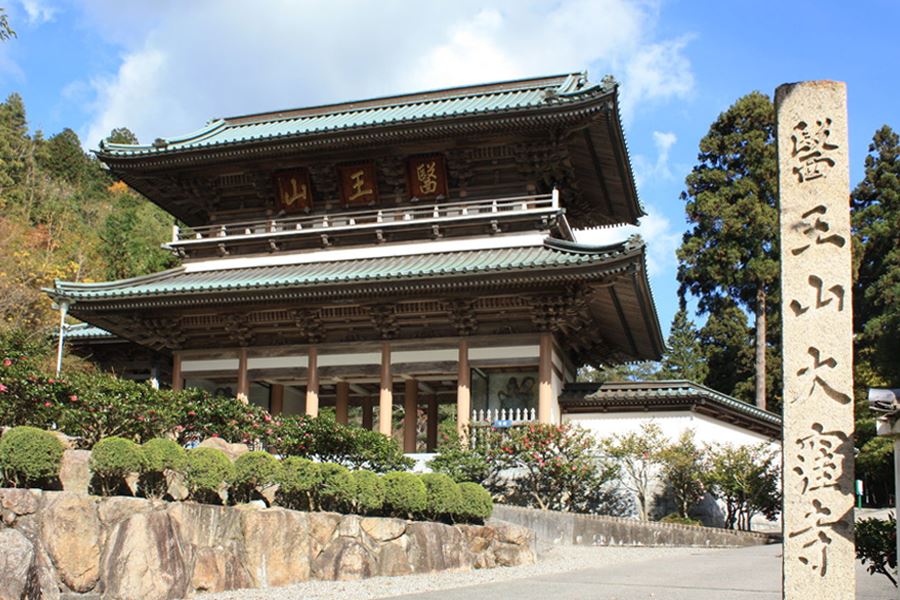
The Shikoku Pilgrimage is a pilgrimage of 88 temples associated with the Buddhist saint Kūkai.
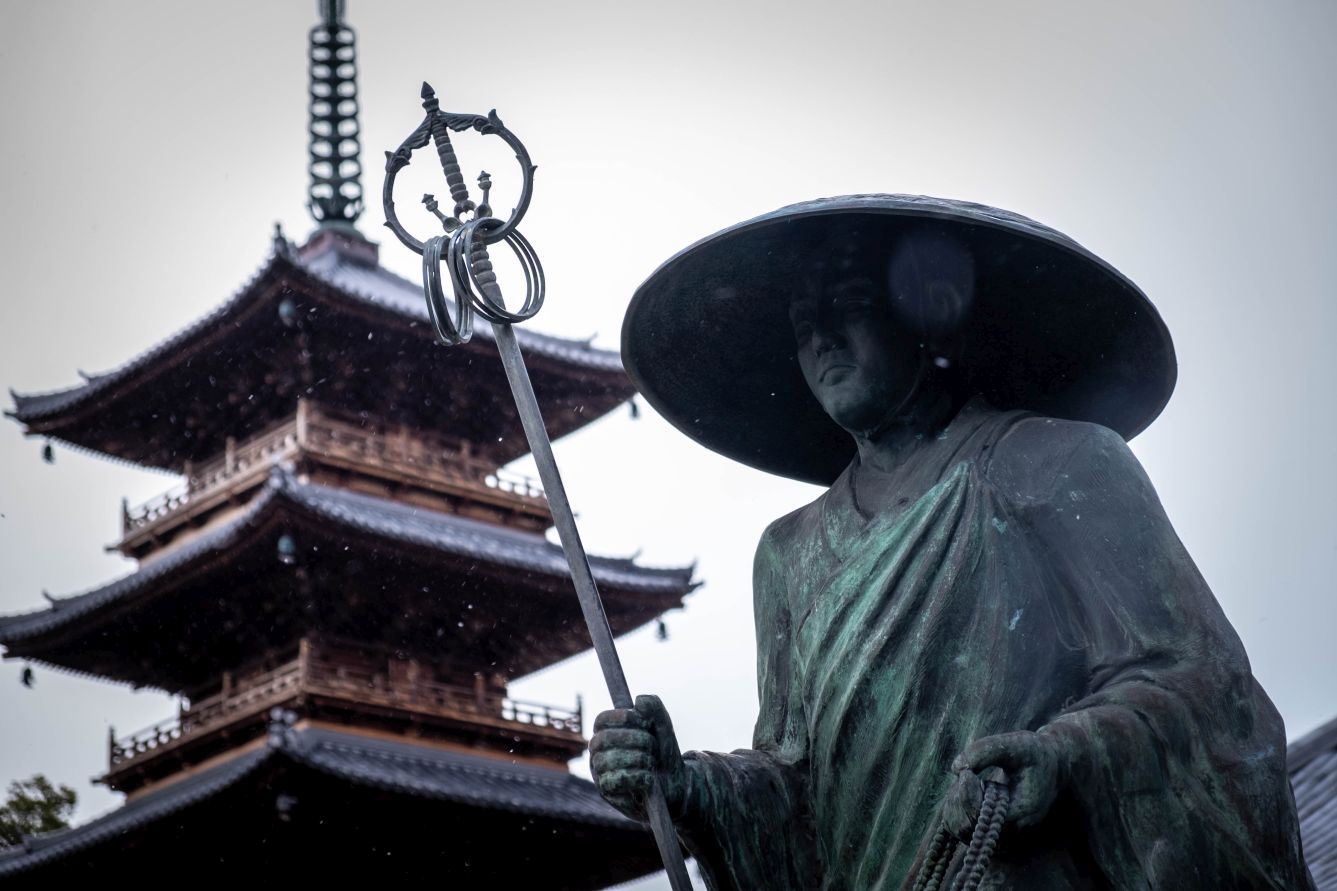
Shikoku Pilgrims, known as ohenro-san, undertake the journey around Shikoku island to atone for sins, to pray for health and success, in pursuit of enlightenment, and to experience the mysteries of Japan’s least developed island. On their hats, they write the characters 同行二人 (reading: dōgyō ninin), expressing their faith that Kūkai is walking with them.
Our Pilgrimage Tours
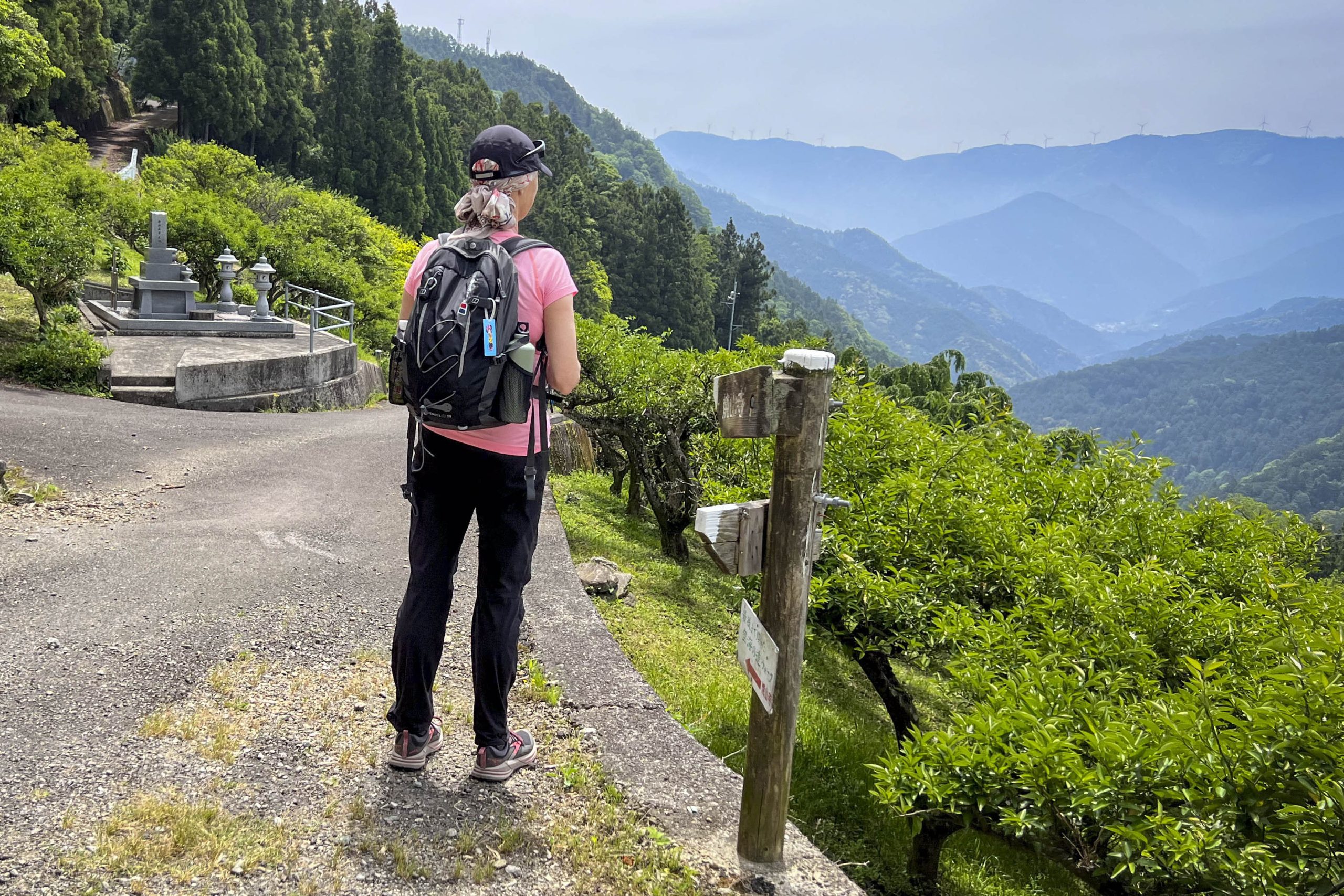
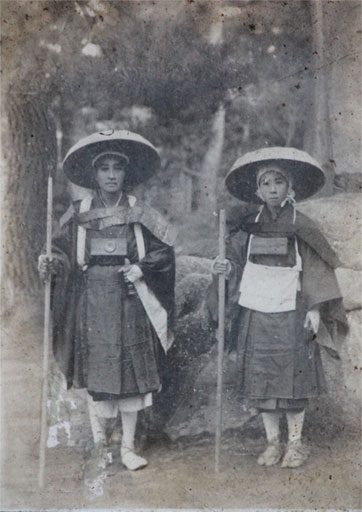
Originally, all pilgrims walked the Henro trail, and many still do. But completing the pilgrimage on foot takes too long for most people. Today, many pilgrims opt to use motor transport while walking some of the route. Here we look at the history of the pilgrimage and the characters who shaped it. We explore the eighty-eight temples and the preparations for the journey. And we present a selection of tours to enable you to undertake this unique pilgrimage yourself, whether in total or in part.

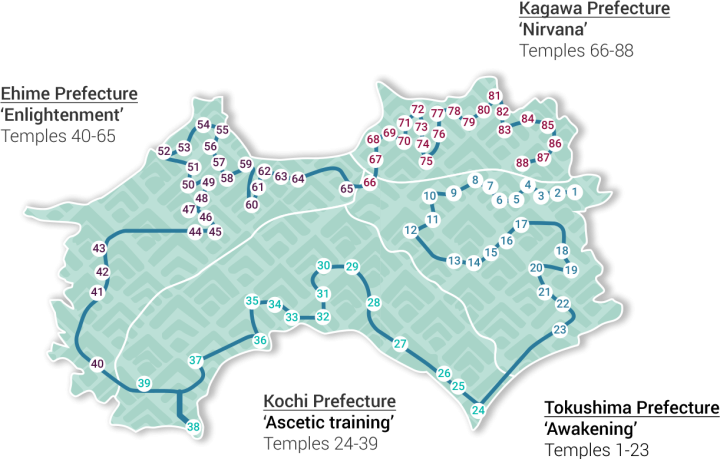
Each of the four prefectures of Shikoku is assigned a function in the progress of the pilgrim. Tokushima, where the pilgrimage starts, is the place of Awakening. Here, the pilgrim first becomes aware of their Buddha nature. In Kōchi, there are many long stretches on the Henro trail between temples, and the pilgrim experiences trials and doubts. This is a time of Asceting Training. On entering Ehime, the pilgrim has become used to the journey and is able to see things as they are, which reflects Enlightenment. When the pilgrim reaches Kagawa, they’ve entered a state of complete equanimity and non-attachment, a situation akin to Nirvana. Actually though, pilgrims typically become very attached to Shikoku, and many come back again and again!