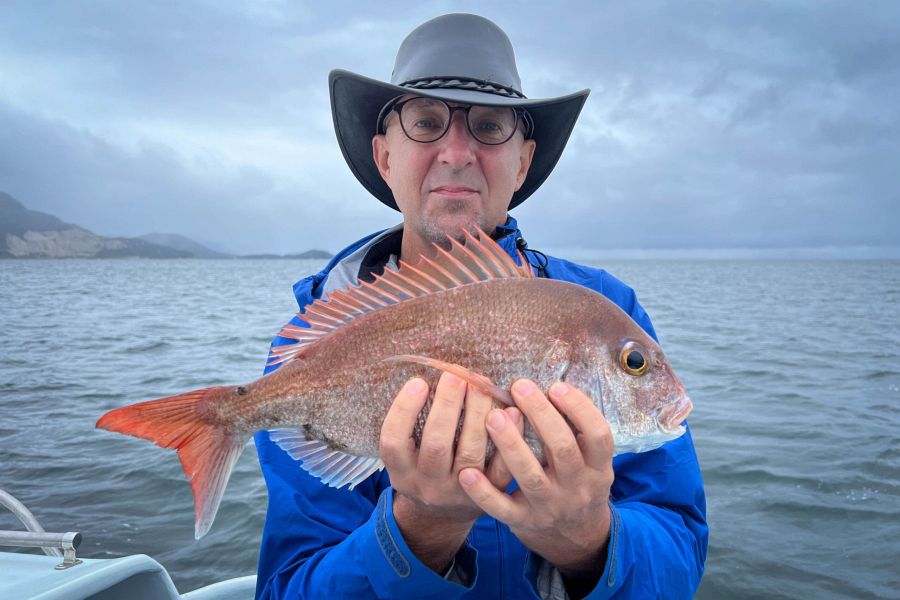
Fishing the Seto Inland Sea
Japan Adventurer offers fishing trips with professional fisherman all over Setouchi.
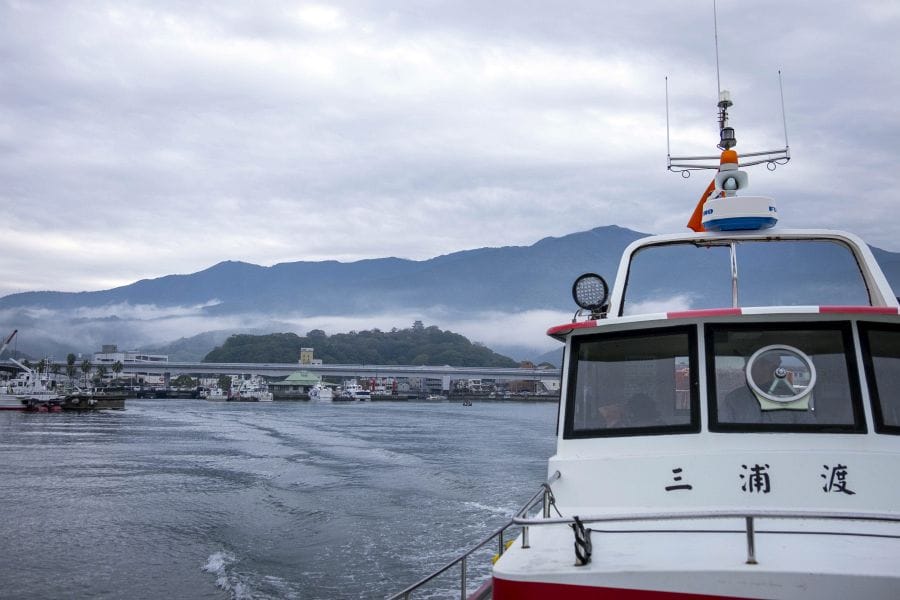
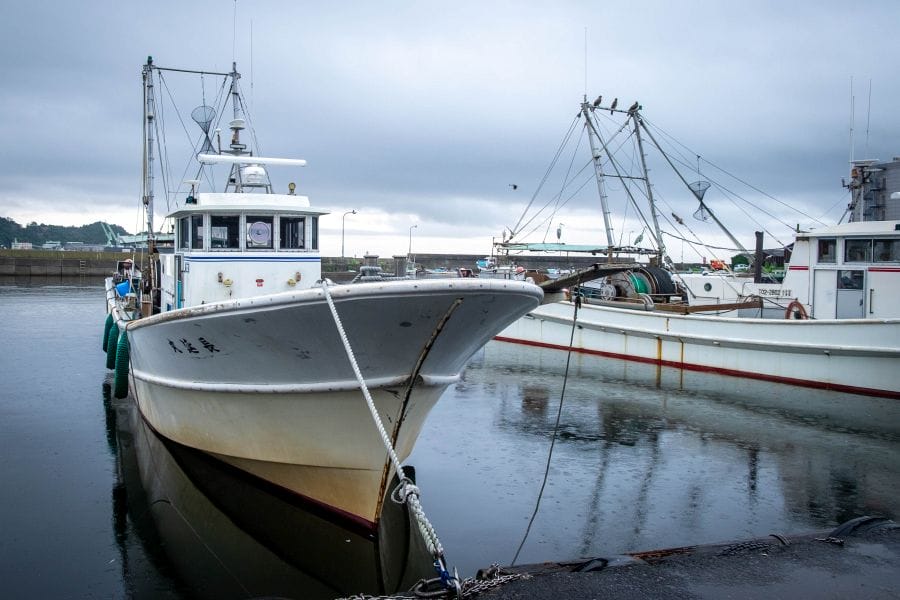
The Seto Inland Sea stretches between the main islands of Honshū, Shikoku, and Kyūshū, forming one of Japan’s most beautiful coastal regions. The areas bordering the Inland Sea are collectively called ‘Setouchi’. Often compared to the Mediterranean or Aegean for its scattered islands and mild climate, it’s a landscape best appreciated from the sea itself. Fishing culture runs deep here, from the commercial ports of Kure to the island communities of Kamijima and the fishing harbours scattered along the Shikoku coast. Small commercial boats still head out before dawn, returning with catches that define local cuisine across the region.
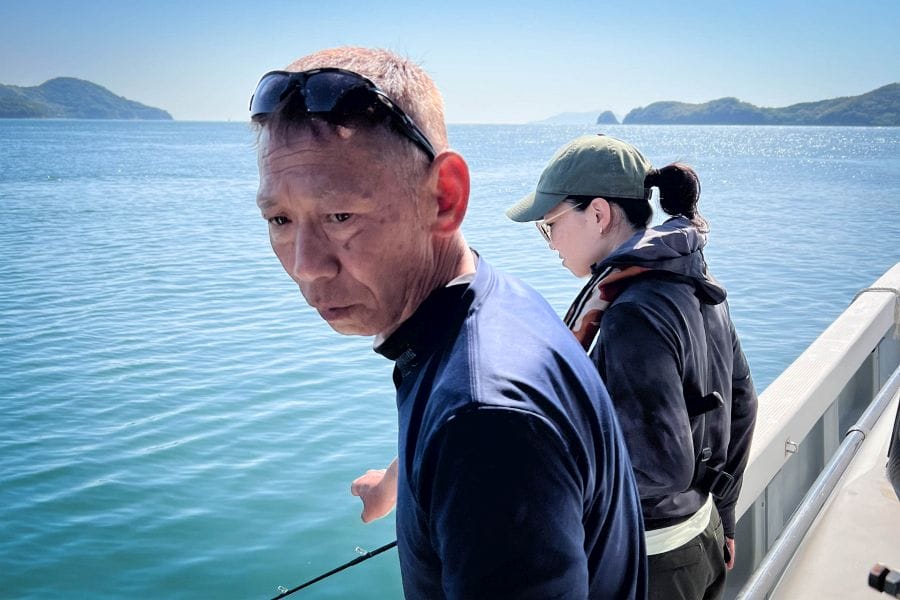
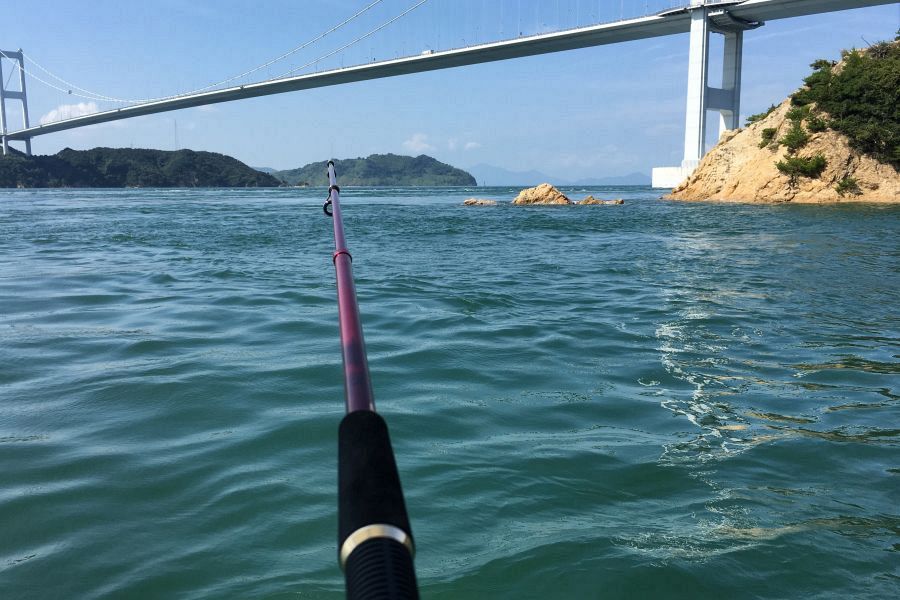
For visitors, getting out on the water offers a different perspective on the Inland Sea. Beyond the ferries and cycling routes of the Shimanami Kaidō, local fishing boats can take you into channels, straits, and sheltered bays where tides and currents create rich fishing grounds. Conditions vary dramatically according to season, weather, and the movement of the tide, so no two trips are exactly alike.
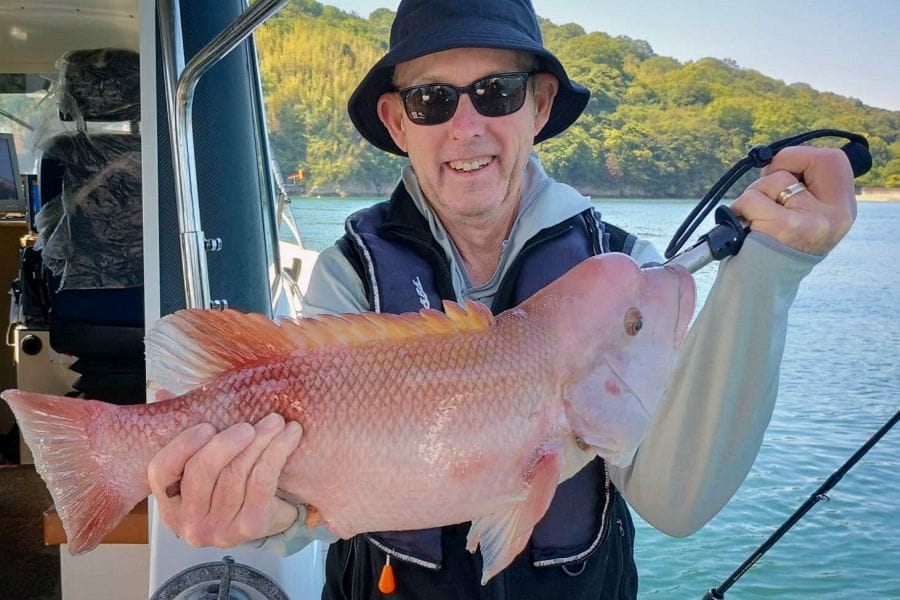
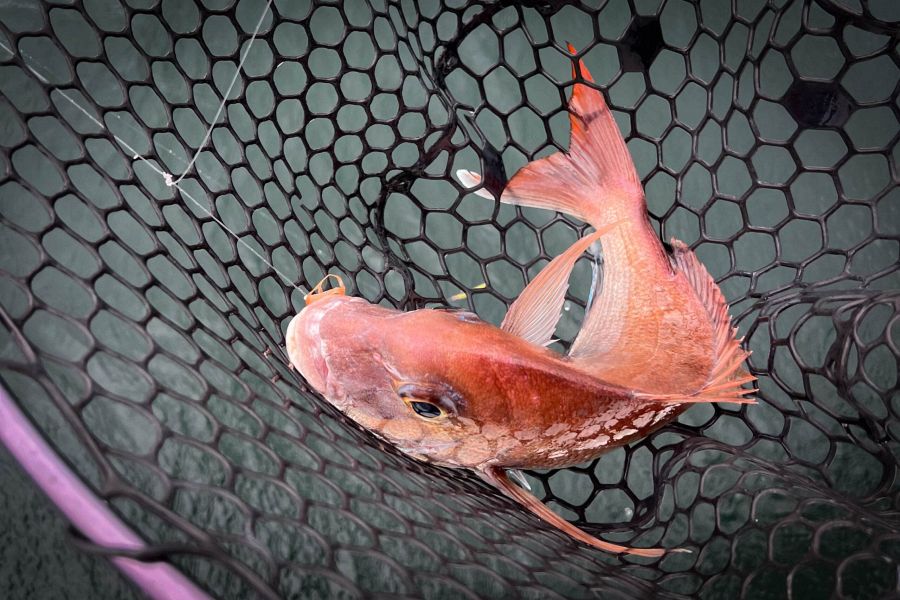
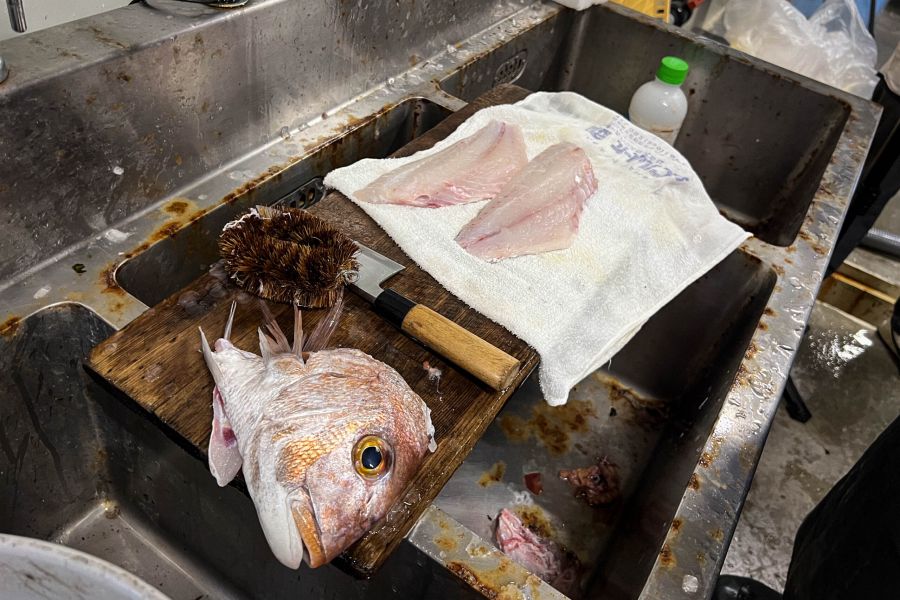

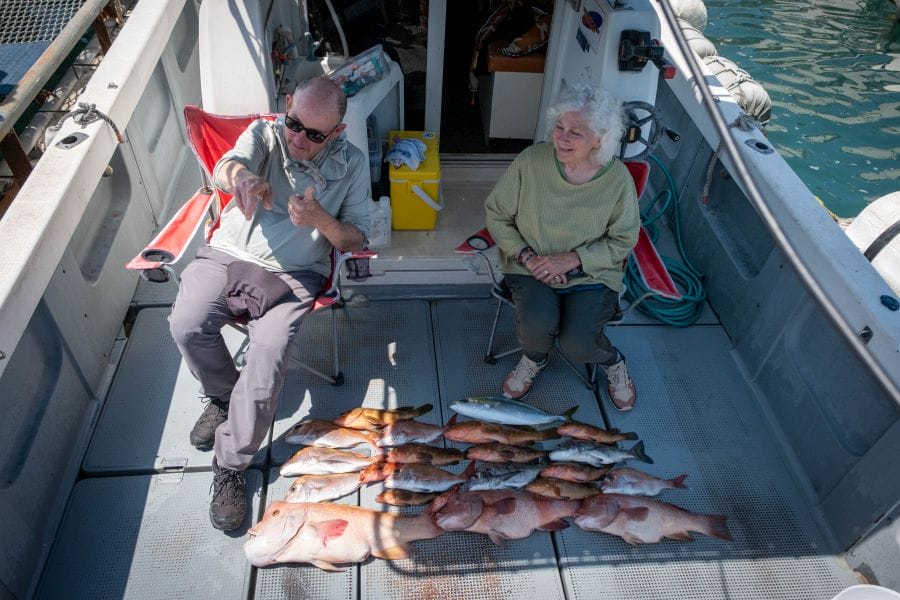
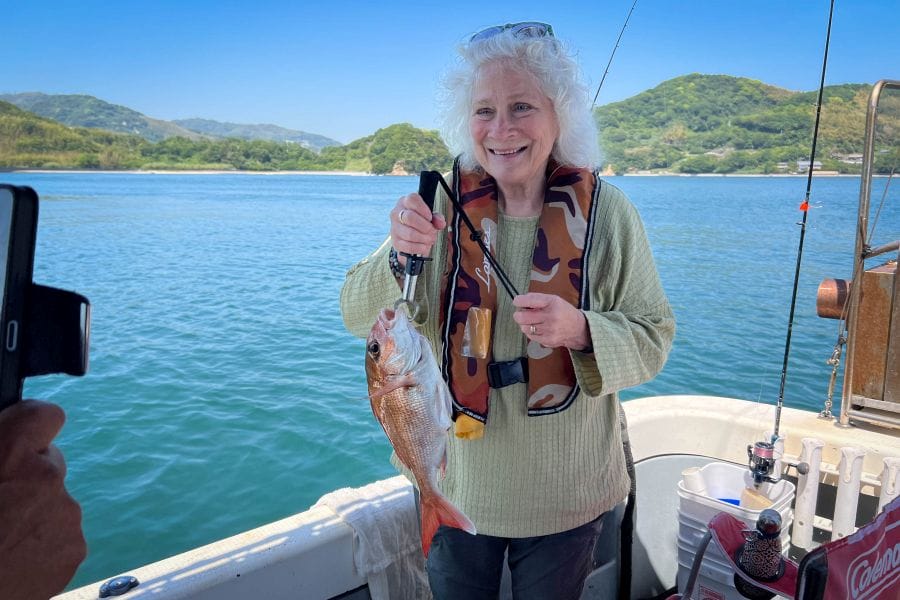
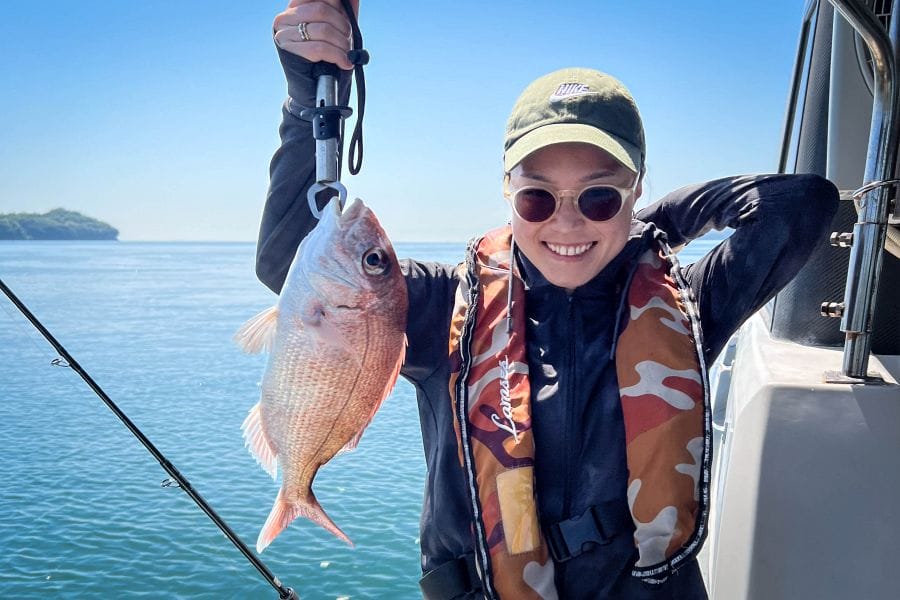
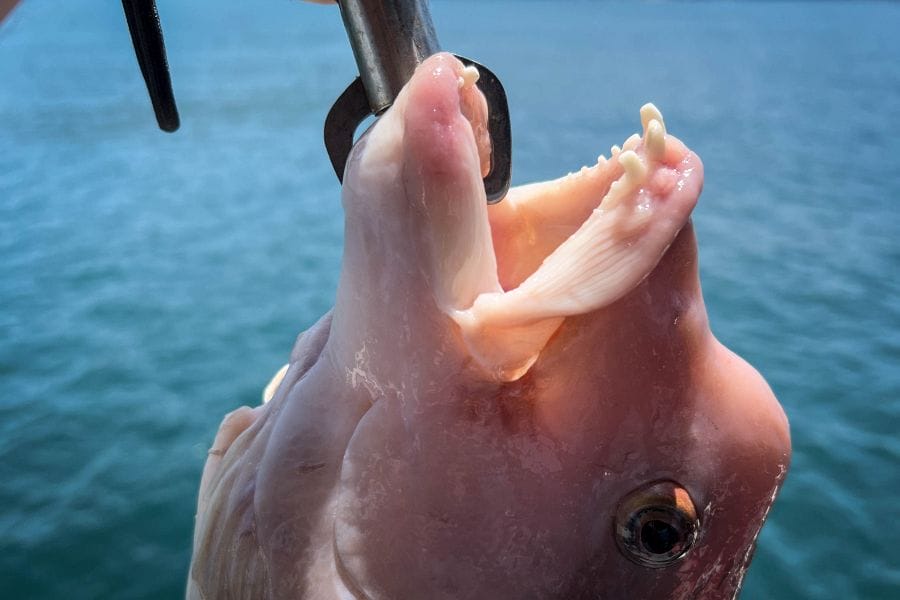
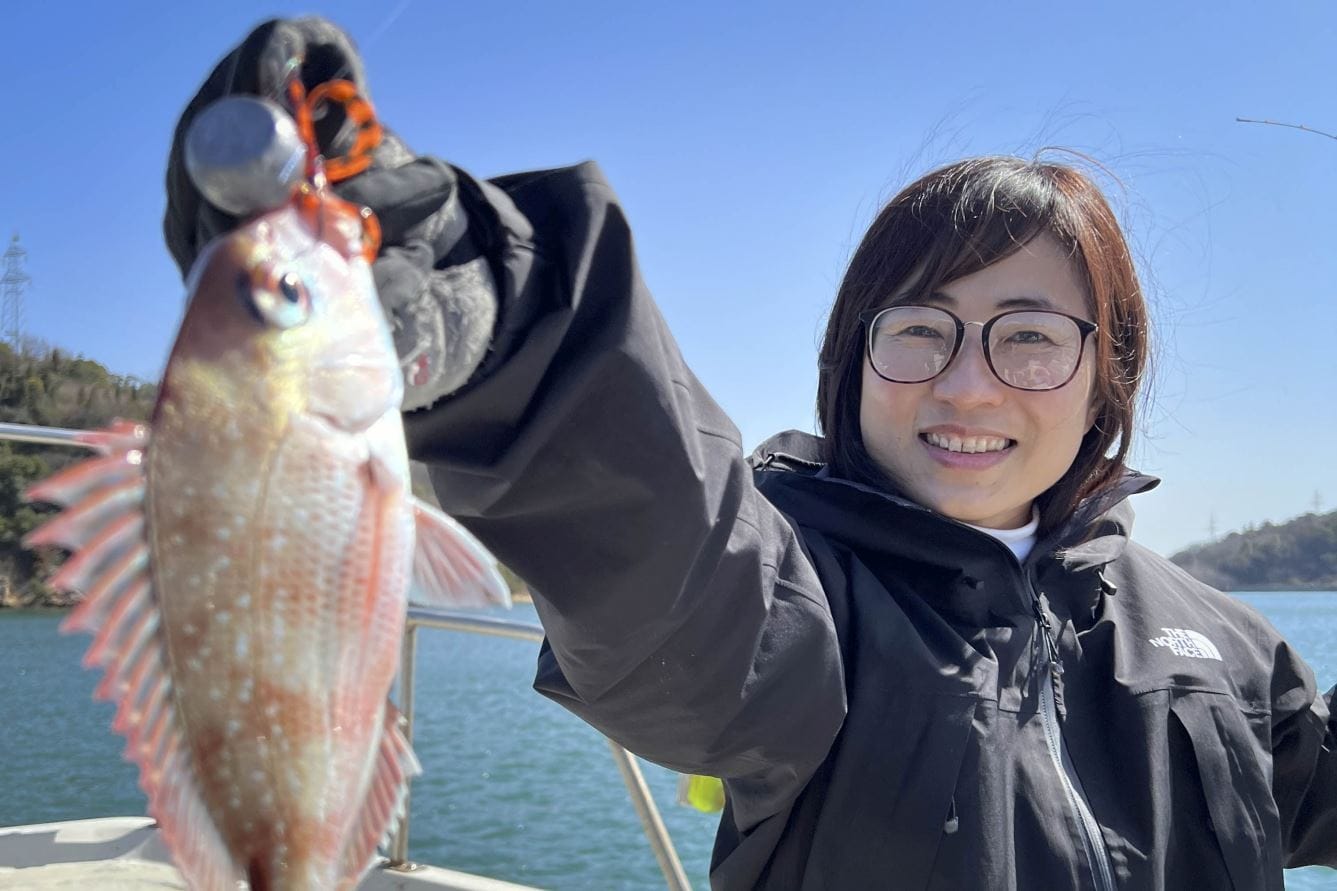
Sea bream is the iconic target species of the Seto Inland Sea. Known as tai in Japanese, it has long been associated with celebration and good fortune, and its delicate white flesh is prized both raw and cooked. Around the islands between Shikoku and Honshū, anglers drift over reefs and current lines searching for these powerful fish, which range from modest table-sized catches to specimens over a metre long. These big sea bream, as well as the large grouper and wrasse species put up a tremendous fight.
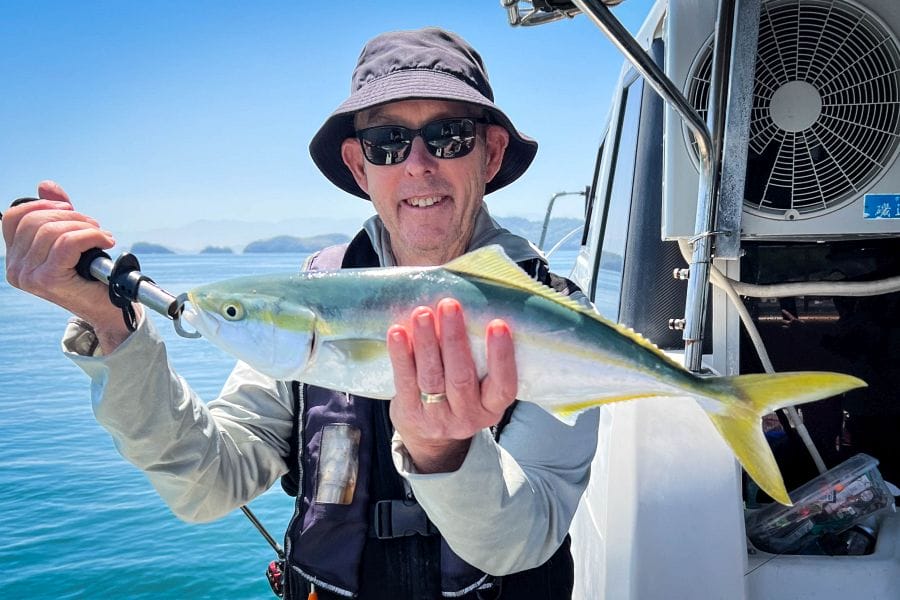
Depending on the season, you can also cast your rod for Spanish mackerel, yellowtail, horse mackerel, rockfish, flounder, cutlassfish, squid, or octopus. Spring and early summer are especially good for sea bream and squid, while autumn brings schools of migrating blue-backed fish feeding aggressively in the channels. Winter fishing focuses on heavier species living close to the seafloor in deeper water.
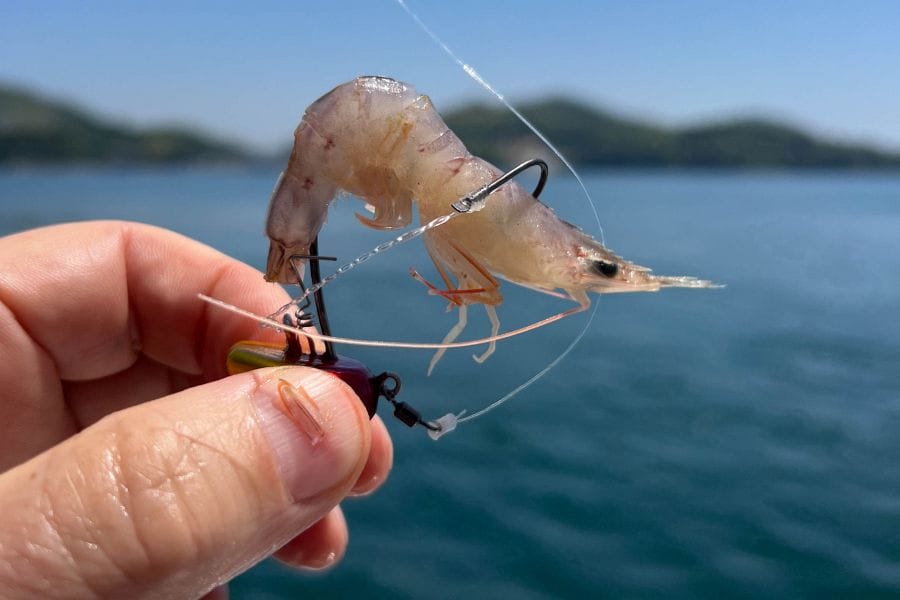
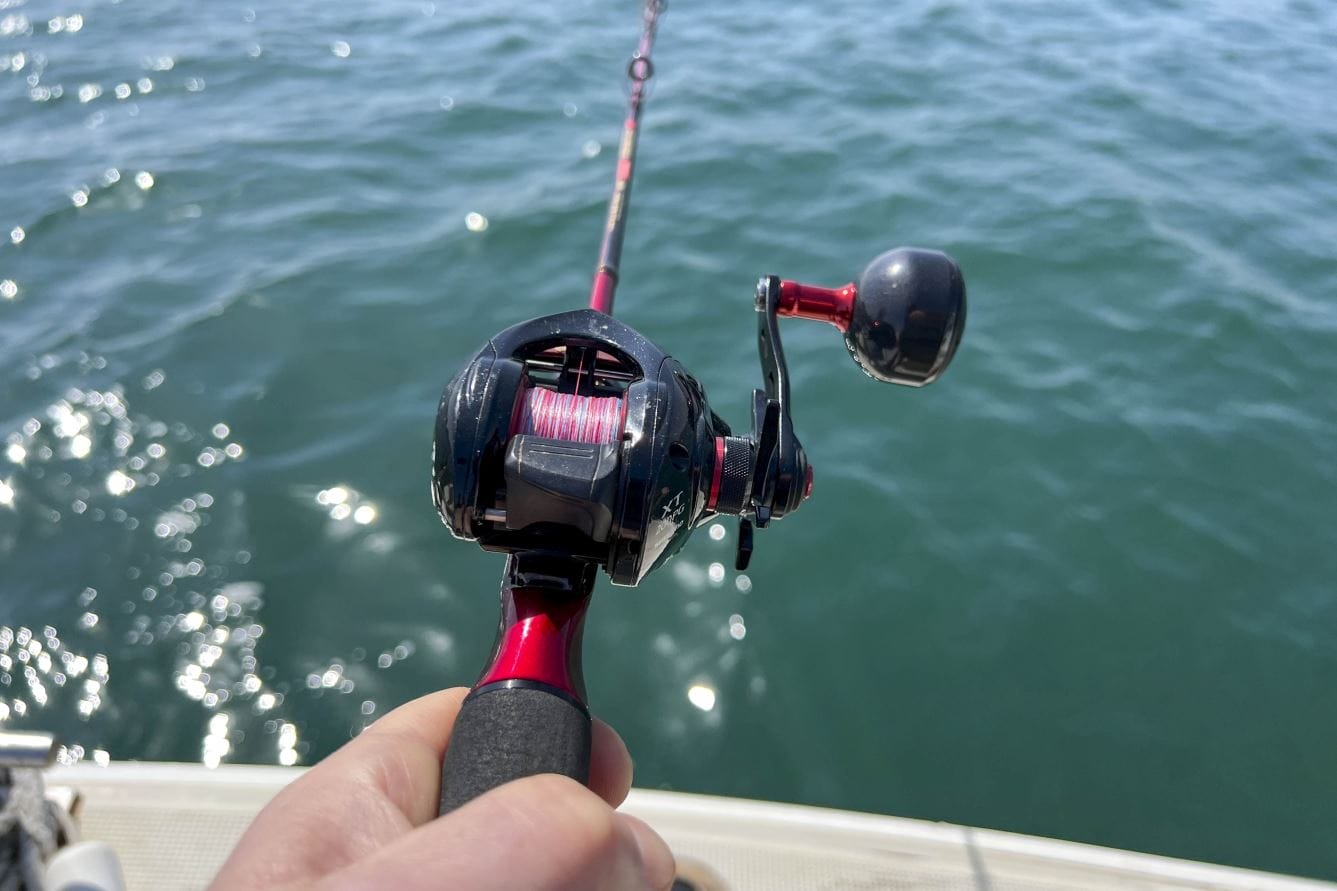
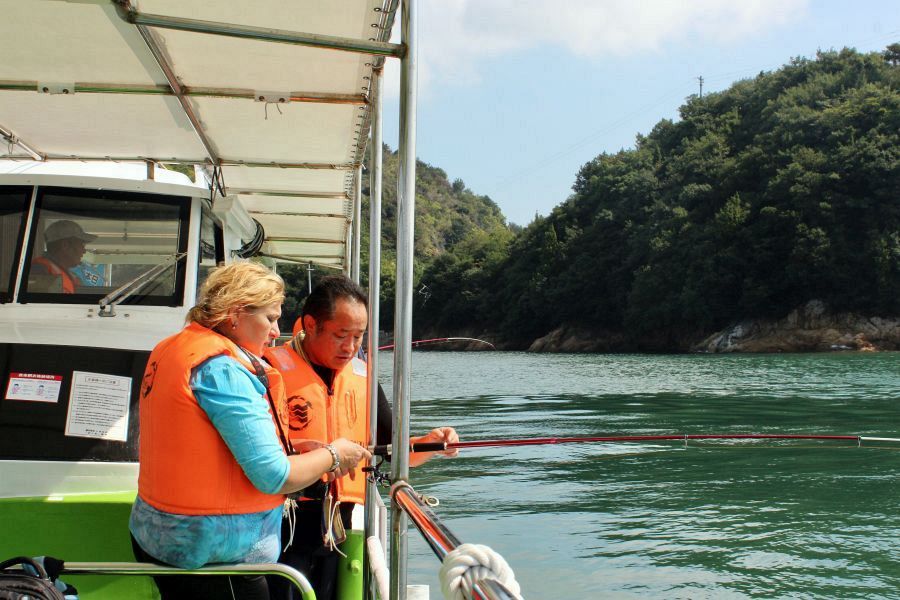
Fishing methods vary according to what’s about at the time. Modern lure fishing is popular, using flexible rods and metal jigs or soft lures worked near the sea bottom. In other situations, natural bait is preferred. Live shrimp is particularly effective for sea bream and rockfish, while cut bait and small fish are used for larger predators. The local captains carefully adjust techniques to match the strong currents that sweep between the islands.
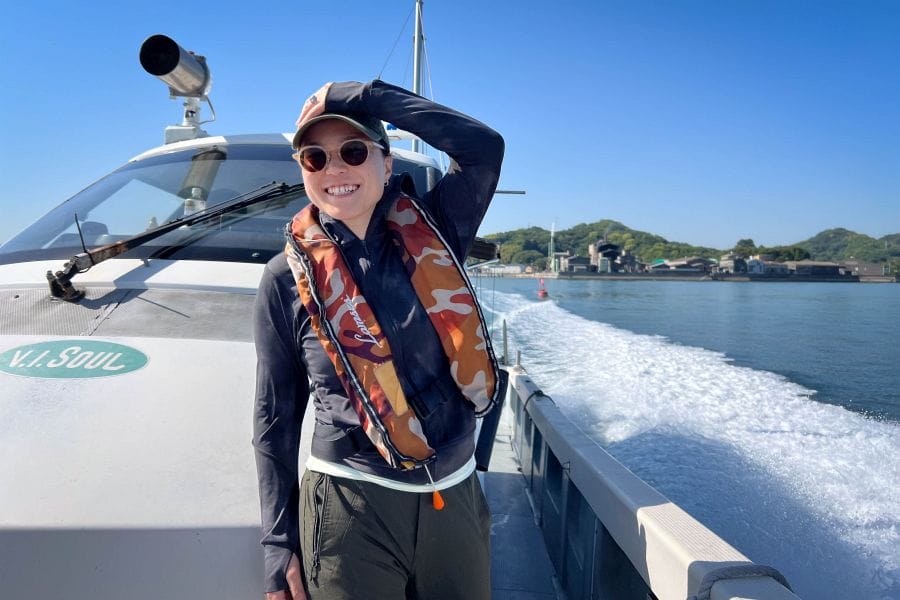
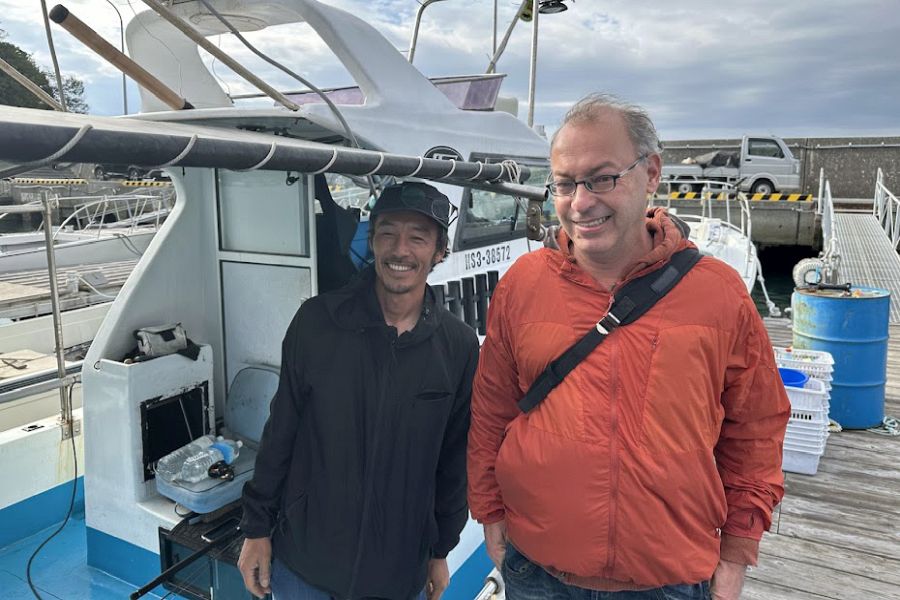
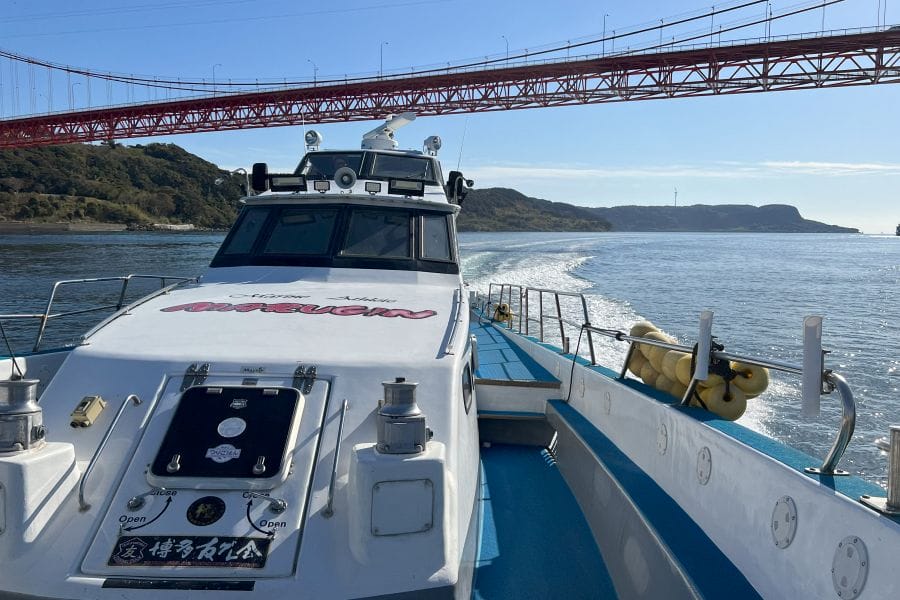
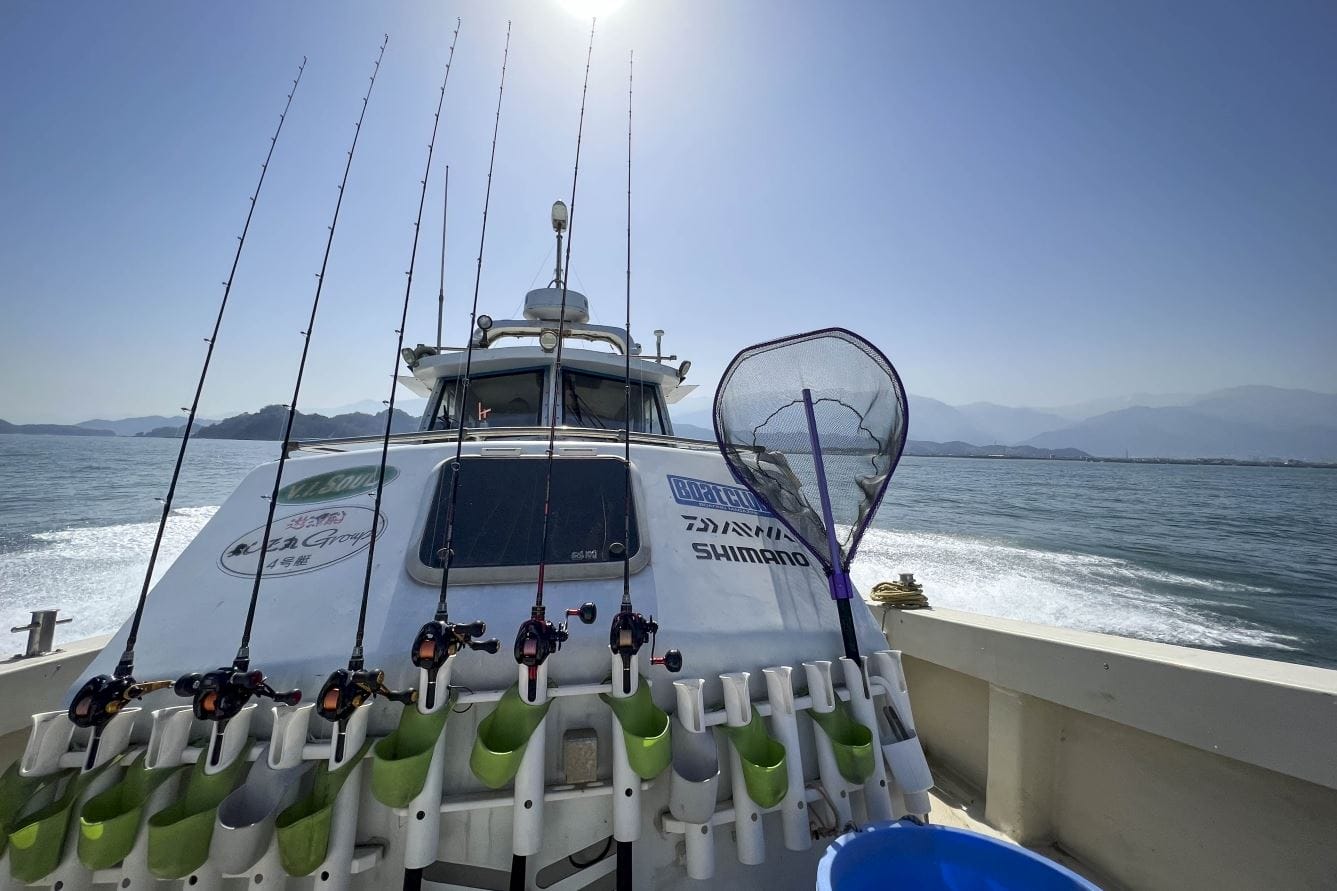
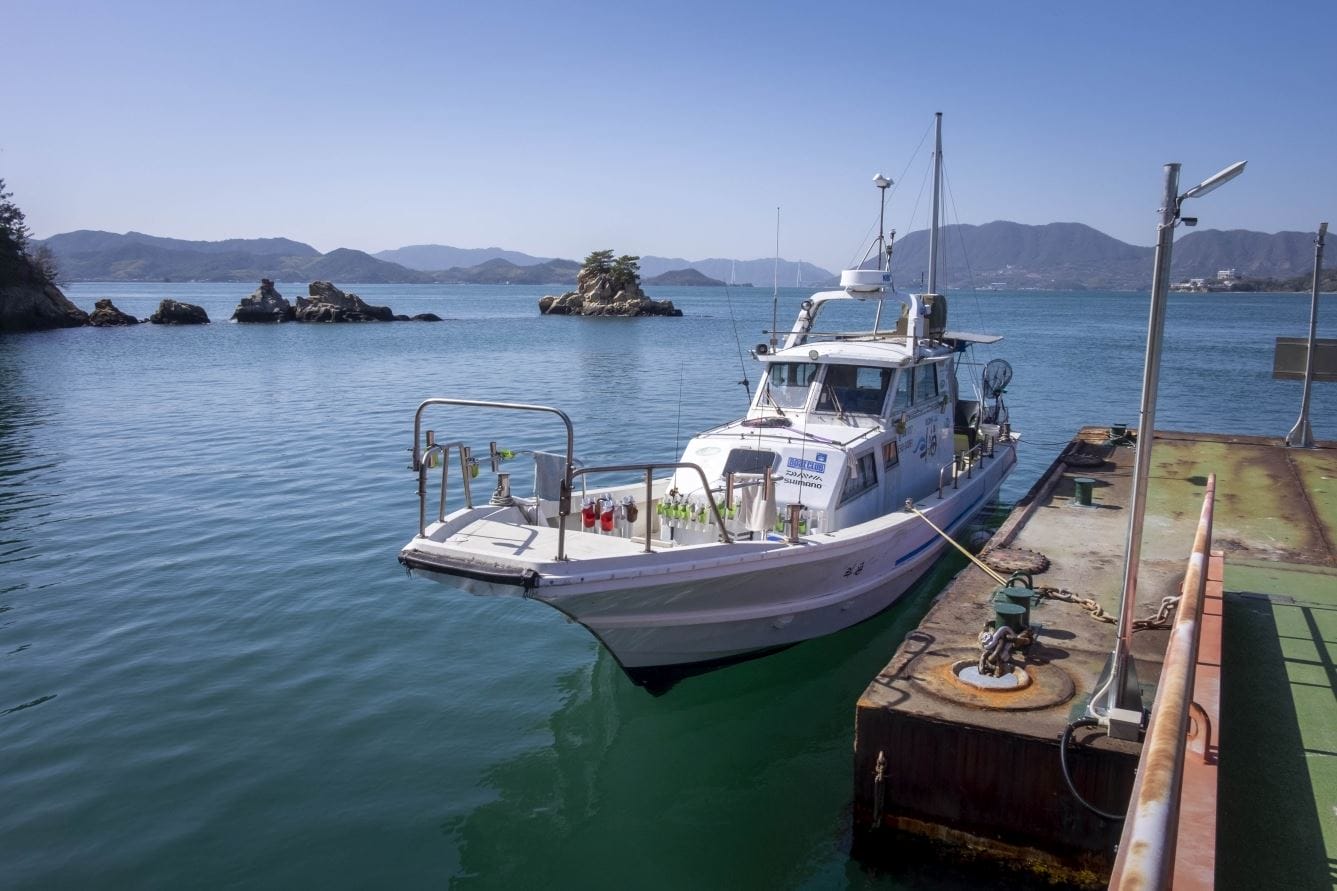
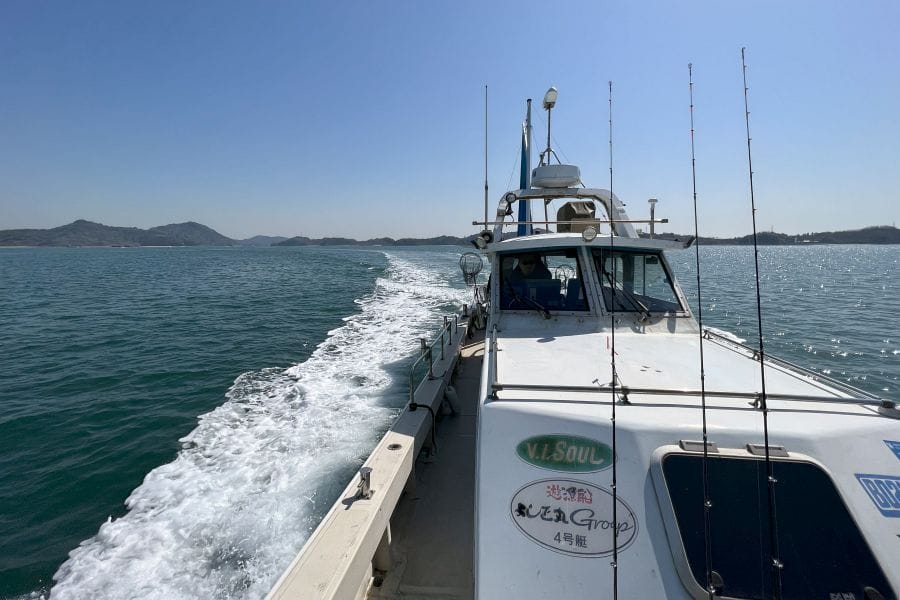
The boats themselves are designed for serious work rather than luxury, but many are surprisingly comfortable for day trips. High-powered engines allow them to cover large distances quickly, moving between fishing grounds as conditions change. Most have covered cabins, toilets, fish finders, and enough deck space for small groups. Captains usually know the waters intimately, often having fished the same areas for decades.
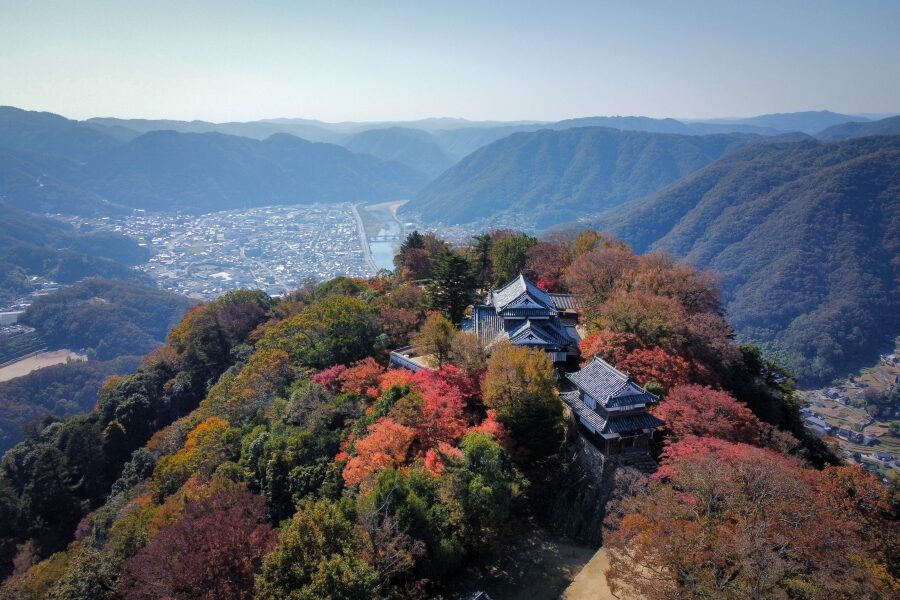
One of the pleasures of fishing in the Inland Sea is that the experience extends beyond the catch itself. The scenery constantly changes as the boat moves between islands: quiet fishing villages, forested mountains dropping directly into the sea, enormous suspension bridges, oyster rafts, shipyards, and isolated beaches only accessible by boat. In the Geiyo Islands between Ehime and Hiroshima, the sea can feel more like an inland lake than open ocean. If you tire of fishing, the captain will be happy to take you sightseeing, perhaps to the pirate fortress of Noshima, to see the cats on Aoshima, or the rabbits on Ōkunoshima.
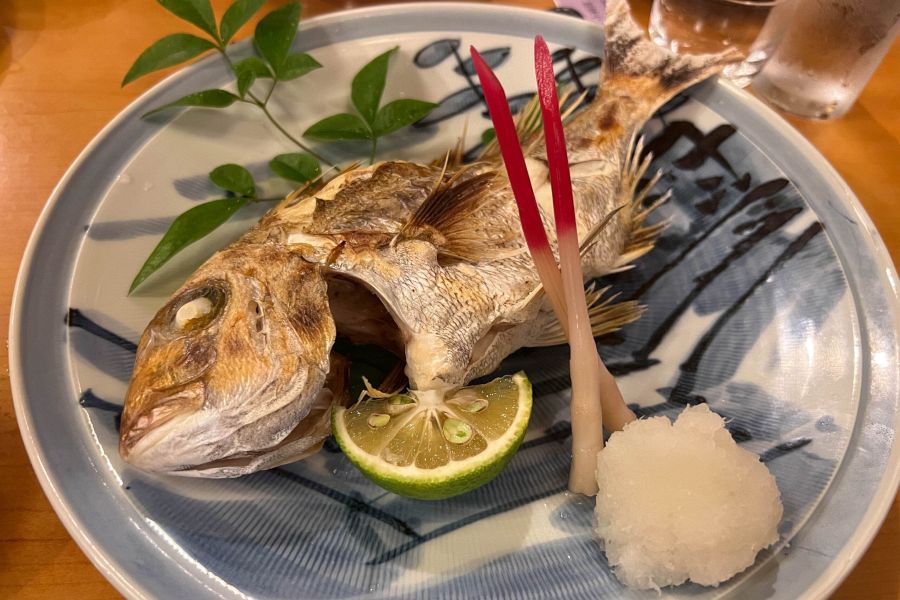
The catch often becomes part of the day’s meal. Depending on the location and facilities available, fish may be prepared immediately as sashimi, grilled over charcoal, simmered in local style broths, or incorporated into more casual seaside cooking. Some islands have barbecue facilities and small waterfront spaces ideal for relaxing after returning to shore. Local fishmongers will be happy to clean and fillet your haul.
While the Seto Inland Sea is famous for cycling and island-hopping, fishing offers a more intimate and dare we say it, authentic connection with the region. It places you directly into the rhythms of the working sea — the tides, the weather, the movement of fish, and the traditions that continue to shape coastal life across Setouchi.
If you’d like to explore the Inland Sea more intimately, let us know and we’ll plan you a trip.