Accommodation in Japan
Here we’ll look at everything from guesthouses and pilgrim’s lodgings to high-end ryokan and even castles. Japanese accommodation has many peculiarities unique to Japan, and it’s important to be aware of them from the planning stage. We can book you whatever accommodation you like for your trip, but we want you to know what to expect.
Guesthouses
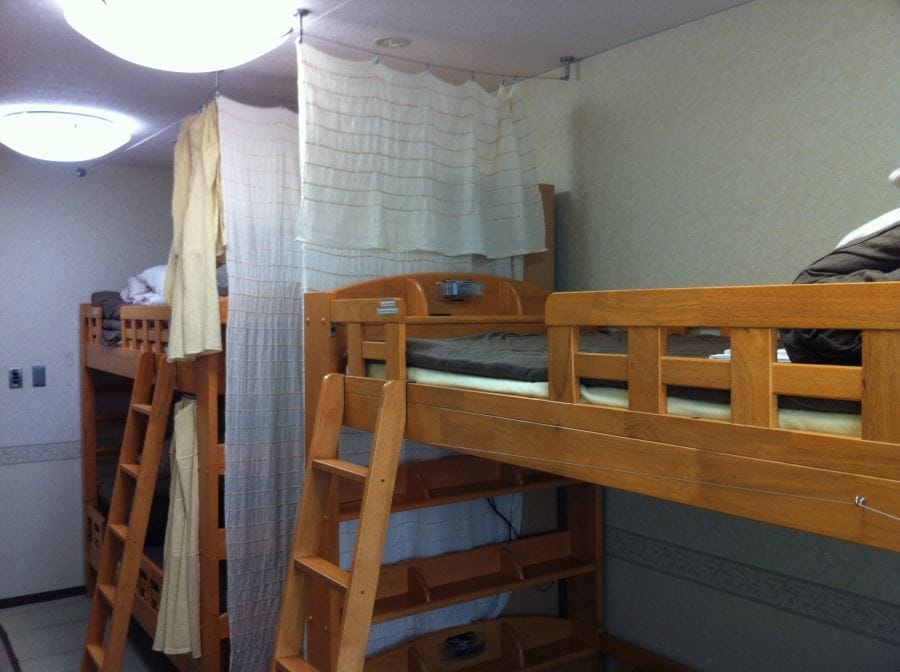
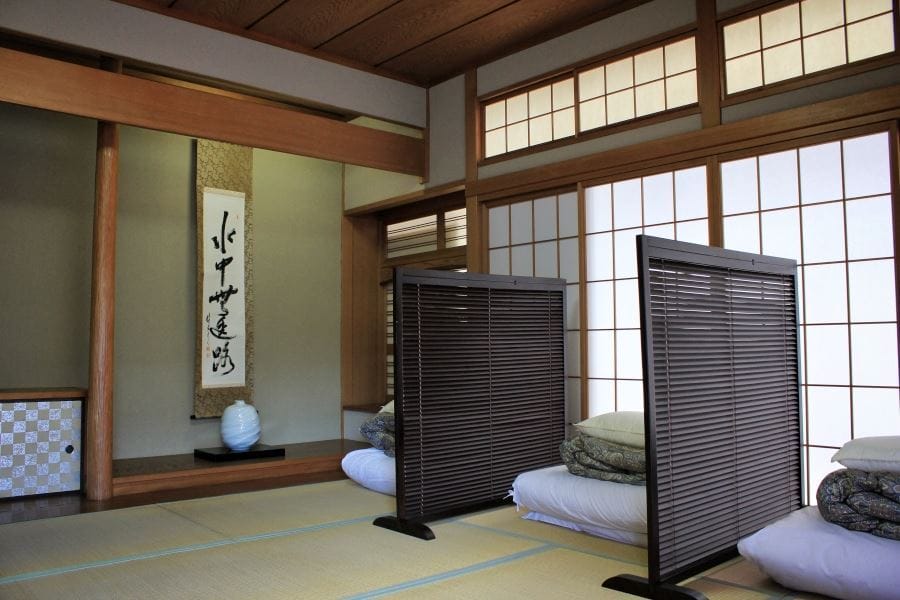
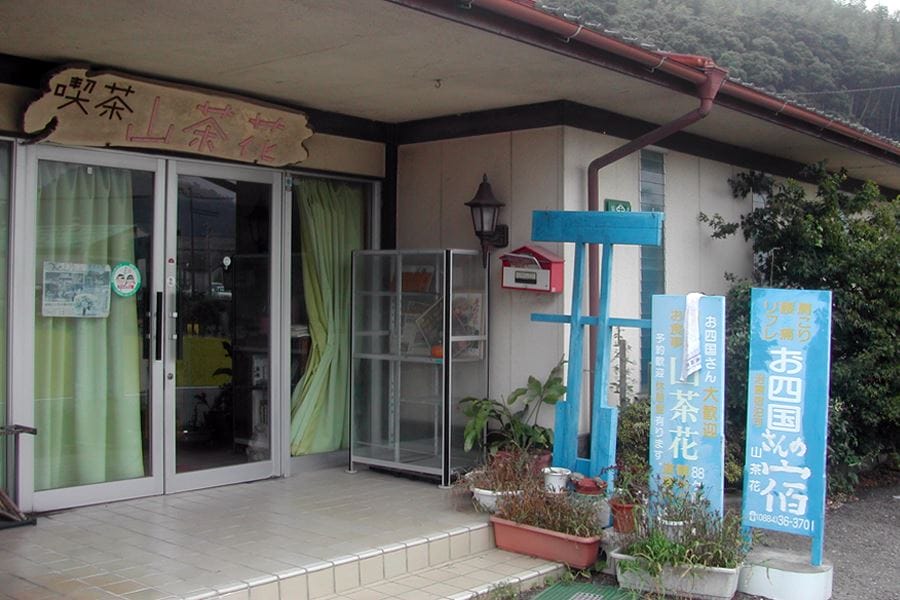
There are many guesthouses across Japan, some with offerings targeting pilgrims, some targeting cyclists, others targeting no type of traveler in particular. These guesthouses are often in buildings that were once used for something else – company dormitories, geisha houses, homes of the wealthy, schools and so on. Most have dormitory-style rooms with bunkbeds or futons on tatami mats, as well as private rooms. They have communal cooking, bathing and lounging facilities, sometimes with a bar.
Pricing
From ¥2,500 per night in a dormitory room. No meals.
From ¥3,000 per night in a private room. No meals.
Pros
Economical. You can cook and eat what you want. You’ll meet some interesting people, including the owners. The private rooms typically have everything you really need for a comfortable night.
Cons
If you have a snorer in your room, you can forget about sleep. There may be creaky floorboards and echoing corridors. You might meet people who you really don’t like. There’s very little privacy, sometimes including with bathing.
Minshuku
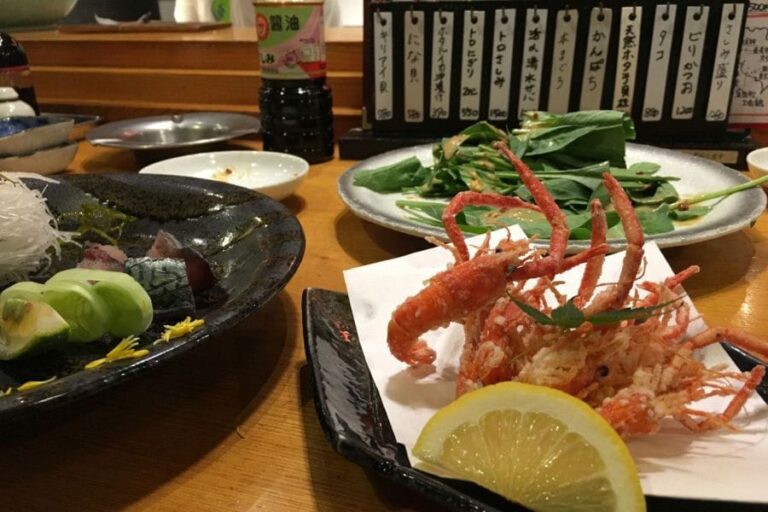
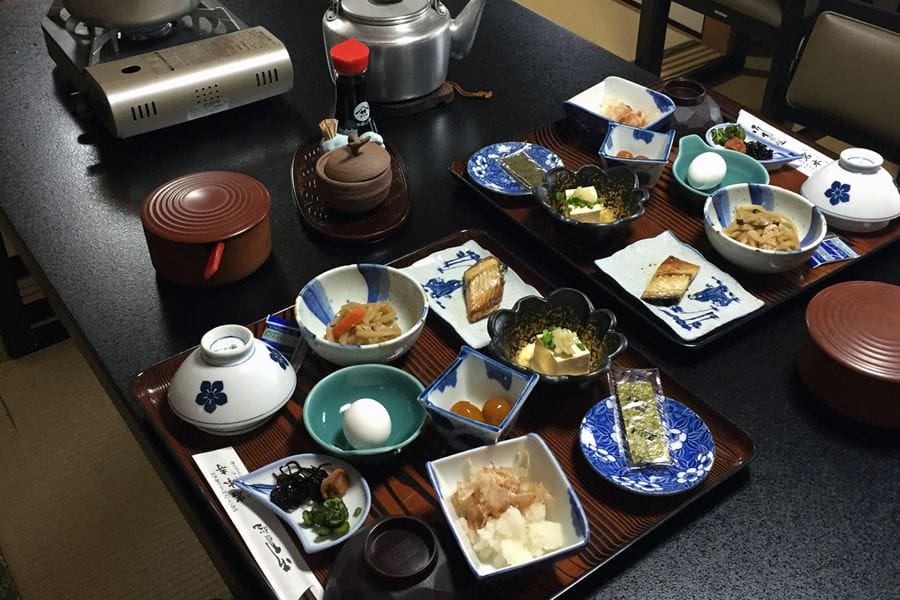
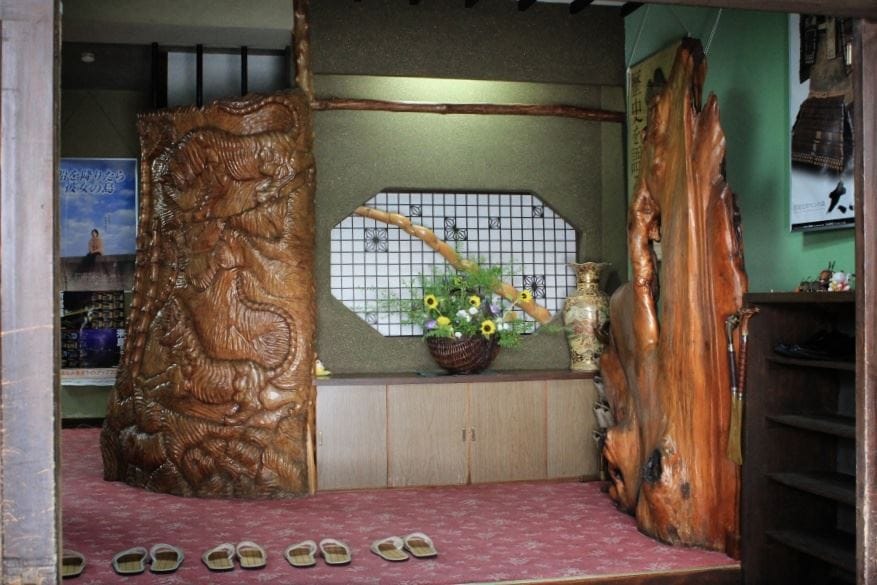
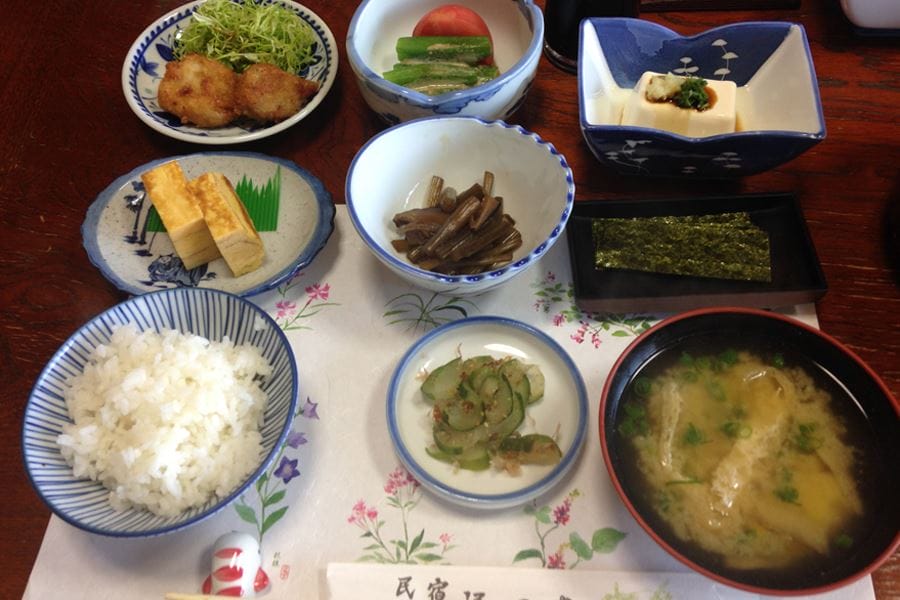
This accommodation is an amalgam of a somebody’s home, a guesthouse, and a ryokan. It’s similar to a B&B (bed and breakfast), but with dinner included too. They’re usually more expensive than a guesthouse and cheaper than a ryokan, but you might eat with the family and other guests. Often the owner takes pride in their cooking, and you’ll get very well-prepared, authentically local meals. This can be a very hit-or-miss accommodation sector, but rest assured, it will be a hit if we book it for you.
Pricing
From ¥6,500 per night, with two meals. From ¥4,500 without dinner.
Pros
Typically economical. Often very good food with an emphasis on local fare. You’ll meet some interesting people, including the owners.
Cons
You might meet people who you really don’t like. There’s very little privacy, sometimes including with bathing.
Shukubo
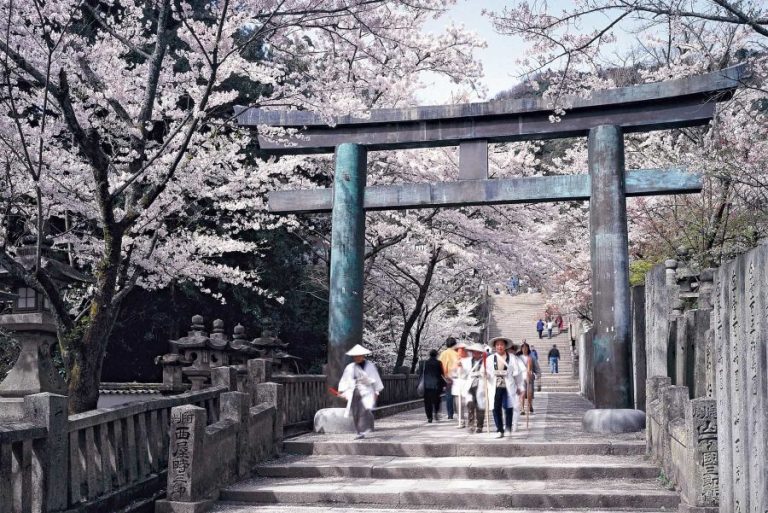
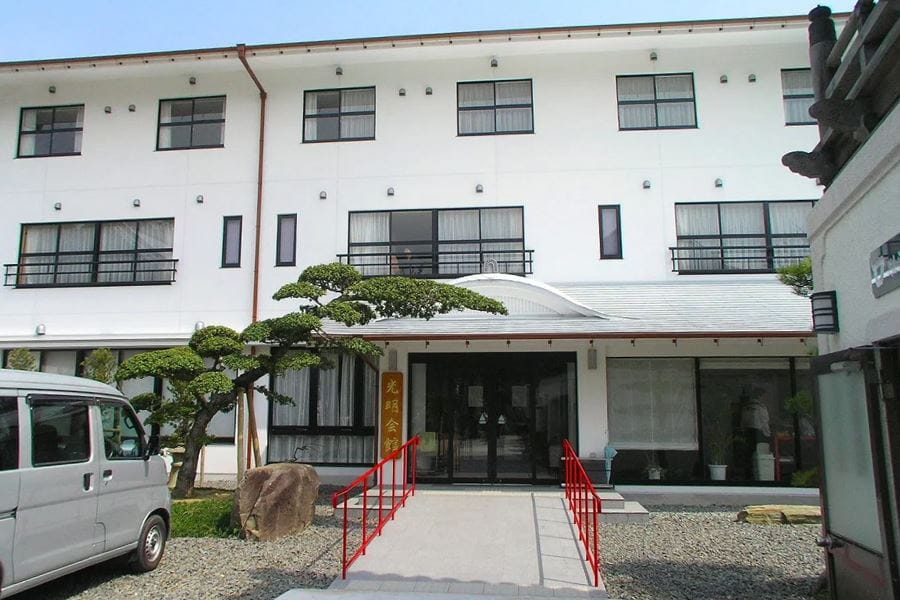
This is a lodging attached to a Buddhist temple. In Shikoku, home to the Shikoku Pilgrimage, many of the temples also have lodging for henro, walking pilgrims. As a matter of course, communal living is emphasized, including bathing. The lodging is a separate building from the temple, and similar to a good minshuku or ryokan. If you stay at a shukubo, you may be able to take part in morning or evening devotions at the temple. At some shukubo, you may be required to get up at 6:00 for the devotions. The food is typically quite good, but don’t expect it to be vegetarian. You can often order beer and sake too.
Pricing
From ¥6,000 per night, with two meals. From ¥4,000 without dinner.
Pros
Typically economical. Often very good food. You’ll meet some other pilgrims, and experience the atmosphere of a temple after hours.
Cons
You might meet people who you really don’t like. There’s very little privacy, sometimes including with bathing. Early lights out, early rising.
Business Hotels
These are hotels intended for single business travelers, although of course they’re open to anybody. They used to be very basic and generic, but recently they’re putting a lot of effort into differentiation, and they can be quite stylish and very comfortable. Breakfast is typically buffet style, and you can eat your fill, although bread, tea and coffee might be the extent of the offering.
Pricing
From ¥6,000 per night, with breakfast.
Pros
Economical. Generally comfortable. Good privacy. Ideal for single travelers.
Cons
Small rooms. No sense of regionality. The quality of breakfast varies widely. Other customers may be up very early.
Hotels
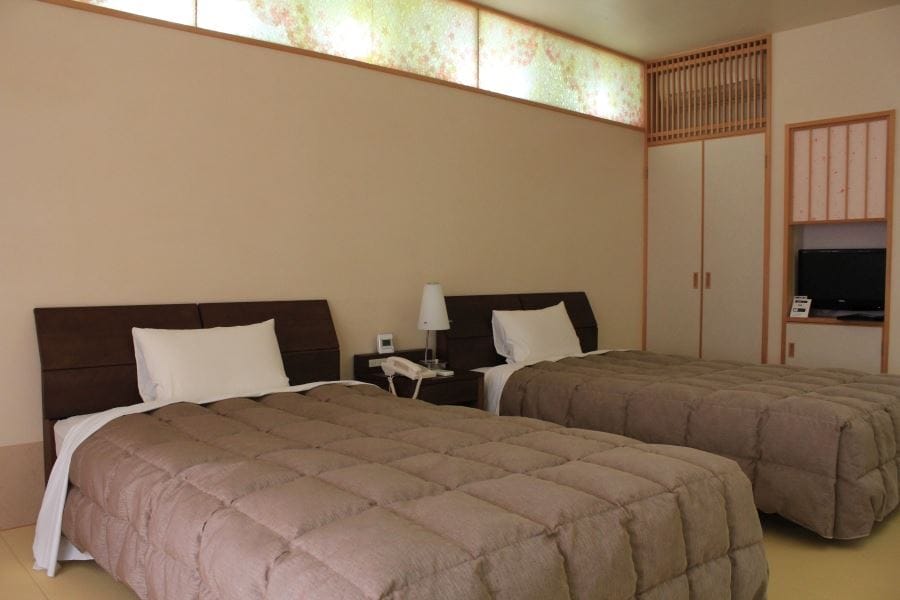
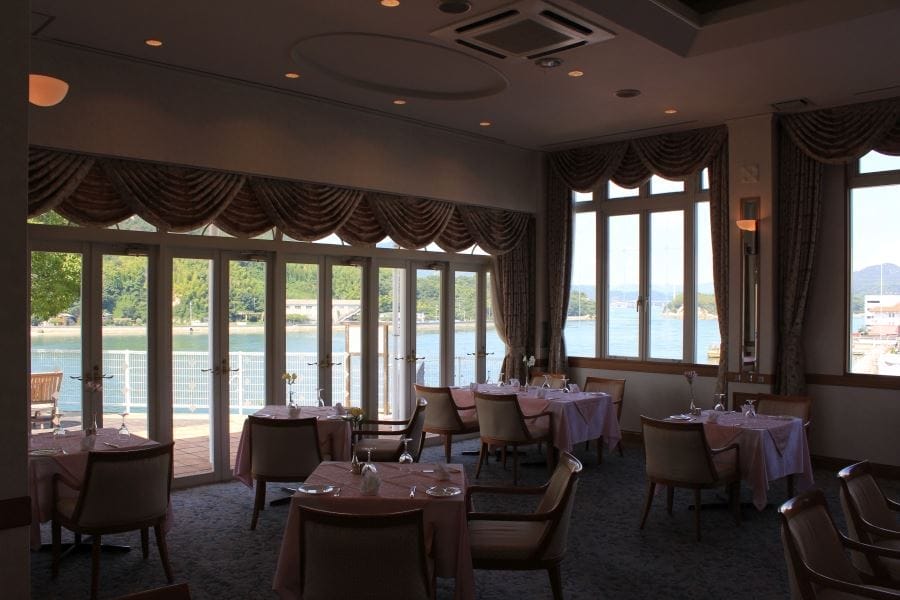
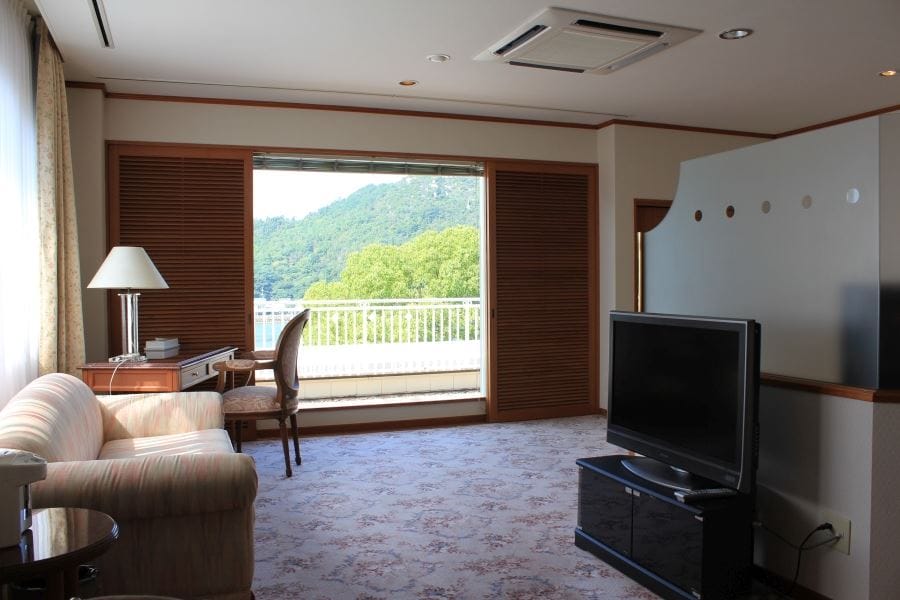
This category covers a wide range of styles and prices, including simple, good-value tourist hotels, large and small boutique hotels, and resort hotels. There are also many ryokan hotels – large, modern buildings but with traditional ryokan-style rooms, and female staff in kimono and other traditional dress. Breakfast is often a Japanese and Western style buffet, but Japanese and Western cooked breakfasts are also fairly common. These hotels typically have ensuite bathrooms and toilets, as well as a large common bath. Sometimes you have a choice between beds and futons.
Pricing
From ¥7,000 per night, with breakfast. At ryokan hotels, dinner is also offered, but you can opt not to have it and pay less.
Pros
Wide range of choices. Good privacy. Often economical.
Cons
No major cons. But often no sense of regionality. The quality of breakfast can vary widely.
Ryokan
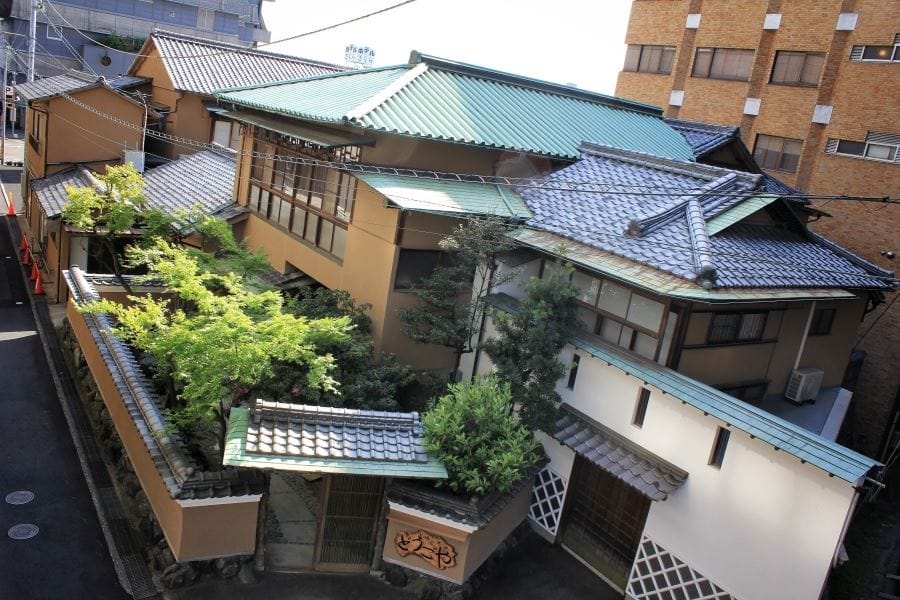
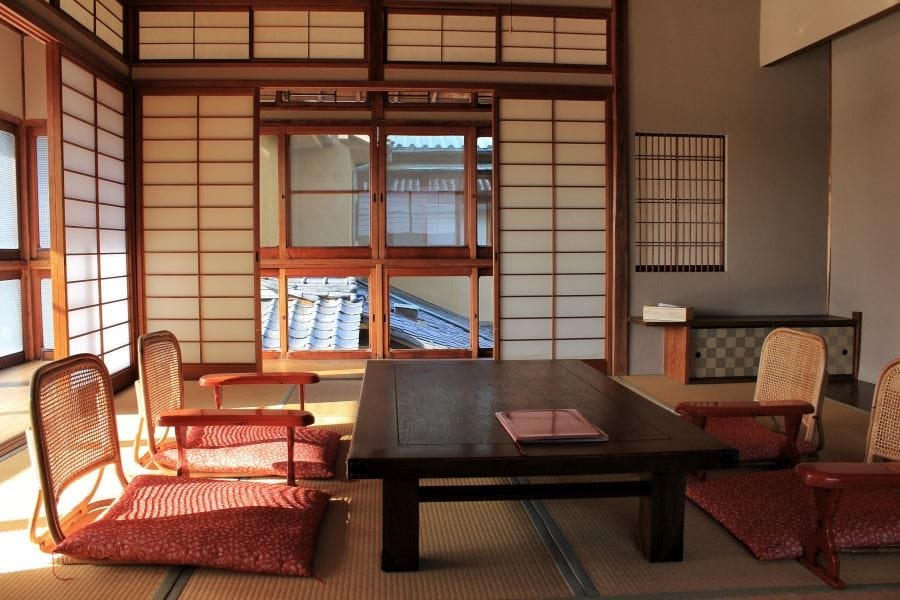
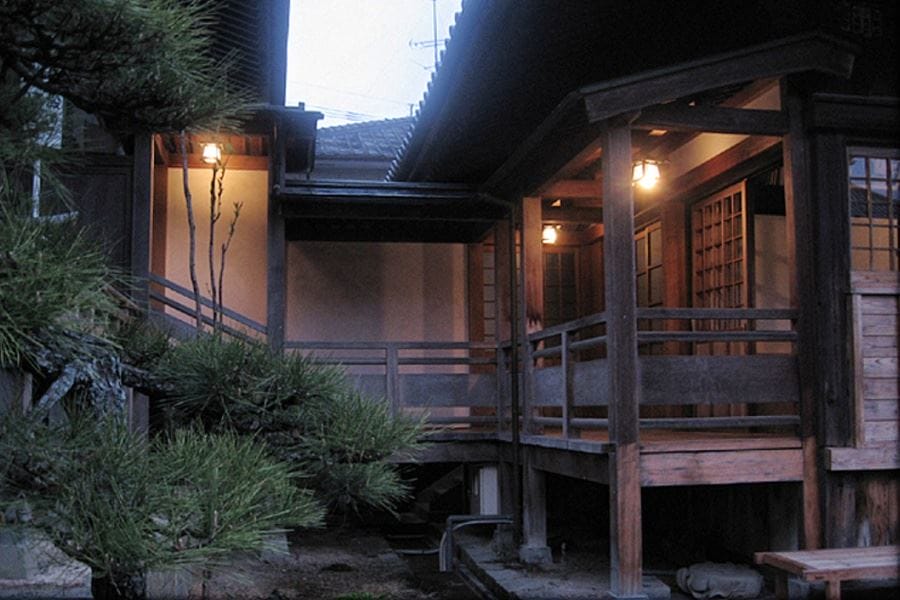
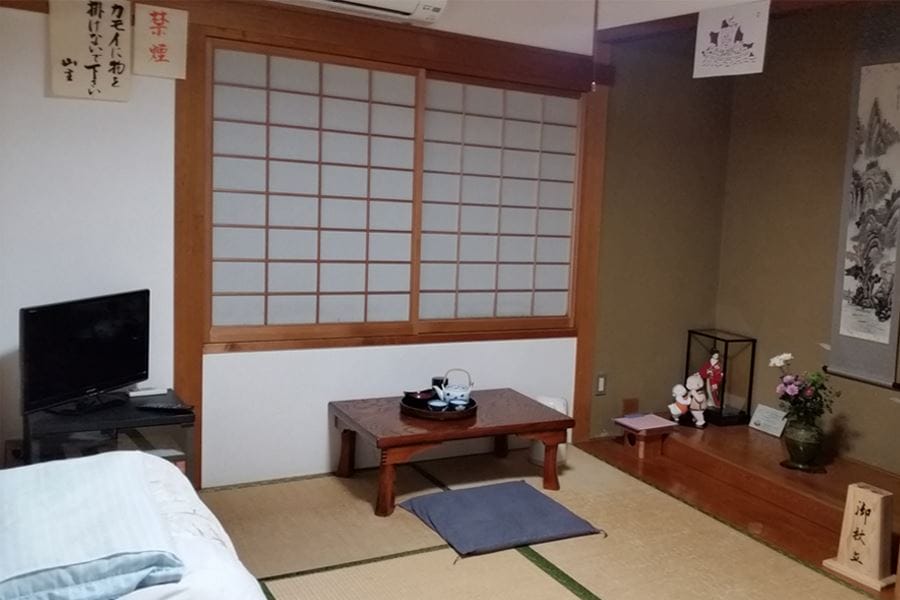
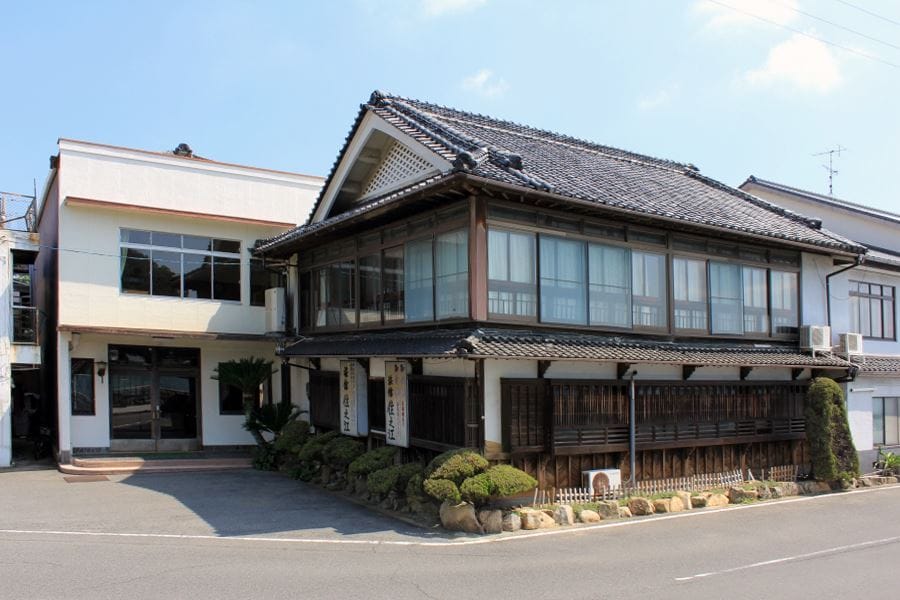
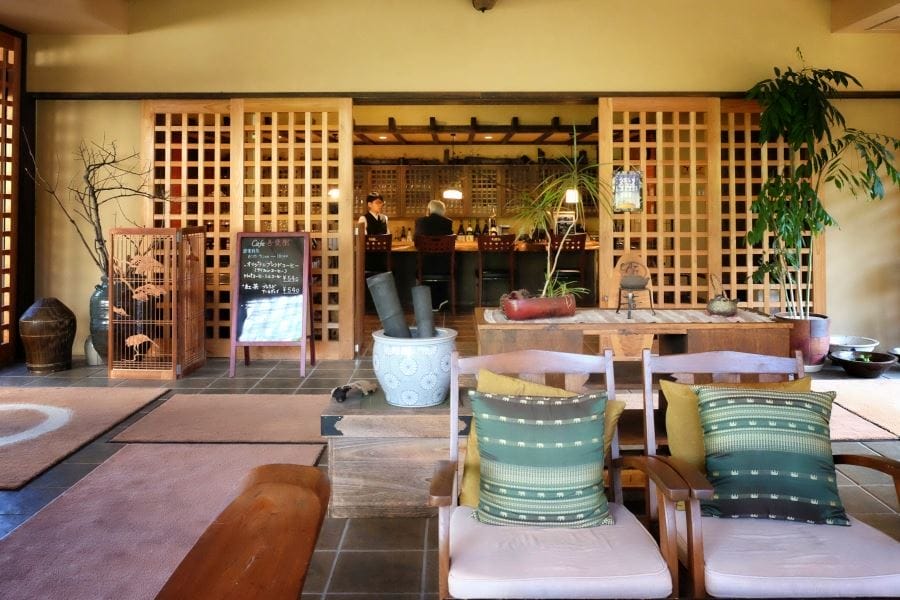
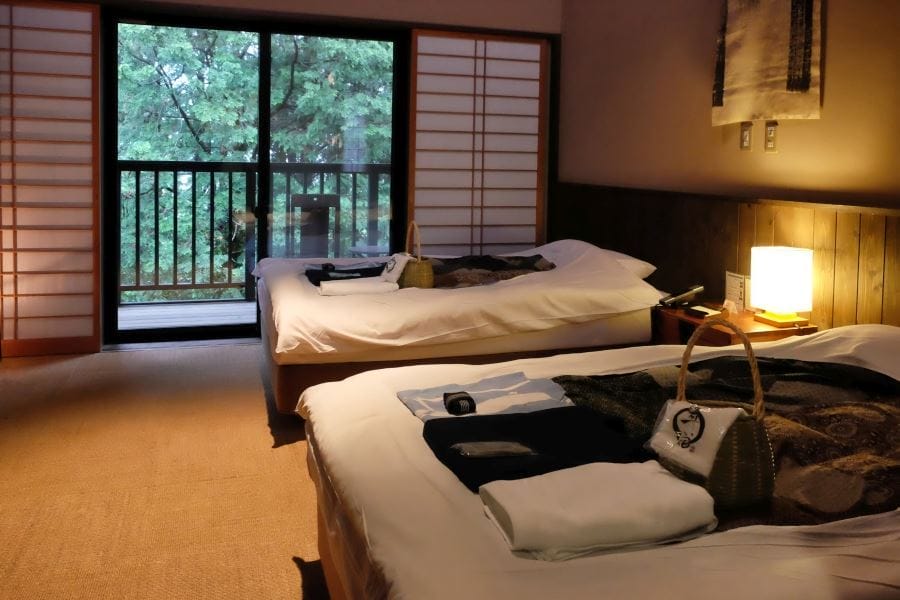
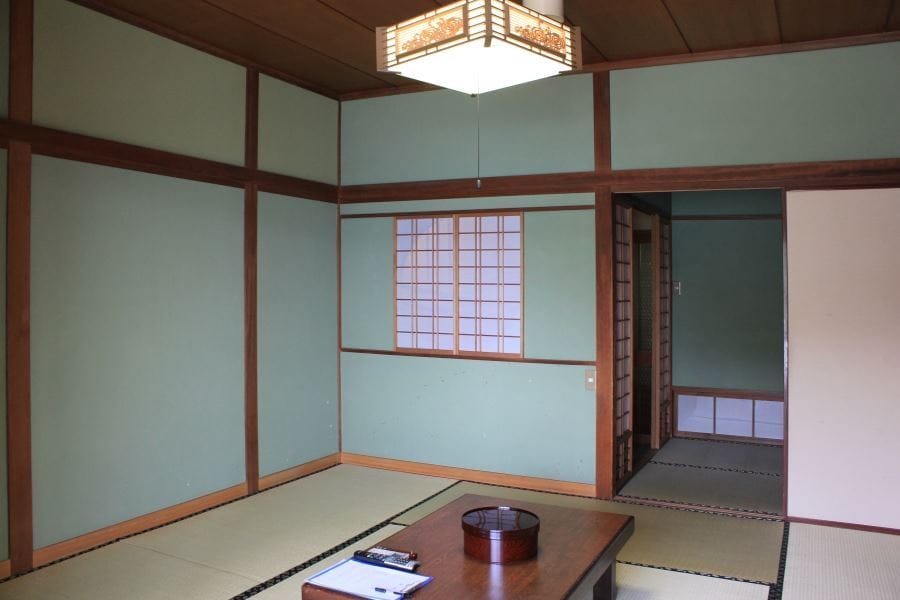
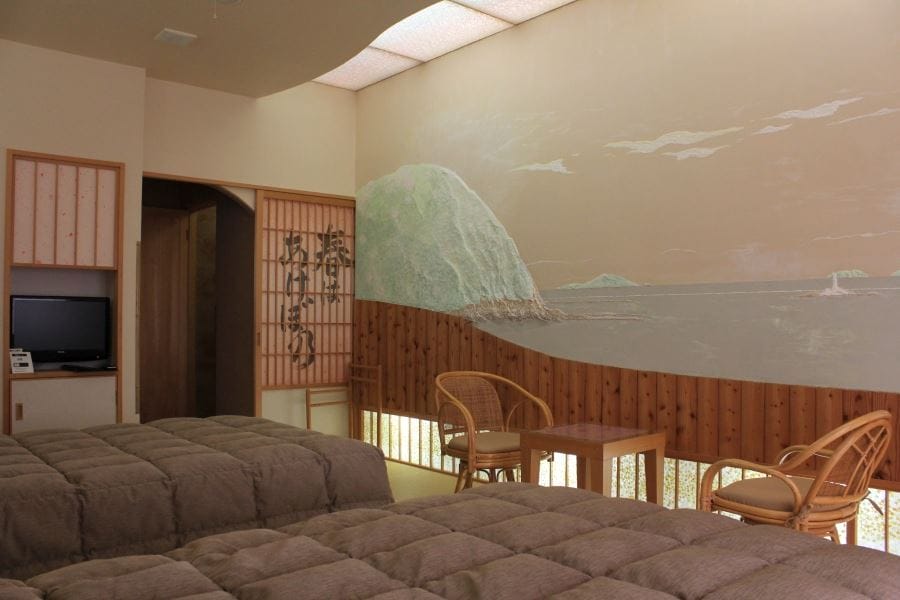
These traditional Japanese inns are what Japan had before hotels. The rooms have tatami mats on the floors. When you first enter, there’s a low table and chairs, and this is where you eat your dinner, usually at a fixed time. After dinner, when you go for your bath, the ryokan staff get your futon out of the closet and lay it temptingly on the tatami for you. After your bath, you dress in the yukata provided and take your ease. You can stroll around outside in your yukata if you wish. Breakfast the next day is typically served in some sort of restaurant area or sitting room. Ryokan should be the peak of the accommodation experience in Japan, and we recommend you try it at least once during your trip.
Pricing
From ¥7,000 per night, with dinner and breakfast. You can opt not to have dinner and pay less.
Pros
Often a beautiful building with a garden in a good location. Good, local food. Charming personal hospitality.
Cons
The futon may not be thick enough for you. We recommend having at least two futons, if not three, to ensure a good night’s rest. You may feel the need to wander around outside after dinner until bedtime. Care with which slippers you wear where can be an issue.
Kominka
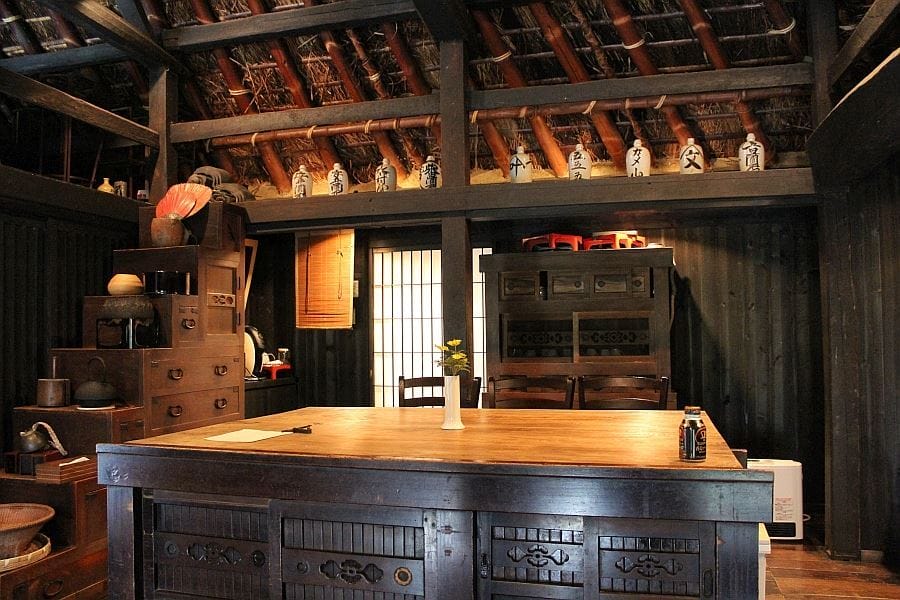
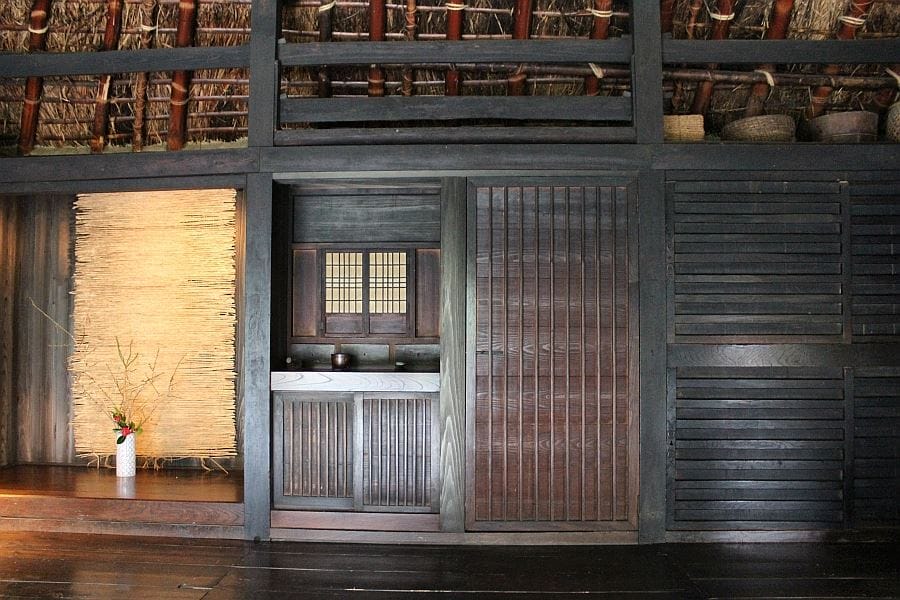
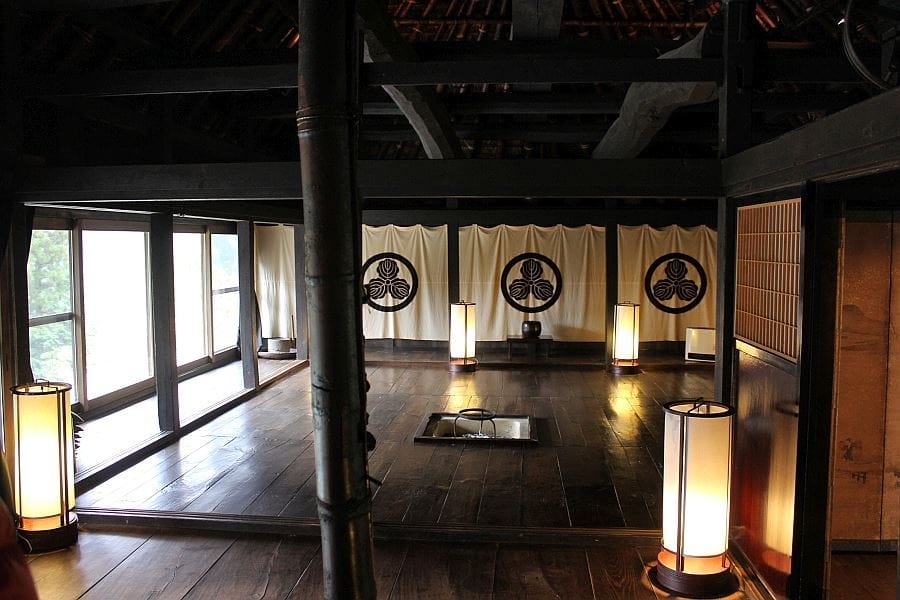
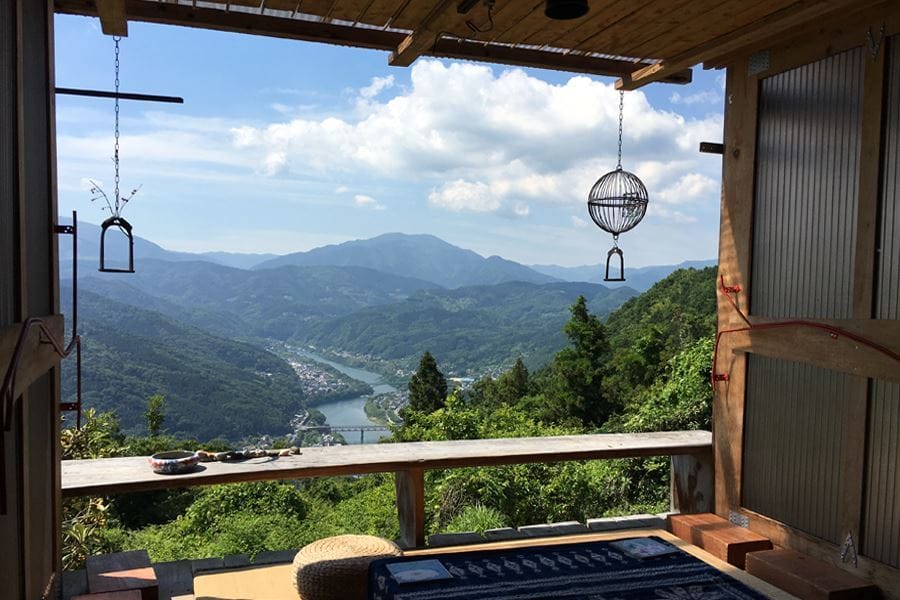
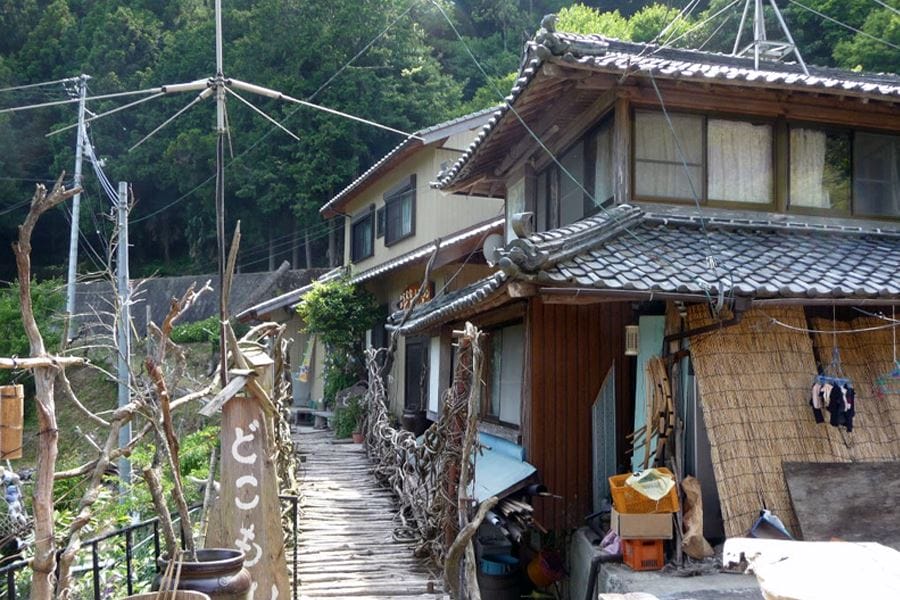
These are old farmhouses that have been restored with all the modern comforts while maintaining their original character and atmosphere. Alex Kerr is regarded as the originator of this positive trend in Shikoku and Japan as a whole. While they offer full self-catering facilities, a perhaps more appealing option is for a local resident to cook a fantastic feast of local dishes for you, with a bit of help from you if you wish.
Castles
Recently, it’s become possible to stay at some of Japan’s spectacular castles. Generally, where you’re able to sleep in the keep itself, the castles on offer are modern reconstructions. Where you sleep in the grounds of the castle, the accommodation may be an authentic samurai home. See our blog about castle stays. Staying at a castle is beyond the budget of most travellers, but if money is no object, do let us know.
General notes
Beds
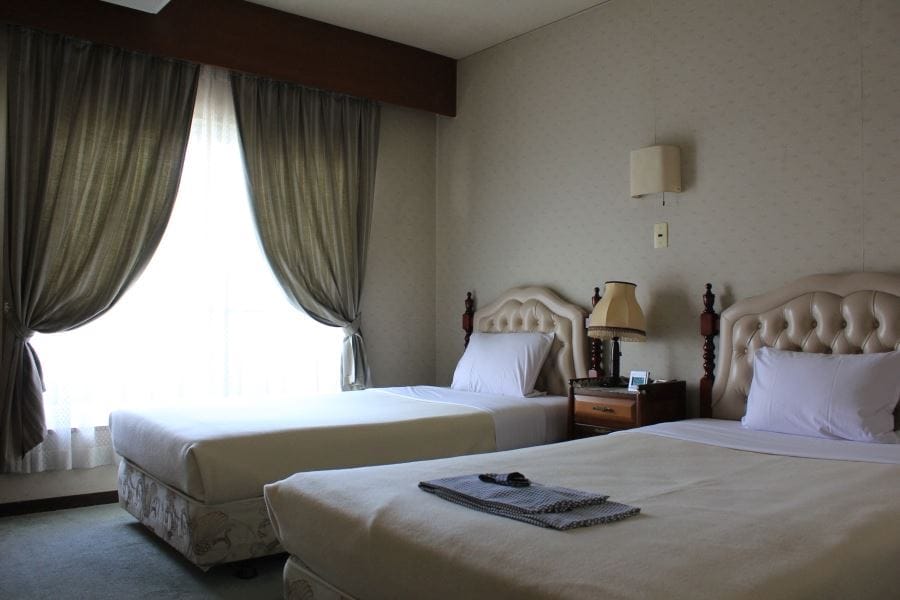
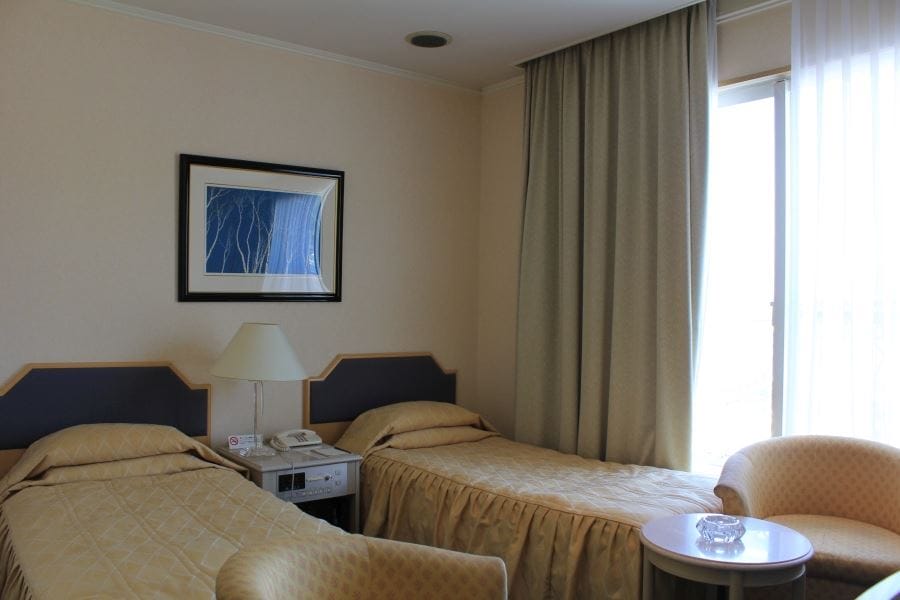
Most hotel accommodation in Japan is ‘twin’, a room with two single beds. There are very few ‘double’ rooms, a room with a double bed. Hotels may offer to mash the two singles together for you and call it ‘double’, but there will be a noticeable fissure. While more hotels are increasing their single rooms, those that aren’t may charge extra for single use of a twin room.
Pillows
Japanese pillows were traditionally stuffed with grains such as soba. These offered a good flow of air and were considered hygienic. Today’s hotel pillows often contain various plastic beads and ribbing in addition to softer stuffing. This can be very uncomfortable for visitors used to western-style pillows. Fortunately, many hotels will be able to provide you with a normal pillow if you ask.
Smoking
Japan is still very much a tobacco country, although change seems to be coming. Finding non-smoking accommodation can be a challenge, but we do our best to meet your requirements. Please note that this may not be possible at peak times. Many hotels do an excellent job of defuming their rooms for non-smokers.
Bathing
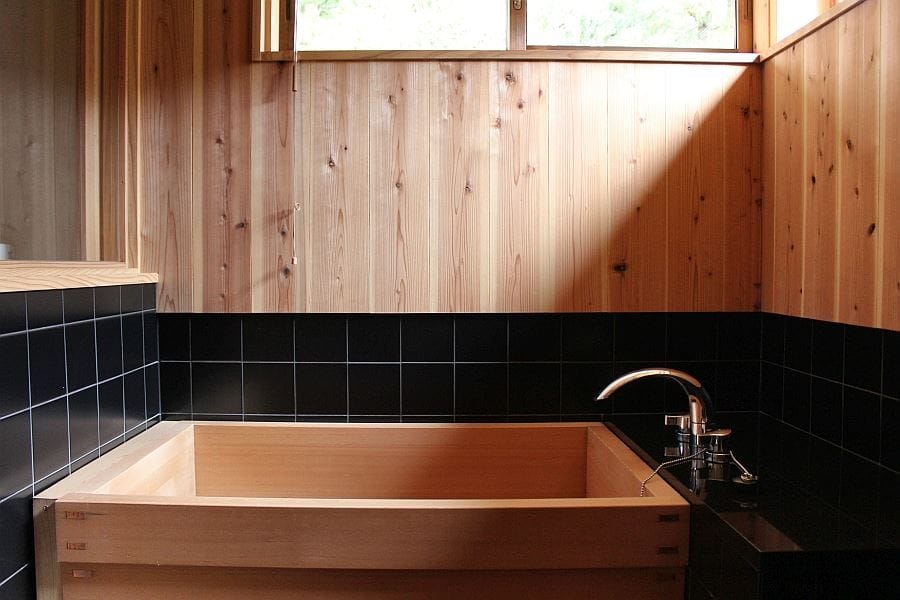
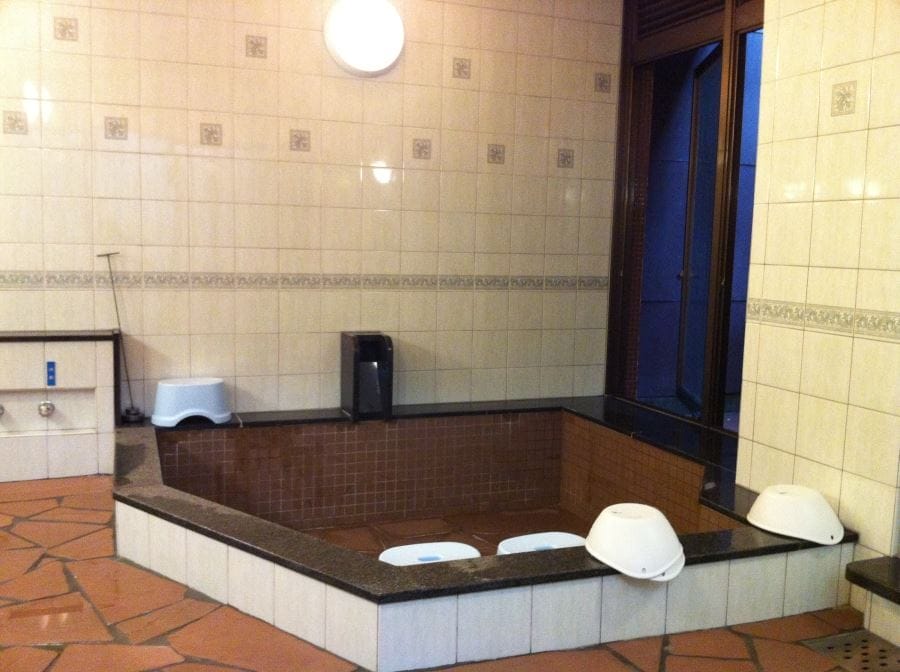
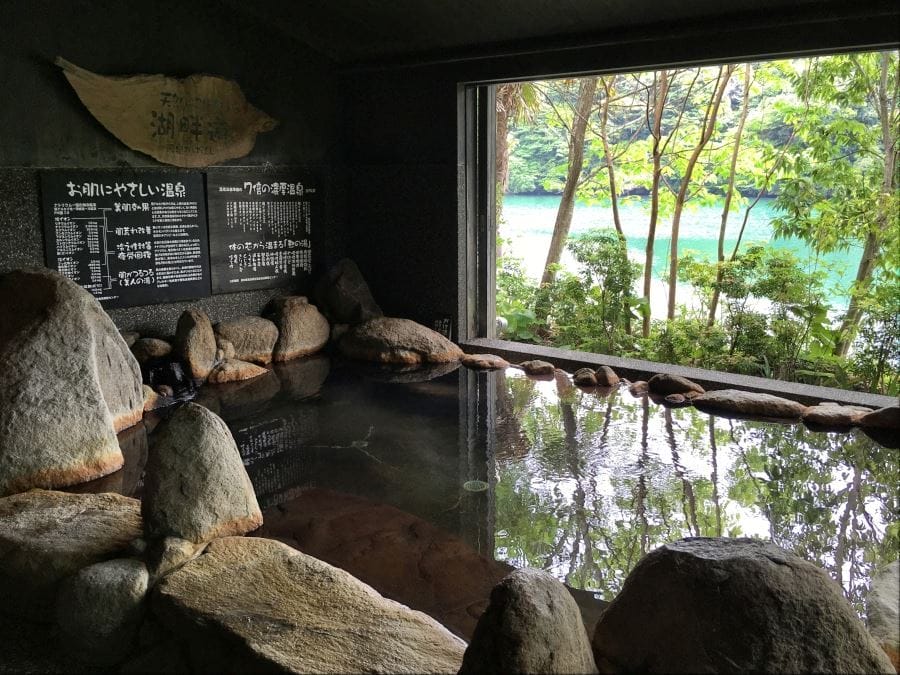
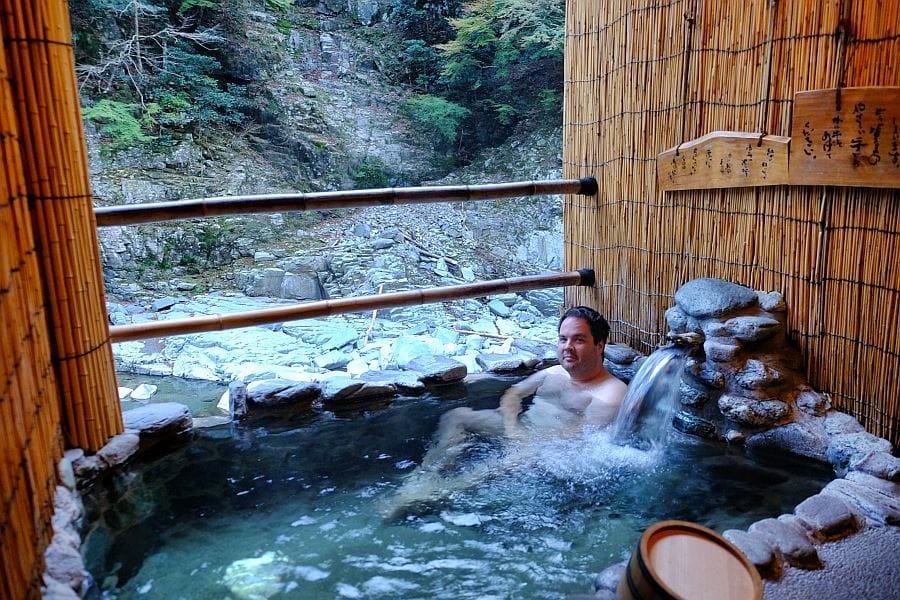
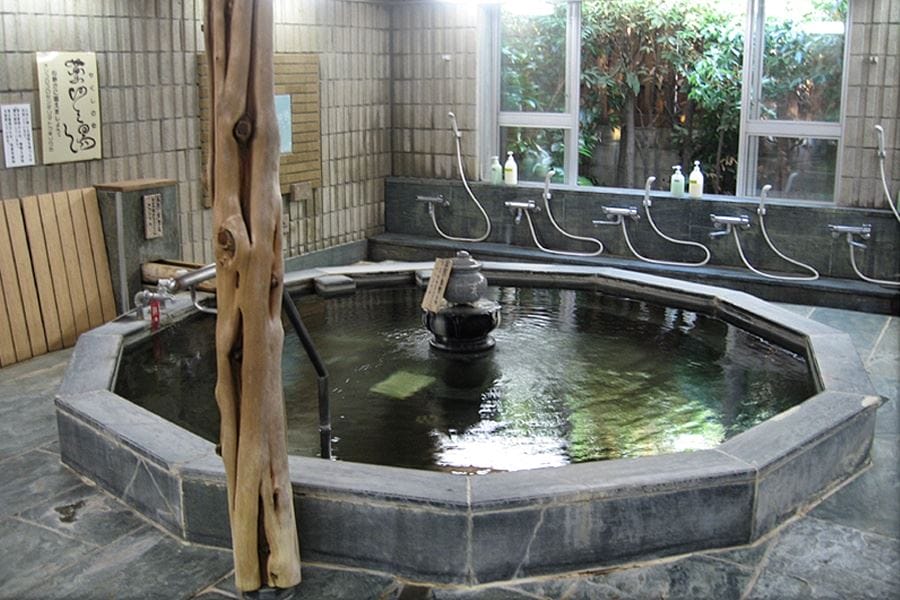
Many hotels have their own onsen or large, communal baths. The rules here are:
- Refrain from drunkenness
- Refrain from conversing loudly
- Wash before you get in the bath
- Don’t get soap in the bath
- Don’t put towels in the bath
- Dry off as best you can before you enter the changing room
Most of the accommodation we book for you has a bath and shower in the room. In some cases, such as guesthouses, there may be a private bath and shower outside your room, which is shared, including the bathwater, with the other guests. If you don’t want to take a bath, you can just have a shower. Please note that any conditions that you set on bathing arrangements will mean that you’re often limiting yourself to less interesting accommodation. A bit of flexibility in this regard opens up a range of accommodation options that you won’t find anywhere else.
Slippers
Some hotels expect guests to change into slippers at the entrance. Typically the slippers are plastic and ill-fitting. If you opt not to bother with them and go barefoot or in stockinged feet, staff may chase after you entreating you to wear the slippers anyway. You may do as you choose, but don’t wear your shoes into this kind of hotel.
In hotels with tatami mats, you must take your slippers off before walking on the tatami. If there are slippers in the toilet, they’re supposed to stay in the toilet.
Peak times
At peak times, or when popular festivals are held, it can be very difficult to book hotels, so please plan far ahead if you possibly can.
Wi-Fi
Most places have Wi-Fi now. Typically there is a piece of paper or a card in your room with a password that you have to enter. Or the information may be displayed at the front desk.
Feedback
We welcome your feedback and opinions, and we’ll pass on any suggestions you have directly to the accommodation providers.