
Temple 40, Kanjizai-ji
Kanjizai-ji is temple No. 40 on the Shikoku pilgrimage, or Henro. It’s the first temple in Ehime Prefecture. Due to its distance from the first temple, it’s called the “furthest point of the Shikoku pilgrimage.”
What to See
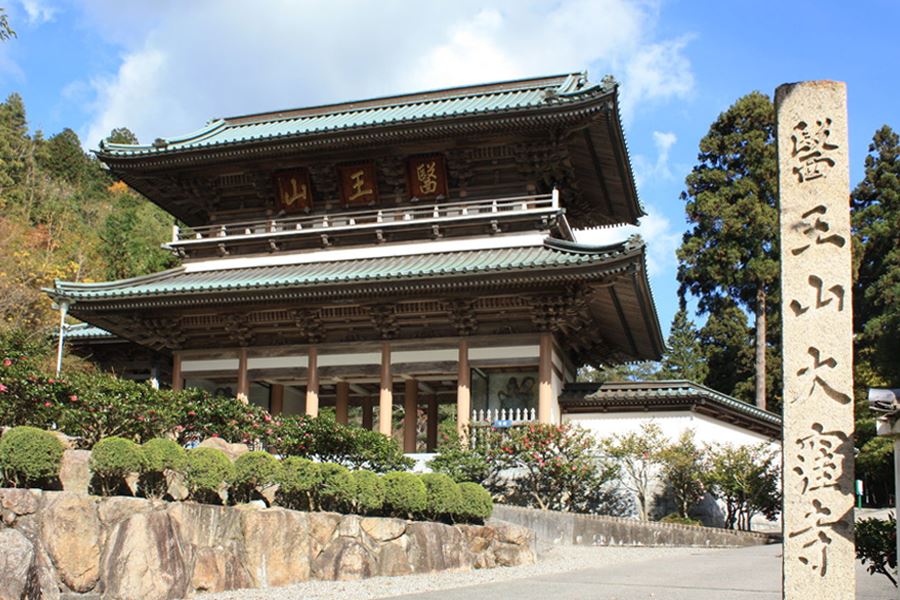
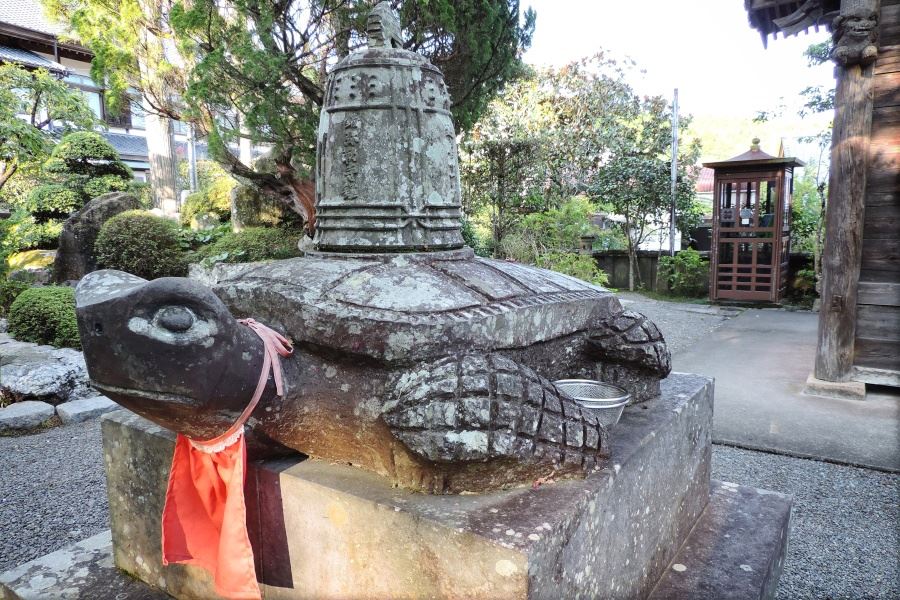
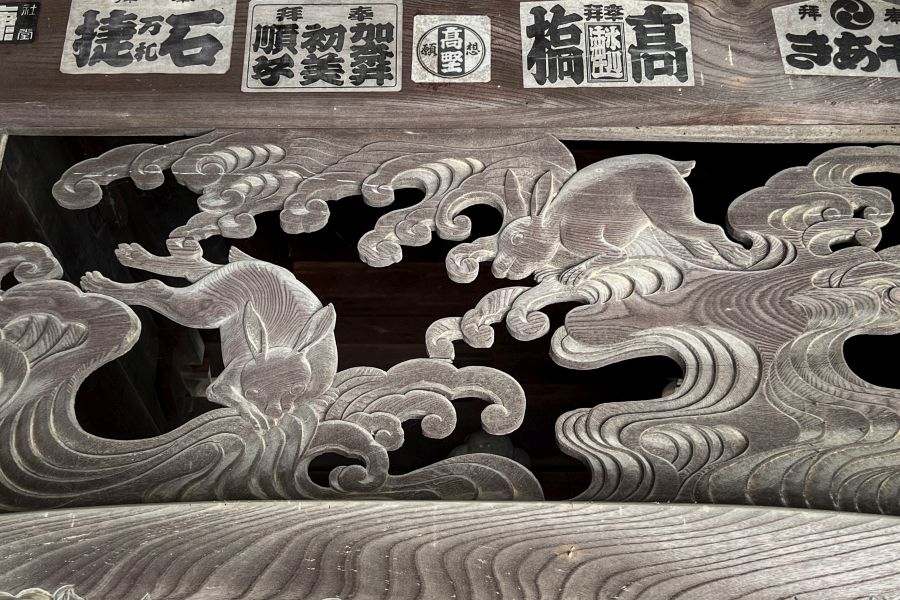
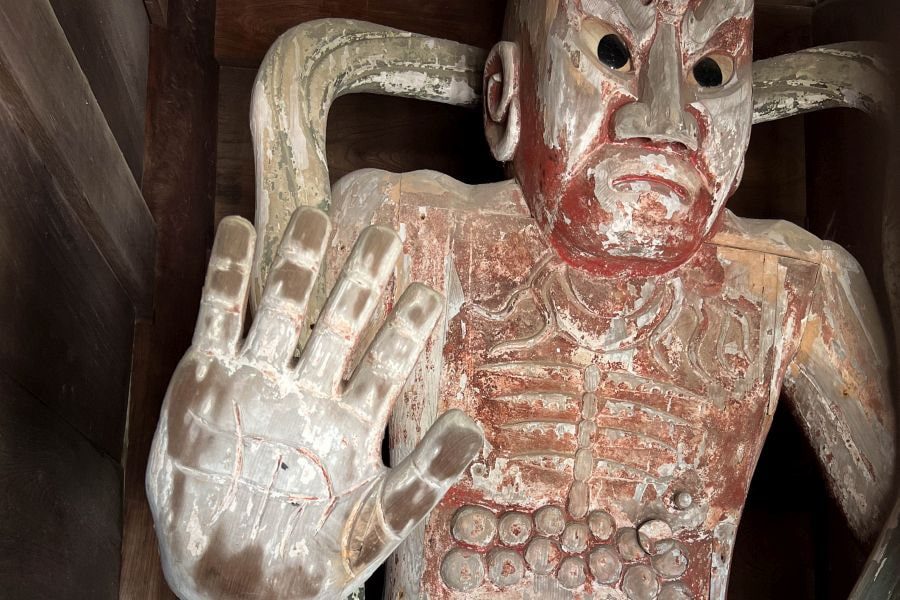
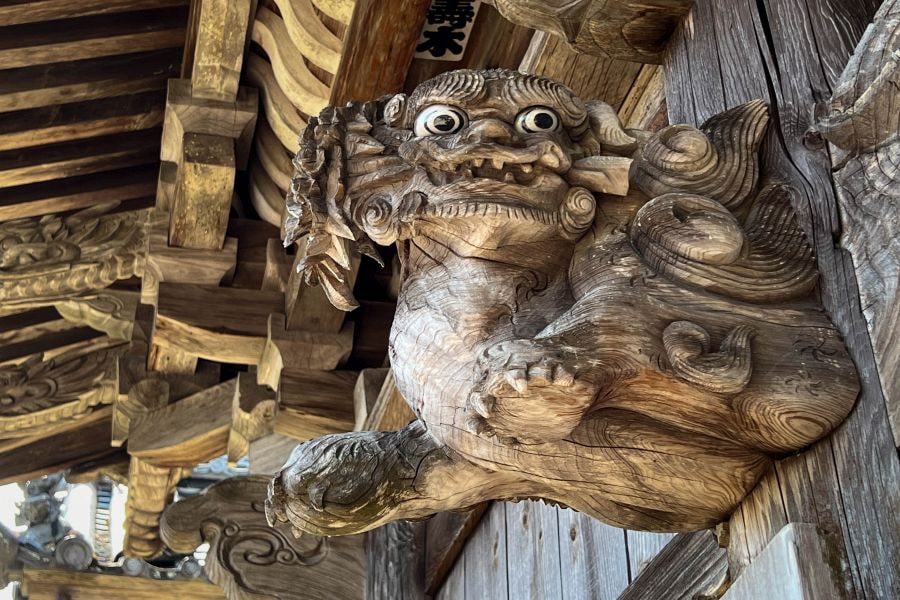
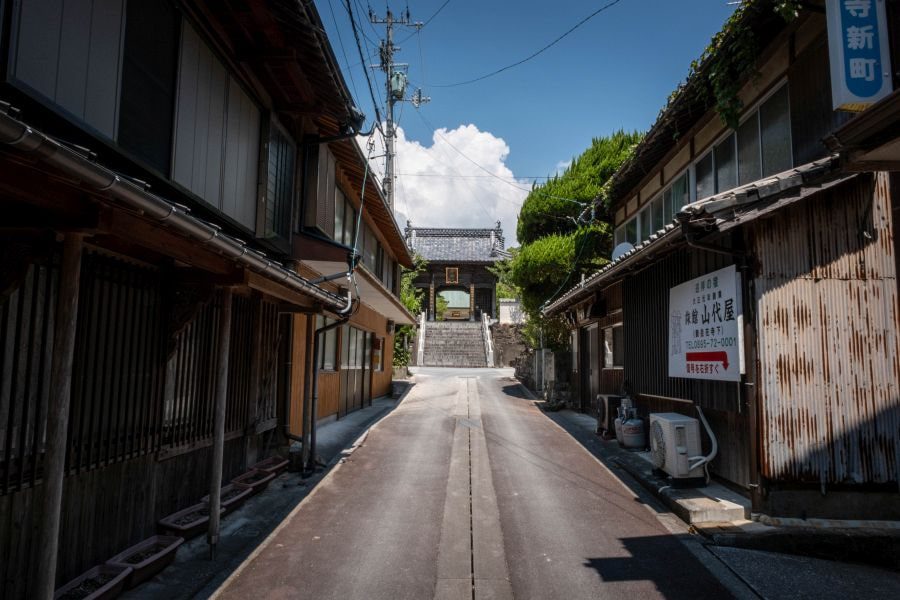
The main gate stands atop a short flight of stone steps. This elegant gate is made entirely of zelkova wood and houses two Niō guardian statues. Within the gate to the left is a washbasin and belfry, and the Hōjū-den, an octagonal hall with seven attractive relief sculptures of the Seven Lucky Gods on the outer walls.
Further in to the right is a series of eight Buddhas carved in an unusual style above a basin of running water.
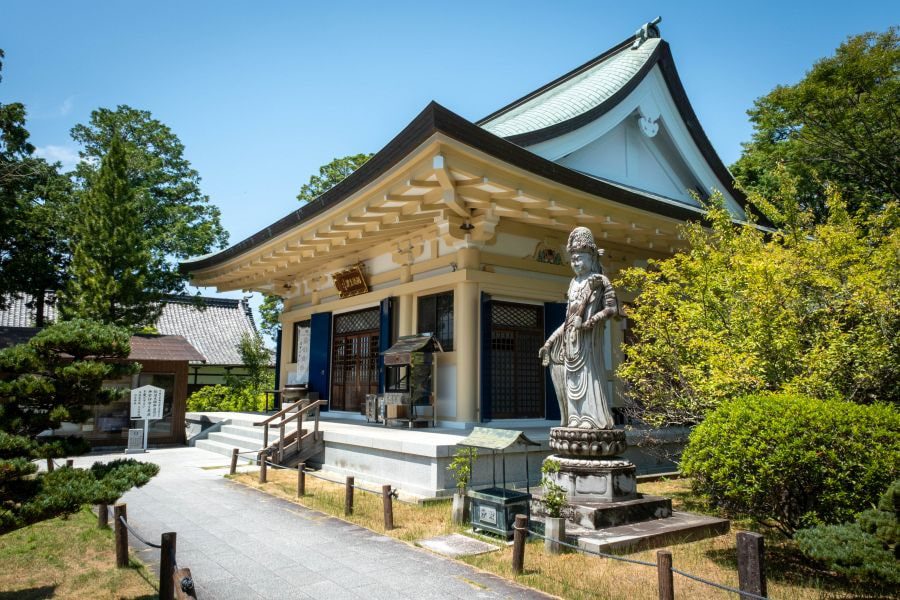
The modern main hall stands in front of you. The principal image is a secret Buddha that is only unveiled once every 50 years, with the next unveiling scheduled for 2034. When you turn right in front of the main hall, you come to the Daishi Hall on your left. Earth from each of the 88 temples is buried around the Daishi Hall, making a miniature pilgrimage route. The outer walls feature three relief statues of Daishi: a child, a monk, and a secret key. The Heart Sutra Pagoda is on your right, under which copies of sutras are enshrined.
There are several Shintō shrines and haiku monuments around the precincts.
History
The temple was founded in 807, allegedly by Kūkai. In the early Edo period, in 1638, Prince Kūshō of Kyōto visited the temple and it was given the name Yakushi-in. At one time, it had seven halls and forty sub-temples. Around 1675, all of the temple buildings burned down and the main hall and Daishi Hall were rebuilt in 1678 by Date Munetoshi, the feudal lord of Uwajima. The buildings were destroyed by fire again in 1959. The main hall was rebuilt in 1964, and the Daishi Hall was rebuilt in 1993.
Legends
According to temple tradition, Kūkai carved three images from a single sacred tree, establishing the temple. The remaining part of the tree was used to carve the words “Namu Amida Butsu” as a prayer to remove the roots of illness from the common people. You can purchase an impression of this Treasure Seal Amulet, which is stamped on bleached cotton.
Information
Name in Japanese: 観自在寺
Pronunciation: kanji-zaijee
Address: 2253-1 Mishohirajo, Ainan, Minamiuwa District, Ehime Prefecture 798-4110