Temple 48, Sairin-ji
Sairin-ji, The Temple of the Western Forest, is temple No. 48 on the Shikoku pilgrimage, or Henro. It sits on a low-lying plain next to a little river. From the temple, you can see Mt. Ishizuchi, the highest mountain in western Japan. In winter, its snowy peaks present a fine sight.
What to see
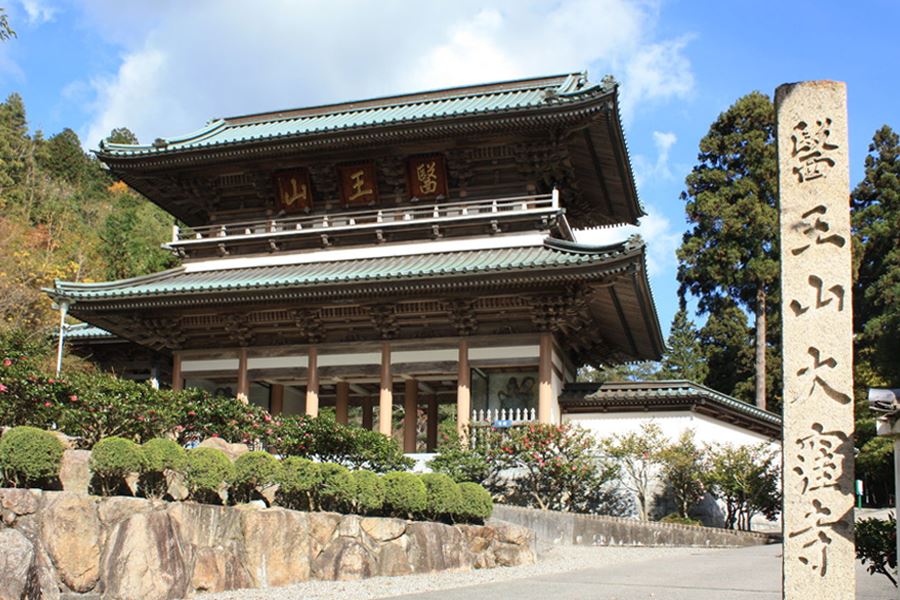
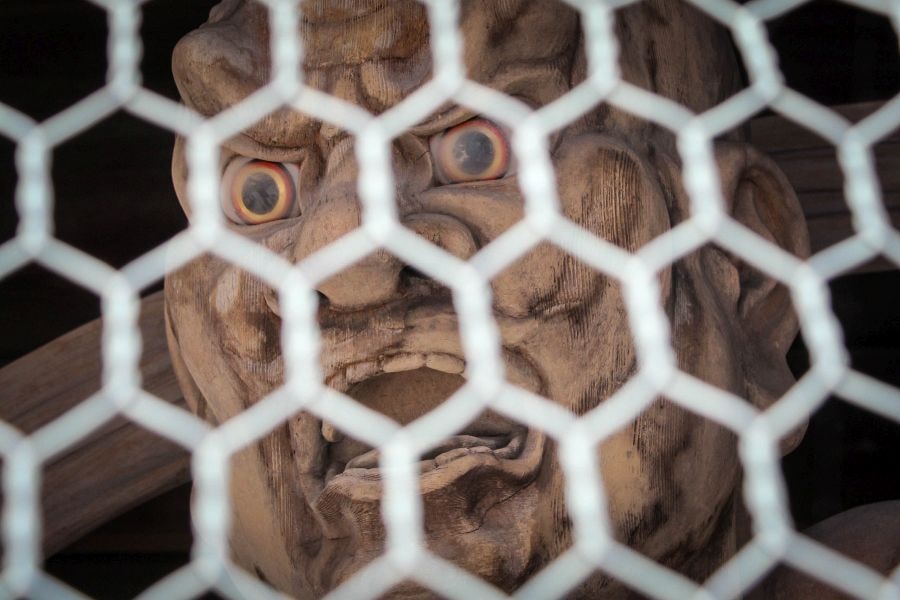
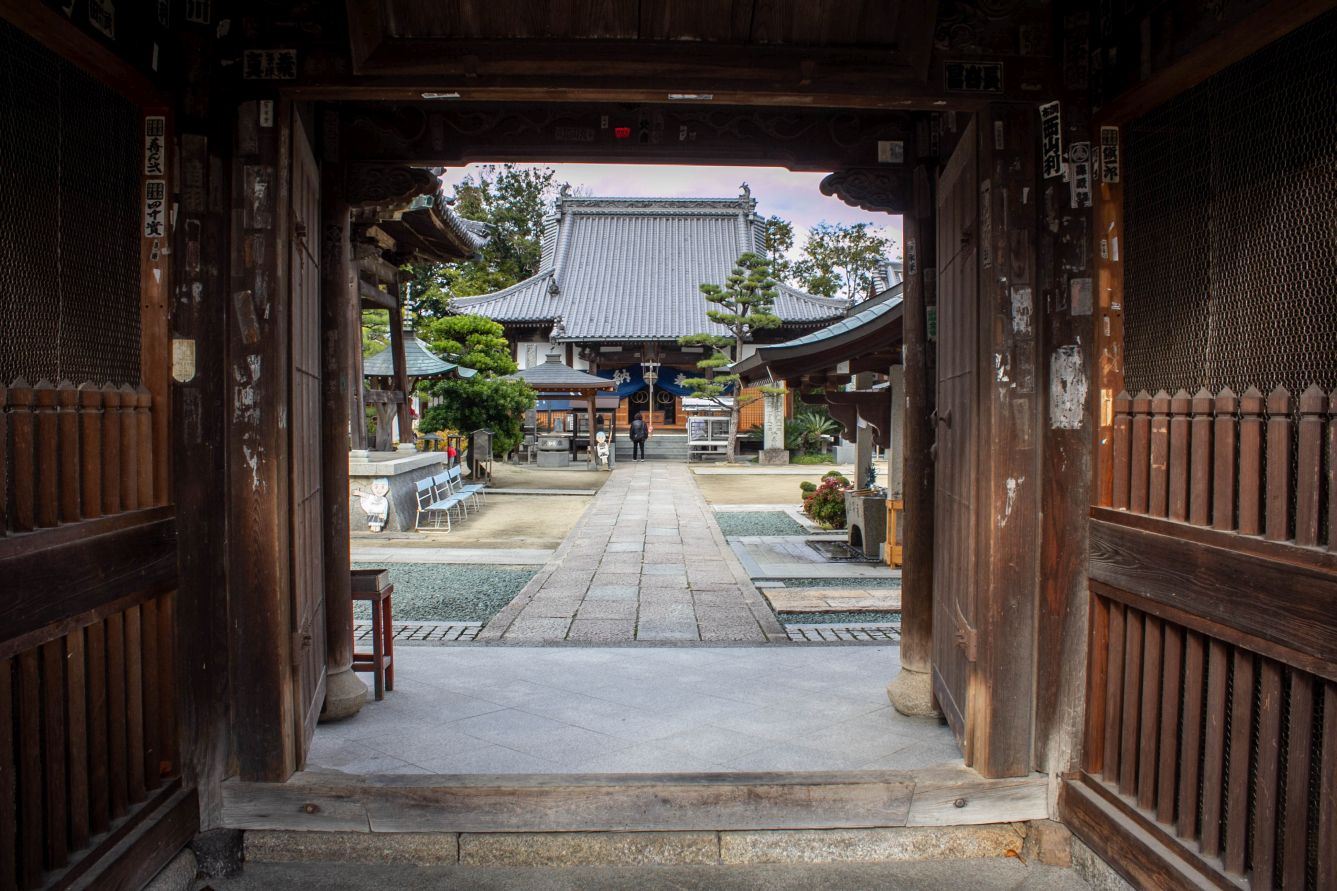
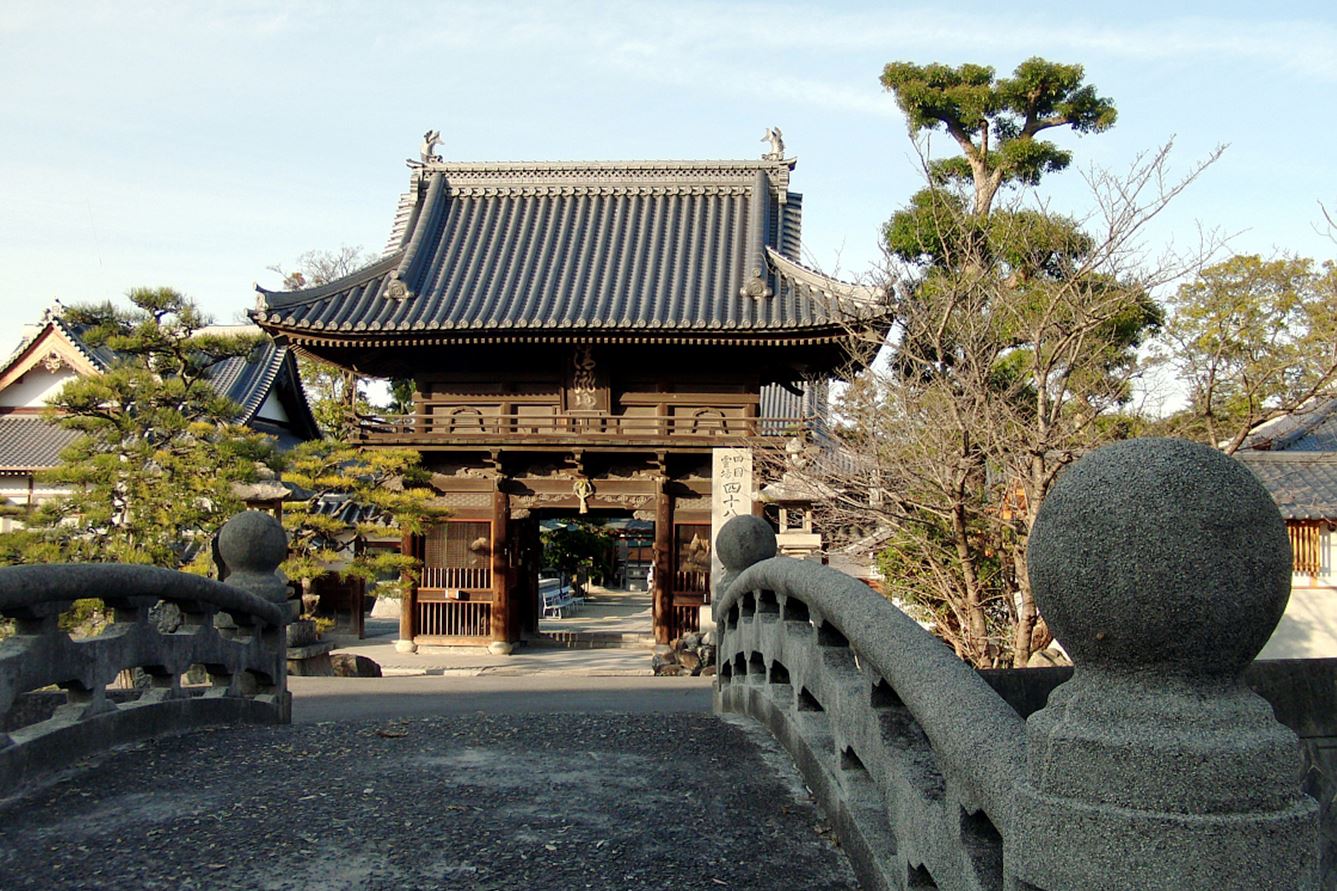
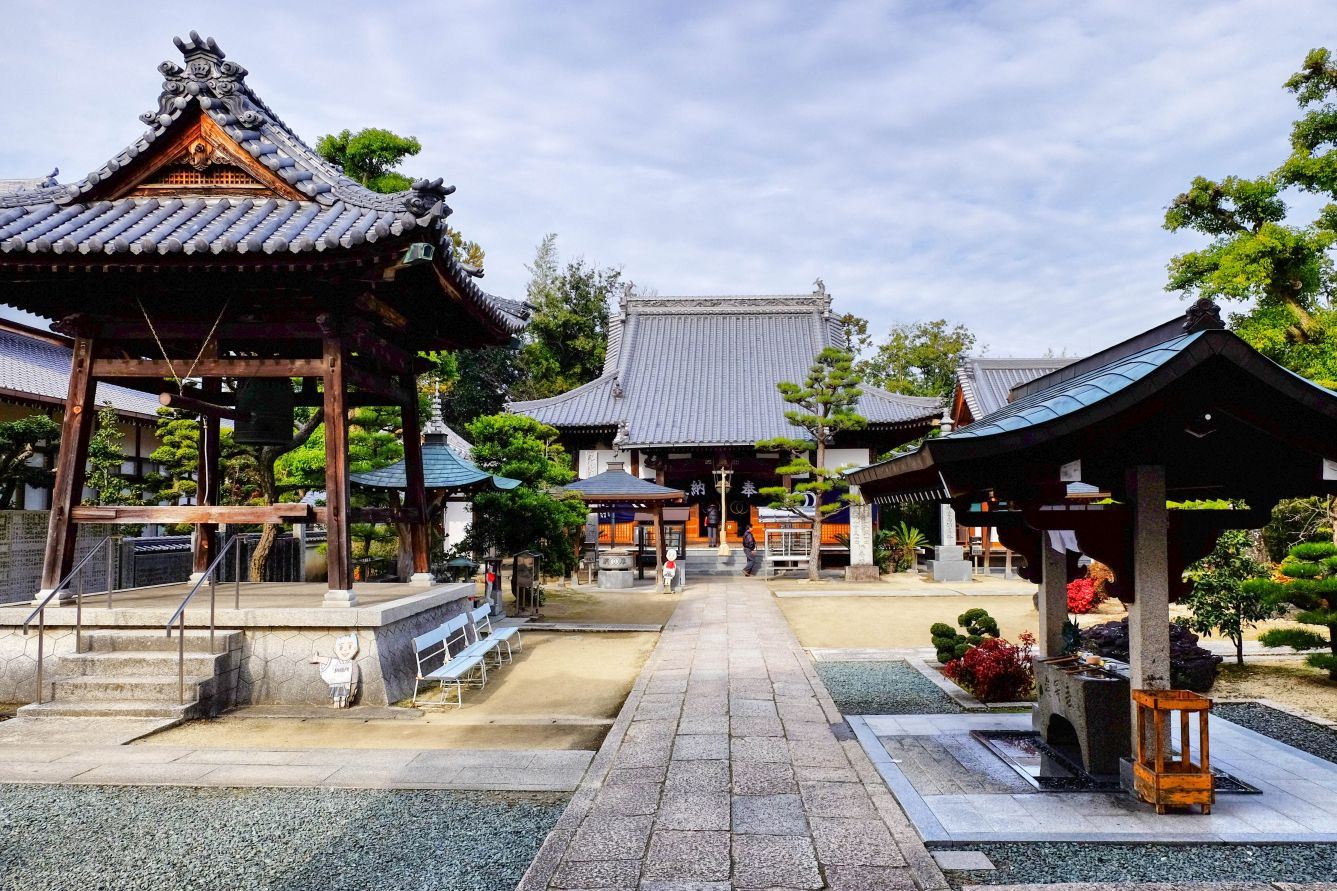
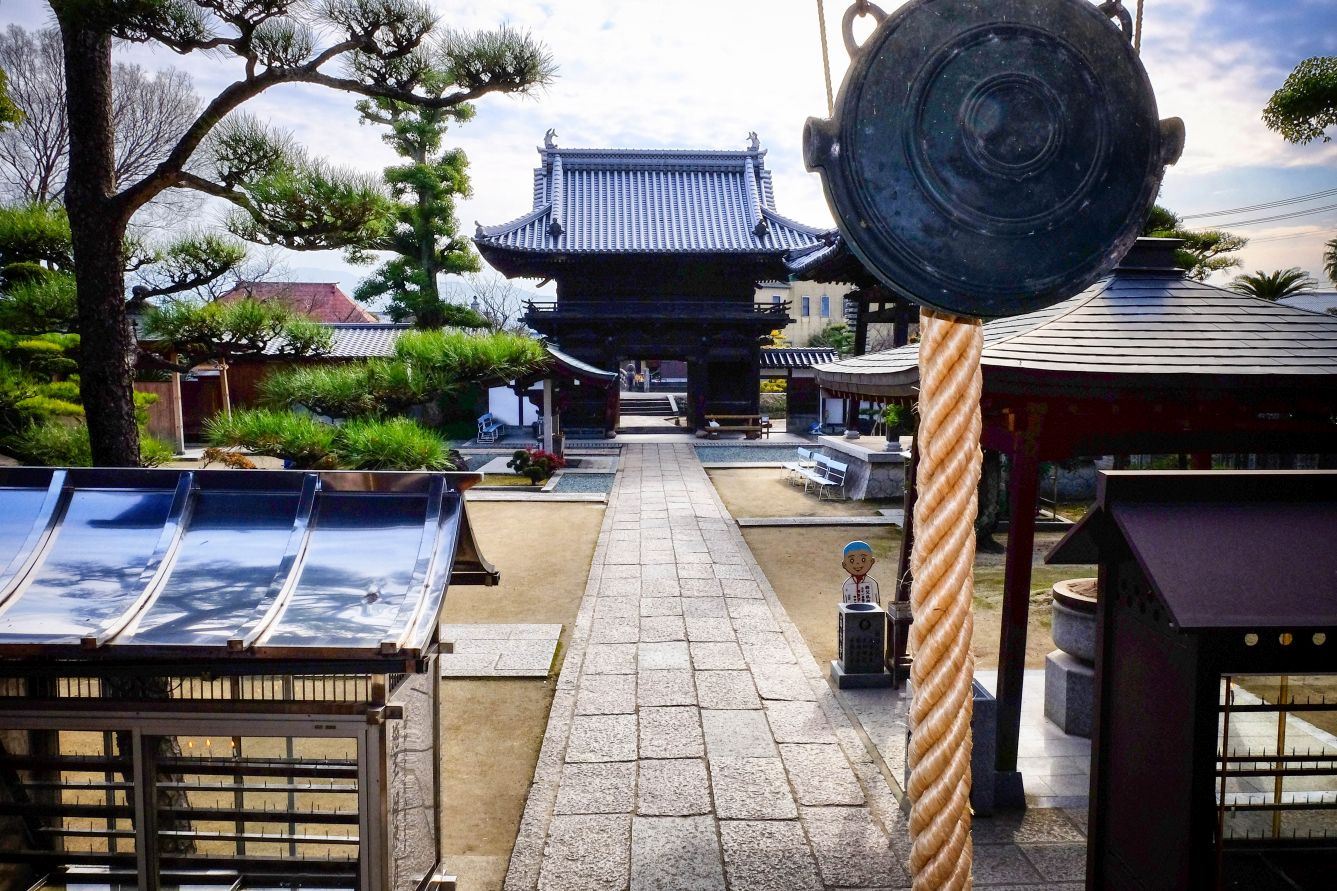
An elegant arched bridge over the Uchi River leads to the main gate that houses Niō guardian statues. Passing through the gate, the belfry is on the left, with the priest’s quarters and temple office beyond it. On the right are the hand-washing basin and a tea hall. The main hall stands in line with the main gate, with the Amida Hall to its left. The Daishi Hall is to the right of the main hall, with the Yama Hall beyond it.
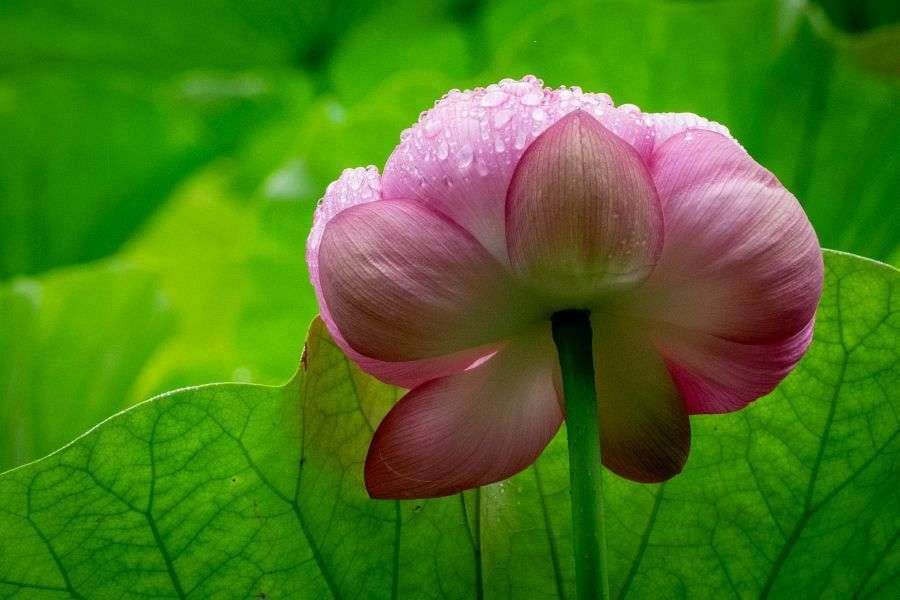
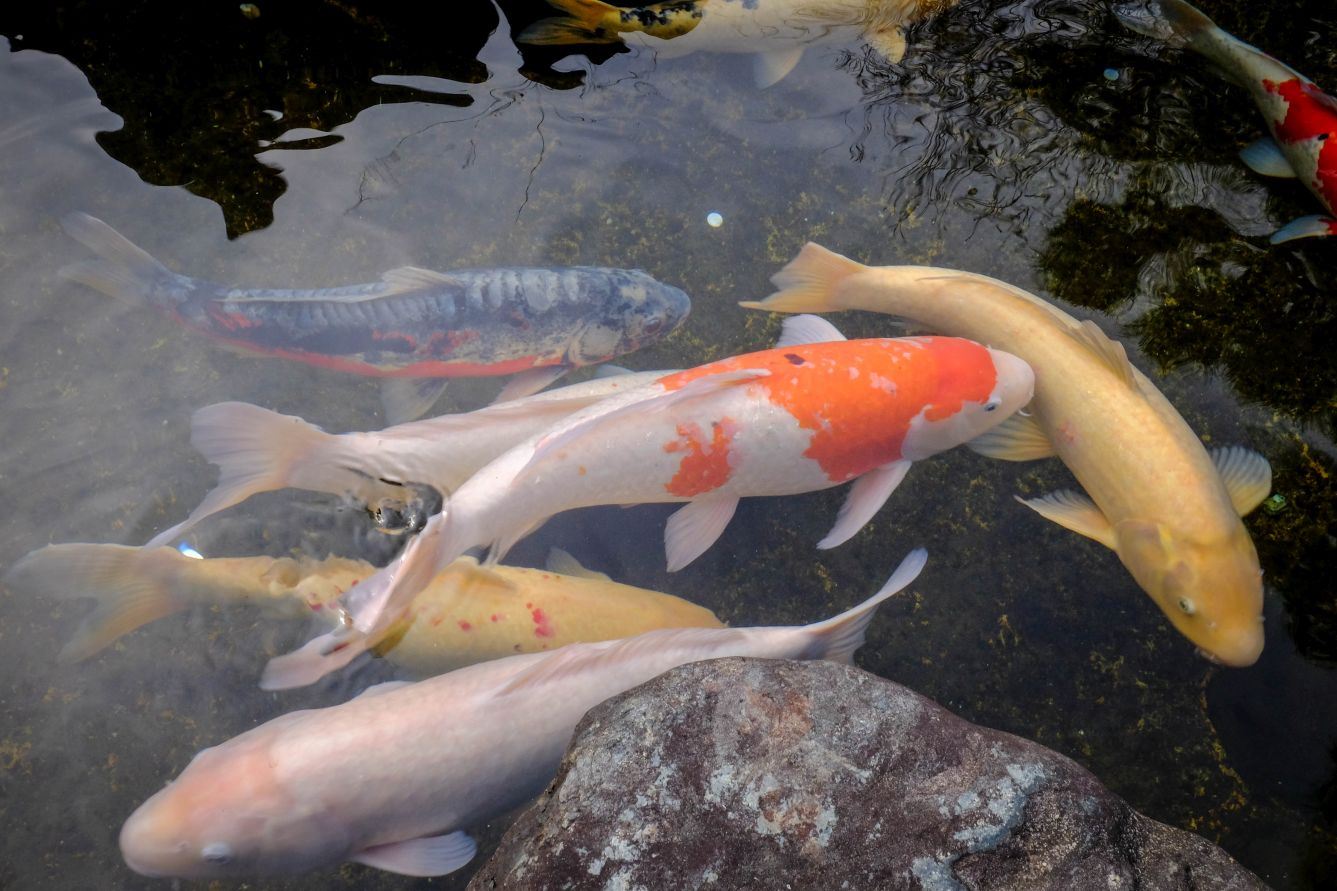
Though old, the temple is somewhat new looking since several of its buildings have been rebuilt recently in traditional style. It sits in grounds that are laid out in paths and borders with straight lines. Here and there are blocks of garden, with picturesque rocks and well-manicured pines and camellias. Sago palms, which are resistant to manicuring, add a touch of sub-tropical wildness. Bamboo called parent and child bamboo grow together, symbolizing family harmony. The small Benzaiten Pond is home to large koi carp and some lotus flowers.
In front of the gate is a stone monument engraved with a haiku by Masaoka Shiki.
Autumn wind, sea bream from Mitsu with the water cress of Takai
It was written when Shiki was on his sick in bed in Tōkyō longing for the taste of home. The water of Takai was said to have been raised by Kūkai’s magic. To the right of the Daishi Hall is a haiku by Okada Tsutsumi
Coming through the scorching sun, pilgrims beg for salt
History
The temple was destroyed by fire at the end of the 17th century, but was partially rebuilt in 1700 by Matsudaira Sadanao and others. In 1707, Kakuei Hoin, the founder of the temple’s revival, fulfilled the villagers’ prayers for rain and was entrusted with the temple by the Matsuyama domain, leading to the reconstruction of the main hall and bell tower. In 1813, the Daishi Hall was rebuilt, and in 1843, the Niō Gate was reconstructed. The Daishi Hall was again rebuilt in 2008 and the Amida Hall in 2018.
Legends
According to temple tradition, Sairin-ji was founded by Gyōki some three kilometres away in response to an imperial decree from Emperor Shōmu in 741. Then in 807, Kūkai moved the temple to its current location. Since the local people lacked adequate water, Kūkai caused the spring water at Jō no Fuchi to flow from the ground. This enchanting spring is the inner sanctuary of Sairin-ji.
Sairin-ji is regarded as the “Sekisho of Iyo”. The sekisho is a temple in each of Shikoku’s four domains where pilgrims face a spiritual test. The grounds of Sairin-ji are slightly lower than the surrounding area, and it’s believed that evil beings who enter there will fall into an endless hell.
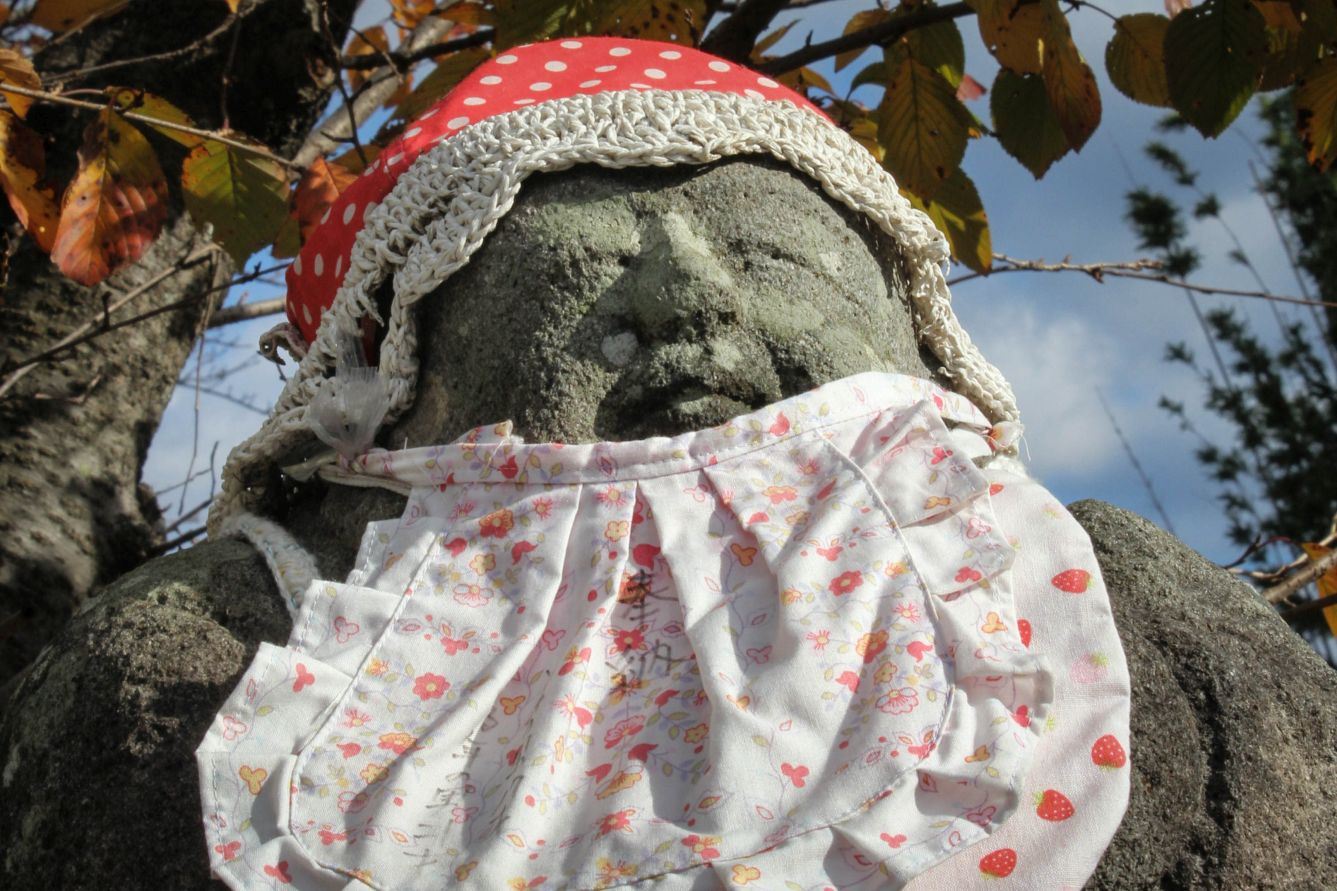
The Jizō statue in front of the temple office is said to grant one wish.
Information
Name in Japanese: 西林寺
Pronunciation: sai-rin-jee
Address: 1007 Takaicho, Matsuyama, Ehime 791-1111