Temple 33, Sekkei-ji
Sekkei-ji is Temple 33 on the Shikoku pilgrimage, or Henro. The temple was favoured by the Chōsokabe clan under Chōsokabe Motochika who unified all of Shikoku. He made Sekkei-ji his ancestral temple, and his son’s ashes were buried here. The grave of Motochika is about twenty minutes on foot to the east.
During the purge of Buddhism at the beginning of the Meiji Period, many temples on Shikoku were burned down, including Sekkei-ji.
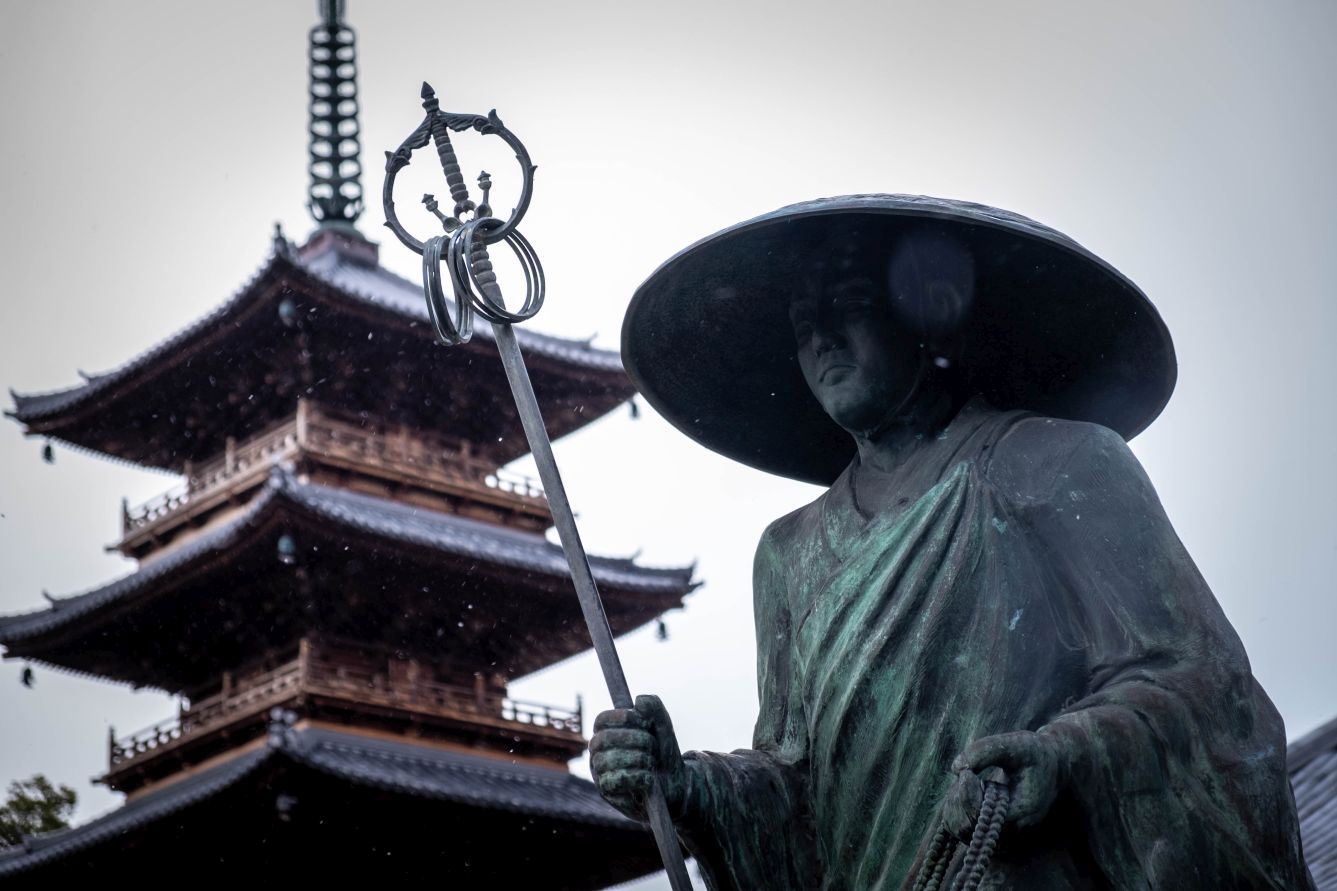
Today the temple stands in the suburbs of Kōchi city next to one of the city’s many waterways. Although it’s a Zen temple, there’s a large statue of Kūkai. Sekkei-ji is one of only three Zen temples on the pilgrimage. The other two are Temple 11 Fujii-dera and Temple 15 Awa Kokubun-ji.
What to see
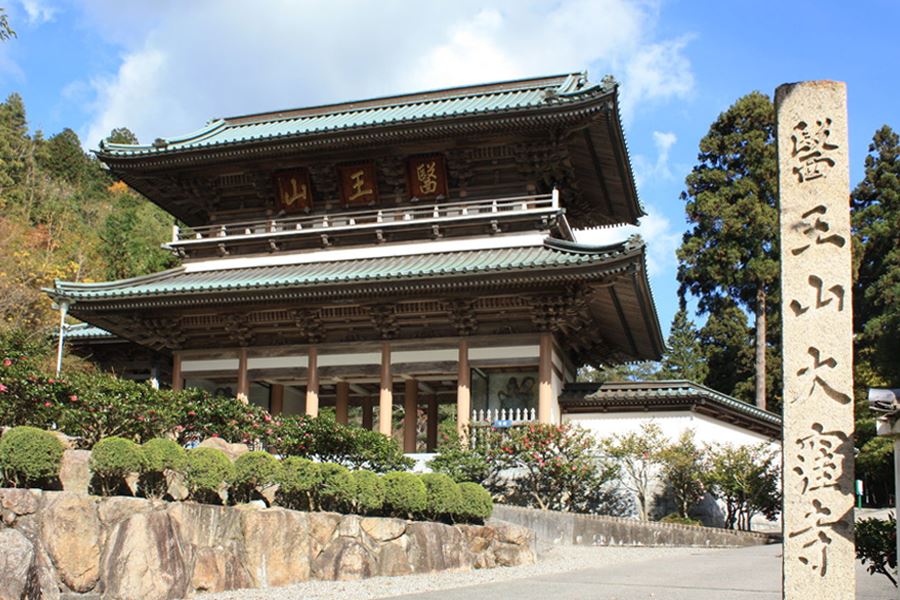
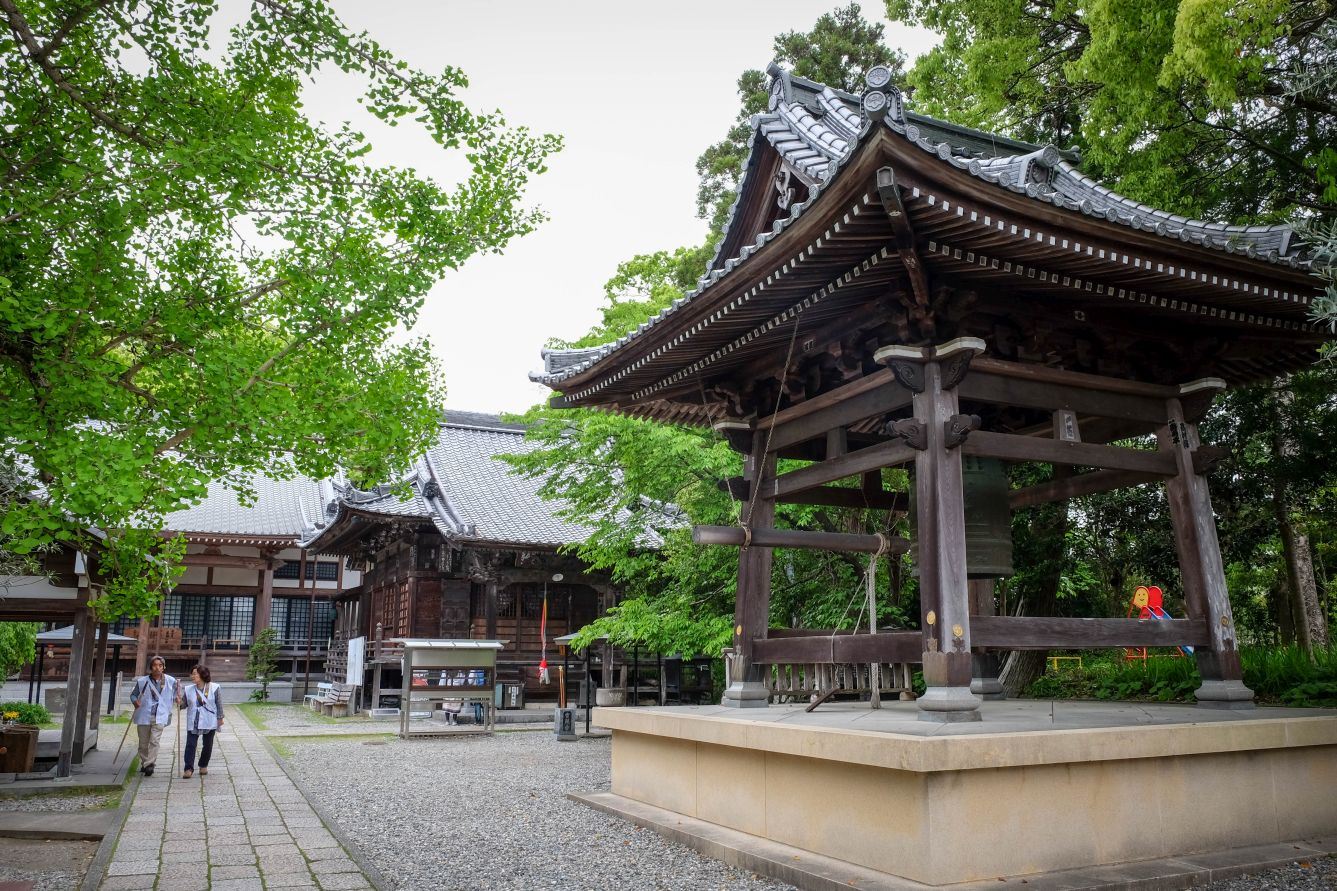
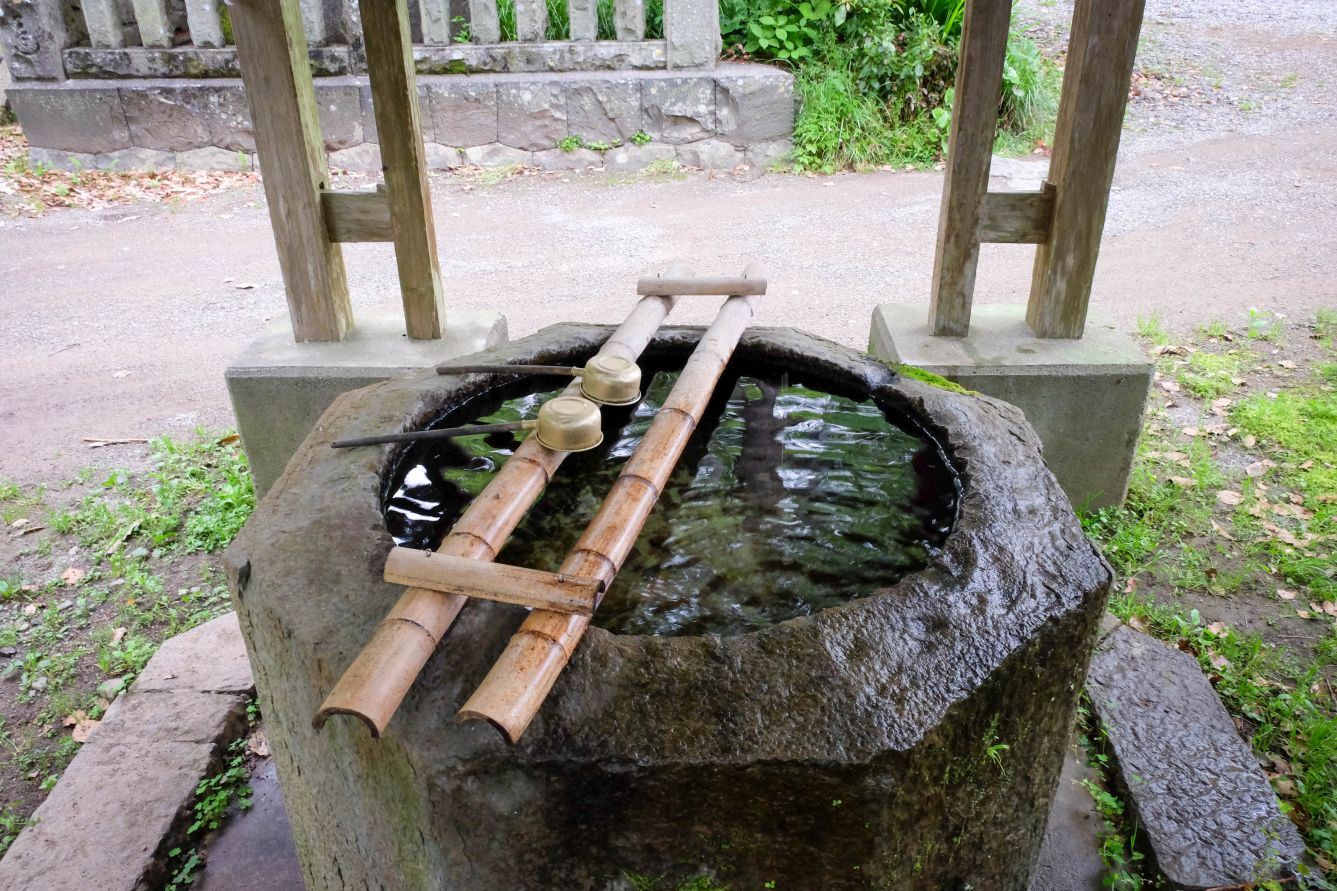
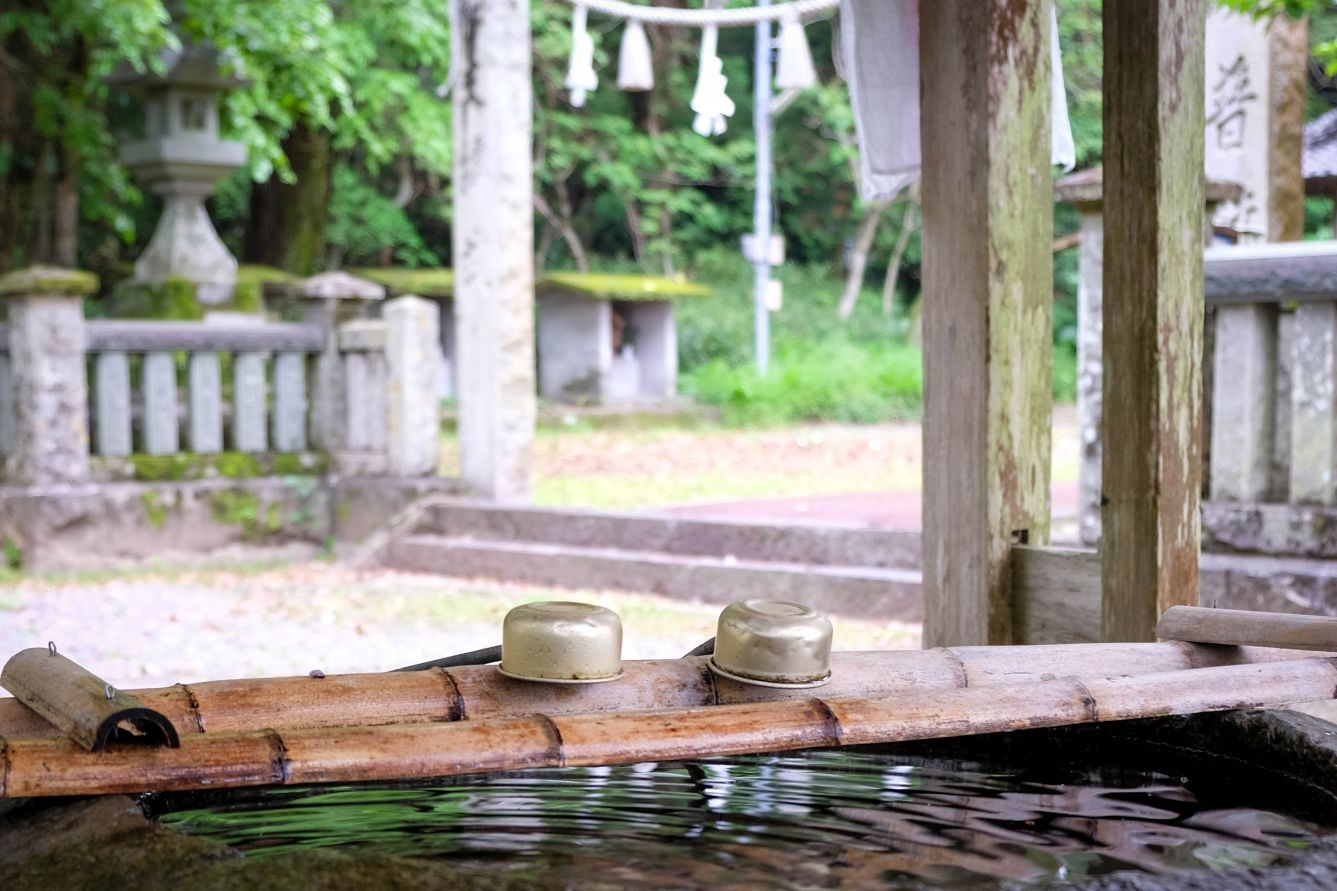
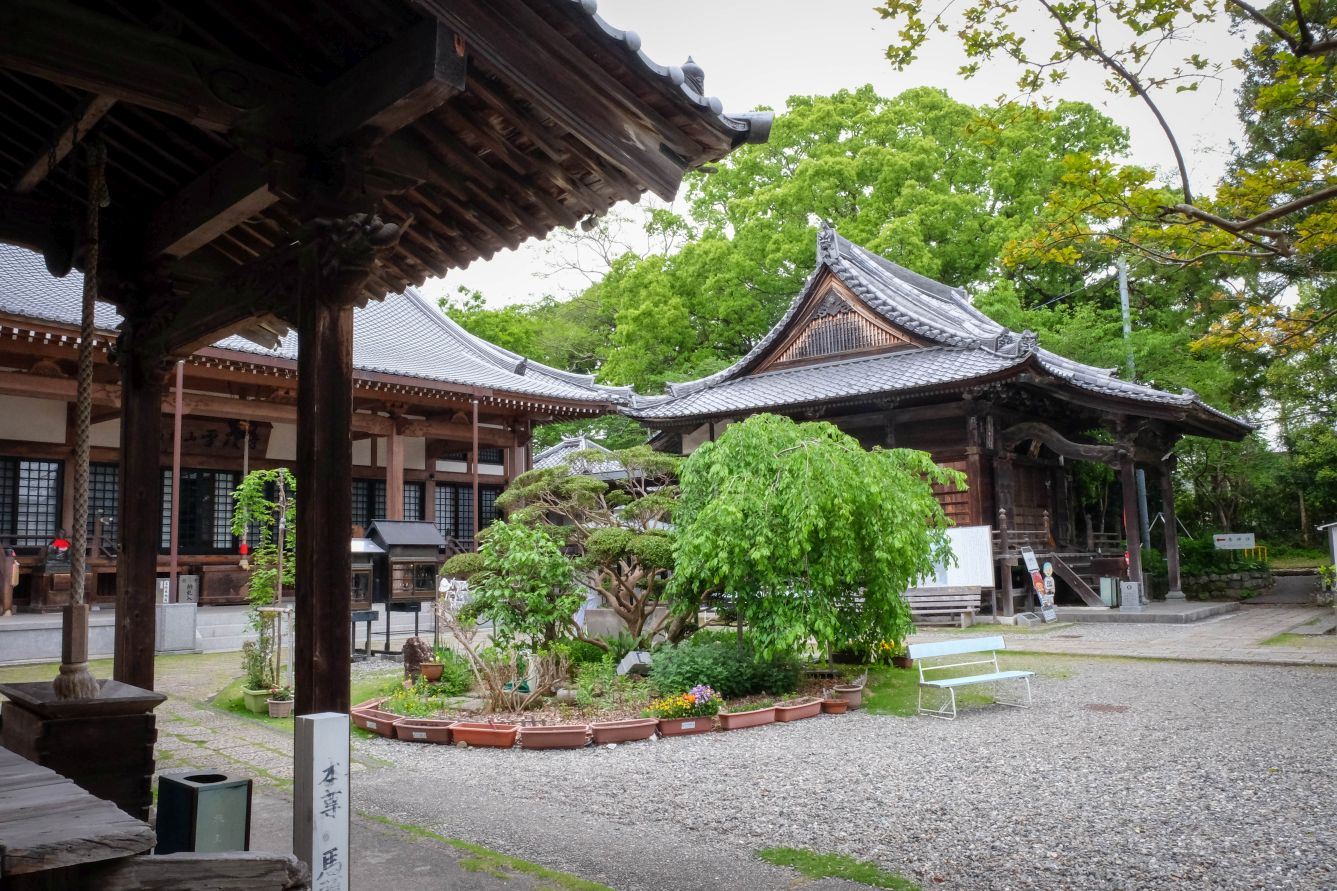
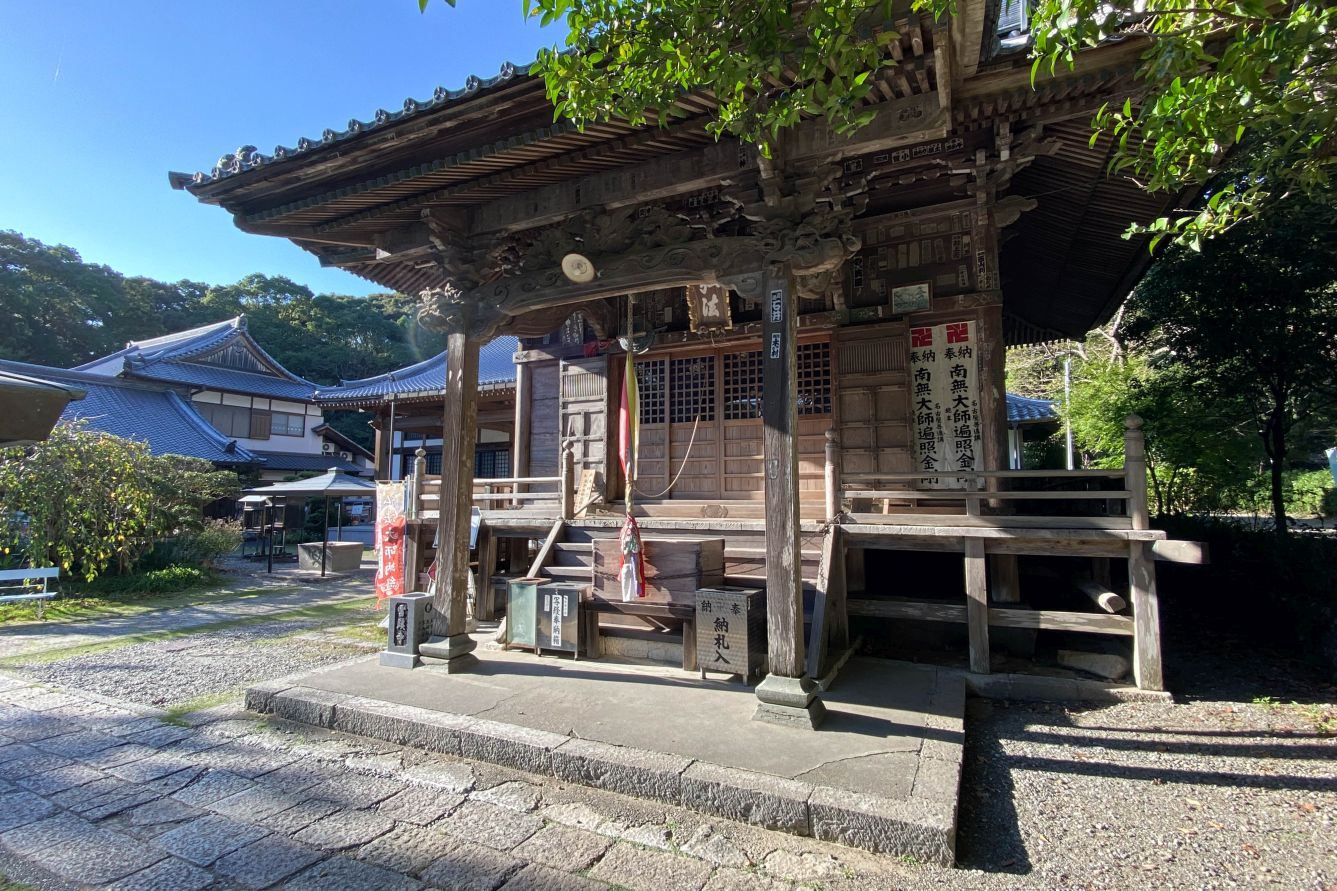
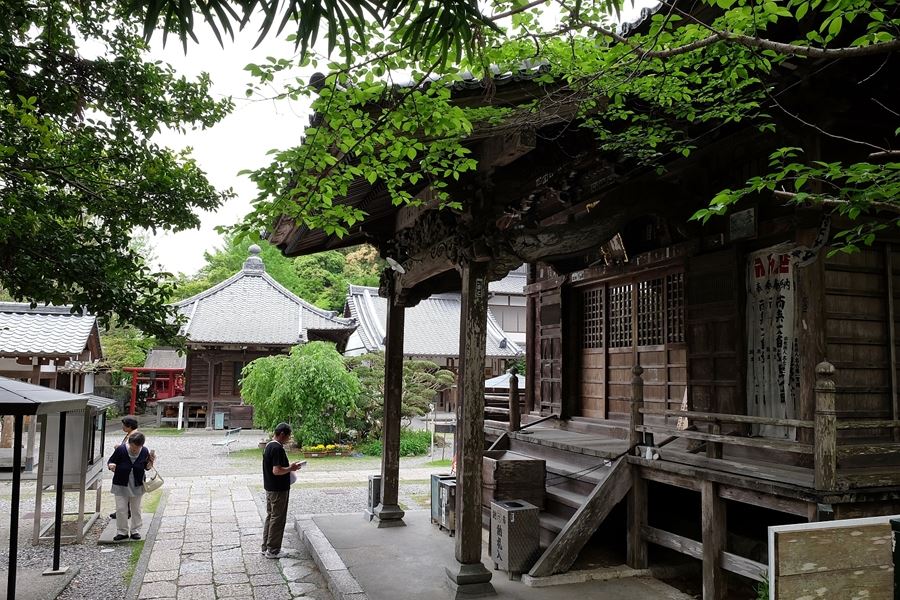
You enter the temple through a gate of stone pillars. The belfry built in 1977 is on the right and the water basin is on the left. The main hall reconstructed in 2004 is ahead of you, and the Daishi Hall built in 1908 is to the right of the main hall. To the left of the main hall are a guest hall and the temple office, and to the left is the Matō Kannon Hall. Behind the main hall is a repository of important cultural properties including the main statue, Yakushi Nyorai. This is not open to the public.
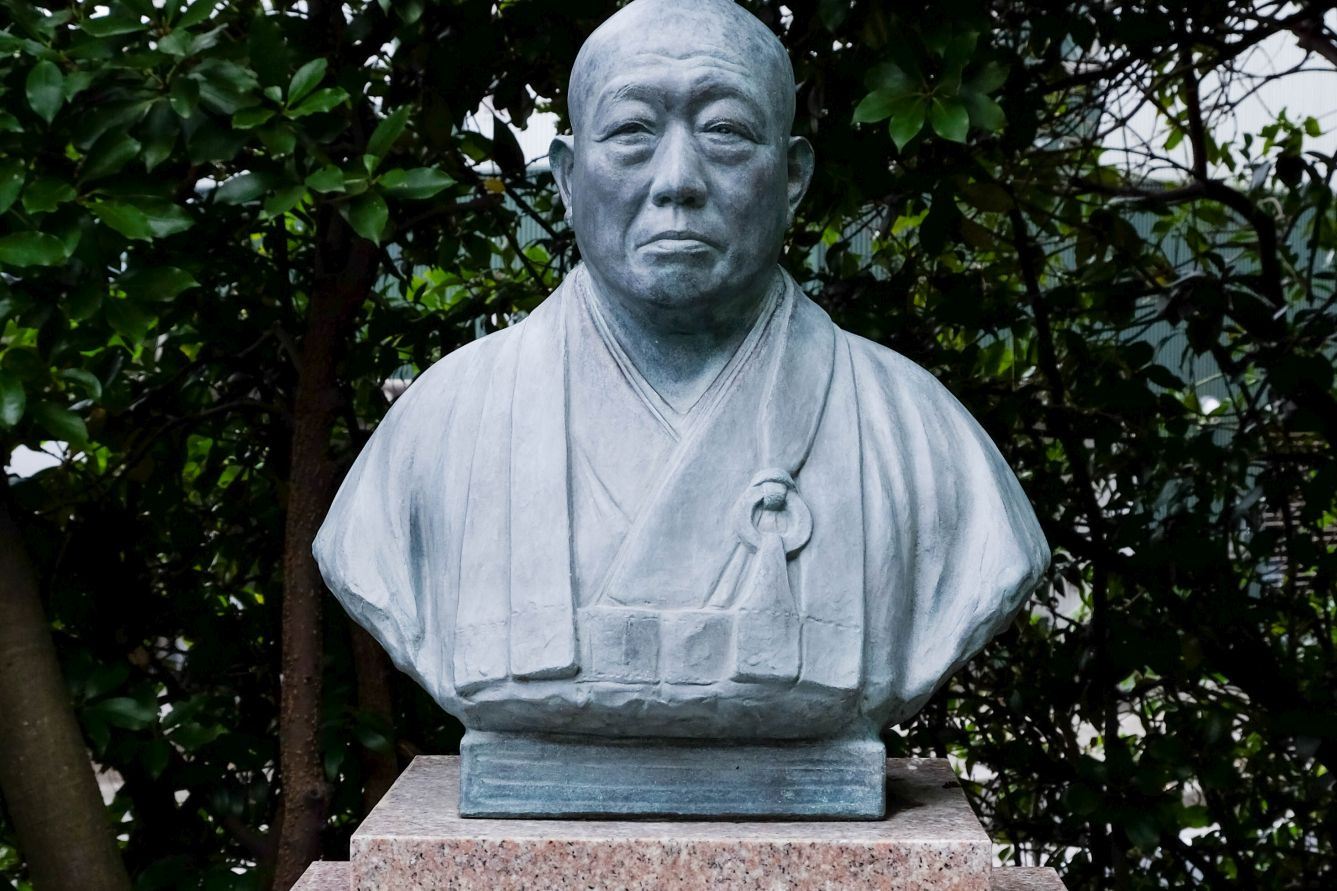
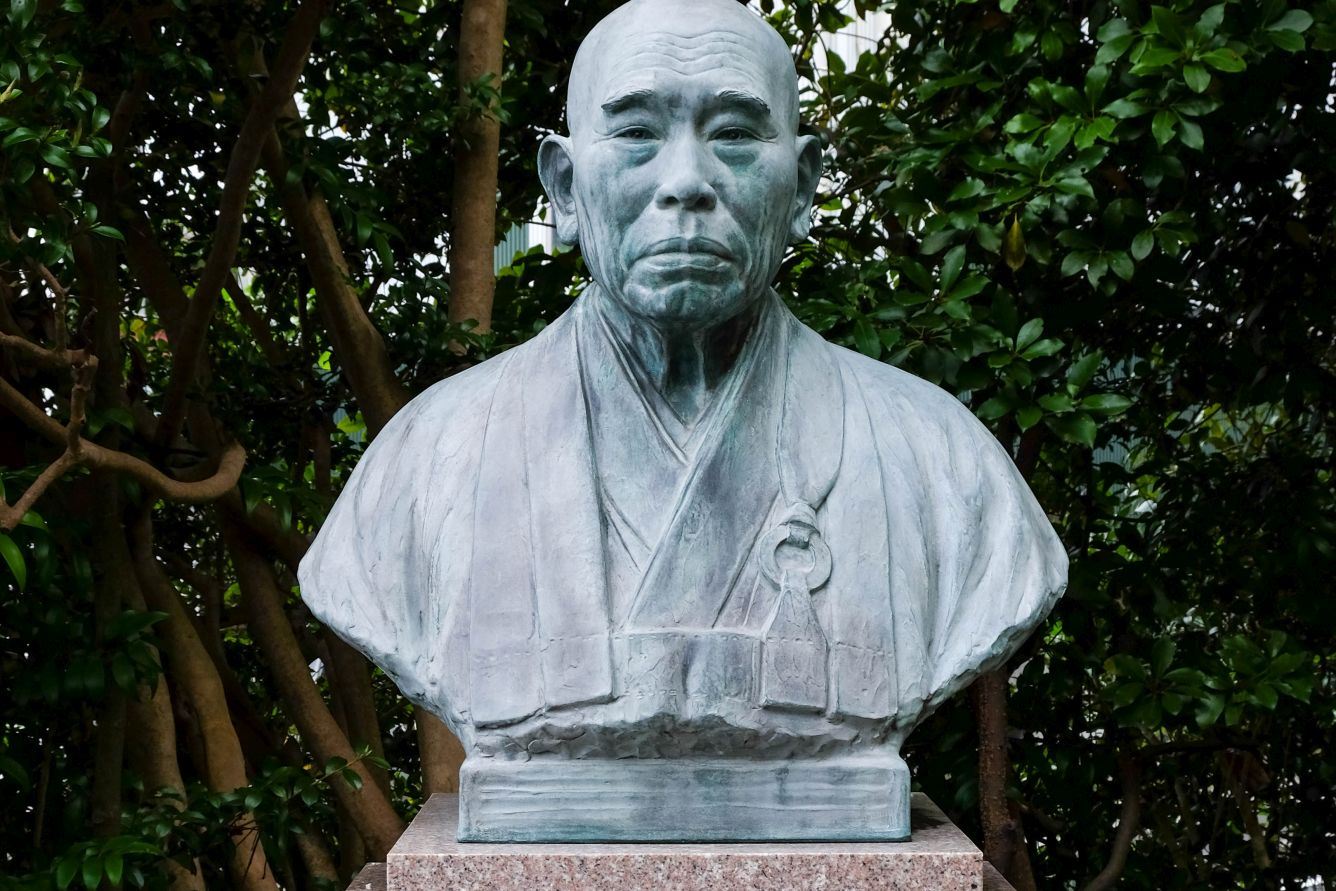
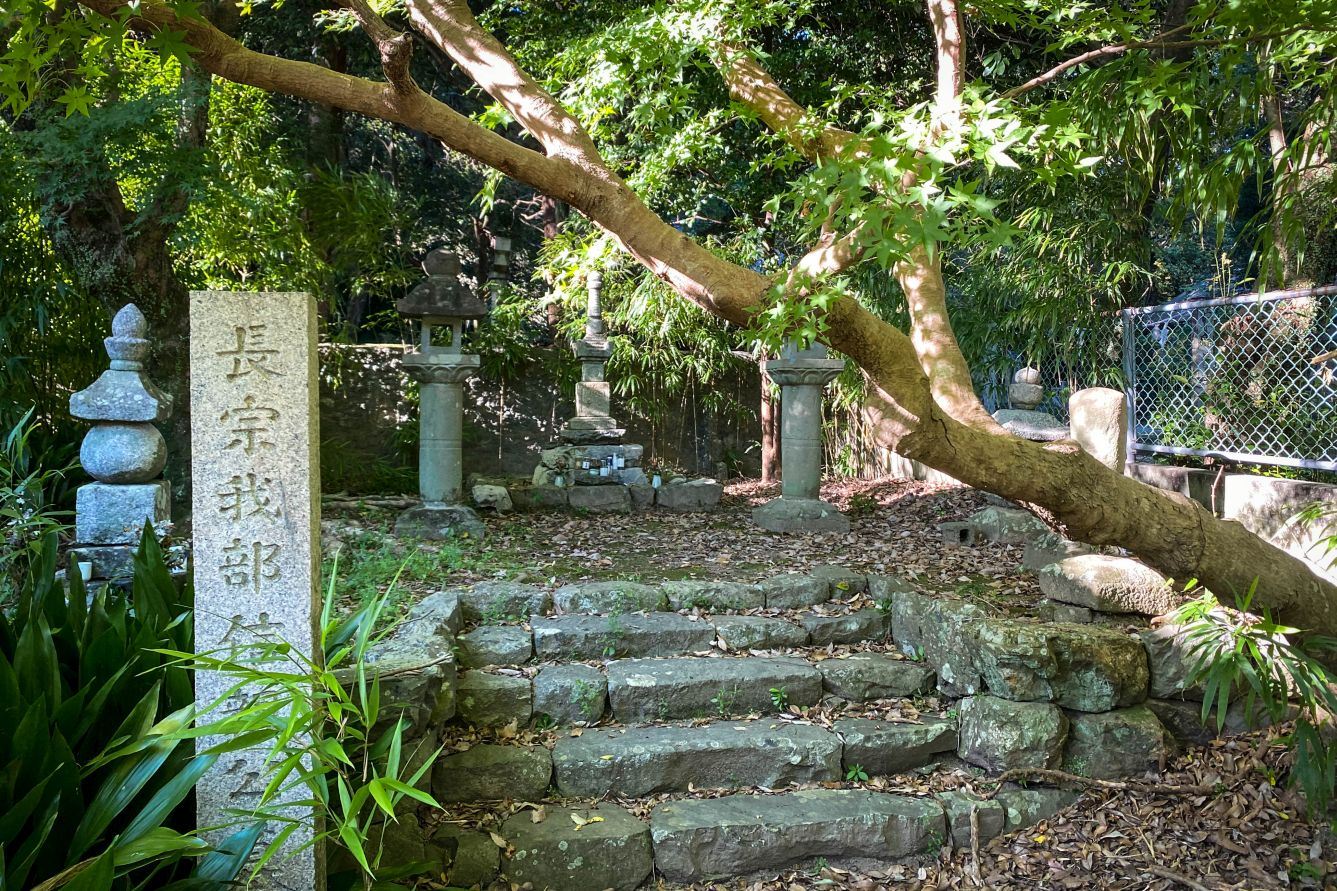
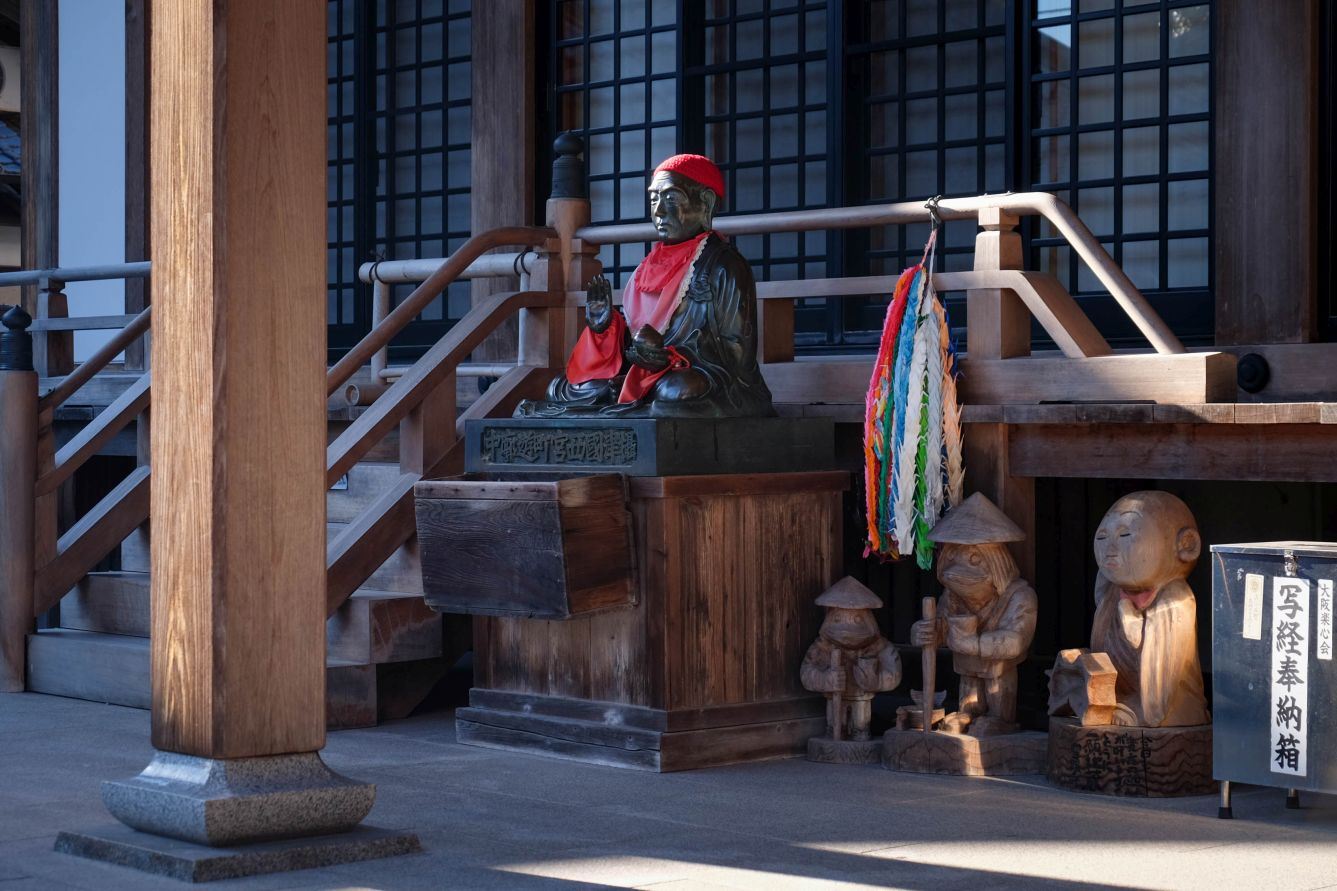
Also in the compound is the Umato-Kannon Hall reconstructed in 1931. Umato-Kannon is believed to protect the safety of travellers and is widely worshipped by pilgrims. The ceiling is decorated with paintings of celestial maidens. The Jizō Hall was reconstructed in 2004. There are memorial pagodas for the 17th and 18th chief priests, Yamamoto Taiken and Genbo , respectively, and the grave of Chōsokabe Nobuchika, the eldest son of Motochika.
History
According to temple legend, the temple was founded by Kūkai as a Shingon establishment named Shōrinzan Kofuku-ji. In the Kamakura period, the Buddhist priest Unkei and his eldest son Tankei came to the temple and renamed it Keiun-ji.
Later, the temple’s fortunes declined and it was abandoned, but in the late 1500s, the temple was restored as a Rinzai Zen establishment with the support of Chōsokabe Motochika, feudal lord of Tosa Province. After Motochika’s death in 1599, the temple became a family temple of the Chōsokabe clan.
In the early Edo period, the temple became a centre for the Southern School of Confucian learning, producing renowned Confucian scholars.
In the Meiji period, Sekkei-ji was closed due to the abolition of Buddhism in 1870, and the following year, Hata Shrine was built on the site of the main hall, with a seated statue of Chōsokabe Motochika from the temple’s collection as its deity. In 1879, the temple was reconstructed on a different site, and by 1911, the temple area was expanded and a full-scale reconstruction was completed. Until the temple was rebuilt in 1879, the functions of Sekkei-ji as a pilgrimage temple were conducted at Chikurin-ji Temple under the name of Kofuku-ji Temple.
Information
Name in Japanese: 雪蹊寺
Pronunciation: sekkei-jee
Address: 857-3 Nagahama, Kōchi 781-0270